
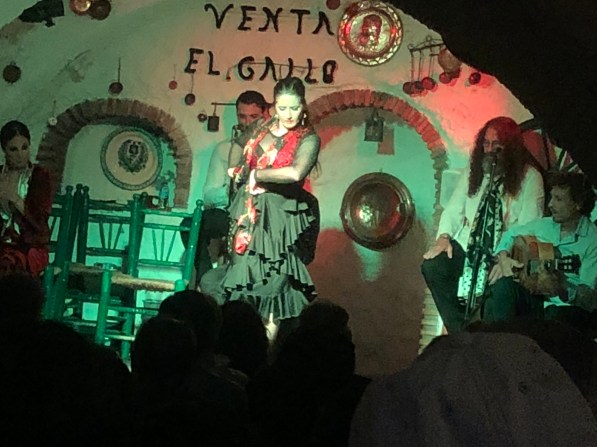
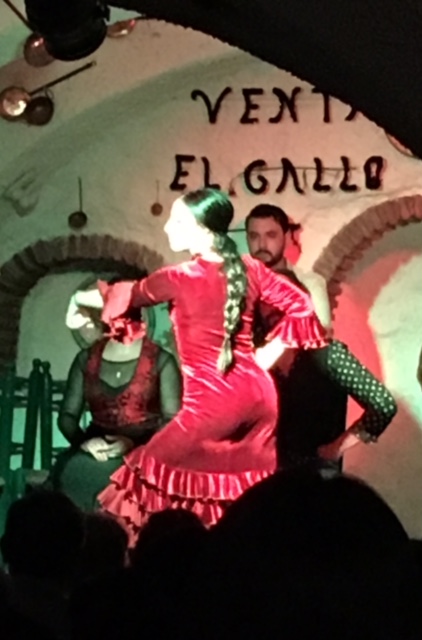
“I don’t know how good their singing is?” queried Rob as we were serenaded by Flamenco guitarists about 10 minutes into our visit in Granada. It was the wailing and sounds of despair that may have caused Rob to doubt. We were later to find out that this was classic flamenco. Visiting the museum in the Gypsy area of Sacromonte we read of “suffering, neglect, anguish, fear, pain, isolation”. Gypsies faced cruel and racist laws for many years – so had plenty to sing/wail about.
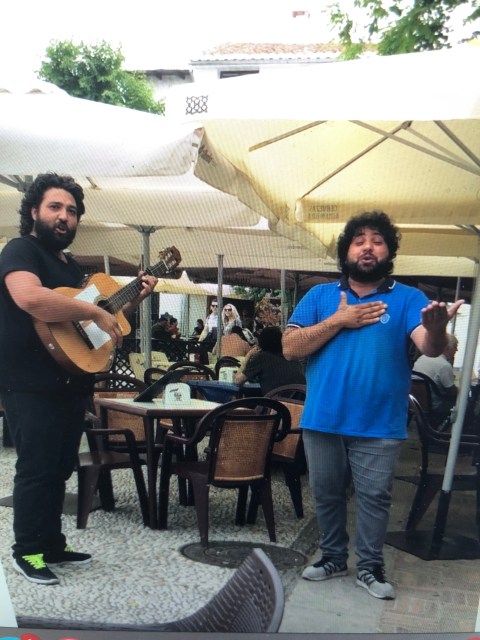
Kimberly, Hugh and Cesca Gordon had recommended Granada as having a great atmosphere with live music in the streets. Beginning with our first meal that was the case, music everywhere.

Albaicin
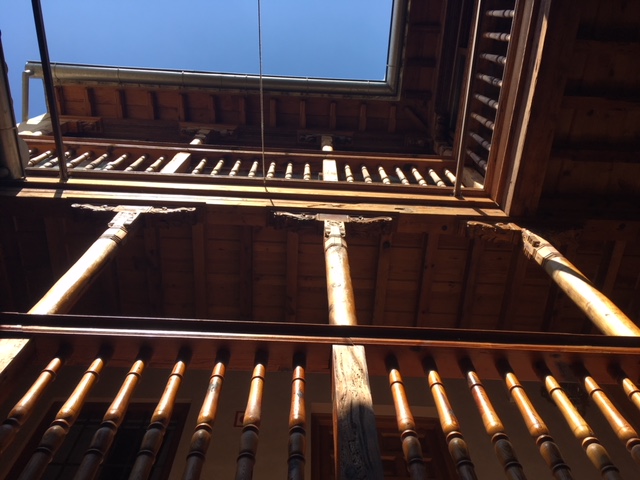
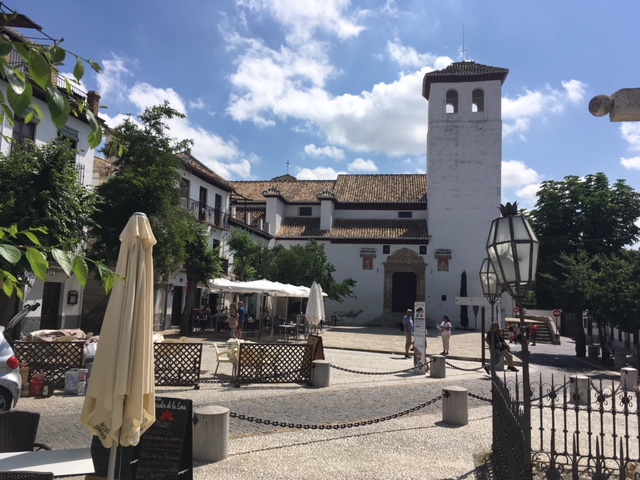
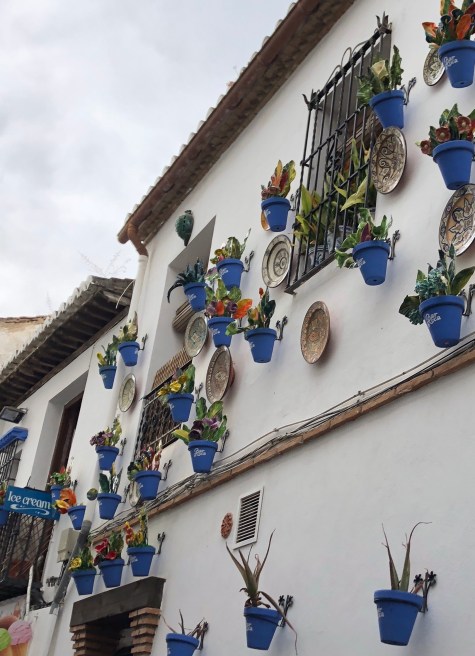
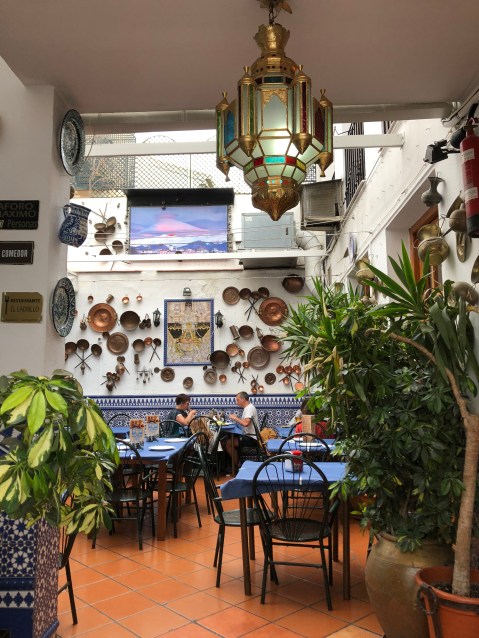
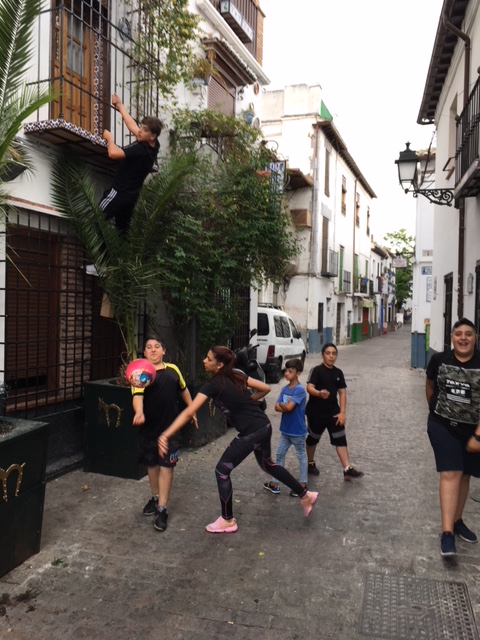
We stayed in the old part of town – Albaicin (pronounced Alb-eye-thin).
Saromonte
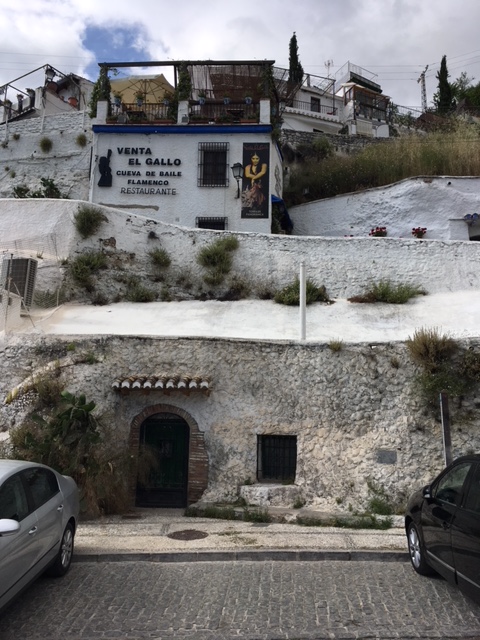
Beyond Albaicin is Sacromonte, the gypsy village outside of the old city wall on the arid hot and dry side of the valley.

Flamenco
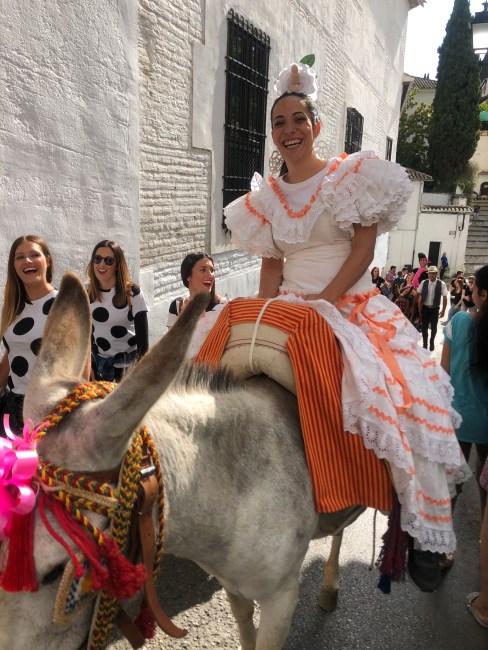
Here in the caves dug into the hillsides is the original home of Flamenco, a music and dance style with many influences including from the Arab world and from India.
La Alhambra
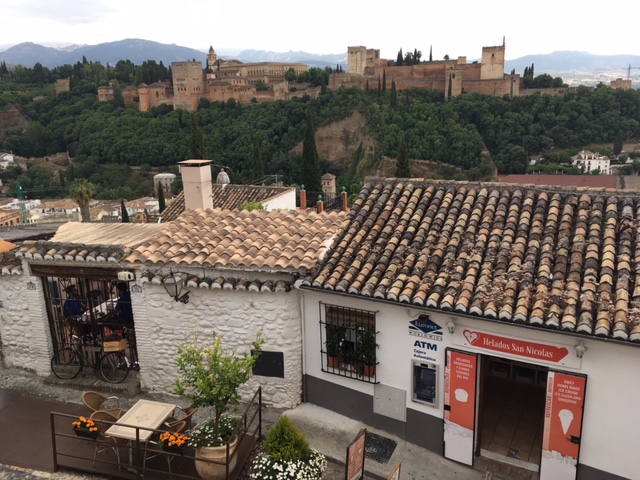
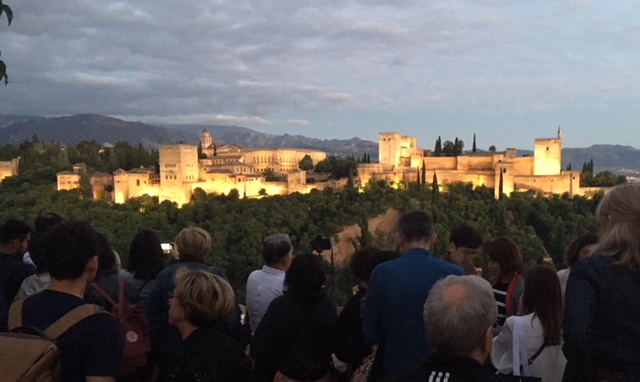
Across the river, on the shadier and lusher side of the valley is one of the major tourist attractions in Granada, La Alhambra. Numbers of visitors are kept limited and we needed to book on a tour at a specific time some months in advance.
Built on the remains of a Roman fortification, it was rebuilt by the Arabs by the Nasrid Emir and later converted into a Royal Palace by the Sultan of Granada in 1333.
The Christians took over in 1492 and it became the Royal court of Ferdinand and Isabela, although they didn’t seem to spend a lot of time there.
Designated a UNESCO world Heritage site in 1984 it is now one of Spain’s major tourism attractions and exhibits Spain’s most well known Islamic Architecture together with later 16th Century palaces and garden interventions.
Alhambra arch series
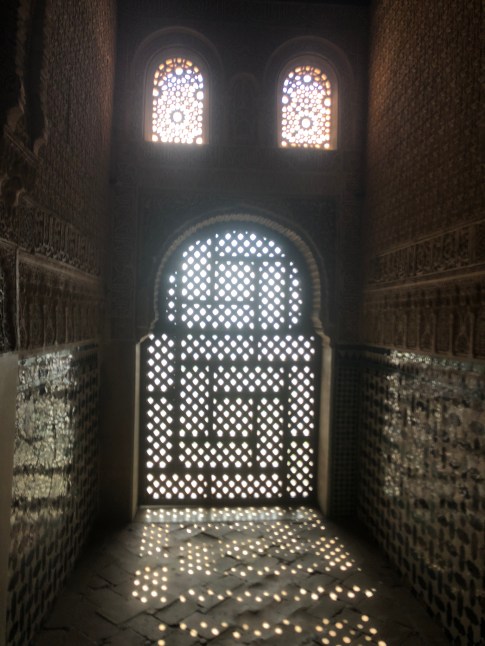
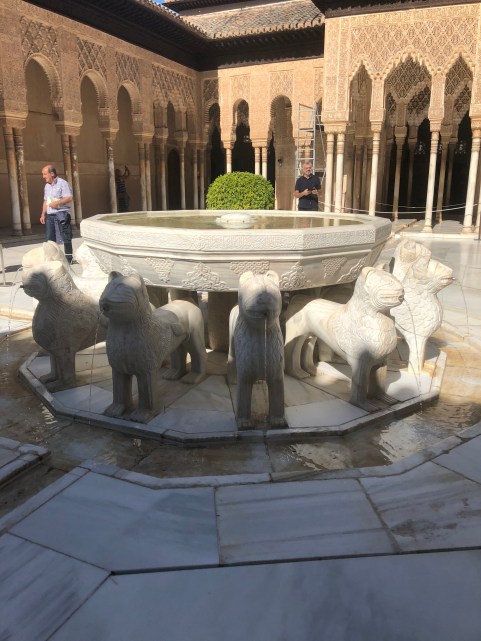
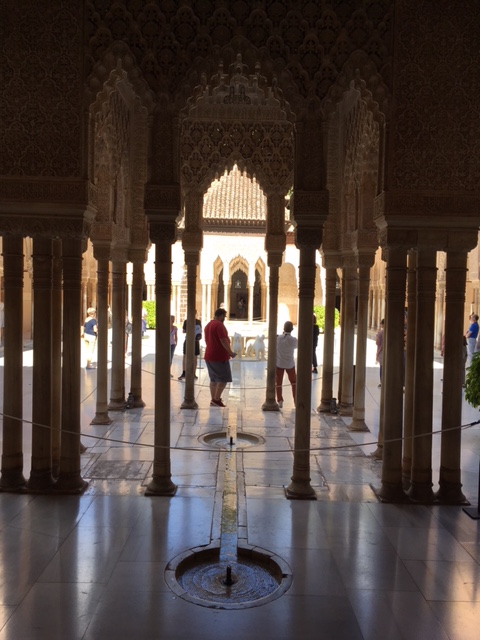
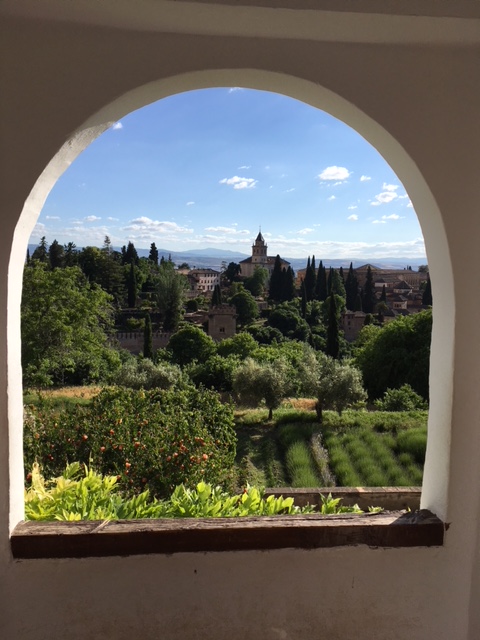
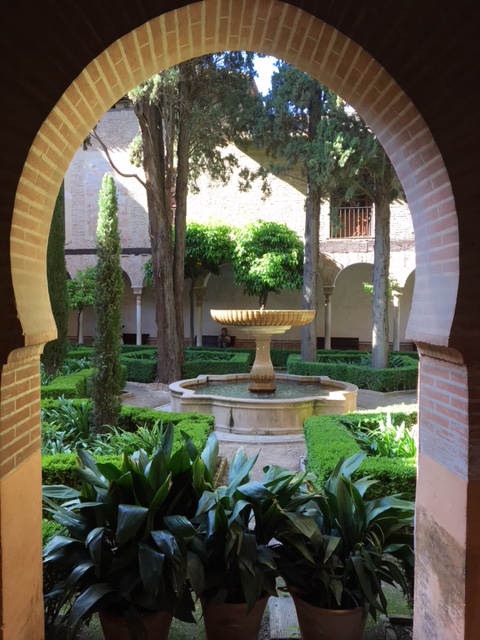
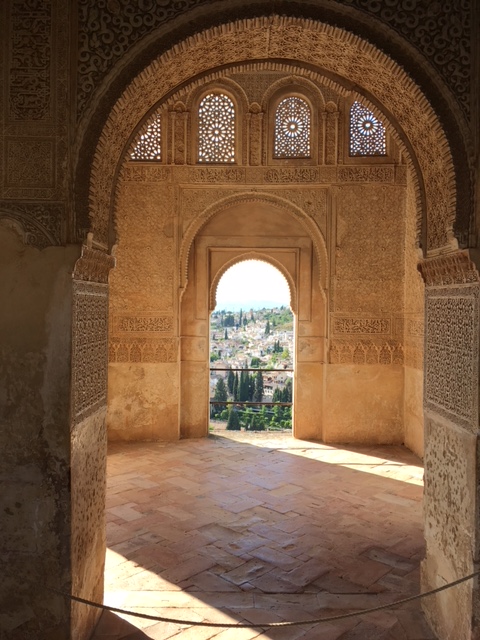
Alhambra gardens


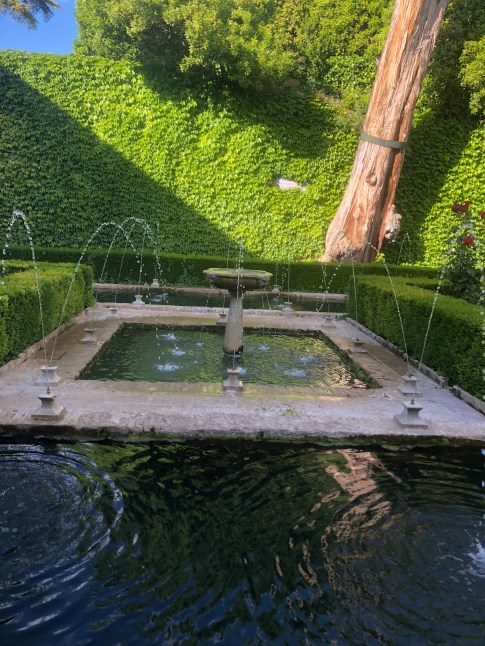
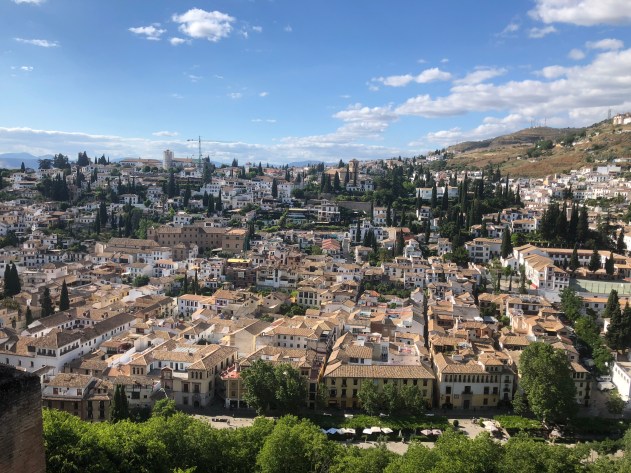
Granada is is in a stunning location at the base of the Sierra Nevada, which still had snow covered peaks in the distance even though it’s now late spring.
The water from the mountains allowed the Arabs or the Moors to introduce irrigation, delivery of fresh water for drinking and fountains and sanitation. Some of this infrastructure exists to this day.
The Arabs also introduced ceramics, and there was a flourishing of arts music and culture. Much of this was slowed down with the “reconquista” by the Christians.
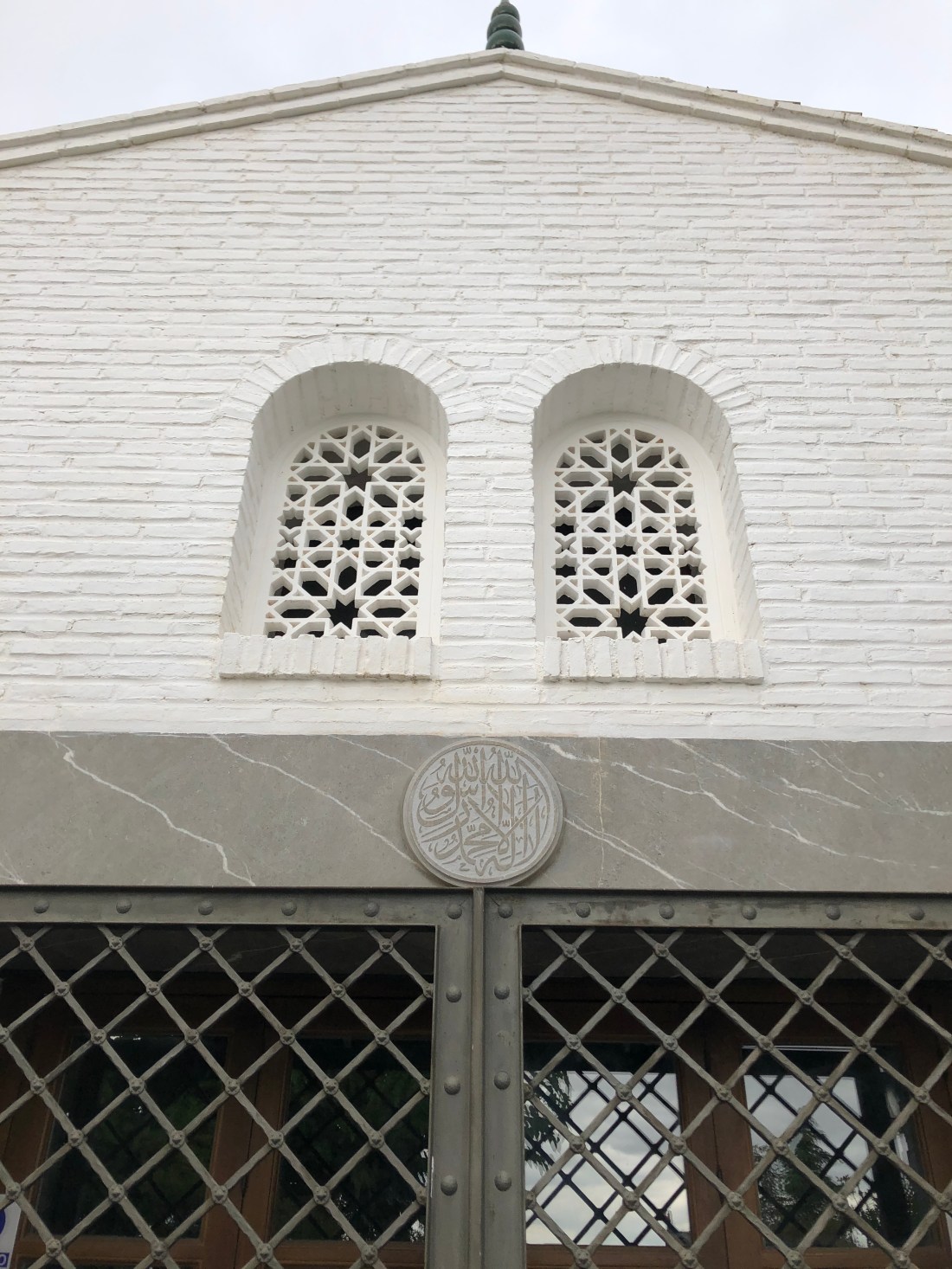
The Mosque – there is a growing muslim population in Granada
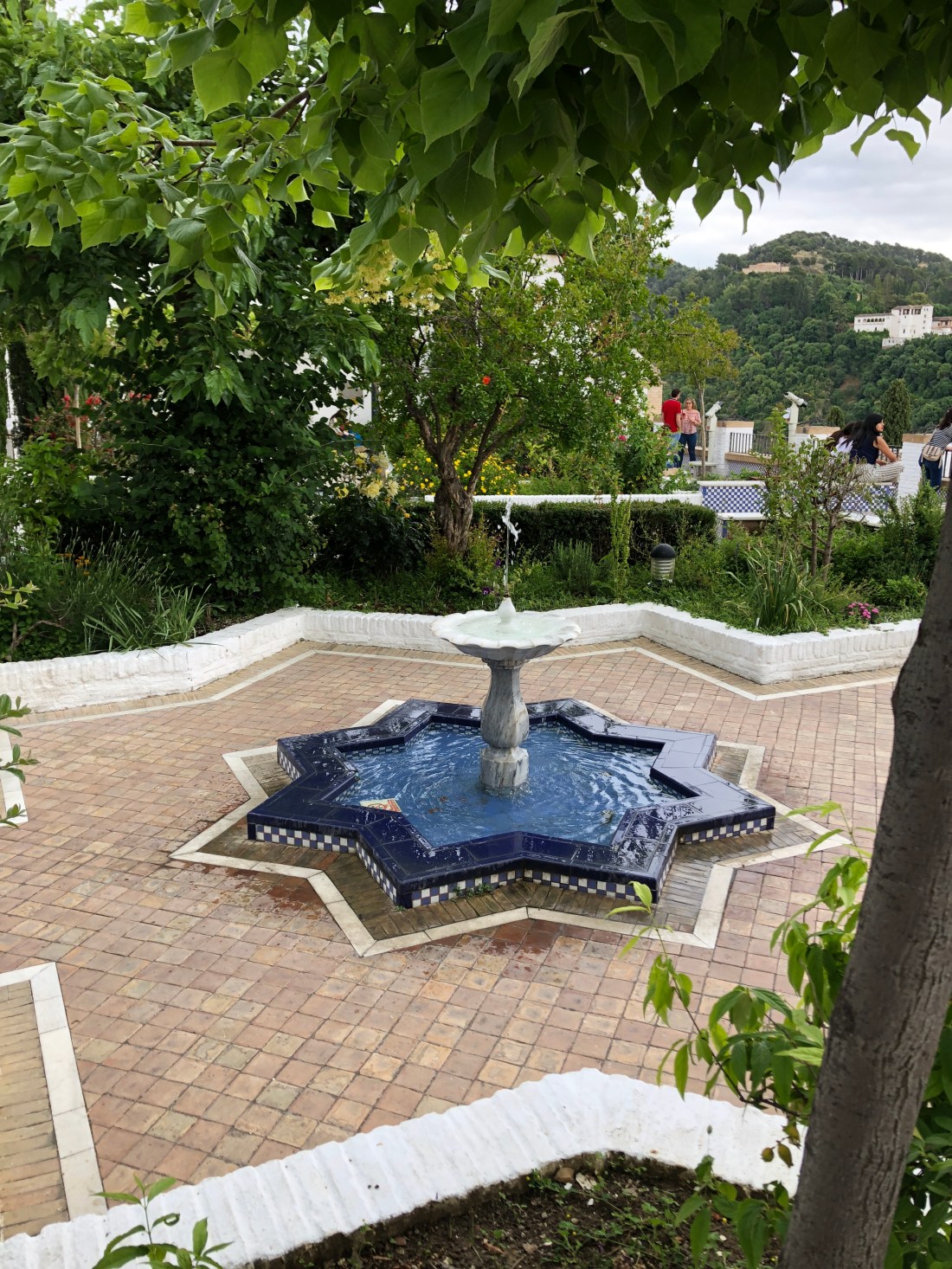
ROB RANT ALERT – It’s sad that despite the flow of beautiful water from the mountains, it’s virtually impossible to get a glass of water at a restaurant, without buying imported water in a bottle, usually plastic – not only here but across much of Europe.
While we were in Spain Rob was able to use his now rusty Spanish from traveling through Central America in the early 1980’s.
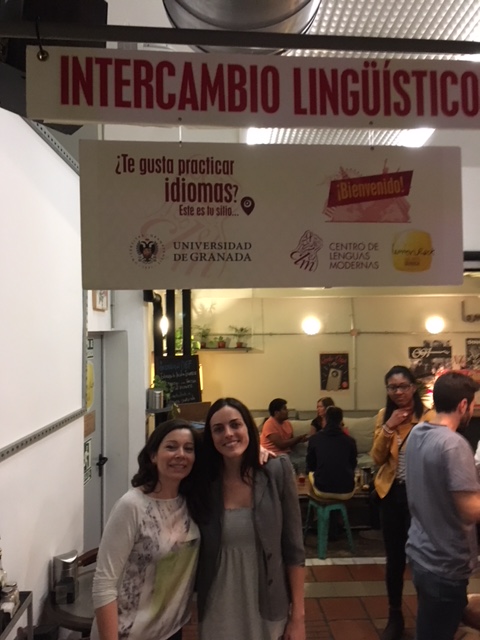
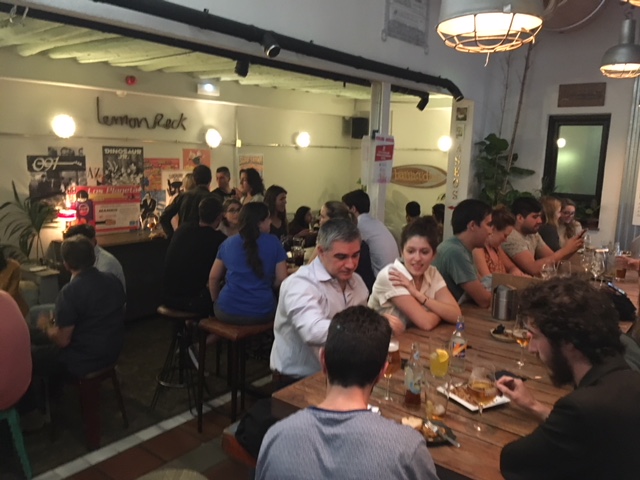
On the last night in Granada Rob went to Intercambio Linquisico at a local bar that also has live music. This has been set up to help people get together the practice and improve their language.
There were different groups in the room Chinese and Spanish, French and Spanish and English and Spanish. Rob ended up having discussion in broken English and Spanish about the current developments with Catalan independence and the new Spanish Prime Minister.
Sevilla
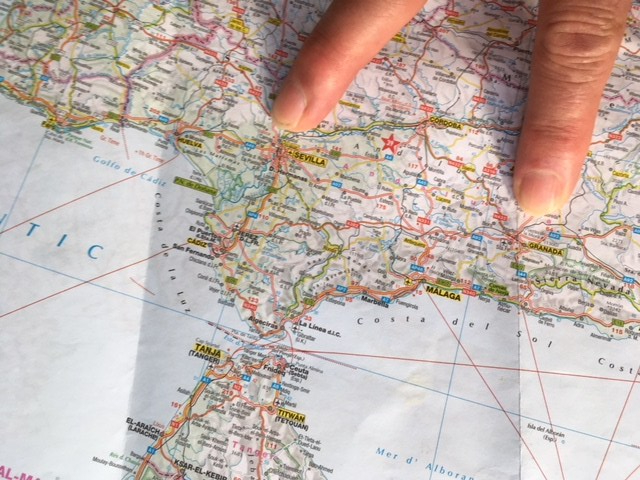
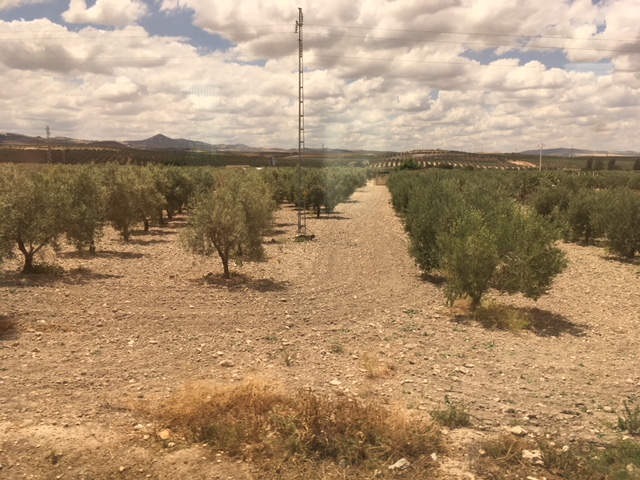
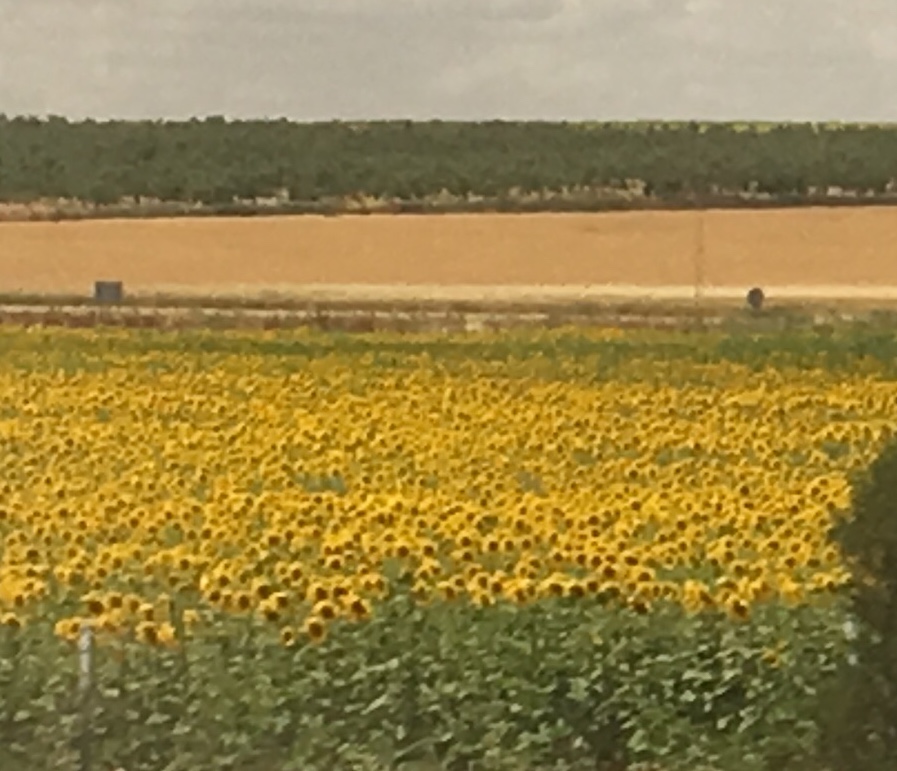
Looking out the train window at the Andalusian countryside it appeared that these were large holdings in a few hands. Huge areas of olives, sunflowers. Alex saw one farm which was clearly for breeding black bulls for bullfighting. All she could think about was Ferdinand the bull and felt sad about what these feisty little fellows would face in the future. Bull fighting still big in Sevilla.
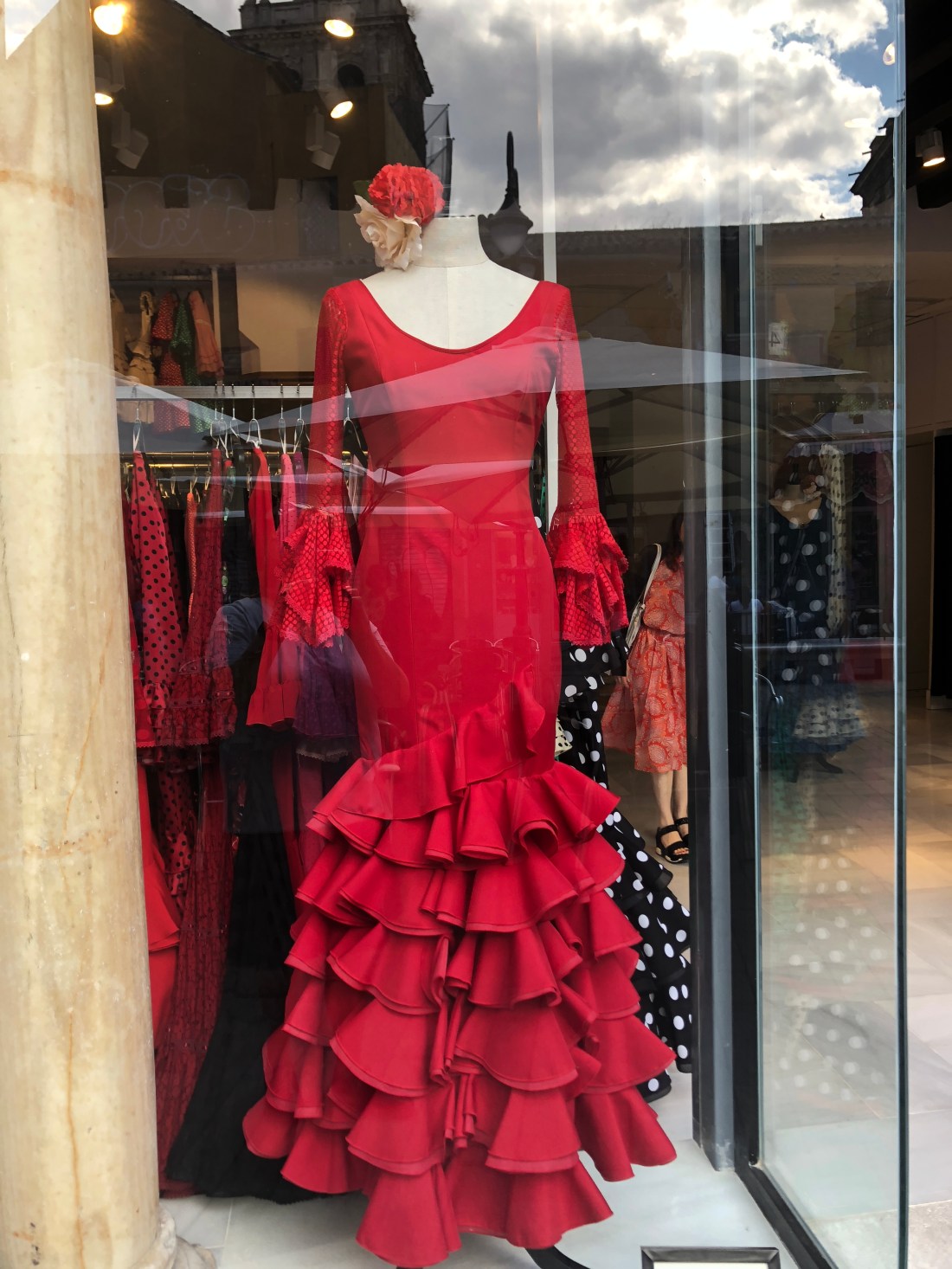
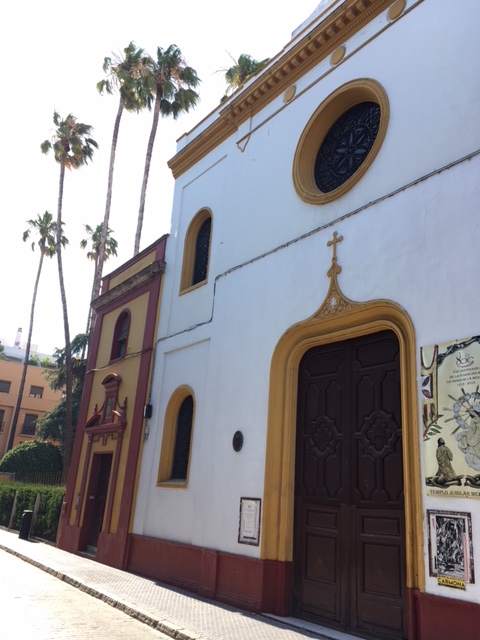
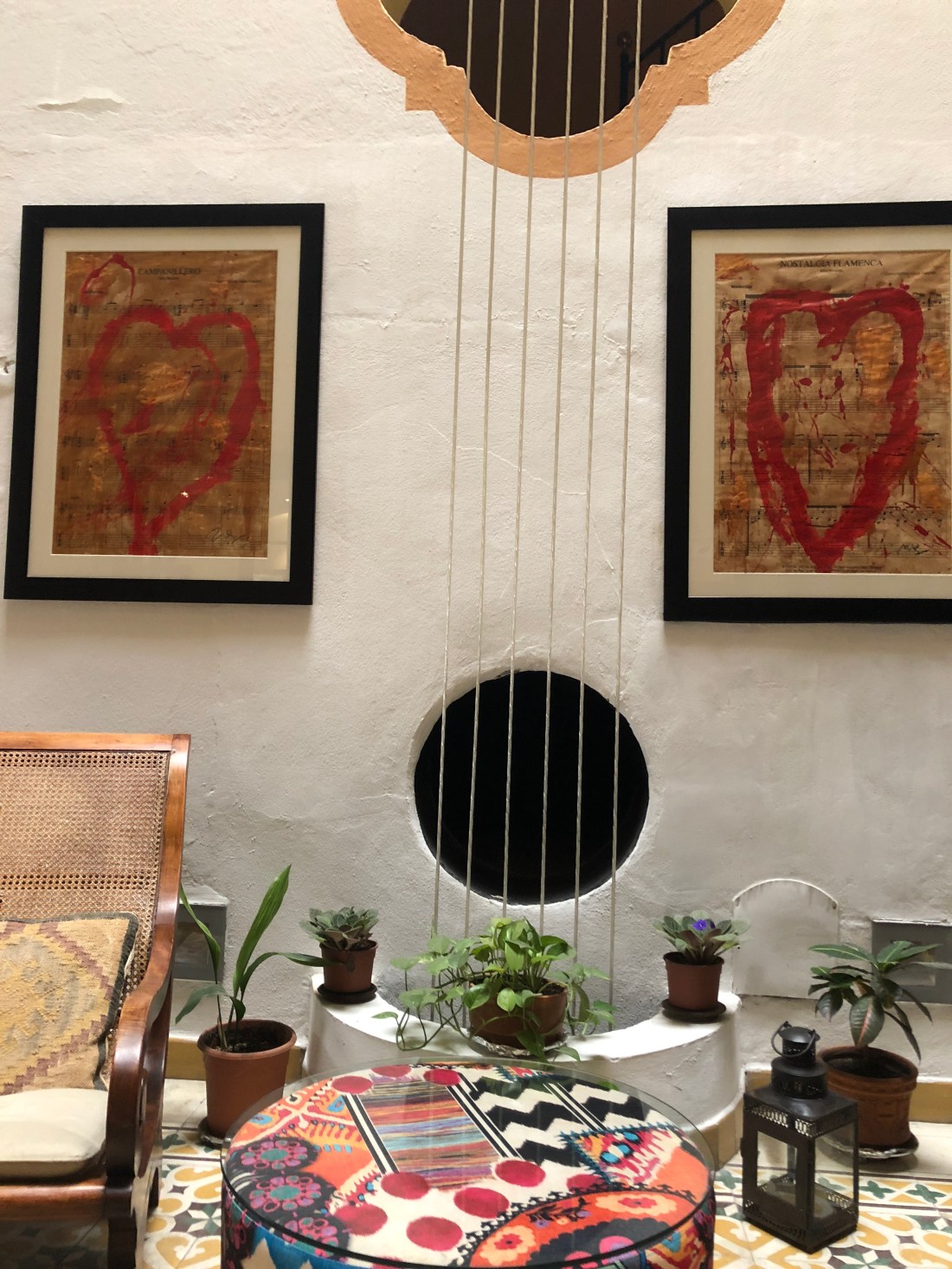
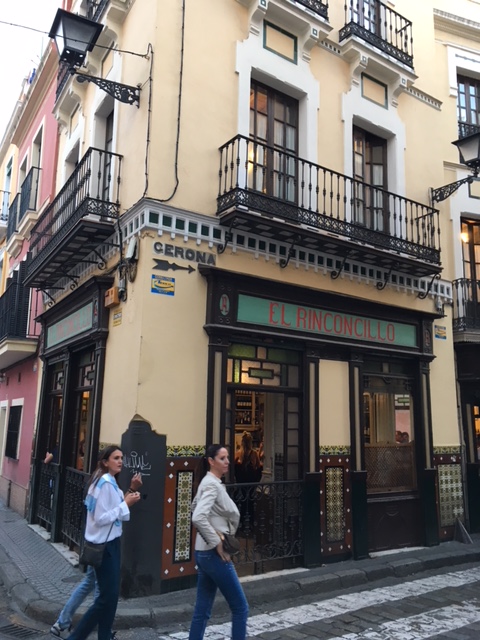
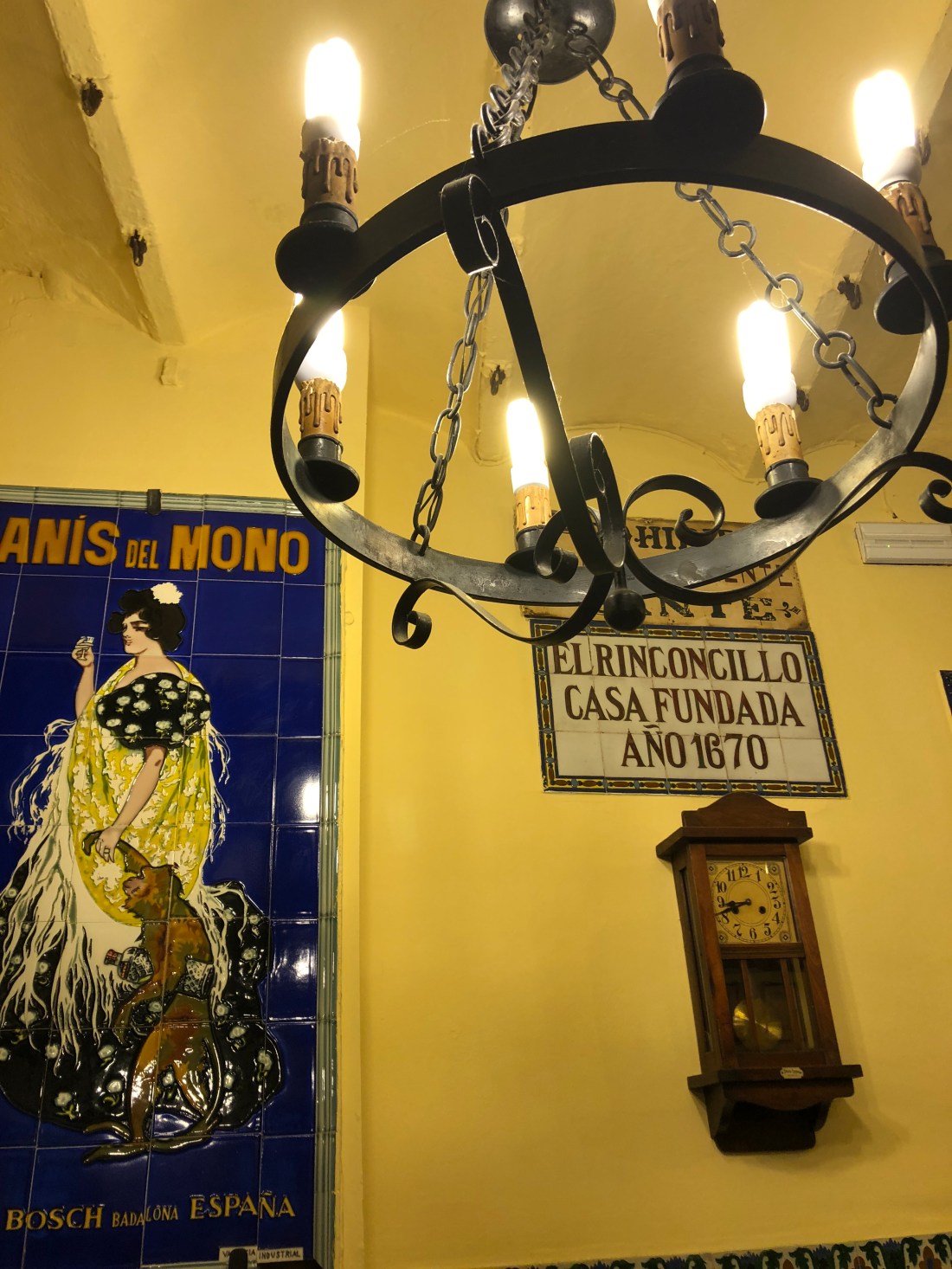
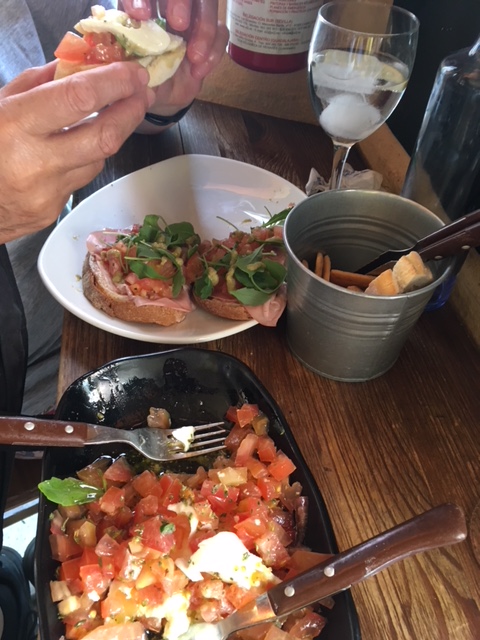
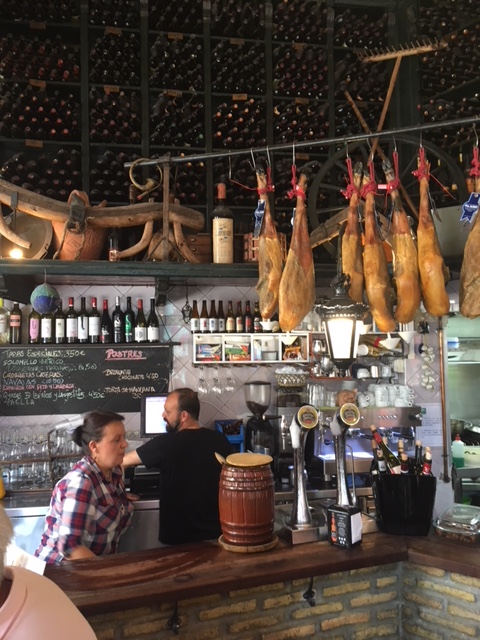
While Granada is still in the hinterland of the Mediterranean, Sevilla is firmly focussed on the Atlantic.
Although it’s inland it sits on the massive Quadalquivr River, which used to able to provide the harbour for the ocean going ships that brought back the wealth from the Spanish Colonies.
The Alcazar was build as a Royal palace by the Christians after they destroyed a Muslim fortress on the same site after their conquest of Seville. It is the oldest royal palace still in use in Europe
The Moorish influence is here, although perhaps not as strong as in Granada.

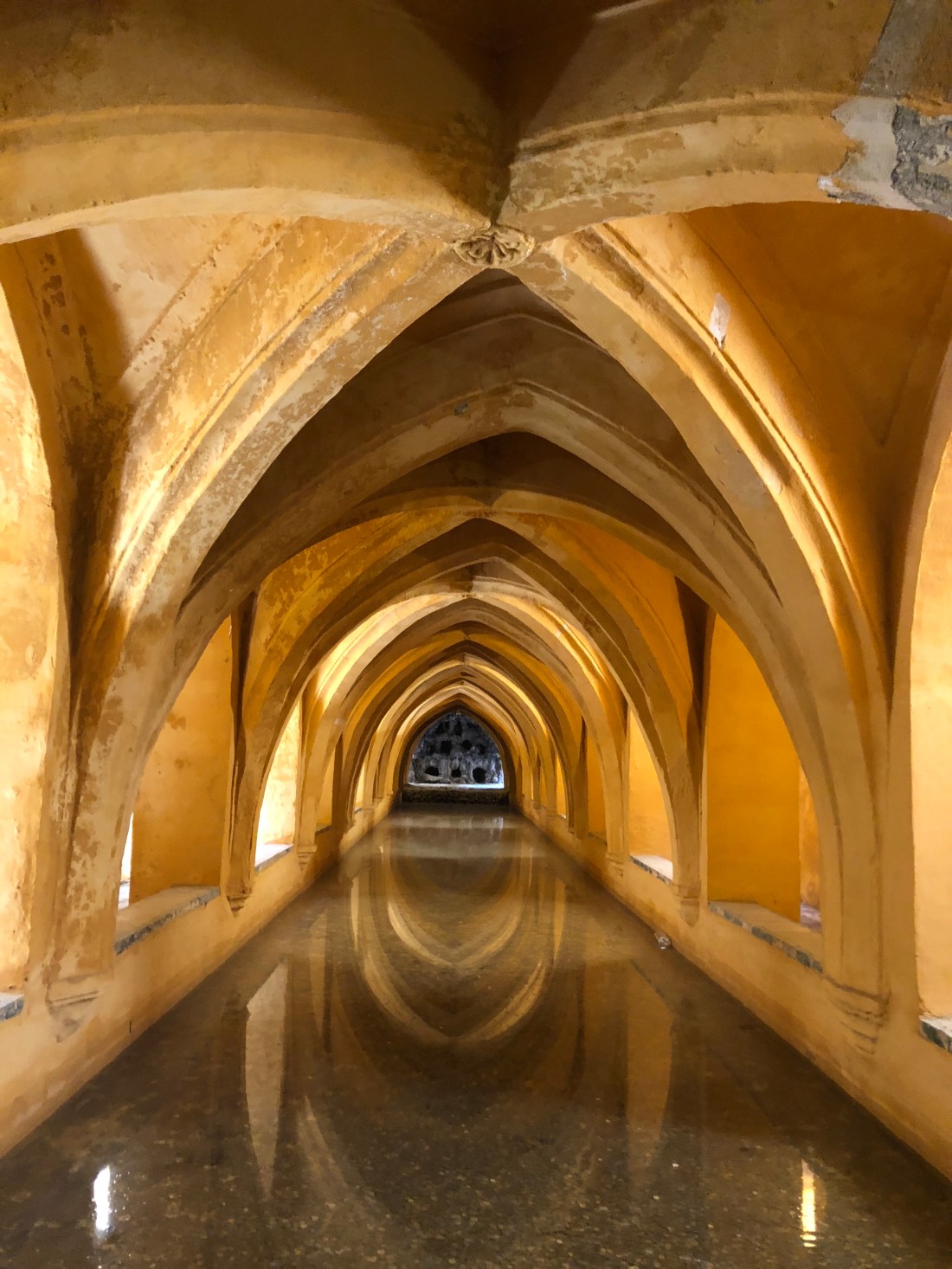
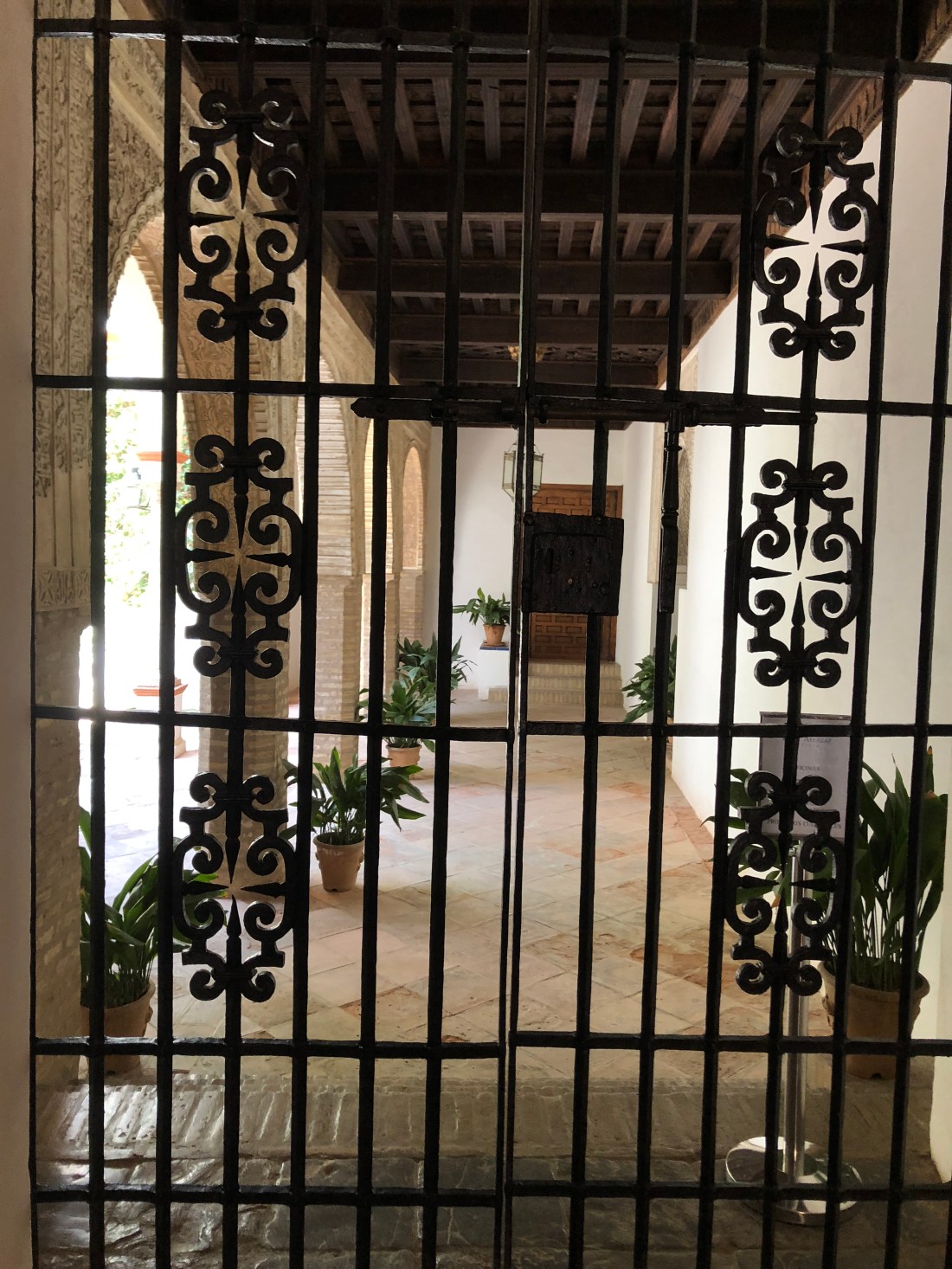
The enormous wealth that flowed through the city, funded the construction of beautiful buildings and much of it went on to fund wars. Seville was a major centre of power in the world, but as the river silted up the port moved to Cadiz, and as the plundered wealth from the new world dried up to a trickle, the city lost it’s power and relevance.
Reminders of modern day parrallels – what will Australia look like when the minerals are gone and coal seam gas extraction has polluted our water and farm lands. What will be left then?
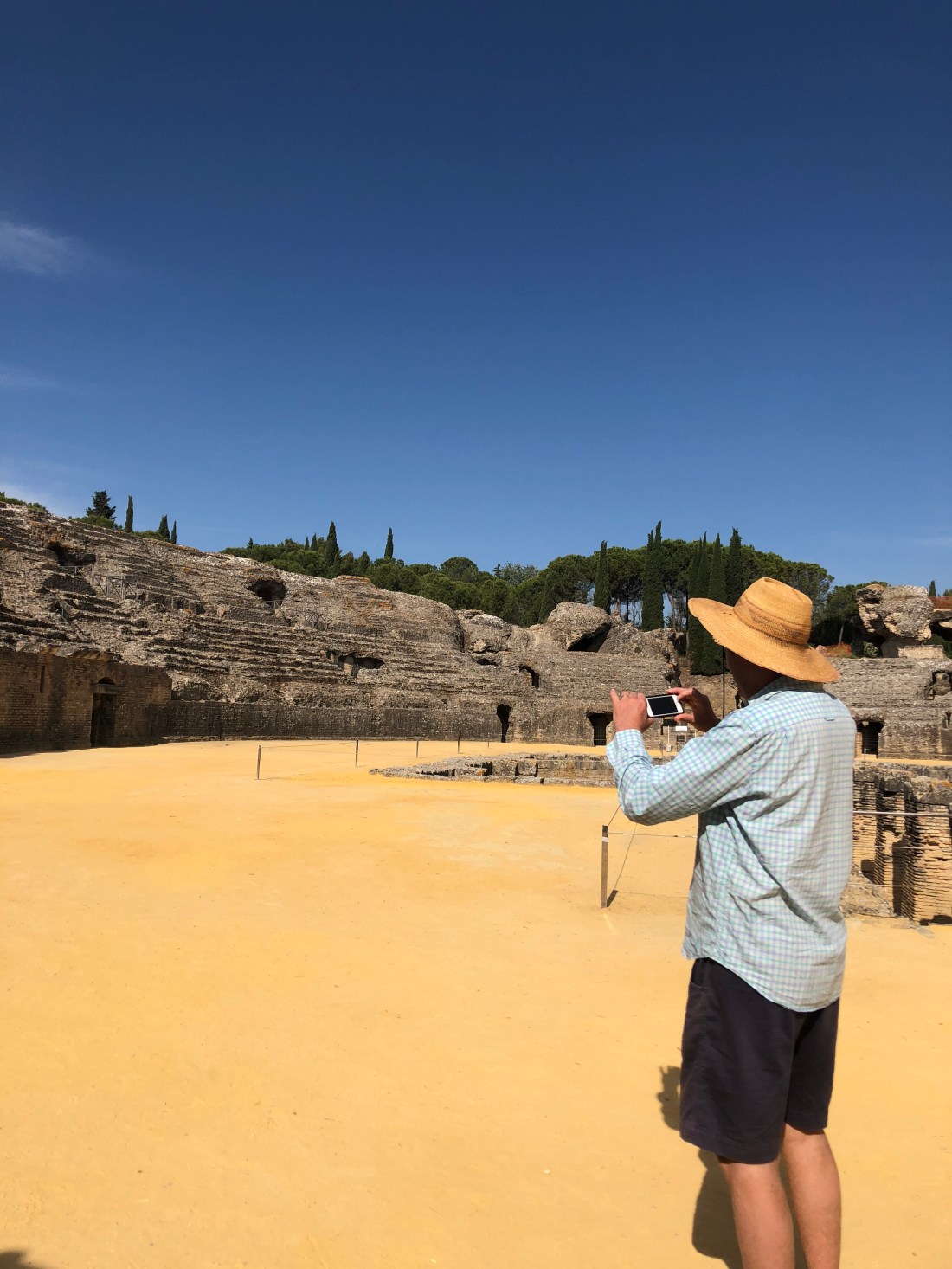
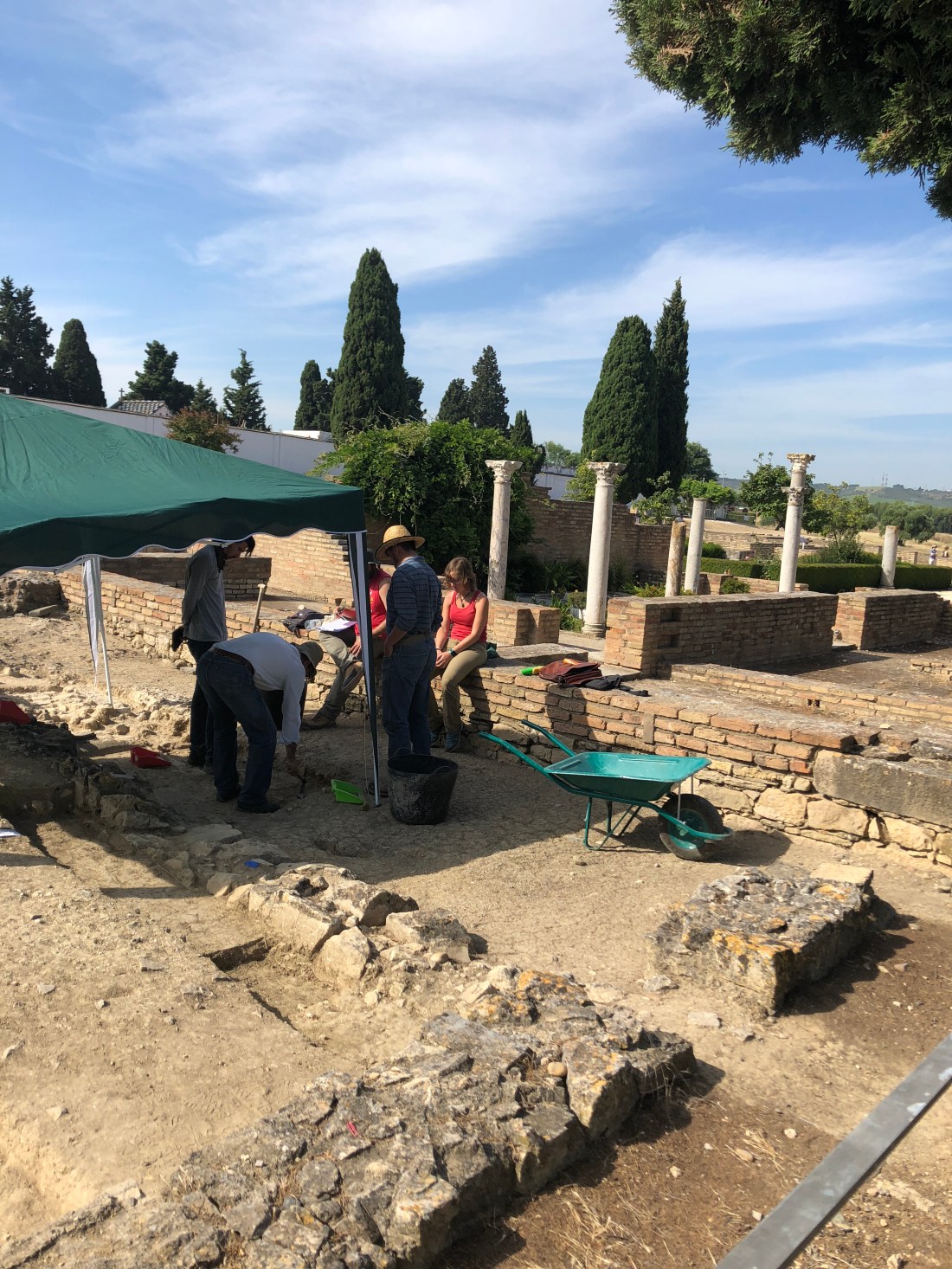
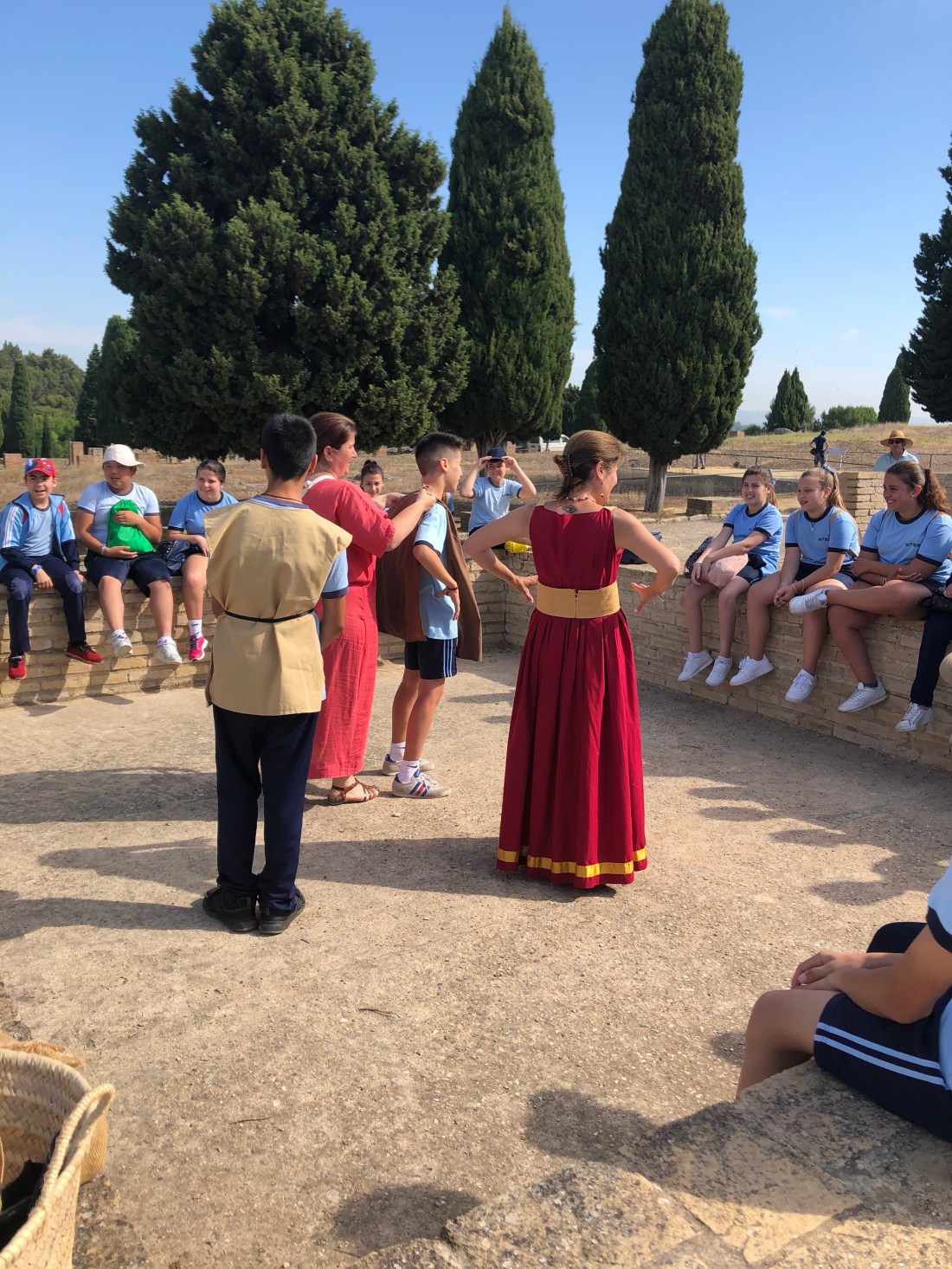
On the way out of Sevilla we visited Italica founded in 206 BC by the great Roman general Publius Cornelius Scipio (later given the nickname Africanus) to settle his victorious veterans from the Second Punic Wars against Hannibal and the Carthaginians, and close enough to the Guadalquivr to control the area. Italica is also the birthplace of Roman Emperors Trajan and Hadrian.
The area was originally quite fertile but as the Roman settlers cut down the surrounding trees the area became more arid and inhospitable.
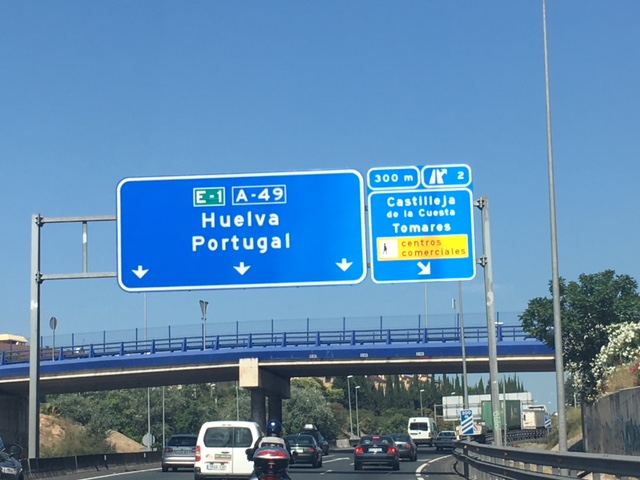
Next, the Portugese border.
 Parental Gap-Year