
Pedralva
Time for a rest. We are now half-way through our “Grand Tour” so we have booked a stay near the south-western most tip of Europe, Sagres Portugal. From the website we’d got the impression we’d be staying in a little cottage a short walk from the beach.
Except we are not really by the seaside, instead inland in a little remote village at Pedralva
Rob’s left/right brain gets a complete workout, as we hired a manual car at Faro airport and we set off on the “wrong side” of the road for the drive to Sagres.
Looking across to the coastline of Faro it looks like the Gold Coast, lots of high rise buildings catering to a big influx holidaying Brits.
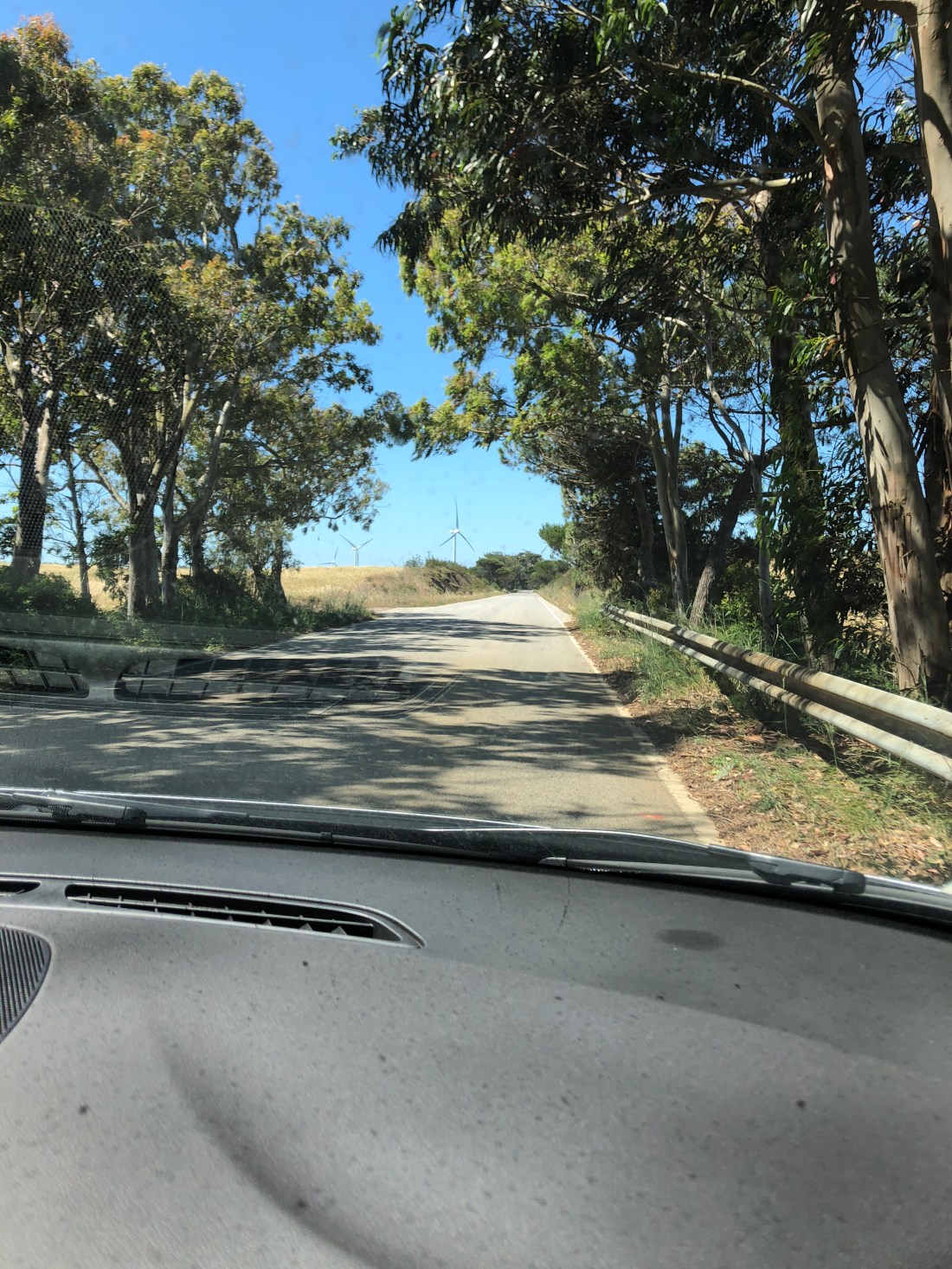
Our turn-off confuses us as we are heading further away from the coast and away from civilisation, over the top of windswept hilltops covered in Eucalyptus plantations. We were on dirt road passing the occasional dusty and beaten up old car, it’s looking a bit like the drive to Currajuggle Creek. Even more so when the famous “snake detector” of the family spots a large black snake (4 snakes were spotted during our stay, but they are not venomous).
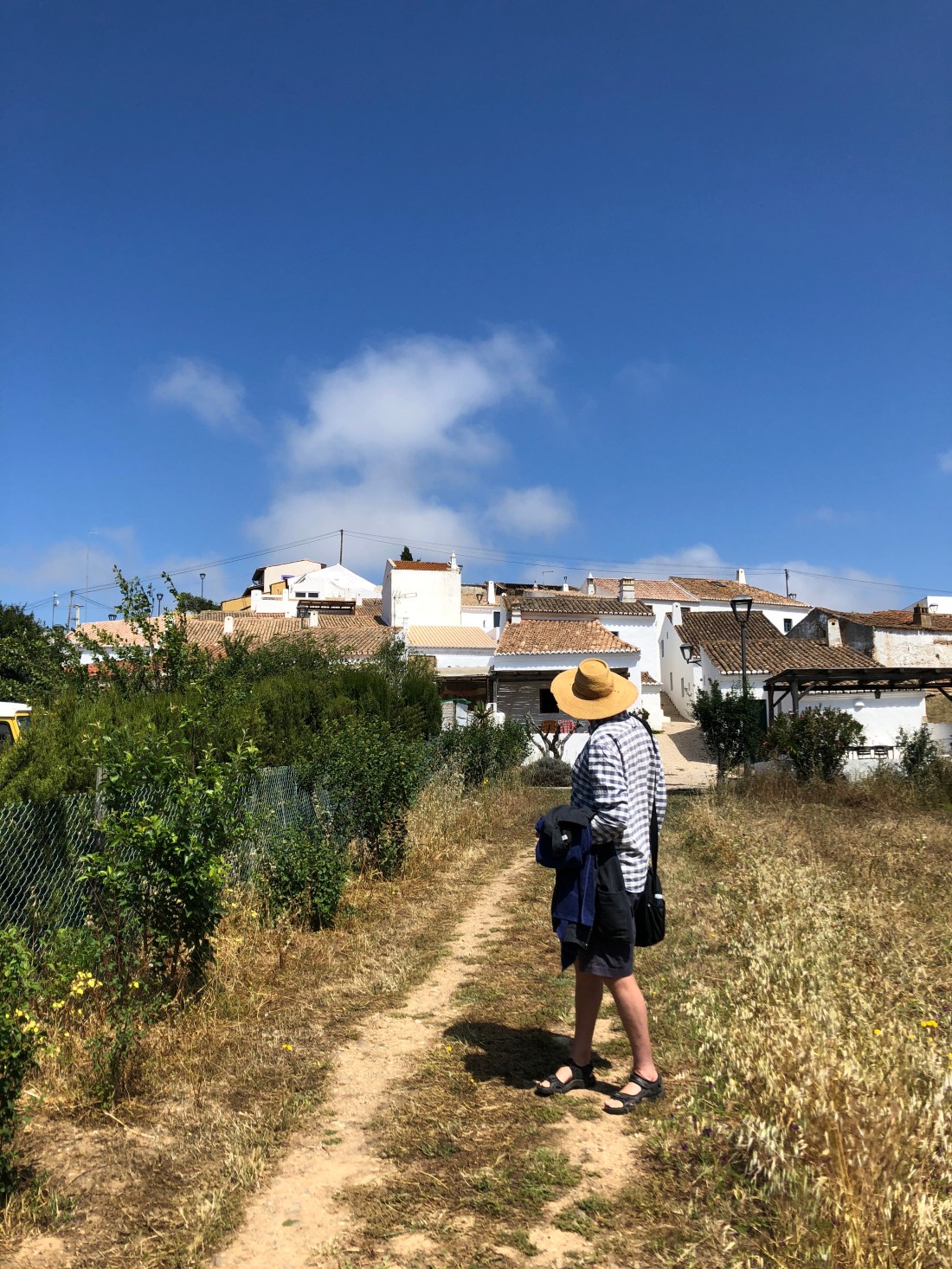
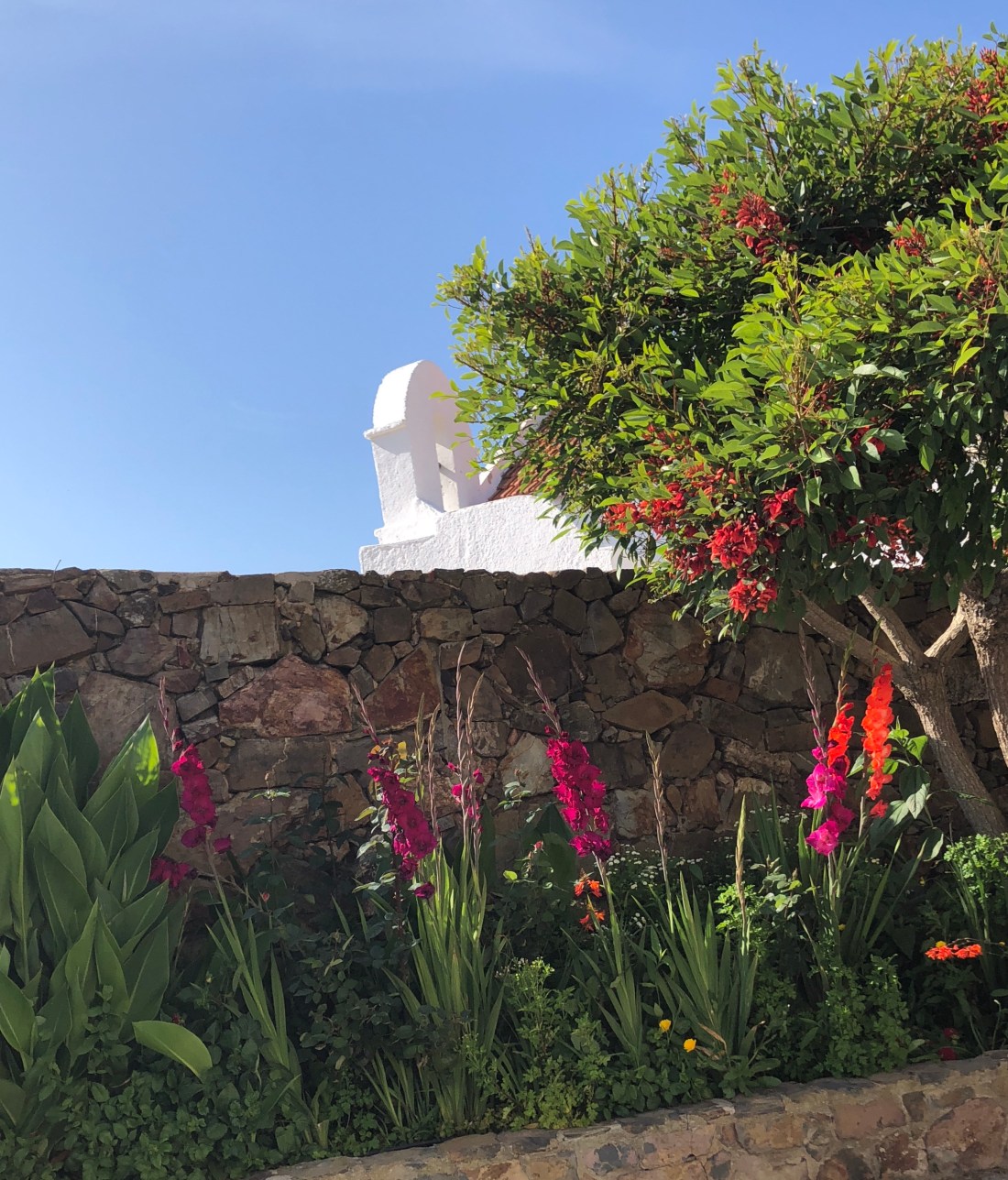
We arrive at our little village, full of little square white cottages, with blue and red doors. This is Pedralva, a village abandoned and then reclaimed by some wealthy people from Lisbon, who had managed to buy up more than 20 of the crumbling cottages, restored them and turned it into a hotel. They also managed to tap into some EU funding which helped fund energy efficient street lighting. The town is now alive with a mix of the hotel and some other residents. One of the upsides of tourism.
Tourism is now hugely important to Portugal – you are made to feel really welcome in a friendly down-to-earth way.
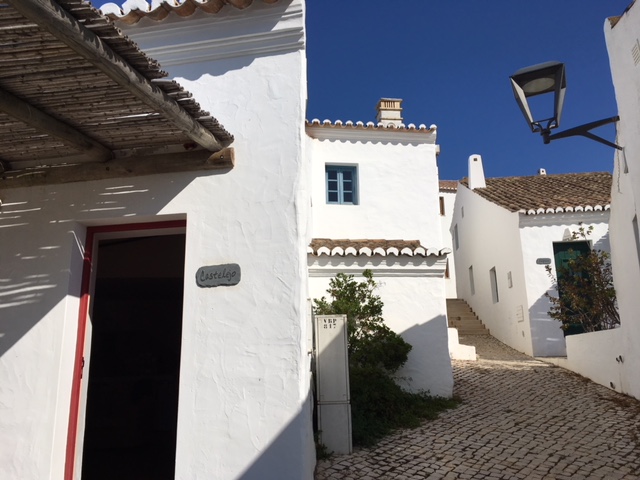
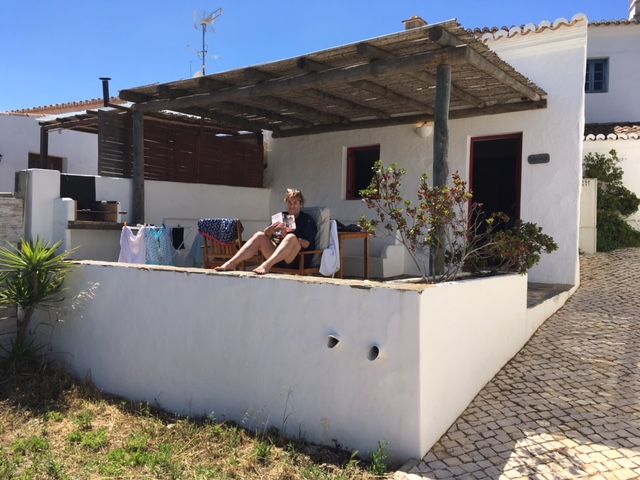
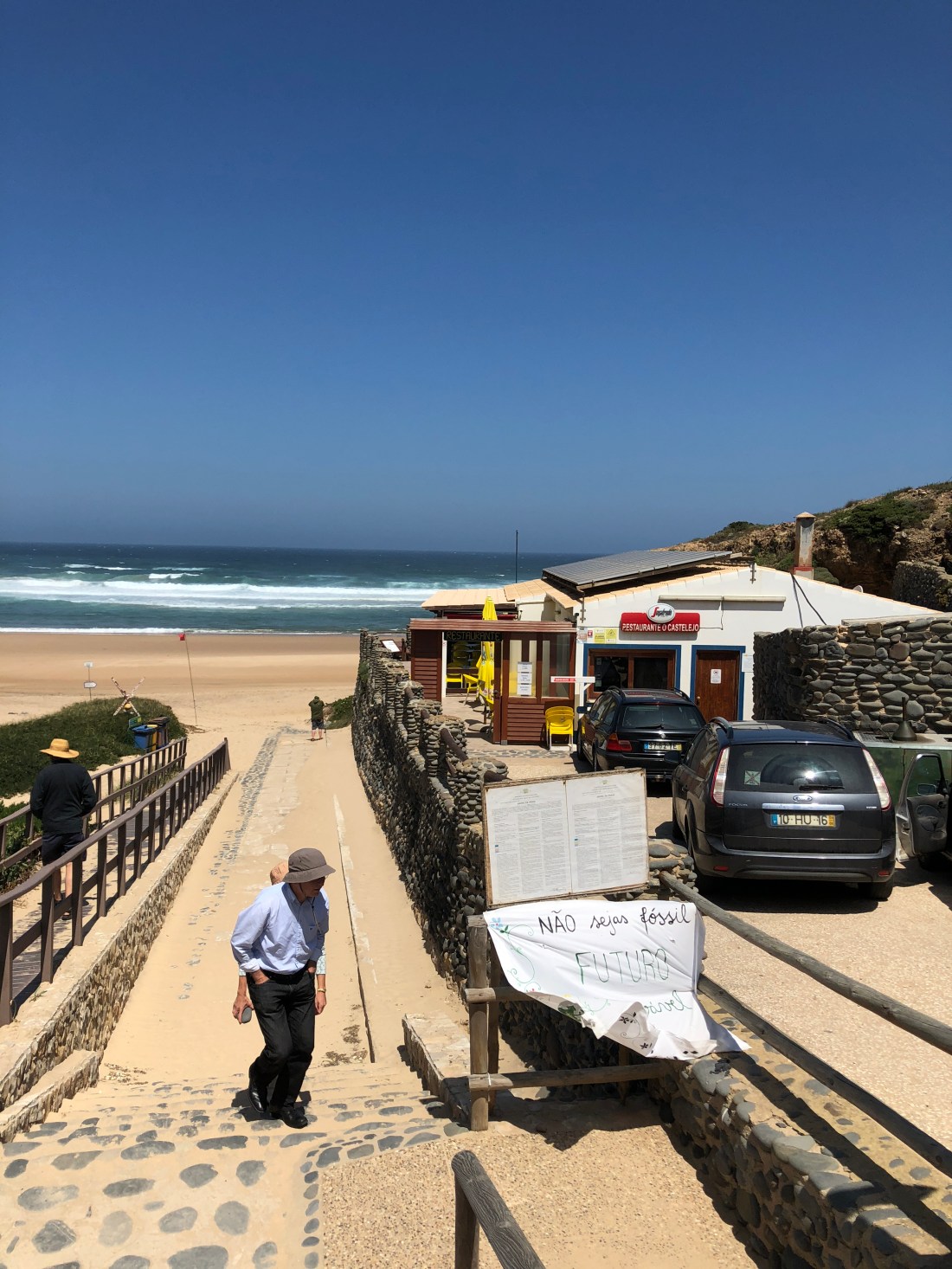
“So where is the beach?’ – “It’s 7 kms away”. Muttering we headed to find the coast.
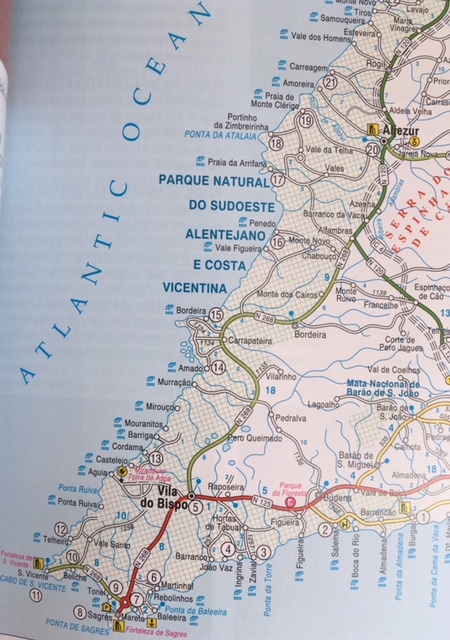
Beautiful and subject to the full blast of wind, we realised we were lucky to have our little sheltered haven to return to.
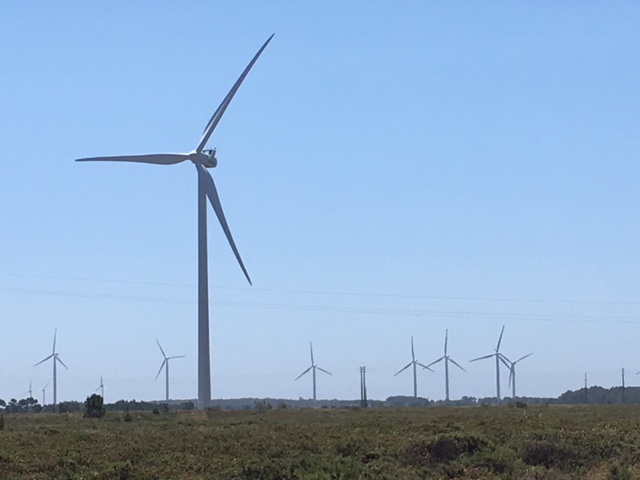
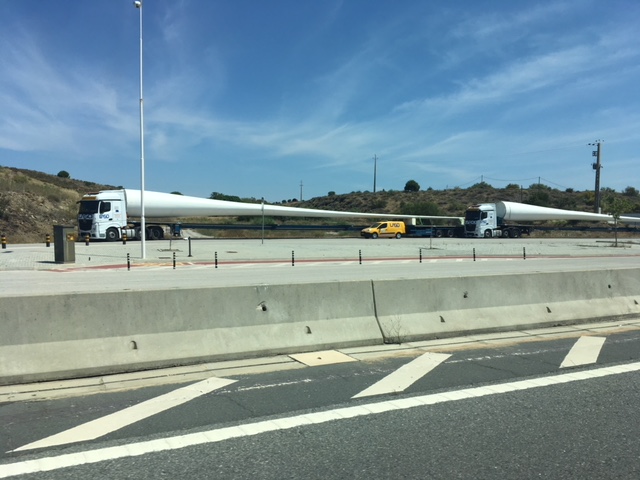
Speaking of wind, the whole area is dotted with wind turbines.
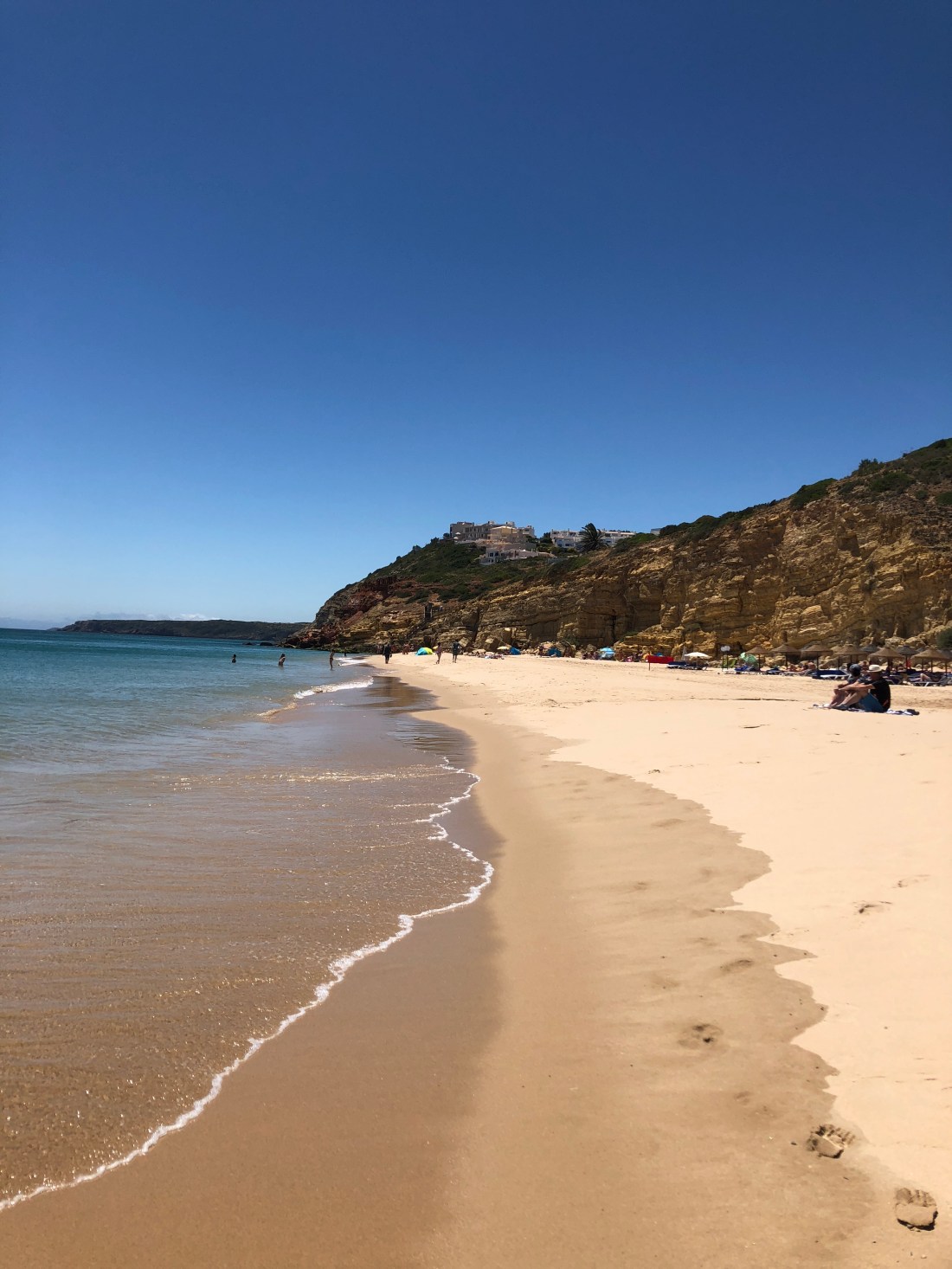
Rob put some beach photos up on facebook with the words “Sorry to hear about the cold weather in Canberra”. Hate mail started to flow – probably encapsulated best by our friend Megan with the words: “Sorry! Not Sorry.”.

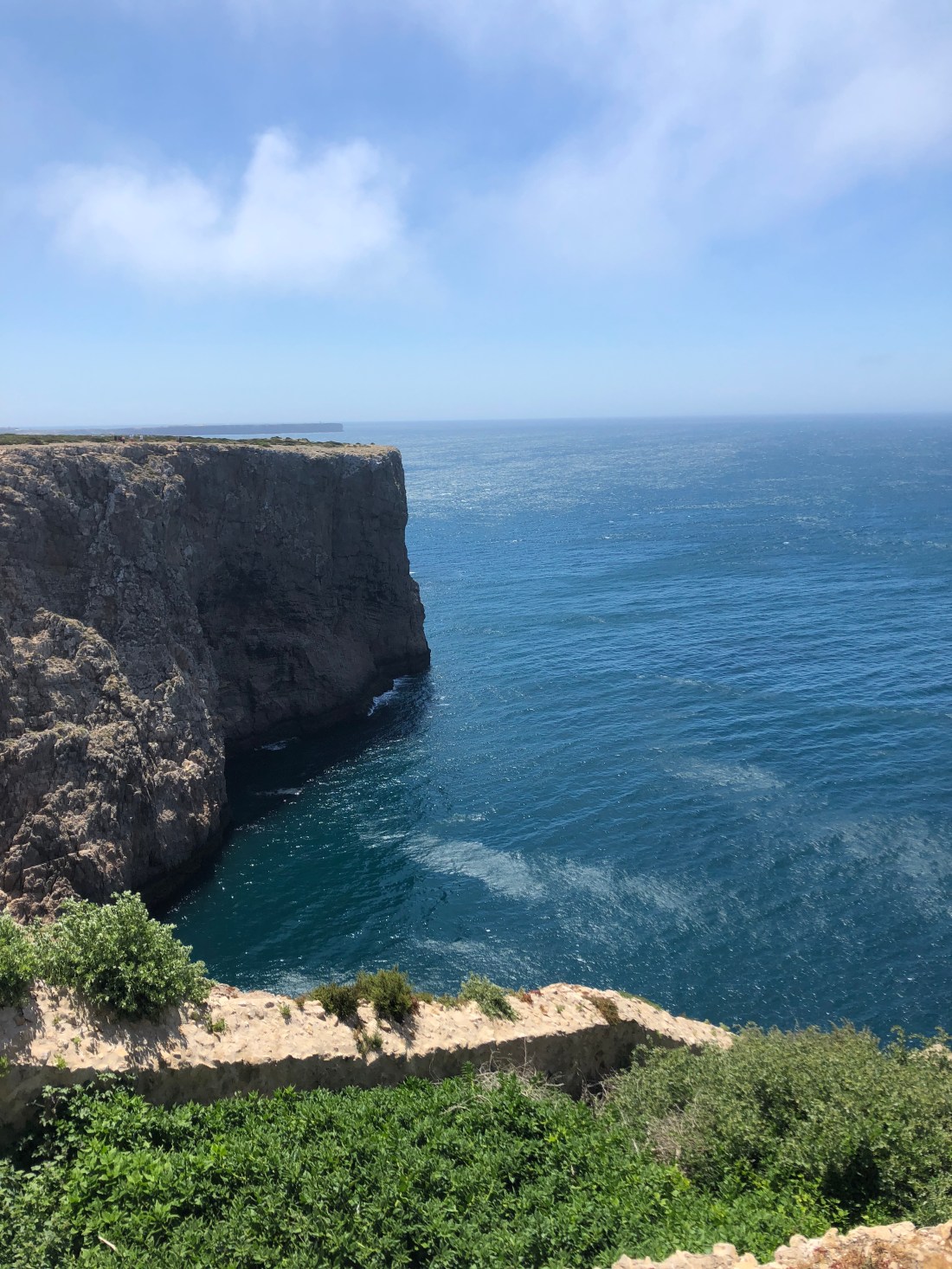
While it was remote, we had the hire car so we could explore the coastline.
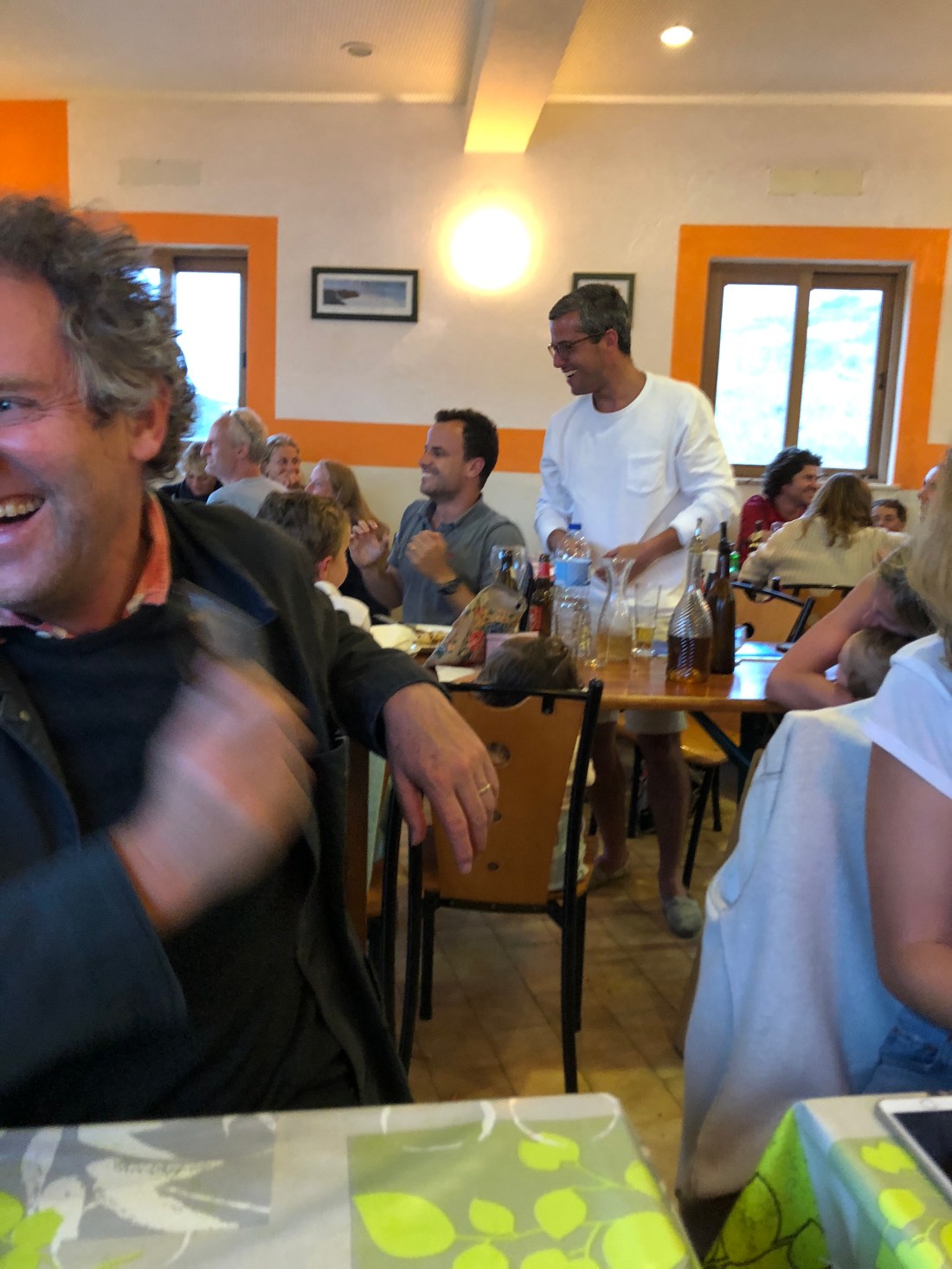
Our stay in the village was a perfectly timed for a rest. We also had space to write the blog. We are writing this in part, as a record for ourselves, but at times it is a real chore and quite stressful. Especially when our work is lost. That was the case writing the Barcelona blog. We have found WordPress very cumbersome and inconsistent. Alex contacted WordPress to express her frustration and got return mail from a “Happiness Engineer”. This title did nothing to relieve frustration. At that point the Barcelona Blog was to be the last.
Lisbon
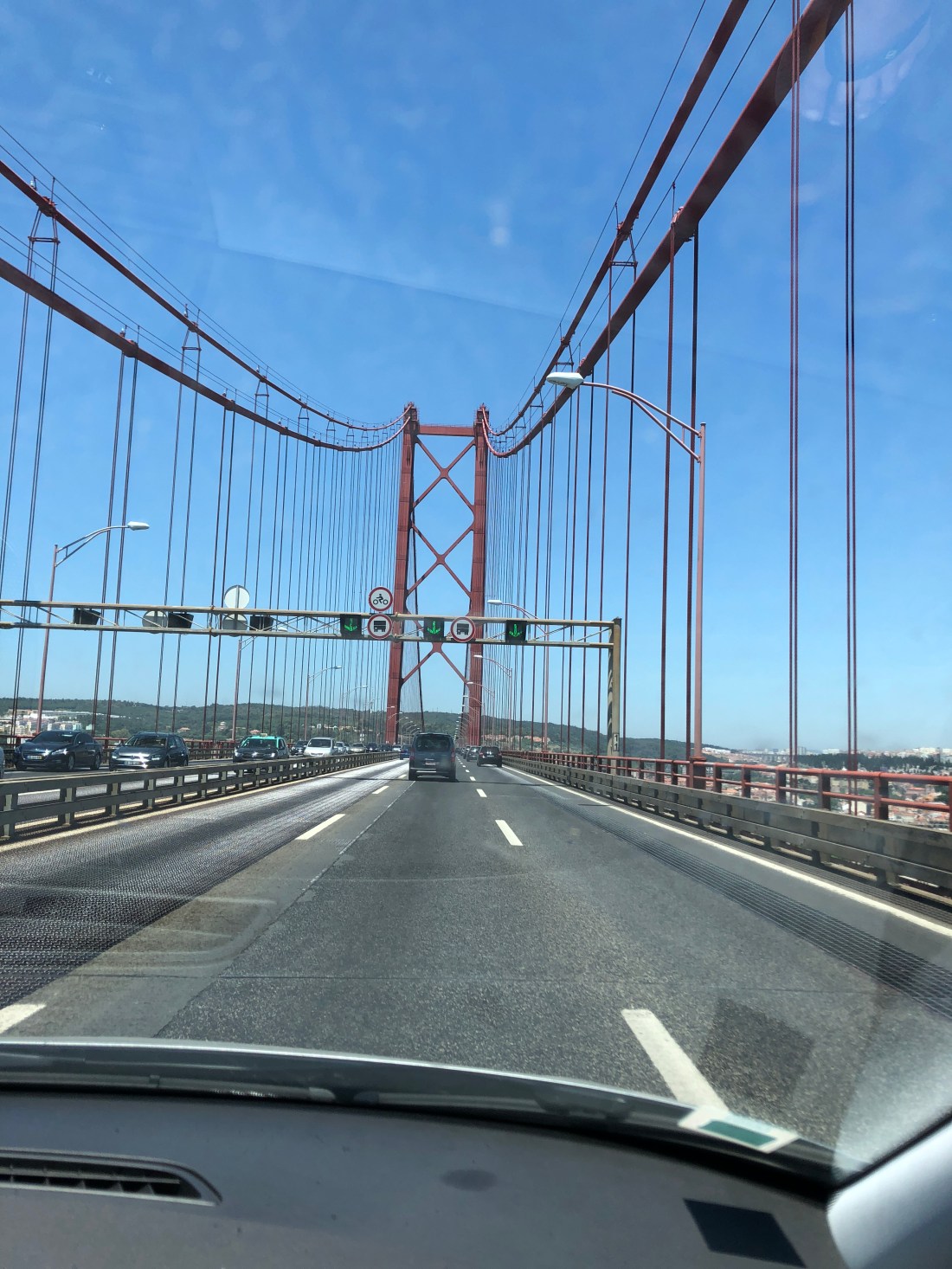
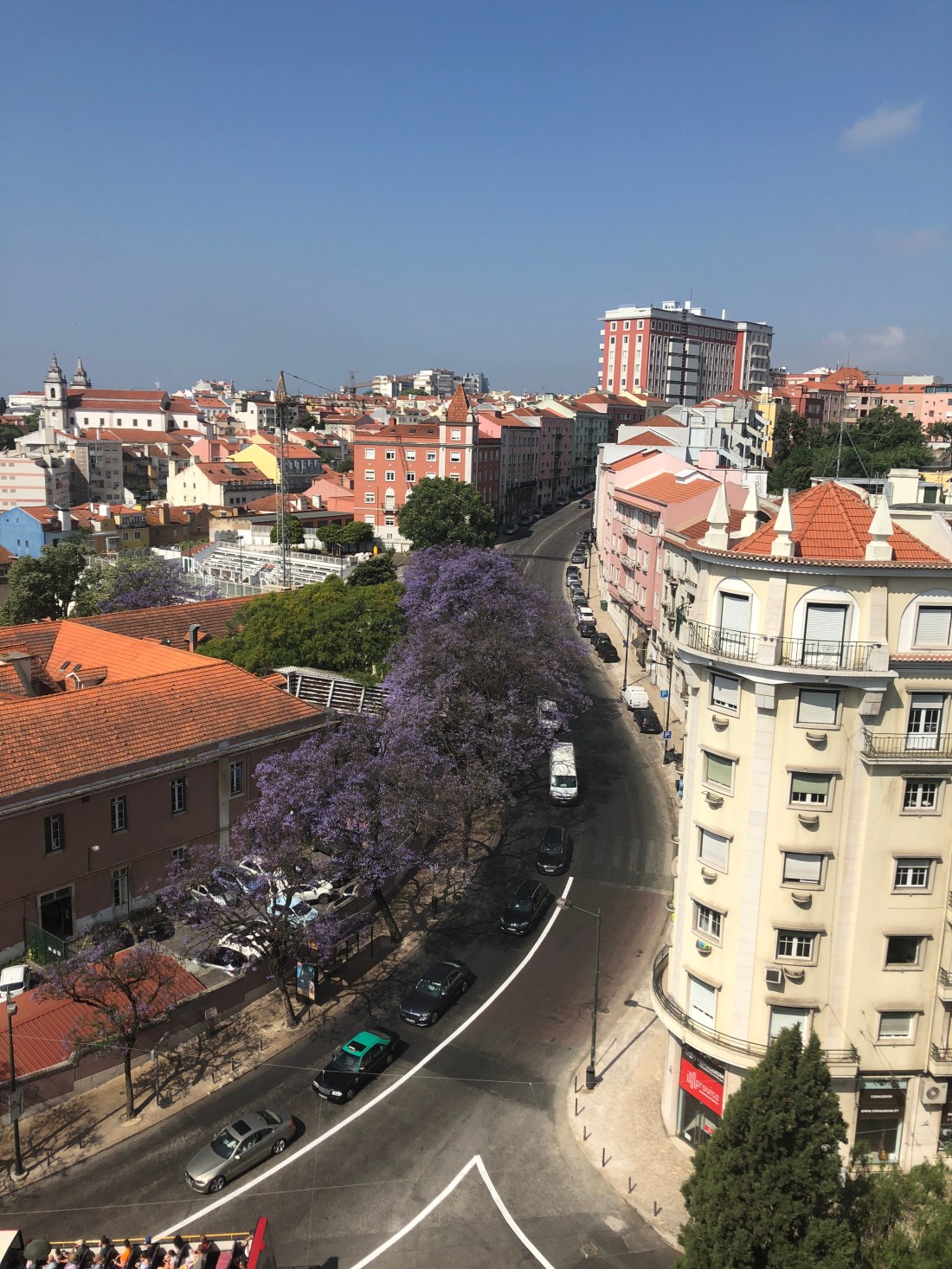
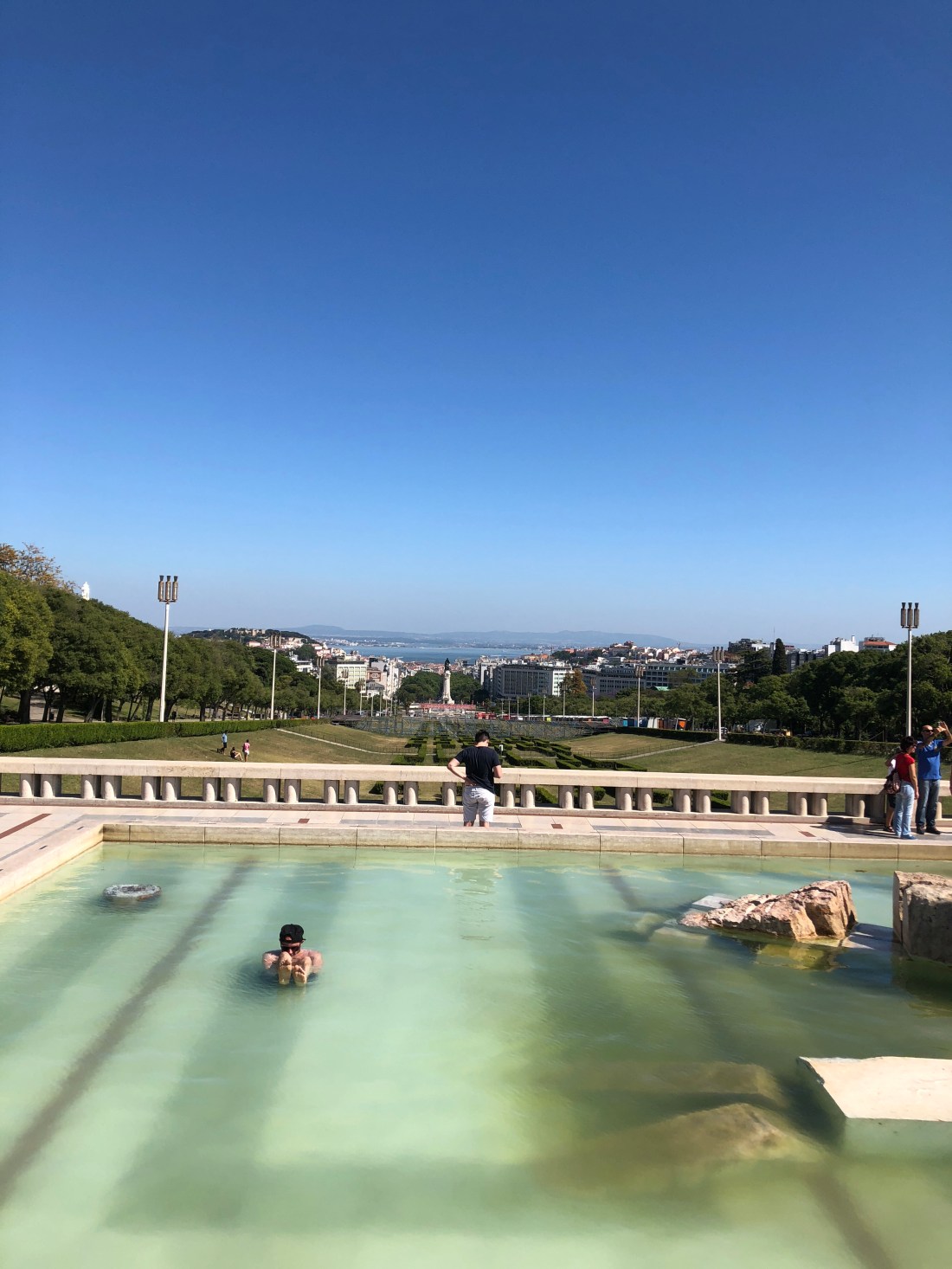
Driving into Lisbon we were a bit daunted by the “big city”. We really wondered how we would summon enough energy to see it all.
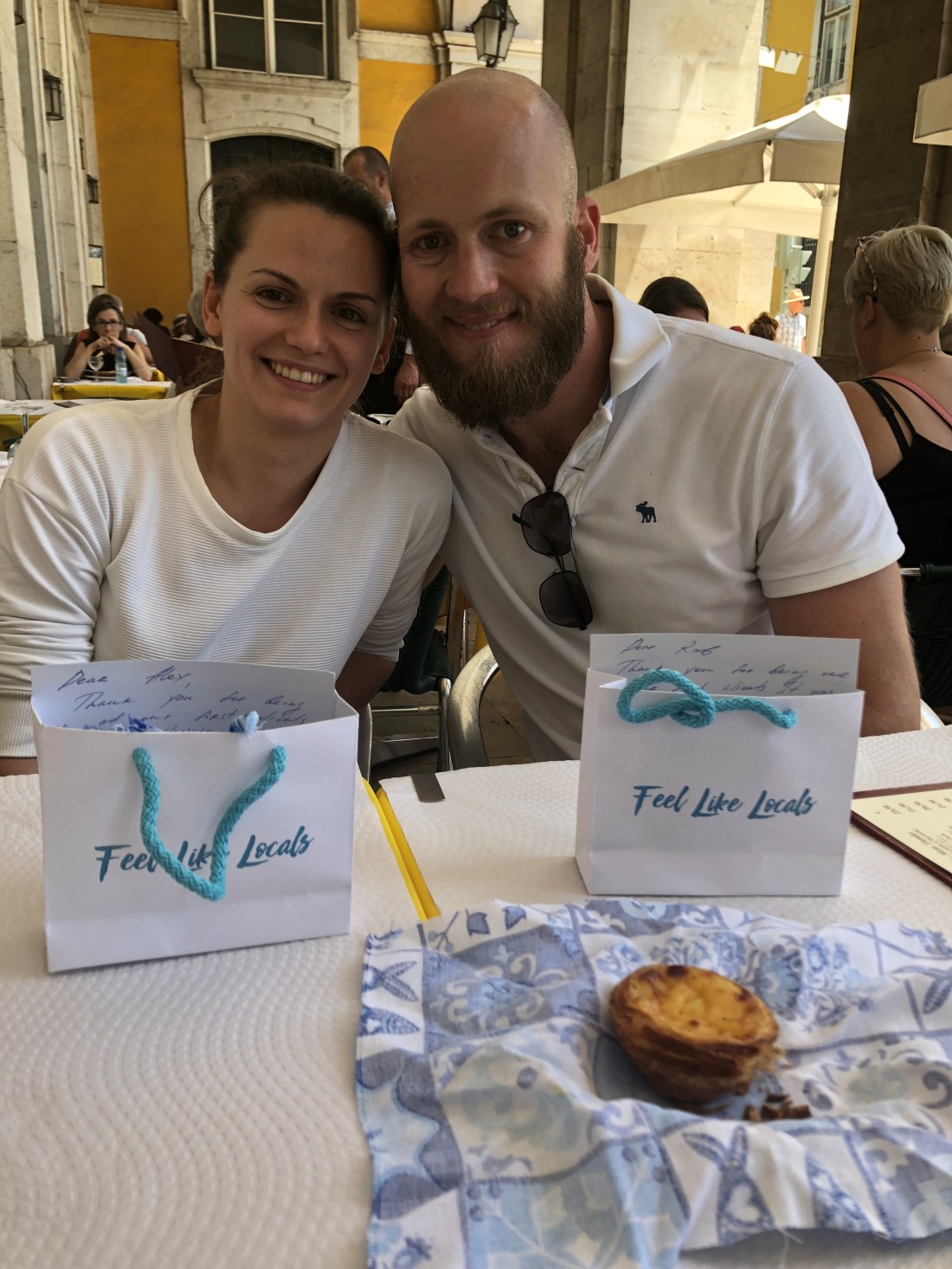
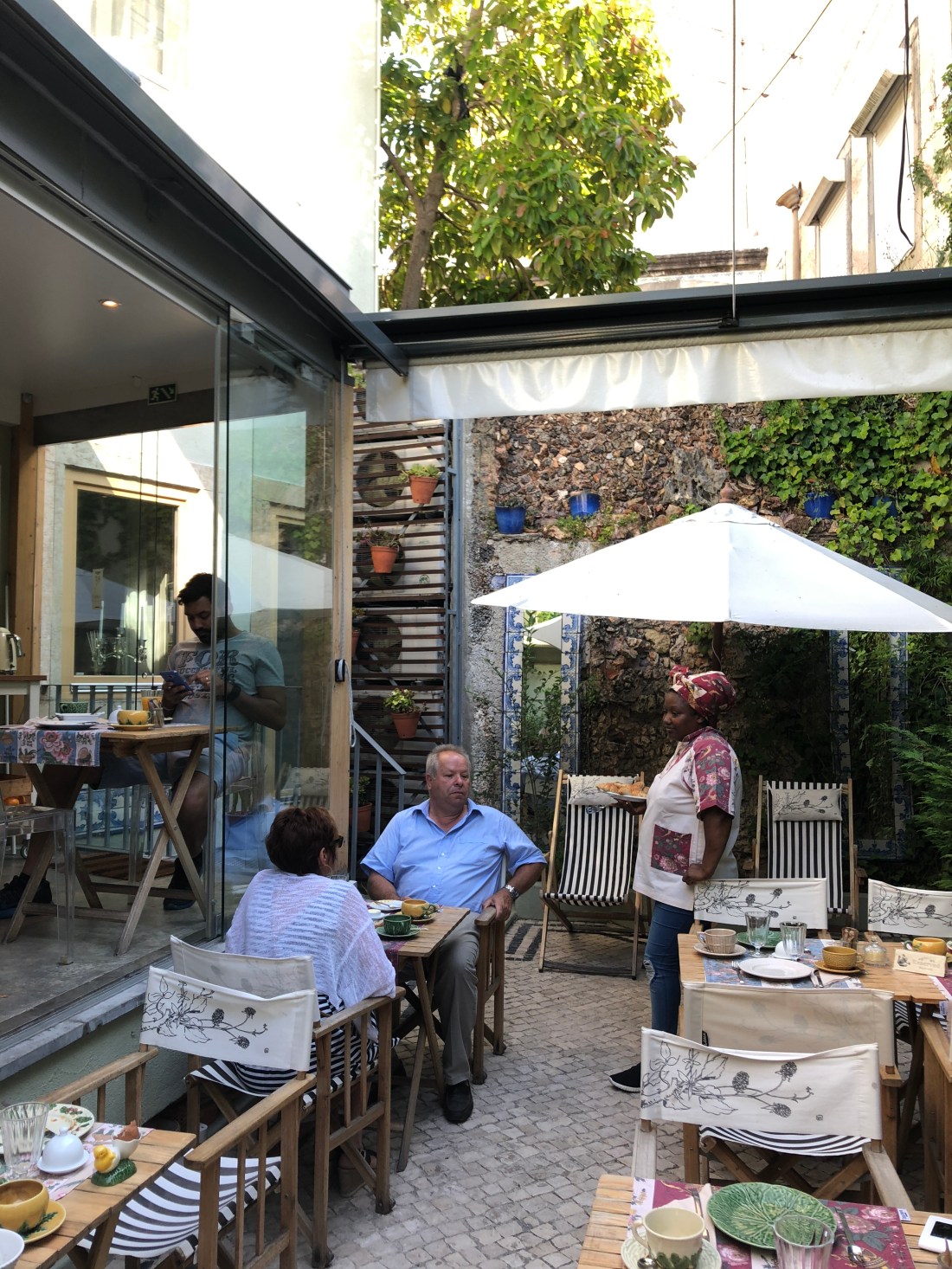
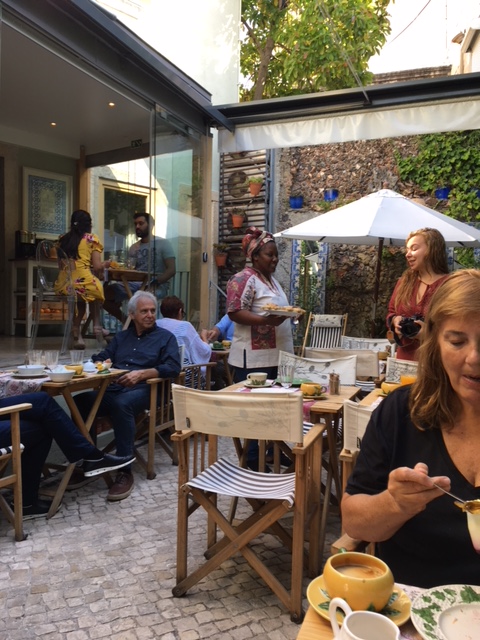
Luckily our little hotel Casa Amora has the wonderful Juan working for it. He suggested Ricardo take us to Sintra on the first day and also he was starting a new company called “Feel like Locals” and would like to offer us a free walking tour of Lisbon the next. Perfect.
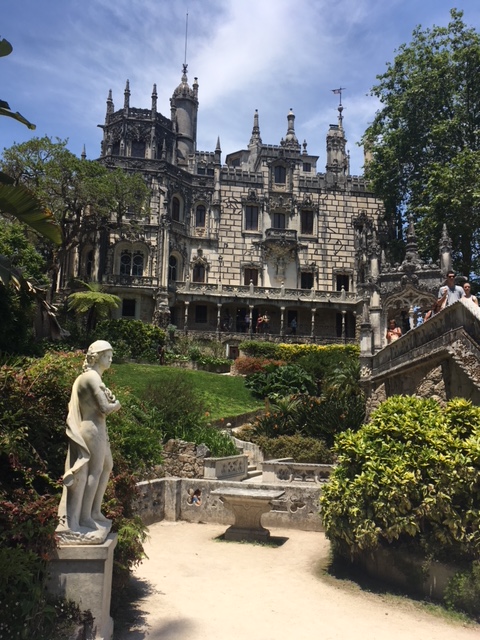
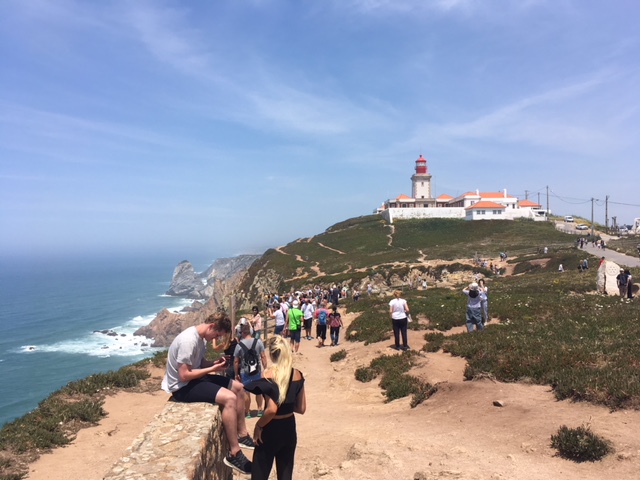
Tour with Ricardo of Sintra and Cascais
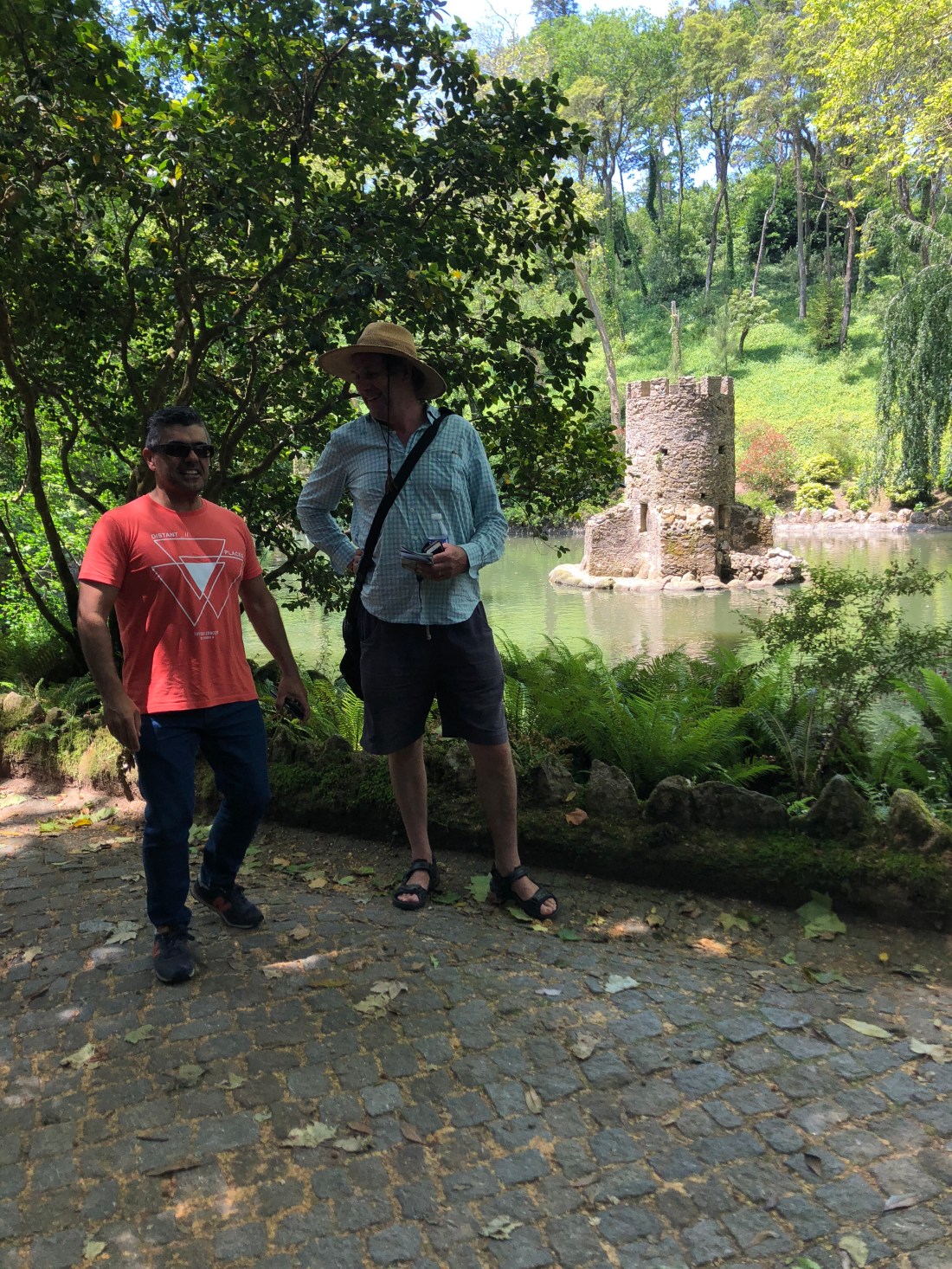
Ricardo is a great example of modern Portugal. He studied civil engineering and worked for many years an an engineer in the development industry. But in 2012 lost his job.
Between 2009-16 Portugal experienced a severe economic crisis – characterised by falling GDP, high unemployment, rising government debt and high bond yields. This was caused by a combination of the global recession, lack of competitiveness and limitations of being in the Euro. Portugal is one of the so called PIIGS countries. Portugal, Ireland, Italy, Greece and Spain.
“With the rapid drop in real GDP and austerity measures, the Portuguese unemployment rate has increased at one of the fastest rates in the EU.
It has got so bad, the Portuguese Prime Minister has been quoted as saying the young Portuguese, should show more effort and leave the country to get a job. ‘They should show more effort’ and ‘leave their comfort zone.’ (FT) He suggested that teachers unable to find a job at home should think about emigrating to Angola or Brazil. Unsurprisingly, the austerity measures are leading to widespread protest and concern the relatively new Portuguese democracy could be threatened by the spectre of mass-unemployment”. http://www.economicshelp.org
Ricardo decided to start his own business, driving taxis, tour guiding, security services and local food products. His knowledge of history and current affairs is incredible, when Rob asked him about the relationship between Portugal and Brazil, we nearly had to stop to take notes. He does preface some of his stronger statements with “in my opinion”. I asked him if the economy picked up would he look for work again in construction, he said “No, I’m making more money now”. He’s very hard-working and entrepreneurial and we wish him continued success.
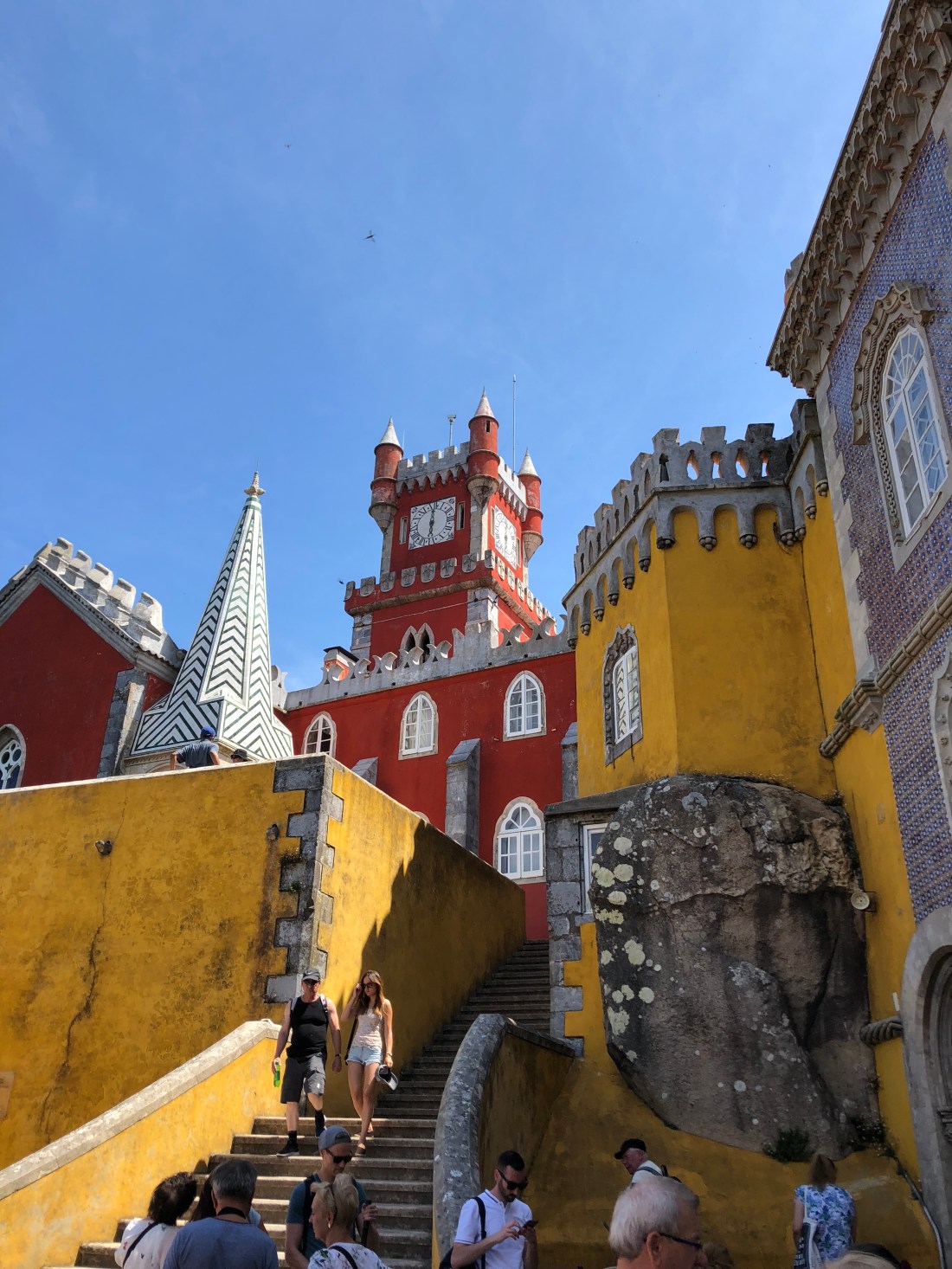
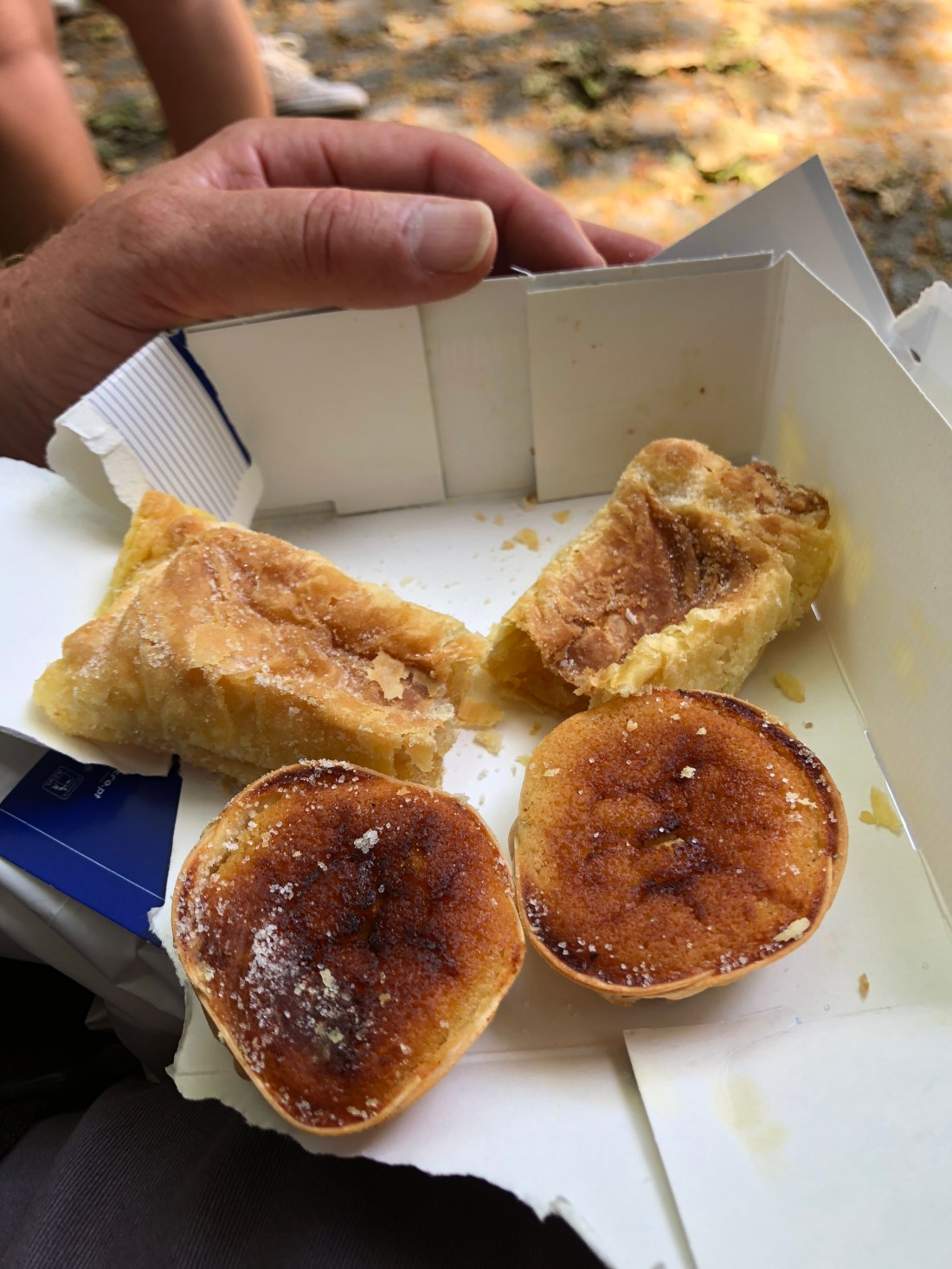
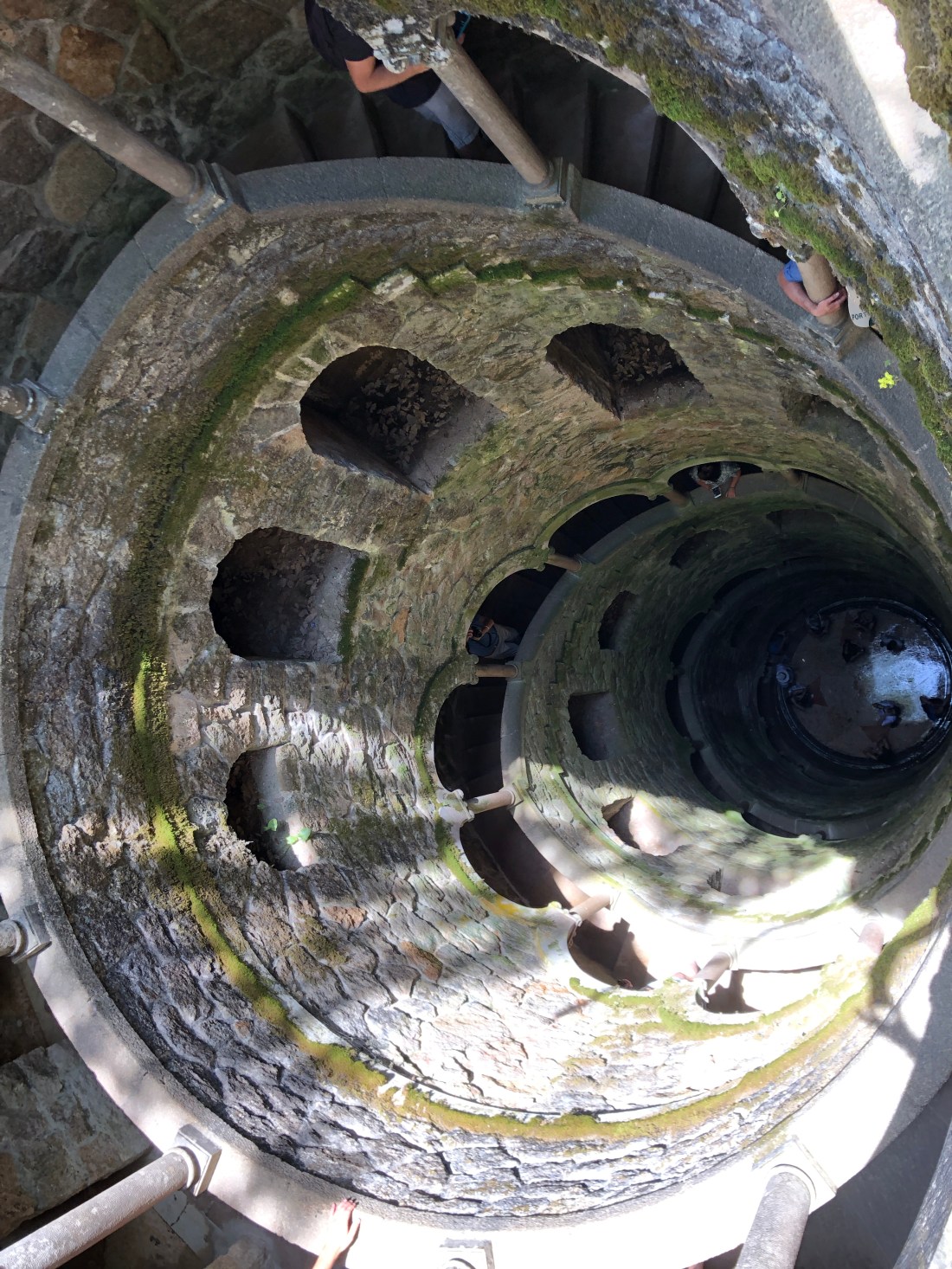
Lisbon walking tour with “Feel like locals”
Modern history tells us “The age of discovery, from the 15th to the 18th century, marked the Enchanted Port as the main departure point of the Portuguese discovery expeditions. Explorers sailed from this city to the entire world, discovering new lands in South America, Africa, and even a new route to India. This made Portugal one of the ruling nations of Europe, and Lisbon was Europe’s most prosperous trading center.
However, this prosperous age ended suddenly in 1755, when a devastating earthquake destroyed over half of the city’s buildings. The earthquake was followed by inland fires and an even more devastating tsunami, which ended the enchanted port’s reign over the oceans. Nevertheless, Lisbon was rebuilt on its ashes by the first Marquees de Pombal, Sebastiao Jose de Carvalho e Melo, with wider streets, a more modern city for a modern world.
In the 19th century, Lisbon was captured by Napoleon Bonaparte, most of its treasures and buildings being pillaged, stolen or simply destroyed. Lisbon was reborn again after the new king returned to the capital, being extended to the north, as a consequence of the industrial development.” Short History of Lisbon
The work of Marquees de Pombal is really interesting. Our guides Juan and Olga described him as a great planner but not a great person. Pombal had studied in Vienna and was very influenced by urban designers. In fact Ricardo claims that Pombal was the first to coin the term “urban planner”.
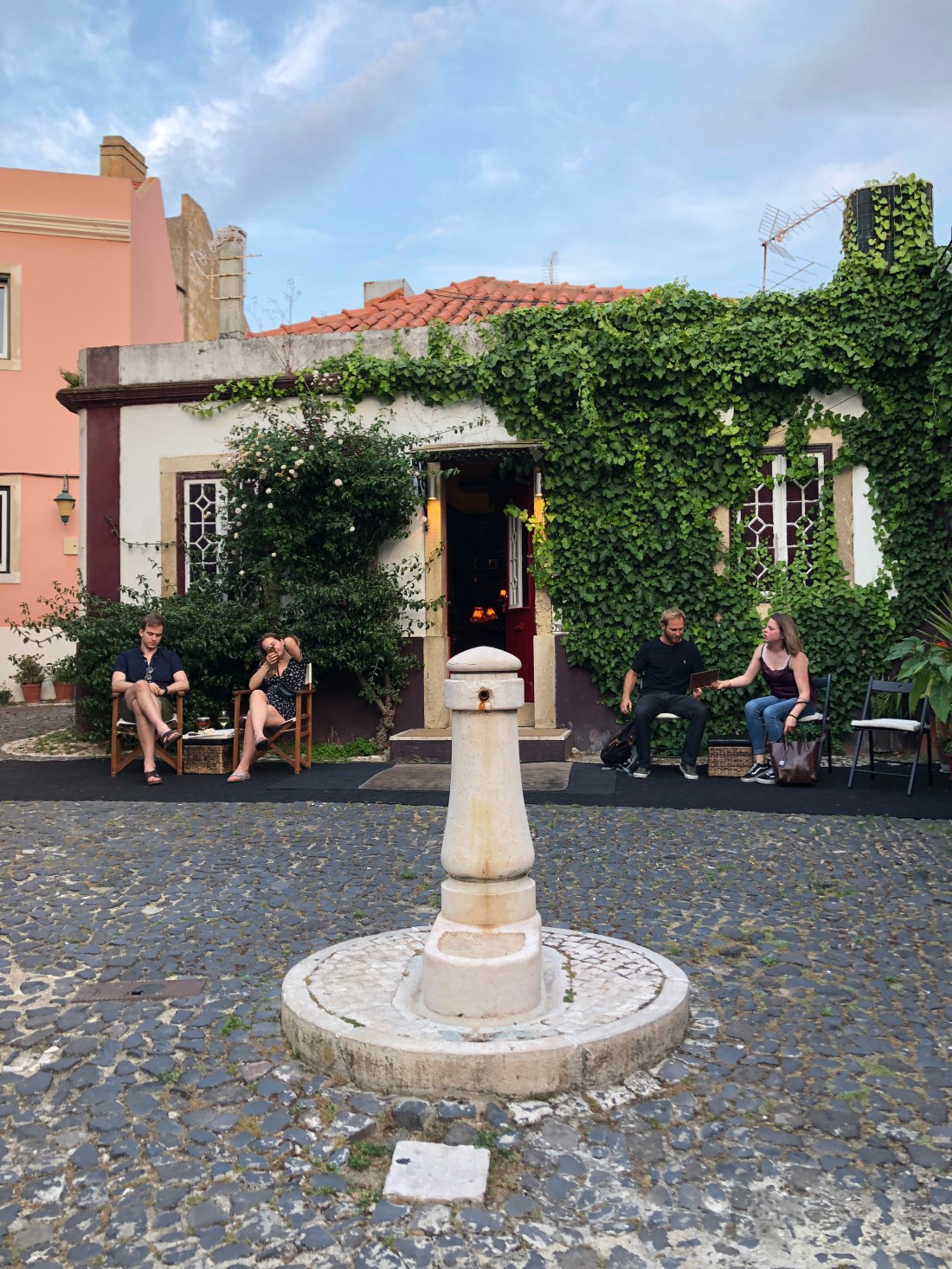
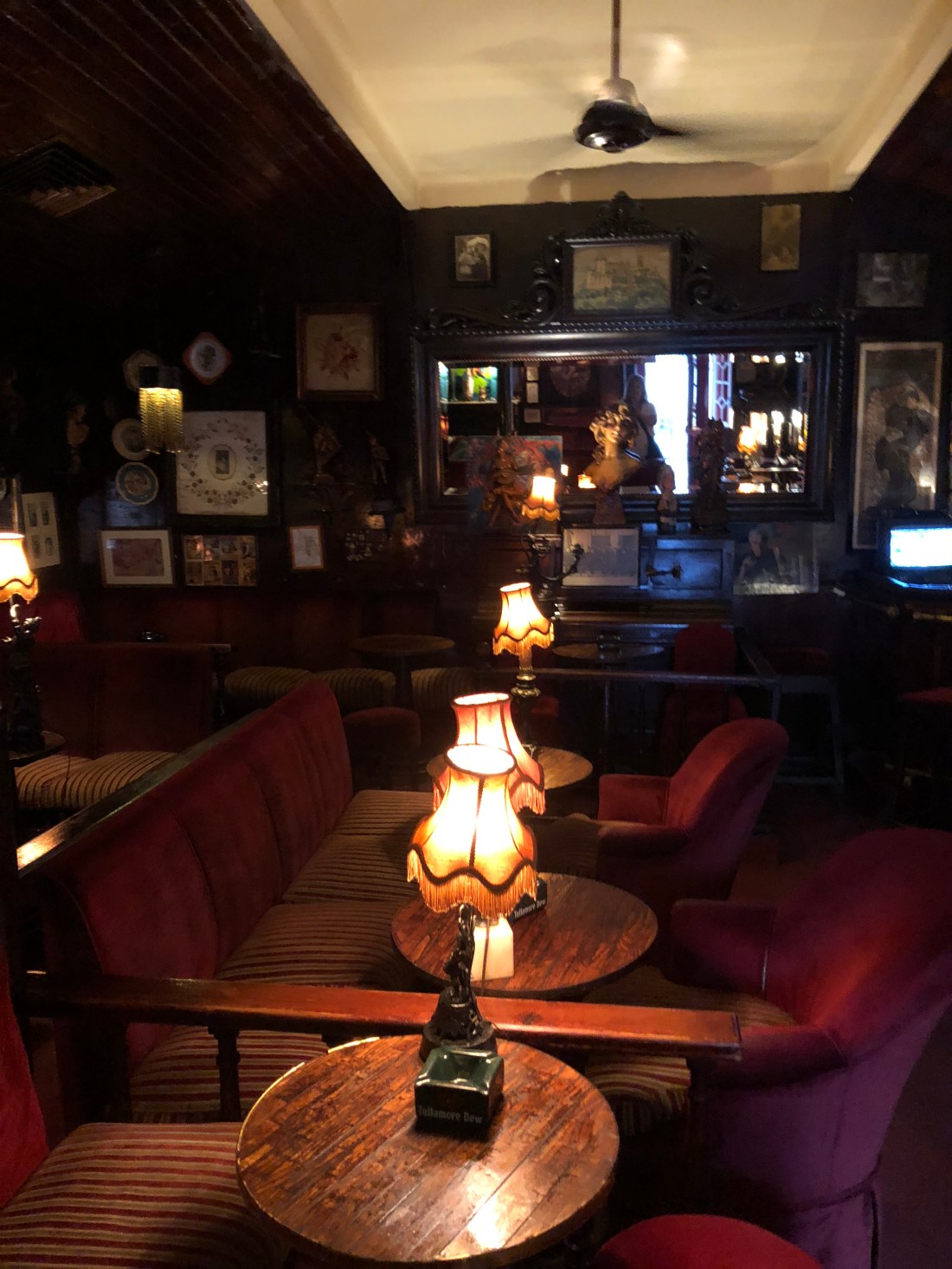

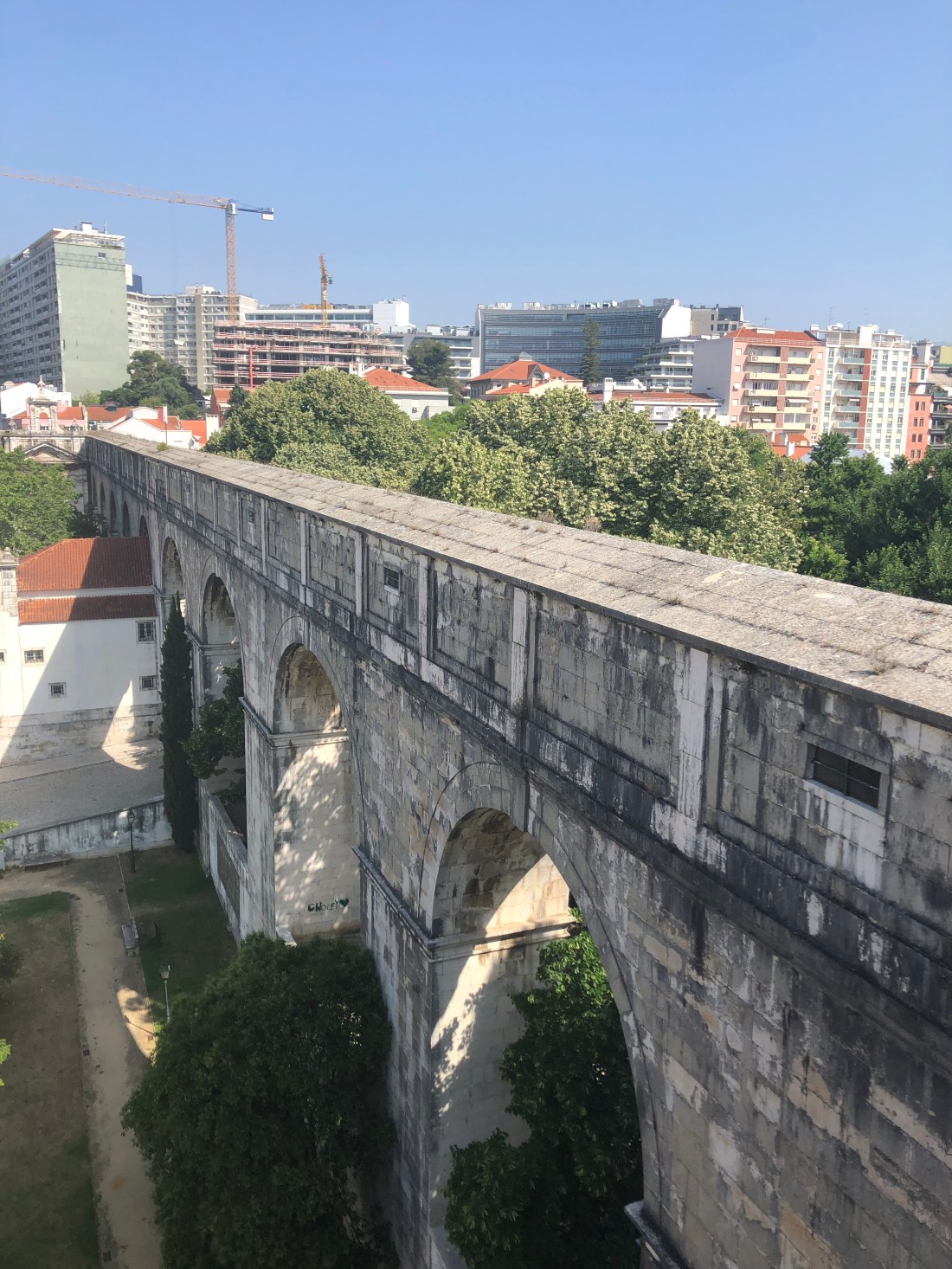
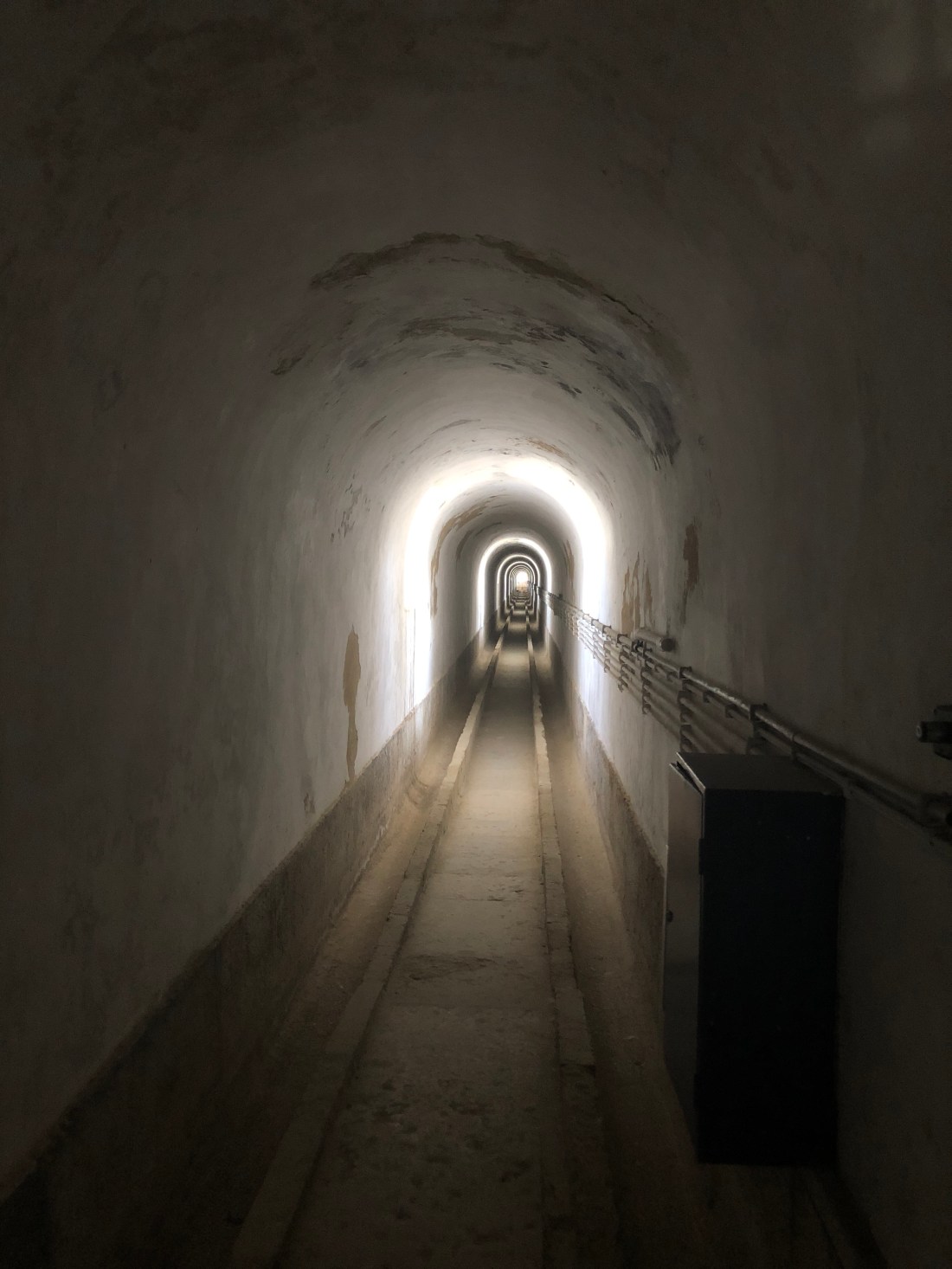
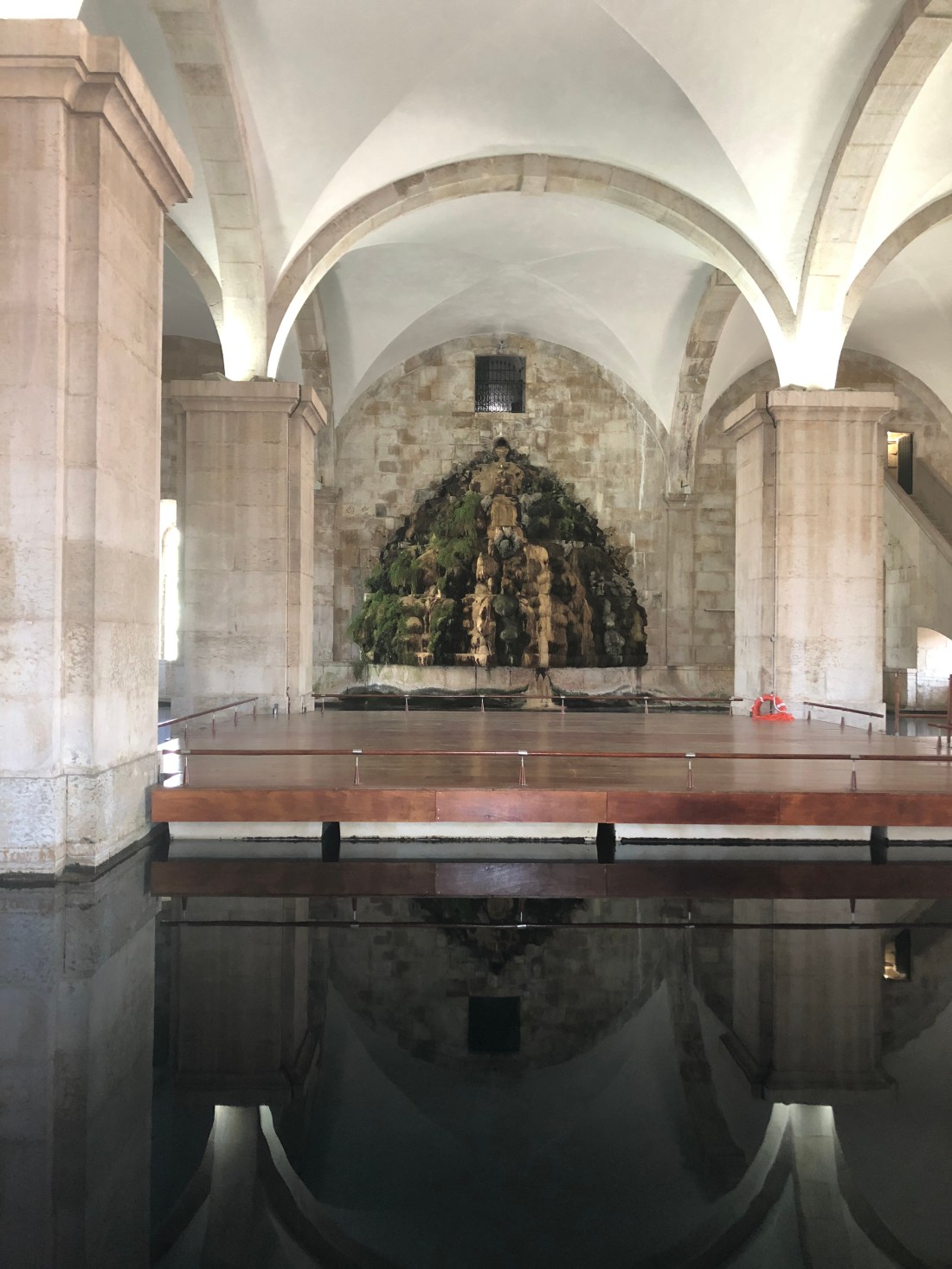
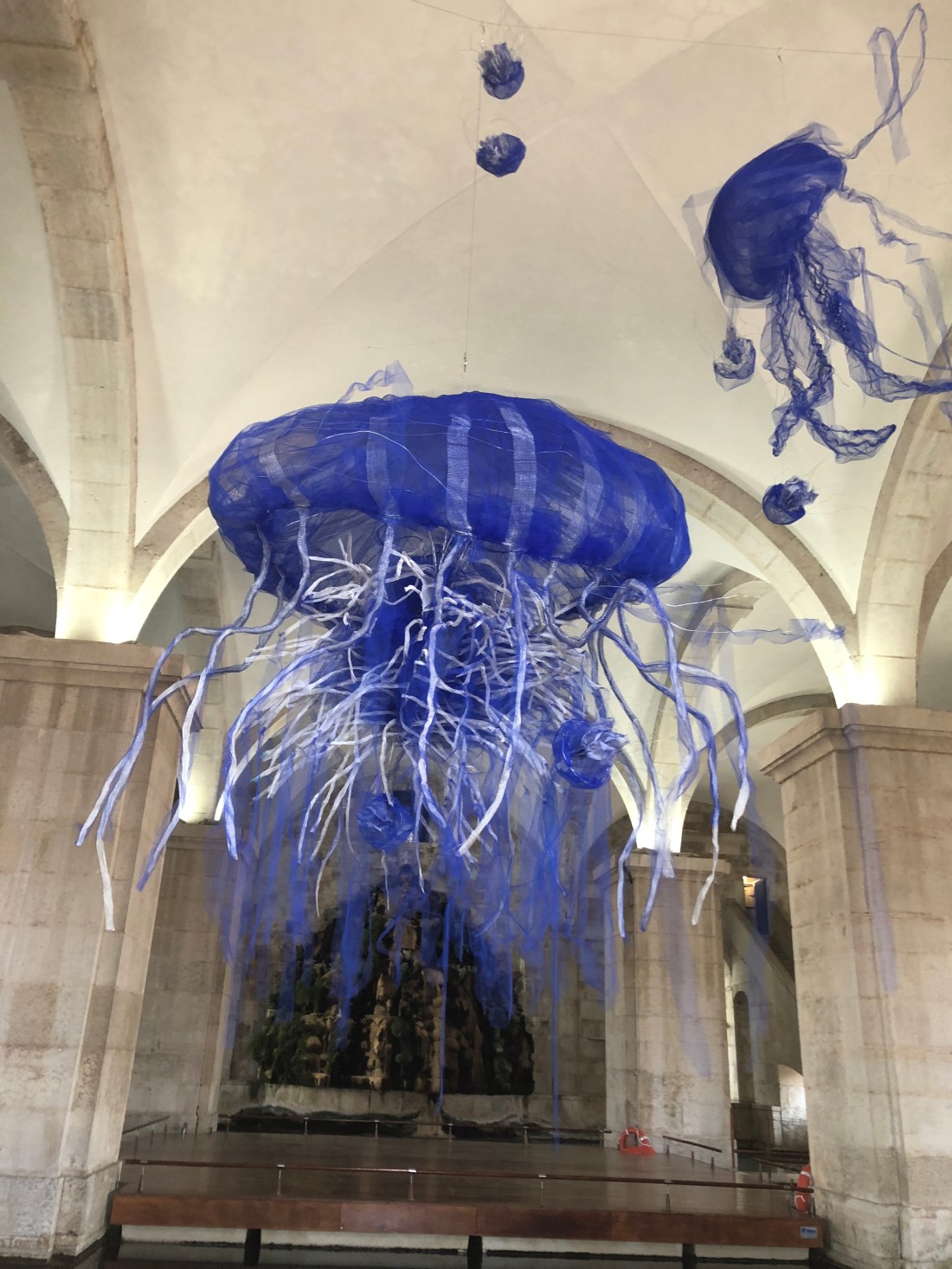
The Water Museum and the Mãe de Agua reservoir, right near our hotel explained the complex 18th-century water supply system, a space that was awarded the Council of Europe Museum Prize in 1990. The cool stone chamber of the Mãe de Agua site is also often used for art exhibitions.


Porto
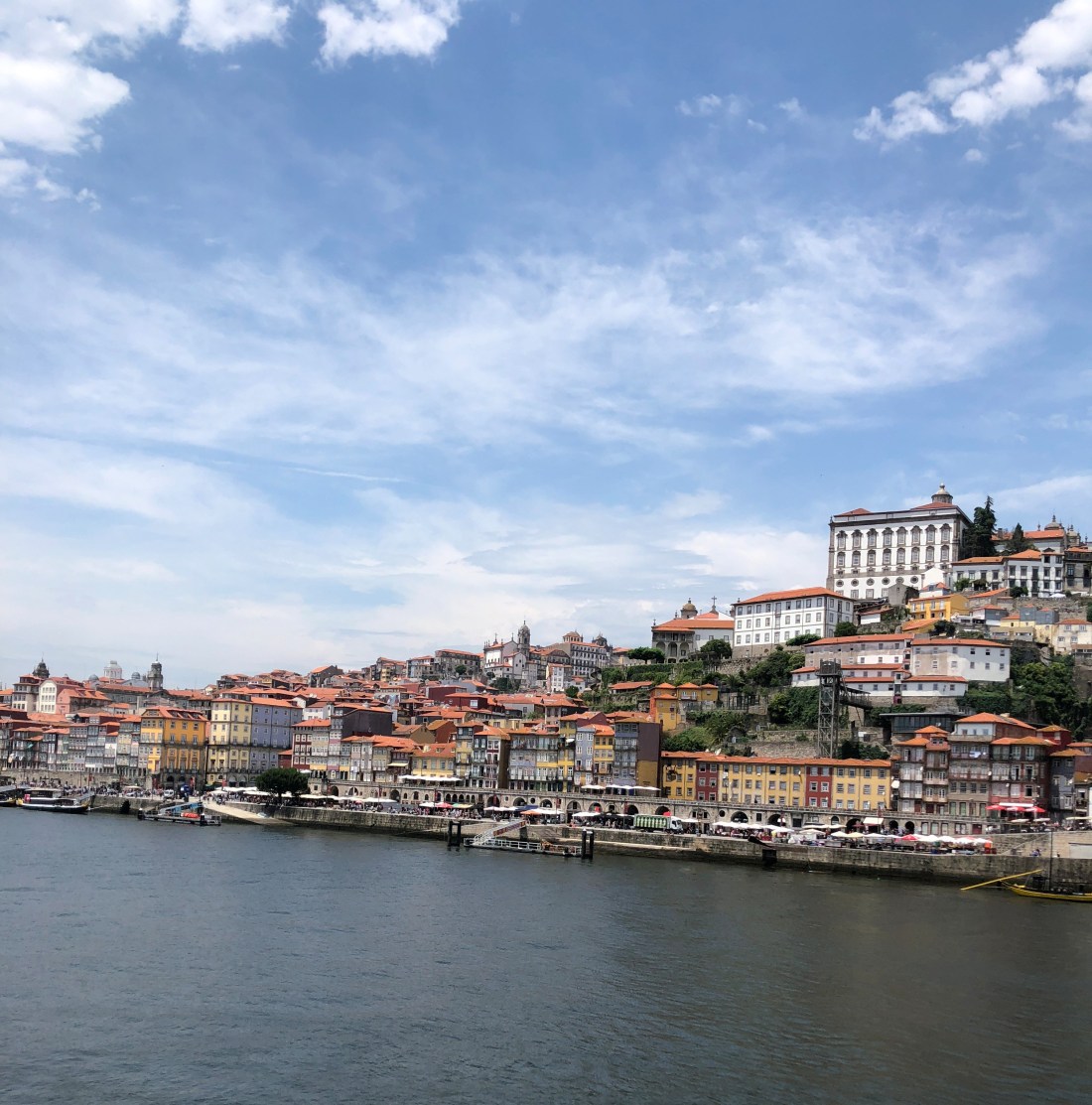
Porto’s history is fascinating dating back to the 1st century BC when, under Roman rule, the city played an important role on the main trade route between Lisbon and Braga to the north west. At the time, the city was known as Cale, or Portus Cale (Port of Cale, the origins of the name of Portugal), and was situated on the banks of the Douro River where modern day Porto is located.
In 1386, King John I of Portugal married Philippa of Lancaster, daughter of the English first Duke of Lancaster, John of Gaunt and so was born the Treaty of Windsor alliance between England and Portugal, the oldest continuing military alliance between any two countries in the world.
This is one explanation why the Portuguese speak such great English.
Port is another reason the relationship with England is important. During wartime between England and France there was a large tax placed on French wine, but not on the friendly Portuguese and Port became very fashionable in England.
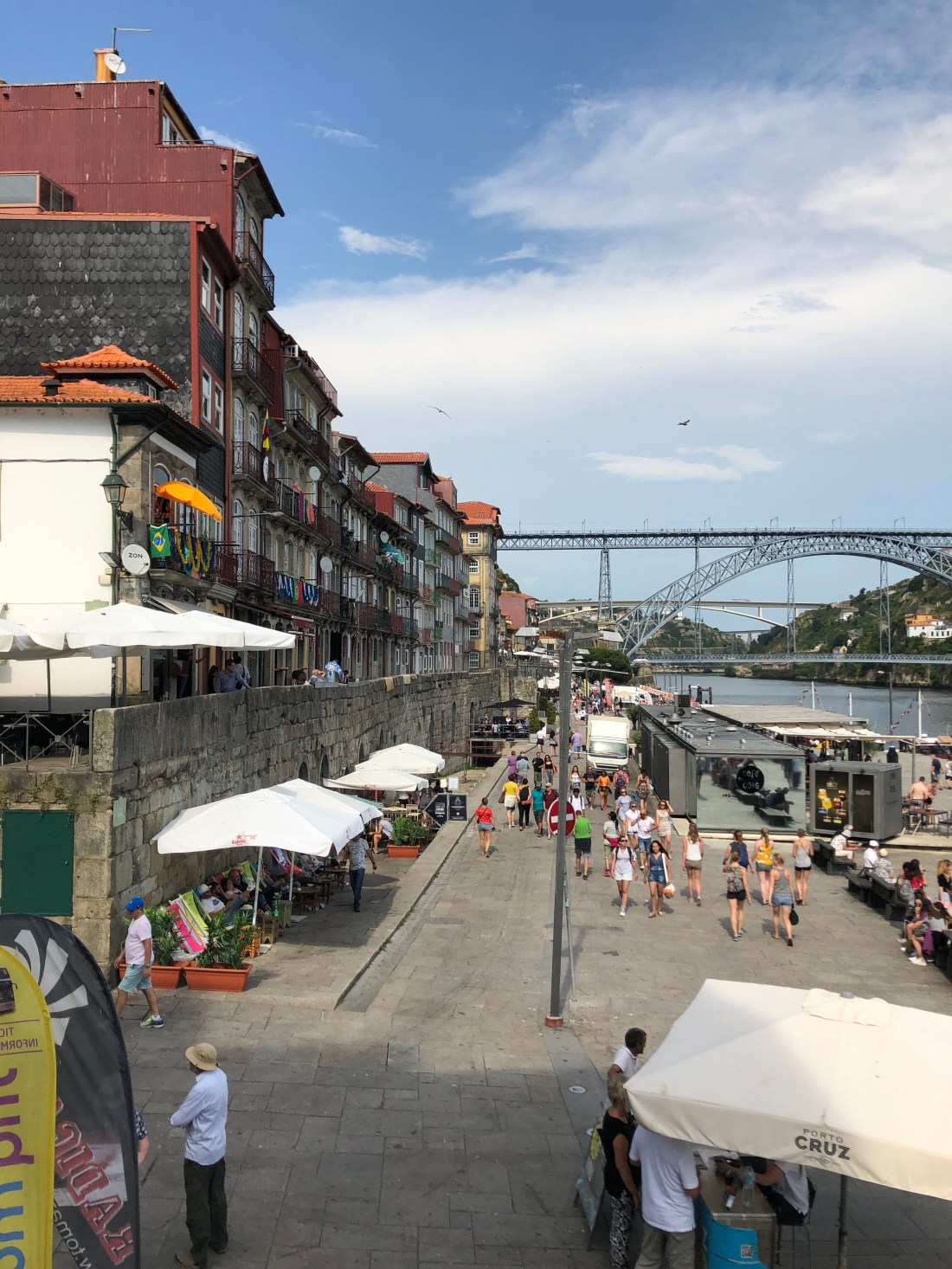
So many people recommended Porto to us. We found Porto interesting but full of tourists and in a state of transition. Lots of construction taking place, lots of rubbish, noise, bad buskers and drug dealers, Rob was approached 5 times in one night including right outside our central apartment.
Perhaps our view was tainted because we’re not drinking and didn’t do a Port tour that seem to be one of the highlights of Porto. Perhaps because we stayed in an apartment and didn’t develop a relationship with a friendly and helpful concierge and we didn’t take a specialised tour that can give you a deeper insight into a City (although we did take a River cruise). Perhaps we were just a bit tired, but we were happy to leave Porto after two days to end a beautiful trip to Portugal.

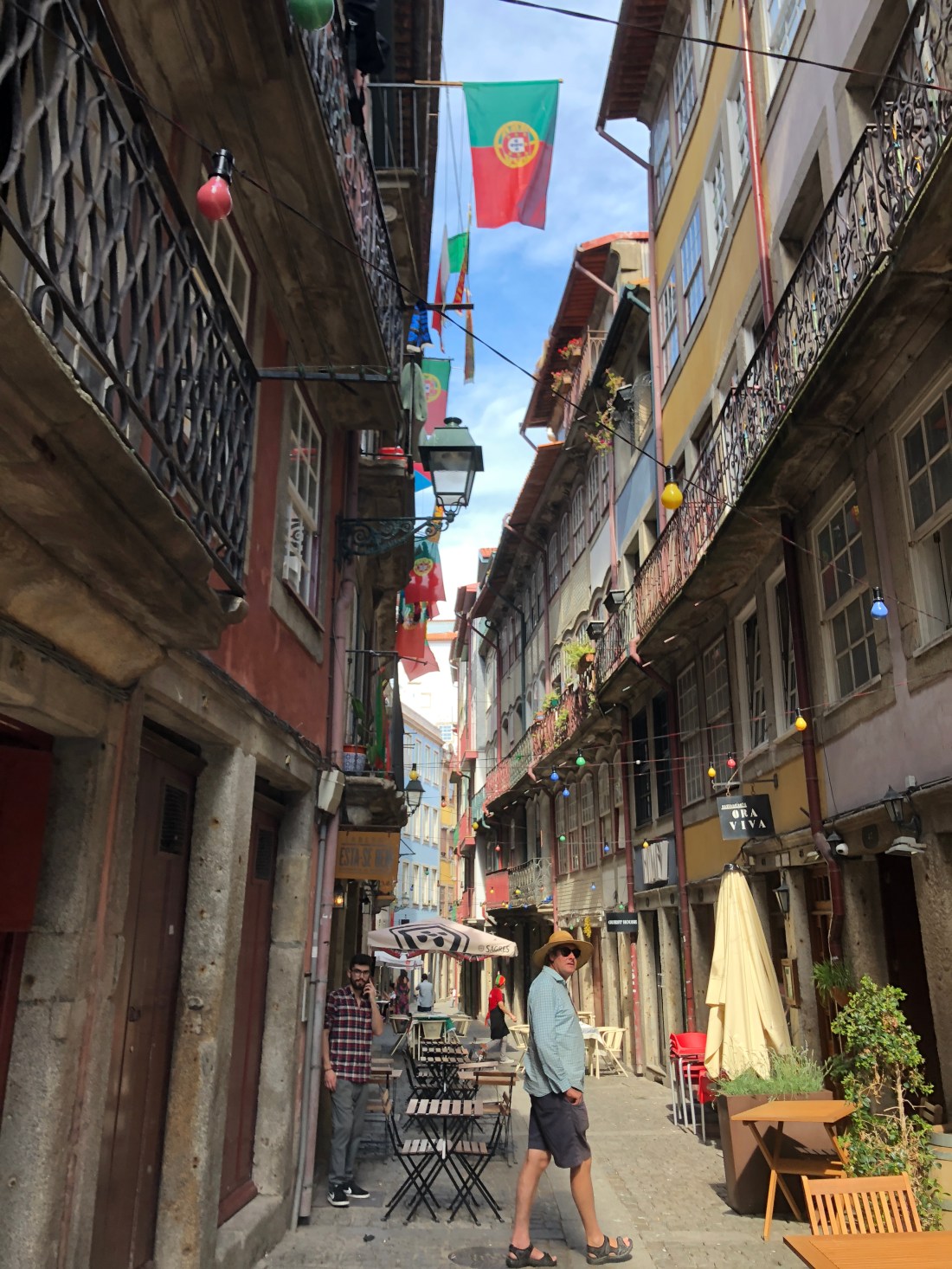
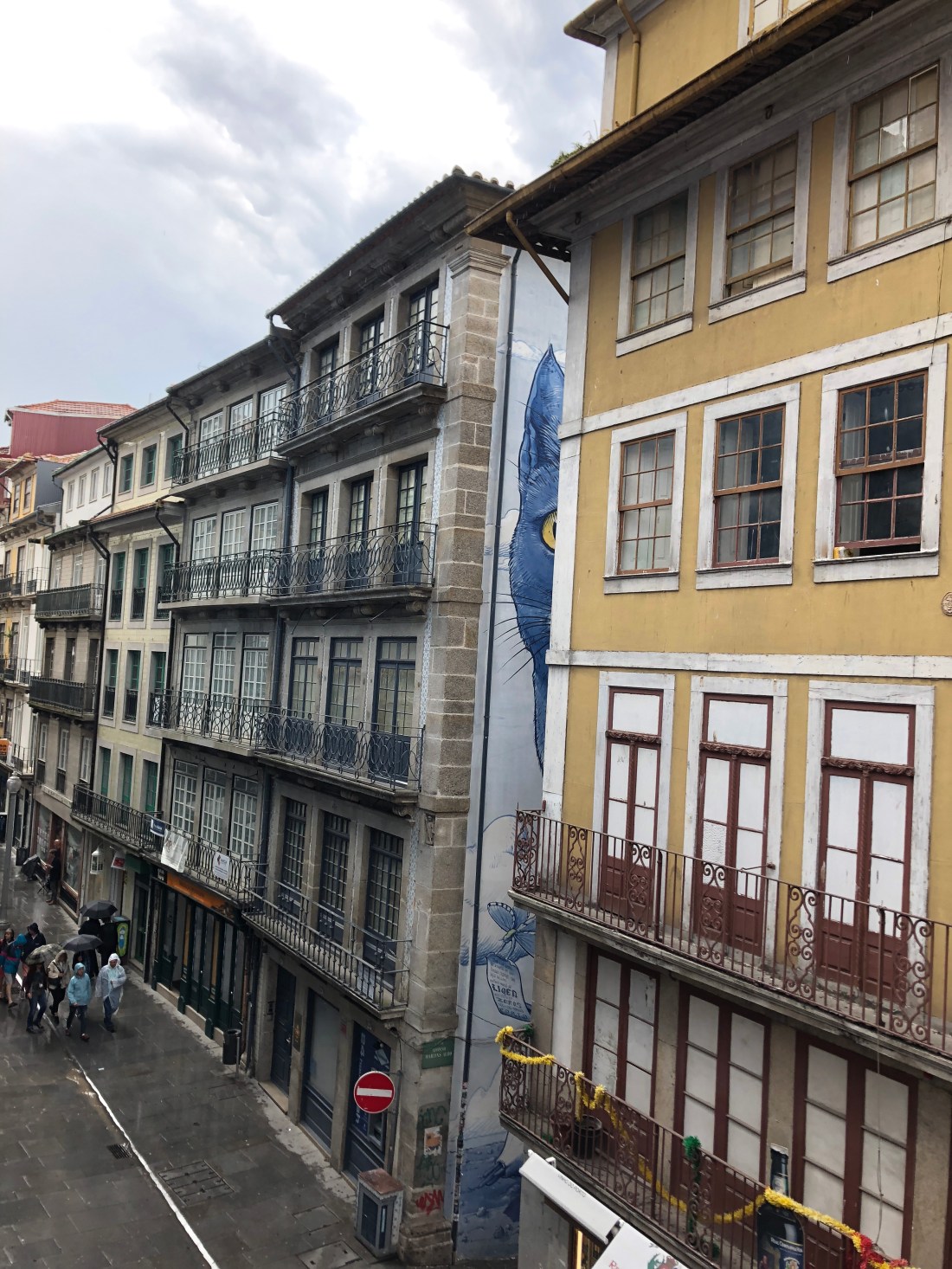
We’ve now passed the half way point of our five month journey and come to the end of our southern European leg.
We fly from Porto to Copenhagen to meet up with daughter Zoe.
 Parental Gap-Year
Sitting at an outside table at a cafe in Neukolln in Berlin is small consolation
LikeLiked by 1 person
Sorry we’re only just going to miss you. We’ve had a slight change of plans. Met with Zoe in Copenhagen, and now travelling through Sweden, then ferry to Poland for a week before Berlin. Have fun.
LikeLike