
It’s been a while between blogs. Life is just too short to wrestle with WordPress and Happiness Engineers.
After Copenhagen we had 10 days with no fixed plans. It was our daughter Zoe who suggested we go to Poland. At this stage of our journey we were counting our Euros, so realising we could use our Eurail pass across Sweden and Poland we jumped on board.
There is a ferry between the Swedish Port of Karlskrona and Gdynia in Poland. The overnight passage for 3 of us in a cabin “with spectacular ocean views” was booked.
The train trip from Copenhagen to Karlskrona is simply beautiful. First you cross “The Bridge” – Alex in particular has been a keen viewer of the series so she held on tight at the half-way point of the bridge between Denmark and Sweden.

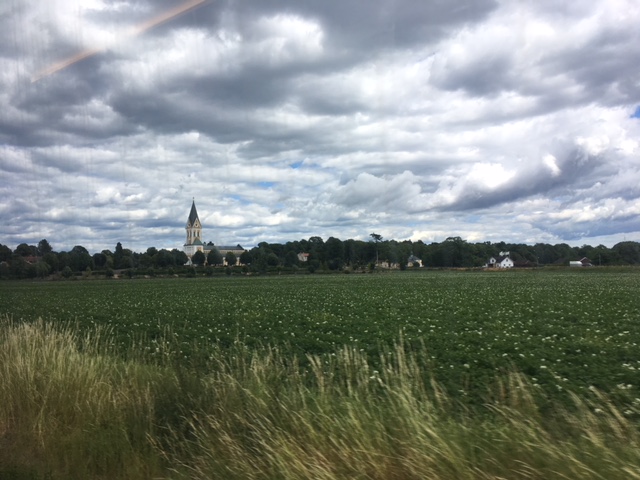
Then through Malmo and into the Swedish countryside. Gorgeous. Green fields cut into forests, red barns with white trim and caramel coloured Swedish cows.
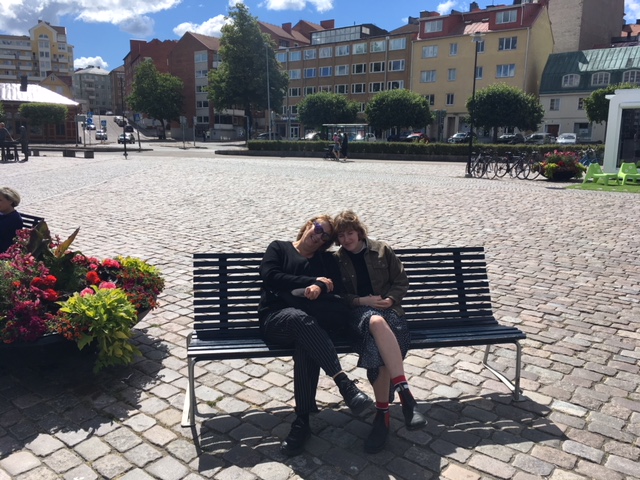
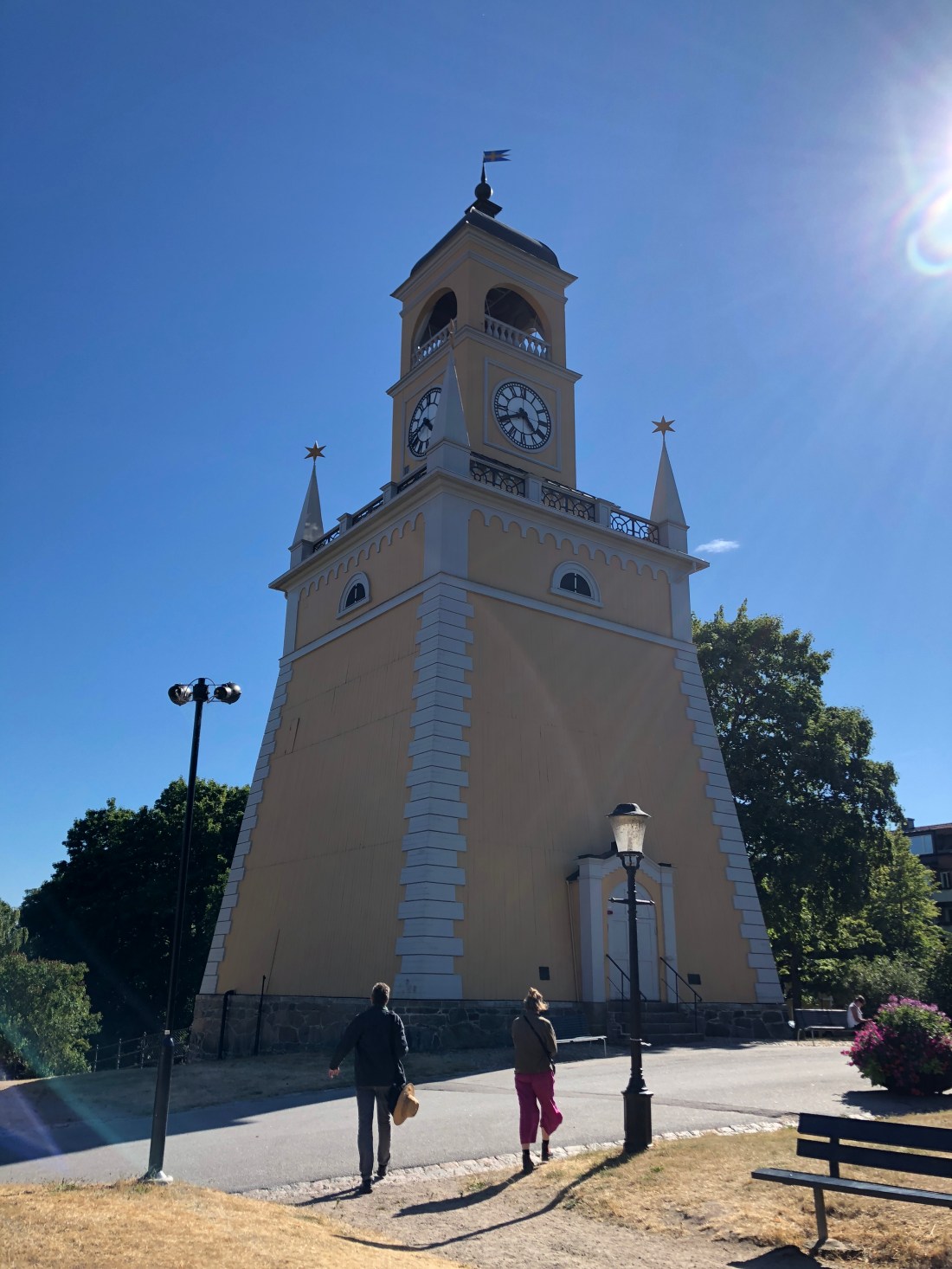
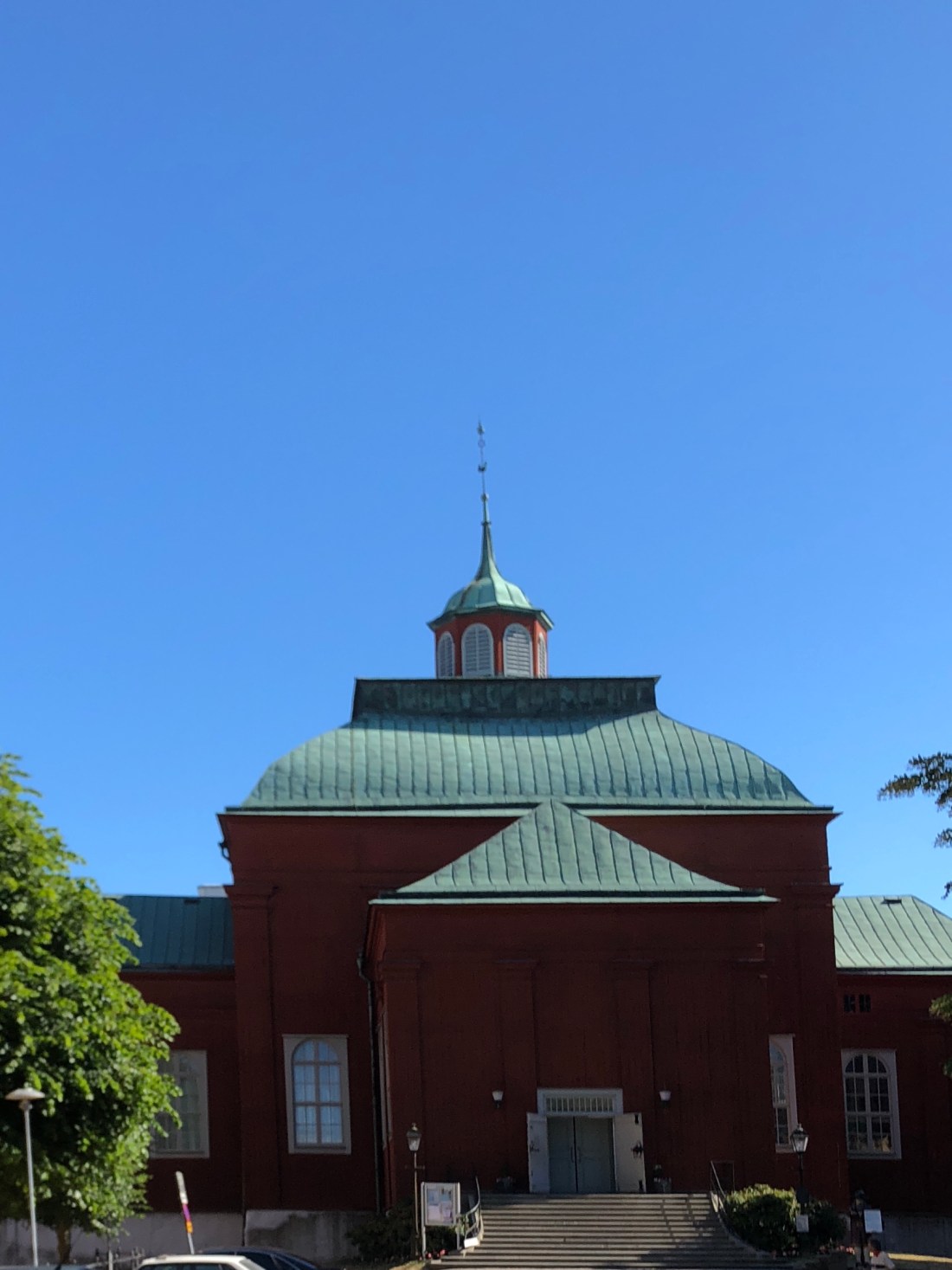
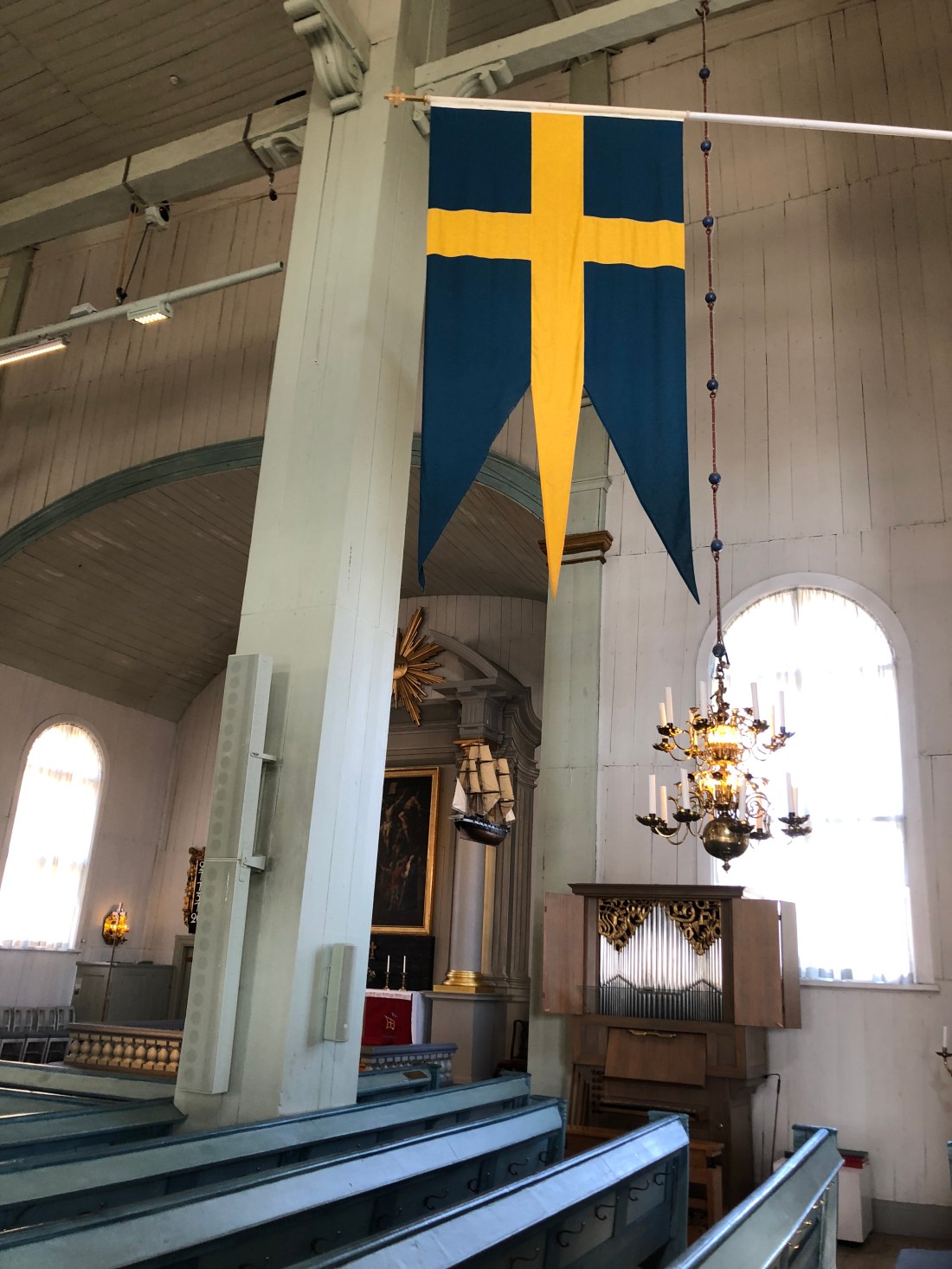
Karlskrona
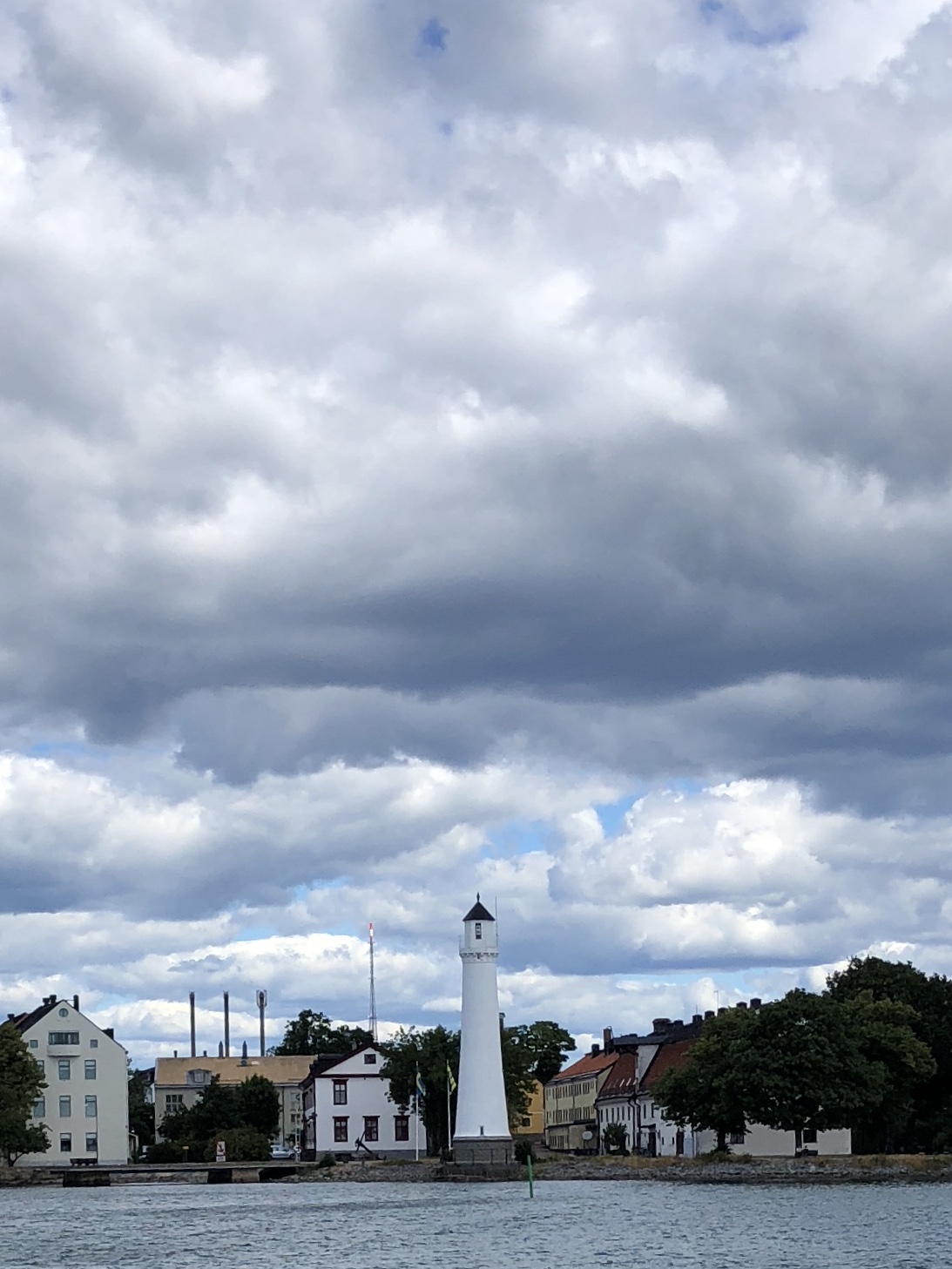
“Karlskrona is in southeast Sweden, located by the sea. The town is built on several islands, and access is easy both to the archipelago and the countryside. The town is a UNESCO world heritage site.”
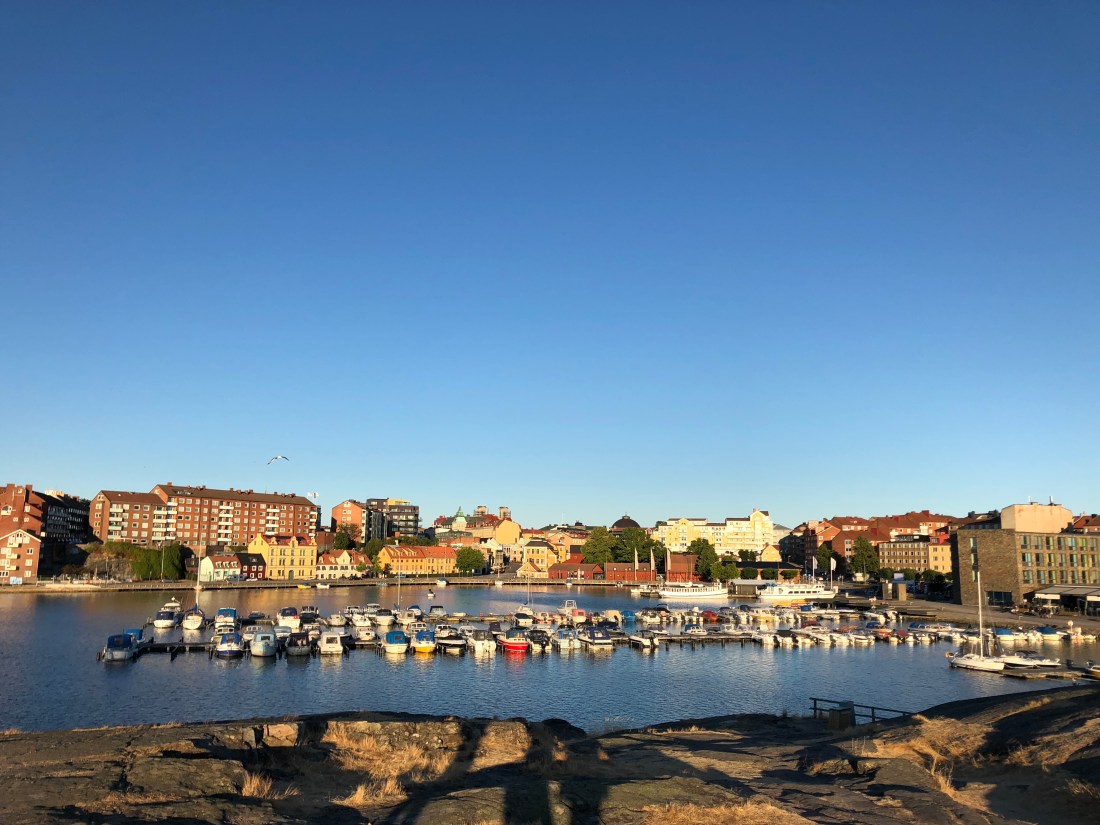
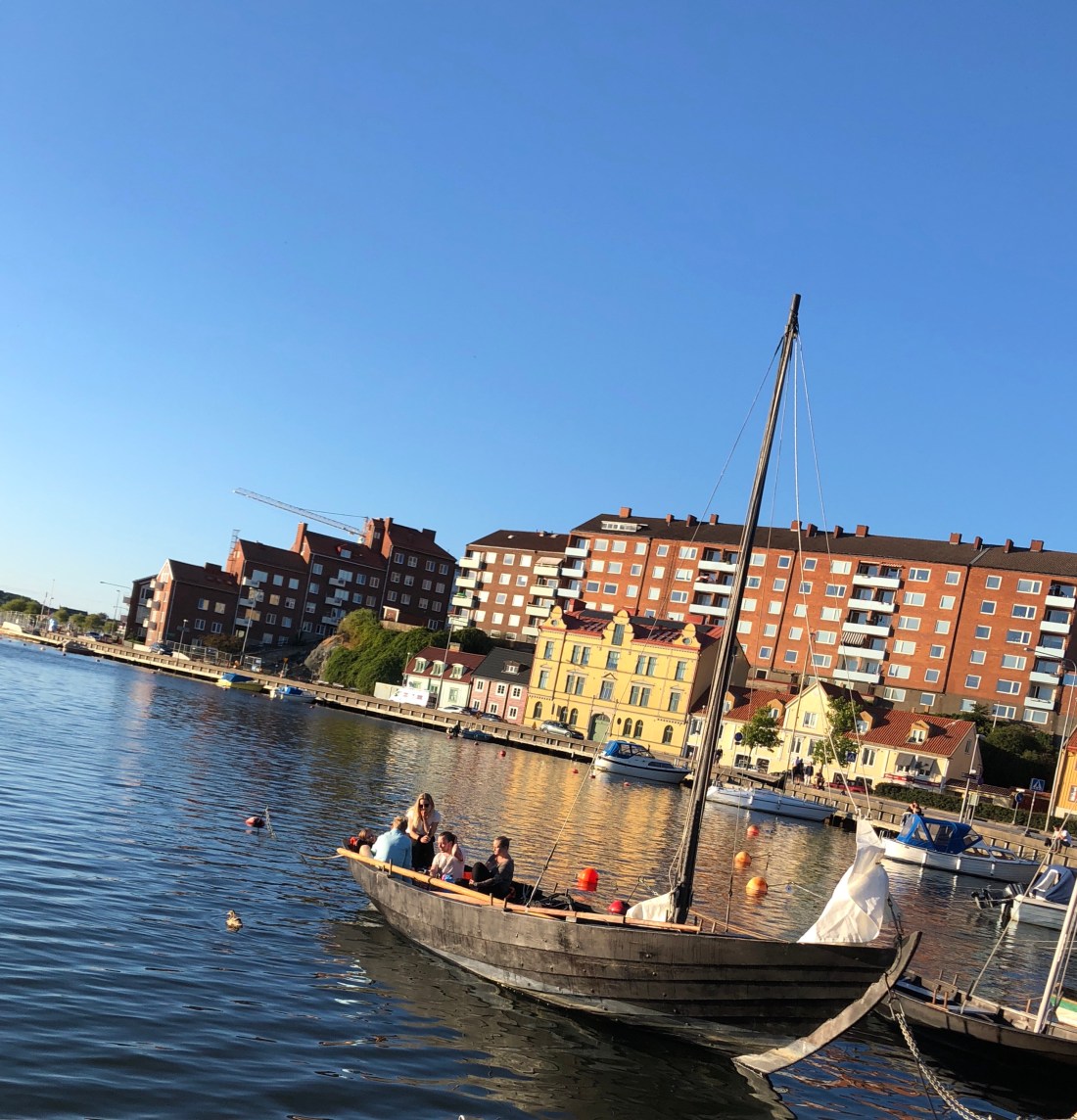
Karlskrona is known as Sweden’s only baroque city and is host to Sweden’s only remaining naval base and the headquarters of the Swedish Coast Guard”
It’s here that we completed celebrating Rob’s birthday on the 30th of June. Like The Bridge, half the birthday in Denmark and half in Sweden.
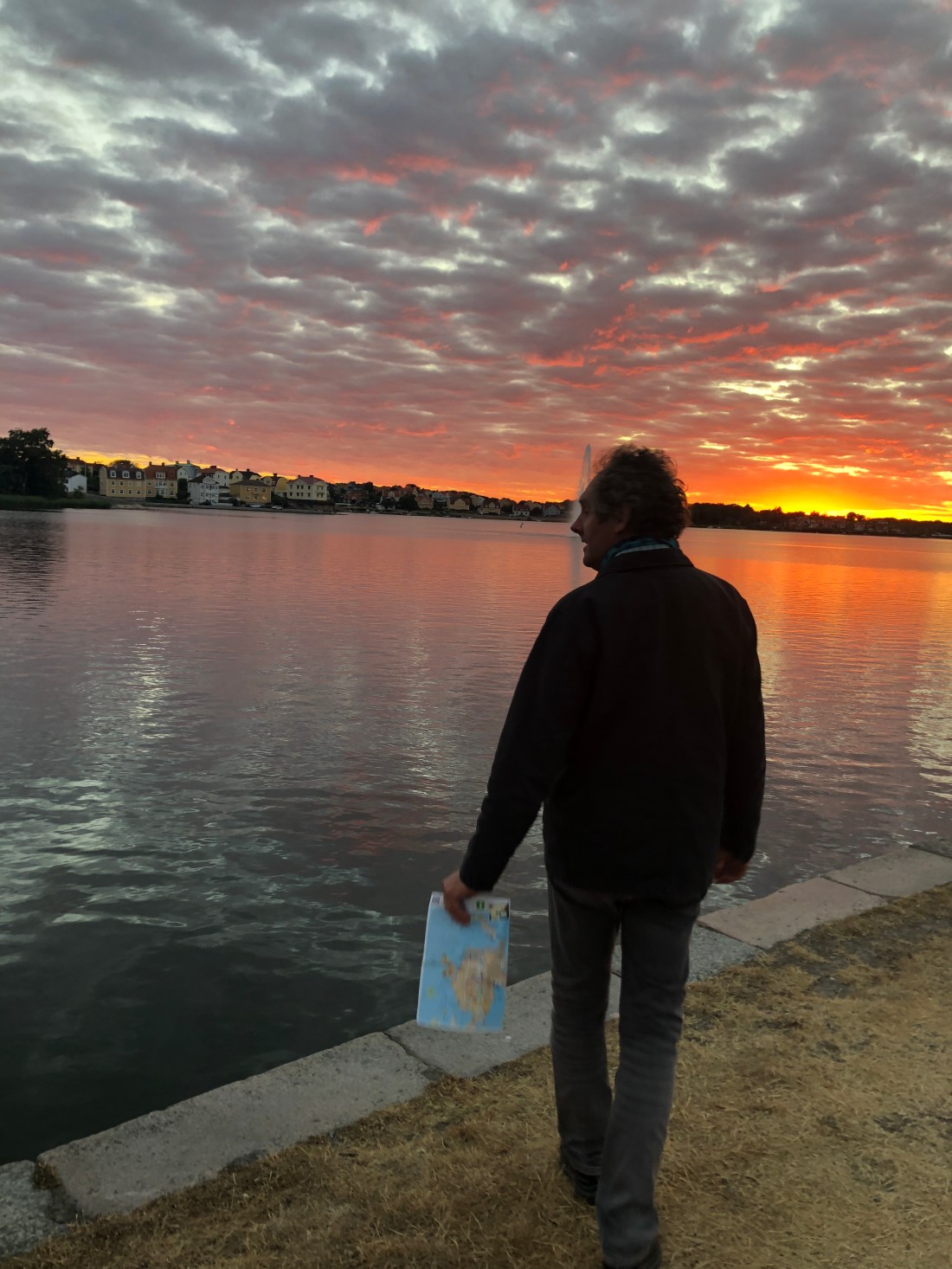
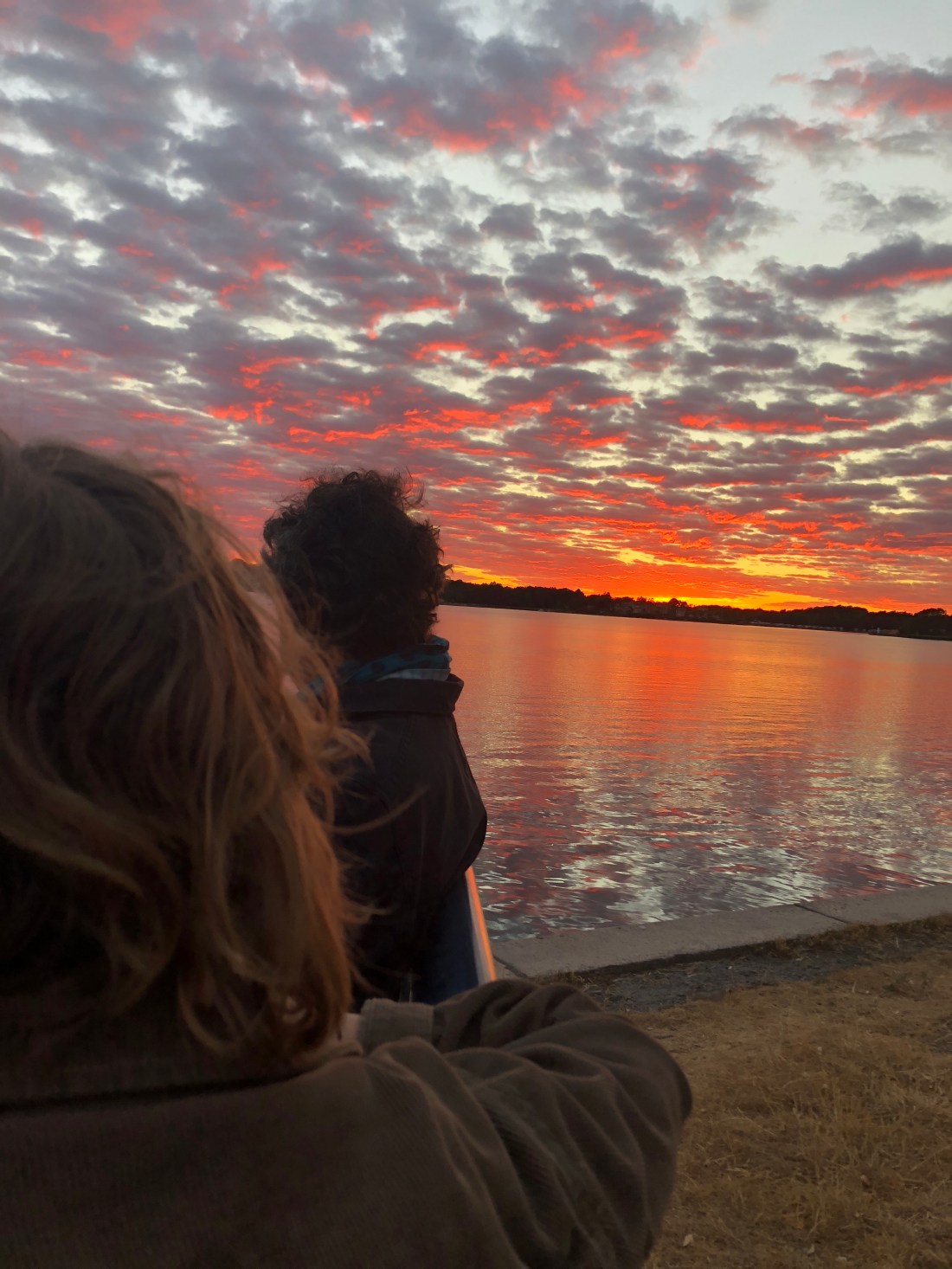
Dinner, topped off by a walk to the harbour and a spectacular sunset. The long days and evening light at this time of the year in this part of the world is magical.
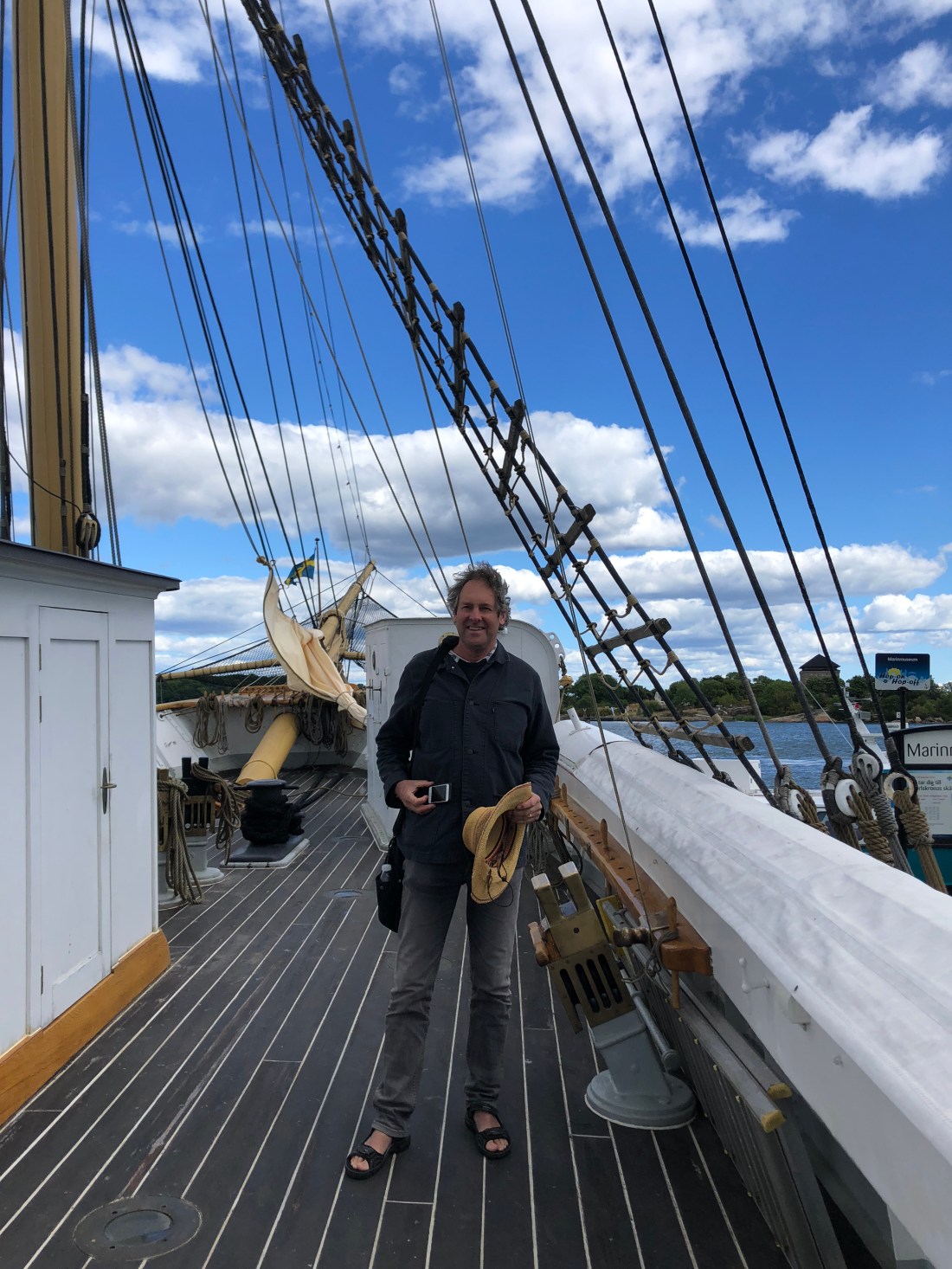
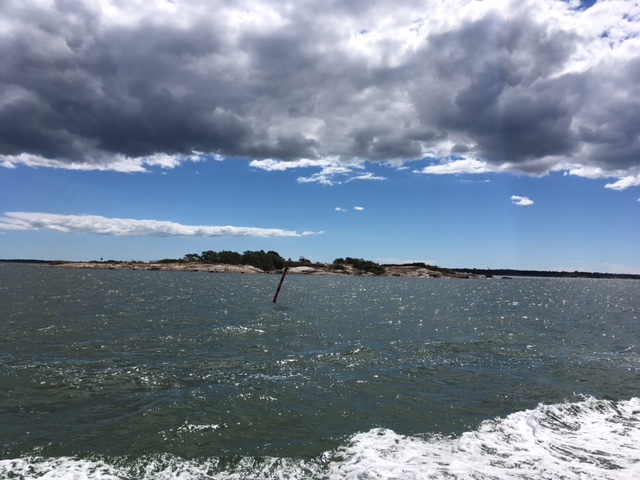
We explored the harbour and islands the next day on the hop on hop off boat. In fact, we were the first passengers in this new tourism venture for Karlskrona.
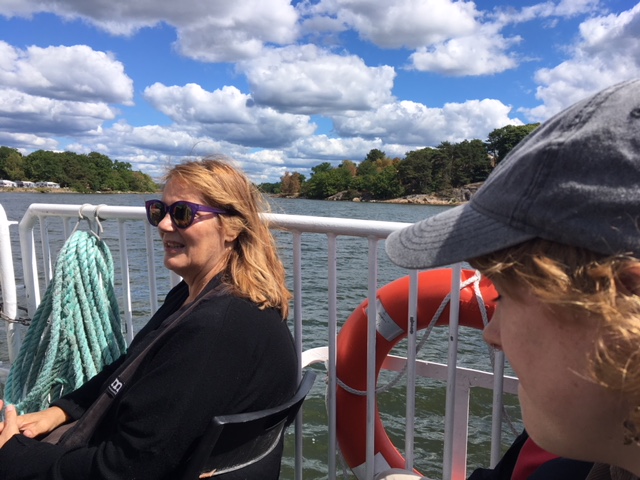
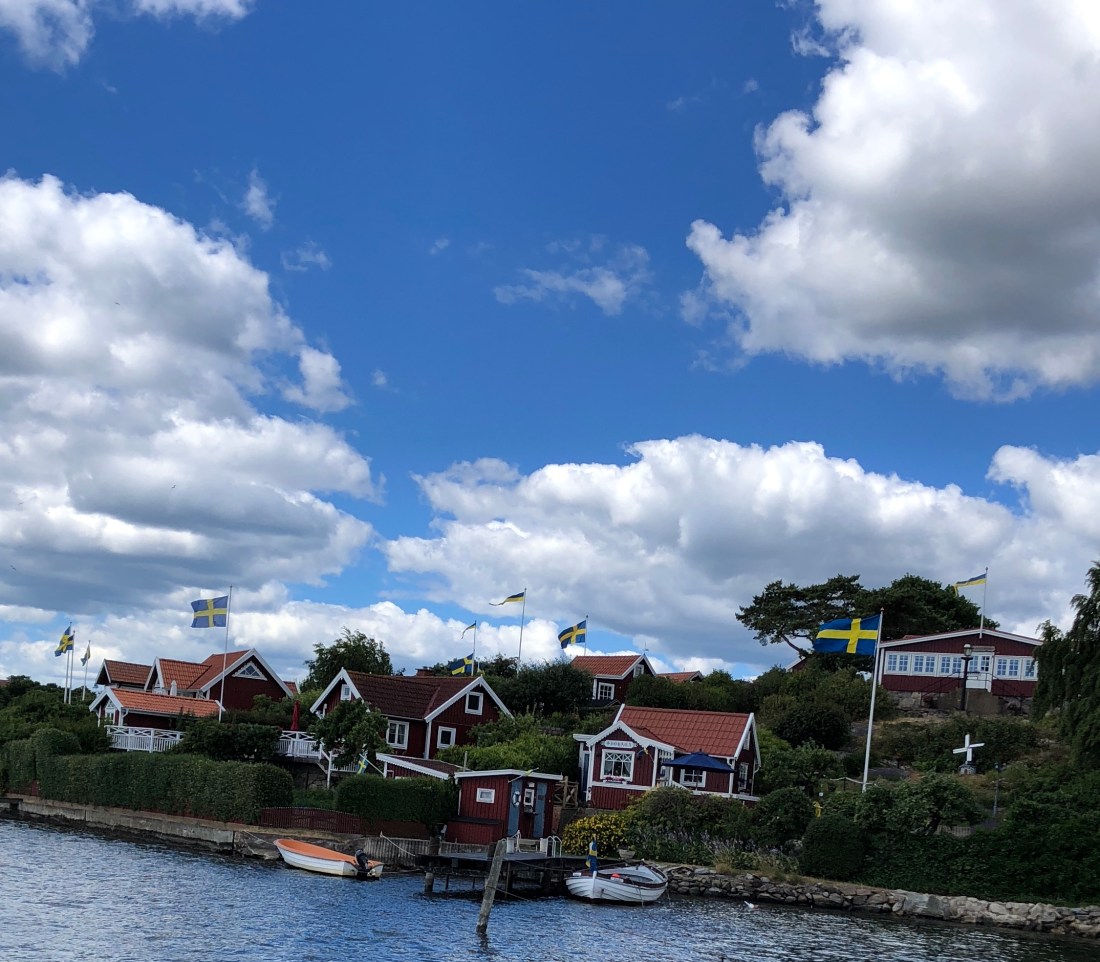
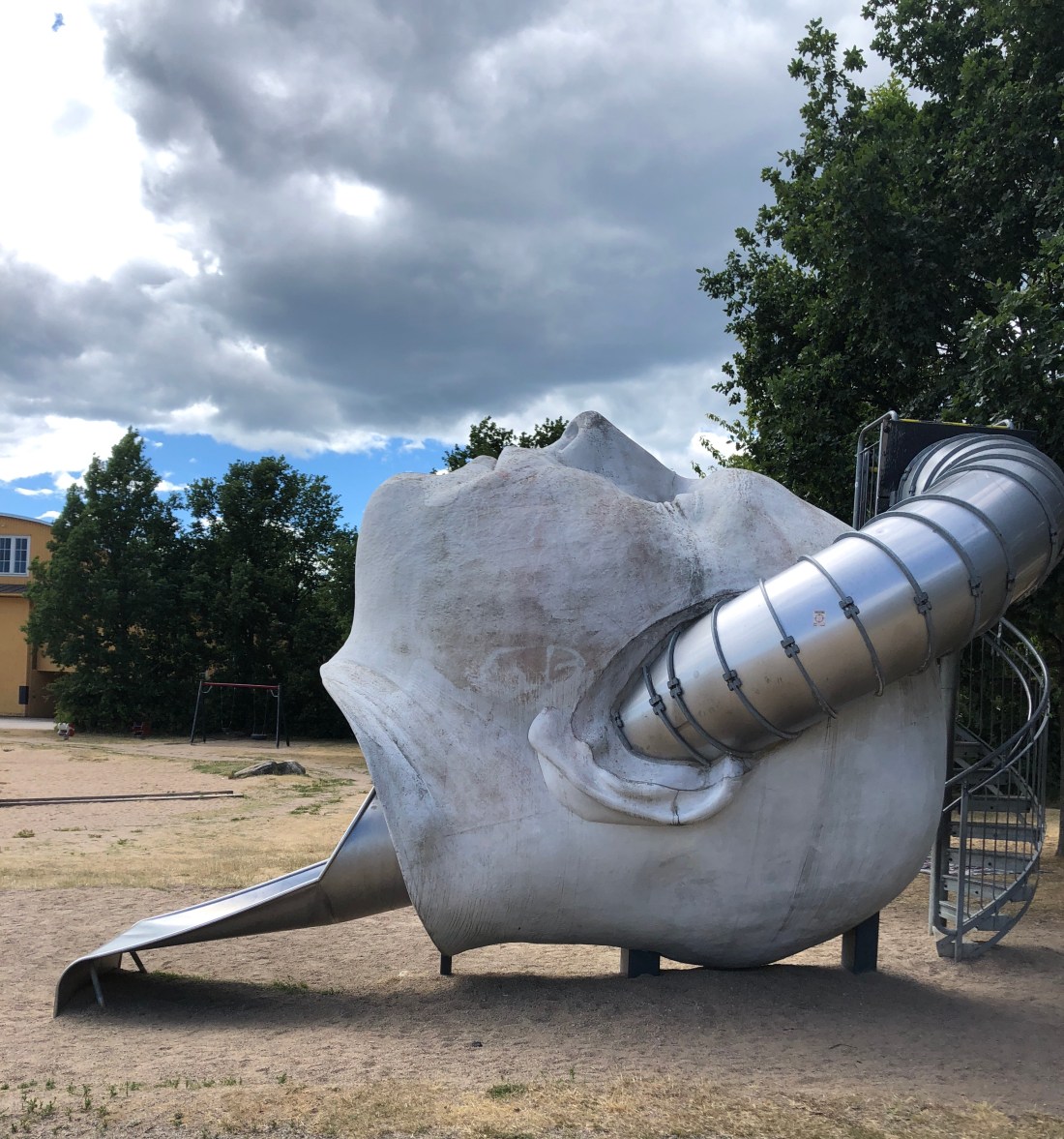
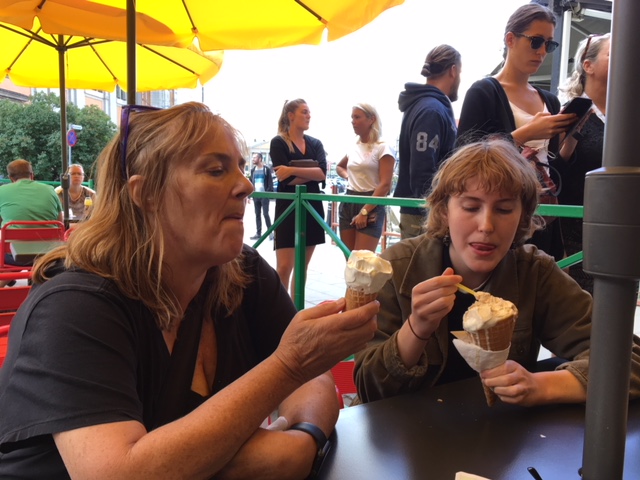
Another big tourism attraction, with large queues in this small town are the giant ice creams. The caramel coloured Swedish cows have delivered in bulk.
The Ferry to Poland
Our first inkling that the overnight ferry was “a thing” was waiting at the bus stop for the local bus the the Ferry Terminal. We wandered down the empty streets and sat alone at the bus stop with our bags with plenty of time, only to be swamped by about 200 Polish people wanting to get on the same bus. They appeared out of nowhere and rushed towards the bus. The Swedes don’t allow people to stand on the buses, so only about a third of the crowd was able to get on.
We looked at the bus timetable and ended up catching a taxi to the terminal.
Alex had been a bit fearful that the trip may be a disaster: we were all sleeping in the one cabin; the food could be shocking; we’d all be seasick.
But her fears evaporated the moment we boarded. We were greeted by a person in a bright blue dolphin suit called “Happy” and getting us in the mood a DJ, whose time in hip clubs had clearly come and gone, spinning some discs.
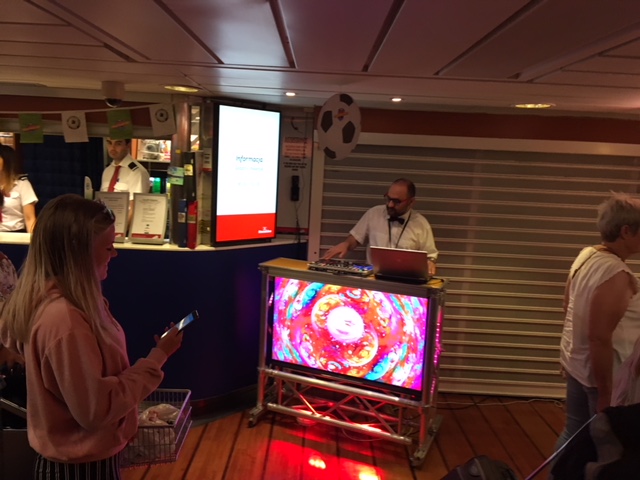
Things only got better with the buffet dinner (a lot of sausage) and an entertainer in one lounge area singing Mamma Mia songs in Polish. We lost Rob who found himself in the onboard supermarket surrounded by very large bottles of vodka and large cartons of cigarettes.
The bulk purchase of tax free alcohol and cigarettes (large supermarket trolley loads) might have gone some way to explaining the large groups of Polish people heading back to the ferry after a quick trip to Sweden.
It was a voyage of discovery and adventure.
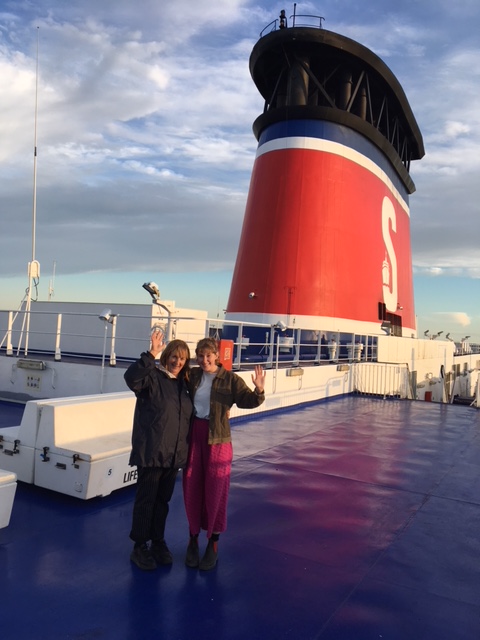
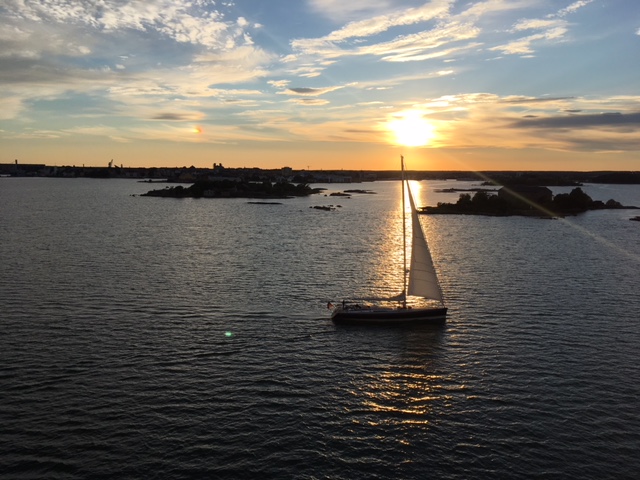
We all had a great night’s sleep until our cabin’s speaker blared Rod’s Stewart’s “Sailing” at 6am. “Can you turn it down?” asked Zoe. “No!”
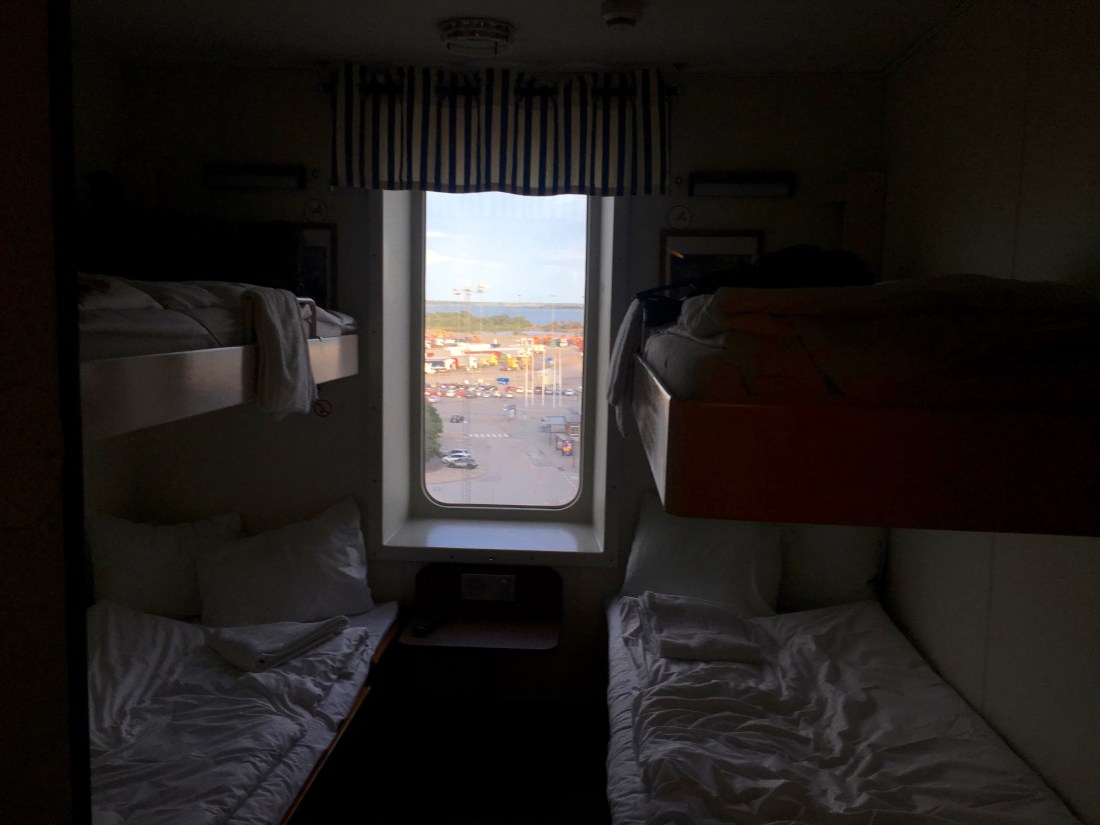
We arrived bang on 7.30 in the Polish port of Gdynia. We can recommend this journey.
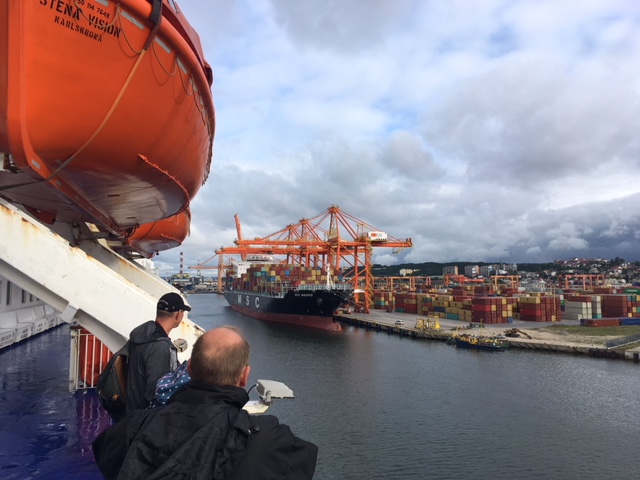
Gdansk
We caught a taxi from Gdynia to the neighbouring Port city of Gdansk to our very cool hotel just near The Old Town.
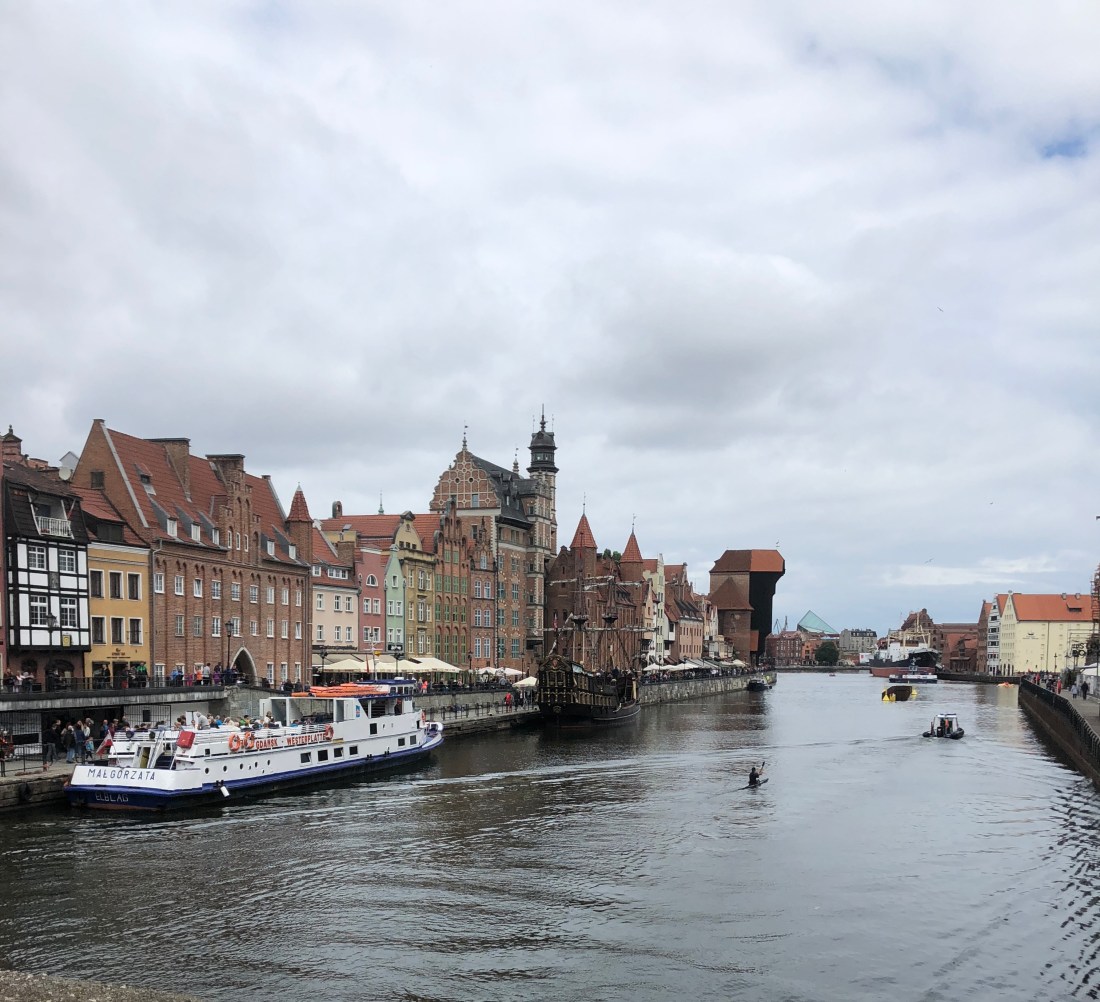
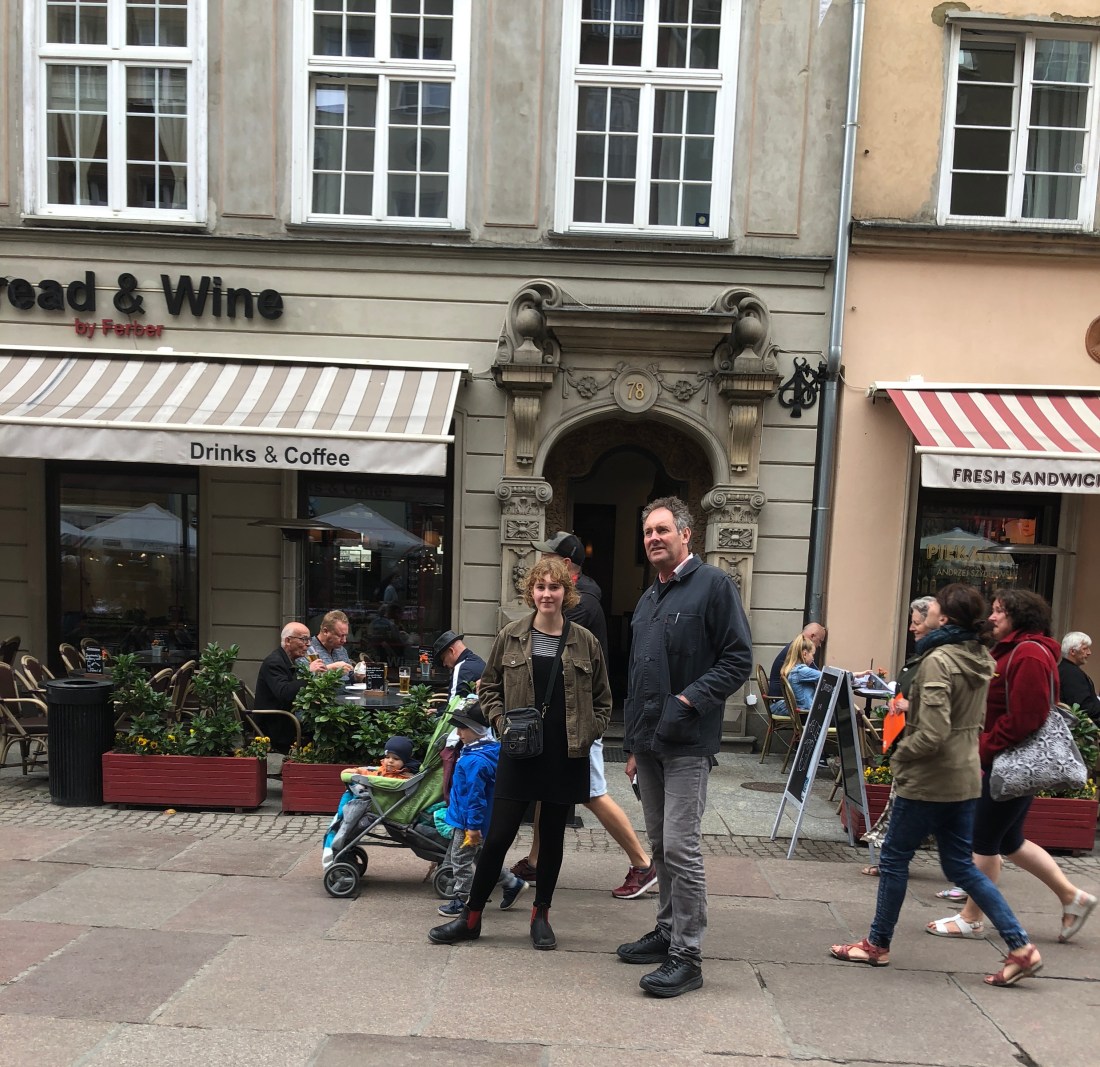
While wandering around we were approached by a brash young chap offering us a tour. He was pushy but smiley and I liked his confidence. Over lunch of Pierogi, I decided I’d call the number on the card, despite Zoe’s protestations of “He’s pretty arrogant Mum”.
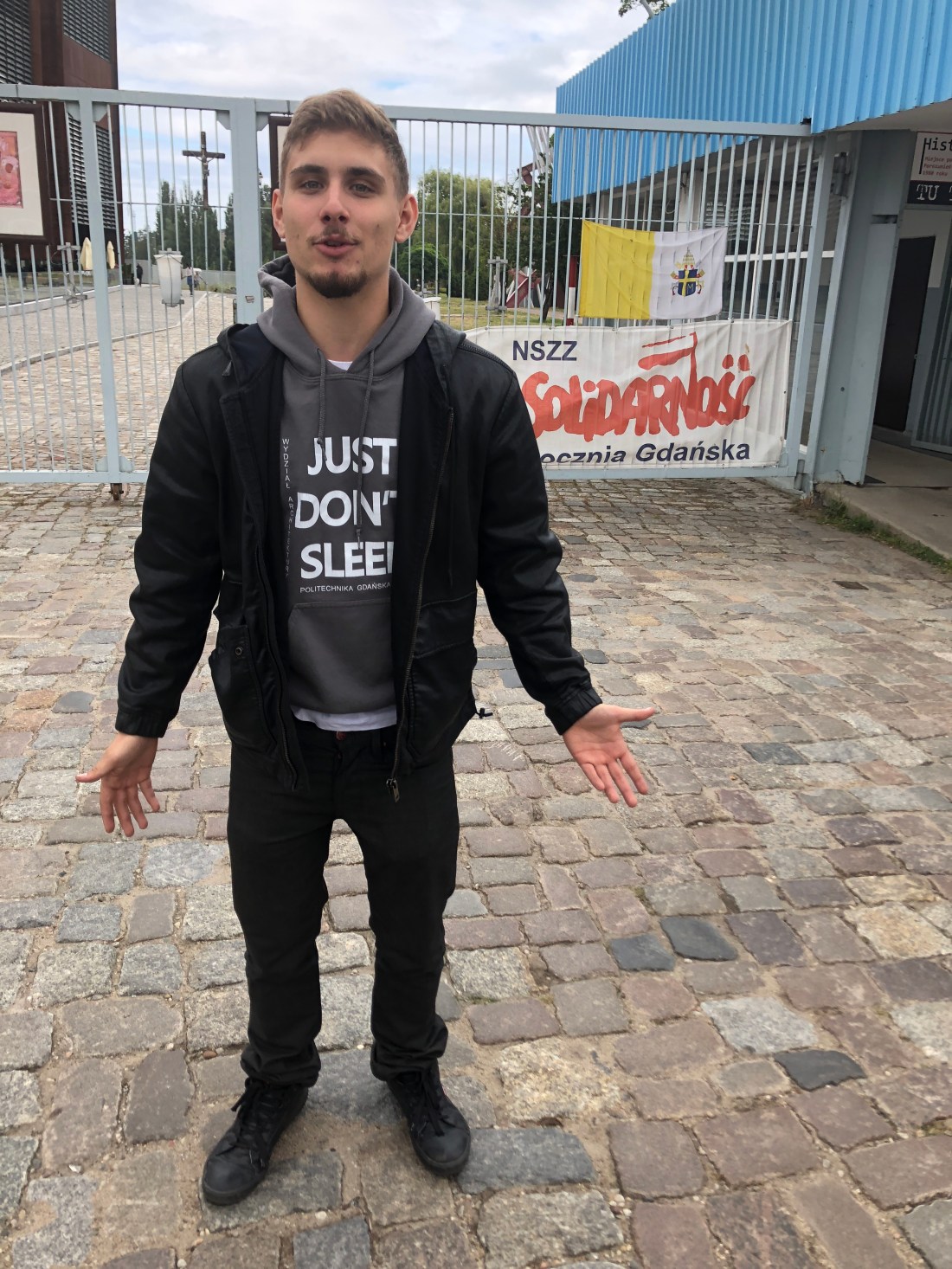
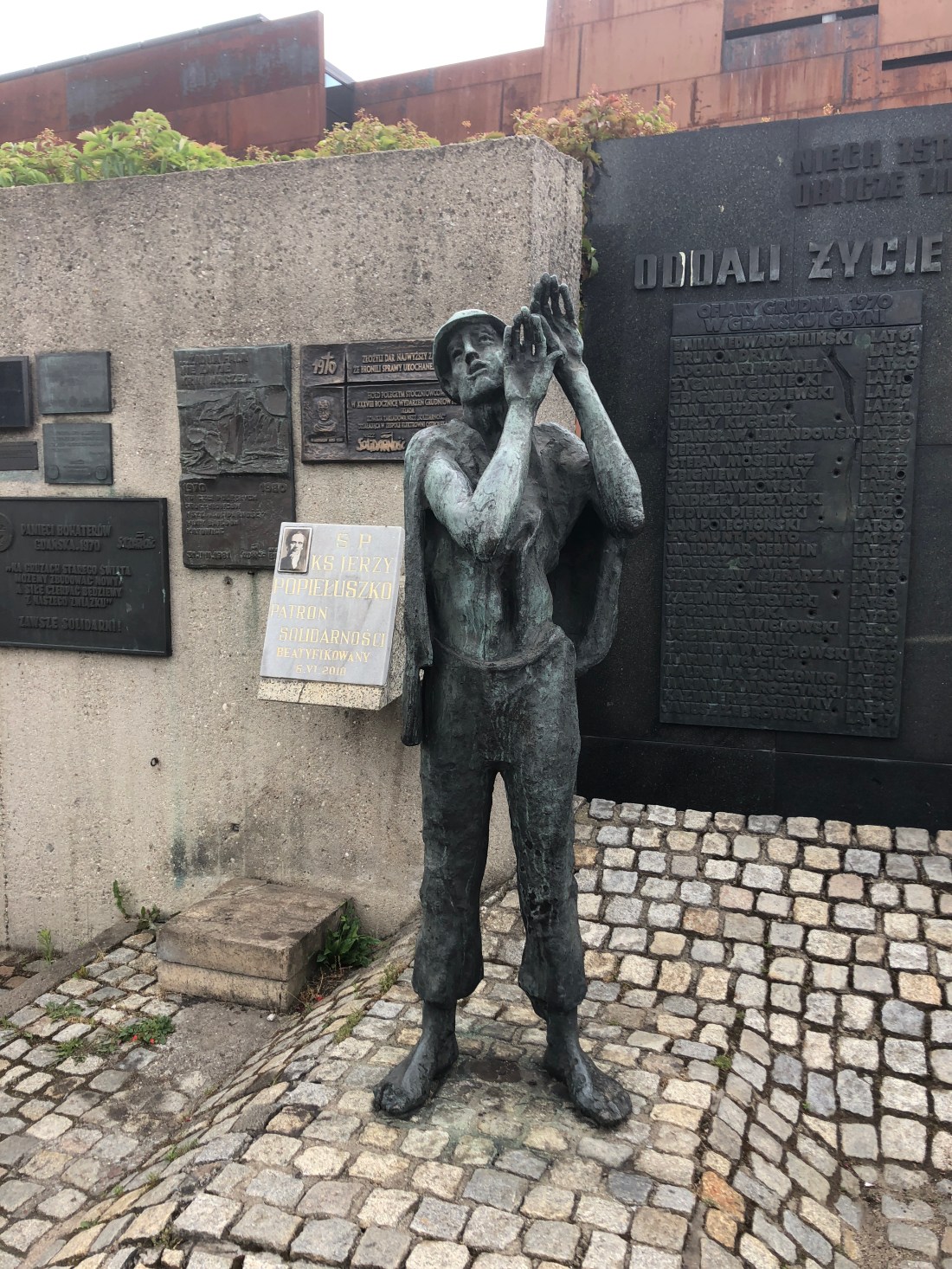
Tomasz’s tour was great, including the Gdansk Post Office which is an important site commemorating World War 2. The first shots of the war were fired in Gdansk. The postal workers tried to defend the post office, only for the building to be set on fire. He then moved to the more recent history of the Solidarity movement. Alex asked him what his parents were doing during that time. “Interesting question, I’ll tell you when we get to the “Shipyards Memorial”. Turns out he’s Tomasz Walesa, Lech Walesa’s grandson. “People won’t believe you!”. Alex muttered to Zoe, “his grandfather was awarded the Nobel Peace Prize”.

We also took a Food Tour in Gdansk with Weronica (note no V in Polish). Another really well educated young Pole. We ate pierogi, soup, cabbage roll, schnitzel, potatoes, cake.
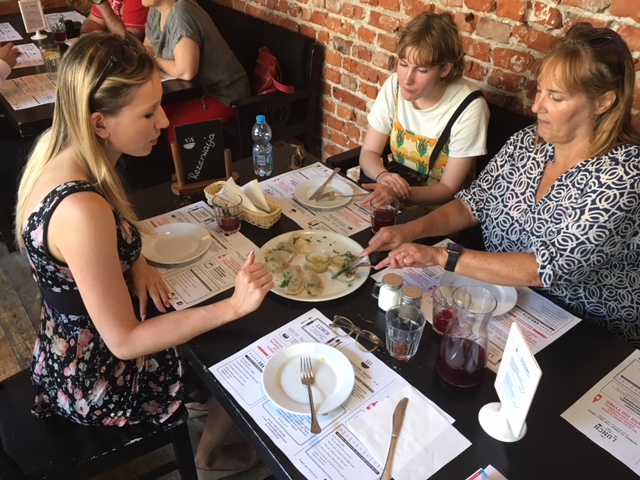
So interesting at this point in history that both Tomasz and Weronika were scathing about Russia. When we asked Tom if he had been there he answered, “They come here, why would I go there?” Weronica’s answer “I would not want to go to Russia, you might not come back”.
Weronica’s parents still live in a rural village not far from town. She is completing a Masters in IT at University in Gdansk but wants to keep working in tourism. Tertiary education is free in Poland, although not everyone can get a job.
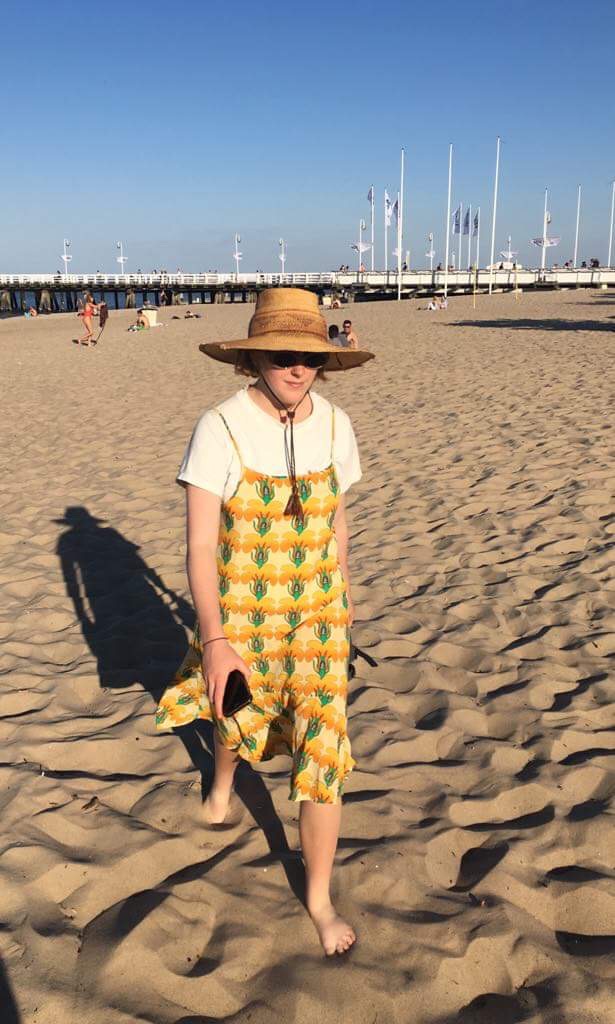
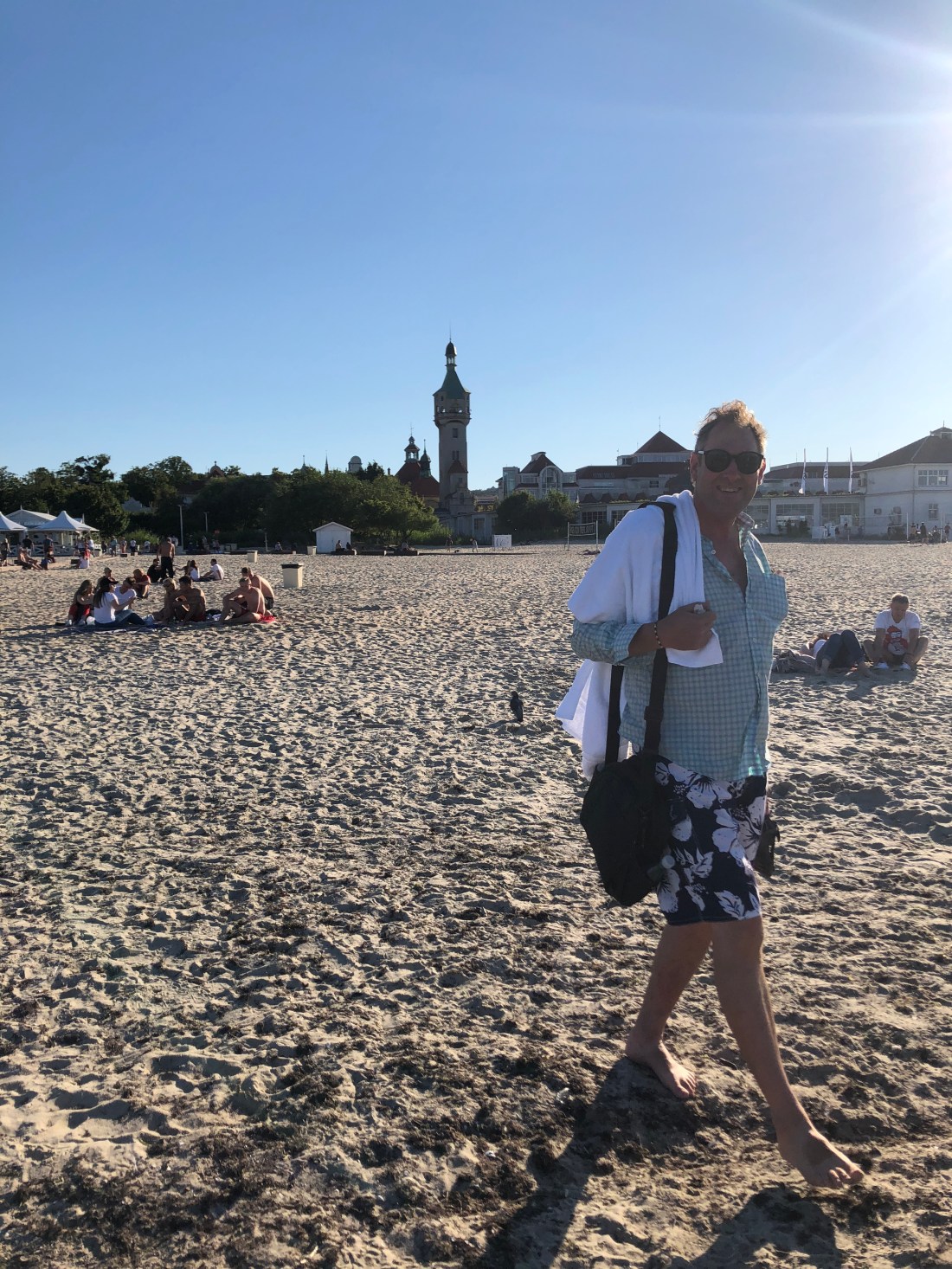
On a warm afternoon we visited Sopot, a grand old “resort town” on the Baltic sea for a swim.
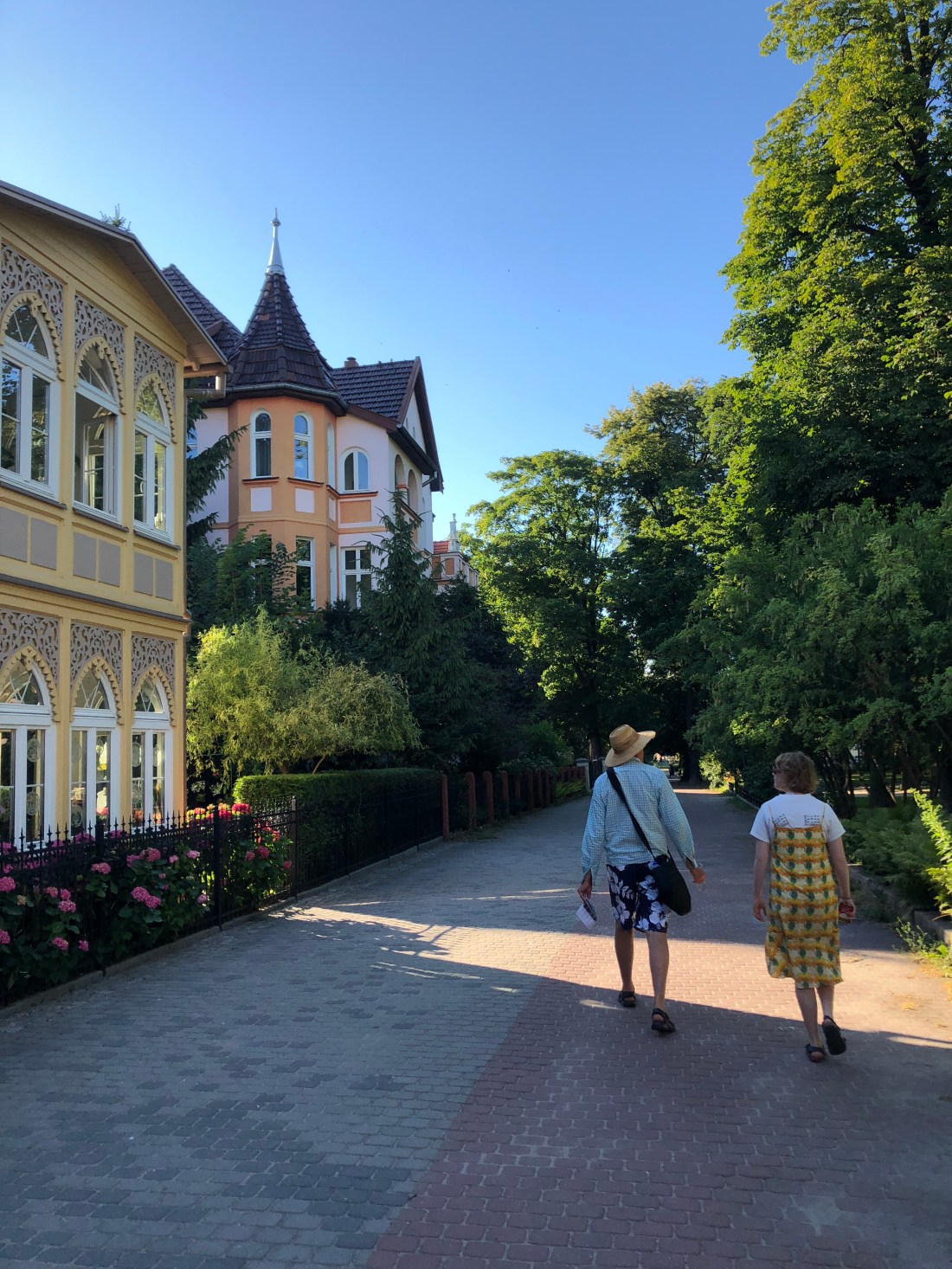
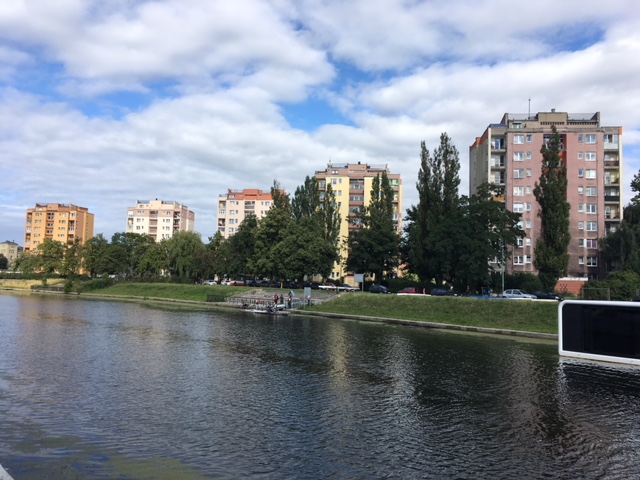
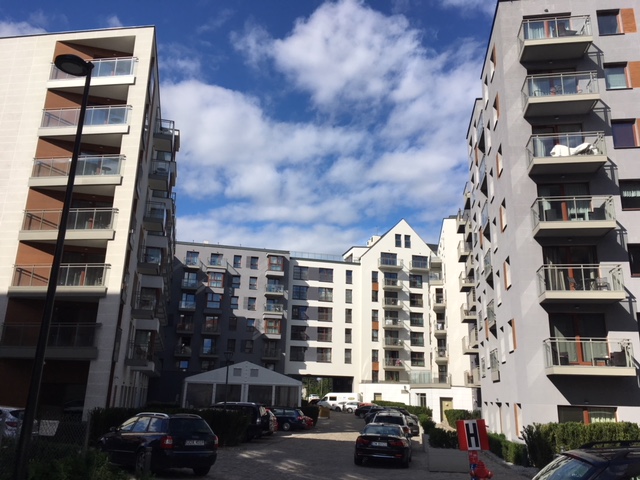
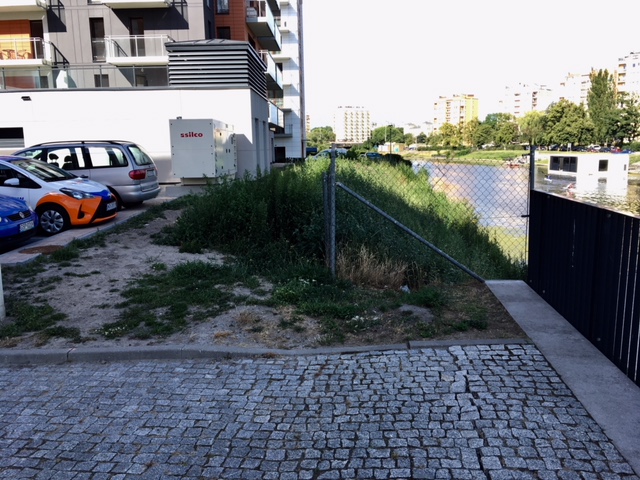
Gdansk is going through a building boom, with lots of apartments going up, although often without adequate provision for public open space.
While the soviet era architecture was brutal it did at least provide public open space and access along the waterways. Has there been too rapid a swing to free market capitalism? It was a reminder of how quickly the planning traditions and the quality of a city can be compromised if local authorities fail to plan and hold private developers to account, with serious long term implications for the livability of a city.

Train from Gdansk to Krakow. The Gdansk taxi driver response when he learnt we were Australian: “Australia is a normal place? Smiley people” From what we saw in Gdansk, you are smiley normal people.
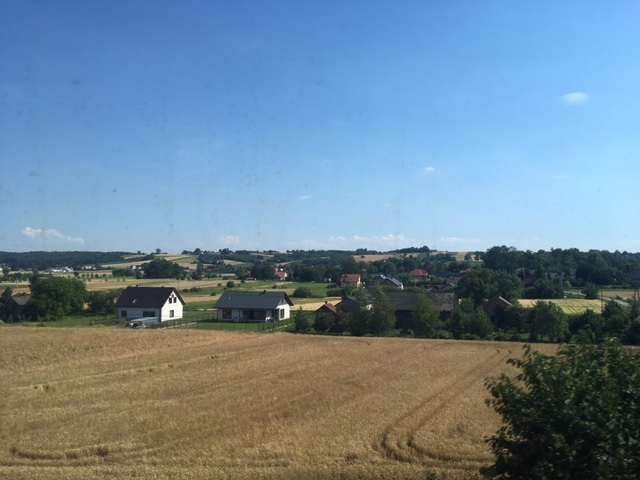
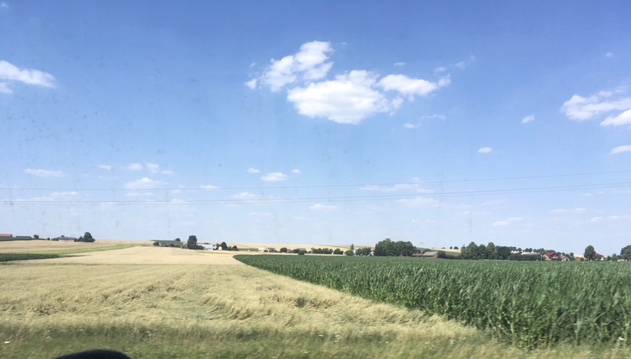
This journey across Poland showed us why the Soviets prized it as a “food bowl”, incredible productive lush undulating country.
Krakow
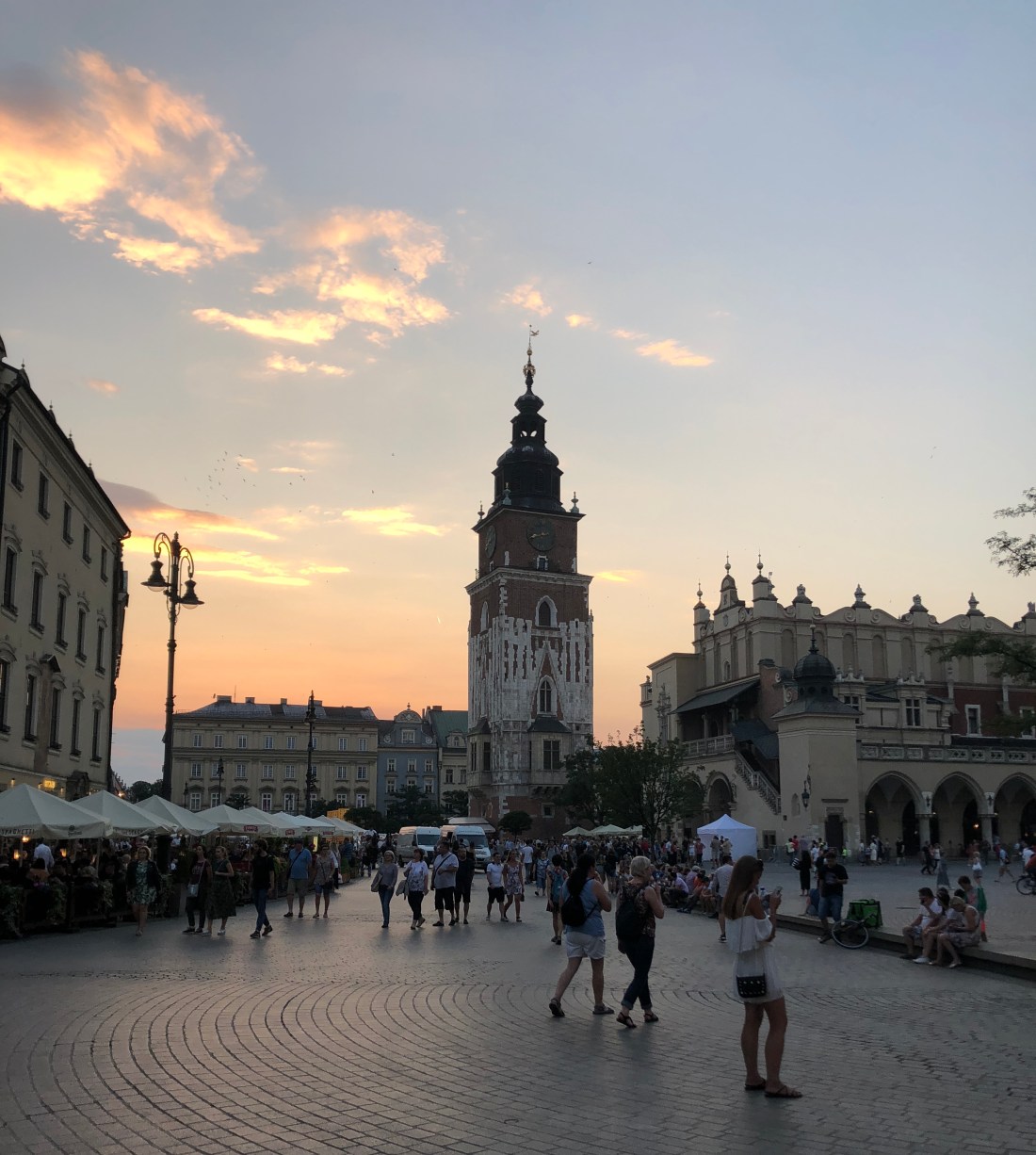
Krakow is a beautiful old town, not bombed in World War 2 because Hitler prized it. Much of its construction occurred during the 19th Century occupation by the Austrians.
Many people who visit Krakow will include a visit to Auschwitz, which is about 90 minutes by road. Our driver Peter was again a really interesting person. He must have been in his 40s, had studied petroleum engineering and had dominant childhood memories of having to queue for food in the Soviet era.
There was no press freedom and people were not able to travel freely. He told us stories that as a young person people would literally trade a car for a pair of Levis.
He has seen such a change, he has been able to travel freely and to study in the US. His daughters have known none of the hardships he can remember and they can choose whatever clothes they want to wear.
Seeing our sober faces after Auschwitz Peter said this “one thing about the Germans, they said sorry and paid their debts. The Russians have not done either.”
Auschwitz and Birkenau
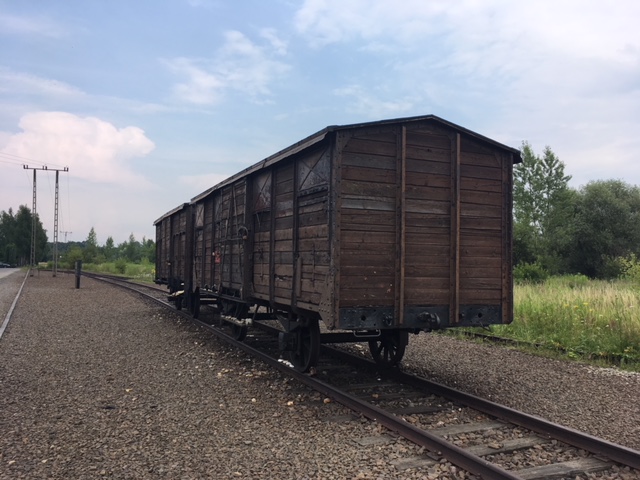
This quote from George Santayana Spanish/American philosopher, greets you as you enter Auschwitz.
Those who cannot remember the past are condemned to repeat it.
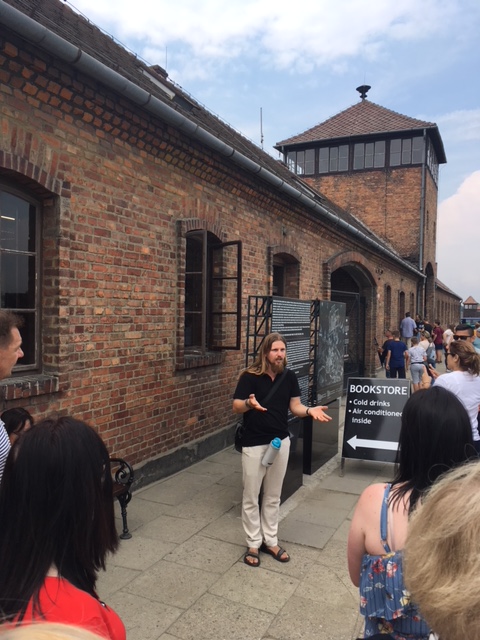
As we finished our tour Jimmy left us with a few messages
“People will tell you the holocaust didn’t happen – you have been to this place, talk about it.”
“There are no such things as Polish Concentration camps, they were German Camps, NAZI camps”
“Understand: man did this to man, human beings did this to human beings – never forget this”
Here are just some of things Alex jotted down after visiting Auschwitz.
I’m writing this shortly after returning from our tour, because I want to remember.
- Our tour group in a slow shuffle into the gas chamber and crematorium at Auschwitz. The shuffling brought it home to me. We stood waiting to go into the place where people would have been stripped naked. In the room you could see the marks on the wall made by fingernails, then in the next room the rails for the carts to convey the bodies into the furnaces.
- It was a slow quiet queue through this terrible place. One woman emerged with her fists in the air, triumphant. What was this about? That she had survived where so many had died so cruelly or that she had “done it?”.
- Jimmy our tour guide: “I will not speak in the yard”. This is the courtyard with a wall against which so many people were shot. You approach it by going past a room which has clothes hanging on a rail. People were made to strip before execution.
- Walking through the rooms of hair, spectacles, Jewish prayer shawls, suitcases with names written clearly on them, people were encouraged to write their names as part of the charade. The mountains of shoes overwhelm you and I can see where Steven Spielberg got his inspiration in Schindler’s List when he had the little girl in the red coat in the black and white shots. In all the gloom of the mountain of brown and black shoes there are flashes of red shoes, stylish red shoes, children’s red shoes.
- A group of young people draping themselves in the Israeli Flag. I understand the deep need to identify, the family histories, remembrance. But wear a yarmulke, a star of David, a Jewish Prayer shawl not a Nationalist symbol. Then I looked up to see another group with a German Flag. Nationalist Flags have no place here.
- Nor do T-Shirts with political slogans. I couldn’t look at the young 20 something who walked past me with a “Trump-Pence 2016” T Shirt.
- “I don’t call them visitors, I call them idiots”, that’s how our tour guide Jimmy described people who have grafittied the walls of the Birkenau Women’s Death Barracks with their names. The Death Barrack is the place where women who were deemed unfit to work were sent to wait before being sent to the gas chamber. They were given no food, water, no toilet. It is the worst of places, dirt floor, three tiered wooden platforms to sleep on. When the barracks were full, women were made to stand outside in the cold until someone died to make space.
So, what inspires people to scratch “Eliza 2016” on the walls? Idiotic is too kind.
Krakow Old Town
Back in Krakow, our hotel offered us a free walking tour of the old part of Krakow. Mariusz was another really impressive young Pole. He had studied engineering but his real talent is history and languages. He speaks about 9 languages.
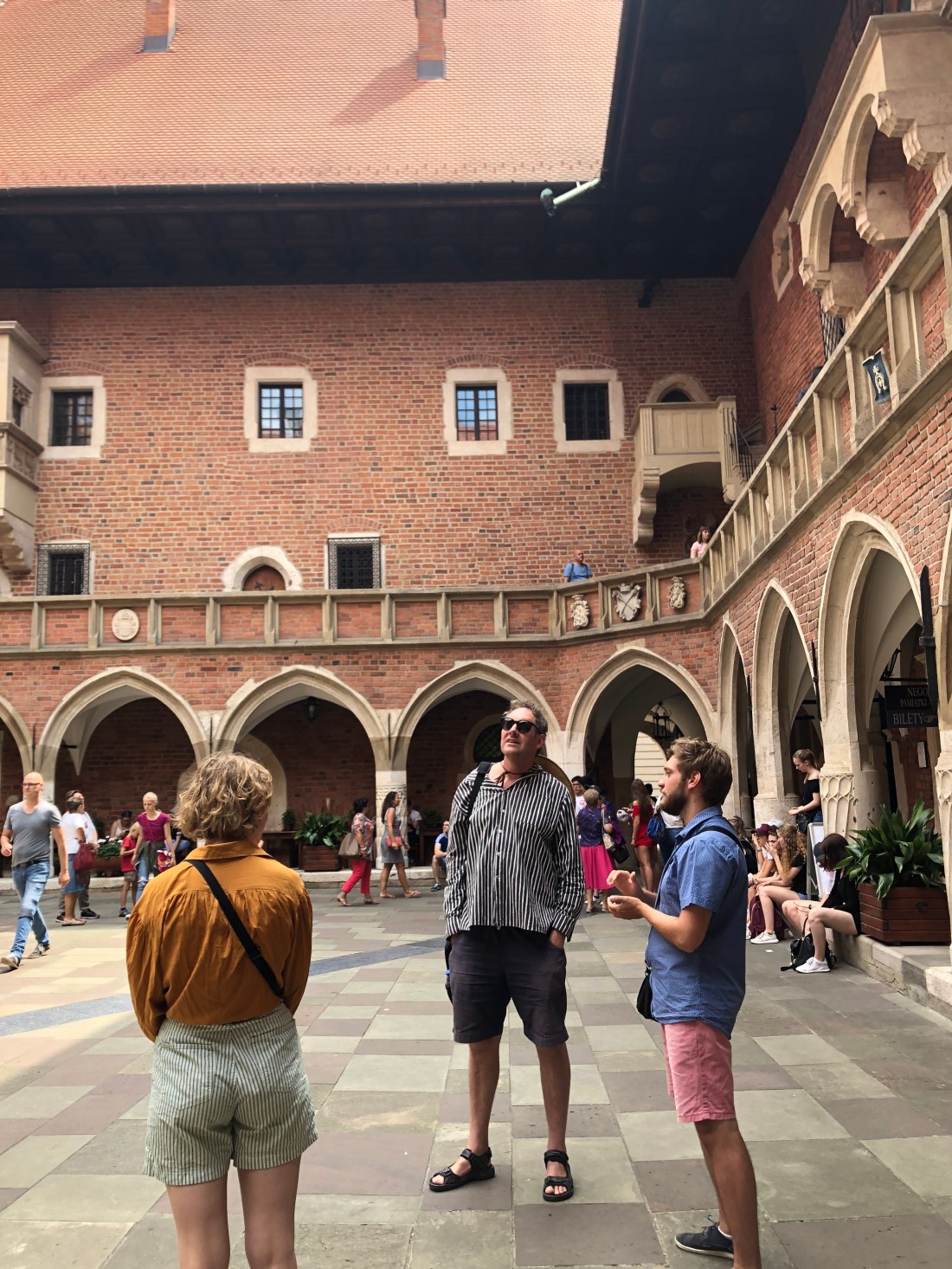
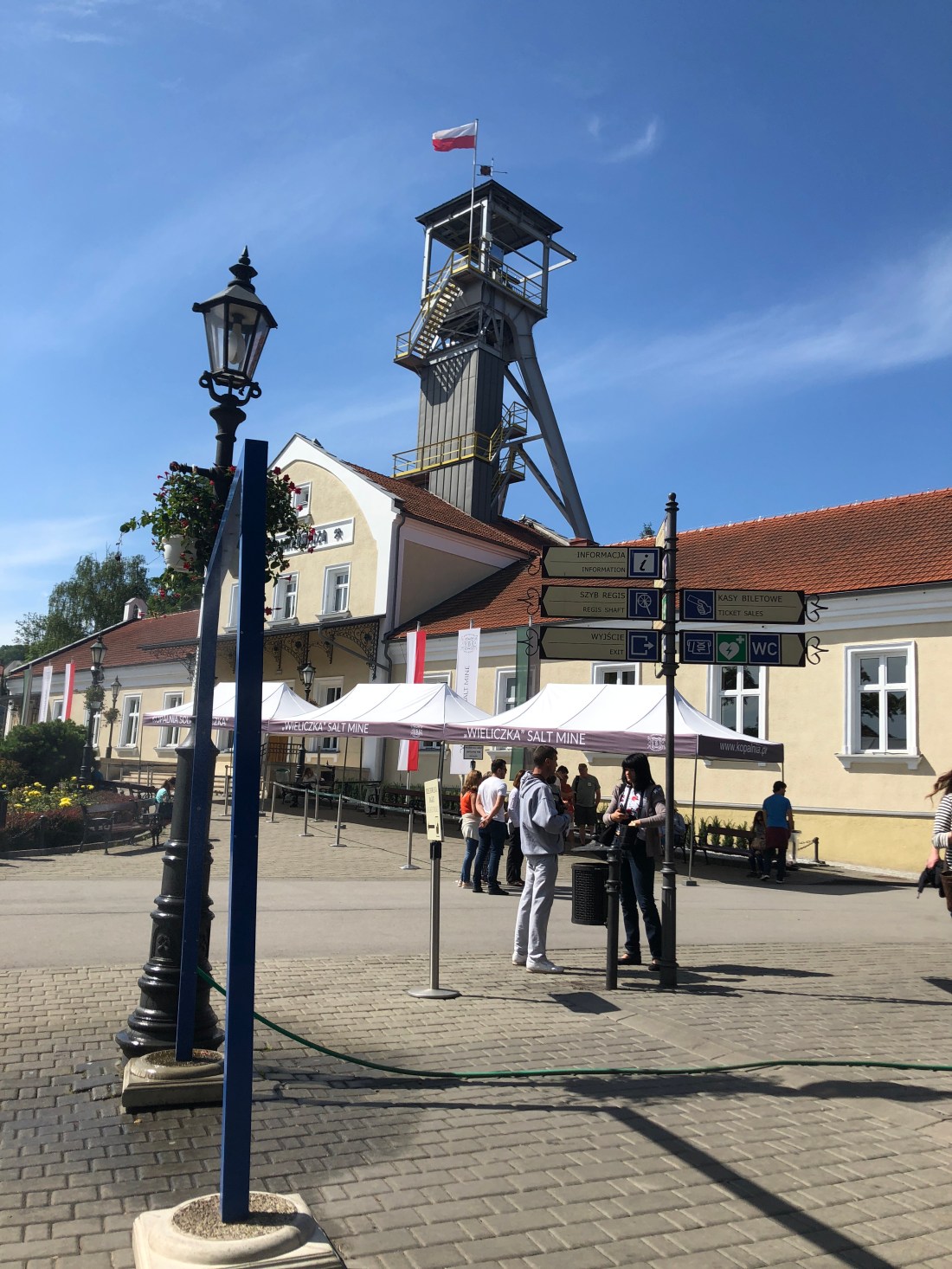
So much history! From medieval times Krakow was a centre of trade. They had salt from the nearby salt mines to trade, with routes south across to the Mediterranean and the Black sea, and north to the Baltic sea and across to London.
The period where Poland was partitioned by the Prussians, Austrians and Russians over the centuries up until to WWW1. Napoleon was even welcomed as a liberator from the Prussians at least for a while until he started to steal everything.
The Germans and Soviets agreement to carve up Poland leading up to WW2, and then Soviets working with the Polish resistance against the Nazi’s only to turn against them and occupy the country.
Mariusz really wanted us to understand why Pope John Paul 2 is really revered. Particularly his part in helping win the cold war and the collapse of communism.
The crucial event was John Paul’s visit to Poland in 1979, the year after Cardinal Karol Wojtyla became the first Polish pope.
The Pope’s message was that a Communist regime cannot work without social approval, and he was saying, ‘Don’t approve.”‘
When, the next year, Solidarity was formed in Gdansk and organised a strike at the Lenin Shipyards, one of the movement’s first gestures was to hang a picture of the pope at the shipyard’s gates.
The Polish Pope is still seen as a hero in the freedom from Soviet rule.
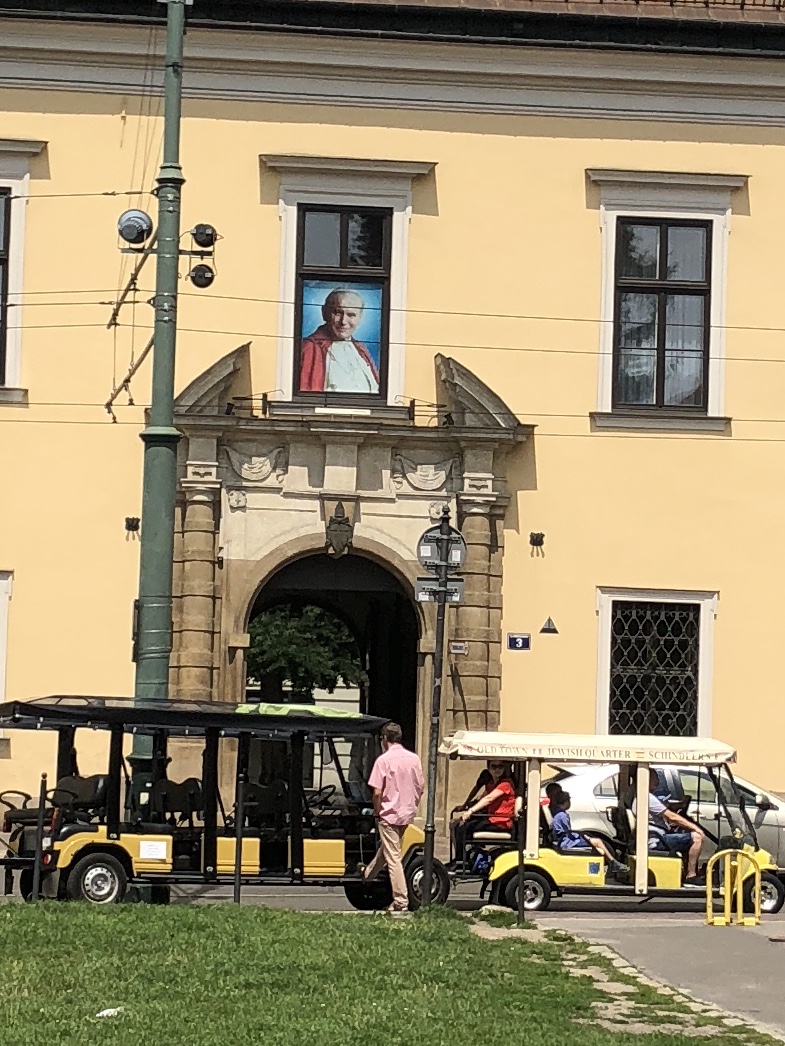
It really was a miracle that Poland was able to achieve freedom without violence. It was unique set of circumstances with Gorbachov in power in the Soviet Union and his response to the “Polish Pope” also the pressure of US President Ronald Reagan. You cannot imagine a similar outcome today.
Lech Walesa these days tours the world talking about democracy and as we were to find out using social media to lobby key cultural figures. See Warsaw.
There has been rapid transformation, thanks to free education. Young Poles now learn English and German, not Russian and they can travel freely and work across Europe.
This is not to say there are not worrying signs in Poland today, with a hard swing to the right and growing interference in the judiciary, limits and press freedom.
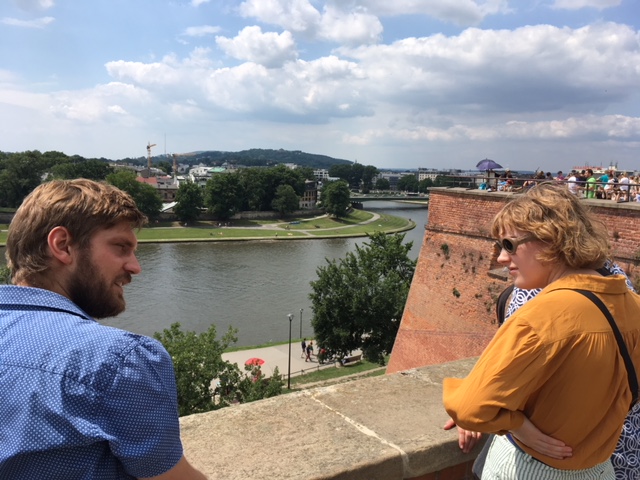
There was a lovely Australian connection. From the castle in Krakow you can view a rolling hills on the other side of the Wistla River, named after a great national hero Kosciuszko (pronounced Koo-shoosh-ko)
When the Polish explorer Strzelecki (pronounced Strel-et-ski) was in the Australian highlands, the gently rolling hill that is the highest point in Australia reminded him of the hill in his home country.
Warsaw
Arrived at our hotel in Warsaw only to be asked: “are you here for the Rolling Stones concert?” What!!!! The concierge said she could get us tickets, but we added up the cost. Later as we were thriftily catching the bus into The Old Town, Zoe starting singing “You can’t always get what you want”.
We actually got a room upgrade at the hotel, which Alex attributed to the Stones, as so many people had flown into Warsaw for the one night only event, it meant that to put our rooms together we had to be upgraded. Thanks, Mick, Keef, Charlie, Ron and Bill.
Also our recent meeting with Tomasz Walesa was given more meaning when we saw this news report:
Mick Jagger touched on Poland’s controversial judicial reforms at the concert after anti-communist freedom icon Lech Walesa urged the rockers to support Poles “defending freedom” over court changes that critics say undermine democracy.
Thousands of Poles protested this past week against a controversial law passed by the nationalist Law and Justice (PiS) government that has forced dozens of senior judges to retire early.
“I’m too old to be a judge, but I’m young enough to sing,” Jagger said, speaking in Polish, according to a Periscope recording of the concert posted by Poland’s liberal Gazeta Wyborcza daily.
“You know we came to Poland a long time ago in 1967,” Jagger then said in English, referring to the Stones’ first concert in Poland that made them one of the first Western bands to perform behind the Iron Curtain.
“I hope you get to hang onto everything you’ve learned since then, God bless you!” he added.
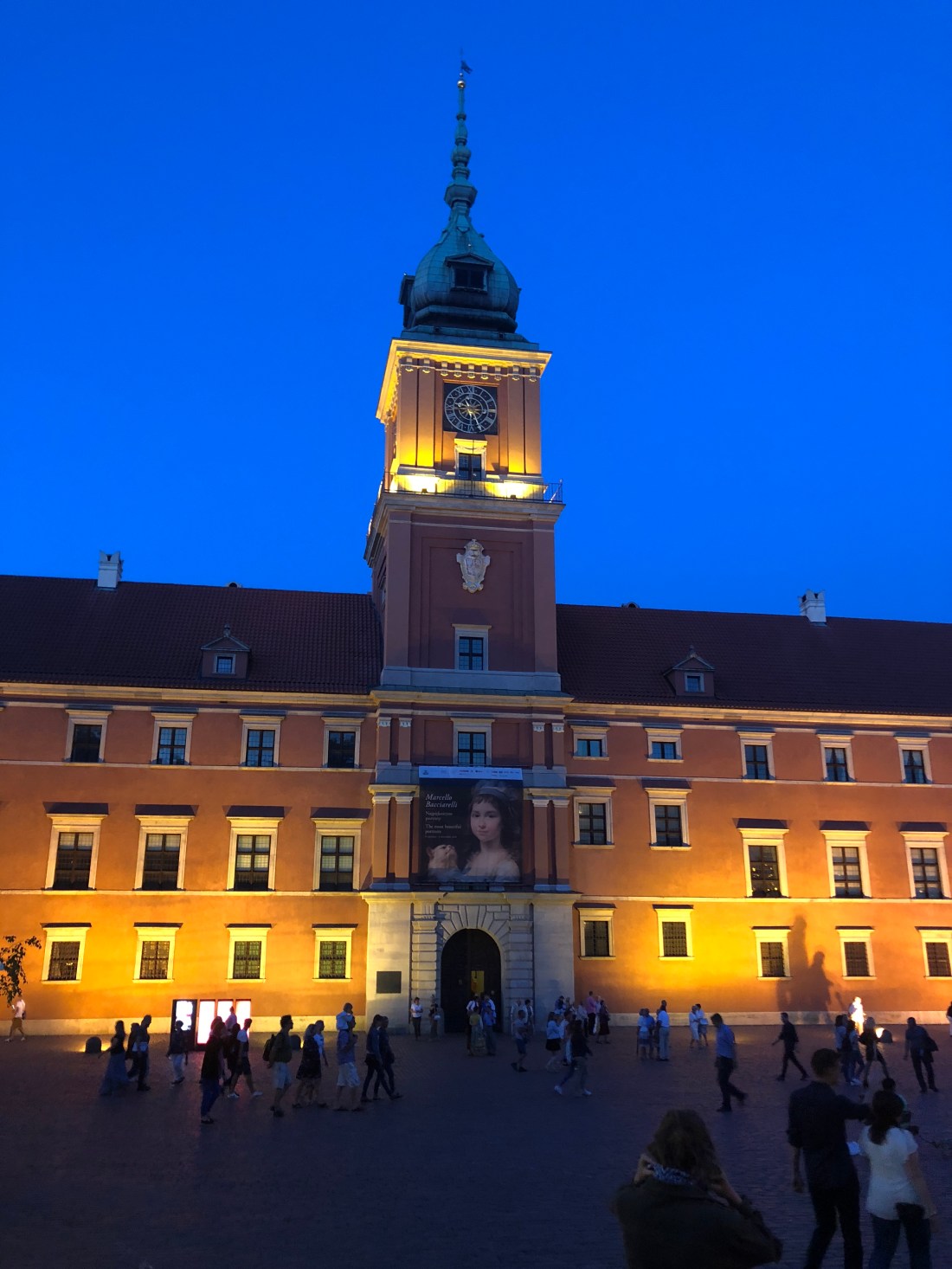
Warsaw was also largely destroyed in WW2, particularly in response the Polish underground resistance and2 the Home Army’s efforts to liberate Warsaw from German occupation. This story is powerfully told in the Warsaw Uprising Museum.
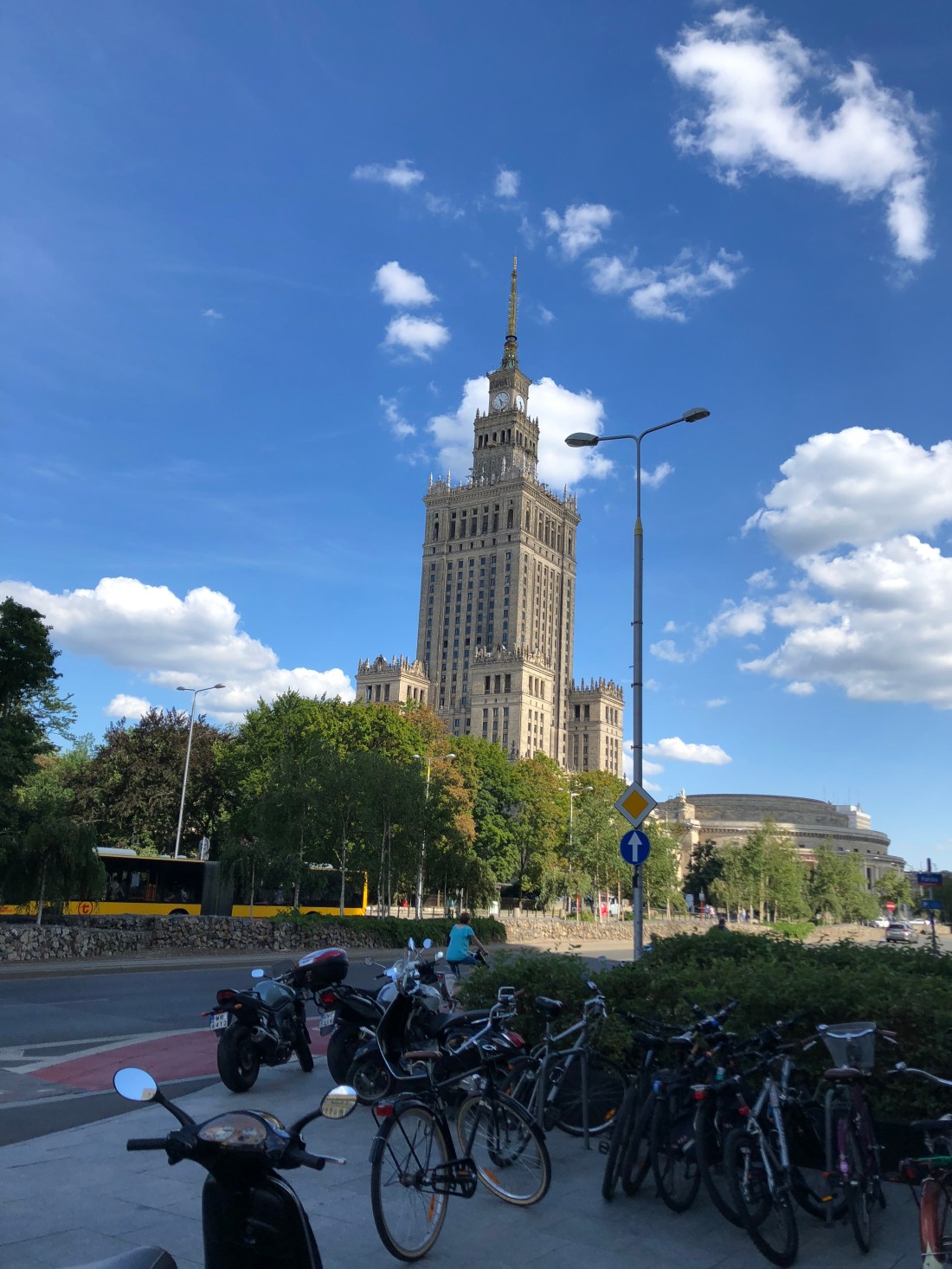
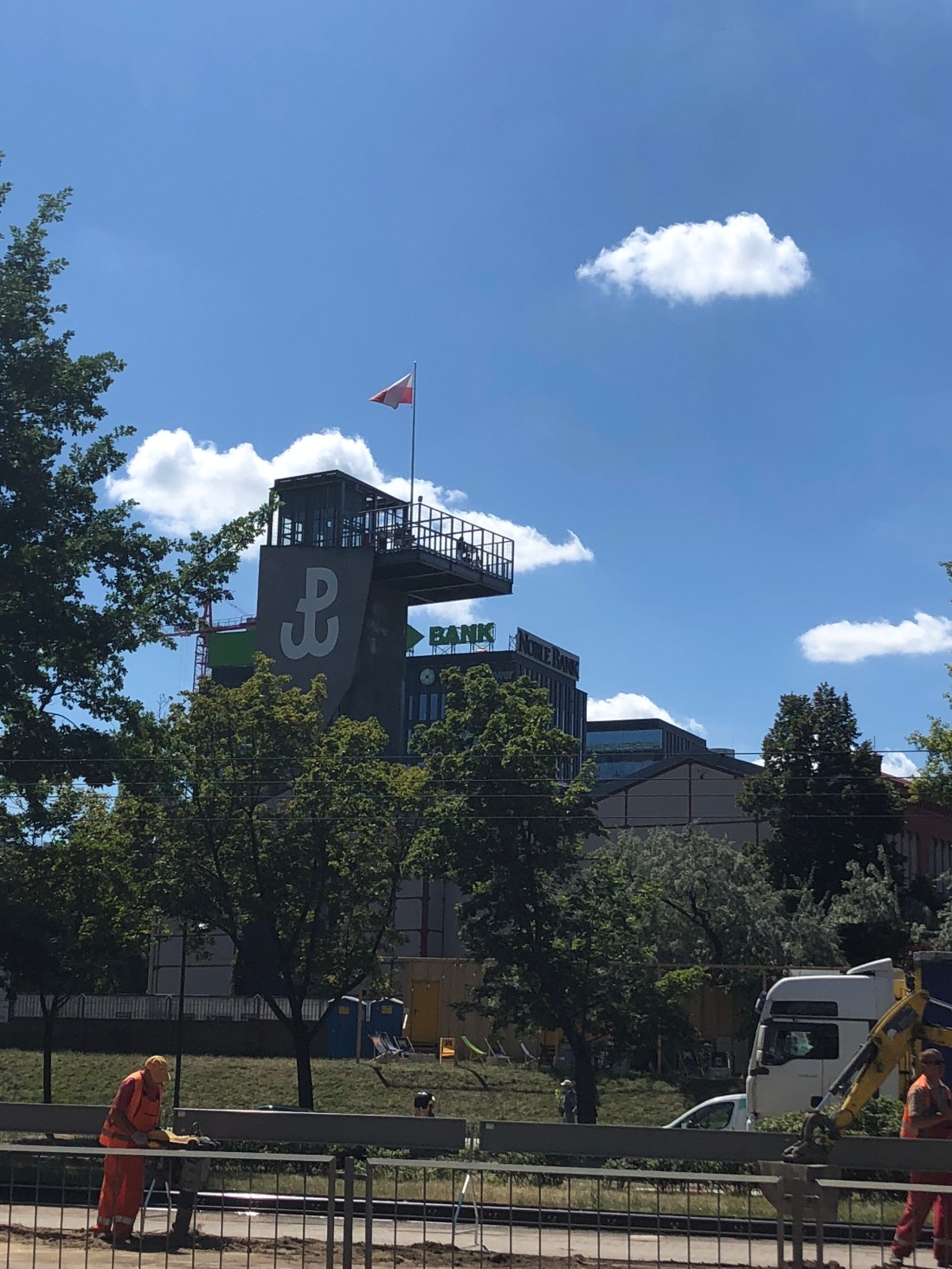
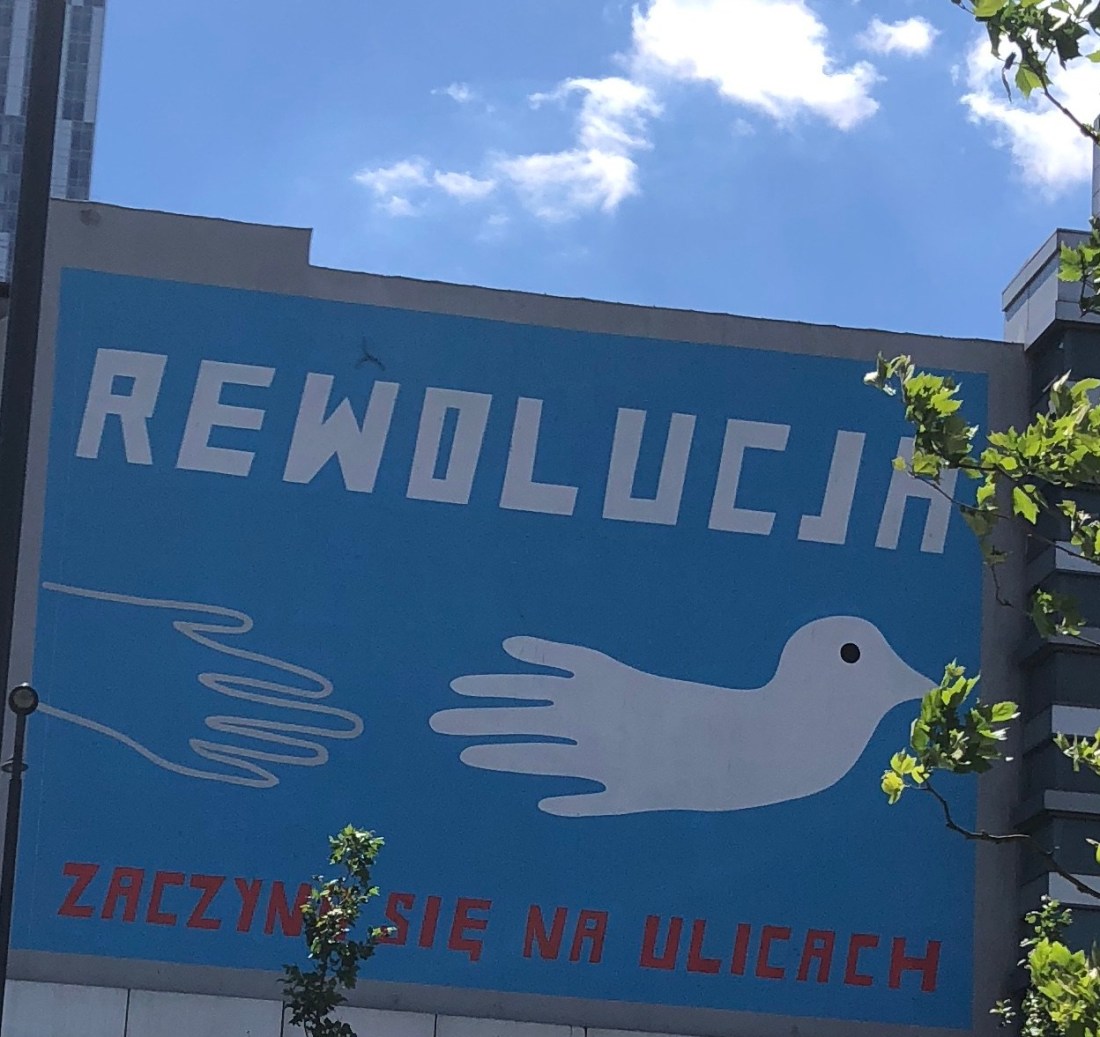
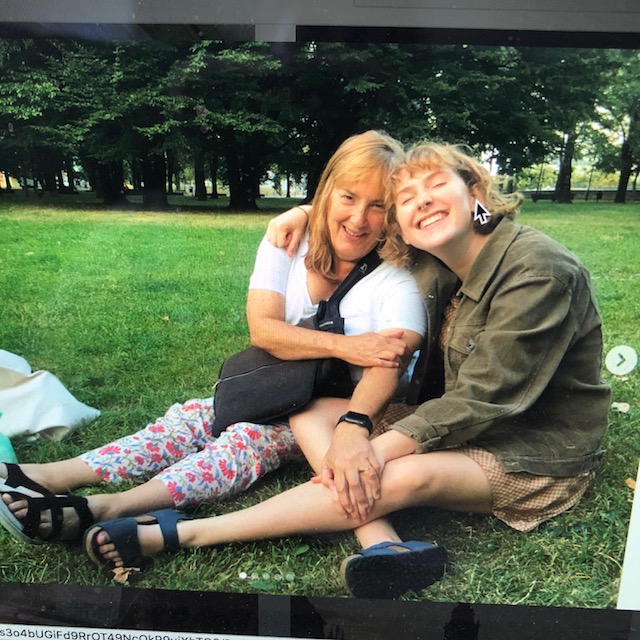
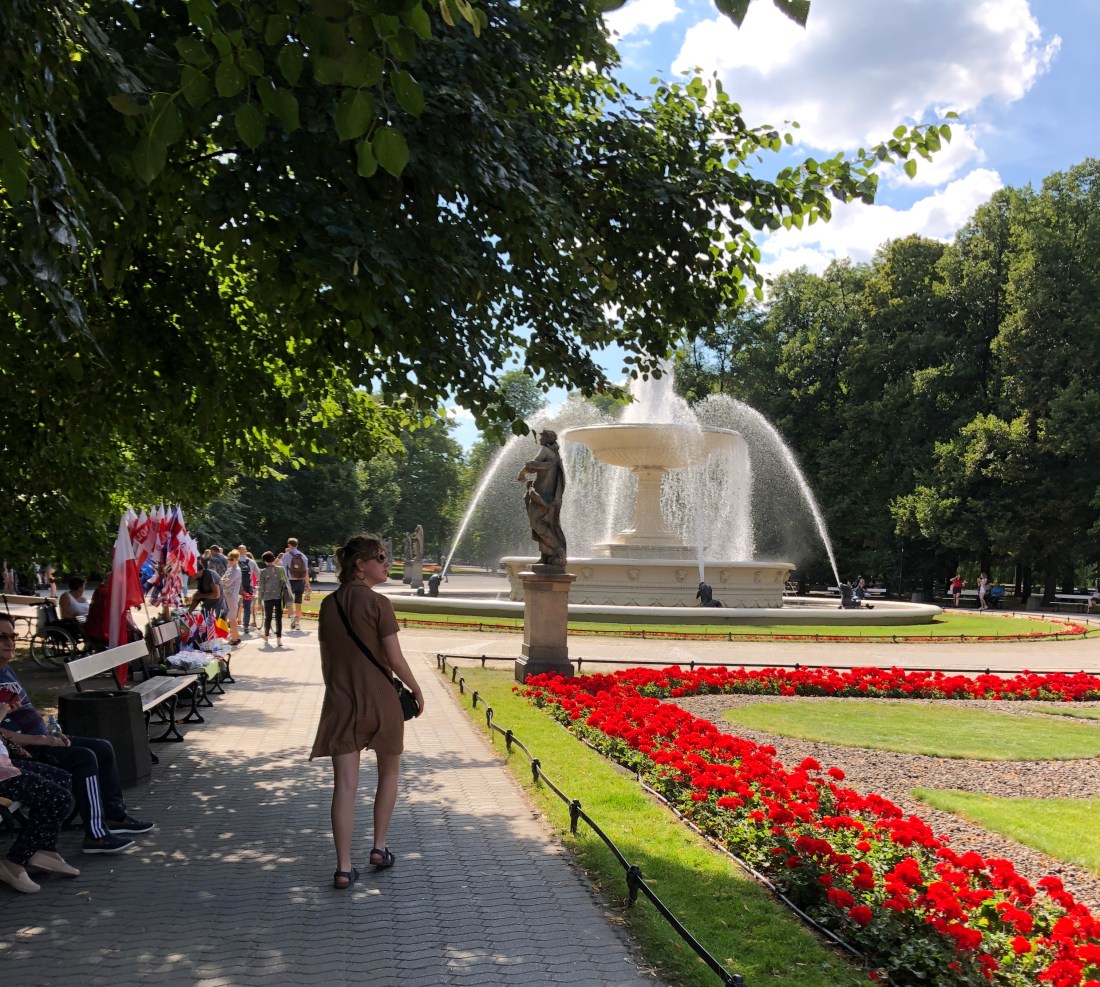
Our last night in Warsaw was also to be the last night travelling with Zoe. From Copenhagen into Sweden and Poland, we’d had a great couple of weeks together. Zoe wanted to mark the occasion by having an evening picnic in the park. The next day we’d travel together by train to Berlin where we’d go our separate ways.
 Parental Gap-Year
Loving your travel tales Alex. Fascinating stories of Poland. Makes me want to go there. Thanks
LikeLiked by 1 person