We caught the ferry from Cairnryan in Scotland to Belfast, Northern Ireland on 17 August 2018.
This was our fourth ferry journey of the trip and we had really found our sea legs.
These party bikes can be found in many European cities. Thought this one in Northern Ireland had the right bit of “craic”? (2nd from left)
It was a drizzly Belfast day, Rob still recovering from a cold, which meant we didn’t feel up to our usual “walking tour” so we opted for “Paddy Campbell’s Famous Belfast Black Cab Tour”. Again this was recommended by the concierge at our hotel. There are real pluses to staying in hotels rather than Airbnb. Often if you are only in a city for a short time the concierge is the best source of local information and sometimes the only local you get to meet.
Matthew was our cab driver and tour guide. Lovely man with the classic Belfast accent i.e. the rising terminal at at the end of sentences. This tour takes you to see the murals on both the Catholic and Protestant sides of The Wall. It is deeply sad and disturbing. Especially when you realise that school children walk past these portraits every day just reinforcing old wounds and a tragic recent history.
Murals of men in Balaclavas with machine guns part of day to day life. There is a primary school nearby.“The Wall” dividing Catholics and Protestants. The gate is still locked every night at 6.30 and reopened in the morning.
Bobby Sands mural on “Catholic Side”.
It is 20 years since the Good Friday Peace Agreement. Now Brexit is throwing long-standing assumptions into doubt.
Derry
We picked up our hire care and drove to Londonderry or Derry depending on your politics.
Again there is no escaping politics and religion in Derry. More murals.
We also arrived the day after a firebomb attack in the Bogside area of Derry which came as part of the bonfires marking the Catholic Feast of the Assumption. Here’s a news report of the event:
POLITICAL LEADERS HAVE have condemned a bonfire in the Bogside area of Derry City on Wednesday night which displayed the names of several murdered policemen.
The police service of Northern Ireland (PSNI) says that it is treating the incident as a hate crime.
Political leaders this afternoon have condemned the act.
Rob in particular was pretty keen to head south to the Republic of Ireland.
It really is that green.
But we were not far away from another site of tragedy at Mullaghmore
Classiebawn Castle Mullaghmore County Sligo The former Mountbatten Summer residence. It was in these waters that Lord Mountbatten, his 14 year old grandson and 2 others were murdered by an IRA bomb in August 1979We’re in Yeats country Strandhill on the Wild Atlantic WayThe wind has bundled up the clouds high over Knocknarea, And thrown the thunder on the stones for all that Maeve can say. Angers that are like noisy clouds have set our hearts abeat; But we have all bent low and low and kissed the quiet feet Of Cathleen, the daughter of Houlihan. W. B YeatsSome light relief, a dollop of Irish philosophy?
Galway
This pub has a plaque “A grateful Cromwell bestowed this building 1649” . The story goes Cromwell asked for volunteers to wield the axe to behead Charles I of England and the executioner came from Galway.
Galway is a beautiful Irish city on the West Coast. The town centre is bustling and full of pubs with music. The streets are also filled with world class buskers, but it poured the night we were there so we missed a great Saturday night.
As left Galway we were told it was a big day in Sport as it was the All Ireland National Hurling Championship being fought between Galway and Limerick.
As we arrived in Limerick you could feel the vibe.
King John’s Castle (Irish: Caisleán Luimnigh) is a 13th-century castle located on King’s Island in Limerick, Ireland, next to the River Shannon.[1] Although the site dates back to 922 when the Vikings lived on the Island, the castle itself was built on the orders of King John in 1200. One of the best preserved Norman castles in Europe, The remains of a Vikingsettlement were uncovered during archaeological excavations at the site in 1900.Is that a Viking knocking on the door?
Tralee
We had booked a couple of nights at Barrow Lodge near Tralee.
When we arrived the gorgeous family who ran the Bed and Breakfast asked if it was okay that we watched the final minutes of the game. Limerick WON – first time since 1973 and was described as one of the best championships ever.
Hurling is described as the fastest game in the world.
Dog Harley with Gracie and NiallNiall and Clodagh (who runs Barrow Lodge, highly recommended) warning Rob about Harley’s slobber action. We loved Harley, we loved the whole family.
Rose of Tralee
We also arrived during the Rose of Tralee Festival.
The Rose of Tralee is an annual festival that sees women of Irish descent from all over the world compete for a chance to be crowned Rose of Tralee.
Cities from across Ireland, Europe, Australia, North America and Asia select representatives and these young women then travel to Ireland for the competition, which is televised over two nights on RTÉ One.
Rule number one: you must never call it a beauty pageant. Rose of Tralee organisers go to great pains every year to emphasise that it’s not a beauty pageant, preferring instead to market it as a “celebration of women”.
In some ways, they are correct. It’s not quite a beauty pageant, although participants are often conventionally good-looking and expected to wear glamorous dresses and heels. (Nothing too revealing, though. Certainly no cleavage.) But it’s not the case that the most beautiful girl wins. Instead it’s usually the loveliest, most high-achieving non-drinker that reaps the rewards.
Imagine a Debs without the alcohol or if Miss World was run by Daniel O’Donnell. Now you’re on the right track.
“Fair Play, I think she’s gorgeous”There’s a Melbourne and Sydney Rose, none from Canberra?Beautiful Molly of Macroom
Waterford
Rob’s great grandfather Clampett came from Waterford. He was a protestant who went to study Medicine at Kings College in Dublin and later became a Anglican rector in Adelaide.
Waterford is one of Ireland’s oldest cities and was founded by the Vikings in the 9th century. It was taken over by the Anglo-Norman invaders of the 12th century and was one of the most important Old English centres in medieval Ireland. Since then it has seen sieges, invasions, famine and economic highs and lows. It remains the foremost city in Ireland’s south-east.
Dublin
In the steps of Great grandfather Clampett
Light rail in Dublin
Our trip to Dublin far to brief. We’ll be back.
We caught the ferry from Dublin to Holyhead in Wales. Then train to London.
Off to the Scotland, to the Edinburgh Festival and to meet up with Alex’s niece Anna Sloan studying for her Masters in Public Policy at the University of Edinburgh.
Alex has Scottish ancestors on both sides of her family, the Sloan’s from Ayrshire and the Farthings from Leith, the port of Edinburgh.
Anna met us for dinner and then acted as tour guide as she walked us through to our first festival show in the Old Town.
Rob asked why the Scottish capital was in Edinburgh? Anna Sloan always truly succint said “because there’s a ruddy great rock with a castle on it“. At that exact moment we looked up to see the castle. Hard to get a great photo of it. But it leaves a lasting impression.
A couple of Sloan girls out on the town in Edinburgh
One of Alex’s favourite children’s storiesFirst week of festival and it’s busy!The braw wee bairns!Our next wedding outfits, I think Rob can carry off a sporran?The Scots love a pun, irony too, notice the Thai and Indian food sign.Beautiful lunch spot and loved the outfit on the man behind RobScottish Singer Songwriter Mairi Campbell took us to dinner on Portobello beach
With Anna Sloan and Cesca Gordon so lovely to see them
The Highlands
We were heading to The Findhorn Community which is on the coast near Nairn in the Highlands. More on Findhorn soon,
We travelled via Perth, Dundee and finally Aberdeen. Built from granite, people described it as a bit gloomy. We had booked the Hotel Athol, and the staff couldn’t have been warmer and kinder, with porridge and black pudding for breakfast.
Aberdeen
Aberdeen “The Granite City”Aberdeen has been dependent on North Sea Oil so great to see the wind turbines out to sea
Nairn
From Aberdeen we took the coast road through Fraserburgh and Pennan where parts of the film Local Hero has been filmed. It was a gorgeous drive.
Fisherman Dennis pointing to a dog and children swimming near the boatsThe pub at Pennan right on the beach featured in “Local Hero”
The Wendy Hoose Nairn
We stayed at The Wendy Hoose Bed and Breakfast which is on the same grounds as Don and Wendy’s beautiful 5 star hotel Boath House a grade A Georgian Mansion. Wendy and Don run the garden restaurant and also have people to stay in their gorgeous house, hence The Wendy Hoose. Wendy has an incredible eye and aesthetic, she is a superb cook, talented gardener and lovely person. Don an all rounder, he greets you at the restaurant, charms, vacuums and went the extra mile and made Rob a true hot toddy to cure his cold. Thanks to Wendy, Don and the dogs Pip and Squeak it was a rare treat to stay with you.
Boath House in the background, beautiful old walled garden and restaurantWendy in her gorgeous kitchenDon with Pip and SqueakProper Scotch porridge, note the butter.Wendy, like Rob loves a map, look at that room!
The Findhorn Foundation
Rob was really keen to visit The Findhorn Community. In part, the philosophy and vision had influenced his own vision for Currajuggle Creek.
Here is a little of the Findhorn History:
The Findhorn Foundation is a dynamic experiment where everyday life is guided by the inner voice of spirit, where we work in co-creation with the intelligence of nature and take inspired action towards our vision of a better world. We share our learning and way of life in experiential workshops, conferences and events that take place within a thriving community and ecovillage.
The Foundation has two main sites. The Park, nestled amidst dunes and forest, bay and beach, is an ecovillage that is home to many of our staff and a larger community of people living with shared values. Cluny Hill is a stately Victorian former hotel, five miles away from The Park, which houses staff and welcomes participants in our workshops and events. Our retreat house on the island of Iona, and the satellite community on the neighbouring island of Erraid, also welcome participants for life-changing experiences on the wild, wind-swept west coast of Scotland.
The Findhorn Foundation is an NGO associated with the United Nations Department of Public Information, holder of UN Habitat Best Practice designation and is co-founder of the Global Ecovillage Network and Holistic Centres Network. The Foundation is at the heart of a community of more than 500 people who every day support and live the vision of creating a better world by starting with themselves.
Rob finds a spiritual home, Alex worried she may be reaching “peak hippie” (we did not go to Taize Singing)
The Hobbit House FindhornThe beach near Findhorn
The Lochs and Highlands
Strathcarron
Plockton
As we had visited the village where Doc Martin was filmed in Cornwall we thought we’d continue the TV theme and visit Plockton which became “Lochdubh” for Hamish Macbeth
Plockton – “Lochdubh”
No seals today!Plockton main street, had a beef pie in the pubKyle – Duirinish. Had this beast distracted the driver of the car?
On the road from Mallaig to Glasgow
Rob takes in the grandeur of KinlochlevenBridge of Orchy (Alex obsessed with the light and sky)Arrochar – Tarbet
Glasgow
“People Make Glasgow” was chosen following a consultation which saw ideas submitted from more than 1,500 people from 42 countries.
The slogan chosen in 2013 is said “reflects the Glaswegian character.”
“It’s bold, friendly, confident, and it evokes a real sense of pride.”
Our guide Emma, began with the line “You know a Glasgow funeral is more fun that an Edinburgh Wedding!”. She set the tone of friendly rivalry and a city with real heart.
Our fantastic guide Emma, certainly made our trip to Glasgow. She is a student at the university studying female Scottish poets, including Mary Queen of ScotsThe Pipe and Drums Championships on during our visitSaint Mungo
S
Mural for one of Glasgow’s favourite sons Billy ConnollyEvery night for the past 40 years someone under the cover of darkness climbs up to put a traffic cone on this statue of Duke of Wellington and every day the city officials remove it. On a really good night the horse gets one too.Our final lunch spot in Glasgow, the beer and cheese sourced from Ayrshire
Next Northern Ireland – by Ferry from Cairnryan to Belfast.
We caught the Eurostar from Brussels on 20 July 2018 and we were both astounded at the efficiency of it all. We left Brussels at 12.52, arrived London 14.05, short walk to catch the Tube to the Barbican and we were home. Thanks Sarah and Phil, your Barbican pad really felt like home. After 3 months in Europe time to do some washing, cook our own food, pilates and rest.
It was boiling hot in London, we have always rolled out eyes when we hear the English complain of the heat, but inner city London and commuting on the Tube is a very torrid affair.
Via Rob we had booked an Architectural walking tour of North Greenwich, looking at old and new developments.
A social housing development in Greenwich
And another at BedZED – a Bioregional charity and social enterprise founded in 1994 by Sue Riddlestone and Pooran Desai, two environmental entrepreneurs based in South London, who wanted to develop more sustainable ways of living.
They created One Planet Living framework in 2003 from experiences of planning and working with others to develop the multi-award-winning BedZED eco-village in South London, where their headquarters is still based.
BedZED
Both these tours were really interesting and also took us to different parts of London
Also a chance to catch up with Alex’s brother Jim who invited us to lunch at Fortnum and Mason, or Flotsam and Jetsam as Rob insisted on calling it.
Dinner in Soho with Isobel, Loci and Jim in Soho
Lovely to catch up with Jim and his daughter Isobel and her friend Loci. Isobel and Loci both have fantastic jobs in London and have also taken the opportunity to do lots of travel in Europe. The airfares are so cheap they often head somewhere really interesting just for a weekend. It was great to see them so happy.
Cotswolds
Speaking of family, we were also lucky to be invited by Rob’s cousin Hugo Thorman and his gorgeous partner Letitia to stay at their charming “cottage” in Marshfield in the Cotswolds.
Hugo and Letitia’s lovely “Cottage” in MarshfieldDog “Chewie” fits through the door, will Rob?
Hugo and Letitia are the most wonderful generous hosts, took us to dinner at the pub, hosted dinner for us drove us around the region.
Probably our favourite part of the visit was going for a long walk with Hugo and Chewie. Down old roads, across fields, it was a classic English experience that we wouldn’t have had without our wonderful guides.
Chewie we love you
Thanks Hugo, Letitia and Chewie
Cornwall
We hired a car in Bath and began our road trip of Cornwall.
Glastonbury – no festival this year. So quick stop and a pastie.
Port Isaac – these days famous as Port Wen from Doc Martin
Down on the beach. Doc Martin’s Surgery is behind Rob on the hill
View from Bert Large’s restaurant, Eliza’s school on the hill.Stayed in a Castle (mock?)St Ives CornwallOld Tin Mine – we’re in Poldark CountryBit of a tourist trap. We didn’t stop but snapped this photo
Eden Project Cornwall
“The Eden Project is an educational charity, which connects us with each other and the living world, exploring how we can work towards a better future.
The visitor destination in Cornwall, UK, is nestled in a huge crater, which is reclaimed china clay pit. Here, massive Biomes housing the largest rainforest in captivity, stunning plants, exhibitions and stories serve as a backdrop to the striking contemporary gardens, summer concerts and year-round family events.”
The Eden Project is hugely impressive. From an old quarry and environmental educational wonderland.
Beautiful trip back to Bath to catch the London Train and prepare for Scotland. (The next blog)
The very next day in Amsterdam we were greeted by Robbie.
Our immediate family in Europe at the one time!
Waiting for traditional Dutch meal Stamppot Stamppot is the ultimate Dutch comfort food, not dissimilar to British Bubble & Squeak. Translated literally as ‘mash pot’, this traditional dish involves potatoes mashed with combinations of sauerkraut, carrot, onion or kale – and is usually served with a big juicy sausage.
The first thing to get across in Amsterdam, apart from the crowds is the light.
View from our hotel window.
Perhaps Rembrandt helps you get your eye in.
Rembrandt Self Portrait RijksmuseumRembrandt’s “The Night Watch” glows for the crowds at the Rijksmuseum
And then there is Vermeer
Amsterdam was really crowded when we got there in mid-July. Summer holidays for both Europeans and Americans. Alex asked our lovely concierge if this was the busiest time: “No, tulip time in April and May”.
A great way to avoid the crowds but get a good understanding of Amsterdam is to take a boat tour on the canals.
We jumped aboard a beautiful restored old wooden boat “The Swan” on the canal right outside our hotel.
“The Swan” with white roof and deck.Nemo science building designed by architect Renzo Piano (the man has had some major commissions)
We were about 6 metres below sea level here. Rob muttering “I don’t think this is sustainable”
The inner city is divided by its network of canals into some 90 “islands,” and the municipality contains approximately 1,300 bridges and viaducts. Amsterdam is the economic centre of the Netherlands, and there tradition persists alongside innovation. Although the city has a modern metro system, about one-fifth of the workforce still relies on the time-honoured bicycle for transportation. Britannica.com
Any visit to Amsterdam also includes a visit to the many museums including the dedicated Van Gogh Museum. We booked your slot online and joined the throng.
One of the first rules of the Van Gogh museum is “NO PHOTOS”. Hearing many people badger the museum attendants about this rule, Alex decided to congratulate them. The attendant looked surprised and said “a couple of years ago violence broke out in front of ‘Sunflowers’ with people wanting to get the perfect spot for their selfie”.
In case you think this is fanciful. This news item from The Guardian on August 10 2018:
Two tourists’ quest for a perfect selfie has caused a brawl at Rome’s Trevi fountain.
Fighting broke out after a 19-year-old woman from the Netherlands and a 44-year-old Italian-American woman wanted to take selfies at a prime spot in front of the monument at the same time.
The incident happened on Wednesday evening, a time of day when the light makes the fountain a perfect backdrop.
What started as an exchange of words between the women became a physical fight and then their respective family members joined in.
Neither of the women wanted to give way over the selfie spot, the newspaper La Repubblica reported. Eight people ended up becoming involved in the fight in front of startled onlookers.
Two police officers managed to quell the fight, but the truce lasted only a few minutes, and two more officers had to be called in to finally end it.
The tourists only sustained bruises but were charged over violence.
Alert Alex rant follows. The selfie thing is out of control. Yes we all take some travel snaps but don’t forget to just look. Good old fashioned looking, absorbing and thinking, when did that go out of fashion?. If travel teaches us anything it’s that we are but a tiny speck in history. We are lucky to witness great beauty. But what madness makes us think that photographing ourselves in front of these works of art or history makes us greater/famous or part of it? Please give me Van Gogh’s sunflowers without some twerp standing in front of it.
On a happier note.
Rob’s old boss Shane Rattenbury had lived for a couple of years in Amsterdam and urged us to have lunch in Vondel Park.
Lunch in a cafe at Vondel Park, if only we brought our dog?
When were you last greeted at an airport by a crowd who have come out not just to pick up friends and relatives but in some cases simply to welcome new arrivals?
This is our first impression of Norfolk Island, the waving welcome and the Norfolk Pine trees. The ones that impressed James Cook who thought they would be great for ship-building along with the local flax plants, brilliant for ropes and sails. Wrong on both counts but that starts the modern history of Norfolk Island.
View from Mount Pitt
The East Polynesian seafarers are said to have settled on the island in the 14th and 15th century but they were not present when Cook sighted the island in 1774 and claimed it naming it after Mary Howard, Duchess of Norfolk.
The first British colony on Norfolk Island was founded around the same time as Sydney with the arrival of the first fleet in 1788. There were dramatic scenes with the shipwreck of the Sirius and although all aboard made it safely to shore, the starving survivors led to the collapse of the large populations of Turtle and the Petrel that were said to have blackened the skies. The human population may have survived but neither of these species has ever recovered. The convict settlement for a time provided food for the struggling settlement at Sydney. Many convicts chose to remain at the expiry of their sentence, and the population grew to up to 1,500.
However, due to remoteness, difficulty for shipping and the cost to maintain, the settlers were progressively moved to Van Diemen’s land (Tasmania) between 1805 and 1813, although many settlers were reluctant to move. Stock and all building were destroyed to discourage someone else, particularly the French, from settling on the Island.
From 1814 – 1825 the island lay abandoned with the only connection with the first convict settlement being the headstones in the Graveyard.
The Second convict settlement commenced in 1825. It was particularly brutal and became the place to send “the worst description of convicts” including those that had been sent to Australia and then reoffended. It was a punishment “short only of death” and there are many tales of brutality and the numerous mutinies. The second penal settlement was wound down after 1847 and the last convicts were removed to Tasmania in 1855. Remnants of the stone buildings constructed during that period remain in Kingston, including prison walls, Government House and officers houses. A caretaker remained.
The next settlement began in June 1856 with the Pitcairners, the descendants of the MHS Bounty Mutineers (Christian, Quintal, Adams, McCoy, Young) and Tahitian mothers, along with others that had later joined the island (Nobbs) including some from passing whaling ships (Buffett, Evans). The Pitcairn Islands had become too small for their growing population. The Pitcairners occupied many of the buildings remaining from the penal settlement.
The first chaplain of the community was George Hunn Nobbs, an Englishman who had arrived on Pitcairn in 1828. As pastor and virtual leader of the community, he persuaded the community to resettle on Norfolk Island. Today portraits of George Hunn Nobbs can be seen across the island.
Portrait of George Hunn Nobbs at St Barnabas Church Hall
The Pitcairners felt that they had been handed the entire island and its management, while the British had other ideas. The Government allocated 50 acre allotments and maintained control of other lands. Unsatisfied with their new home, some families decided to return to the Pitcairn Islands.
In 1867, the headquarters of the Melanesian Mission of the Church of England was also established on the island and St Barnabas Church was erected. The Mission aimed to educate and introduce people from places like Solomon Islands to “christian civilisation”. It had been based in New Zealand but this was too cold for the Melanesians, so Norfolk Island as seen as a compromise with a climate warmer than NZ but not too extreme for the Anglican Missionaries.
So the Church of England had two separate Churches, one up on the ridge at St Barnabas, and the other All Saints for the Pitcairners was built within the Commissariat Store at the former convict settlement at Kingston.
Rob’s family history
It is around this period that Rob has some family history. After George Hunn Nobbs died in 1864, there was a gap for a couple of years and then Rev. TPW Thorman (Great Grandfather) moved to Norfolk Island and was the rector at All Saints between 1886 – 1895.
TPW Thorman Norfolk Island 1886 -1895
My father has compiled a book on the life of my Great Grandfather, who later also lived in other remote places including Jamaica and Telegraph Creek in the far north west of Canada. Dad has pieced together from historical research, letters and writings of his father Tom, who wrote in later life of his childhood adventures travelling with his father. This included stories of him as a boy and young teenager on Norfolk Island. Mum and Dad also visited Norfolk Island twice and talked with people at the museum and reviewed historical documents which are referred to in the book. I took the book with me and ended up photocopying the relevant Norfolk Island pages quite a few times.
When the family first arrived on Norfolk Island in 1886, they lived for a short time in Government House, they then moved to what is now a house museum at Number 10 Quality Row. We were lucky enough to be able to walk through both houses. The house museum has been restored to the same period as when they would have lived there.
No 10 Quality Row – Thorman family house during the 1880s-90s
Through Alex’s work with the Churchill Trust, the main reason we were visiting the island, we attended a presentation ceremony at Government House and were taken through the house by the current Administrator (a controversial position, but more on that later)
Rob outside Government House where the family of his Great grandparents lived when they first arrived in 1886Quality Row and Government House – part of the second convict settlement
My Grandfather writes about his arrival on Norfolk as a young boy, and it was on Norfolk Island that my Great Grandmother gave birth to three children, including Dad’s Uncle Fred (who gets a mention later)
We were told that Great Grandfather’s old church at All Saints has a unique tradition of singing Pitcairn songs at the Sunday afternoon service. We went to attend the service at All Saints only to find that the Church is currently undergoing repairs of the stain glass windows, and that all services are being held up the hill at St Barnabas and we made our way there.
At the end of the service the unique tradition begins. People introduce themselves and select a song from The Pitcairn Hymn Book. You can hear the influence of the whaling songs, I was able to tell my family connection to the church and selected the Pitcairn Anthem, written by George Hunn Nobbs and Driver Christian. It turned out that this sung at many public occasions, including in school.
With the current Rector David Fell who is famous across the Island for his radio segment on football and rock music.
At the end of the service we got talking with the Rector’s assistant David Buffett. He was able to arrange for us to look at the register of Baptisms, which is still the same book used in my Great Grandfathers day, and we could see his signature at his first baptism on the island of Malcolm Quintal in May 1886 through to his last baptism of Edward Evans in April 1895.
When I mentioned Dad’s book David was very interested to read the pages on Norfolk Island. We agreed to meet later in the week at the Olive Cafe, which turned out to be the place where everybody meets.
Examining the register with David Fell and David Buffett
Afterwards we realised that David Buffett was the same person my parents met in 1992, Dad mentions in his book that his full title then was The Hon. David Ernest Buffett AM, President of Norfolk Island Legislative Assembly.
Alex also recalled that this was the same person who had come into the ABC studio with the Norfolk Island Chief Minister Lisle Snell in 2015 to speak about the Remonstrance Motion to the Federal Parliament protesting against the injustice and loss of democracy that had been imposed on the Norfolk Islanders by the Australian Government.
The $30 pass gets you into all of the Museums within the World Heritage Area around Kingston. You also get to join the Tag along Tours. Betty Mathews took us on our tour, it turned out that before she moved to the island some years ago from New Zealand, she’d been great friends with my second cousin Giles. Giles was the Grandson of Fred, the younger brother to my Grandfather Tom and was actually born on the island.
Betty Mathews takes us on a tour
When Giles heard Betty was coming to live on Norfolk Island, he suggested that she may be able to find out something about his Great Grandfather who lived on the island some time ago. It turned out that Betty has been researching Great Grandfather on and off for over six years. She had provided copies of the information she had gathered to Giles, who sadly died earlier in the year. I was able to provide her a copy of the Norfolk Island pages from Dads book and she provided me with photocopies of material she had gathered and a memory stick full of documents and photographs that I have been able to hand over to Dad, who at 90 continues to research and document the family history.
Norfolk Island – Part Two
We had a couple of reasons for coming to Norfolk Island. The main reason was for Alex as a member of the WCMT, Winston Churchill Memorial Trust delegation to award fellowships and meet members of the community. This trip was organised by Sally Campbell senior executive with WCMT.
There has been a recent change on Norfolk known locally as The Take-over.
In 2015 the Federal Government decided to abolish self-government.
“The Take-over” is a pretty good conversation starter on Norfolk. Passions run high on both sides. There is the argument that Norfolk Islanders didn’t pay tax and finally hit financial strife, loss of essential services, with people leaving the island for work. There was a request for an emergency bailout from the Feds.
The other argument is that the Norfolk local government approached the Federal Government with a proposal which required them to pay tax, this in return gave them access to services such as Medicare, Centrelink etc but still allowed them a form of democratically elected self-government. There were quite a few models proposed.
In 2015 the Federal Government with bipartisan backing decided to abolish self-government, appoint an administrator and “bring Norfolk Islanders into the 21st Century”. Some see this as practical common sense prevailing.
Or there is this view: “the fundamental issue of principle is the lack of democratic rights and I will not accept any argument that seeks to rationalise or justify that. There were a range of options or models that could have been adopted that did not result in the removal of any semblance of democracy or genuine community involvement in relation to State type issues. The problem was that the public servants and politicians involved were either lazy and incompetent or simply didn’t care.”
The UN Human Rights Committee has formally registered a complaint lodged by Geoffrey Robertson that Australia had breached the International Covenant on Civil and Political rights by abolishing self-government. Watch this space.
This administrative change was the catalyst for the trip. Alex chairs the ACT Selection committee for the Winston Churchill Memorial Trust. This committee awards Churchill fellowships each year to people from the ACT and to Norfolk Islanders. Norfolk Islanders vote in the Federal seat of Canberra. So it’s been decided that that Norfolk Islanders should apply for fellowships through the ACT Committee.
As mentioned earlier, the trip was organised and headed by Sally Campbell WCMT based in Canberra. David Trebeck National Chair of the Trust was unable to take the trip, so David’s loss was Alex’s gain (thanks David!).
Sally and Alex met with the current Administrator of Norfolk Island Eric Hutchinson ahead of the awards ceremony held at Government House.
The ceremony took place on a truly beautiful Norfolk morning at Government House, complete with cups of tea and cucumber sandwiches.
Sally Campbell walks the grounds of Government House
In 2018 two fellowships have been awarded to Norfolk Islanders.
The awardees are: Suzanne Evans: to invigorate the “endangered Norfolk Island Language through a “pre-school language” nest approach.
Suzanne Evans, standing in white flowery dress, Emilee Nicolai standing in white top and black pants
And Emilee Nicolai: “To investigate agri-tourism opportunities to encourage small farm innovation in isolated areas”.
Administrator Eric Hutchinson presents Emilee Nicolai with her Churchill Fellowship
Damien Snell received his medallion for completing his fellowship: Damien went to Pitcairn Island to learn the traditional arts, including carving and language once practised on Norfolk Island.
Damien with some of his carvings, including a traditional Pitcairn bowl
There was a morning awards ceremony at Government House following that evening by a dinner inviting all Norfolk Island Churchill fellows.
Since 1985 there have been 20 fellowships awarded. In the early days these fellowships allowed for travel and study on the Australian mainland. In more recent years these fellowships have been expanded to allow international travel.
We were hosted at Government House by the current administrator Eric Hutchinson. Gorgeous setting in perfect weather. The morning tea included cucumber sandwiches.
Alex made a speech at Government House, including some Norf’k language. It was well received.
In the evening Sally Campbell organised a dinner for Fellows and their partners. Sally gave a lovely speech about the Churchill Trust and we were formally welcomed by the Mayor – Robin Adams.
When dessert was served we made a loose invitation for former and current fellows to speak. We didn’t want to make them feel obligated, no pressure!
Beautifully this part of the evening was kicked off by Darren Nicolai CF, father of Emilee who was awarded a Churchill Fellowship in 2008 to study advanced mushroom and composting in The Netherlands and France.
Darren Nicolai CF
He talked about the Churchill Fellowship opening doors in terms of connections. The value of being able to travel internationally and learn new ways of doing things. Darren was also delighted his daughter Emilee has also been awarded a fellowship.
Suzanne Evans is teacher in the local school and talked about the thrill of being able to contribute to the teaching of the Norfolk language to pre-schoolers. She will visit New Zealand, Hawaii, Finland and Canada.
Suzanne Evans talks about her Norfolk Language study program
Damien Snell CF travelled to Tahiti and to Pitcairn Island to explore language and wood carving traditions. He talked about the trials and tribulations of getting to Pitcairn Island and how much of the language and crafts are being lost. He absorbed as much as he could and has brought these skills back to Norfolk.
Jodie Williams CF spoke of her trip to the Isle of Man to explore the music heritage of songs and hymns of Norfolk Island. Jodie was grateful she was able to take her 12 year old son with her. She said the experience for both of them was life-changing. In particular that “doors were opened” by being a Churchill Fellow, that she was taken seriously by scholars, and musicians. For her son to meet and engage with young people from another culture was a confidence builder and eye-opener.
Jodie Williams CF 2013
Allan McConnell CF 1990 – Allan was encouraged by Sister Bonnie Quintal CF 1985 to undertake a Churchill Fellowship to further his training through St John’s Ambulance on the Australian mainland. Bonnie Quintal died in recent years and Allan was clearly quite emotional talking the influence she had on him.
While training and travelling in Australia he told his trainers there was no emergency paging system of Norfolk Island. The South Australian team responded saying they had a still working but superseded Motorola system. Allan relayed this news to Bonnie Quintal and within weeks the systems was installed on Norfolk Island. He profoundly thanked the Churchill Trust for the opportunities and life-saving connections.
Allan McConnell CF 1990
Roderick McAlpine was awarded a Churchill Fellowship in 2003 to study vineyard management, wine making and marketing. Rod spoke about his great experience and invaluable contacts made on the mainland. He also was proud to encourage current ACT Churchill Fellow Amy Jarvis to apply for her fellowship.
Rod McAlpine CF 2003Rod McAlpine’s vineyard and cellar
Dids Evans, (David Evans CF 2000) studied traditional woodcarving skills. He talked about the invaluable influence of Canberra artist the late Mathew Harding. Dids received an international commission to make a public sculpture by a Chinese city in the lead up to the Beijing Olympics. He has no idea how they found him and credits his Churchill Fellowship leading to this fantastic opportunity.
Dids Evans Pitcairn descendant with the sculpture he made as part of his Churchill fellowshipThis is Dids’ “Beer O’Clock” spot on the lawn in front of his house. One of Norfolk’s best views
I sincerely thank Sally Campbell and the WCMT (Winston Churchill Memorial Trust) for including me in this great trip. I think our visit was appreciated by the Fellows and many more in this small and fascinating community. A visit is essential to understand this community and its unique history.
It is a really special community and we were touched the Mayor, Robin Adams who make the effort to farewell us at the airport.
Sally Campbell (WCMT) and Norfolk Island Mayor Robin Adams
Before we go.
There are so many interesting things about Norfolk Island.
Sheer beauty.
History
It was David Buffett who pointed out that most people can name men who arrived from Pitcairn but who can name the women? It was these Tahitian woman who got on with the job of establishing the settlement at Pitcairn, making homes, growing food, raising children. Norfolk Island also gave women the vote nearly 40 years ahead of mainland Australia
Again from David Buffett, Norfolk Island had compulsory education many years ahead of mainland Australia.
Community
At the Christmas parade – Commonwealth Games bronze medallists Lawn Bowls (they compete under Norfolk Island Flag)
Finally – The Norfolk wave. While driving, everyone waves as you pass. The saying is if someone doesn’t wave they are either “unhappy or not a Norfolk Islander”
Warsaw to Berlin with our daughter Zoe. It was a long train journey, looking out the window on Polish then German farms, villages, towns and industrial landscapes. This, our 40th train journey via our Eurail pass. We have loved travelling by train. Observing the landscape, time to think, reflect, sometimes a unfolding transition from one country to the next. We have also met and talked with some really interesting people.
We arrived late afternoon at Berlin Hauptbahnhof, HBF. Zoe was leaving us to meet her friends at a hostel before their trip to the Melt Festival at Leipzig.
Given she was leaving us to really begin her solo travels, it was one of those moments when you know you should have some sort of ceremonial goodbye, “She’s away”. Instead we were trying to get her mobile phone operating, working out which suburban train to put her on. In the end she leapt on the busy train, the doors closed and she was gone. We felt so lucky to have travelled with her in Denmark, Sweden and Poland but now she was off, whoosh on a Berlin train. Auf Wiedersehn leibling!
Our trip to our little hotel in Prenzlauer Berg was much less fraught. Out the door of the big train station Berlin HBF to the light rail M10, past remnants of “The Wall” and we were at our home for the next 7 days.
Section of the walls maintained as part of the Berlin Wall Memorial
View into the space between the two walls, with watch tower
At Linnen Berlin we had a beautiful great big room in the 19th century building in the former East Berlin, above a little café in a great street. We were welcomed by the lovely Antonio (former Canadian) and felt right at home.
The public cafe downstairs served delicious breakfasts
Our first morning was raining gently, it was cool and we felt it was OK just to relax and catch up. Perhaps a vegan icy pole from the shop just downstairs?
Berlin’s most famous currywurst stand under the Magistrate’s Viaduct in Schönhauser Allee just near where we were staying
East Berlin kept their trams, and our home in Prenzlauer Berg is well served by trams. By contrast in West Berlin, in a push to make the city more car friendly, ripped up the trams. So, not forgetting a dark history, there were some long term benefits from the times of East Berlin, the trams and the fact that many of the older buildings were preserved, if only through neglect.
View from our window with the M10 going past, this part of Prenzlauer Berg remained largely in tact through the Second World War and through the Soviet era.
The public transport in Berlin is great, we bought a weekly ticket which gave us unlimited use of buses, trains and trams. Right outside our building we had the M10 tram which does a wide arc around the north of the city, the M1 into the centre, and a junction with the U2 train which connected us to the whole train network. There’s a good network of bike paths as well.
While we were travelling we had a number of “so close but yet so far” moments with our arty fabulous friends Deborah Clark and Gordon Bull. We had just missed them in the UK and France, where Deb had been doing research. At last we were able to arrange a meeting in Berlin.
Great to catch up with Gordon and Deb on our first night at Berlin’s oldest beer garden Prater. We also loved the lights, Gordon chief interrogator.
Where could be better than Berlin’s oldest beer garden, Prater Garten packed with people watching The World Cup. Fantastic basic wooden tables and generous German food.
Salads way behind us nowCrowds gather in the beer garden for the World Cup. Many happy French people as they beat Belgium
Wonderful to see them so well and happy and we jumped at the chance to visit Museum Island with these two the next day. Gordon, a former head of the ANU School of Art and Deborah, former senior curator with NGA and latterly the Canberra Museum and Gallery, including the acclaimed Elioth Gruner exhibition. They are a couple of Canberra art world legends, and damn fine company.
A walk after dinner in Kreuzberg – one of Nick Cave’s haunts
To see a major exhibition “Wanderlust” at the Alte Nationalgalerie with these two legends was a real thrill. “Divine to be in search of the Divine”. The work of Caspar David Friedrich and so many others held one thing in common “They show at least one person travelling on foot in nature – bringing to light the interest in wandering as a Europe-wide phenomenon. The longing to slow down, which led people in the 19th century to use their feet to get around. Walking as a contemplative act.”
So much about life’s journey. The wanderer’s journey as an allegory for the journey through life. Thanks Gordon and Deb.
Casper David Friedrich – Wanderer
Berlin seems to be a magnet for Australians who have based themselves here and we had a few contacts to catch up with.
Rob Rayner who Rob knew from Sydney in the 1980s is a member of the Berlin based band The Beez. The Beez often tour Australia during the warmer months escaping the Berlin winter and we’ve kept in touch over the years. He and German partner and fellow band member Deta were hosting a house concert at Lausitzer Platz near Kreuzberg. Rob caught the tram and train and walked up the stairs to the top of their 5th floor apartment building. Their building is typical of much of Berlin’s traditional housing, a five story apartment building. The living room and kitchen were packed with people waiting for the show to begin. The Royal High Jinx from Melbourne, on tour in Germany were playing. I knew Sarah the lead singer and violist from a previous band at gigs at the Polish Club and National Folk Festival in Canberra. It was great to see them again and meet with some Berliners.
Royal High Jinx from Melbourne playing at a house concert in Berlin
We also caught up with Peter from the Beez, originally from the US but resident here for many years now. We met for dinner on Friday evening near his apartment in lively Friedrichshain.
Alex and Peter from The BeezPete’s bike attracted a young audience
After dinner Alex caught the tram home to the peace and comfort of our home base and Peter took Rob on a tour. We started watching some blues at the Artliner, a smoke-filled room that reminded Rob of bars of old in Australia, like the Phoenix, where even a short visit would leave your hair and clothes reeking of smoke. Different local areas of Germany have their own rules on indoor smoking, Berlin has none.
Blues at the smoke-filled Artliner
After the show Peter took me to a nearby complex of former industrial buildings that now host multiple clubs, it was around midnight on a Friday night and they were only just starting to warm up. Rob couldn’t help thinking, with all the apartment buildings going up, that this land will become too valuable to developers for it to remain as former industrial buildings. Peter said more and more clubs were starting in the area and it is becoming more popular but he agreed that other former sites for venues have been lost.
Graham Anderson was another Berlin contact. Rob knew Graham when they both worked within the Australian Greenhouse Office in Canberra in the late 1990’s. Graham was a consultant working within the AGO on carbon accounting in the heady days when there was serious funding and action to measure and reduce greenhouse gas emissions. Amazingly, looking back on it, John Howard was Prime Minister. He might not really have been that committed, but funds and action on climate change were part of an agreement with the Australian Democrats – as their price for supporting the GST. Ironically is was a deal that helped finish them off as a political party.
Since then there’s been less meaningful work in that field in Australia, at least nationally, and Graham has now been working in Berlin for the last 5 years or so with the Oko-Institut (Institute for Applied Ecology). They do consultancies around Europe, and one of Graham’s projects involves carbon accounts of member states for the European Union.
We met after work one evening and went for a walk to a site on the former Berlin wall, now restored to its former glory as a park.
Graham and Rob where the wall used to be
Graham and Heather live in a commune and they kindly invited us over for Sunday lunch. They have their own space, but also share communal kitchens, a top floor sitting area and balcony, and spare room for visitors to stay. They get lots of Australian friends coming to stay.
Shared kitchen and living area and balcony. Residents can book these areas, and spare bedrooms for visitors or special events.
On the ground floor there is a theatre, child care centre and laundry.
Community facilities at ground level around one of the courtyards in the commune where Graham and Heather live
During the period that Berlin was divided into east and west, West Berlin was an island within the Soviet controlled East Germany, completely surrounded by the Berlin Wall.
Germans could not serve in the military in West Berlin, so many people moved there to avoid military service. The West German Government also wanted to encourage people to stay in the city so many people used support by the Government, including reduced rent, to pursue their artistic and social endeavours and political activism. There was no mandatory closing times for bars which led to a thriving night life.
Areas of no man’s land and unused spaces and derelict buildings also supported a range of activities and alternative life styles. This included squatters who established communes.
Some of these, including the one where Graham and Heather live still exist. There is now enormous pressure for urban renewal and gentrification and for local authorities to formalise arrangements in the communes.
The commune was in a building typical of much Berlin’s traditional housing stock. Large city blocks with generally five story buildings fronting the street. Within these blocks are other buildings separated by courtyards with large trees, and with access ways through the buildings. This allows for spacious apartments with cross ventilation and access to sunlight and views into vegetation. It’s a housing style that still has a lot to offer.
View from the balcony over courtyards to other buildings enclosed in the same city blockEntrance ways through buildings allow access to courtyards and building beyond
Georgia was another Canberra contact. She was a student at the ANU some years ago and used to turn up to some of the gigs at the Polish Club. She’s been living in Berlin for five years, performing and recording music, doing photography and also working to fully immerse young Germans in the English language. On Sunday afternoon Rob caught up with Georgia and some of her friends who, typical of Berlin, come from all over the world. We met in our neighbourhood at Mauerpark, at the massive flea market held there every Sunday. A big attraction is the Karaoke held in an amphitheatre.
Karaoke at Mauerpark at the Sunday Flea Market
We then headed to the Kulturbrauerei – an old brewery that has been turned into an event and bar space. It was World Cup final was on between France and Croatia and the place was packed.
So it was great to be able to meet up with people who are living in Berlin. We also did some touristy things like the hop on hop off bus and a river trip which helped put the city and its fascinating history into perspective.
Stolperstein, or “stumbling stones,” began as an art project by Berlin-born artist Guenther Demnigto in the mid 1990s to remember and honour people who were murdered by the Nazis. It’s estimated there are now more than 30,000 commemorative bricks in dozens of cities and towns across Germany. We stumbled upon these outside an apartment in the Mitte district of Berlin.Swimming pool within the Spree River
From the River we saw what are becoming remnants of a former time, anarchist venues on former industrial sites and deserted riverside land
There’s a lot a construction of new buildings emerging, particularly in what would have been no man’s land around the wall. There’s new Government buildings and lots of new apartments.
An understandably controversial apartment building build right on the water between a remnant of the wall and the Spree River. Not even allowing for easy public access along the river
The Soviet statement of Karl-Marx-Allee with a wide boulevard heading in the direction of Russia with its soviet architecture – a symbol of housing for everyone
Sections of the wall remain as sites for art works, or moving memorials. It is amazing today to think that is would be possible to divide people here in such a way – yet we see history repeating.
The East Side Art Gallery, on part of The Wall is the largest open-air art gallery in the world. “The Kiss” the Socialist Fraternal Kiss, between Soviet leader Leonid Brezhnev and East German President Erich Honecker took place in 1979 in honour of the 30th anniversary of the German Demonstrated Republic, or East Germany. The mural was painted by Dmitri Wrubel, and under the image is a slogan reading, “My God Help me to Survive this Deadly Love.”
So while Berlin is going through rapid changes and becoming more gentrified there is still a slightly chaotic anarchic edge to the city.
It was hot when we were in Berlin, and people were out in the streets and parks. There is a lot more public drinking in Berlin, in parks and on the trains (and on bicycles).
On our last night we caught up with Zoe and her friends after they’d returned exhausted from the Melt music festival. We met them for dinner near their youth hostel. The young ones have flown.
It’s been a while between blogs. Life is just too short to wrestle with WordPress and Happiness Engineers.
After Copenhagen we had 10 days with no fixed plans. It was our daughter Zoe who suggested we go to Poland. At this stage of our journey we were counting our Euros, so realising we could use our Eurail pass across Sweden and Poland we jumped on board.
There is a ferry between the Swedish Port of Karlskrona and Gdynia in Poland. The overnight passage for 3 of us in a cabin “with spectacular ocean views” was booked.
The train trip from Copenhagen to Karlskrona is simply beautiful. First you cross “The Bridge” – Alex in particular has been a keen viewer of the series so she held on tight at the half-way point of the bridge between Denmark and Sweden.
View from the bridge between Copehangen and Malmo
Then through Malmo and into the Swedish countryside. Gorgeous. Green fields cut into forests, red barns with white trim and caramel coloured Swedish cows.
Karlskrona
“Karlskrona is in southeast Sweden, located by the sea. The town is built on several islands, and access is easy both to the archipelago and the countryside. The town is a UNESCO world heritage site.”
It’s here that we completed celebrating Rob’s birthday on the 30th of June. Like The Bridge, half the birthday in Denmark and half in Sweden.
On one of the ships in the Maritime MuseumBirthday dinner then sunset
Dinner, topped off by a walk to the harbour and a spectacular sunset. The long days and evening light at this time of the year in this part of the world is magical.
We explored the harbour and islands the next day on the hop on hop off boat. In fact, we were the first passengers in this new tourism venture for Karlskrona.
The iconic 43 red houses of Brandaholm across the harbour
In one ear ….
Another big tourism attraction, with large queues in this small town are the giant ice creams. The caramel coloured Swedish cows have delivered in bulk.
Karlskrona Clock TowerThe largest wooden church in EuropeThe wooden interior gives it a lovely atmosphere and amazing acoustics
The Ferry to Poland
Our first inkling that the overnight ferry was “a thing” was waiting at the bus stop for the local bus the the Ferry Terminal. We wandered down the empty streets and sat alone at the bus stop with our bags with plenty of time, only to be swamped by about 200 Polish people wanting to get on the same bus. They appeared out of nowhere and rushed towards the bus. The Swedes don’t allow people to stand on the buses, so only about a third of the crowd was able to get on.
We looked at the bus timetable and ended up catching a taxi to the terminal.
Alex had been a bit fearful that the trip may be a disaster: we were all sleeping in the one cabin; the food could be shocking; we’d all be seasick.
But her fears evaporated the moment we boarded. We were greeted by a person in a bright blue dolphin suit called “Happy” and getting us in the mood a DJ, whose time in hip clubs had clearly come and gone, spinning some discs.
Things only got better with the buffet dinner (a lot of sausage) and an entertainer in one lounge area singing Mamma Mia songs in Polish. We lost Rob who found himself in the onboard supermarket surrounded by very large bottles of vodka and large cartons of cigarettes.
The bulk purchase of tax free alcohol and cigarettes (large supermarket trolley loads) might have gone some way to explaining the large groups of Polish people heading back to the ferry after a quick trip to Sweden.
It was a voyage of discovery and adventure.
Goodbye Sweden and KarlskronaBeautiful Karlskrona Harbour
We all had a great night’s sleep until our cabin’s speaker blared Rod’s Stewart’s “Sailing” at 6am. “Can you turn it down?” asked Zoe. “No!”
The cabin for the 3 of us…’we are sailing, we are sailing…”
We arrived bang on 7.30 in the Polish port of Gdynia. We can recommend this journey.
Gdansk
We caught a taxi from Gdynia to the neighbouring Port city of Gdansk to our very cool hotel just near The Old Town.
While wandering around we were approached by a brash young chap offering us a tour. He was pushy but smiley and I liked his confidence. Over lunch of Pierogi, I decided I’d call the number on the card, despite Zoe’s protestations of “He’s pretty arrogant Mum”.
Tomasz’s tour was great, including the Gdansk Post Office which is an important site commemorating World War 2. The first shots of the war were fired in Gdansk. The postal workers tried to defend the post office, only for the building to be set on fire. He then moved to the more recent history of the Solidarity movement. Alex asked him what his parents were doing during that time. “Interesting question, I’ll tell you when we get to the “Shipyards Memorial”. Turns out he’s Tomasz Walesa, Lech Walesa’s grandson. “People won’t believe you!”. Alex muttered to Zoe, “his grandfather was awarded the Nobel Peace Prize”.
Monument to the Fallen, the monument was unveiled in 1980 to commemorate the events of 1970 when 45 people died during street riots protesting against the communist regime.
We also took a Food Tour in Gdansk with Weronica (note no V in Polish). Another really well educated young Pole. We ate pierogi, soup, cabbage roll, schnitzel, potatoes, cake.
Pierogi and cherry juice
So interesting at this point in history that both Tomasz and Weronika were scathing about Russia. When we asked Tom if he had been there he answered, “They come here, why would I go there?” Weronica’s answer “I would not want to go to Russia, you might not come back”.
Weronica’s parents still live in a rural village not far from town. She is completing a Masters in IT at University in Gdansk but wants to keep working in tourism. Tertiary education is free in Poland, although not everyone can get a job.
On a warm afternoon we visited Sopot, a grand old “resort town” on the Baltic sea for a swim.
Gdansk is going through a building boom, with lots of apartments going up, although often without adequate provision for public open space.
While the soviet era architecture was brutal it did at least provide public open space and access along the waterways. Has there been too rapid a swing to free market capitalism? It was a reminder of how quickly the planning traditions and the quality of a city can be compromised if local authorities fail to plan and hold private developers to account, with serious long term implications for the livability of a city.
Soviet era apartments. Brutal architecture, but showing some public benefits of centralised planning. Buildings are set within the landscape and there are publicly accessible parks along waterways.What the modern free market is delivering. High density developments, poorly connected with public transport and pedestrian access and devoid of trees.
Each apartment building turns its back on the waterway, with no cohesive strategy to provide public access along the water front
This is how The Old Town in Gdansk looked at the end of WW2
Train from Gdansk to Krakow. The Gdansk taxi driver response when he learnt we were Australian: “Australia is a normal place? Smiley people” From what we saw in Gdansk, you are smiley normal people.
This journey across Poland showed us why the Soviets prized it as a “food bowl”, incredible productive lush undulating country.
Krakow
Krakow is a beautiful old town, not bombed in World War 2 because Hitler prized it. Much of its construction occurred during the 19th Century occupation by the Austrians.
Many people who visit Krakow will include a visit to Auschwitz, which is about 90 minutes by road. Our driver Peter was again a really interesting person. He must have been in his 40s, had studied petroleum engineering and had dominant childhood memories of having to queue for food in the Soviet era.
There was no press freedom and people were not able to travel freely. He told us stories that as a young person people would literally trade a car for a pair of Levis.
He has seen such a change, he has been able to travel freely and to study in the US. His daughters have known none of the hardships he can remember and they can choose whatever clothes they want to wear.
Seeing our sober faces after Auschwitz Peter said this “one thing about the Germans, they said sorry and paid their debts. The Russians have not done either.”
Auschwitz and Birkenau
This quote from George Santayana Spanish/American philosopher, greets you as you enter Auschwitz.
Those who cannot remember the past are condemned to repeat it.
Jimmy our tour guide
As we finished our tour Jimmy left us with a few messages
“People will tell you the holocaust didn’t happen – you have been to this place, talk about it.”
“There are no such things as Polish Concentration camps, they were German Camps, NAZI camps”
“Understand: man did this to man, human beings did this to human beings – never forget this”
Here are just some of things Alex jotted down after visiting Auschwitz.
I’m writing this shortly after returning from our tour, because I want to remember.
Our tour group in a slow shuffle into the gas chamber and crematorium at Auschwitz. The shuffling brought it home to me. We stood waiting to go into the place where people would have been stripped naked. In the room you could see the marks on the wall made by fingernails, then in the next room the rails for the carts to convey the bodies into the furnaces.
It was a slow quiet queue through this terrible place. One woman emerged with her fists in the air, triumphant. What was this about? That she had survived where so many had died so cruelly or that she had “done it?”.
Jimmy our tour guide: “I will not speak in the yard”. This is the courtyard with a wall against which so many people were shot. You approach it by going past a room which has clothes hanging on a rail. People were made to strip before execution.
Walking through the rooms of hair, spectacles, Jewish prayer shawls, suitcases with names written clearly on them, people were encouraged to write their names as part of the charade. The mountains of shoes overwhelm you and I can see where Steven Spielberg got his inspiration in Schindler’s List when he had the little girl in the red coat in the black and white shots. In all the gloom of the mountain of brown and black shoes there are flashes of red shoes, stylish red shoes, children’s red shoes.
A group of young people draping themselves in the Israeli Flag. I understand the deep need to identify, the family histories, remembrance. But wear a yarmulke, a star of David, a Jewish Prayer shawl not a Nationalist symbol. Then I looked up to see another group with a German Flag. Nationalist Flags have no place here.
Nor do T-Shirts with political slogans. I couldn’t look at the young 20 something who walked past me with a “Trump-Pence 2016” T Shirt.
“I don’t call them visitors, I call them idiots”, that’s how our tour guide Jimmy described people who have grafittied the walls of the Birkenau Women’s Death Barracks with their names. The Death Barrack is the place where women who were deemed unfit to work were sent to wait before being sent to the gas chamber. They were given no food, water, no toilet. It is the worst of places, dirt floor, three tiered wooden platforms to sleep on. When the barracks were full, women were made to stand outside in the cold until someone died to make space.
So, what inspires people to scratch “Eliza 2016” on the walls? Idiotic is too kind.
Krakow Old Town
Back in Krakow, our hotel offered us a free walking tour of the old part of Krakow. Mariusz was another really impressive young Pole. He had studied engineering but his real talent is history and languages. He speaks about 9 languages.
Mariusz at the University of Krakow: “This university has 3 very famous former students: Copernicus, Pope John Paul 2 and your guide”
So much history! From medieval times Krakow was a centre of trade. They had salt from the nearby salt mines to trade, with routes south across to the Mediterranean and the Black sea, and north to the Baltic sea and across to London.
The period where Poland was partitioned by the Prussians, Austrians and Russians over the centuries up until to WWW1. Napoleon was even welcomed as a liberator from the Prussians at least for a while until he started to steal everything.
The Germans and Soviets agreement to carve up Poland leading up to WW2, and then Soviets working with the Polish resistance against the Nazi’s only to turn against them and occupy the country.
Mariusz really wanted us to understand why Pope John Paul 2 is really revered. Particularly his part in helping win the cold war and the collapse of communism.
The crucial event was John Paul’s visit to Poland in 1979, the year after Cardinal Karol Wojtyla became the first Polish pope.
The Pope’s message was that a Communist regime cannot work without social approval, and he was saying, ‘Don’t approve.”‘
When, the next year, Solidarity was formed in Gdansk and organised a strike at the Lenin Shipyards, one of the movement’s first gestures was to hang a picture of the pope at the shipyard’s gates.
The Polish Pope is still seen as a hero in the freedom from Soviet rule.
This is the window in Krakow where the Pope addressed the thousands of people who had gathered outside and told them not to be afraid.
It really was a miracle that Poland was able to achieve freedom without violence. It was unique set of circumstances with Gorbachov in power in the Soviet Union and his response to the “Polish Pope” also the pressure of US President Ronald Reagan. You cannot imagine a similar outcome today.
Lech Walesa these days tours the world talking about democracy and as we were to find out using social media to lobby key cultural figures. See Warsaw.
There has been rapid transformation, thanks to free education. Young Poles now learn English and German, not Russian and they can travel freely and work across Europe.
This is not to say there are not worrying signs in Poland today, with a hard swing to the right and growing interference in the judiciary, limits and press freedom.
There was a lovely Australian connection. From the castle in Krakow you can view a rolling hills on the other side of the Wistla River, named after a great national hero Kosciuszko (pronounced Koo-shoosh-ko)
When the Polish explorer Strzelecki (pronounced Strel-et-ski) was in the Australian highlands, the gently rolling hill that is the highest point in Australia reminded him of the hill in his home country.
Mt Kosciuszco in Australia is actually named after the gently rolling hill in the distance
Visit to the salt mines. Alex’s mother always warned her she could end up in such a place.Croatia v Russia at local Food Trucks. Two Russians decided to stand up and cheer at the front during the national anthem. They were quietly tolerated.
Warsaw
Arrived at our hotel in Warsaw only to be asked: “are you here for the Rolling Stones concert?” What!!!! The concierge said she could get us tickets, but we added up the cost. Later as we were thriftily catching the bus into The Old Town, Zoe starting singing “You can’t always get what you want”.
We actually got a room upgrade at the hotel, which Alex attributed to the Stones, as so many people had flown into Warsaw for the one night only event, it meant that to put our rooms together we had to be upgraded. Thanks, Mick, Keef, Charlie, Ron and Bill.
Also our recent meeting with Tomasz Walesa was given more meaning when we saw this news report:
Mick Jagger touched on Poland’s controversial judicial reforms at the concert after anti-communist freedom icon Lech Walesa urged the rockers to support Poles “defending freedom” over court changes that critics say undermine democracy.
Thousands of Poles protested this past week against a controversial law passed by the nationalist Law and Justice (PiS) government that has forced dozens of senior judges to retire early.
“I’m too old to be a judge, but I’m young enough to sing,” Jagger said, speaking in Polish, according to a Periscope recording of the concert posted by Poland’s liberal Gazeta Wyborcza daily.
“You know we came to Poland a long time ago in 1967,” Jagger then said in English, referring to the Stones’ first concert in Poland that made them one of the first Western bands to perform behind the Iron Curtain.
“I hope you get to hang onto everything you’ve learned since then, God bless you!” he added.
The Old Town Hall faithfully rebuilt from photographs
Warsaw was also largely destroyed in WW2, particularly in response the Polish underground resistance and2 the Home Army’s efforts to liberate Warsaw from German occupation. This story is powerfully told in the Warsaw Uprising Museum.
Symbol of friendship from the Soviets – ironically modelled on the Empire State Building
Anna Smolenska’s Kowitka – symbol of Jewish resistance, she was a 23 year old art student murdered at Auschwitz
“Revolution will start on the streets”
Our last night in Warsaw was also to be the last night travelling with Zoe. From Copenhagen into Sweden and Poland, we’d had a great couple of weeks together. Zoe wanted to mark the occasion by having an evening picnic in the park. The next day we’d travel together by train to Berlin where we’d go our separate ways.
We were planning to be in Copenhagen around this time but Rob noticed something on social media a few months before we left Australia. It was a video about a Masterclass with uplifting testimonials from previous participants.
This related nicely with my work in Canberra in the sustainable development of our new suburbs and urban spaces and we were able to plan our trip to fit it in. This blog is specifically on the Masterclass which ran from 25-27 June 2018 , and some observations from other cities we’re visited, and to draw out some possible lessons for home.
Cycling in Copenhagen, people get around in everyday clothes, on any old bike and most people choose not to wear a helmet because cycling feels safe. More trips are now made by bicycle and than by car.
Copenhagenize design company
The Masterclass was run by Copenhagenize, who specialise in working with cities to improve their bicycle infrastructure. They are Copenhagen-based and draw on lessons from Copenhagen, but also now have offices in Barcelona, Montreal, and Brussels.
Mikael Colville-Anderson who started the Copenhagenize design company. I’d describe him as charismatic and purposefully provocative
One of the key lessons from Copenhagen is that everybody cycles – not just people in lycra and most people choose not to wear helmets. It feels so mainstream, the infrastructure is good and people feels safe.
Most cities have always had cycling. Mikael provided this one from the archives from Canberra in 1950 showing office workers heading out from work for the lunch break
The most impressive thing about cycling in Copenhagen, apart from the infrastructure, is the behaviour. That includes the motorists, the cyclists and the pedestrians.
This is probably one of the great challenges for Australia, where in some cities particularly there is open hostility to cyclists. In Copenhagen you get the feeling that every driver is also a bike rider and shows that level of respect.
The workshop
Greeted by the coffee bike on the first morning at the Copenhagenize offices. They’re part of an energy hub in the urban development area of NordhavnThe group included transport planners, developers, activists and consultants. People came from all over the world including from New York and Charlotte in the USA, Santa Fe in Argentina, Stockholm, Zurich, Manchester, Cardiff, Norway, Adelaide, Perth and Canberra. The Copenhagenize Team had also come together from Barcelona, Montreal, Brussels and Copenhagen.Ase from the Copenhagen City Council gave us an overview of how they use observations and data to inform policy. More than half the trips in Copenhagen are now made by bike
Some history
From the late 1800s the future of the bike was bright. It transformed more that any other innovation and was promoted as liberting women and the working classThe power of marketing. Bicycles used in a poster from the early 70’s to support the Yes campaign to join the EU. Positive, youthful, looking the future, with women leading the way. Just imagine being greeted at the Canberra airport with images promoting cycling and Canberra, rather than military hardwareMikael presenting a session on communicating bicycle urbanism. It should be seen as something that is practical and a mainstream part of urban living, not as an exclusive activity with expensive equipment
In over 100 years, little is new, with the exception of bike share.
The key is to have a network of dedicated trails that are connected and safe. Nothing new needs to be invented, it’s a matter of sharing knowledge from what has already been done in other cites, really just a matter of cutting and pasting.
Of course specific solutions will be required in some circumstances, depending on availability of space.
While the ideal Copenhagen standard width of a cycles lane is 2.3m as cycling becomes more popular, and with the increase in cargo bikes this may need to be expanded, for example to 3m.
We spent lots of time over the three days actually riding around the city looking at things that worked, some things that hadn’t worked so well and others that still needed work.
We learned that it’s not just about the infrastructure. In Copenhagen cyclists are made to feel special. Little things like rails at intersections for cyclists to lean on with a sign to thank you for cycling
The little things – rails to hold on to and foot rest while waiting at the lights with encouraging messages thanking people for riding
There is a bicycle doctor, when a bike is parked in the wrong spot, obstructing access, they will move the bike, oil the chain, pump the tyres and leave a note of explanation.
There are also opportunities for social enterprises like Pop up bike repair shops. In Oslo there is a program to engage refugee kids.
Make things comfortable for cyclists. many European cities have cobble stones which are a bit rough to ride on. Here in Copenhagen, the two lighter coloured strips on the road have been relaid to provide a smother riding surface.Make it easy for cyclists to use public transport. Certain parts of the trains are made available to bikes. However as cycling becomes even more popular, and bike sharing is also expanding, there are initiatives to link public transport ticketing with bike share to avoid taking up so much space on public transport.
Cargo bikes are big.
They’re used for everything from moving kids, work gear, goods around the city. There’s coffee bikes and even a mobile restaurant.
Cargo bikes move everything from kids to musical instrumentsRoyal Price Frederick is a good role modelThe bike chef provided us with a gourmet dinner on the harbour at the end of day 1. He cycles his mobile restaurant around complete with everything needed for cooking and coolingThe last day of the Masterclass was held on a former ferry on the harbour where we broke into workshop sessionsGroup workshops to resolve selected real world challenges that participants had brought from their cities
Final group presentationsReturning the hire bikes at the end of the workshop. World Cup Fever around the bicycle beer cart
Lessons from the workshop for infrastructure in Canberra
Depending on the hierarchy of roads there are four types of bike ways:
Shared space in low speed environments
The painted line
Kerb separted
Off Street particularly in higher speed environments
Shared space
This involves things like speed humps and traffic calming measures to slow vehicles down but allows cyclists to travel smoothly. Ideal in local streets. In narrow streets car parking could be removed on one side of the street to allow more space for cyclists on dedicated routes.
Shared roads where car speeds a kept low
Painted line.
This is a quick and cheap option used in many cites, but depending on how it is done can lead to a number of problems. A bike path that is defined only by a painted line can be impacted by traffic and they do get parked in. Bus stops can also be a source of friction.
If the painted bike lane is between parked cars and moving traffic the cyclist is at risk of car doors being opened.
Cyclists should be viewed as fast moving pedestrians, not as cars. Cyclists should be on the pedestrian side of parked cars.
Not such good examples:
Although Amsterdam also has a lot of cyclists, there are many not good examples there. This view from a fast moving tram shows a painted bike lane, but it is on the traffic side of parked cars.
View from a fast moving tram. The cyclist has to contend with parking cars, car doors opening as well as fast moving vehicles.Safety not improved by texting and wearing headphones
Painted bike lanes can be made safer by using modular bollards.
In Barcelona, painted lines are reinforced with bollards to discourage cars from parking or driving in the bike lane, increasing the feeling of safety for the cyclist.
Kerb separated.
The the gold standard applied in Copenhagen is a 2.3 m bike path is stepped up from the road, and the footpath is stepped up again from the bike path. If possible the bike path should be a different colour to make it clear to everyone.
The “gold standard Copenhagen bike path”. The bike lane is adjacent to the footpath, it is unidirectional, running in the same direction as the traffic, but separated from the traffic. The bike path is set lower than the footpath and higher than the road to reinforce the separation and improve safety.The Copenhagen bike path. Separation from the traffic can be increased with landscaping, bike parking or parked cars
Kerb separated Copenhagen bike way, well out of the way on the bus stop. Note the unsuspecting tourist on the bikepath in the background trying to work out directions. You learn very quickly not to stand on the bike path
Intersections – networks are only as strong as the weakest link and intersections are the weakest link.
Bike lane highlighted in blue across the intersection to make things clearer for cyclists, pedestrians and motorists. Research has shown that the highlighting can become less clear if it is used too much. For greater clarity the highlighted bike lanes are only used here in the main direction of traffic
At right hand turns (left in Australia) there is a mixing zone. Cyclists all give clear signals and drivers give way to cyclists. This is also assisted by traffic signals which give cyclists a head start. Drivers need to undertake bicycle awareness as part of the process of getting a licence, and kids learn about bicycle safety and using the correct signals as a key part of their educationIn Australia the more confident cyclists turning right at a major intersection will mix it with the traffic in the right hand turning lane (that is equivalent with turning left in Copenhagen) which can be intimidating for less confident cyclists. In Copenhagen, all cyclists will signal clearly, exit the cycle way to the right, swing around avoiding pedestrians, and wait for the signals to change before proceeding strait ahead. This requires adequate space for the number of cyclists, as well as for pedestrians to cross. This means the cars are set back slightly.
Some examples from other cities:
Uni directional bike lane in Berlin. Good example of keeping the bike path behind a bus or tram stop to avoid conflict with the vehicles and the passengers as they get on and off.Another example of a unidirectional path in Berlin. Although it is differentiated by the paving treatment, the bike path is a bit narrow, not the ideal 2.3m, and is not grade separated, leading to some confusion and conflict between cyclists and pedestriansGreat example in Warsaw of integrating landscaping with a separated bike way
However on the other side of the road, a less than optimal painted lane between parked cars and the traffic
Off street bidirectional
Uni directional bike paths on either side of the road are preferable and should ideally be installed consistently throughout the network. They result in less conflict and much better behaviour at intersections.
There are however cases when bidirectional bike paths are appropriate, for example through extensive open space areas or between towns, and along rivers or railway lines where intersections are likely to be minimal.
With bidirectional bike paths it is always important to keep bikes and pedestrians separated and have a pedestrian path.
The bicycle snake in Copenhagen provided a much needed bicycle only link between a key harbour crossing and other parts of the city. In this case there are alternative routes for pedestrians.The snake is now so popular and fast, that a pedestrian island is required for safe crossing“The Kissing Bridge” a new bridge crossing for cyclists and pedestrians (separate path in grey)
Although bidirectional paths are not favored, they can be used successfully through open space areas, or along rivers or railway lines. It’s important to also provide a clearly differentiated pedestrian path. In this case partly occupied by the Masterclass on site tour.
Bidirectional bikeways in outer areas of Amsterdam. While appropriate in some situations bidirectional paths are poor for intersection behavior
Traffic signals.
Innovations in Copenhagen include the green wave at different times of the day and to give cyclists a head start.
Traffic signals are timed to allow maximum flow of cyclist through in peak flow. Seperate signals give cyclists a head start to improve visibility and safety when drivers are wanting to turn across the bike lane at intersections.
Bike parking
As cycling become more popular finding space becomes and issue. It’s important that bike parking provision is done right. Often architects don’t consider it until it’s an after thought. It must be safe, close to where people are heading (near the front door not hidden around the back). For longer stays bike parking should be under cover and secure.
Bike parking outside a Copenhagen metro stationParking is such a premium in parts of Amsterdam that they have parked a barge in the canal to provide extra bike parksAt Amsterdam Central Railway Station they have added a multi story bike park
Some novelty bike racks
Karlskrona in Sweden
At the back of the beach – Sopot Poland
Emerging trends
Increasing the use of bike share for long distance trips, in association with light rail or buses.
There is also a debate about bike share and whether to have docking stations. While we’ve been away Canberra is going to trial bike sharing without docking stations. It’s interesting to look at the lessons from European cities.
Bike share schemes are really popular in cities across Europe, many cities are opting for docking stations. This makes it clearer to people where the bikes are and reduces the negative reaction that bikes are just left all over the city. This docking station in Warsaw includes a solar powered bike pump.
The crazy motor scooter rule
In both Amsterdam and Copenhagen there is a crazy rule that allows motor scooters up to a certain size to also use the bike path, which seems to go completly against the idea of making cyclists seem safe. There will be a growing issue with electric bikes
I’m looking forward to viewing cycling in Canberra with a fresh set of eyes following the Masterclass and observations from other cities.
Just as I post this my brother-in-law (who has completed a tour of Scotland and Northern England on his bike) has posted a study from the University of Sydney that finds that those people who do moderate cycling about 10 hours a week enjoy the greatest reduction in chronic disease and the highest odds of both optimal mental and physical health.
So many reasons to come to Copenhagen: Rob doing a 3 day “Cycle Friendly Cities” Masterclass; we’ve always wanted to come to Denmark and leaving the best to last, our daughter Zoe will begin her official “gap-year” travels with us for a few weeks.
Flying into Copenhagen.
If you arrive in Copenhagen by plane you are greeted with the great sight of wind turbines in the sea, the huge bridge that links Denmark and Sweden, and the new waste management and energy plant which is using residual waste to produce electricity and district hot water. The whole picture gives you an instant impression of “smartness”.
Copenhagen’s new low emissions waste to energy plant (for residual waste after all the recycling), includes plans for a ski slope using some of the energy it produces
Once on the ground we had one of those rocky starts that can happen in any city. While we’ve mainly been travelling around Europe by train, we flew from Porto to Copenhagen, and though we don’t usually catch taxis to our accommodation, it was getting late. Our taxi driver did made good copy, for instance noticing that it was still really light at 9.30 pm, Alex chirpily asked him “So when does it get dark?”, a reply came in a resentful bored tone: “I can’t remember”. It could have been hilarious but we were tired so we fell silent, defeated by the depressive air inside the cab. He dropped us on a busy road in the drizzle saying “I can’t stop here, you’ll have to get out”.
Our apartment, right near Tivoli Gardens, was a great design, cross ventilated with generous rooms with views into courtyards with trees on either side.
Rob’s birthday breakfast in our lovely apartment
One downside, other than incredibly noisy construction going on in courtyard, there were no blinds or curtains in our bedroom. We arrived on the longest day of the year and we’re so far north that it doesn’t really get dark till after 11pm and starts getting light around 3.30am. Usually the longest day is celebrated with parties and bonfires in various locations around the city. This year the summer has been unseasonally dry and there was a fire ban in place for the first time anyone could remember.
But morning came – daughter Zoe arrived and all was right with world.
First stop – food markets at Torvehallerne.
Redcurrants and Strawberries, Jordbaer. They are very much a summer treat. Danes don’t tend to eat strawberries out of season.Mother and daughter reunited for a Saturday morning at Torvehallerne markets
Zoe had a much nicer entry to Copenhagen because she was met at the airport by our friends Anne-Marie Dalseg and Ole Neustrup. Ole has been deputy Danish Ambassador for the past 5 years in Canberra and their flight arrived almost the same time as Zoe’s. Anne-Marie and Ole really threw themselves into Canberra life. Anne-Marie, worked as a medical specialist, joined the bushwalking club, sang in 3 choirs, studied and gained new qualifications in Kinesiology! Ole rode his bike to work everyday, was a great diplomat (we can’t list all his achievements as that would not be diplomatic, but they are many). They both came to Folk Festivals, attended films, made many Canberra friends and joined us at Toms Crescent for festive occasions.
Returning home they must have been exhausted, but in true Ole and Anne-Marie style they insisted on being our tour guides and cooking us typical Danish food. We can’t thank them enough, it made our trip.
We talked with Anne-Marie about her farewell observations on a Facebook post. She said she would miss so much about Australia – except for the slow internet speeds and how rude politicians are to each other, which she found to be such a contrast to how friendly Australians are.
Anne-Marie and Ole, standing in front of where the crown jewels are keptCopenhagen Opera House across the harbourAlexandra, Zoe and WilliamDanish Design Museum
The Copenhagen parks are so beautifulKing’s ParkA tiny Copenhagen apartment
Ole and Anne-Marie kindly invited us into their home for a traditional Danish family meal, delicious Frikadeller (pork meatballs) and Danish potato salad, with fresh in-season Danish strawberries. Yum. Also catered for the young vegetarians of both families. They live in a lovely light filled apartment, full of Australian mementos, including a kangaroo skin on one chair.
They’ve decided not to have a car, as they are located in a beautiful district well served by shops, parks, bikeways and public transport. The whole area had a fantastic lively feel about it, generally with apartment buildings of around 5 – 6 stories, and areas with shops and restaurants at street level.
Their gracious apartment is organised through a co-op system, common in Denmark. Multiple apartment blocks surround an internal courtyard which has been opened up so that all can share the space.
Multiple apartment blocks share an internal courtyard which includes waste storage areas, playgrounds and gardens and tall trees
Knowing Rob’s interest in waste management, Ole was keen to show some of the new systems for different waste streams. Some of this has been introduced in the five years that Ole and Anna-Marie have been in Australia and they are having to get used to it.
Their waste is now separated into 10 waste streams
bio waste
paper
cardboard
plastics (other than bottles with deposit return system)
metal
glass bottles and jars
residual waste (converted to electricity and district heating)
electronic waste
hazardous waste
bulky waste / wood
Information of the fridge about the waste streams, in English on the flip side
Each of the streams are kept separately in their apartment, and they are also stored in shared bins in the courtyard. The people who provide municipal waste service come into the courtyard through locked doors and wheel the bins though a passageway onto the street for collection.
It’s wonderful to see such an intensive level of recycling. It does however require the space for the separate streams and a much more labour intensive level of service by the local authorities that we are used to providing. The population density here would make the whole system more made more cost effective.
Taking a walk around the block. This photo was taken at 10.30 PM
Summer comes and the town comes out to party.
Trucks with honking horns and blaring music. We wondered why young people were wearing the little caps, “it’s an end of school thing”. Our Danish friend Kristi Jorgensen, now living in Australia, remembers it as a cool old-school tradition and is happy it’s being kept up.
Our visit also coincided with The World Cup, with Denmark at that stage still in the competition. So bars were extra full.
The whole town was alive, with deck chairs on the harbour, pop-up cafes, craft beers and food vans. The harbour is now clean enough to swim and people were taking afternoon swims.
There’s certainly a drinking culture and in contrast to home, lots of people walking around the streets with bottles of beer, even a young woman cycling with a champagne glass. One downside there is lots of broken glass.
Frederiksborg Castle
A touch of Danish Fairyland, now a museum and National Portrait Gallery. There was also an exhibition by Australian portrait artist – Ralph Heimans who has done portraits of Princess Mary and Fred. It was lovely to walk into a Danish castle and see portraits of Quentin Bryce, Michael Kirby and Tom Uren along with Danish Royalty and Liz and Phil. We also loved seeing the Danish portraits, including Jorn Utzen, the Andy Warhol of The Danish Queen.
Tom Uren a nice reminder of a politician who had social ideals and fought for them. They seem so few and far between these daysPortrait of Jorn Utzen. Still such an ugly chapter of Australian history, he never returned to Australia and never saw his masterpiece completed.
Louisiana
No doubt one of the most beautiful art galleries and sculpture parks. Views across the sea to Sweden only interrupted by sculptures by Henry Moore, Alexander Calder and more. The sky was blue, the sea looked inviting, the gardens were shady and green. The galleries housing the most beautiful modern collections: Kandinsky, Stella, Picasso, Mondrian, Delaunay. We also really loved the work of Danish artist Asger Jorn a central figure in 20th century Danish art.
Danish Artist Asger Jorn
Opening of installations at Copenhagen Contemporary
“One Two Three Swing” Installation by Danish artist group SUPERLEX at Copenhagen ContemporarySONG 1 Circular video installation by American Doug Aitkin @ Copenhagen Contemporary
While Rob was doing his Masterclass, Alex and Zoe visited the Glyptoteket Museum which is right next to Tivoli Gardens near our apartment. The entrance is into a gorgeous winter garden, so stylish and inviting. It had a great exhibition of French artists and we also loved the Danish collection which gave us a great sweep of history. Only bug bear is Danish Collection did not have English descriptions. Nevertheless we loved our visit and our lunch in the winter garden.
Alex and Zoe also did the tourist thing and took a boat trip around the canals and harbour. It was a hot day and many Danes were diving in to the water, or out in boats “Go Boat”, just celebrating summer.
Freetown Christiana
We also visited the famous Freetown Christiania. The hippy community right near centre of Copenhagen on what was once defence land. It was a Monday, so many of the cafes and galleries weren’t open. Not closed were the guys selling blocks of hash and bags of skunk (apparently these guys are more connected with bikie gangs than peace and love) We actually got a bad vibe from the place, and made our way through the village as quickly as possible. Alex stopped to take a photo of one of the entrances only to have Zoe urge her to move along as she hadn’t noticed a group of guys one in handcuffs. A police van pulled up, pulled a black hood over the handcuffed guy and drove off. It was an experience.
Bikes everywhere.
Crown Prince Frederick using a cargo bike.
There is such good bike infrastructure and so many people on bikes, in fact over half the trips made in Copenhagen are on bike! Rob will go into more detail in a separate blog on his Masterclass on bike friendly urban places. The bikes really do rule in Copenhagen and you risk life and limb if you stray onto the bike paths. It was incredible to see the mass of bikes tied up outside the railways stations and also when we went to an exhibition opening in an old industrial area some way out of town.
Tivoli Gardens
The Tivoli Gardens were right near our apartment. Tivoli is like a child’s fairground dream come true. Even better than Willy Wonka had imagined. Fountains, huge lollipops, toffee apples, delicious ice creams, little trains, boats on lakes, scary roller coasters. Zoe talked Alex into one of the more tamer rides (still really scary). Then it was toffee apples and chocolate licorice.
Can’t I have a bite?
Alex and Zoe are up there somewhere
We sat down on the grass in front of the stage with the Friday night crowd which was getting rowdy. The night’s concert included Norwegian band Aha famous for their song “Take On Me”. As more and more Danish beer was imbibed, Alex and Zoe headed home, leaving Rob to mesh with the crowd. (He followed soon after). The Danes had out-partied us.
Smart
Tertiary education is free. It’s a small country but is smart with technology, exchange of knowledge, diplomacy and trading.
We loved Copenhagen, it just felt normal – sure it was summer with the endless nights and hot weather. We tried to imagine the winter where its dark on your way to work and dark on the way home.
Even the birds have great design
From Copenhagen to Sweden across “The Bridge”.
Next blog, Sweden and the overnight ferry to Poland.
Time for a rest. We are now half-way through our “Grand Tour” so we have booked a stay near the south-western most tip of Europe, Sagres Portugal. From the website we’d got the impression we’d be staying in a little cottage a short walk from the beach.
Except we are not really by the seaside, instead inland in a little remote village at Pedralva
Rob’s left/right brain gets a complete workout, as we hired a manual car at Faro airport and we set off on the “wrong side” of the road for the drive to Sagres.
Looking across to the coastline of Faro it looks like the Gold Coast, lots of high rise buildings catering to a big influx holidaying Brits.
Our turn-off confuses us as we are heading further away from the coast and away from civilisation, over the top of windswept hilltops covered in Eucalyptus plantations. We were on dirt road passing the occasional dusty and beaten up old car, it’s looking a bit like the drive to Currajuggle Creek. Even more so when the famous “snake detector” of the family spots a large black snake (4 snakes were spotted during our stay, but they are not venomous).
We arrive at our little village, full of little square white cottages, with blue and red doors. This is Pedralva, a village abandoned and then reclaimed by some wealthy people from Lisbon, who had managed to buy up more than 20 of the crumbling cottages, restored them and turned it into a hotel. They also managed to tap into some EU funding which helped fund energy efficient street lighting. The town is now alive with a mix of the hotel and some other residents. One of the upsides of tourism.
Tourism is now hugely important to Portugal – you are made to feel really welcome in a friendly down-to-earth way.
Restored cottages at PedralvaThree days to slow down, catch up on the washing and do a bit of reading
“So where is the beach?’ – “It’s 7 kms away”. Muttering we headed to find the coast.
Beautiful and subject to the full blast of wind, we realised we were lucky to have our little sheltered haven to return to.
Speaking of wind, the whole area is dotted with wind turbines.
Wind turbine blades on their way to be installed
Rob put some beach photos up on facebook with the words “Sorry to hear about the cold weather in Canberra”. Hate mail started to flow – probably encapsulated best by our friend Megan with the words: “Sorry! Not Sorry.”.
Part of the coastal walk at Bordeira. The Portuguese do coastal national parks really well. The focus on tourism in this area is on the natural environment, with extensive networks of walking and cycling trials.Off to the beach
While it was remote, we had the hire car so we could explore the coastline.
View from the light house at Cabo de Sao Vicente. Possibly the most south west tip of Europe jutting out into the Atlantic OceanOut of the wind at Salema. Rob had a quick swim, the waters of the Atlantic are cold.Driving around in our little hire car. Looks like Australia – Eucalpyts everywhere.Gladies and church in coastal village of CarrapateiraSign protesting oil and gas exploration at Castelejo Beach. This whole area is national parkPortugal v Spain World Cup. The little “Pizza Pazza” restaurant was packed with local families and passions we running high. We sat next to the only Spaniard in the house Jorge, surf instructor who lives in the village, he kept pretty quiet during the game. It was a draw 3:3
Our stay in the village was a perfectly timed for a rest. We also had space to write the blog. We are writing this in part, as a record for ourselves, but at times it is a real chore and quite stressful. Especially when our work is lost. That was the case writing the Barcelona blog. We have found WordPress very cumbersome and inconsistent. Alex contacted WordPress to express her frustration and got return mail from a “Happiness Engineer”. This title did nothing to relieve frustration. At that point the Barcelona Blog was to be the last.
Lisbon
Entrance on “Golden Gate Bridge” driver on left side of road.
It was getting really hot in Lisbon 38 degrees one day
Driving into Lisbon we were a bit daunted by the “big city”. We really wondered how we would summon enough energy to see it all.
Luckily our little hotel Casa Amora has the wonderful Juan working for it. He suggested Ricardo take us to Sintra on the first day and also he was starting a new company called “Feel like Locals” and would like to offer us a free walking tour of Lisbon the next. Perfect.
Olga and Juan “Feel Like Locals”. Really great walking tour. Highly recommended. They thanked us with tarts and a note at the end of our free walking tour. Classy outfit, THANK YOU.
Tour with Ricardo of Sintra and Cascais
The fascinating Ricardo our driver and guide to Sintra and Cascais
Ricardo is a great example of modern Portugal. He studied civil engineering and worked for many years an an engineer in the development industry. But in 2012 lost his job.
Between 2009-16 Portugal experienced a severe economic crisis – characterised by falling GDP, high unemployment, rising government debt and high bond yields. This was caused by a combination of the global recession, lack of competitiveness and limitations of being in the Euro. Portugal is one of the so called PIIGS countries. Portugal, Ireland, Italy, Greece and Spain.
“With the rapid drop in real GDP and austerity measures, the Portuguese unemployment rate has increased at one of the fastest rates in the EU.
It has got so bad, the Portuguese Prime Minister has been quoted as saying the young Portuguese, should show more effort and leave the country to get a job. ‘They should show more effort’ and ‘leave their comfort zone.’ (FT) He suggested that teachers unable to find a job at home should think about emigrating to Angola or Brazil. Unsurprisingly, the austerity measures are leading to widespread protest and concern the relatively new Portuguese democracy could be threatened by the spectre of mass-unemployment”. http://www.economicshelp.org
Ricardo decided to start his own business, driving taxis, tour guiding, security services and local food products. His knowledge of history and current affairs is incredible, when Rob asked him about the relationship between Portugal and Brazil, we nearly had to stop to take notes. He does preface some of his stronger statements with “in my opinion”. I asked him if the economy picked up would he look for work again in construction, he said “No, I’m making more money now”. He’s very hard-working and entrepreneurial and we wish him continued success.
Sintra Pena Palace. Colourful palace in fabulous gardens, but very very touristy. Thank goodness for Ricardo, he guided us around all these palaces where royalty and nobles trying to ingratiate themselves used to spend the summer, and helped us miss the queuesRicardo directed us to buy these local cakes and eat them in the gardens of the palace. He rails agains the naming of the Portuguese Tart, he says it’s really a “Lisbon Tart” and that cakes/tarts are very specific to their region. These tarts a specialty of Sintra were deliciousThe masonic spiral of enlightenment at The Quinta da Regaleira You are supposed to climb from the dark caves up to the light. Tourists take the stairs down to the dark. Metaphor?Alex thinks this looks like the Adams Family house and Gomez is a common Portuguese name?Europe’s Western most point. Tragically two people died, an Australian and a Brit believed to be taking selfies near here just weeks ago
Lisbon walking tour with “Feel like locals”
Modern history tells us “The age of discovery, from the 15th to the 18th century, marked the Enchanted Port as the main departure point of the Portuguese discovery expeditions. Explorers sailed from this city to the entire world, discovering new lands in South America, Africa, and even a new route to India. This made Portugal one of the ruling nations of Europe, and Lisbon was Europe’s most prosperous trading center.
However, this prosperous age ended suddenly in 1755, when a devastating earthquake destroyed over half of the city’s buildings. The earthquake was followed by inland fires and an even more devastating tsunami, which ended the enchanted port’s reign over the oceans. Nevertheless, Lisbon was rebuilt on its ashes by the first Marquees de Pombal, Sebastiao Jose de Carvalho e Melo, with wider streets, a more modern city for a modern world.
In the 19th century, Lisbon was captured by Napoleon Bonaparte, most of its treasures and buildings being pillaged, stolen or simply destroyed. Lisbon was reborn again after the new king returned to the capital, being extended to the north, as a consequence of the industrial development.” Short History of Lisbon
The work of Marquees de Pombal is really interesting. Our guides Juan and Olga described him as a great planner but not a great person. Pombal had studied in Vienna and was very influenced by urban designers. In fact Ricardo claims that Pombal was the first to coin the term “urban planner”.
Lisbon’s oldest bar, right outside our hotel roomRevolutions have been organised hereWorld cup time – little outdoor bar in Placa des Amoreiras (square of the mulberries)
The Lisbon aqueduct. Built in 1746 to bring the city its first clean drinking water. Astoundingly, it all survived the 1755 earthquake. The Water Museum and the Mãe de Agua reservoir, right near our hotel explained the complex 18th-century water supply system, a space that was awarded the Council of Europe Museum Prize in 1990. The cool stone chamber of the Mãe de Agua site is also often used for art exhibitions.If you think this is spooky, the history includes the Aqueduct serial killer bandit Diogo Alves. His head is pickled in jar at the medicine department of University of Lisbon.Natural filtration system. The water used to flow from the Aqueduct over the surface of ferns and moss to before being stored in the water tank prior to distribution. The “aqueduct of the free waters” was funded by a special tax on products like olive oil and wine, large users of water. A great example of the importance of raising taxes to provide infrastructure for the common good.Today it is a museum hosting some wonderful modern art
The famous Lisbon Tram
Many of Portugal’s buildings are covered in ceramic tiles, apart from being beautiful there is a practical reason too. The reflective surface helps keep the building cool.
Casa Amora breakfast best of our trip. Freshly baked custard tarts, croissant, fresh orange juice….
Porto
Porto’s history is fascinating dating back to the 1st century BC when, under Roman rule, the city played an important role on the main trade route between Lisbon and Braga to the north west. At the time, the city was known as Cale, or Portus Cale (Port of Cale, the origins of the name of Portugal), and was situated on the banks of the Douro River where modern day Porto is located.
In 1386, King John I of Portugal married Philippa of Lancaster, daughter of the English first Duke of Lancaster, John of Gaunt and so was born the Treaty of Windsor alliance between England and Portugal, the oldest continuing military alliance between any two countries in the world.
This is one explanation why the Portuguese speak such great English.
Port is another reason the relationship with England is important. During wartime between England and France there was a large tax placed on French wine, but not on the friendly Portuguese and Port became very fashionable in England.
So many people recommended Porto to us. We found Porto interesting but full of tourists and in a state of transition. Lots of construction taking place, lots of rubbish, noise, bad buskers and drug dealers, Rob was approached 5 times in one night including right outside our central apartment.
Perhaps our view was tainted because we’re not drinking and didn’t do a Port tour that seem to be one of the highlights of Porto. Perhaps because we stayed in an apartment and didn’t develop a relationship with a friendly and helpful concierge and we didn’t take a specialised tour that can give you a deeper insight into a City (although we did take a River cruise). Perhaps we were just a bit tired, but we were happy to leave Porto after two days to end a beautiful trip to Portugal.
Porto’s coloured houses. Alex has a theory that places with coloured houses are now overrun with tourists. (That’s us)
You are being watched.Pilates in Porto, Rob does “Stomach series” while listening to a recording of our instructor Diana Haddow. (So lovely having her as part of our trip). Our apartment was lovely and spacious. It’s been hard on our travels to find a space big enough or a bit of cushioning to do pilates or yoga.
We’ve now passed the half way point of our five month journey and come to the end of our southern European leg.
We fly from Porto to Copenhagen to meet up with daughter Zoe.

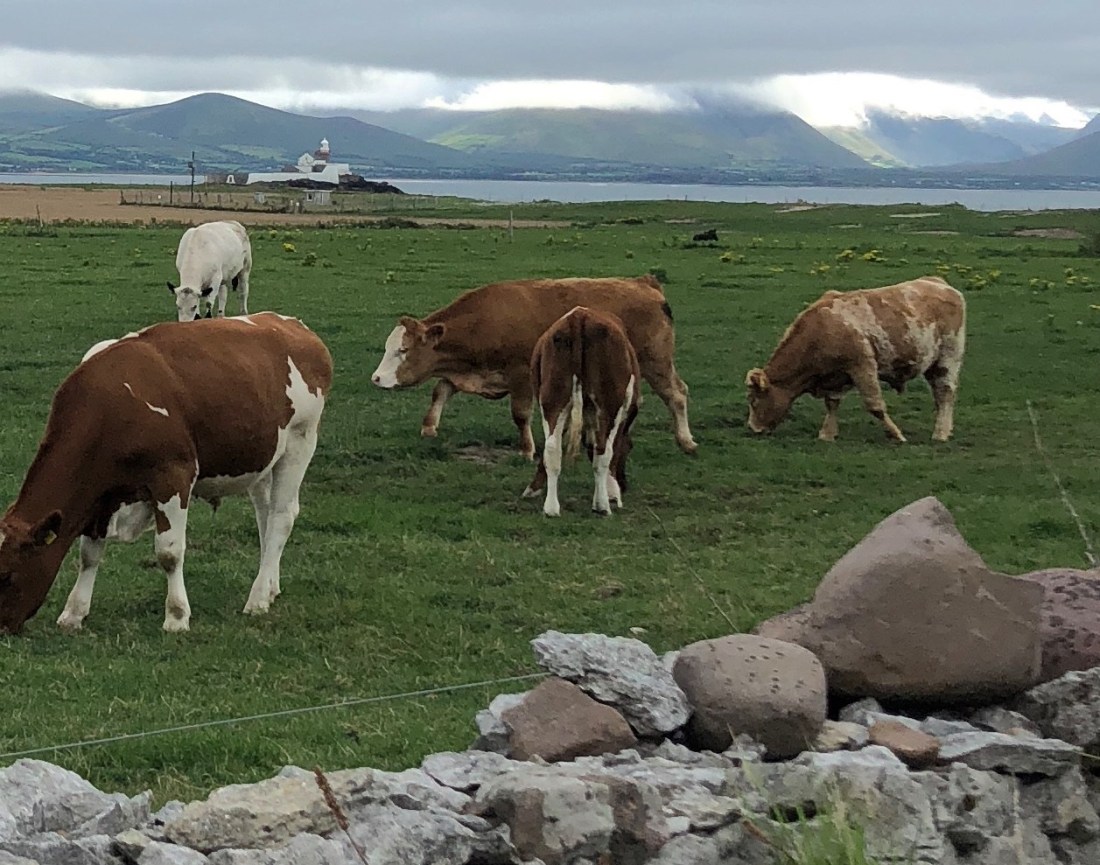
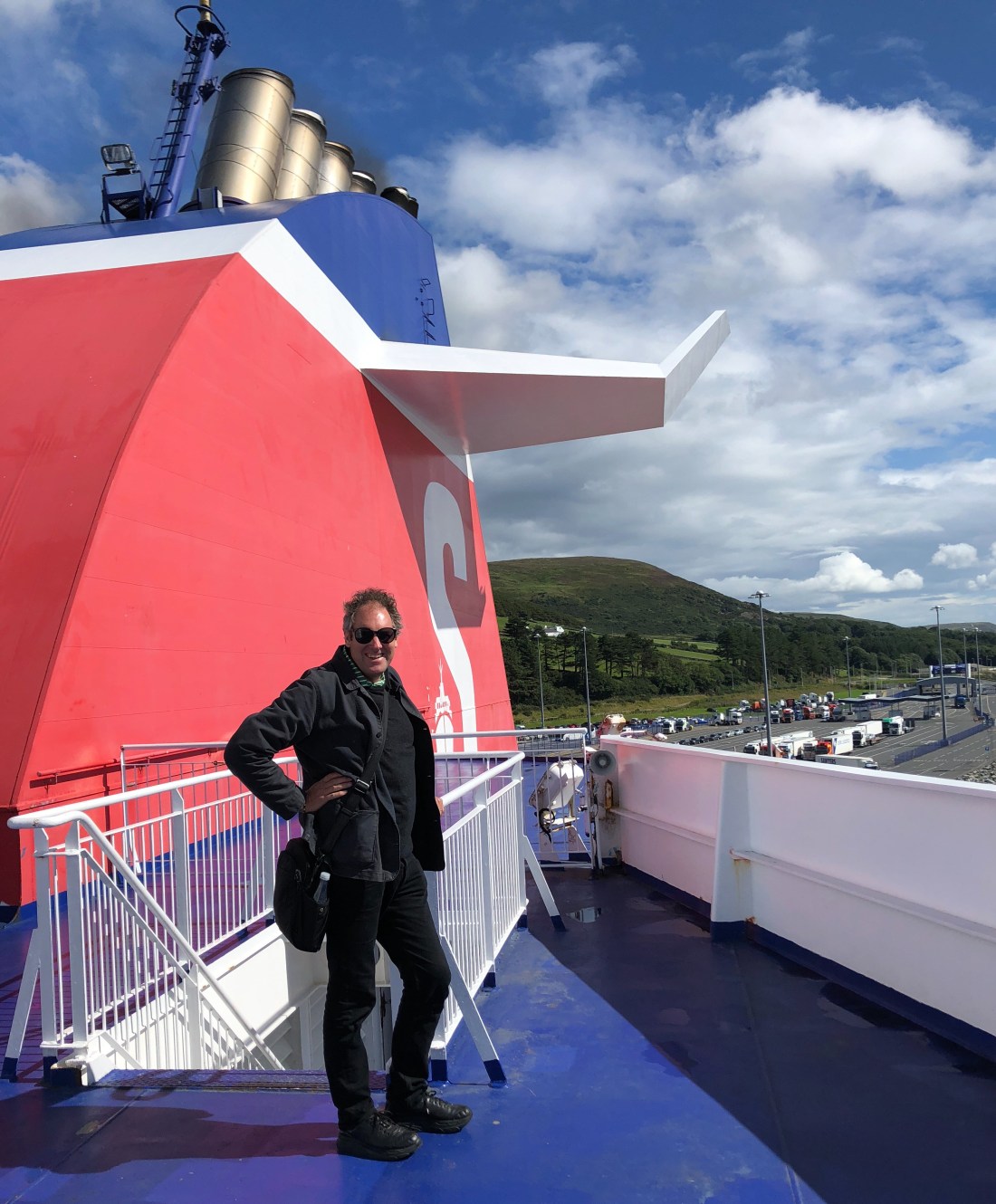
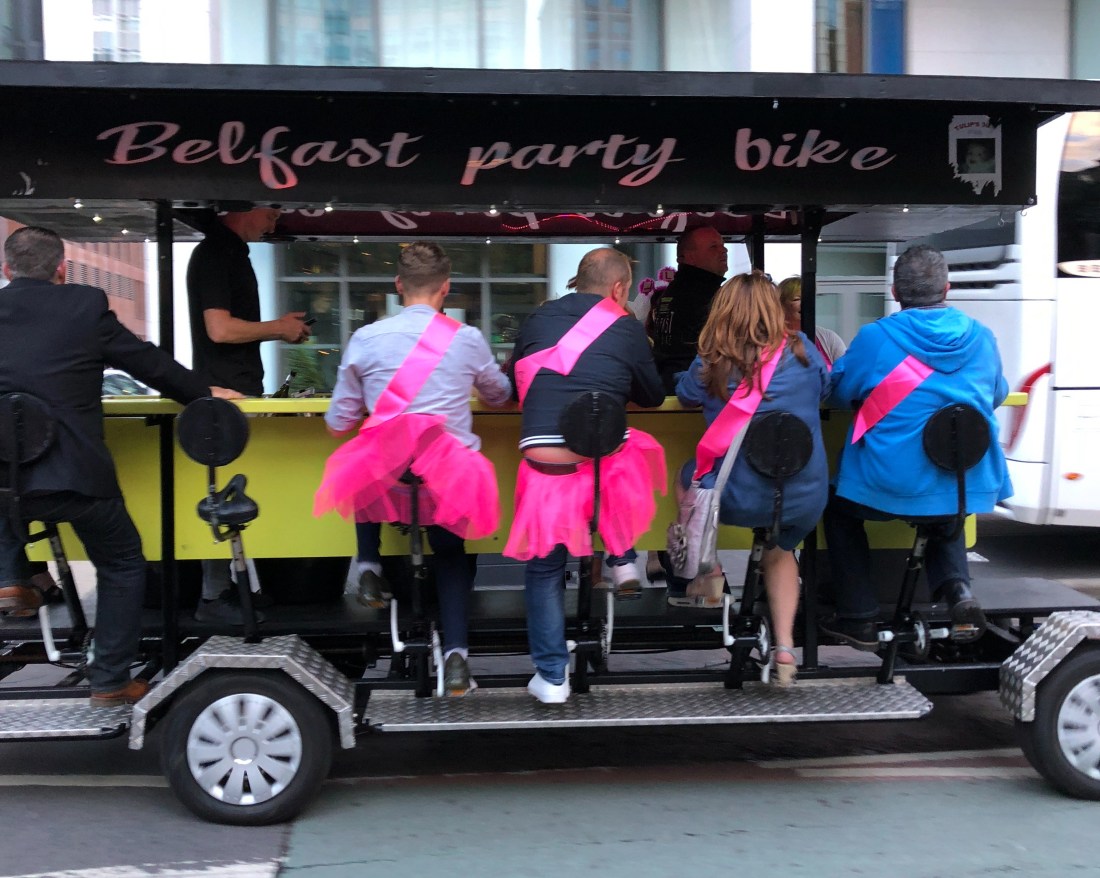
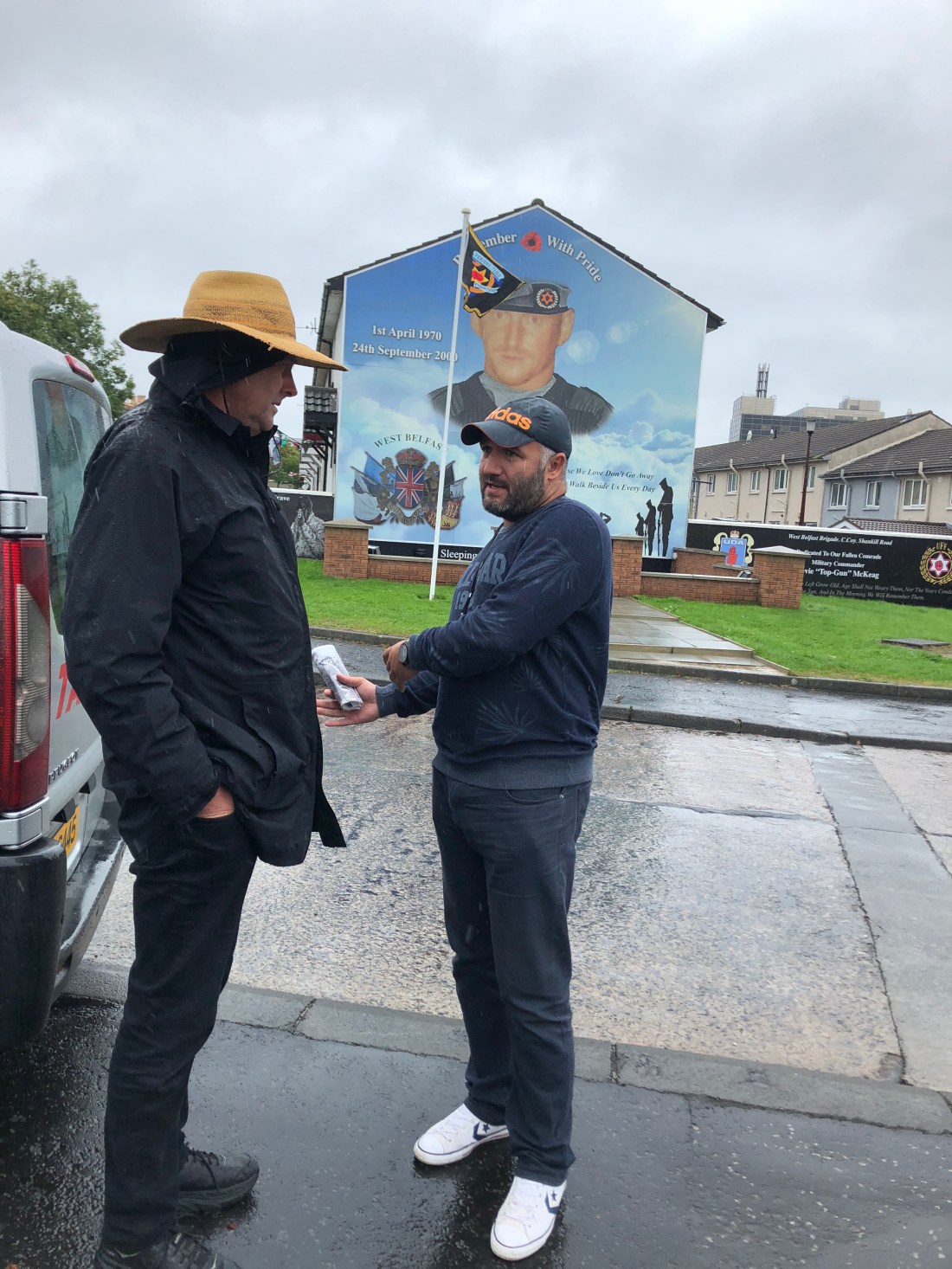

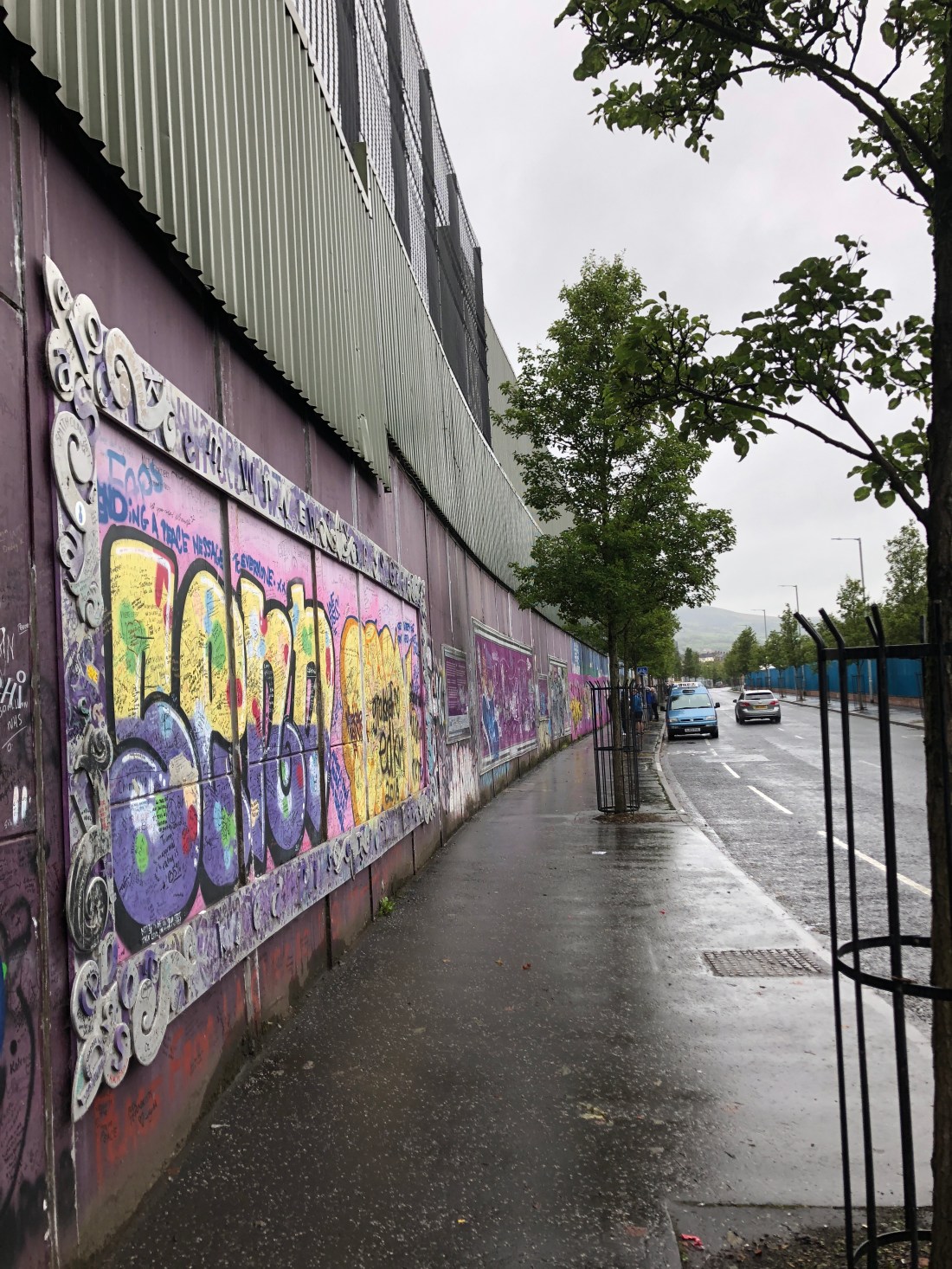
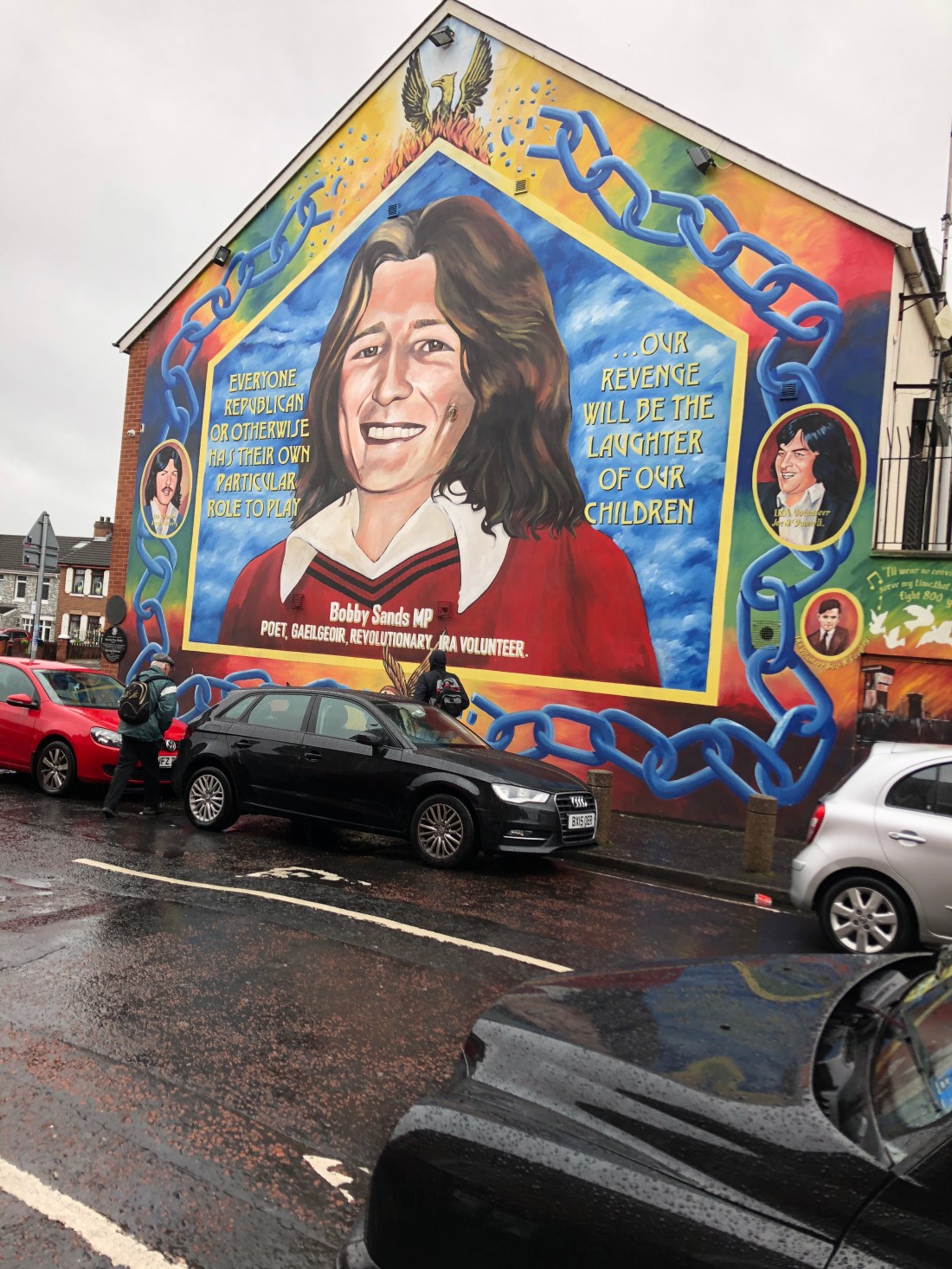
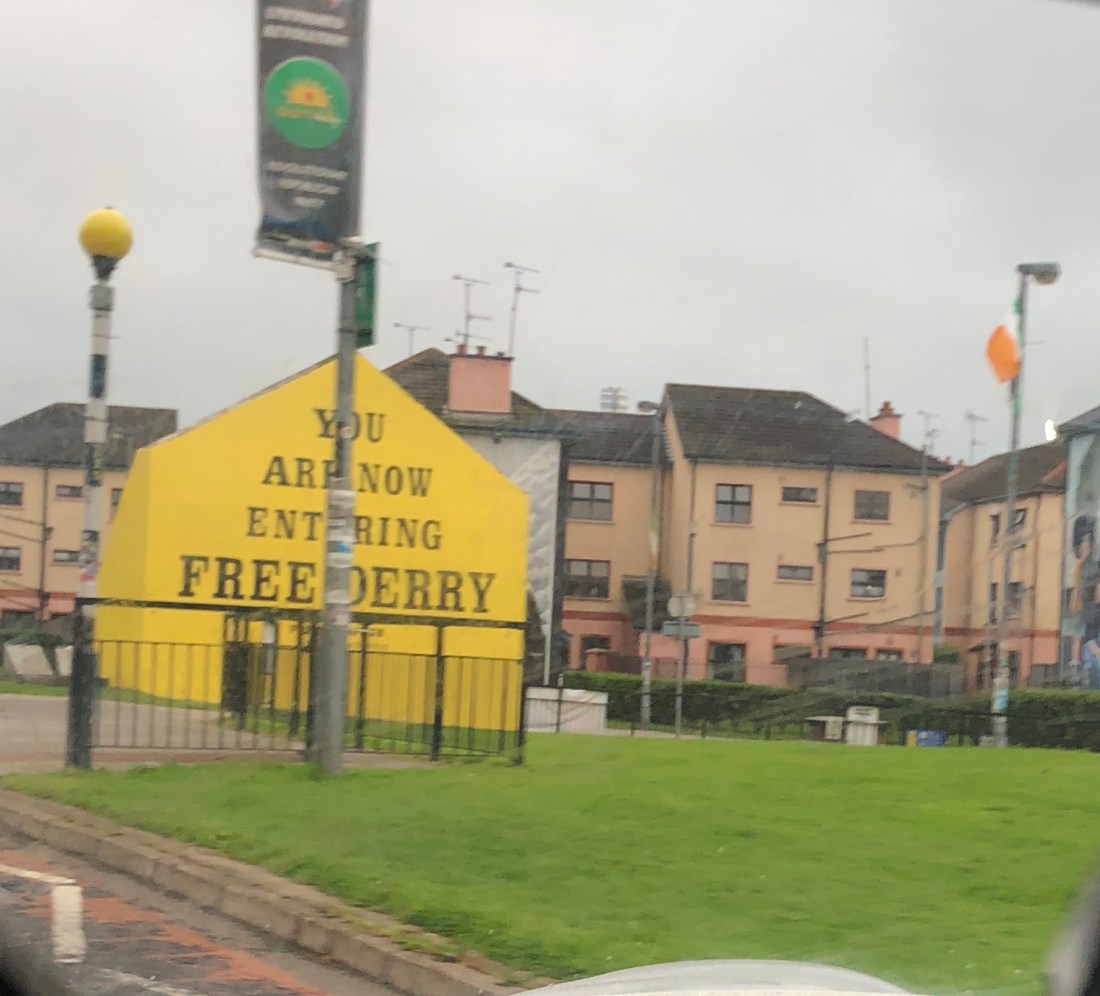
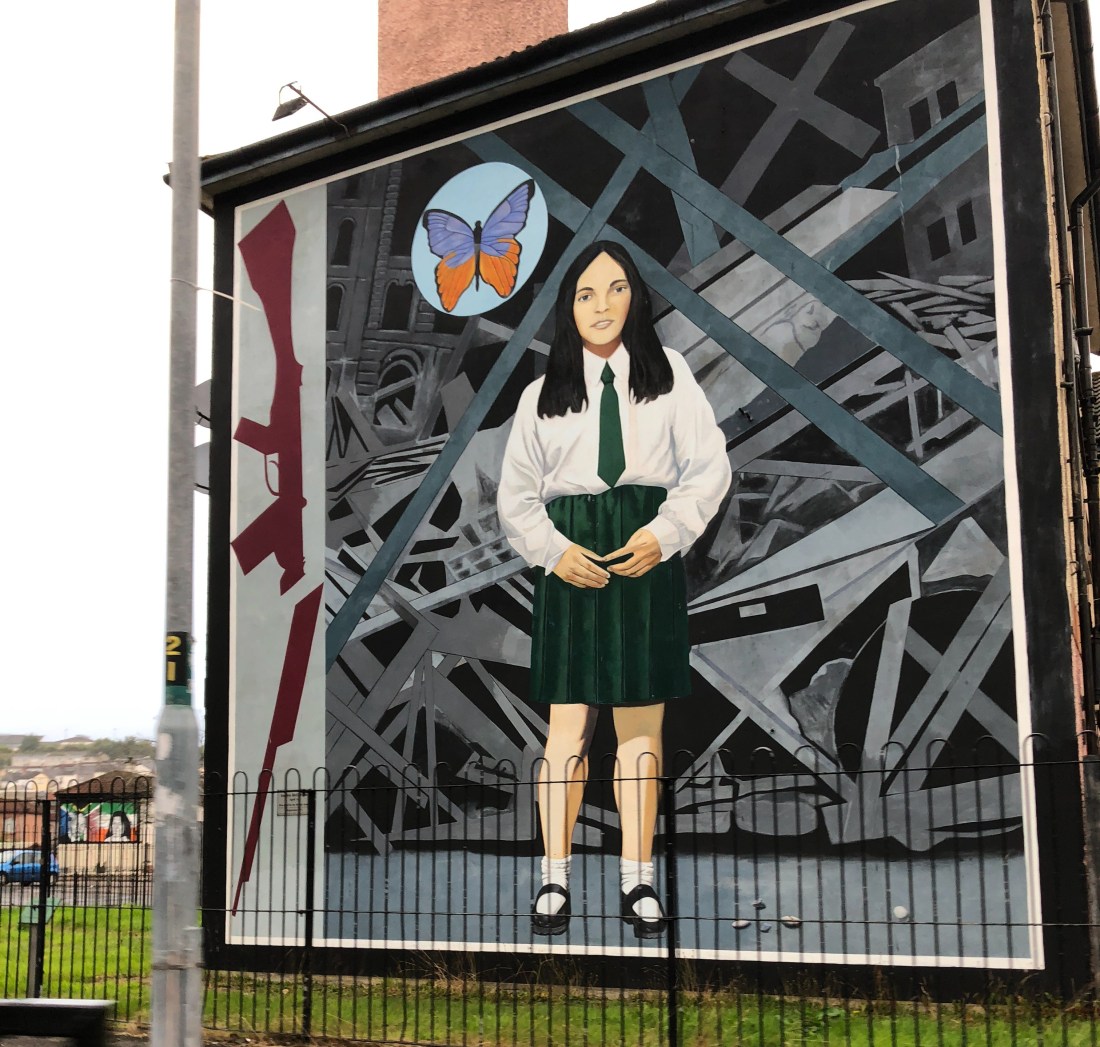
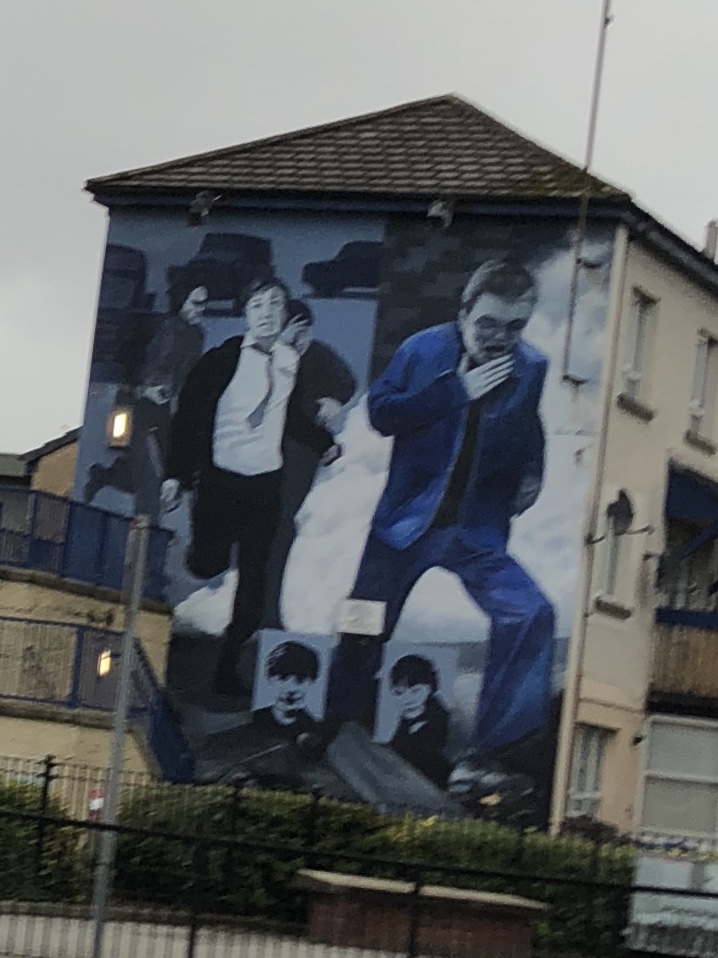
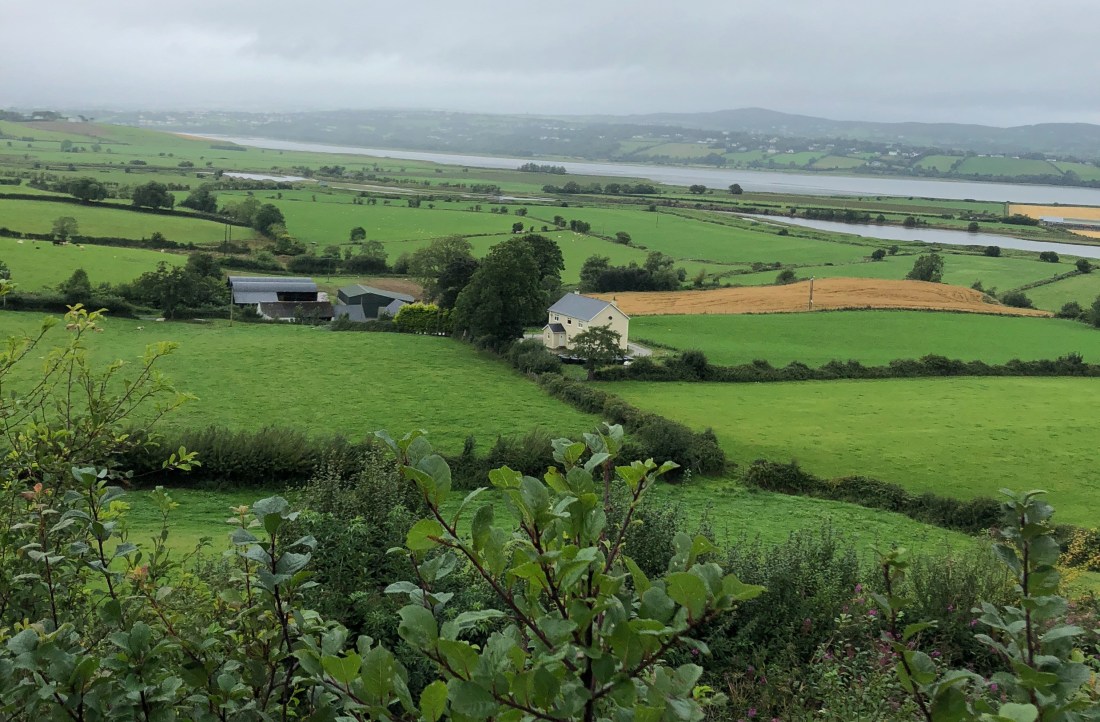
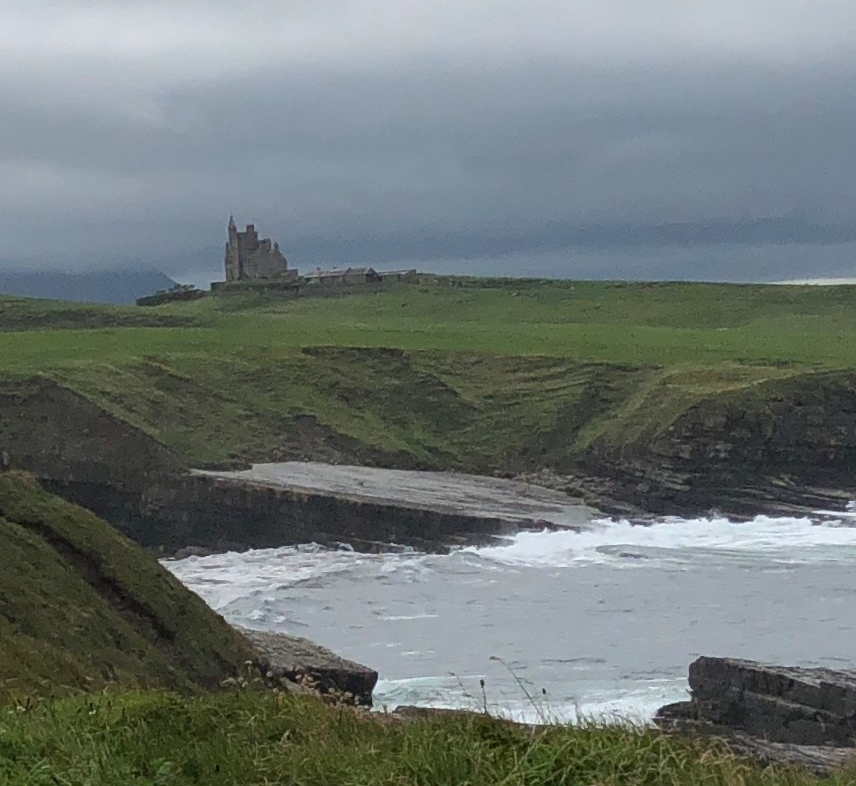
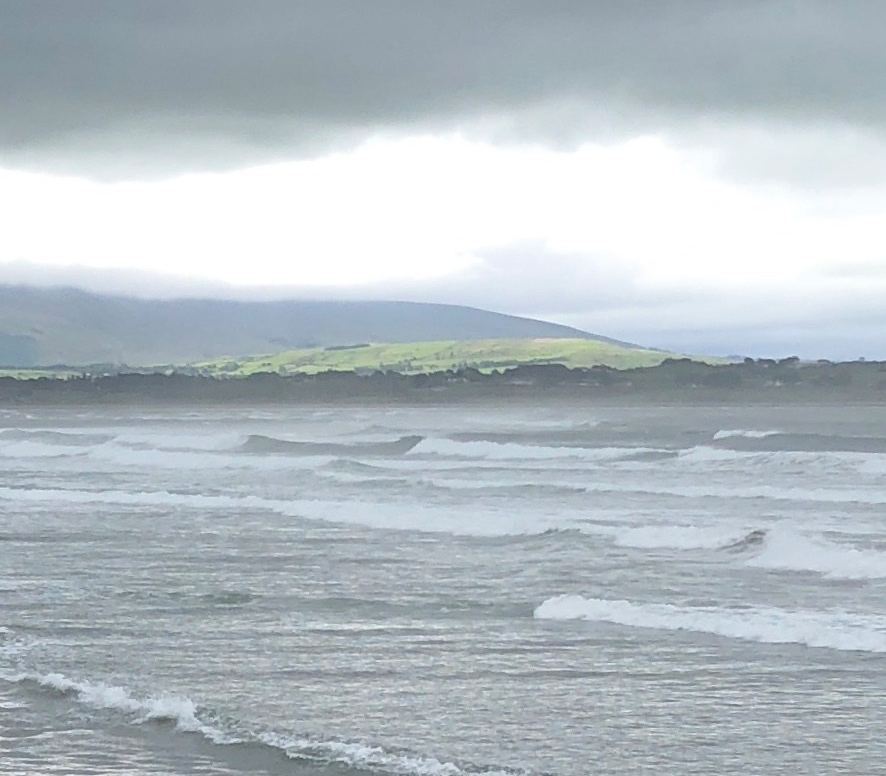
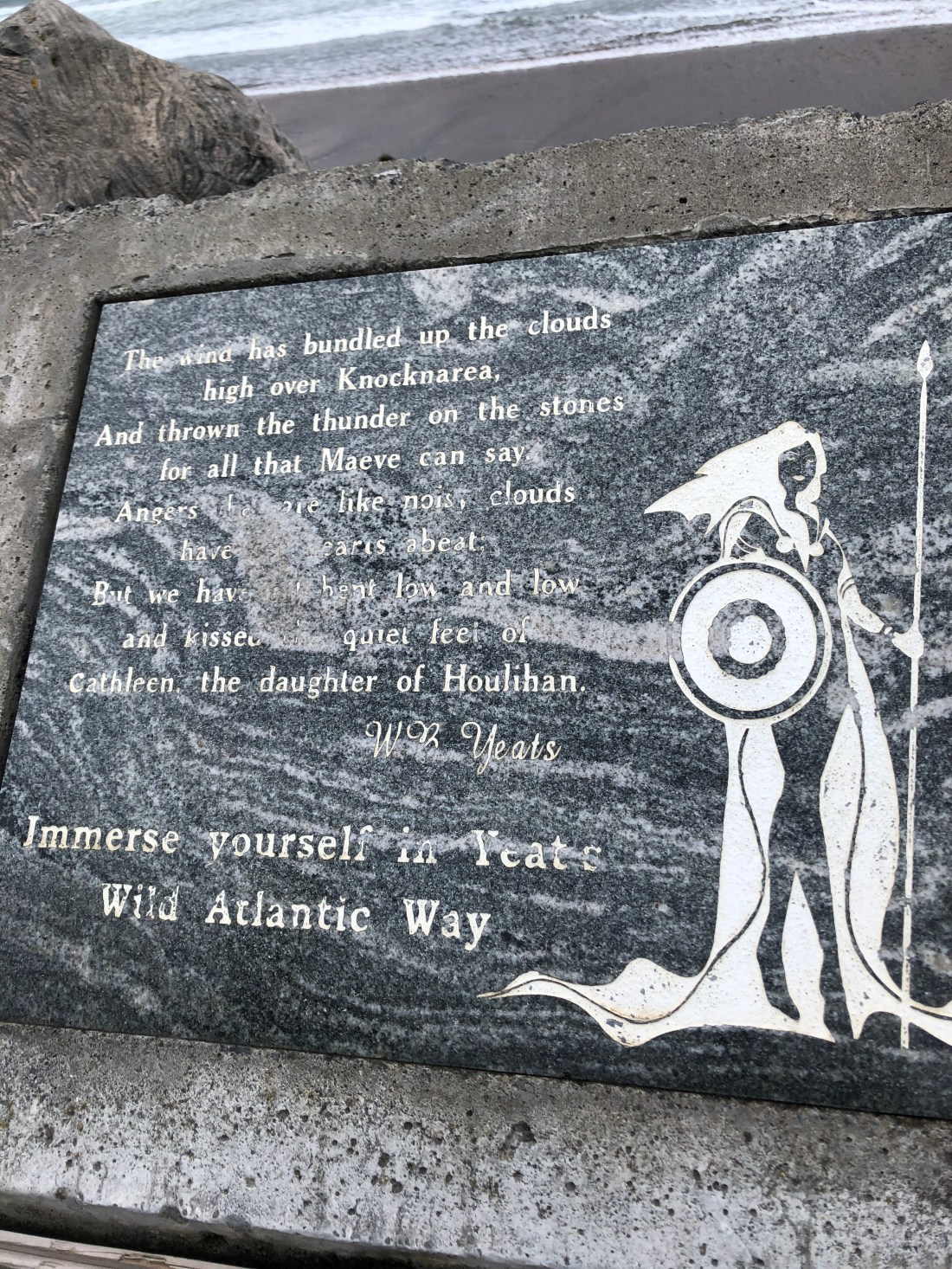

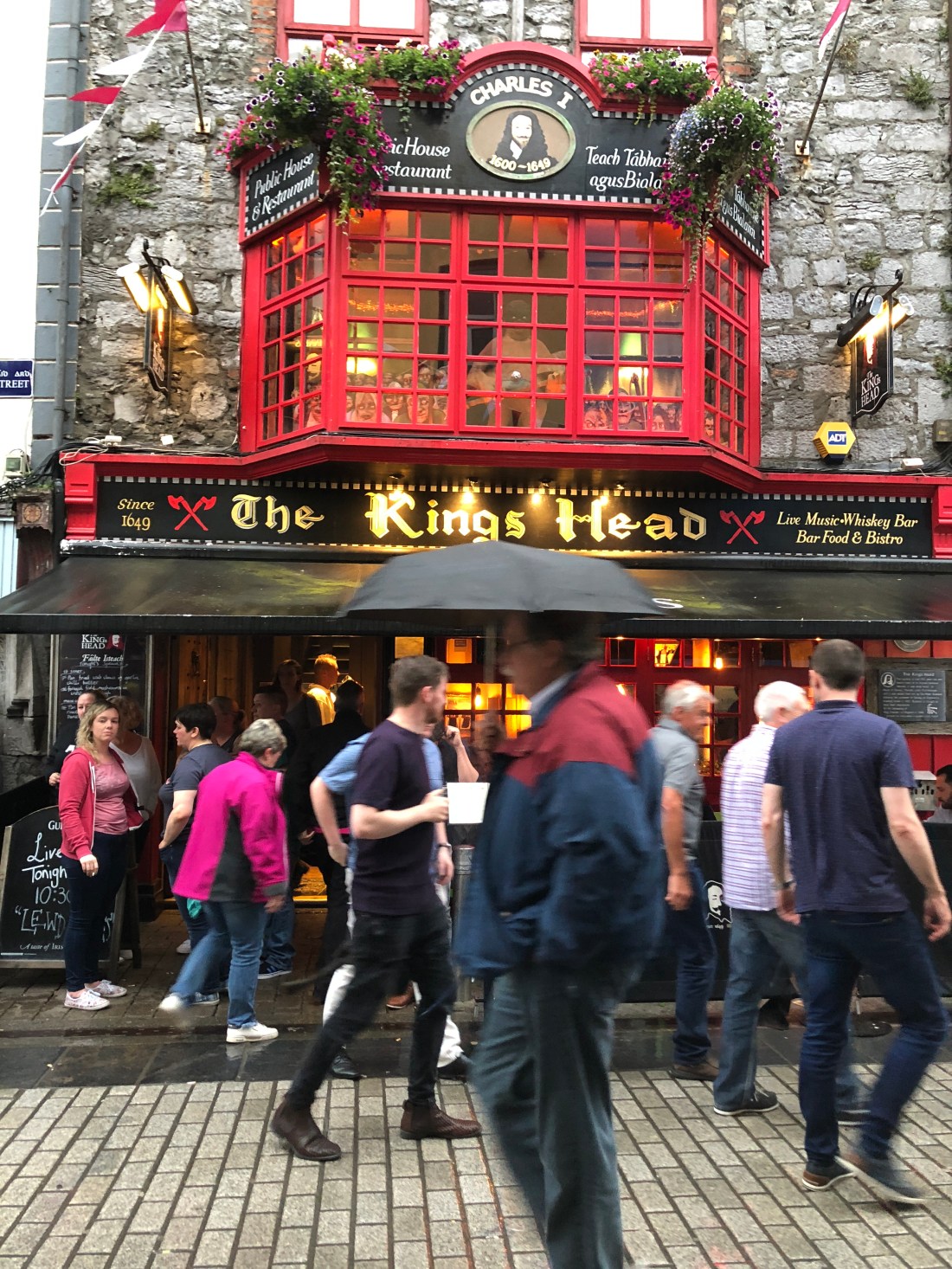
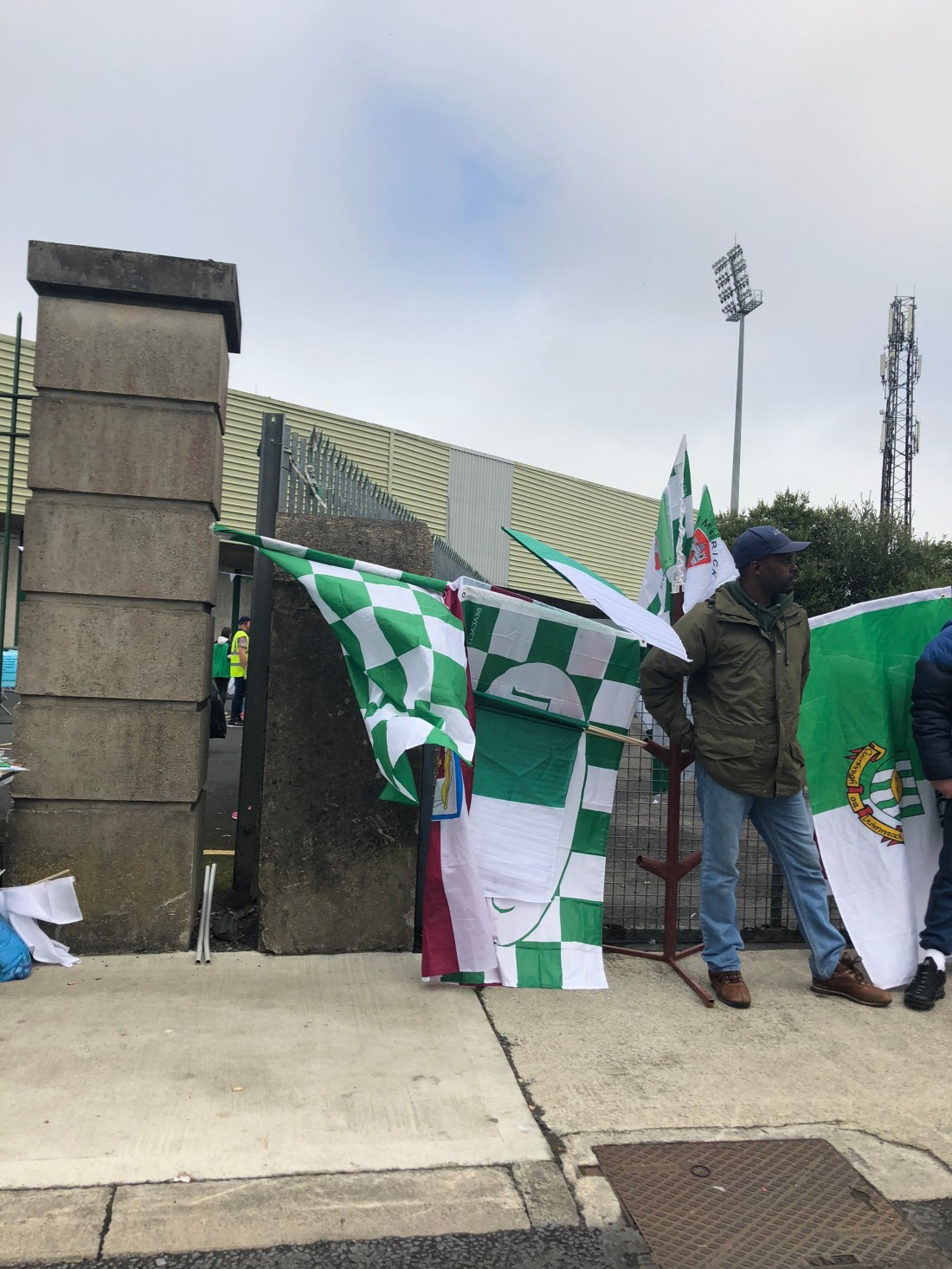
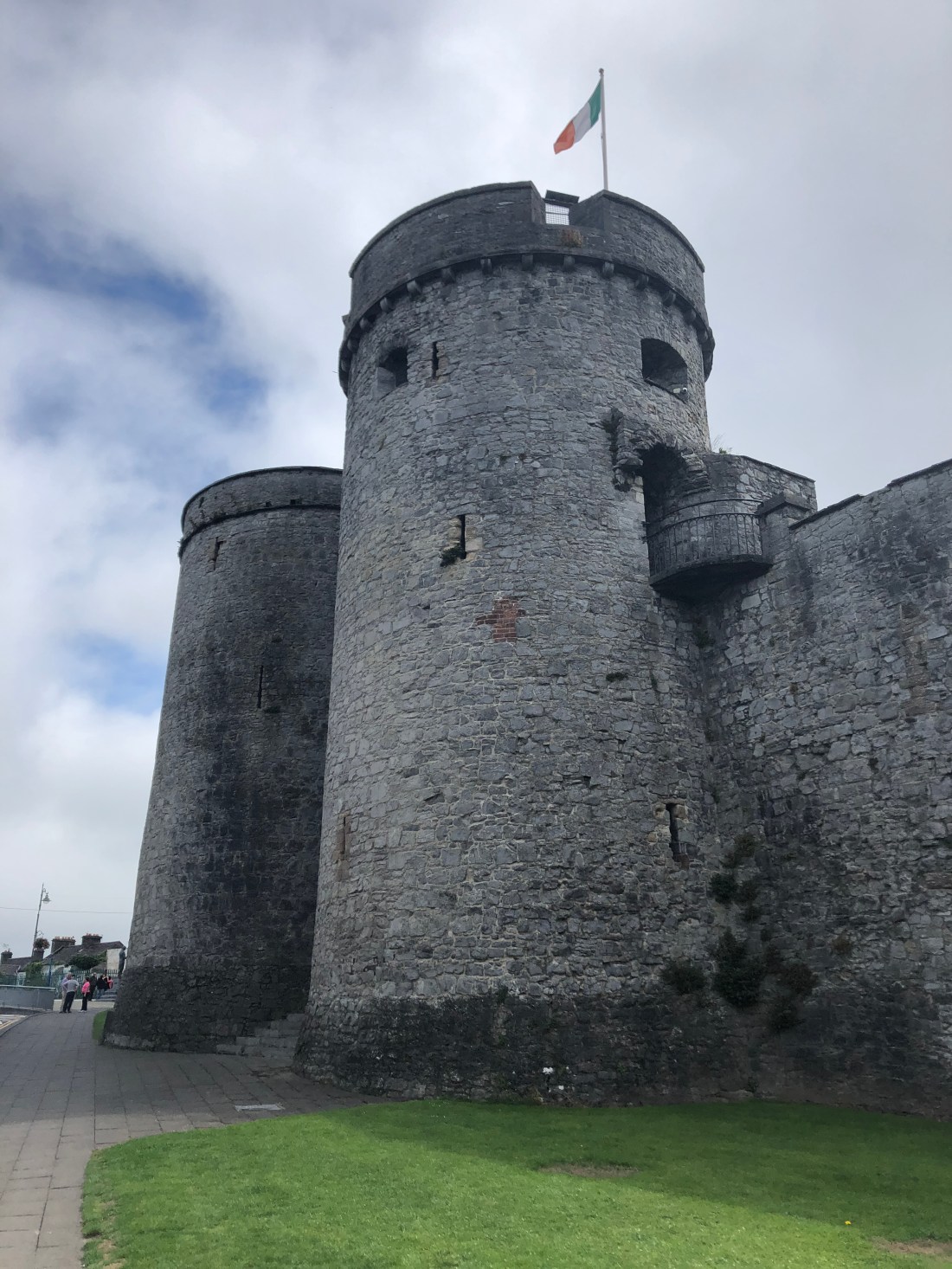
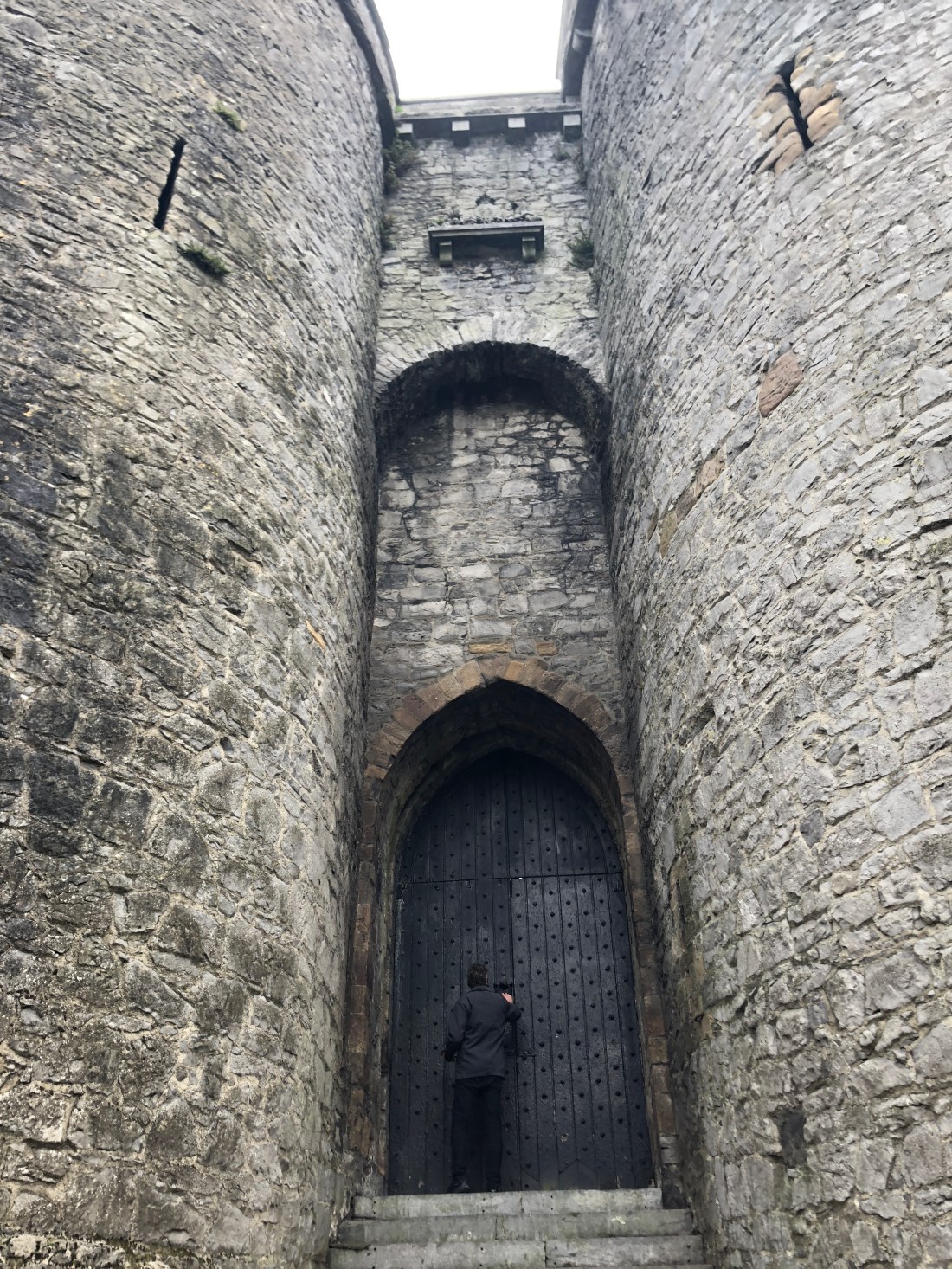
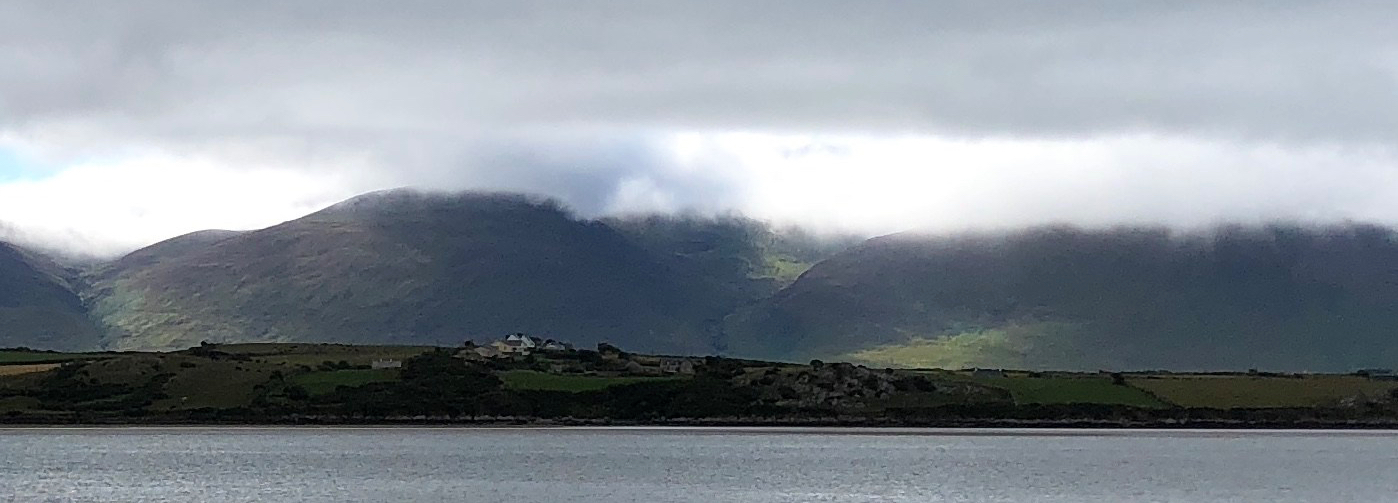
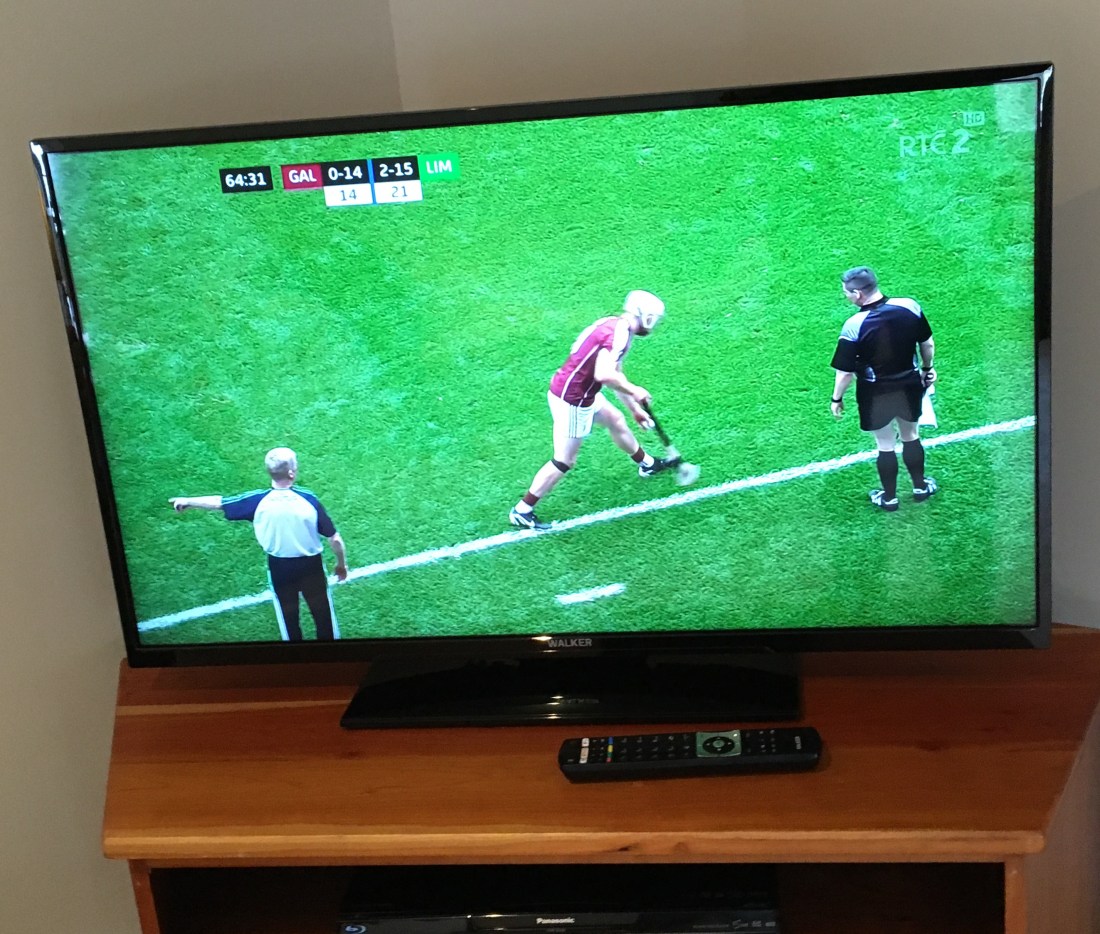
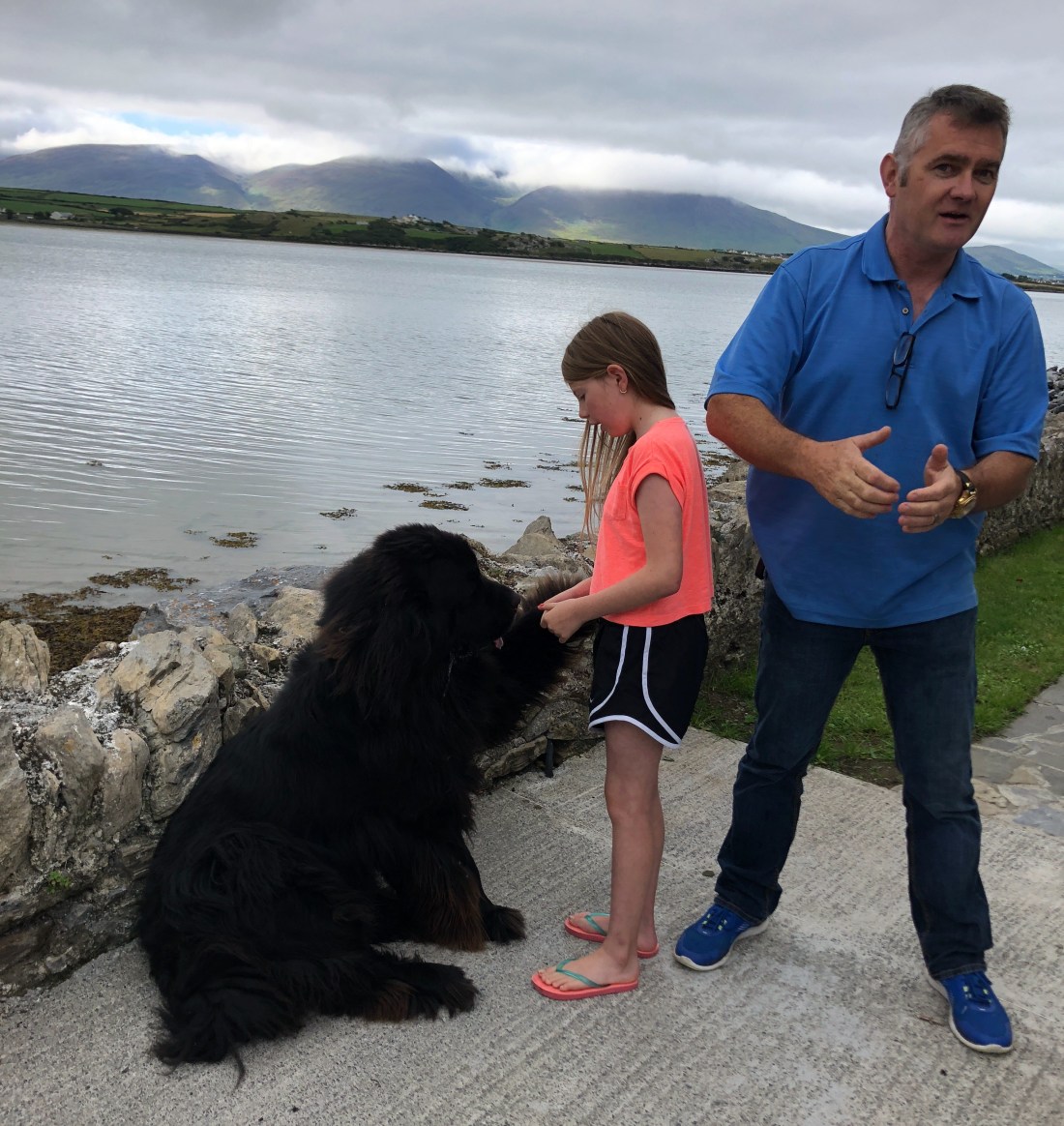
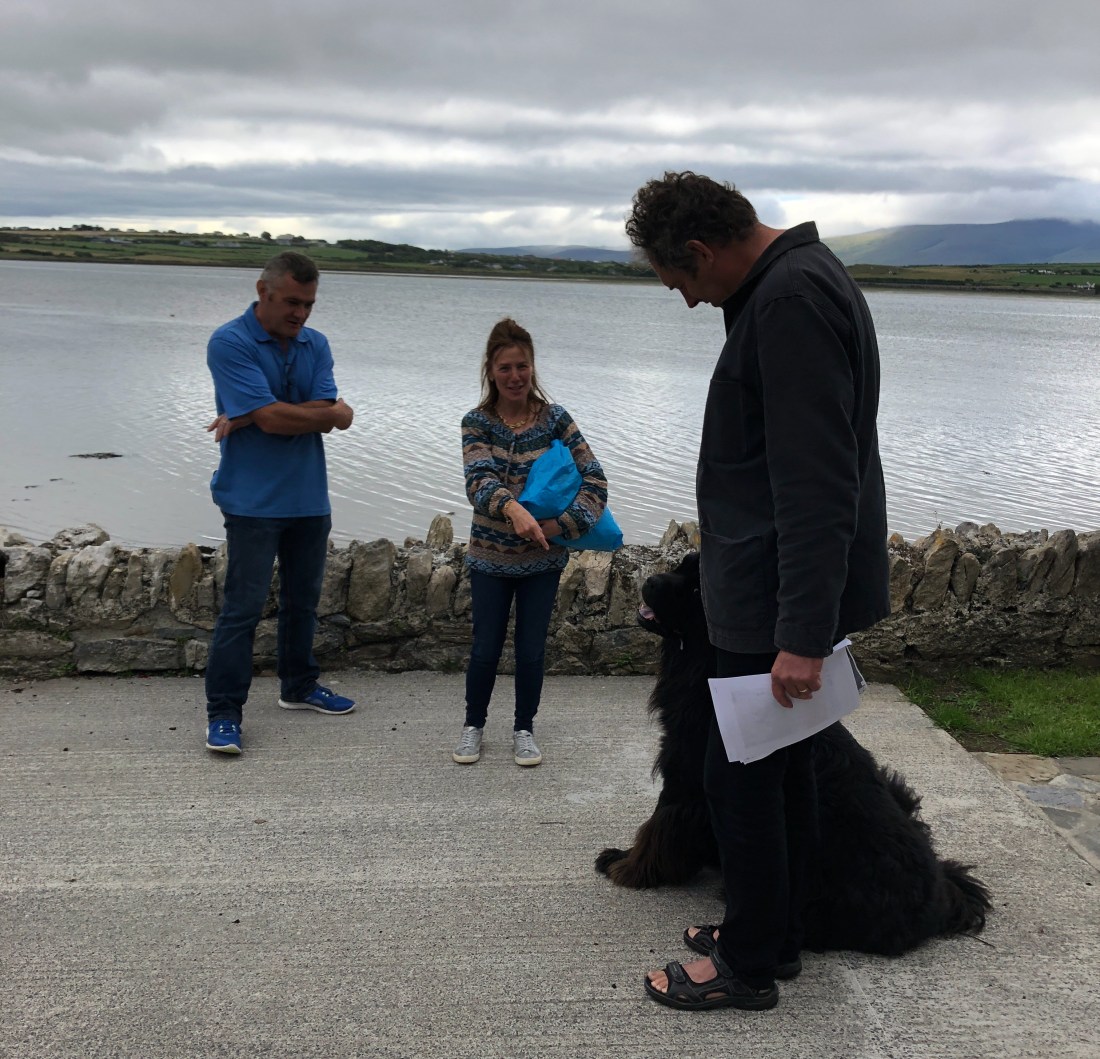
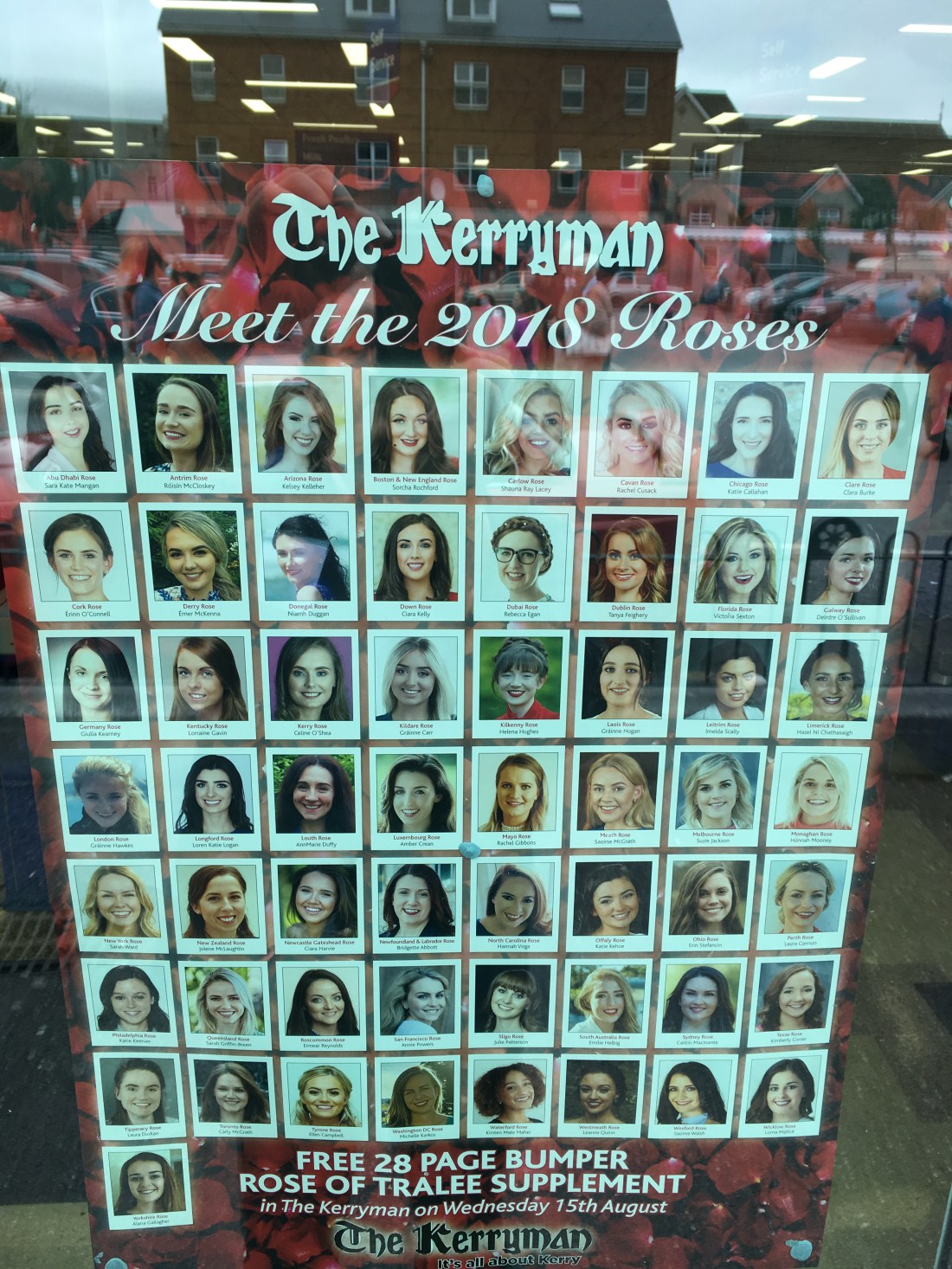

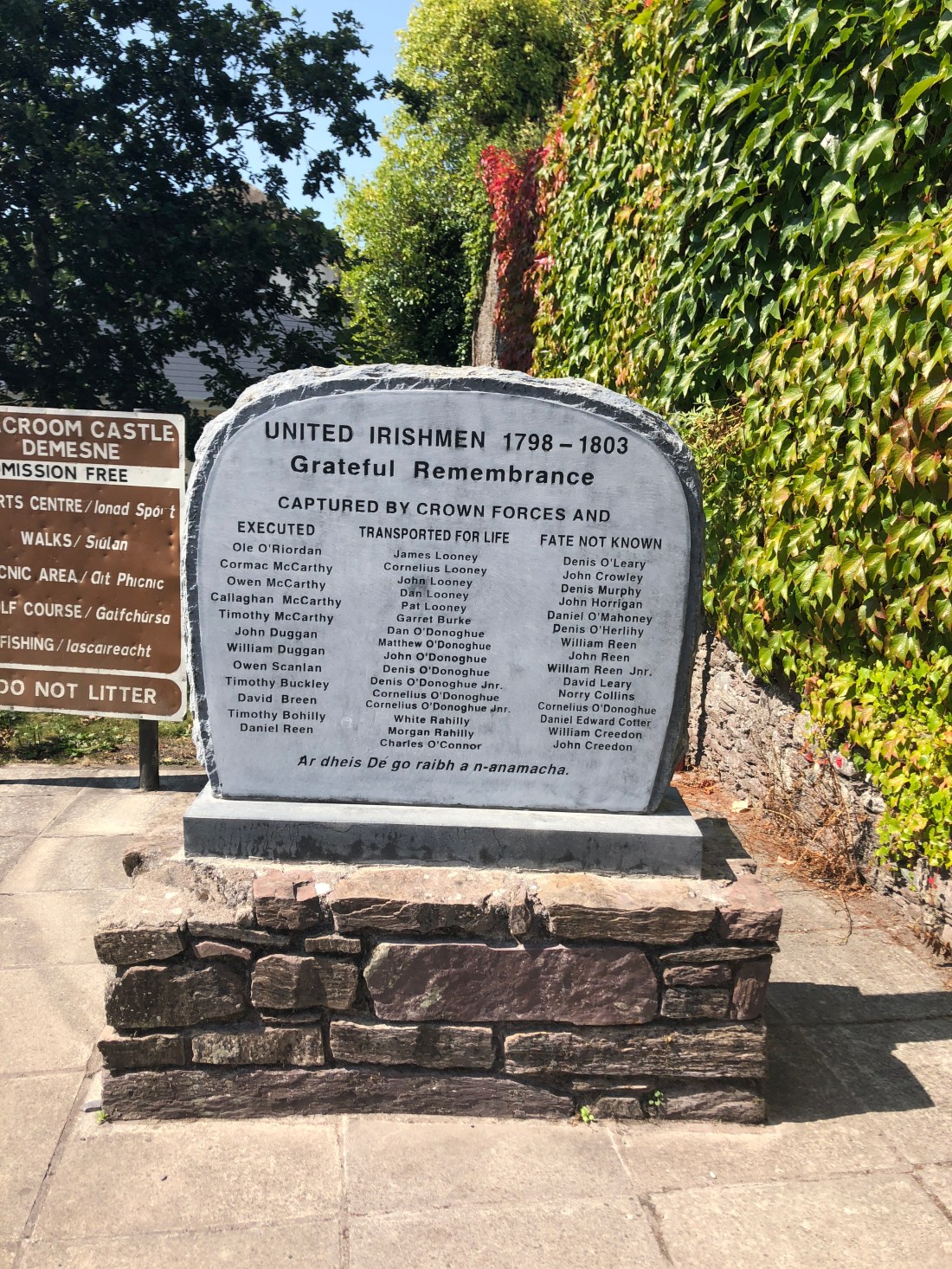
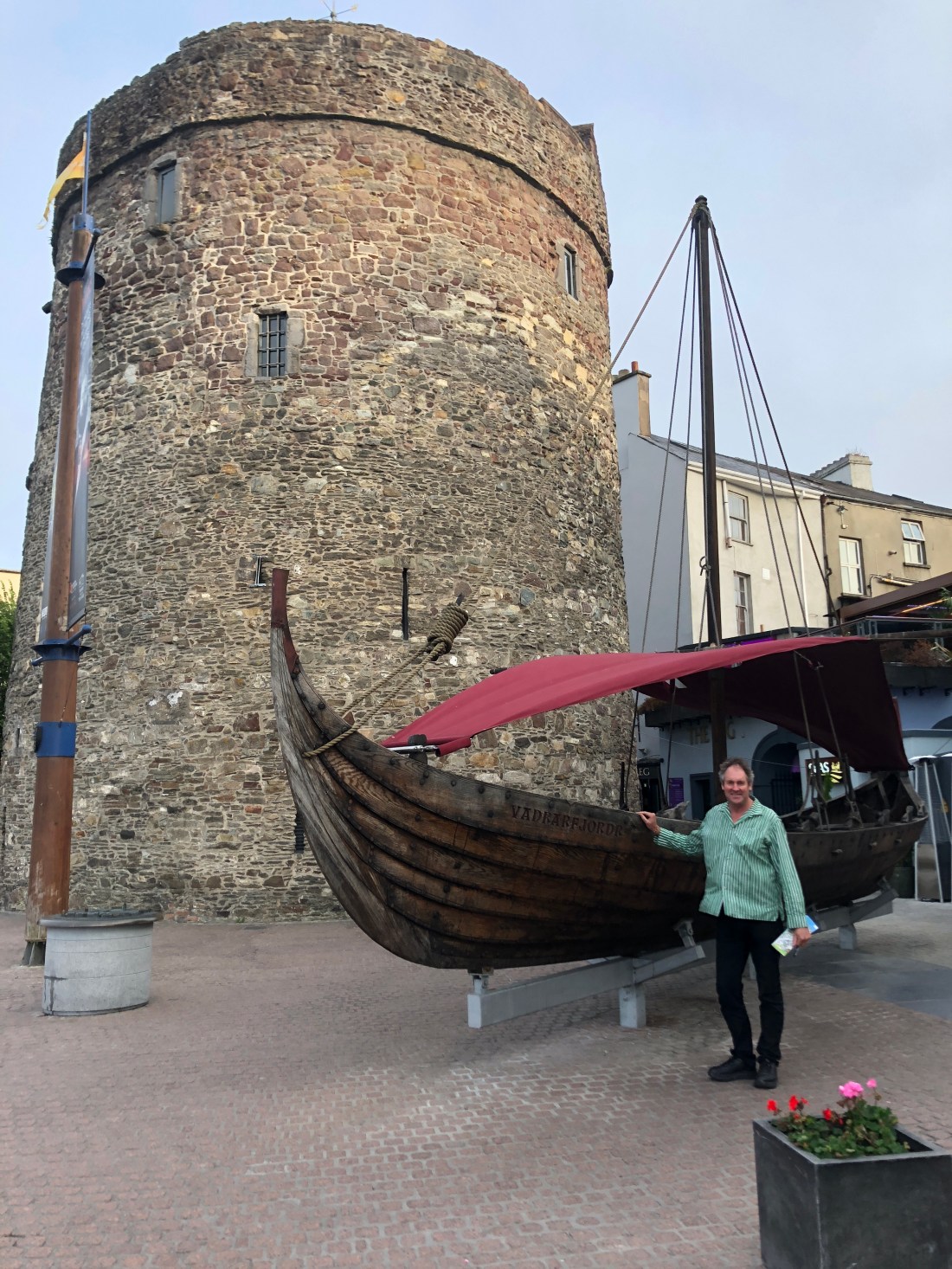
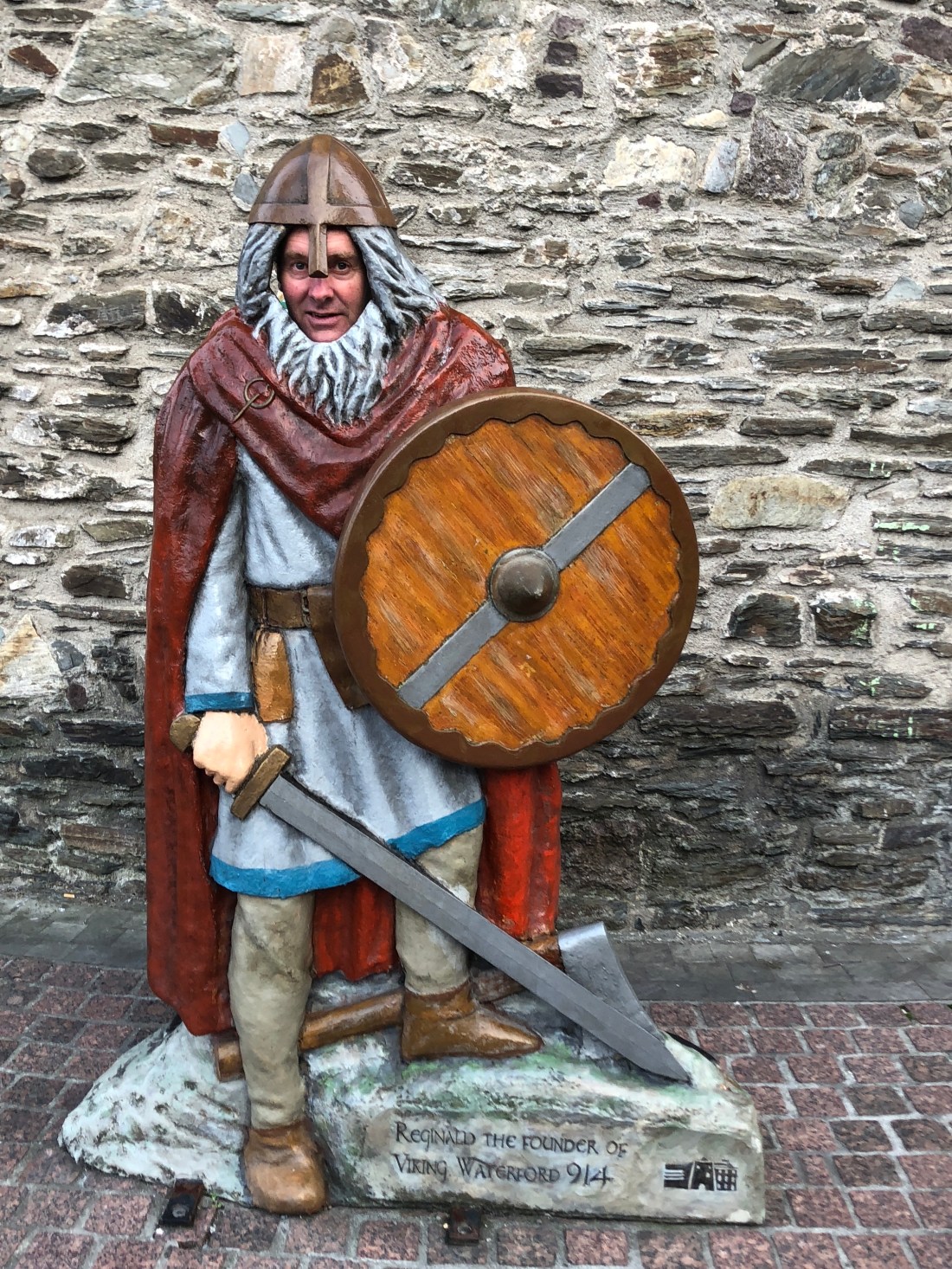

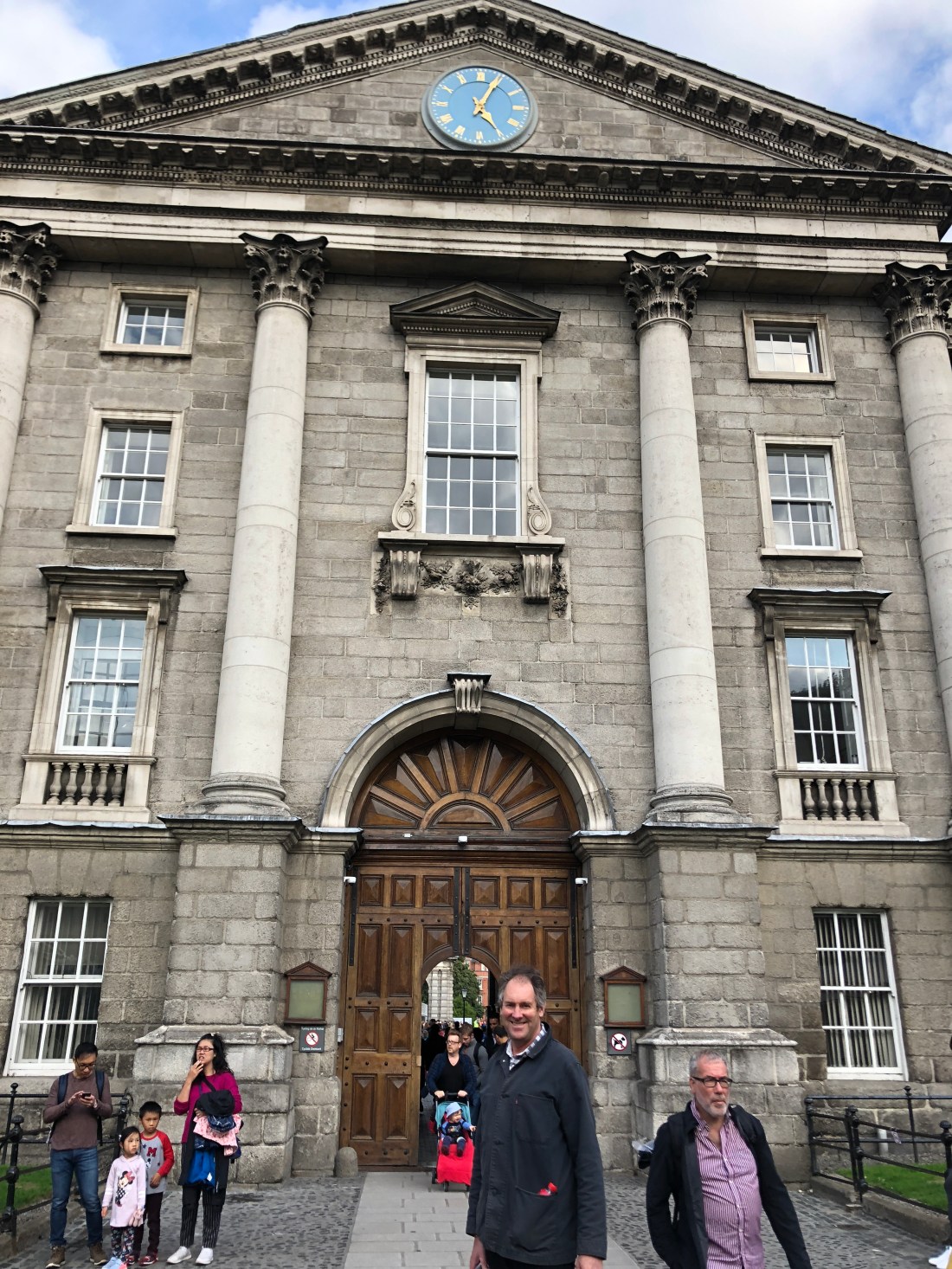
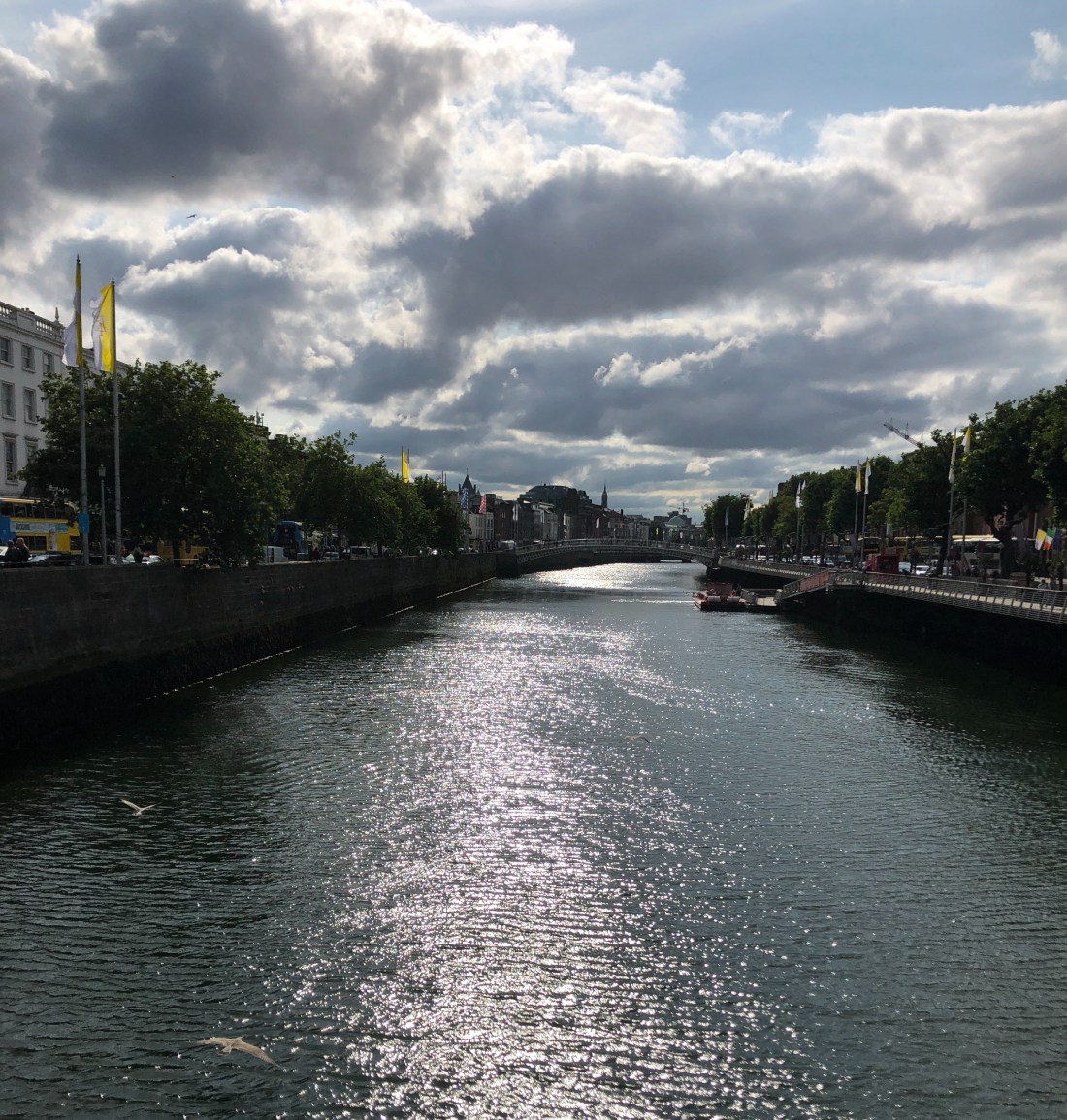
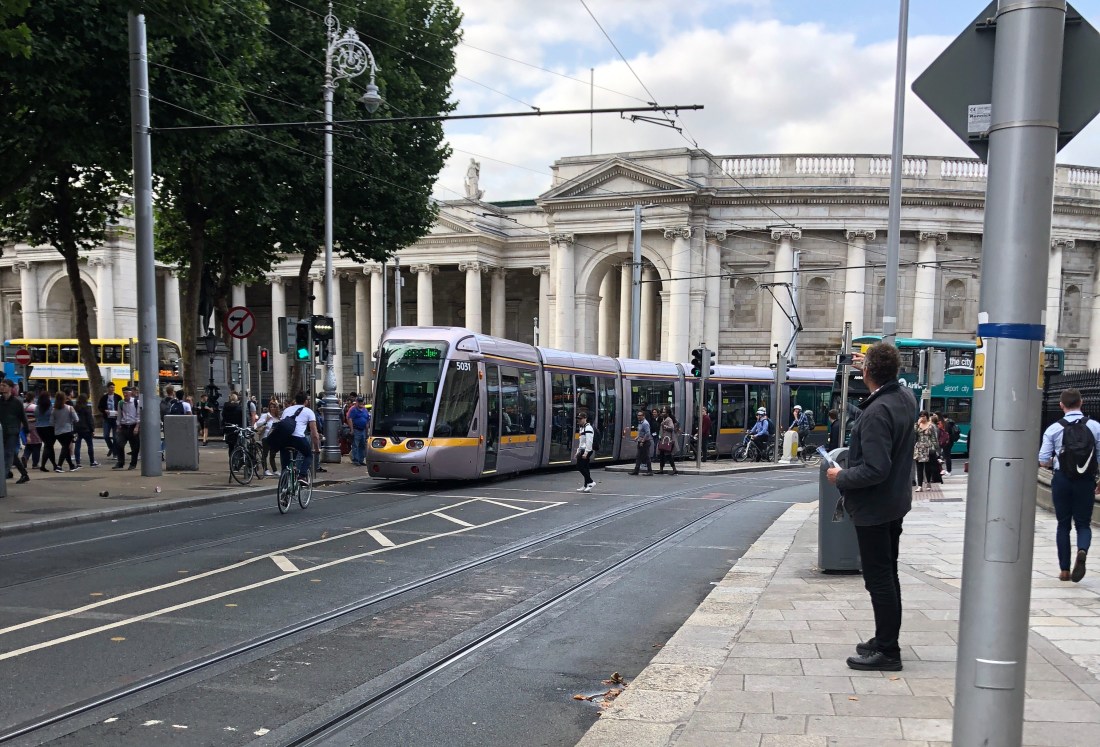
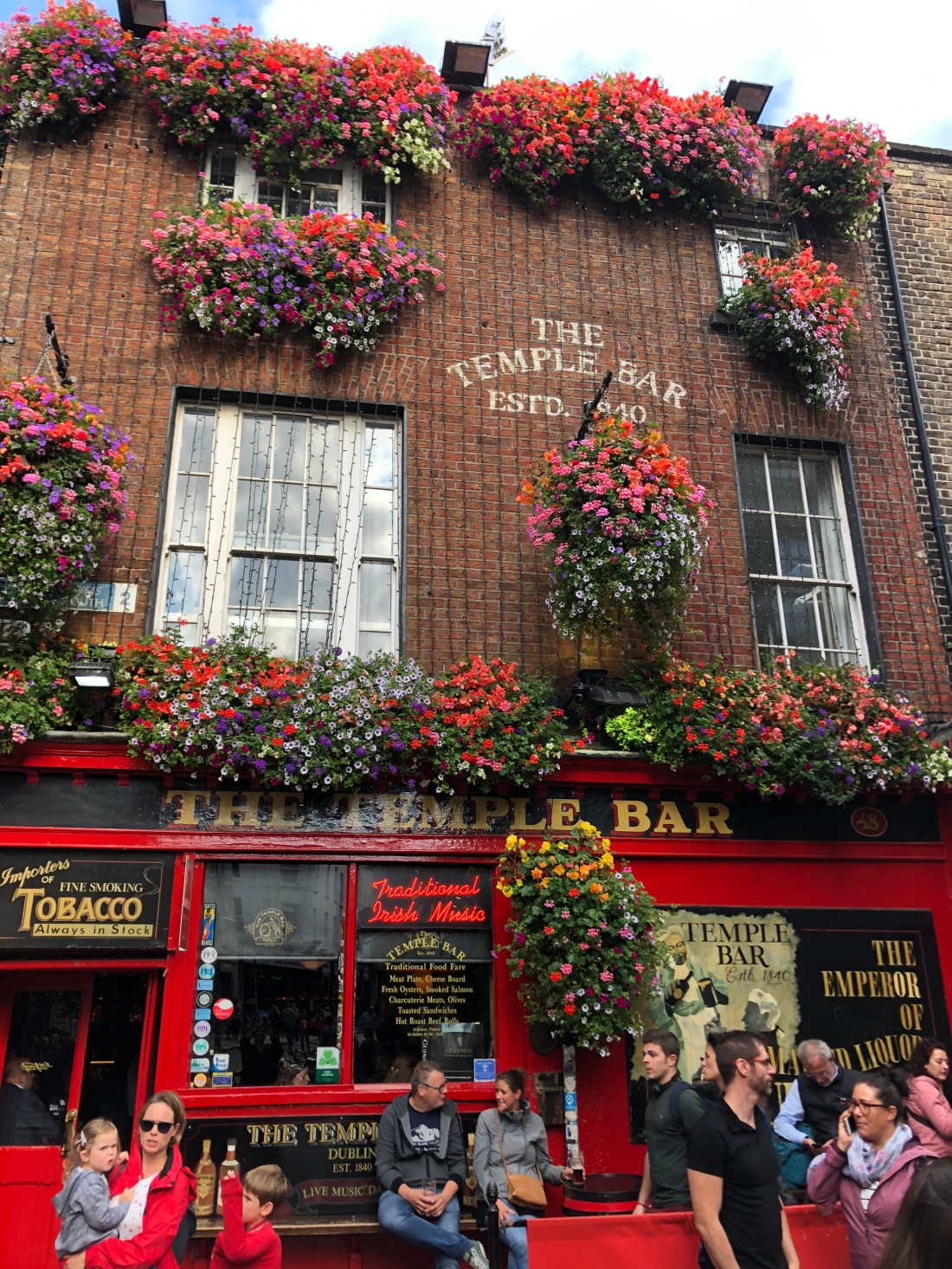


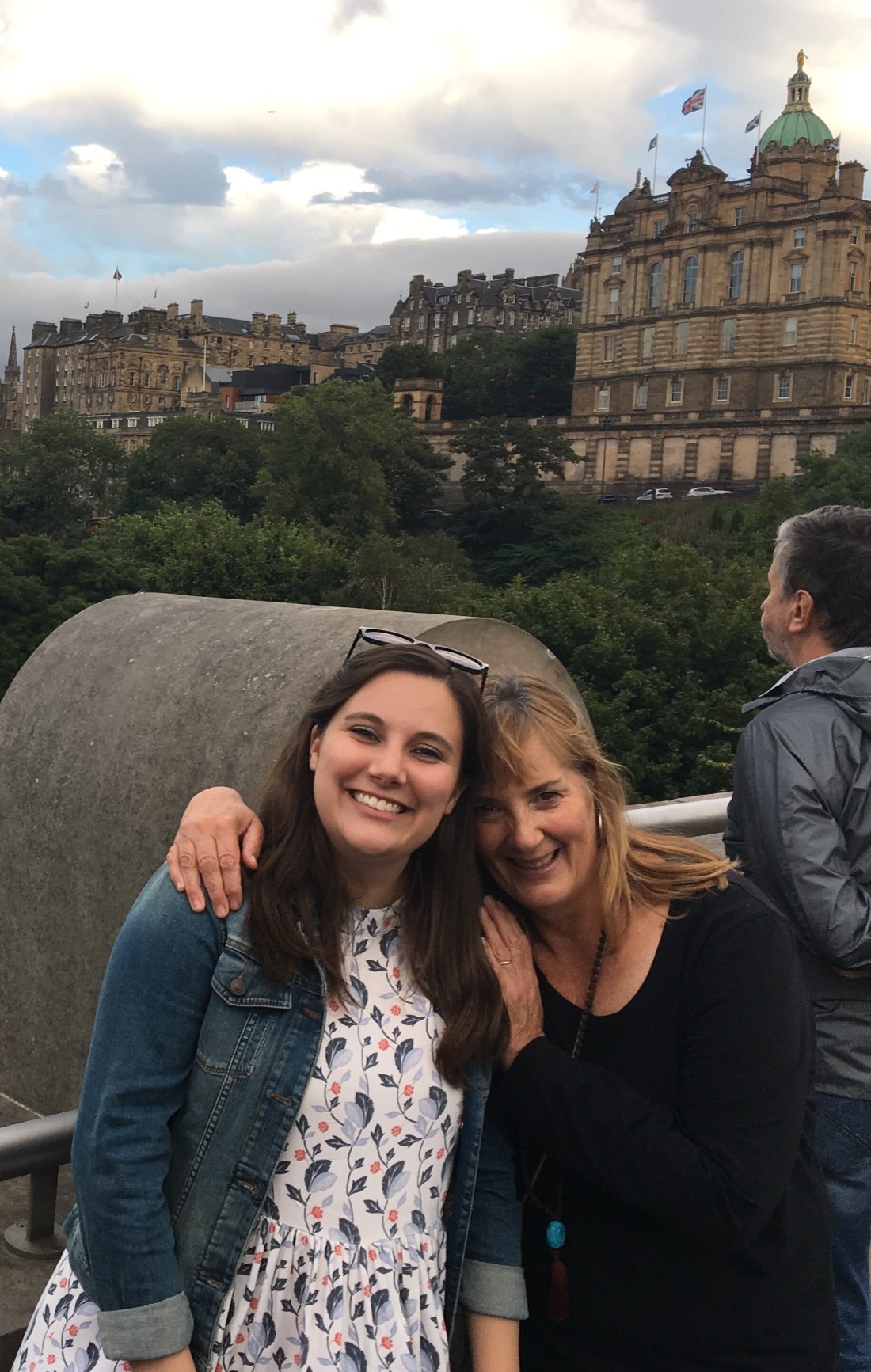
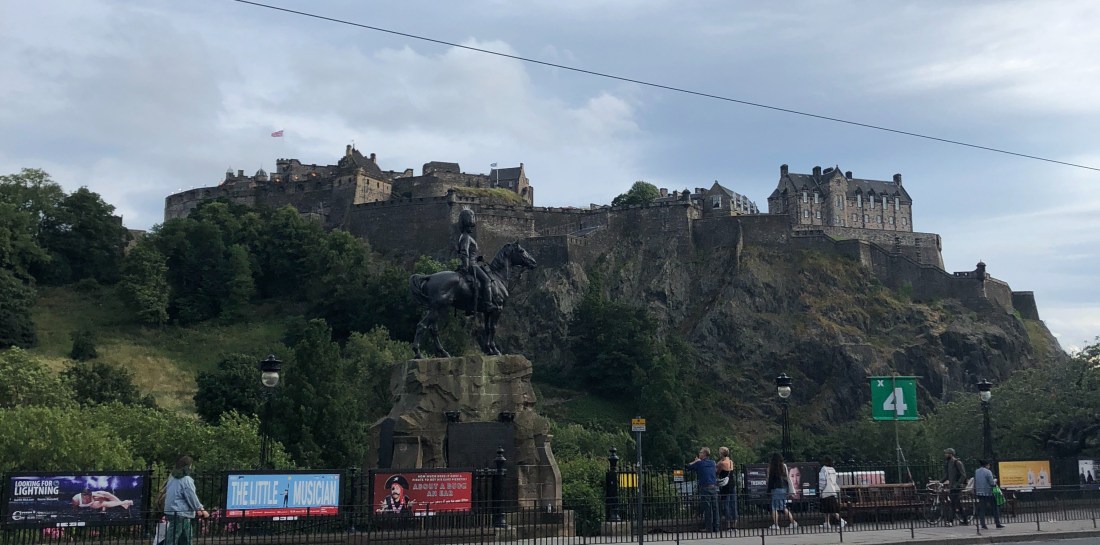
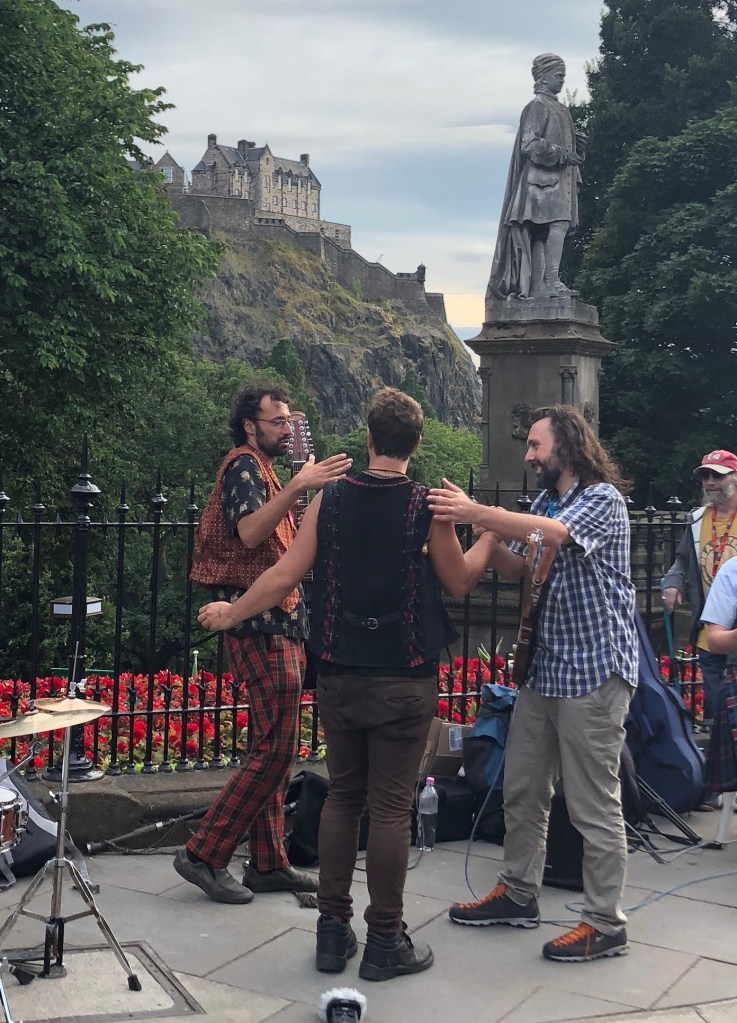
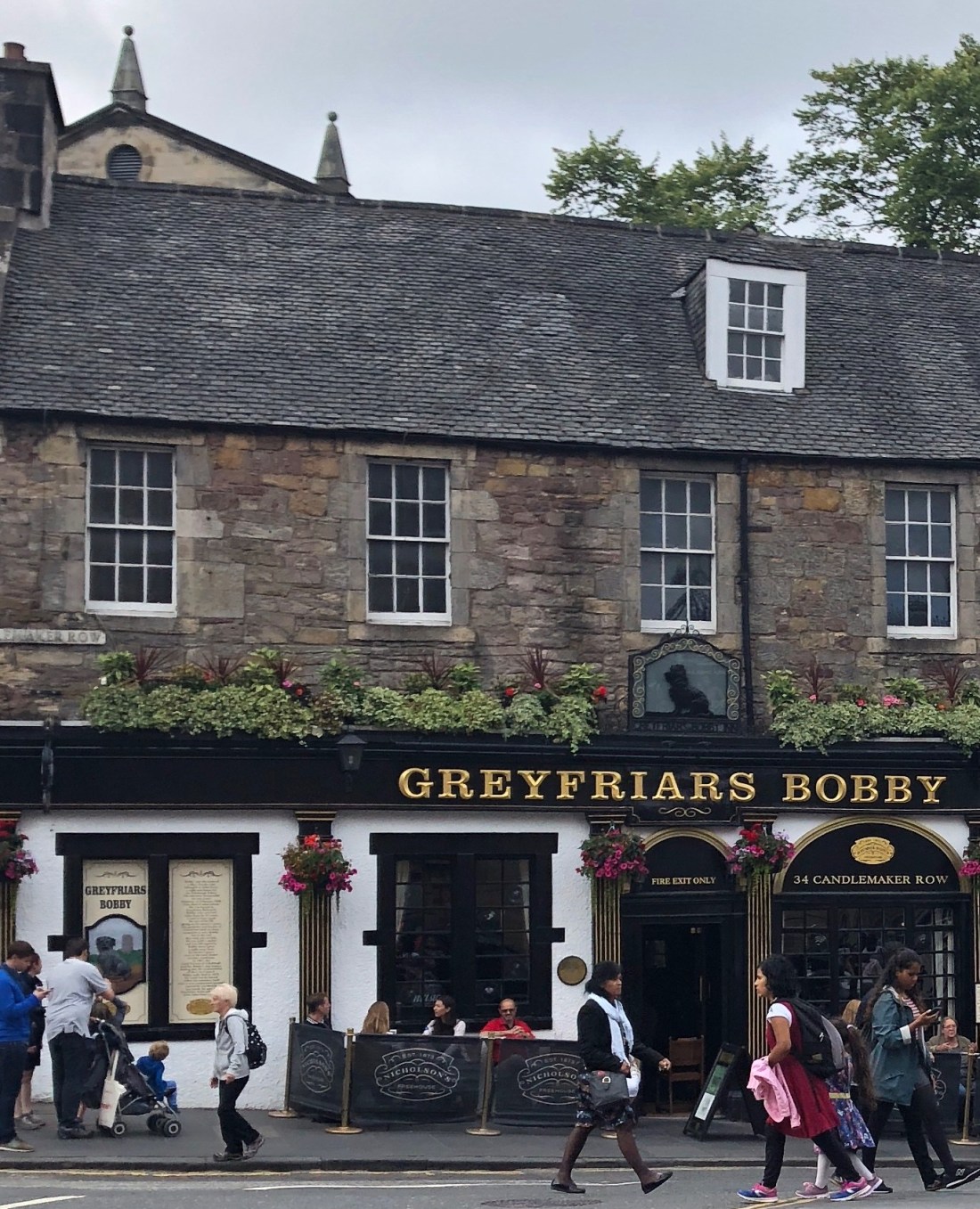


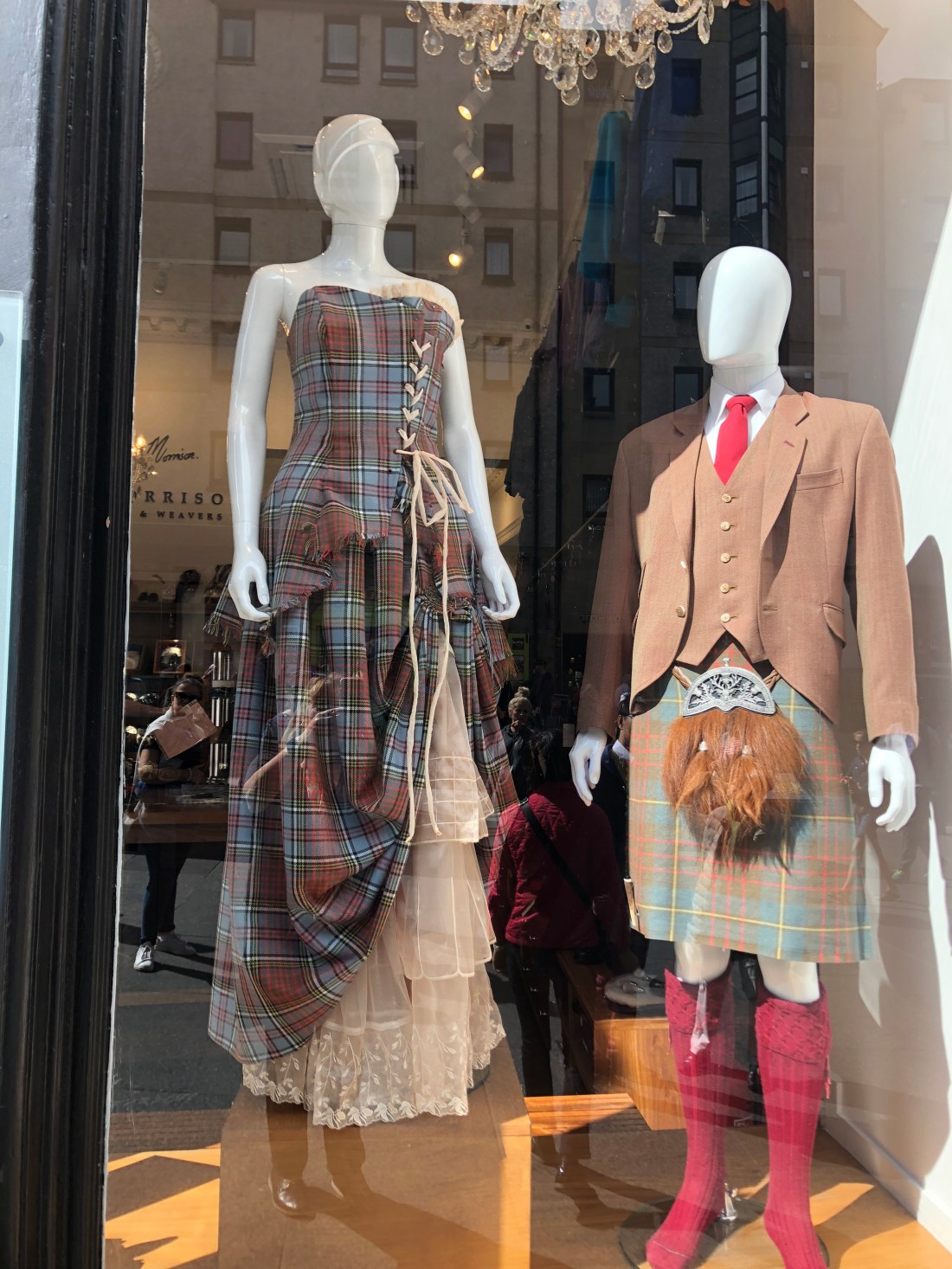
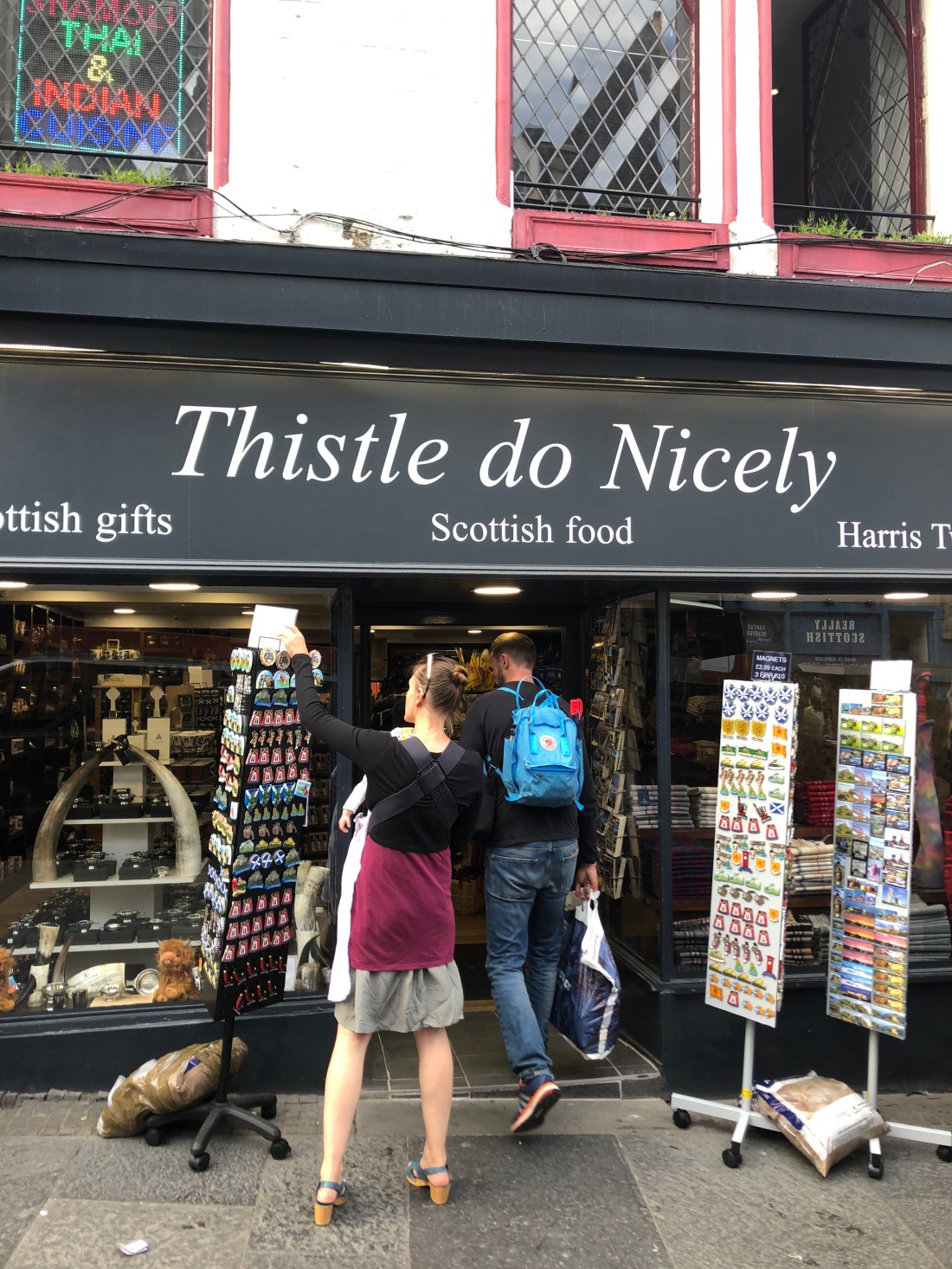

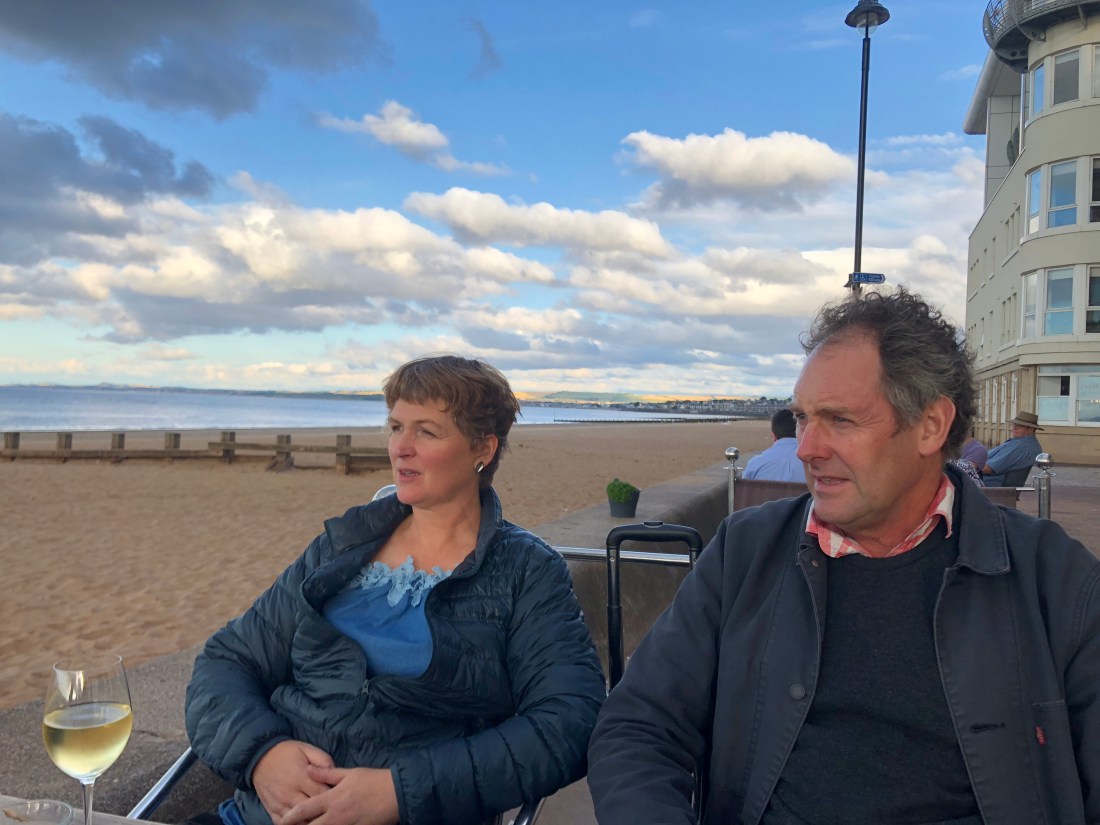
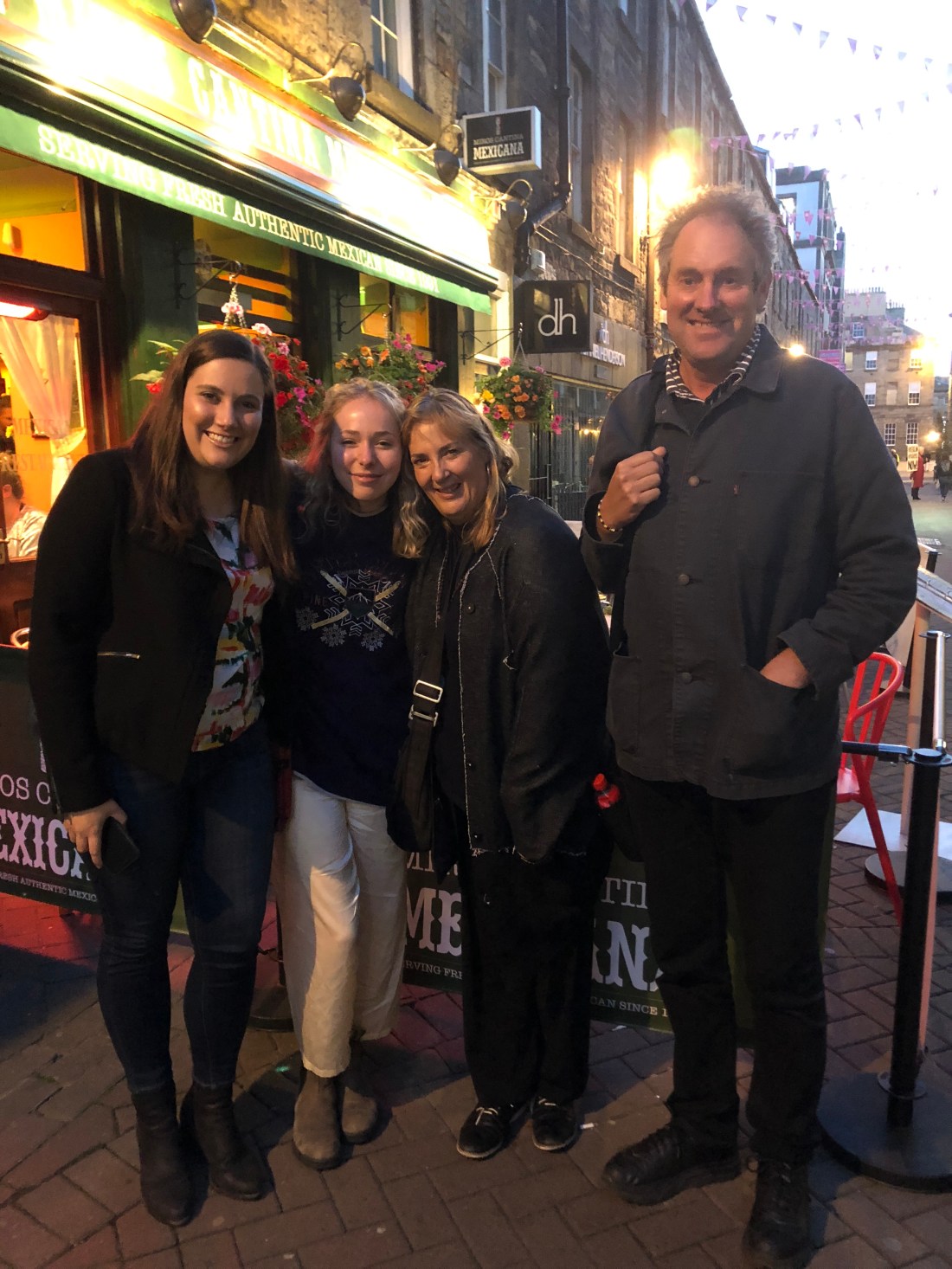

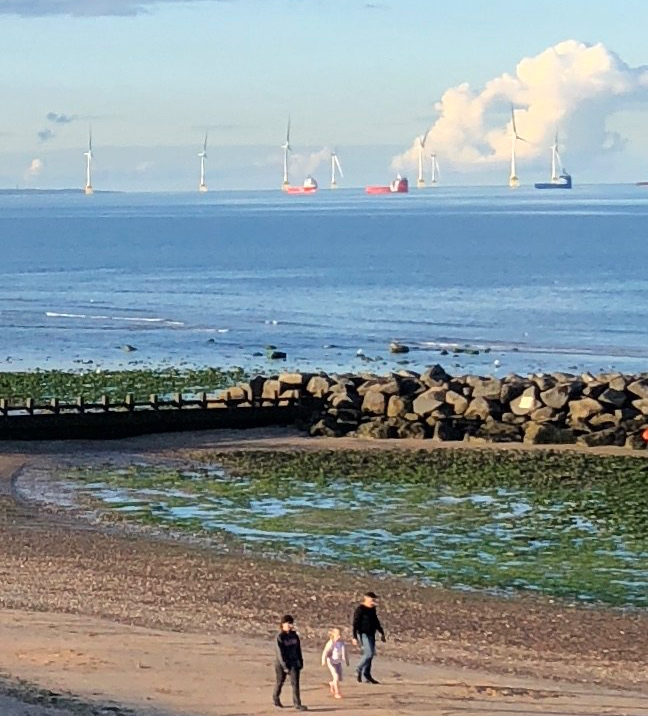
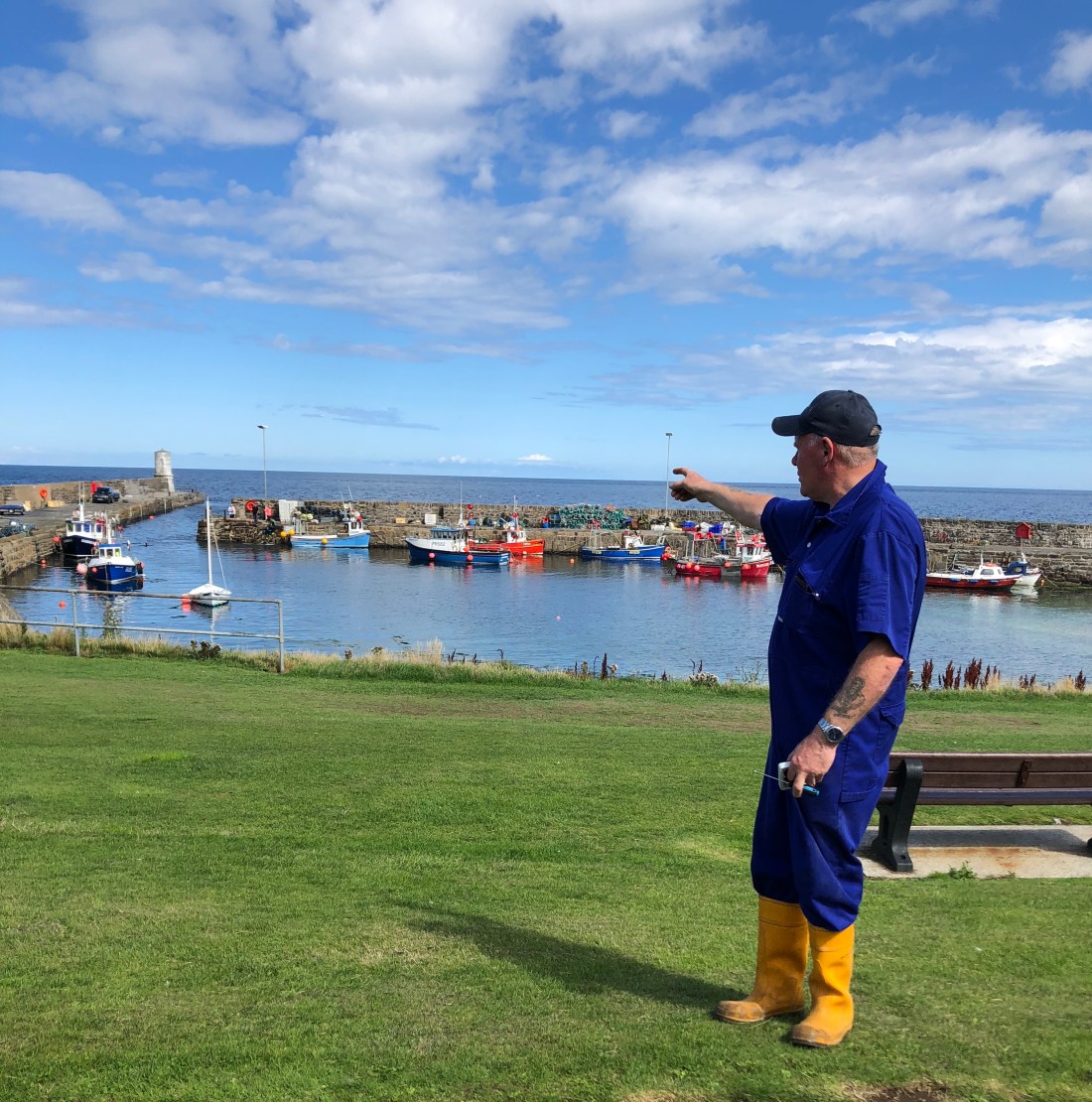

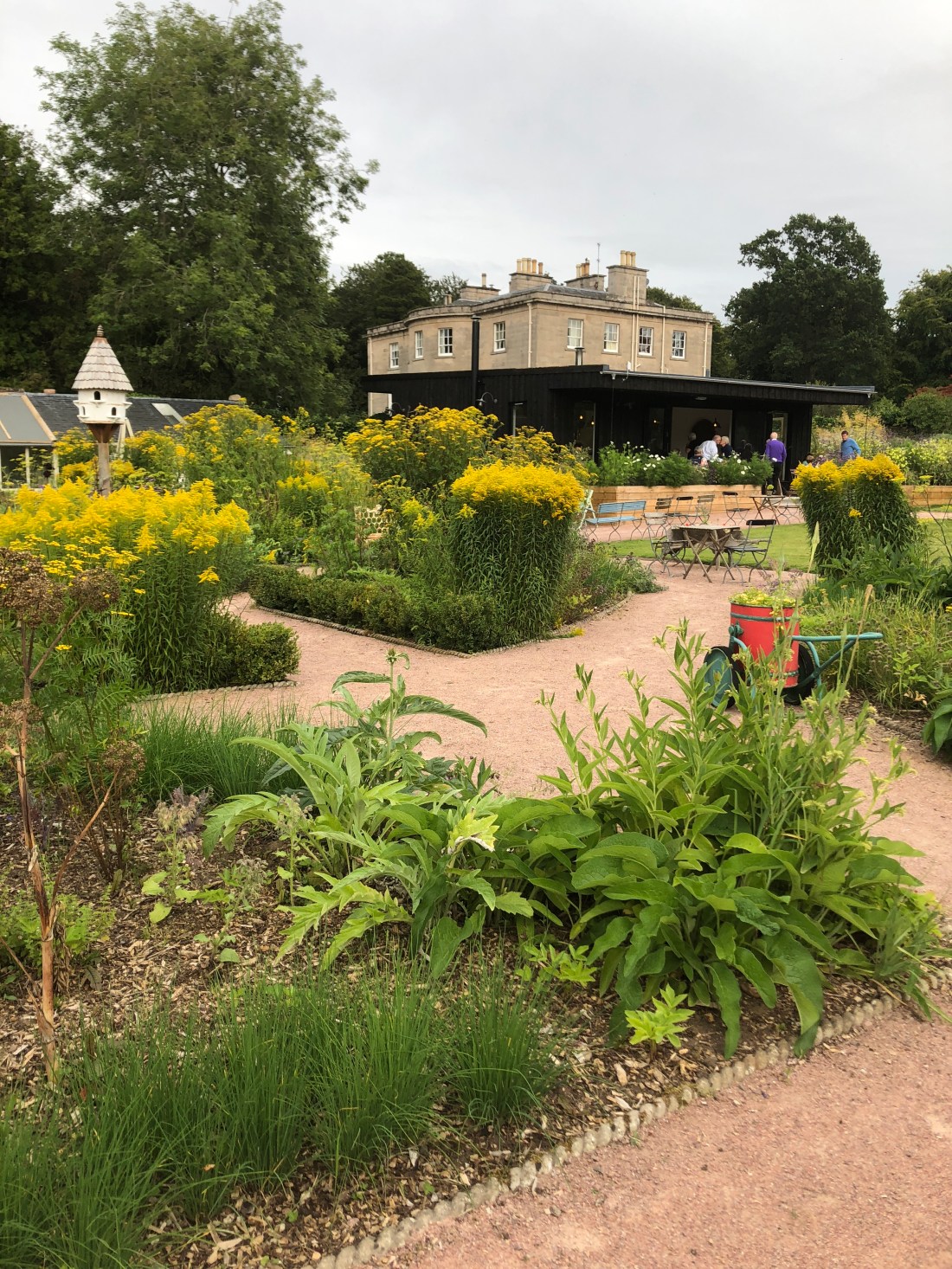


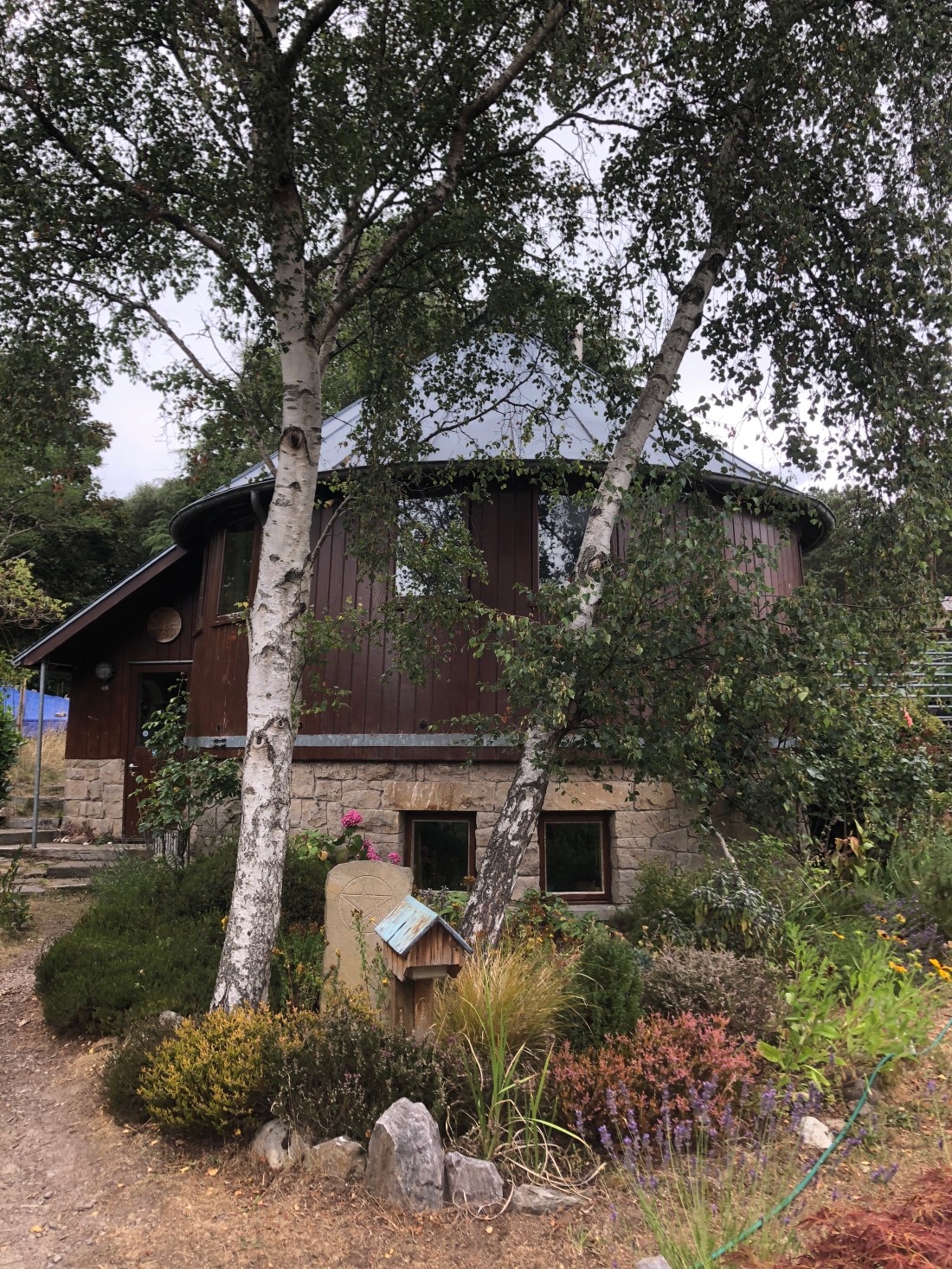

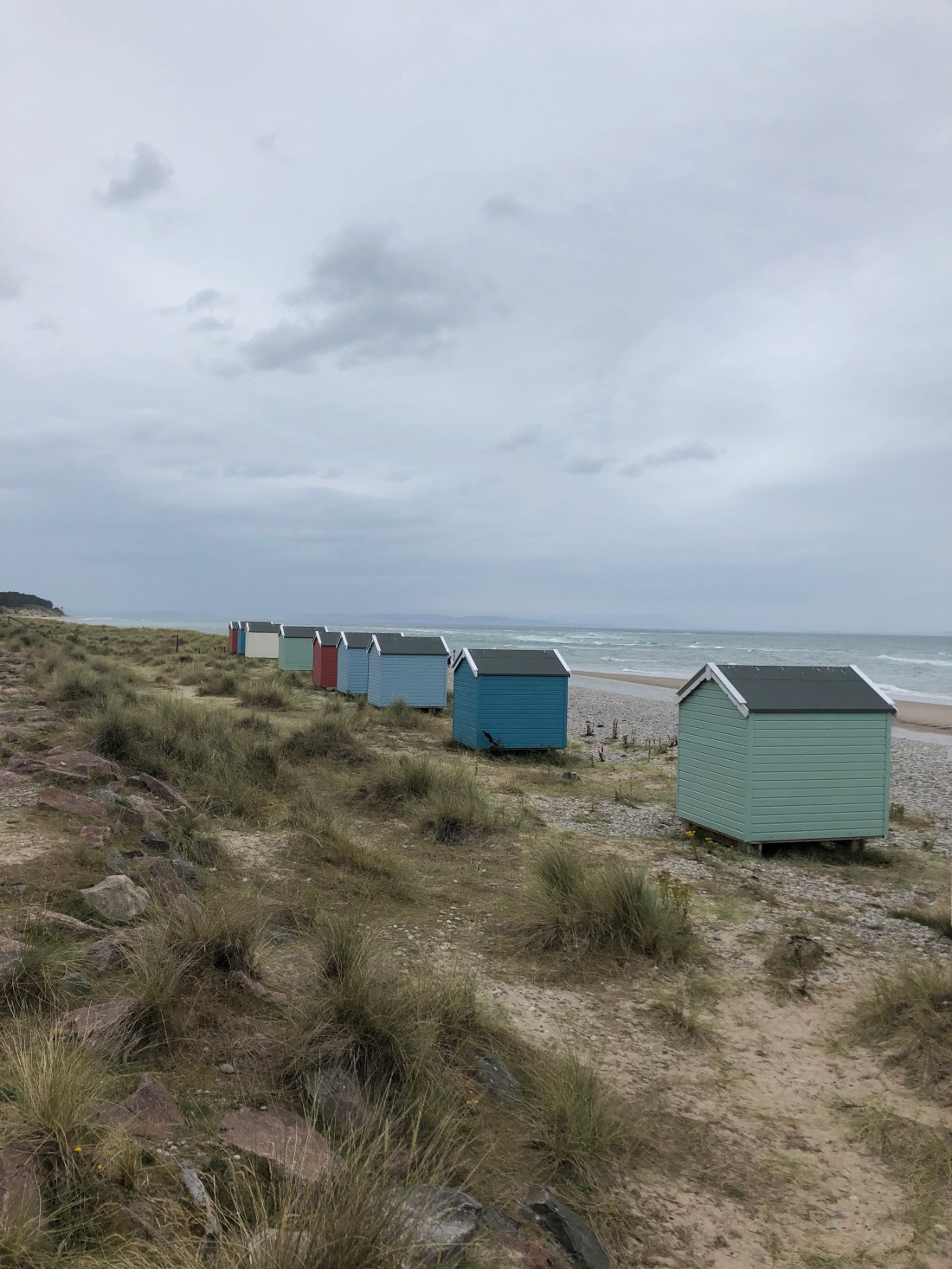
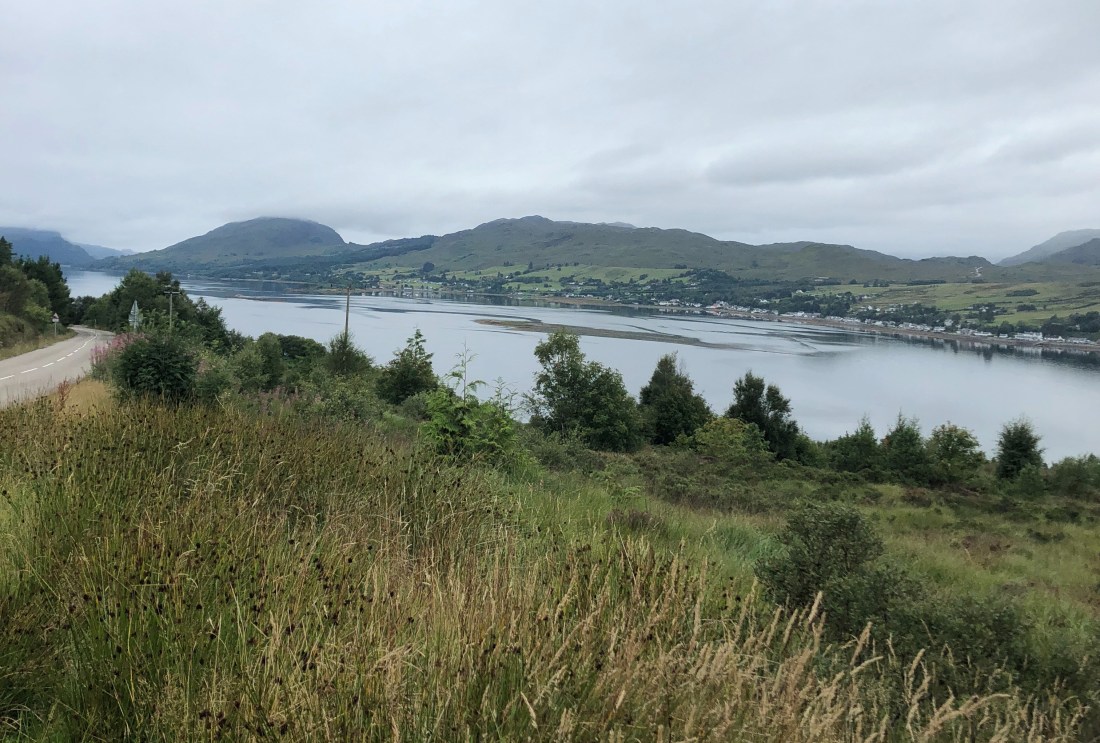


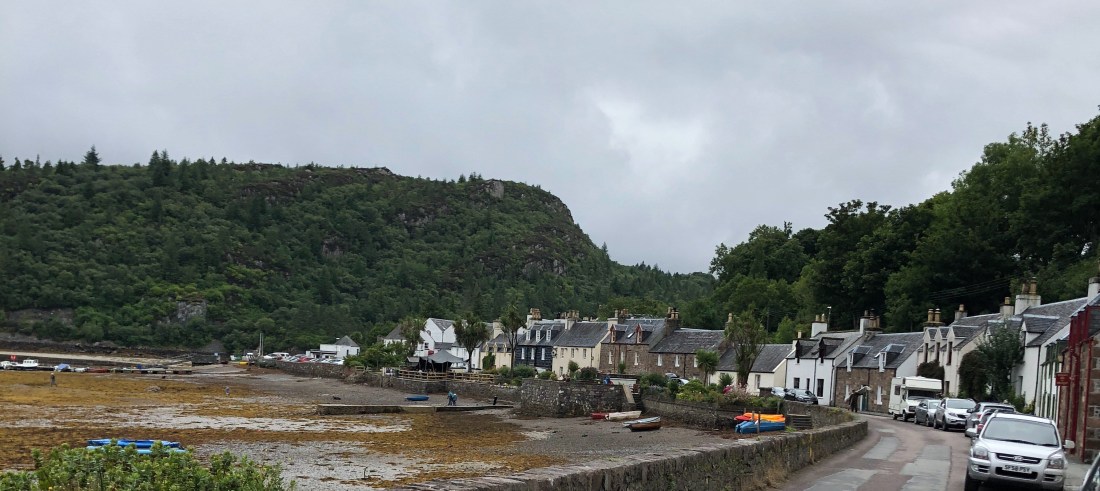
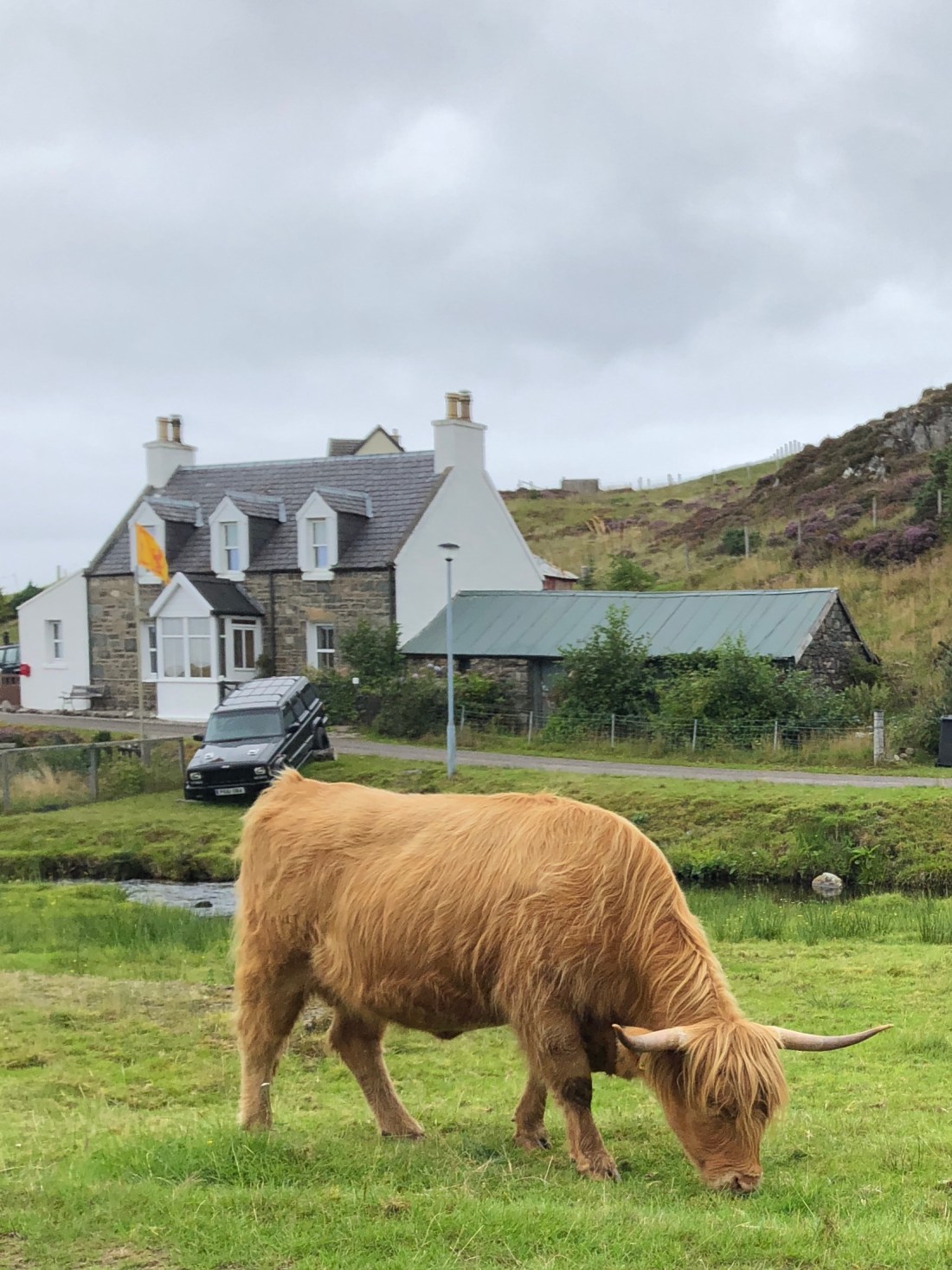
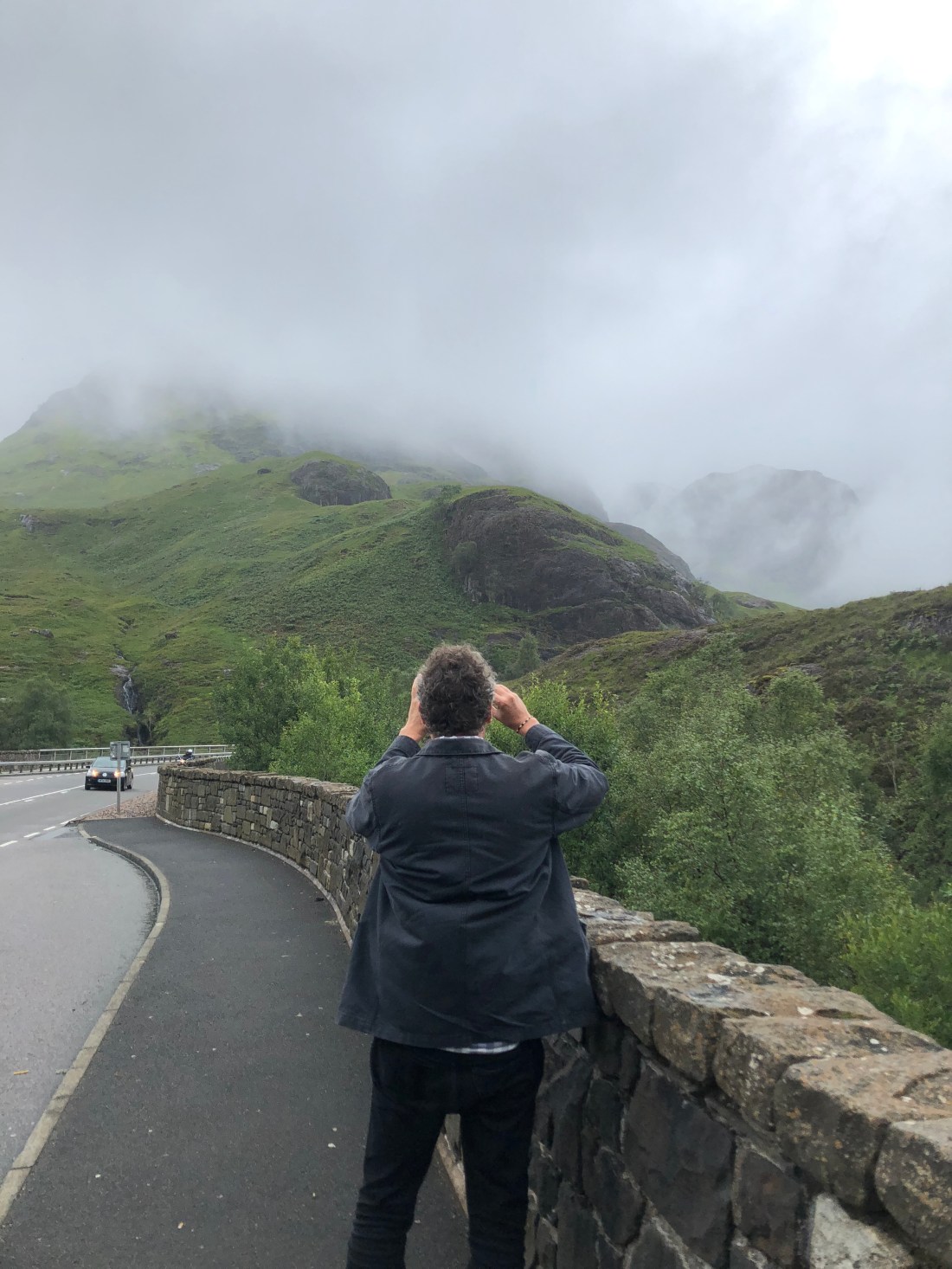
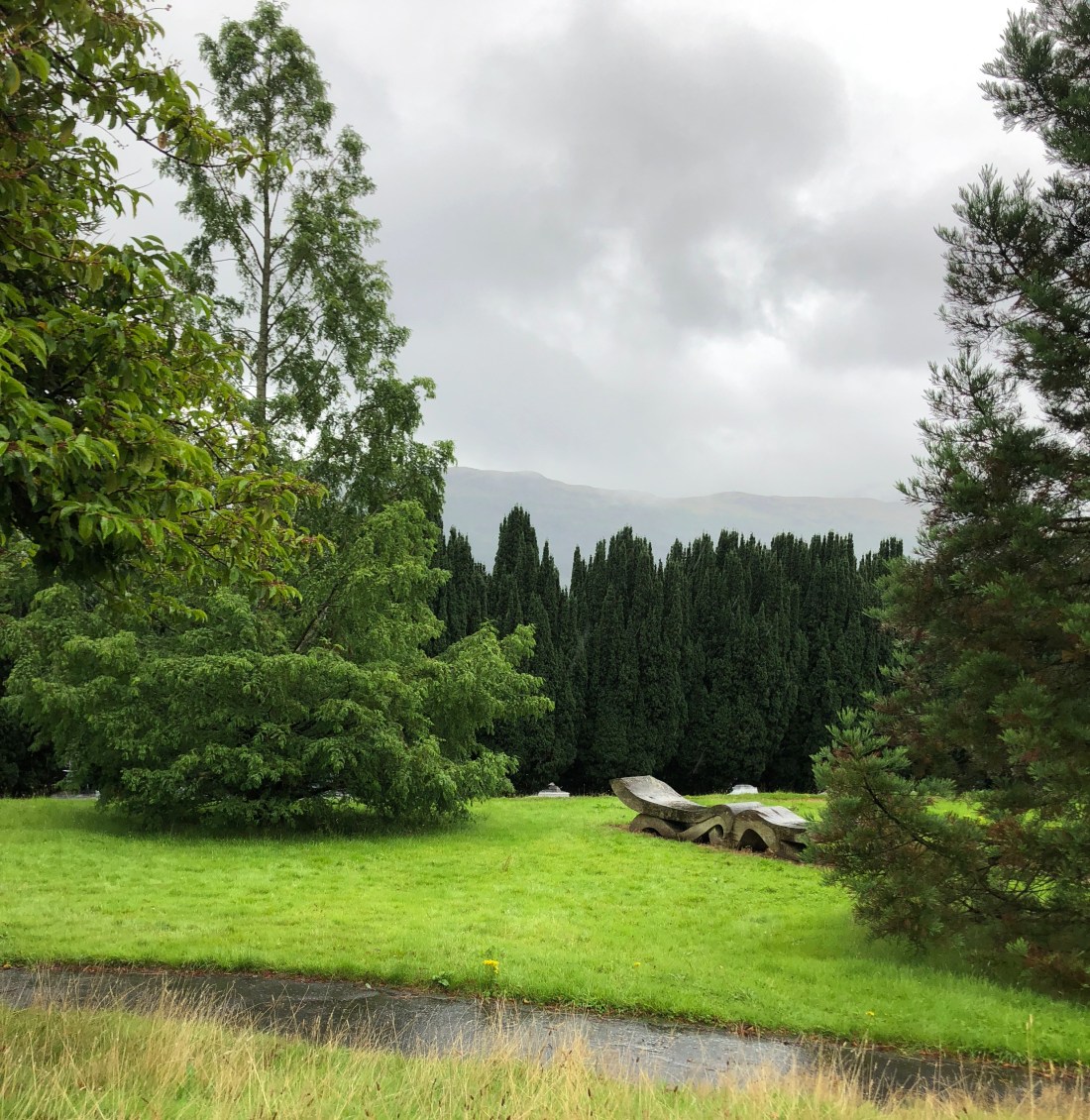
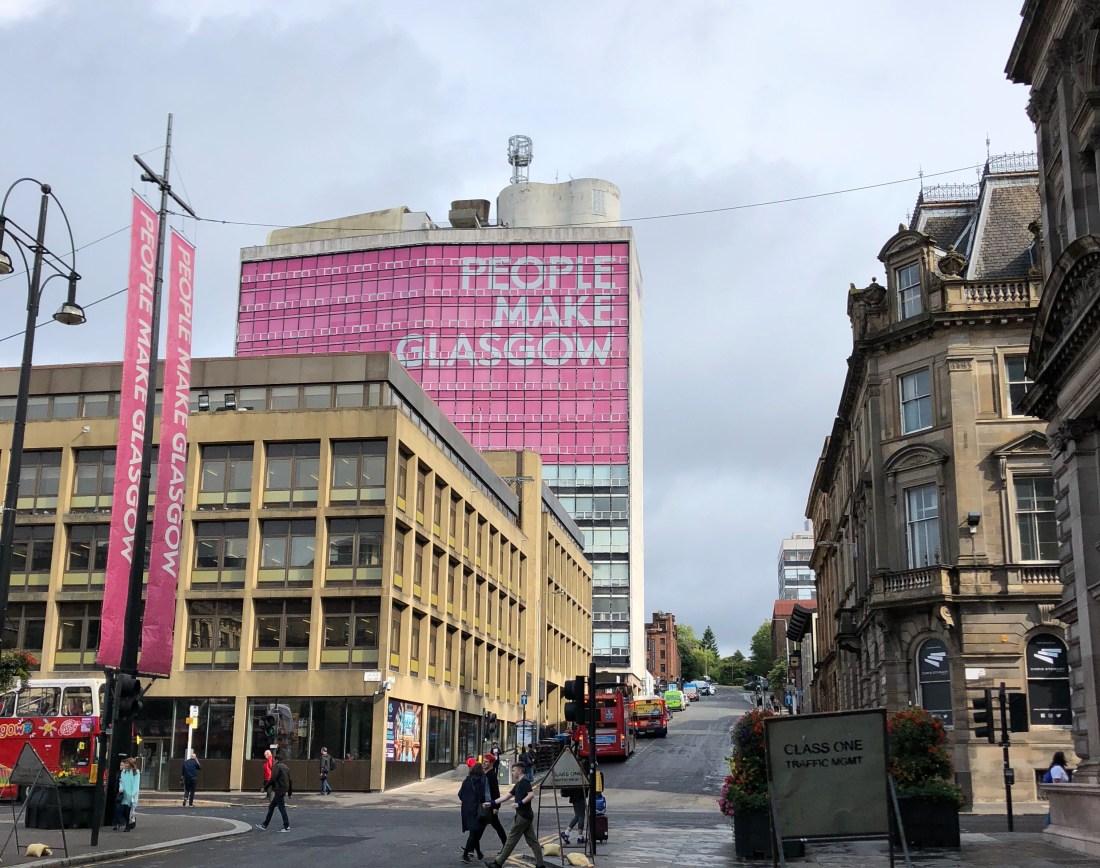
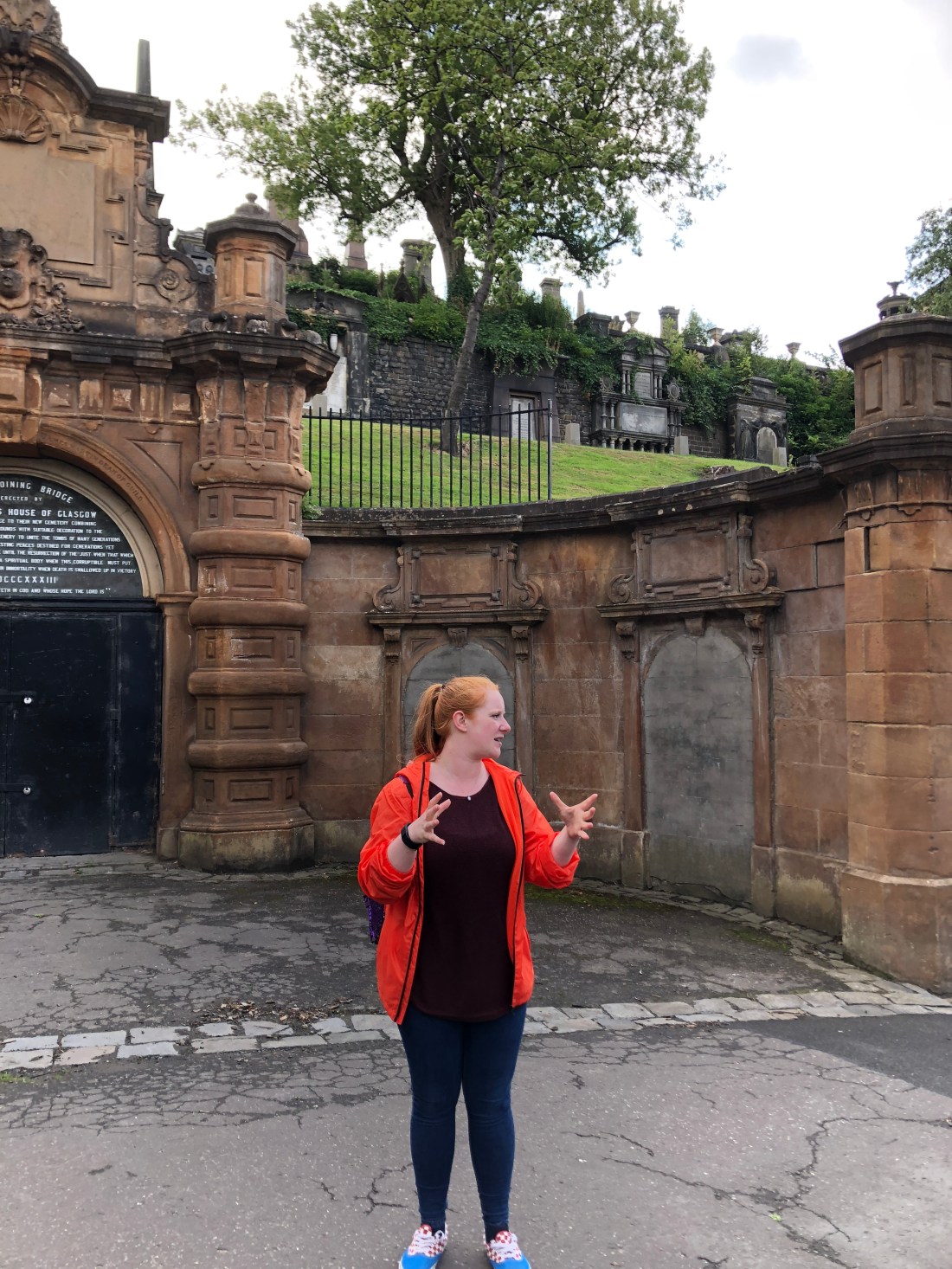


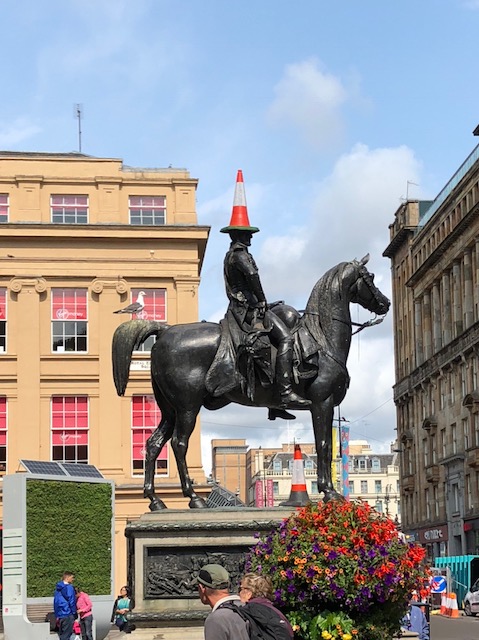
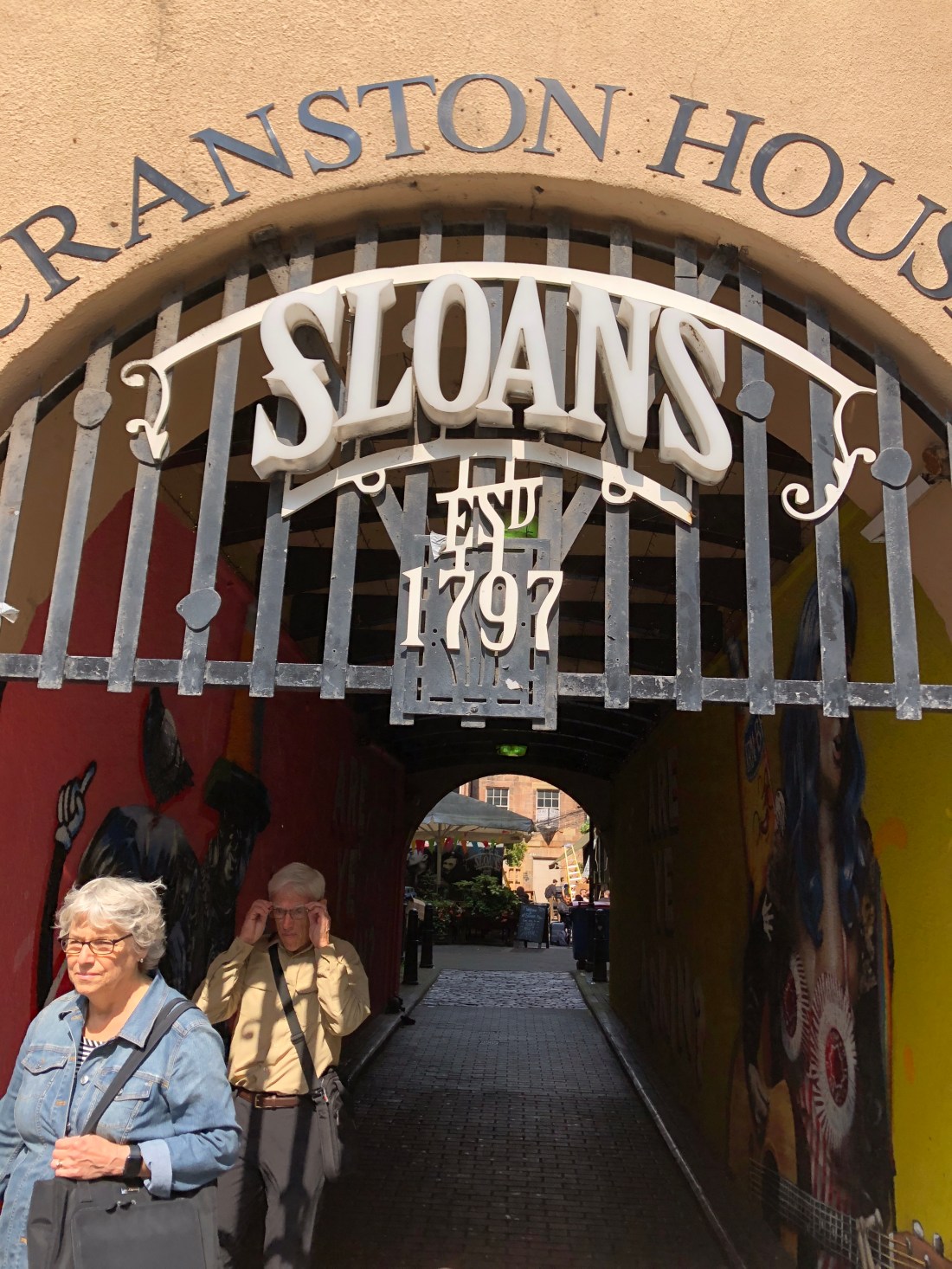


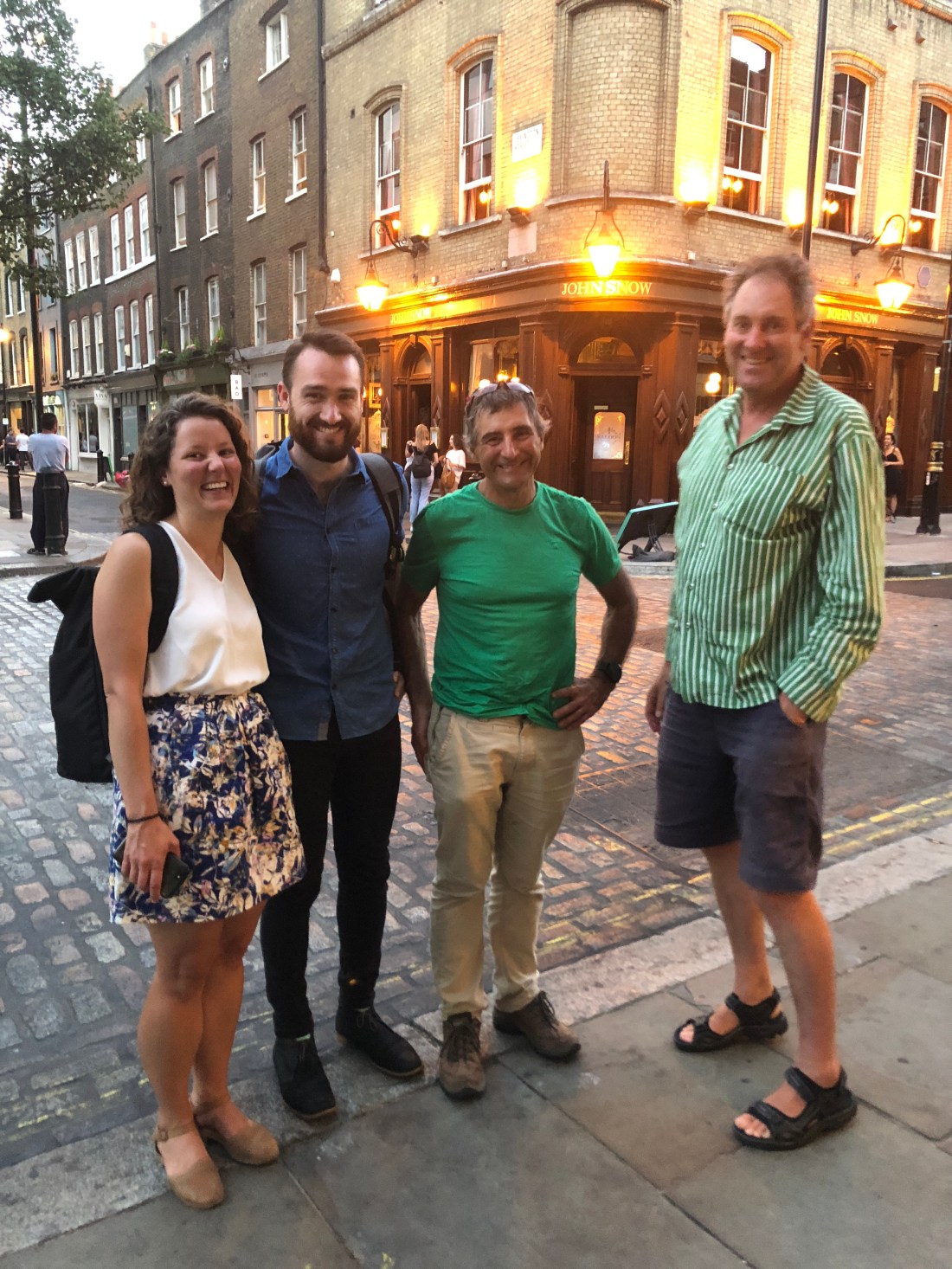
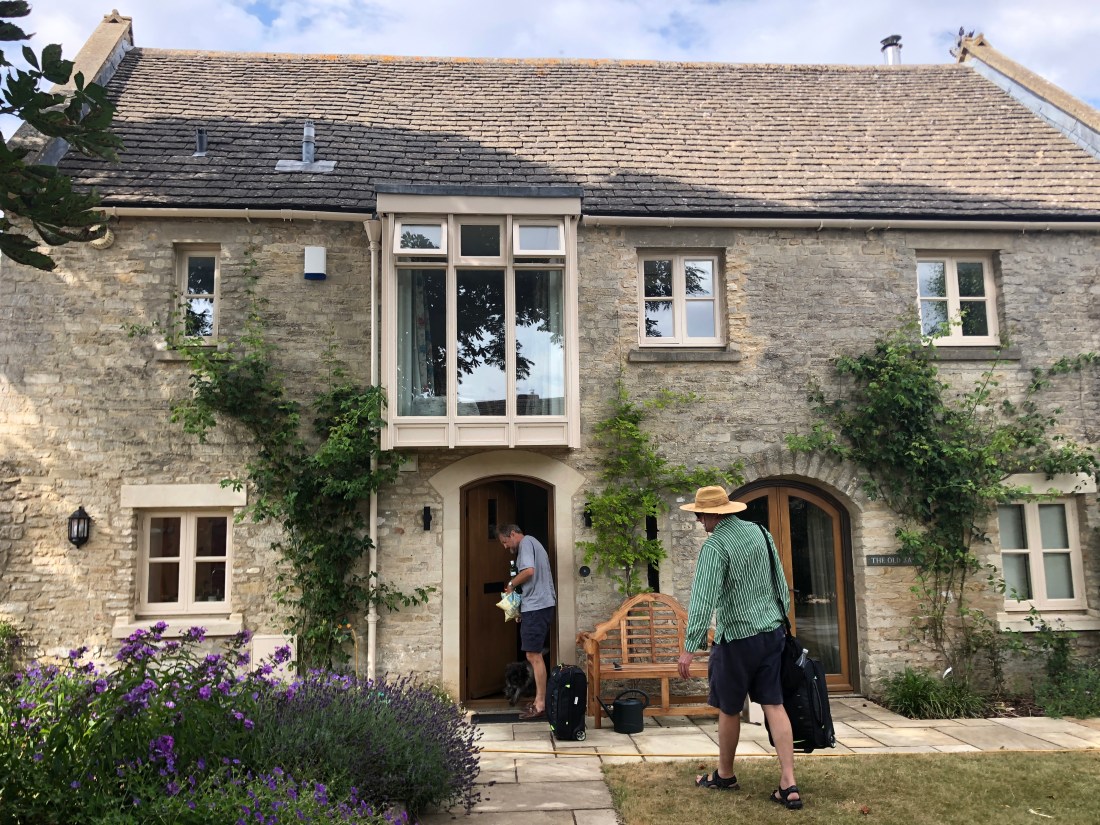
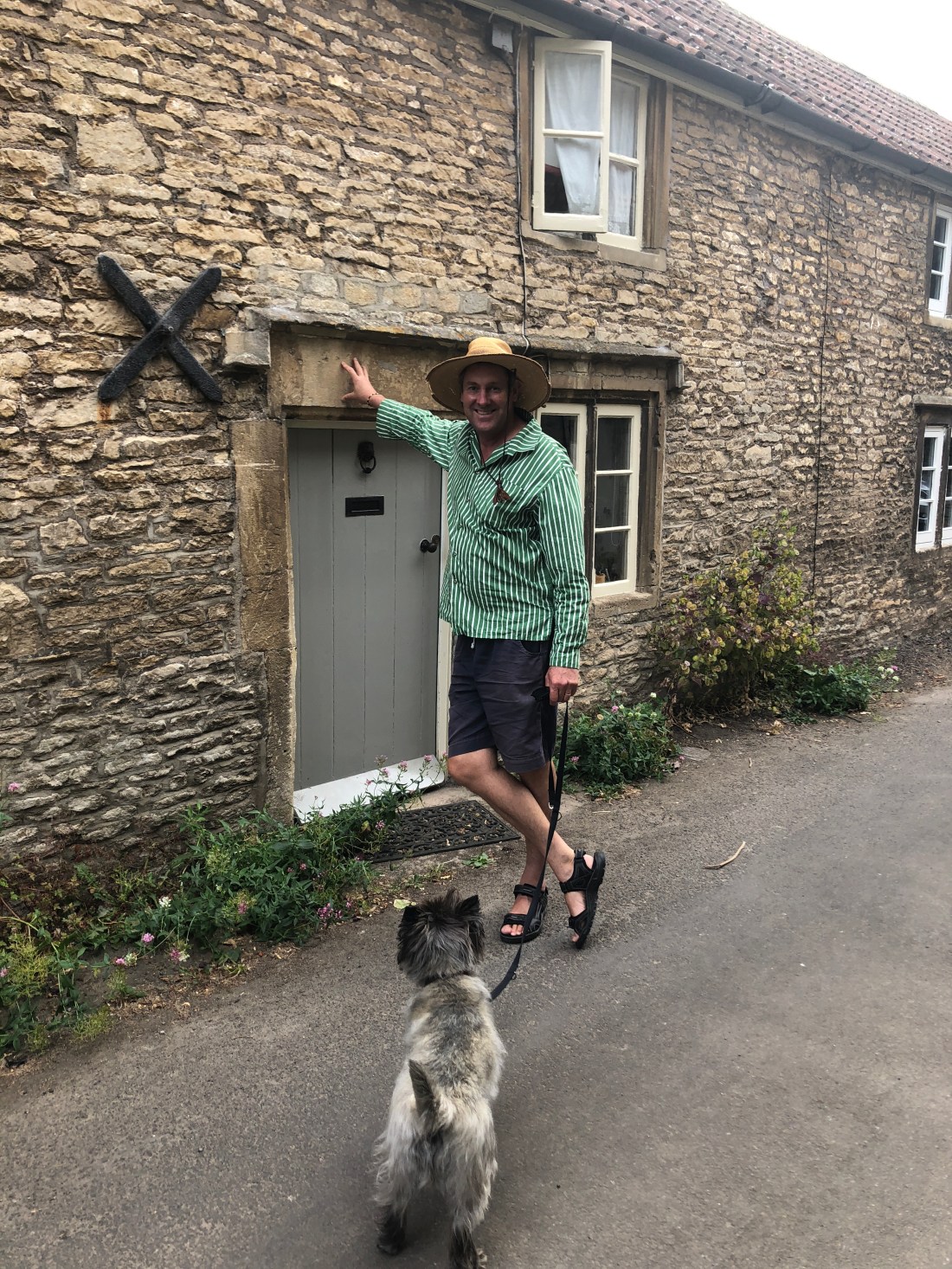
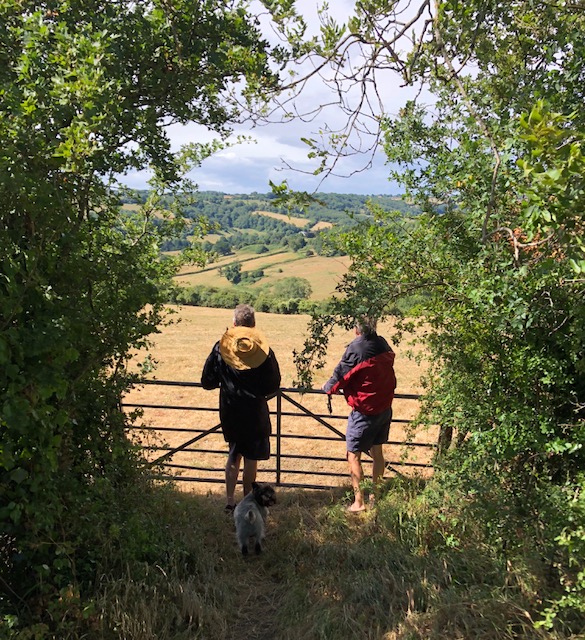
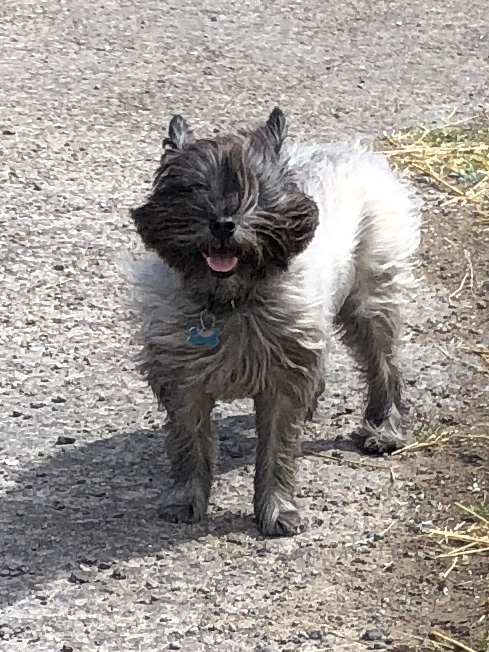
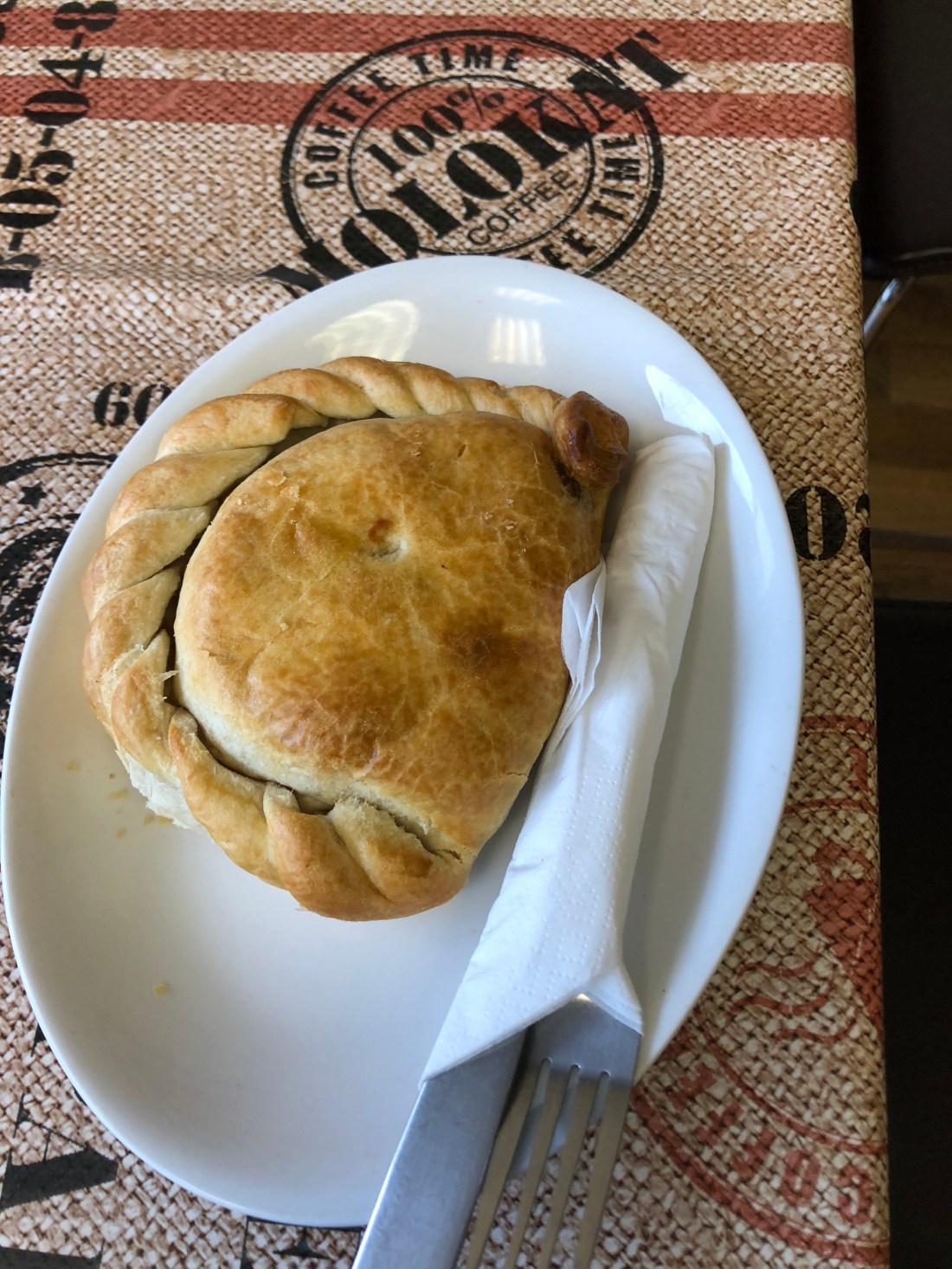


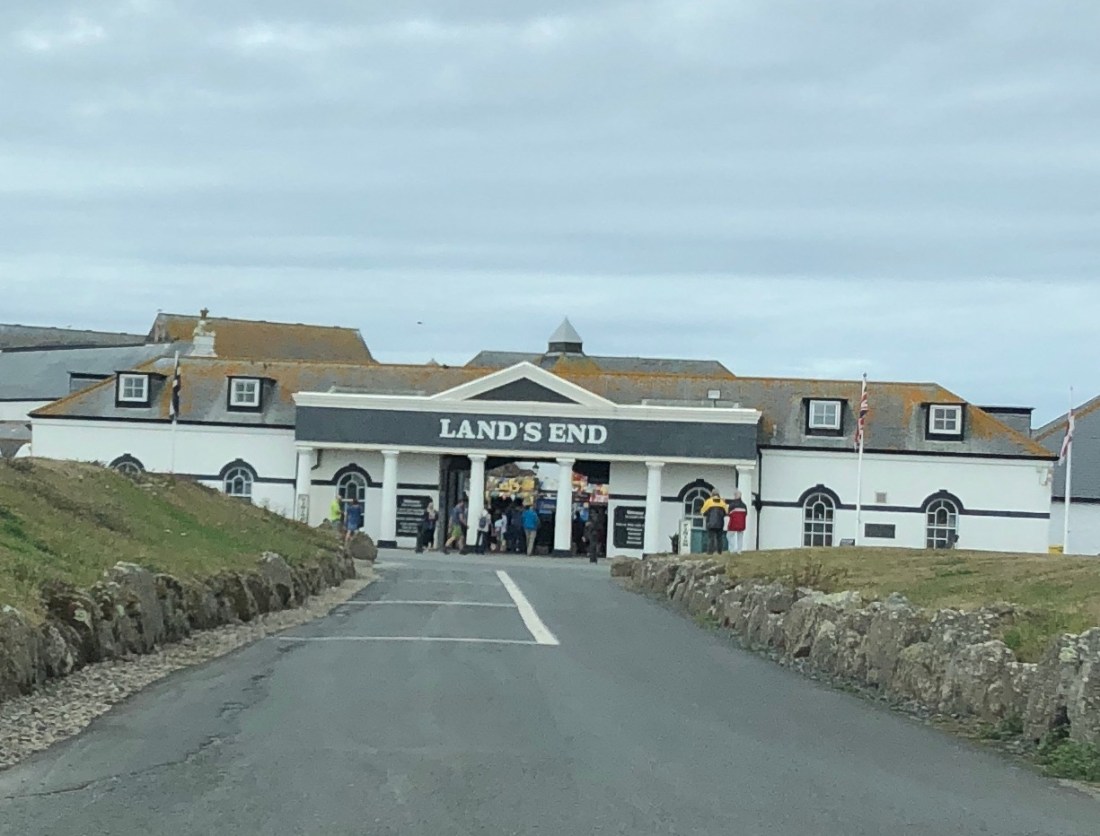
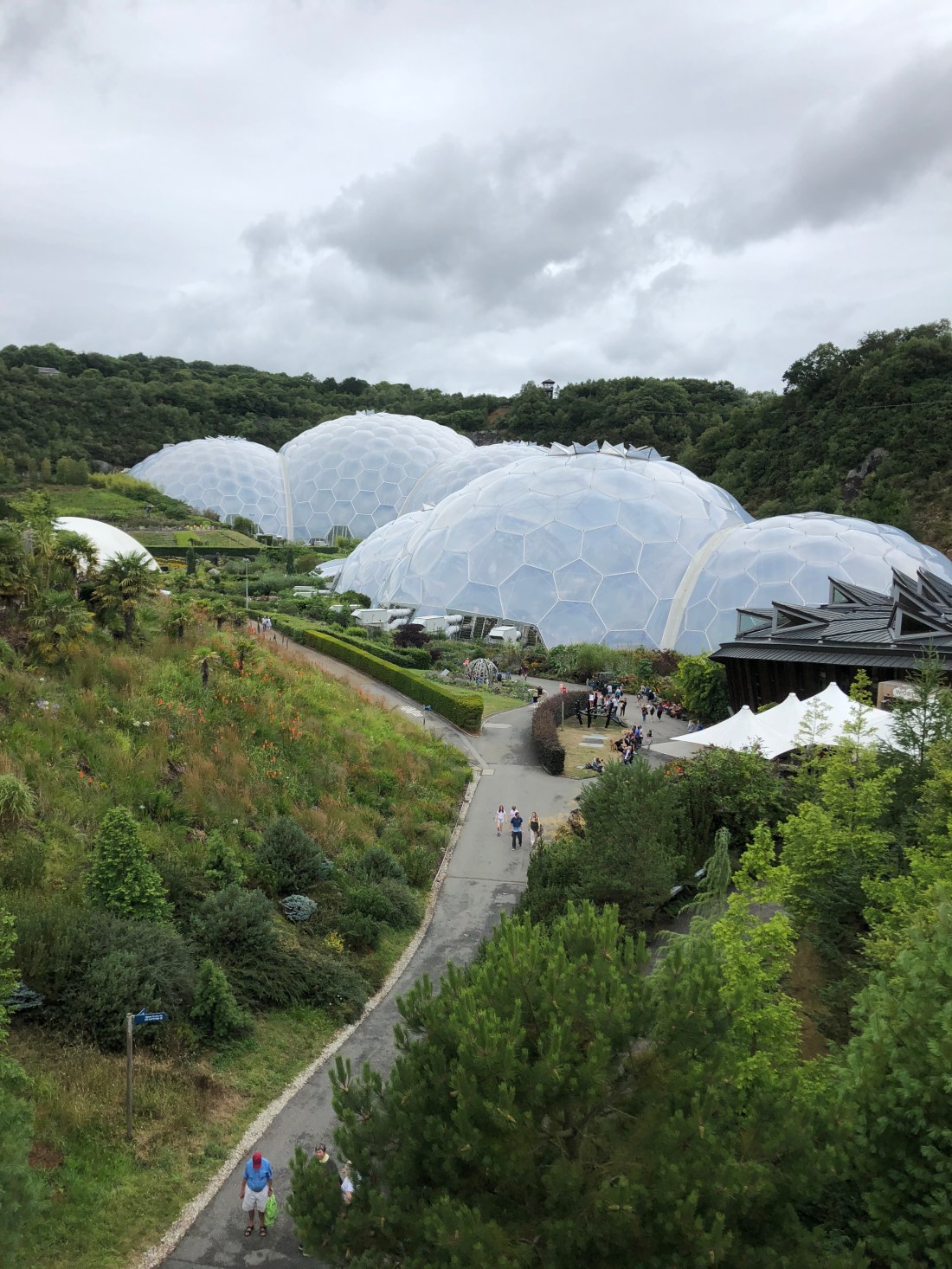
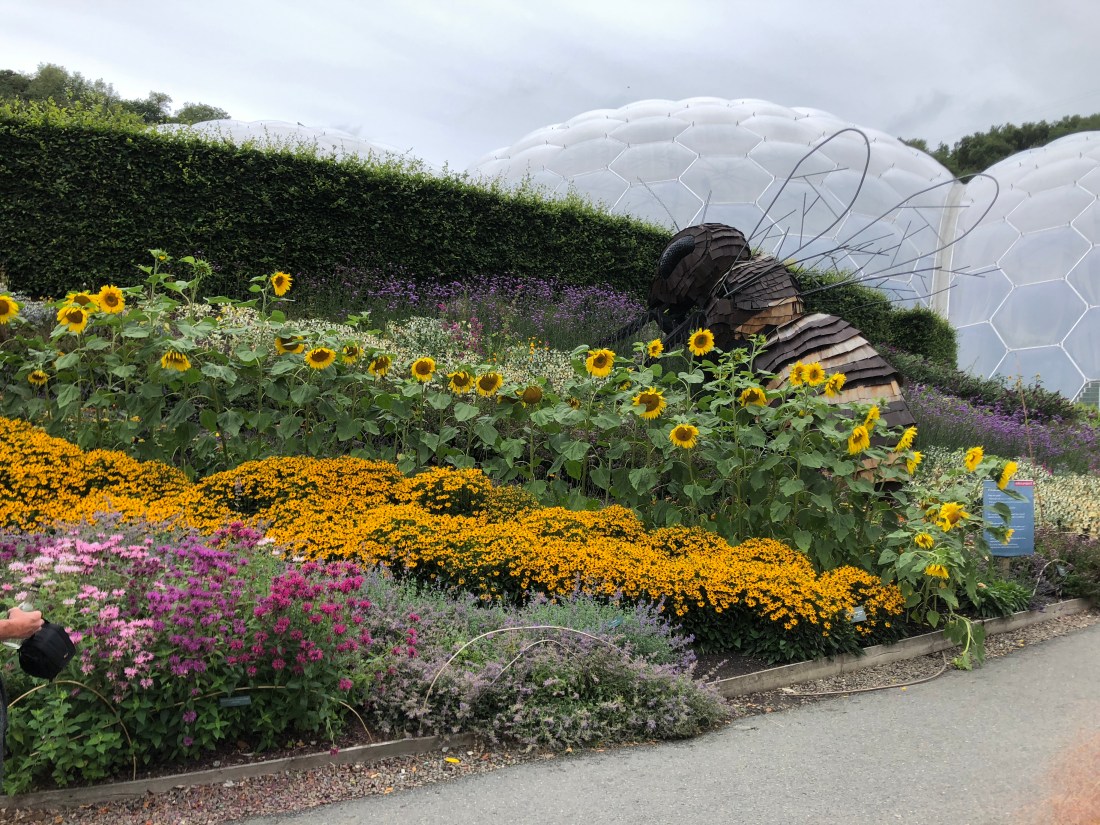
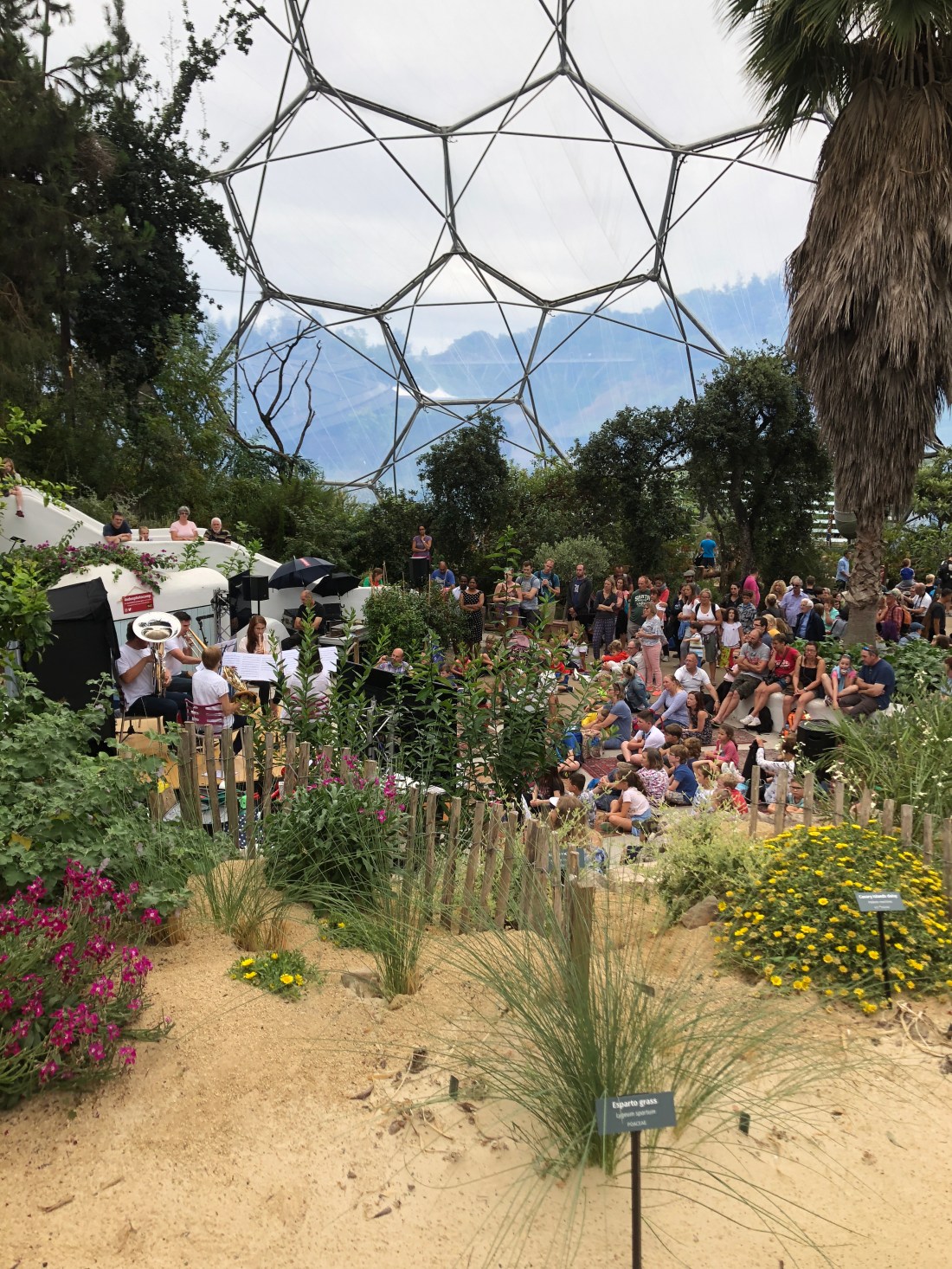
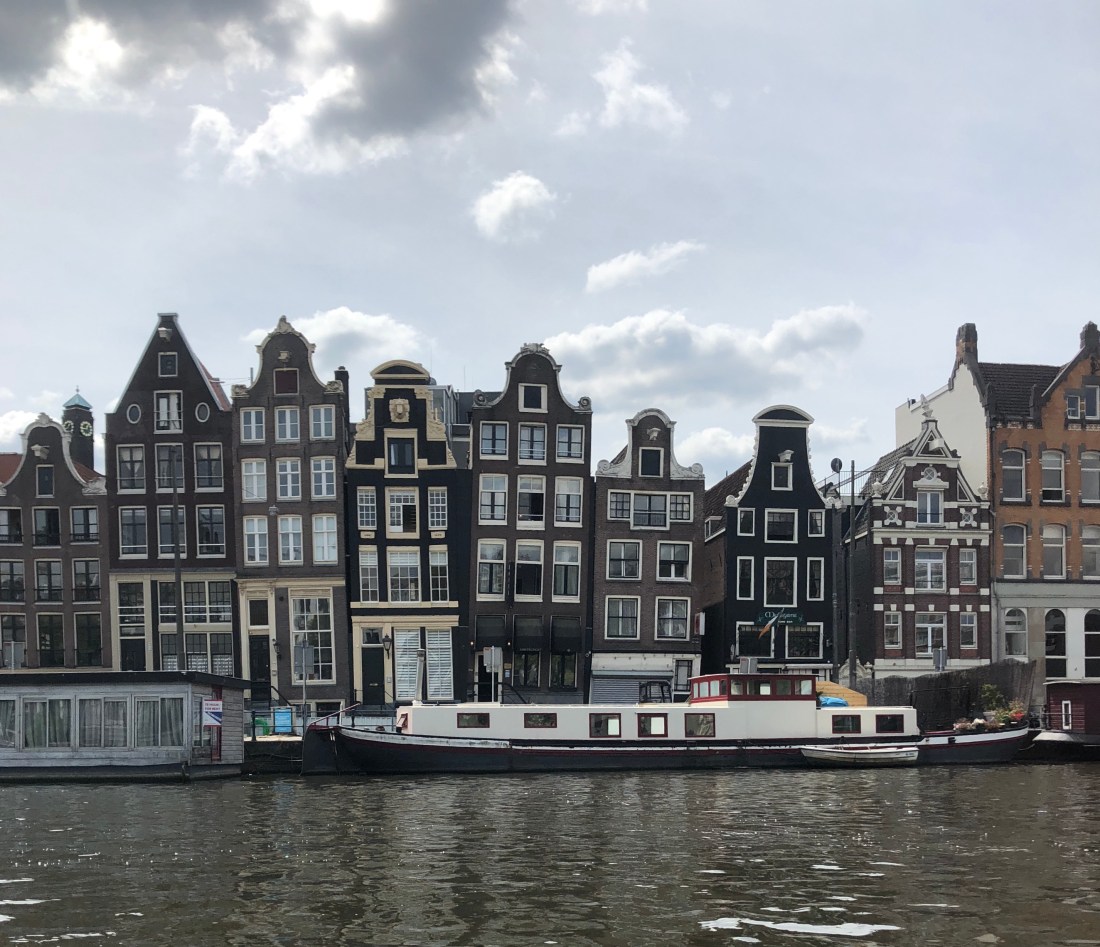
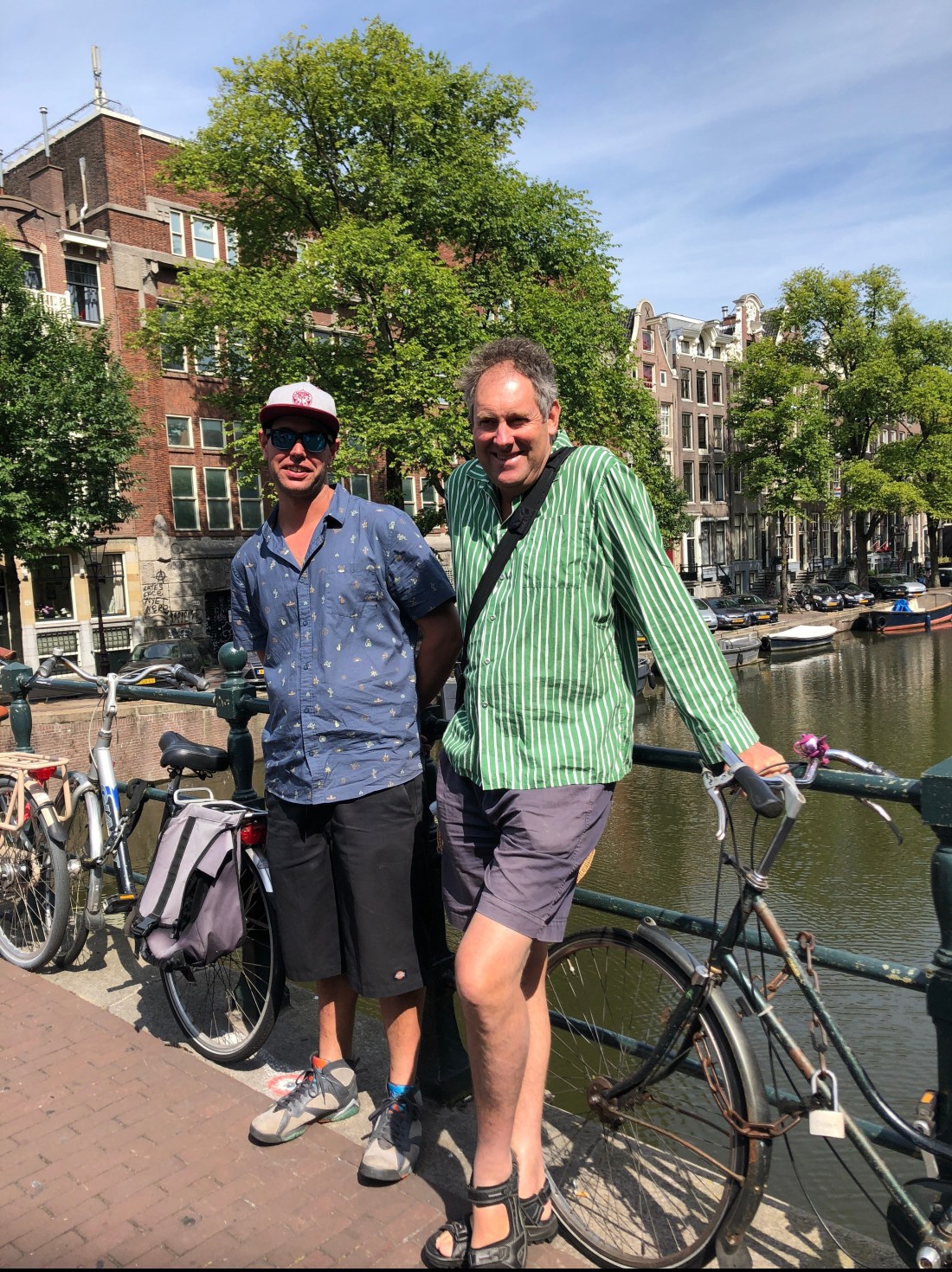
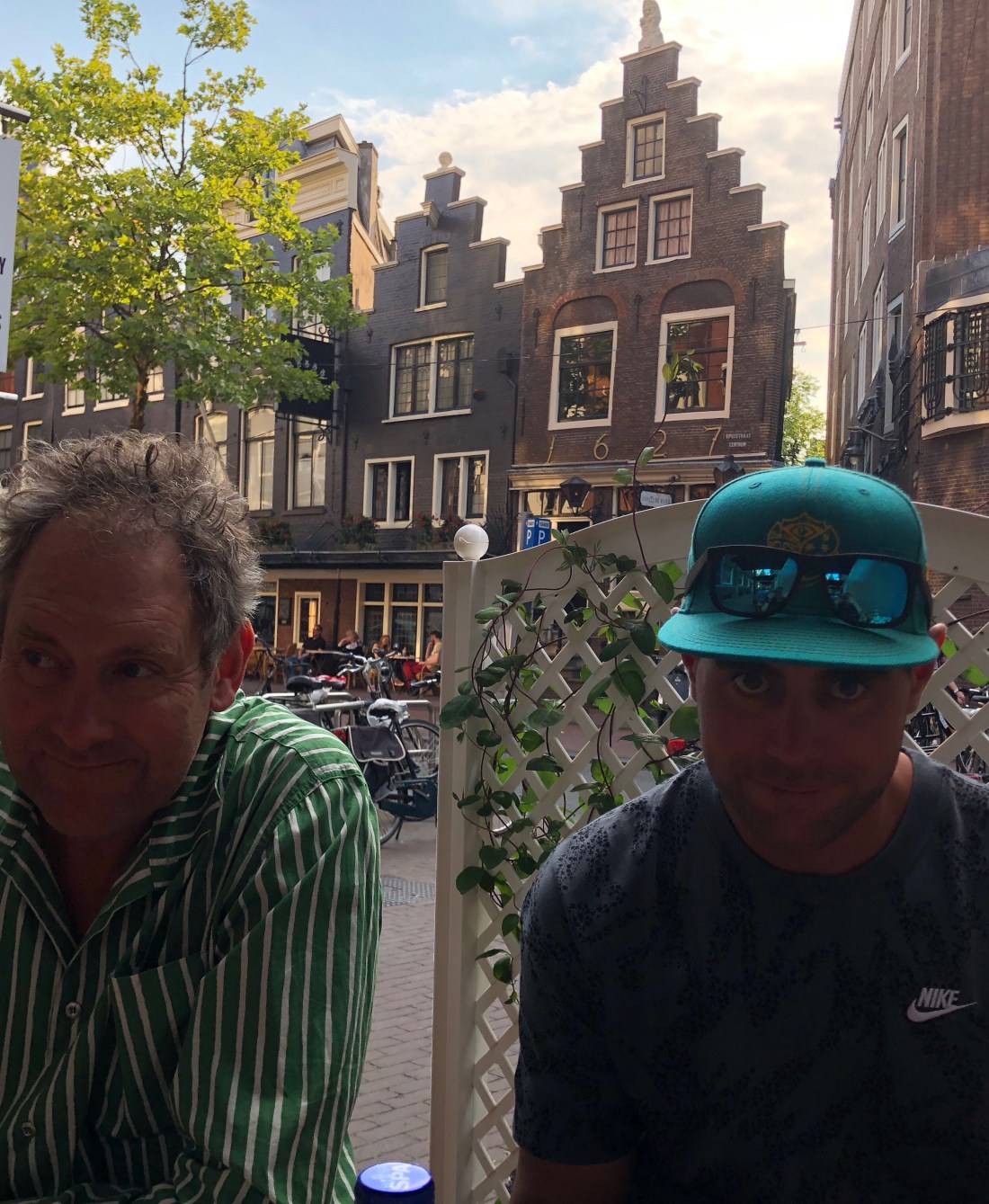
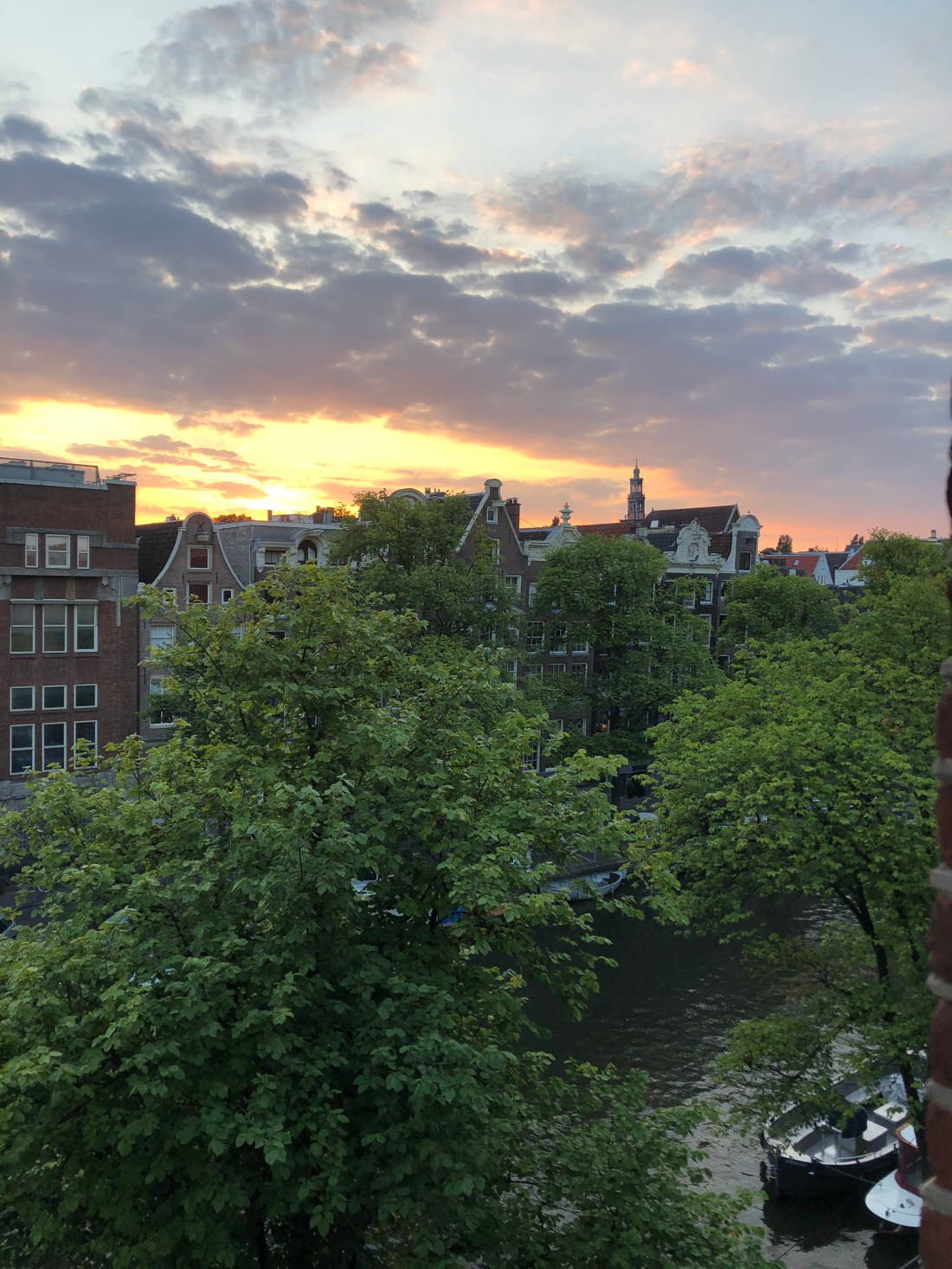
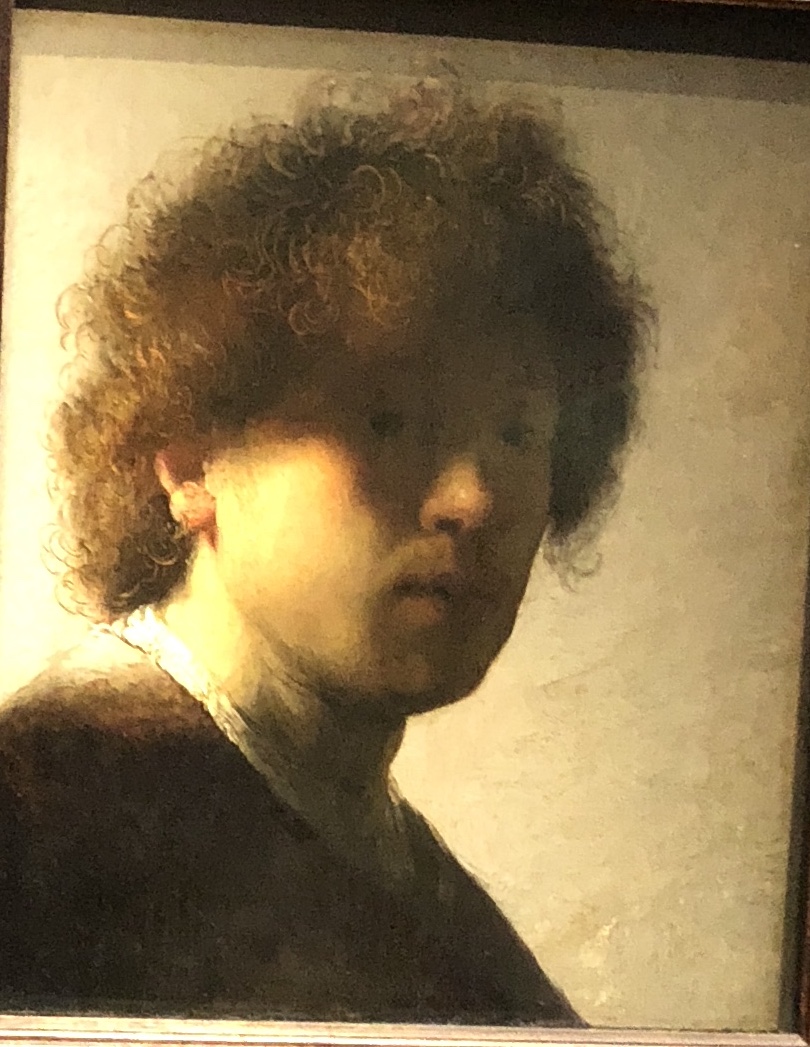
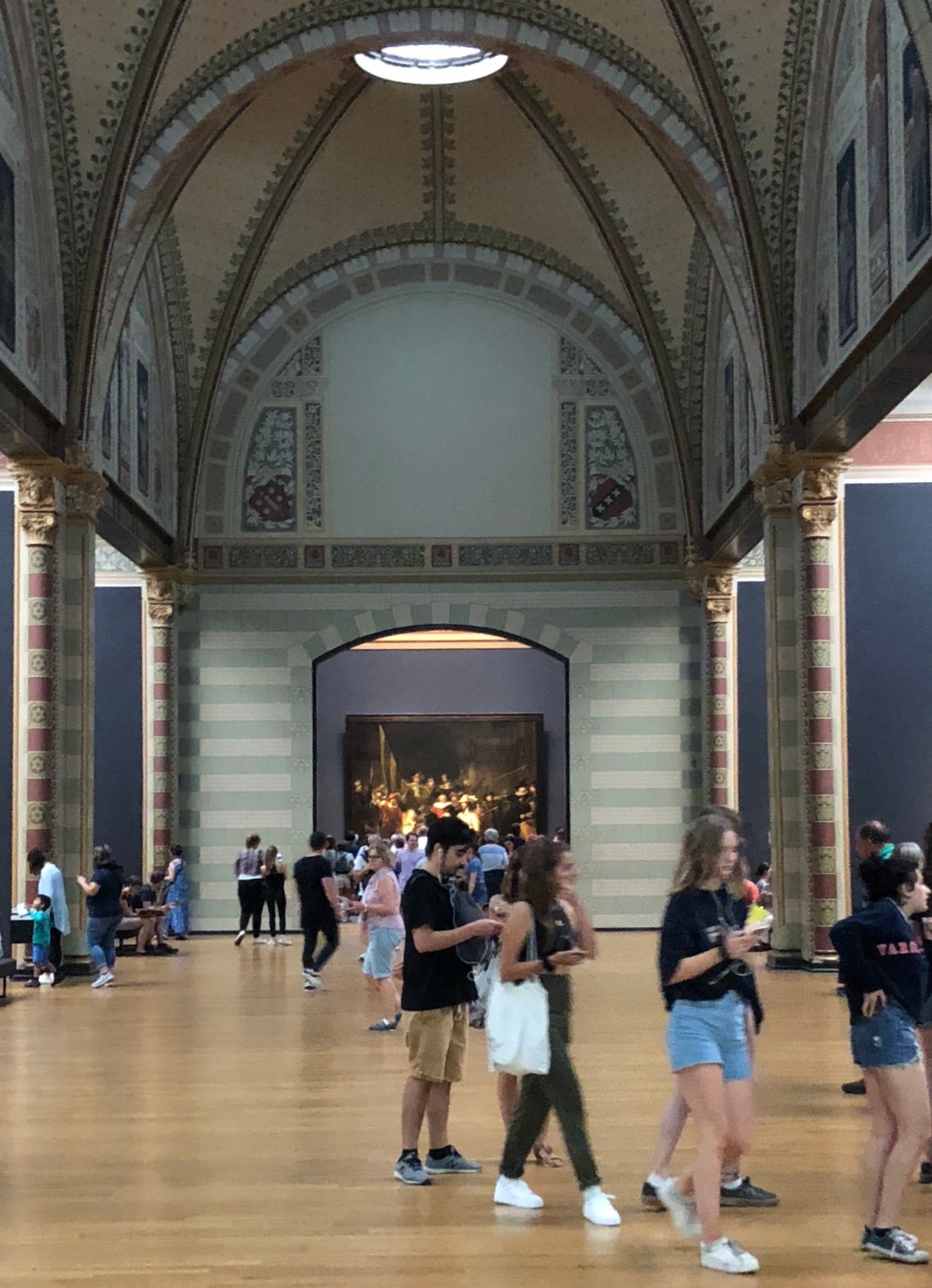
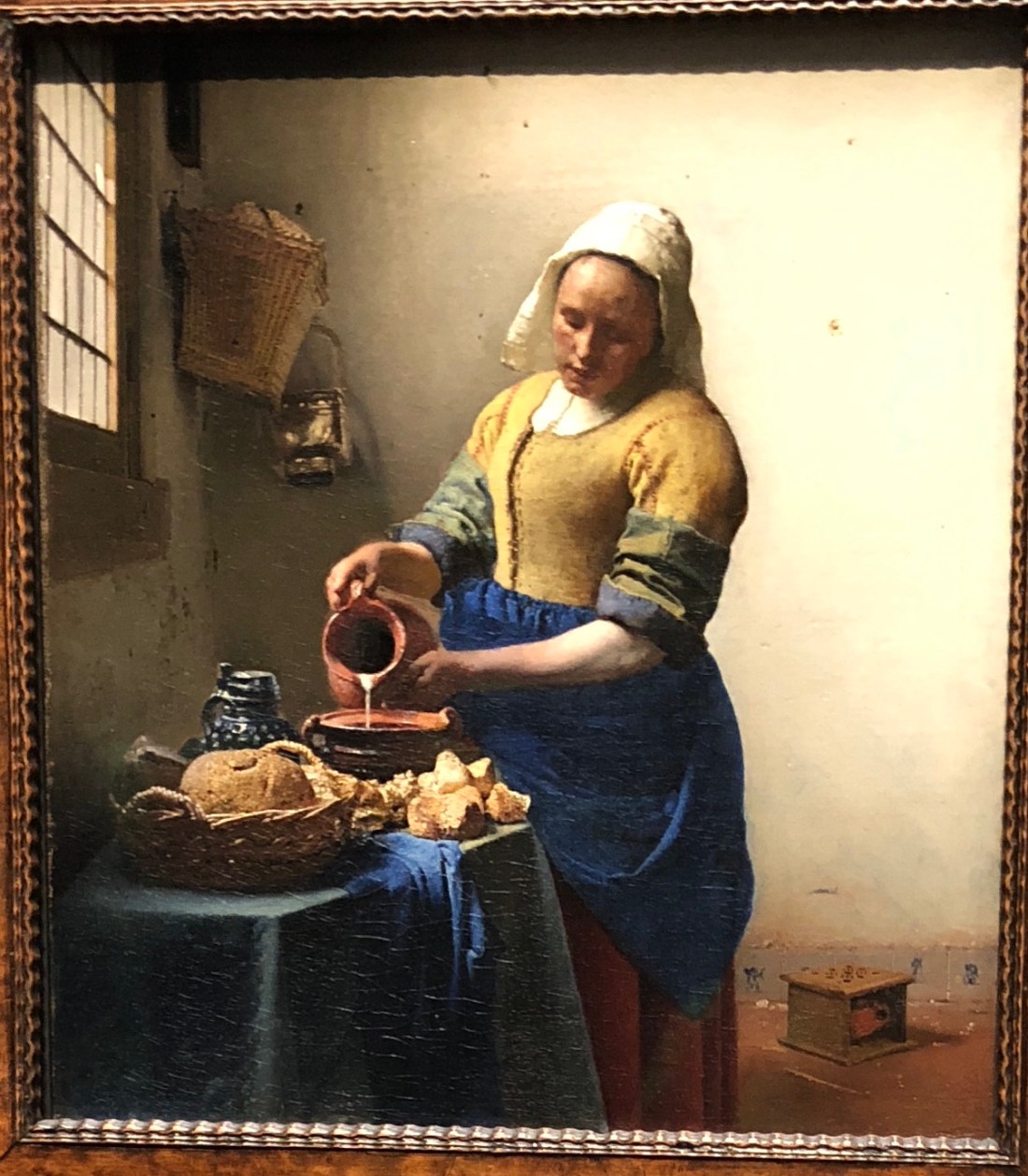
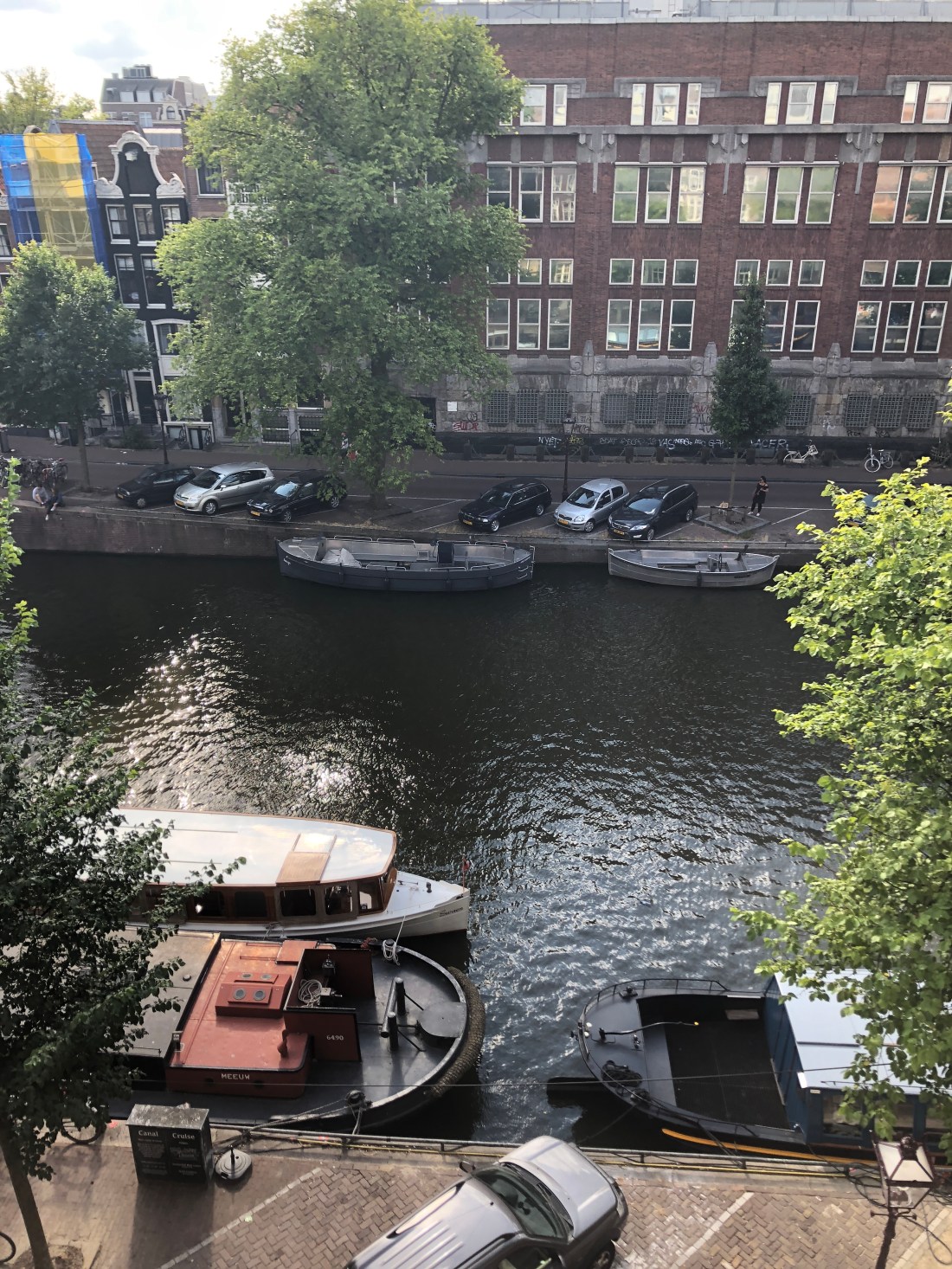
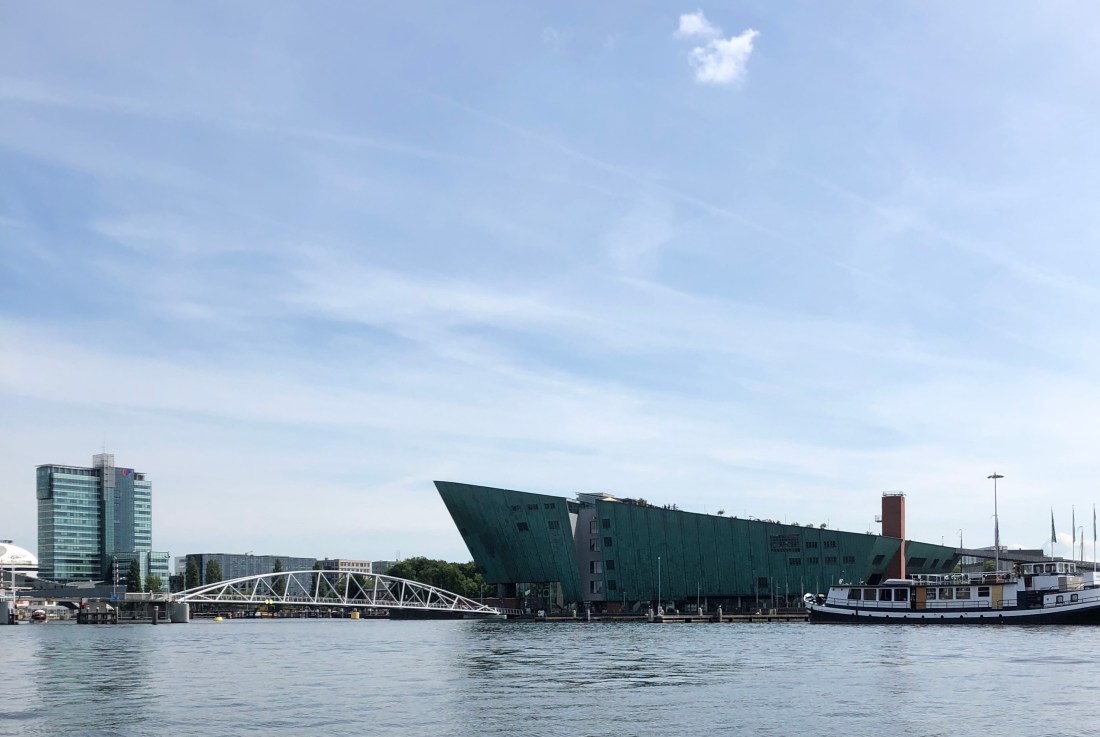
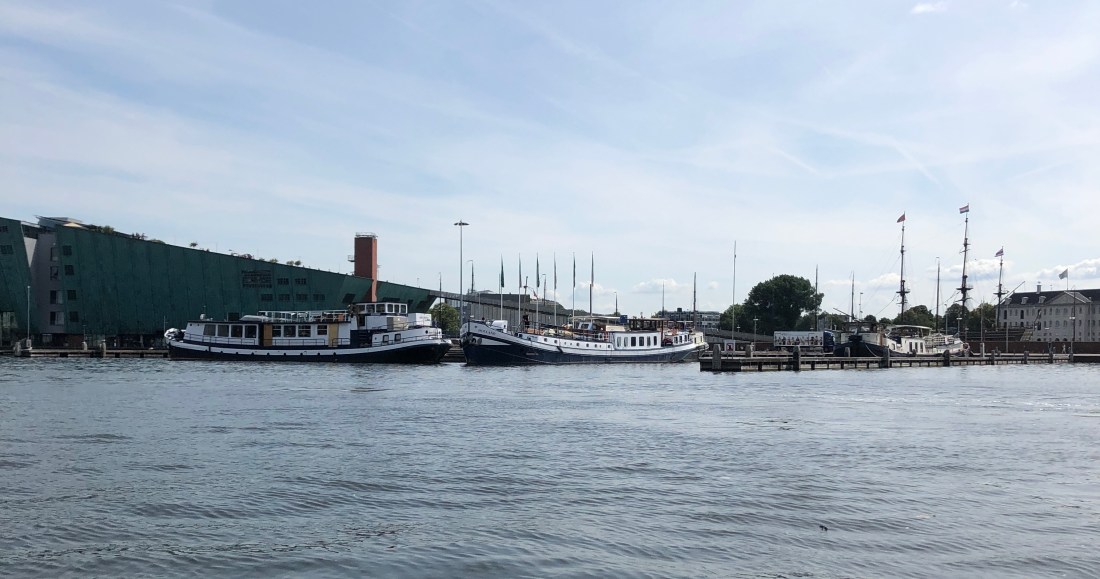

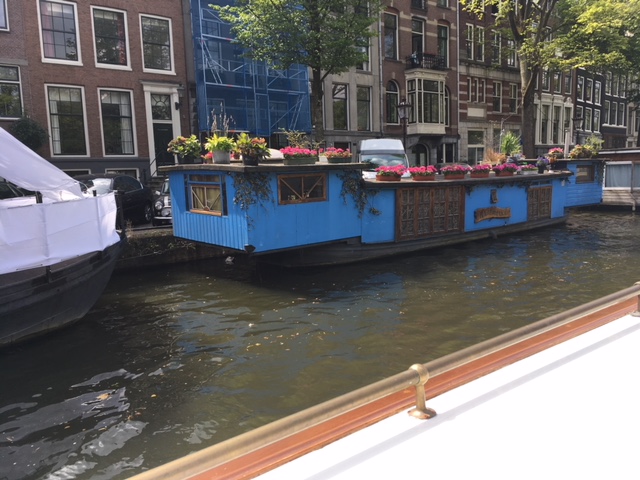
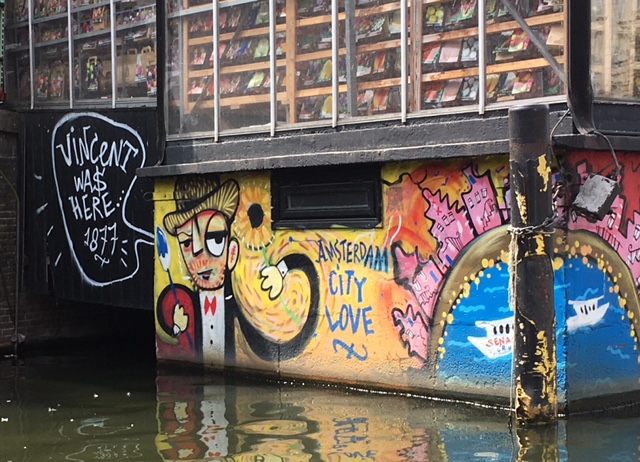
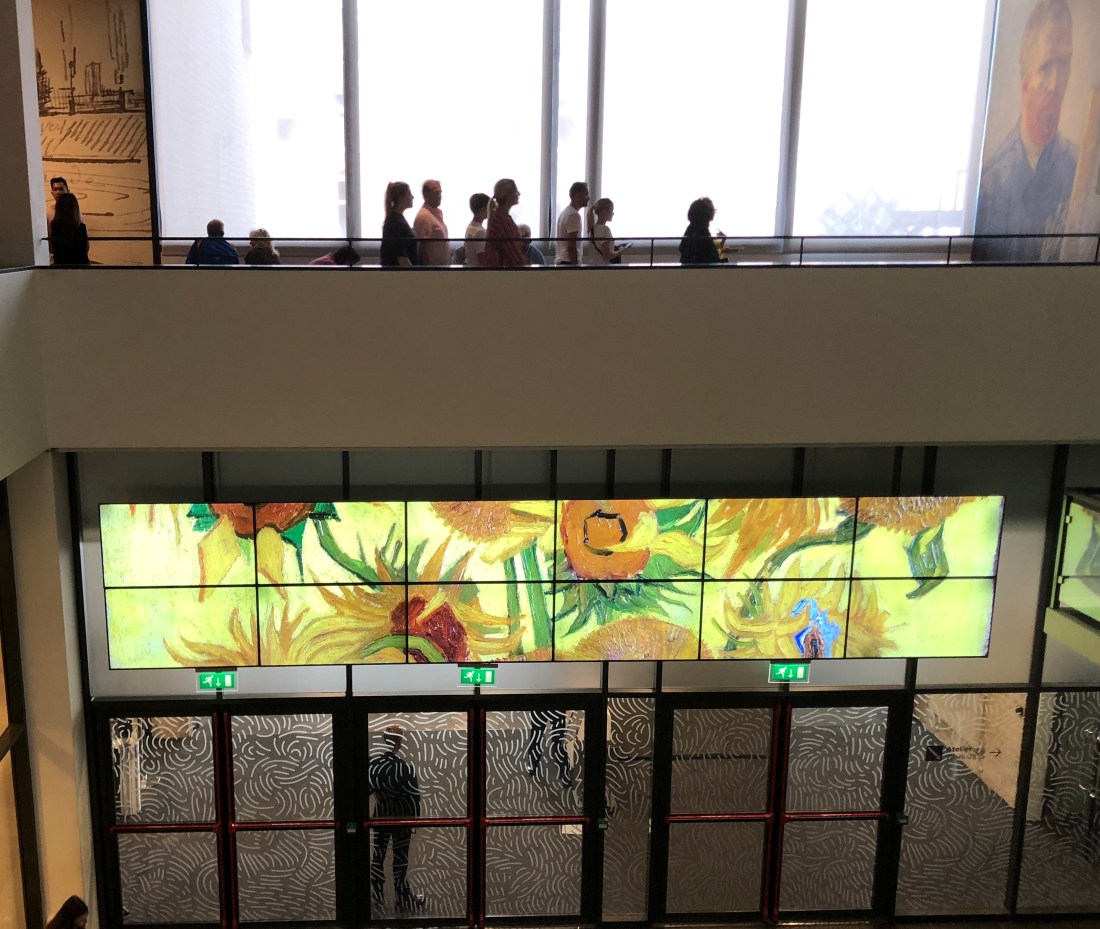
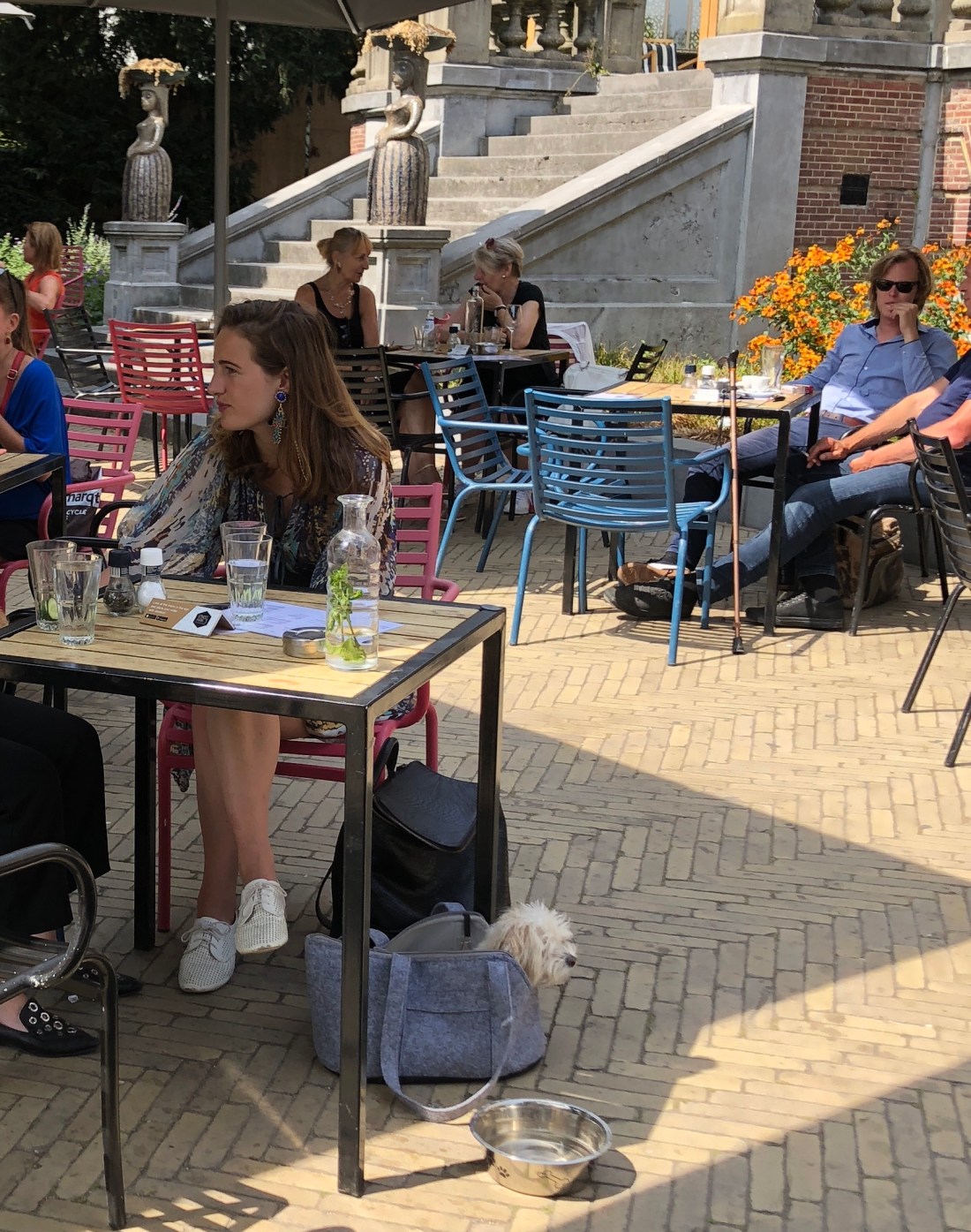
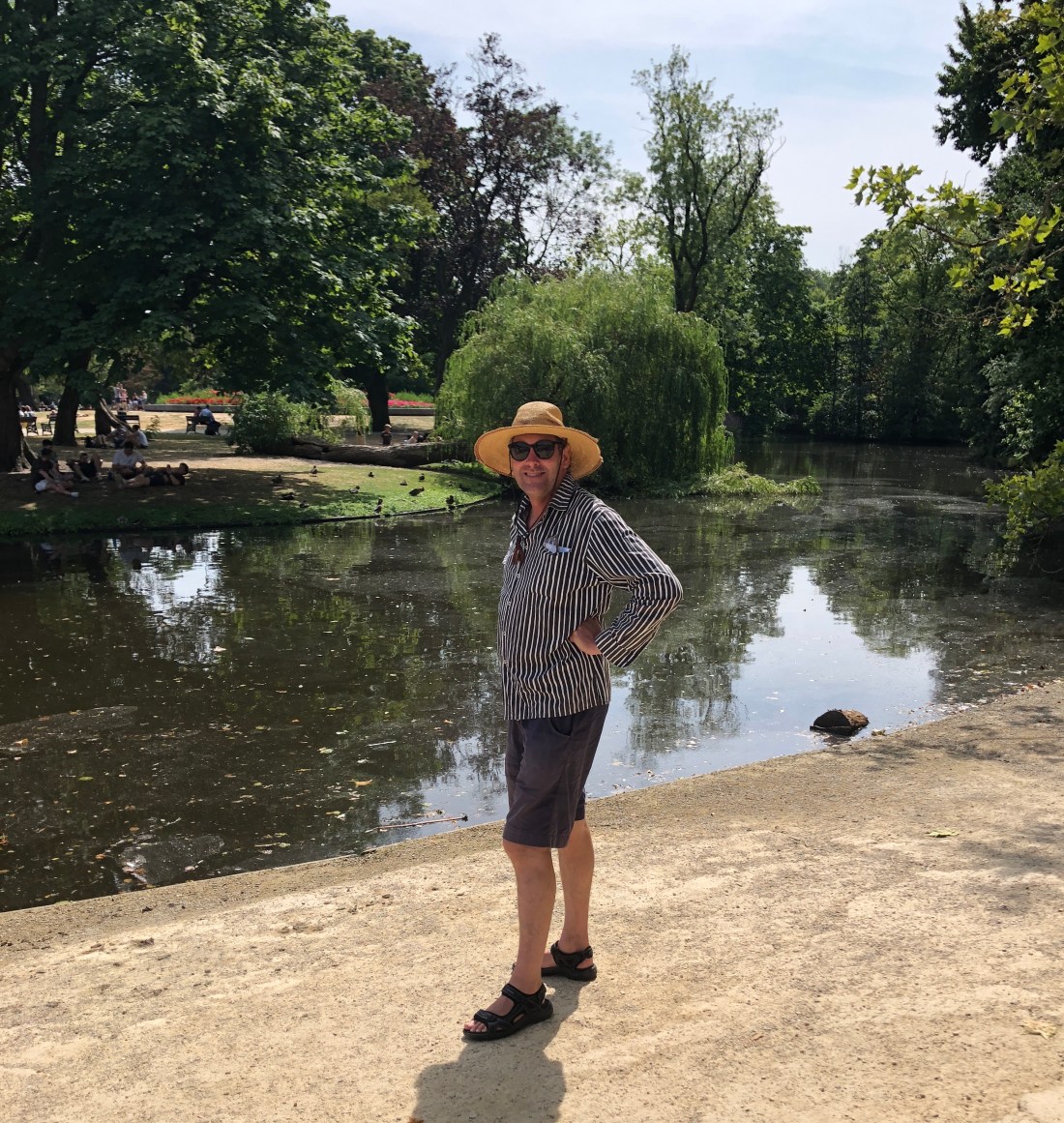
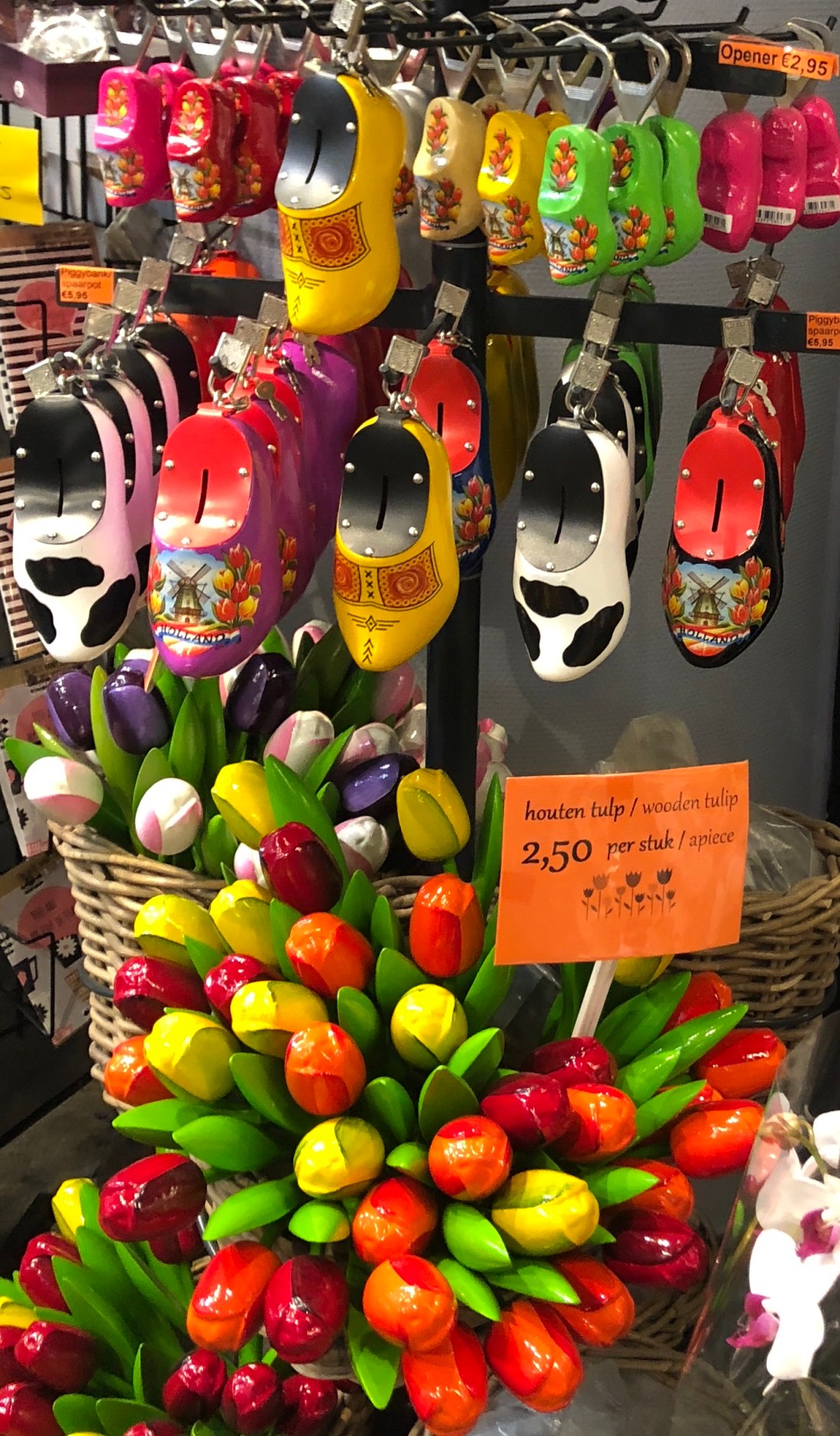
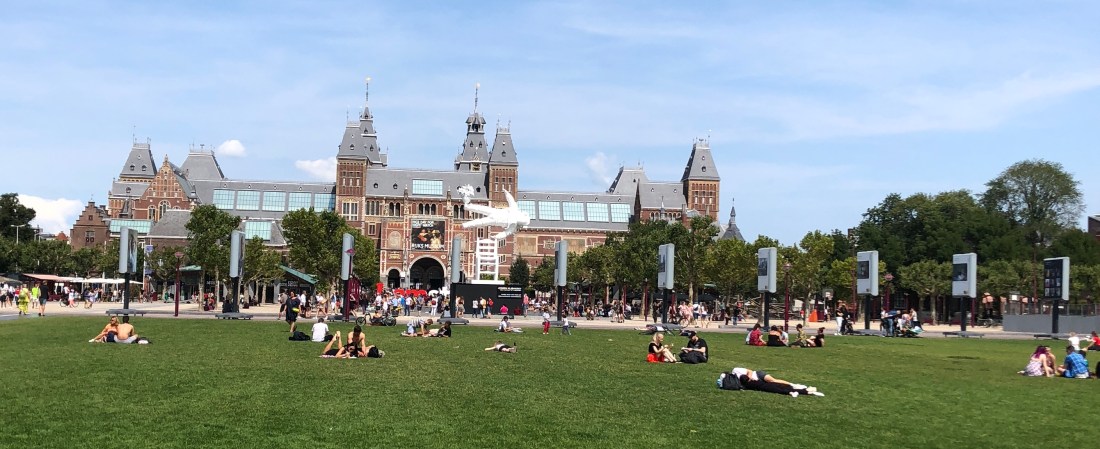
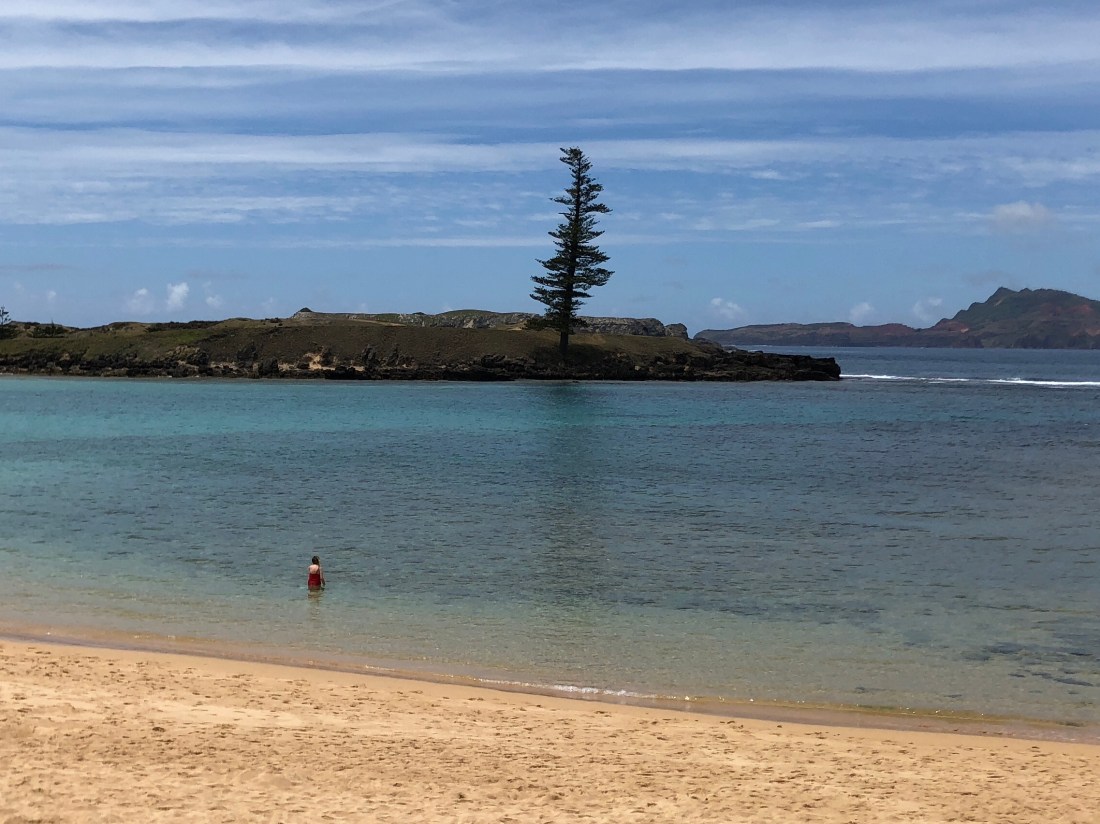
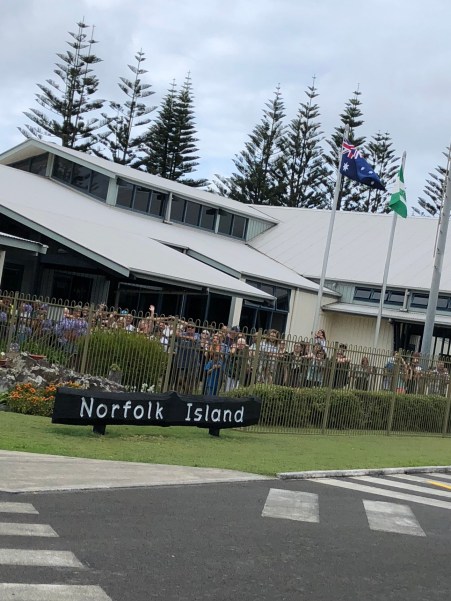
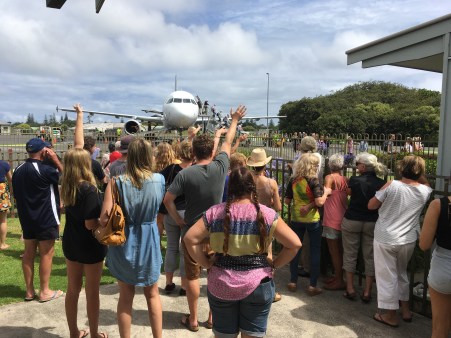
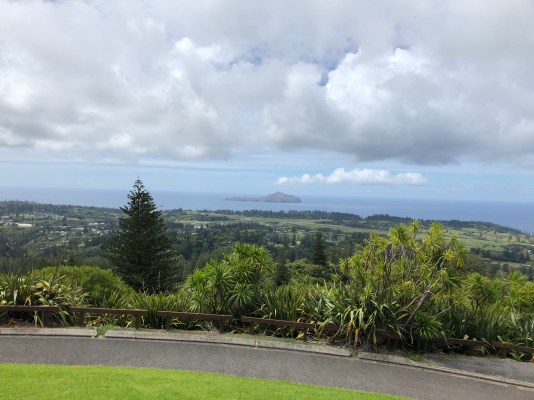
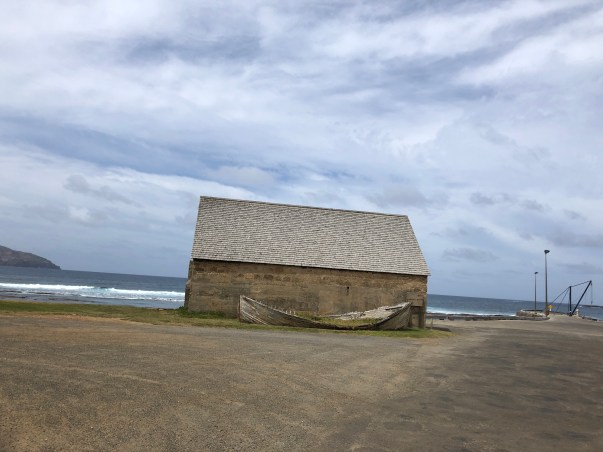
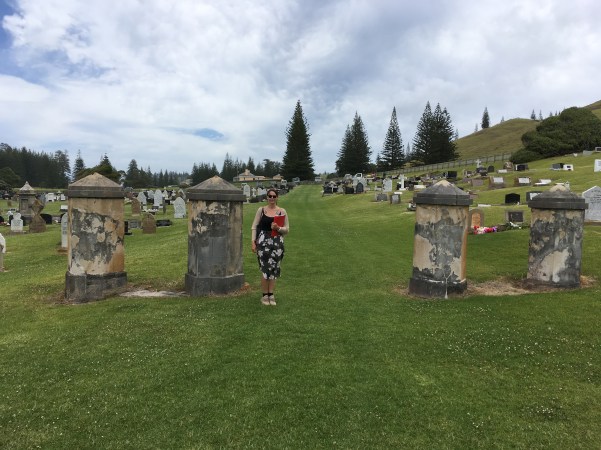
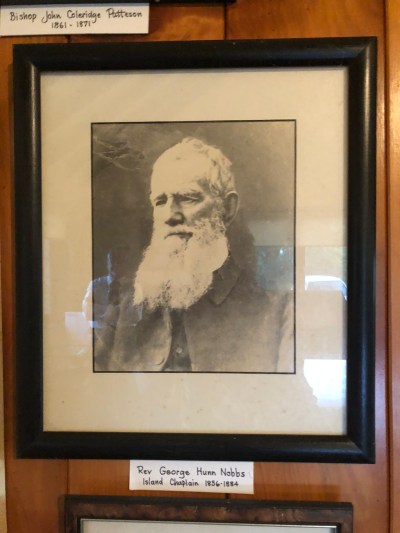
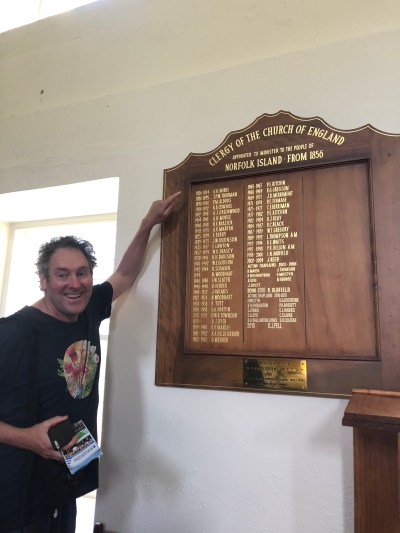
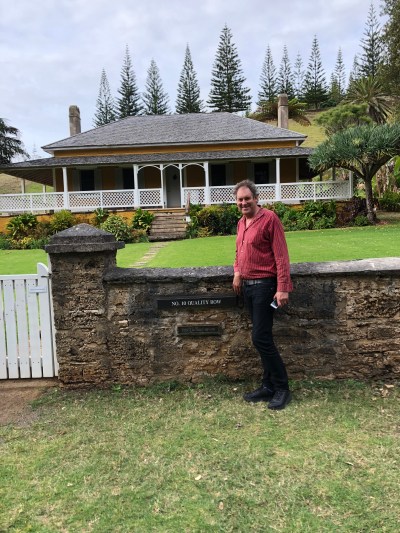
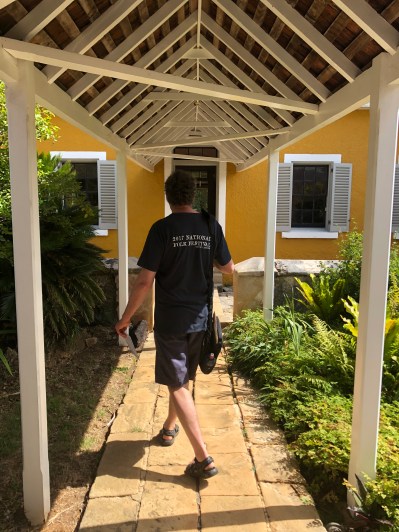

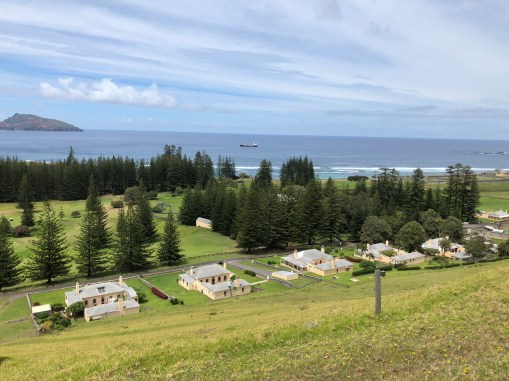
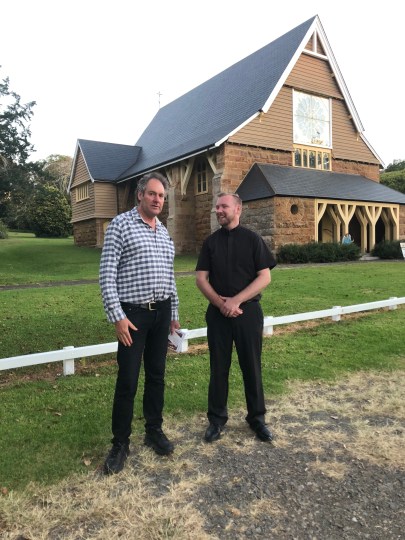
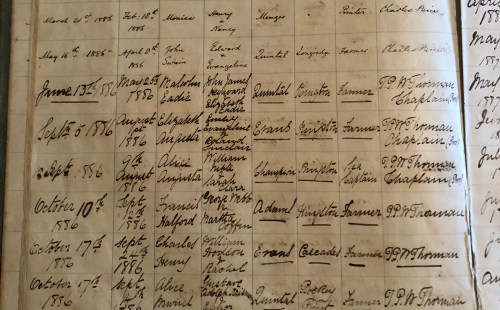
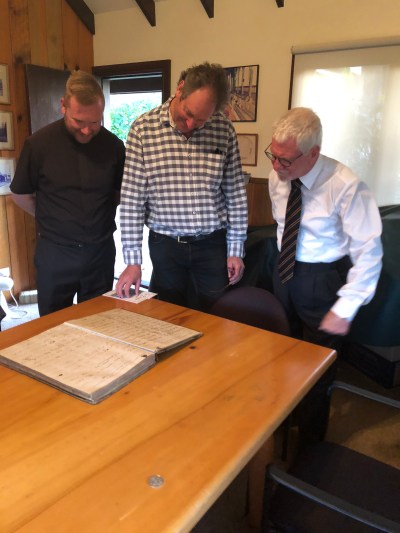
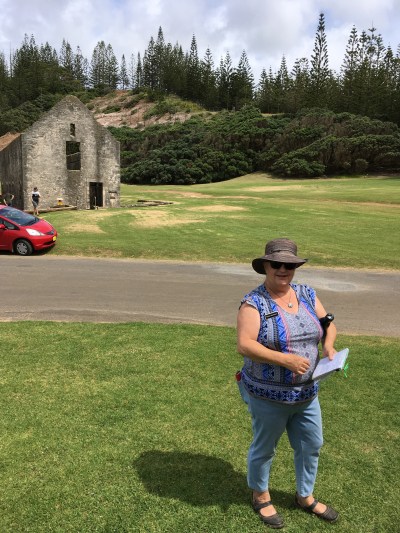
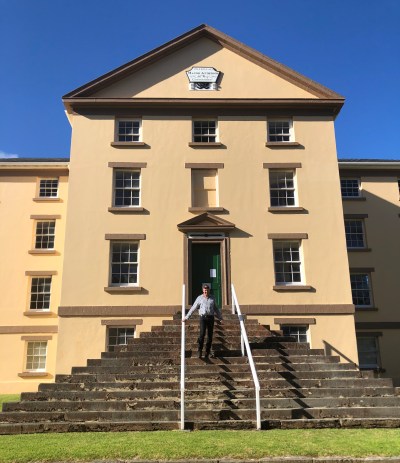

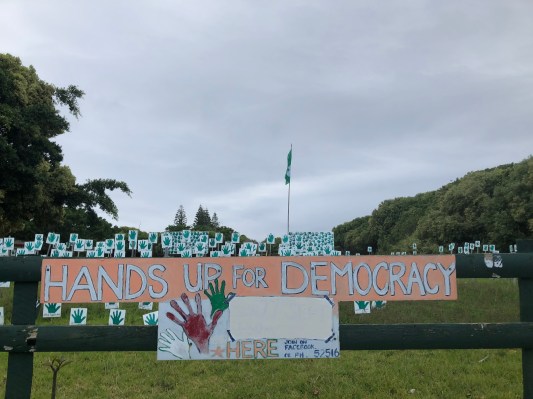
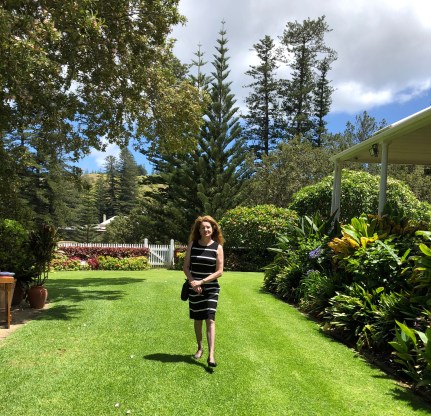

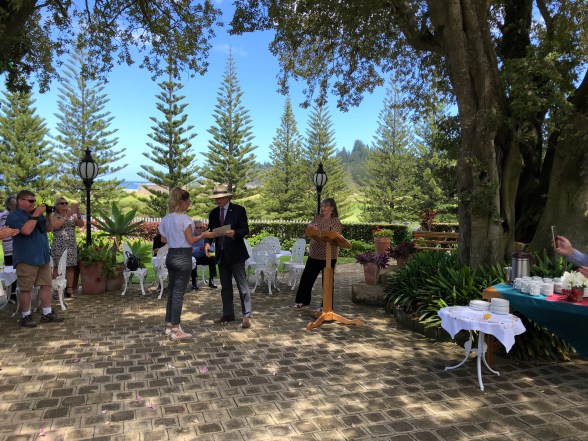
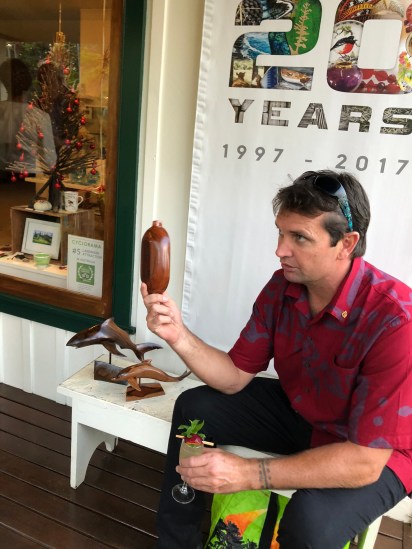
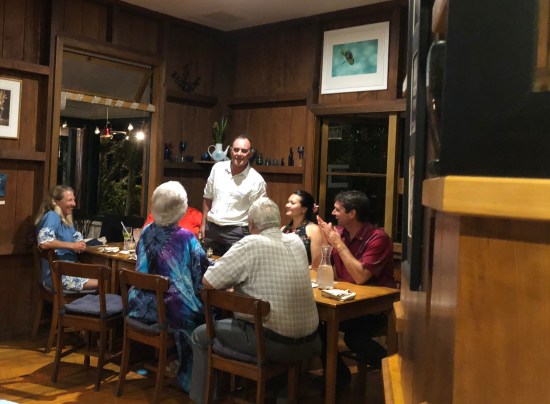
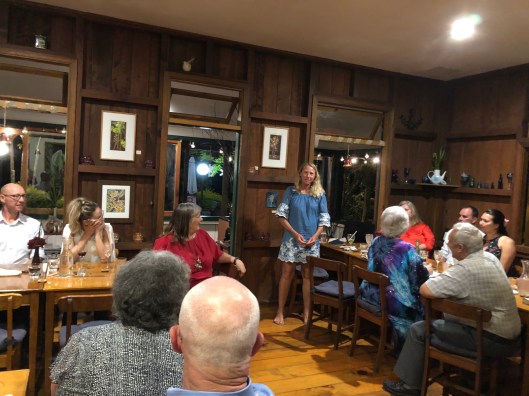
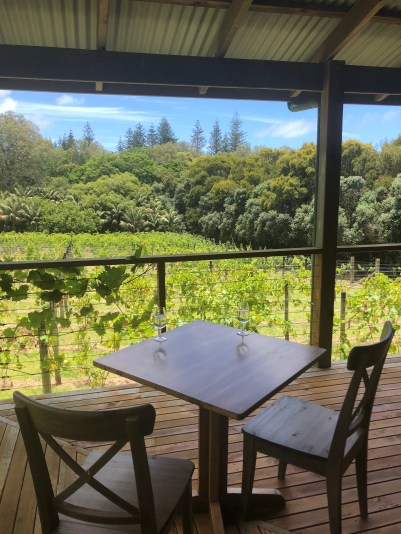

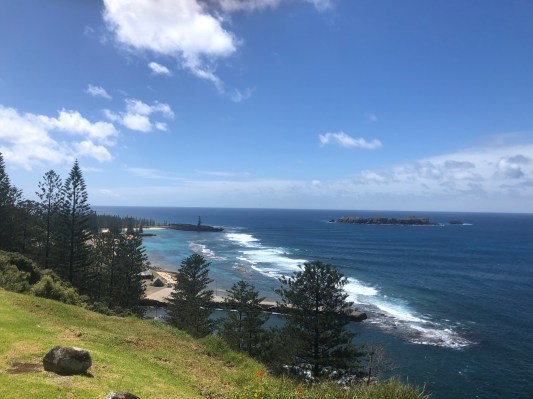
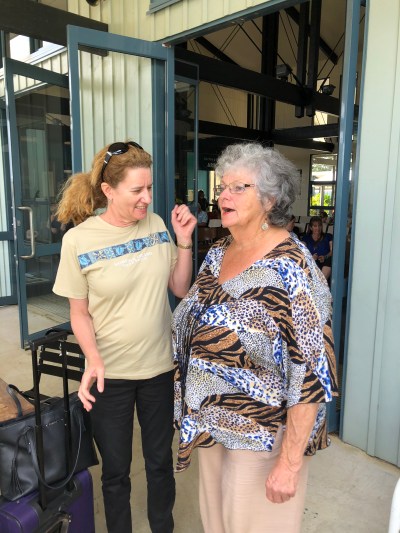
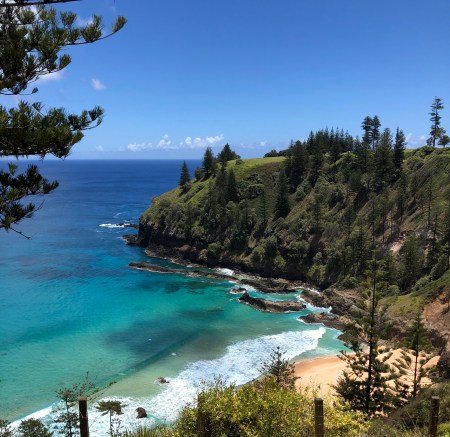
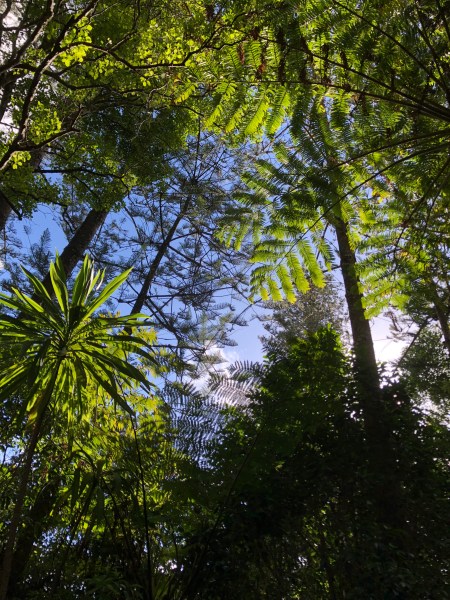
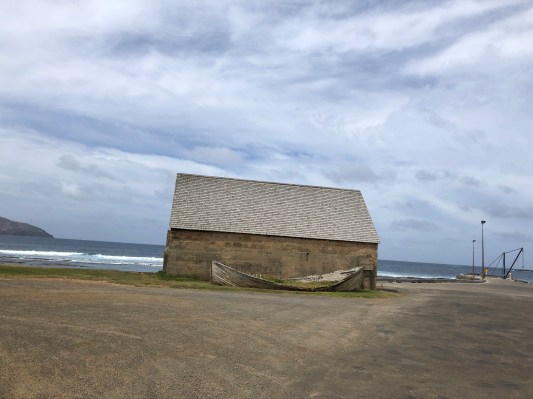
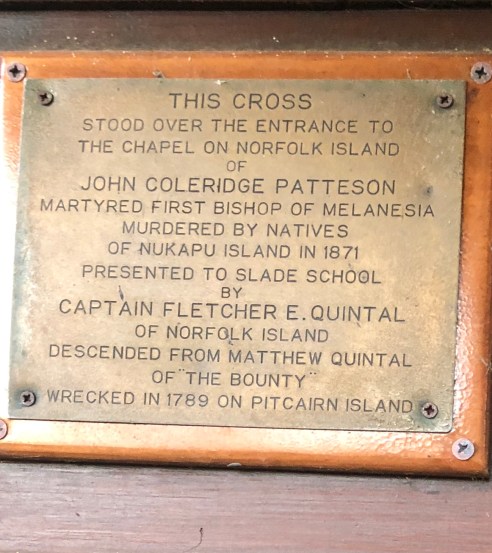
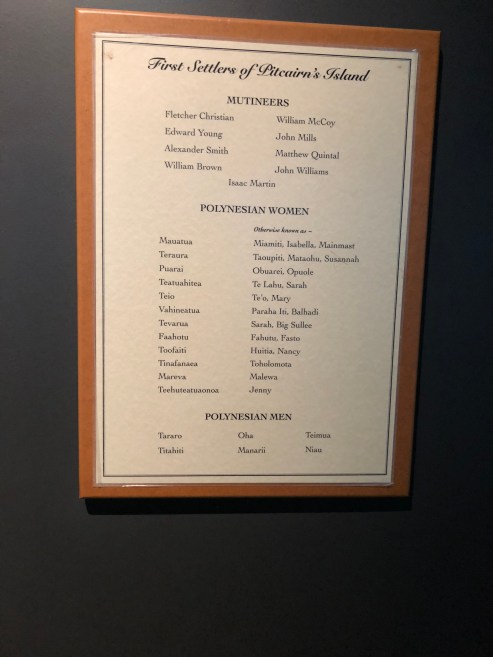
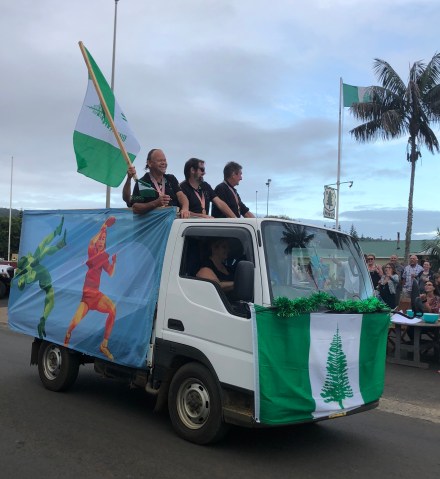
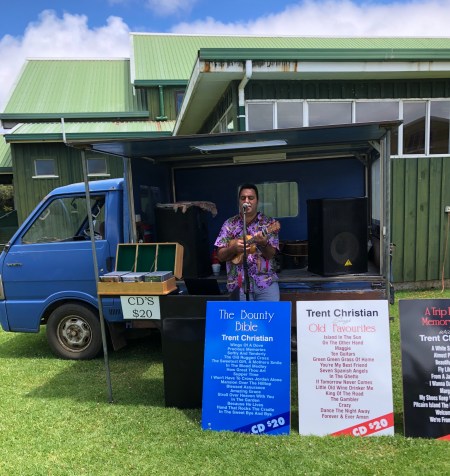

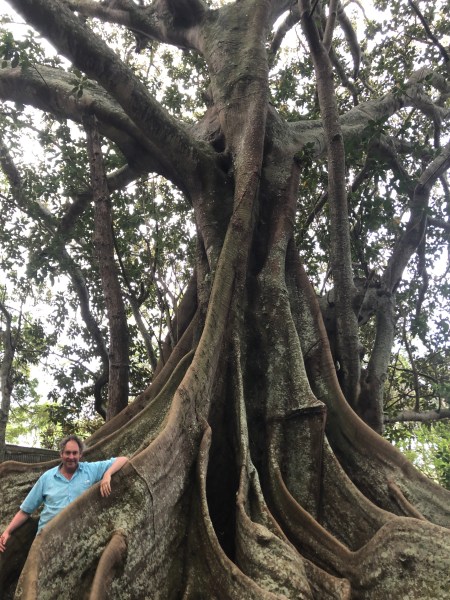
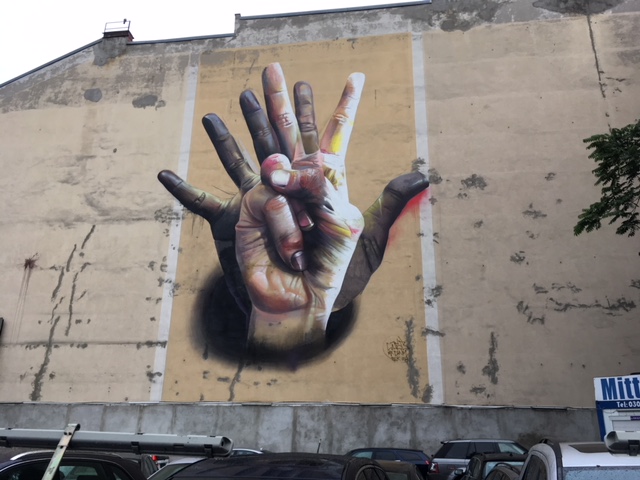
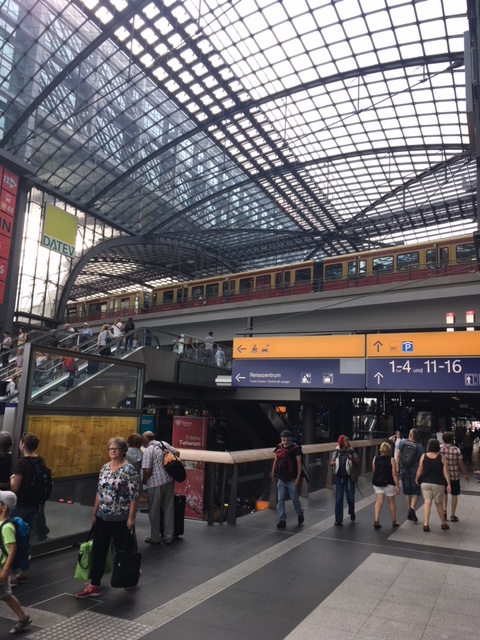
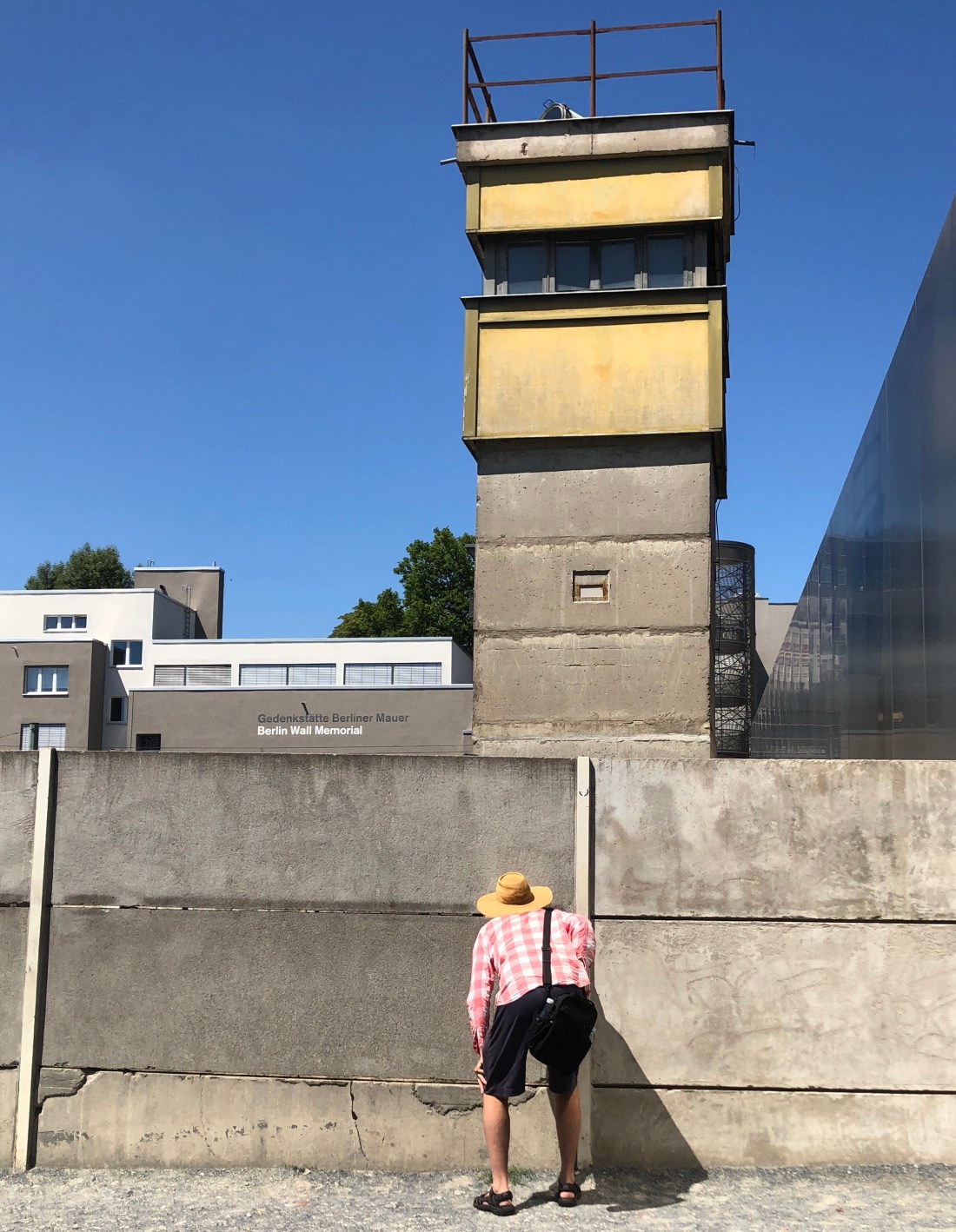
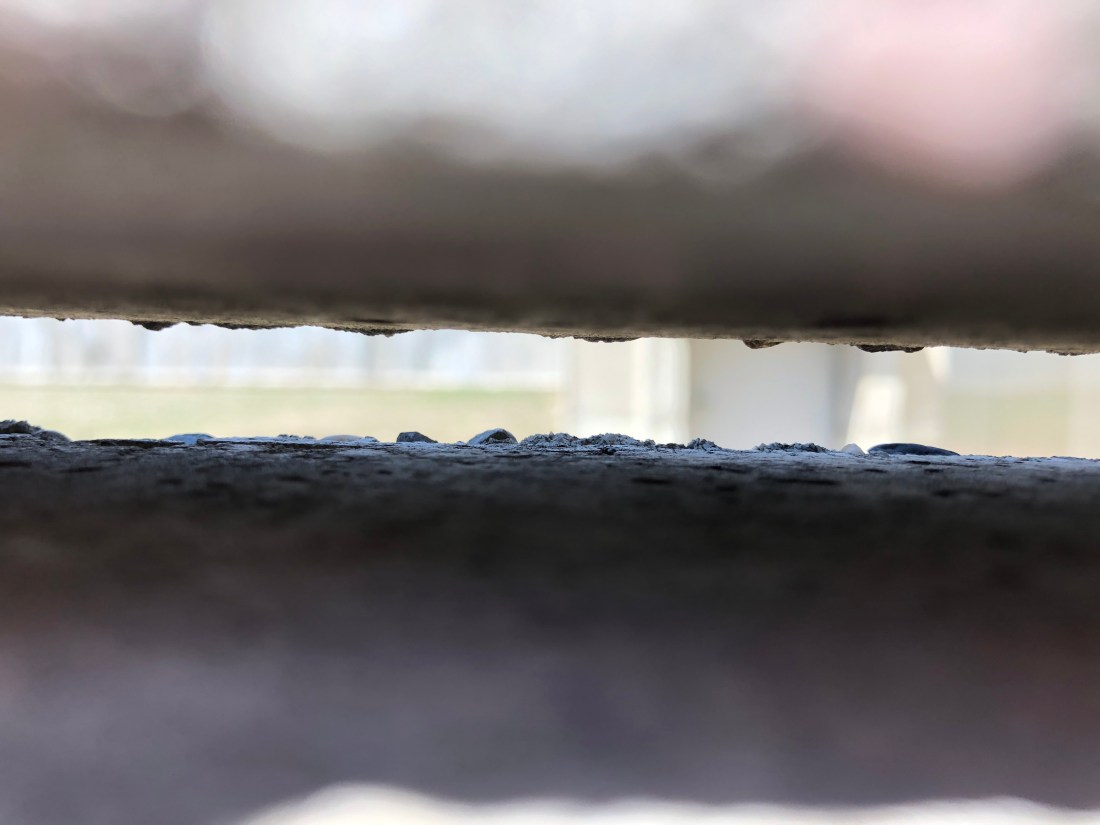
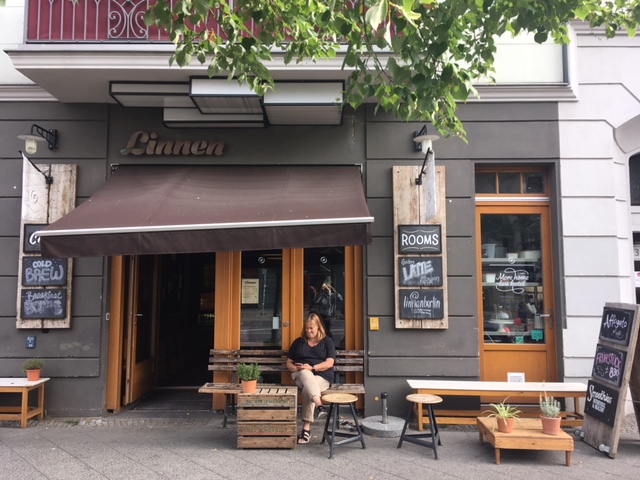


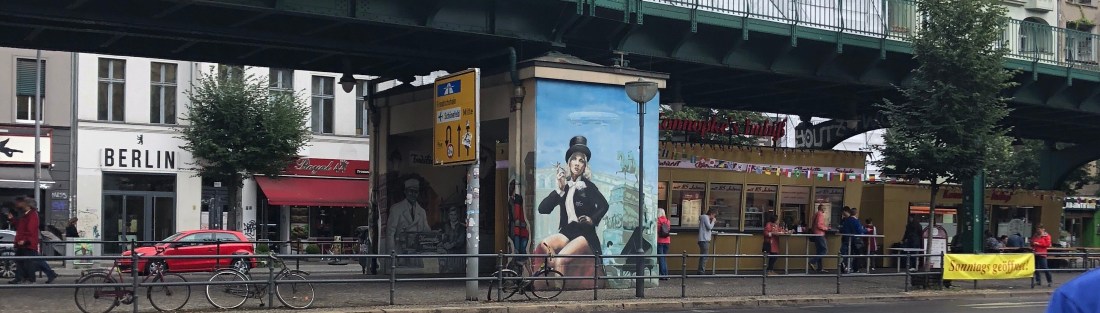
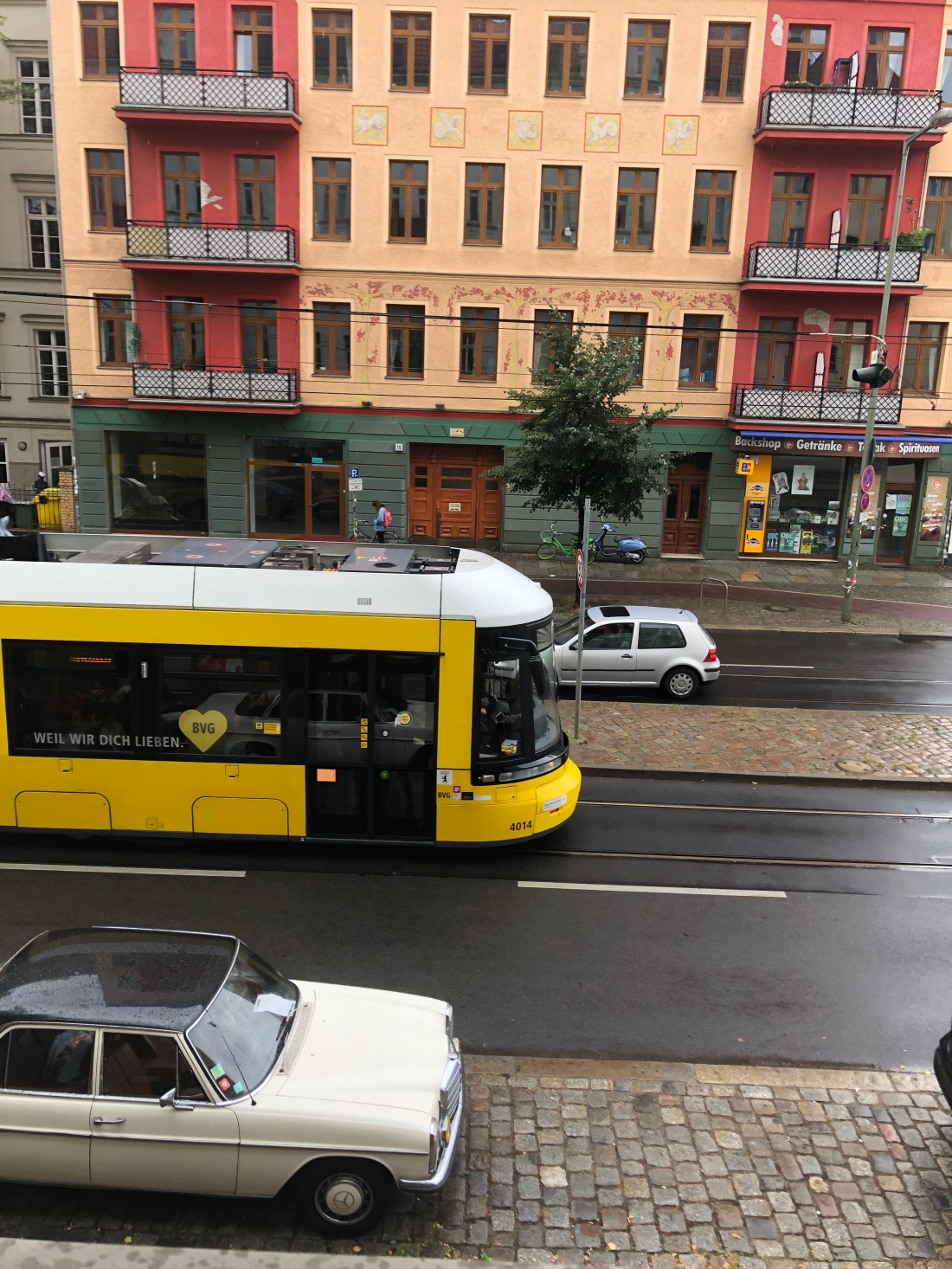
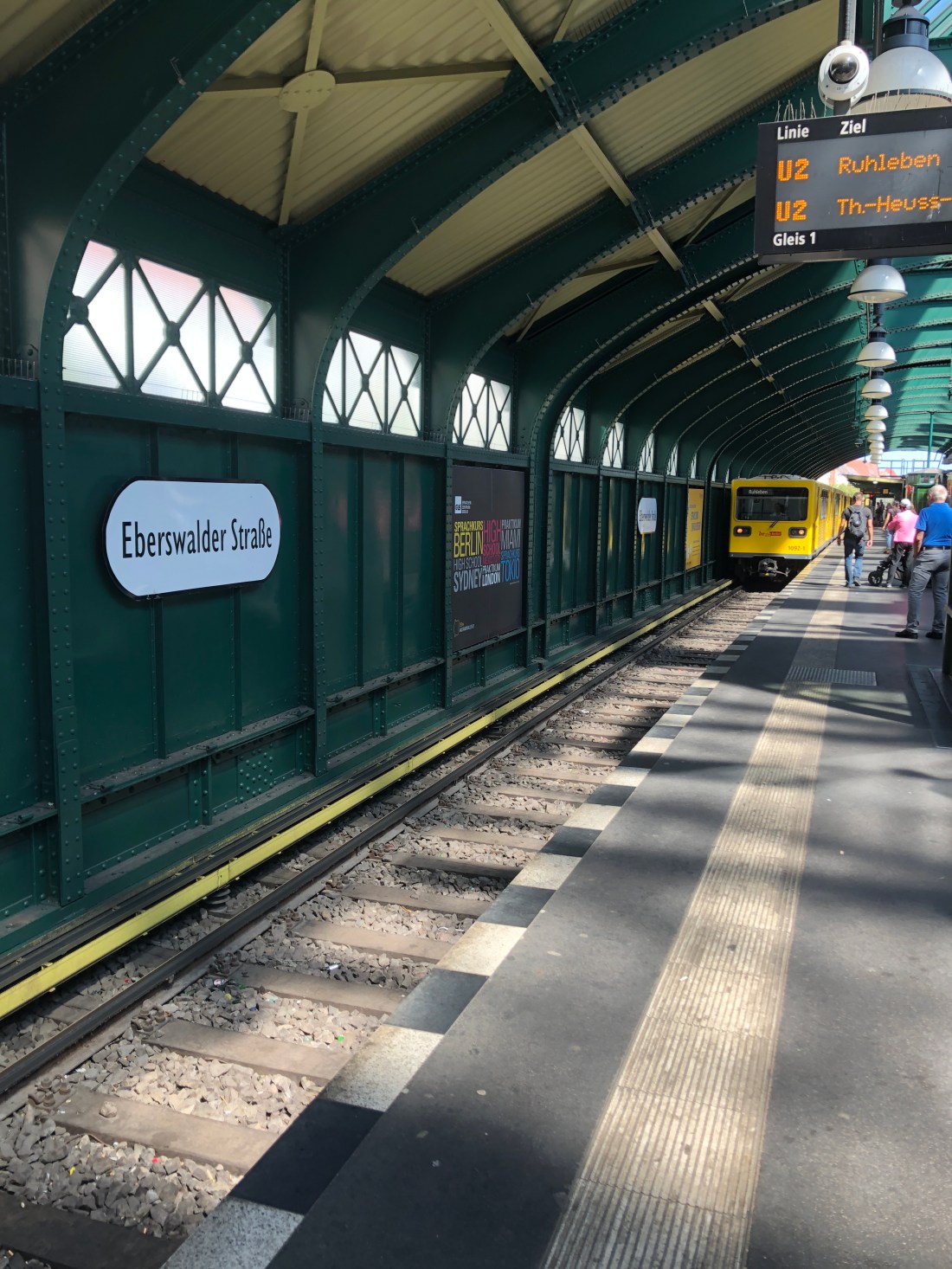
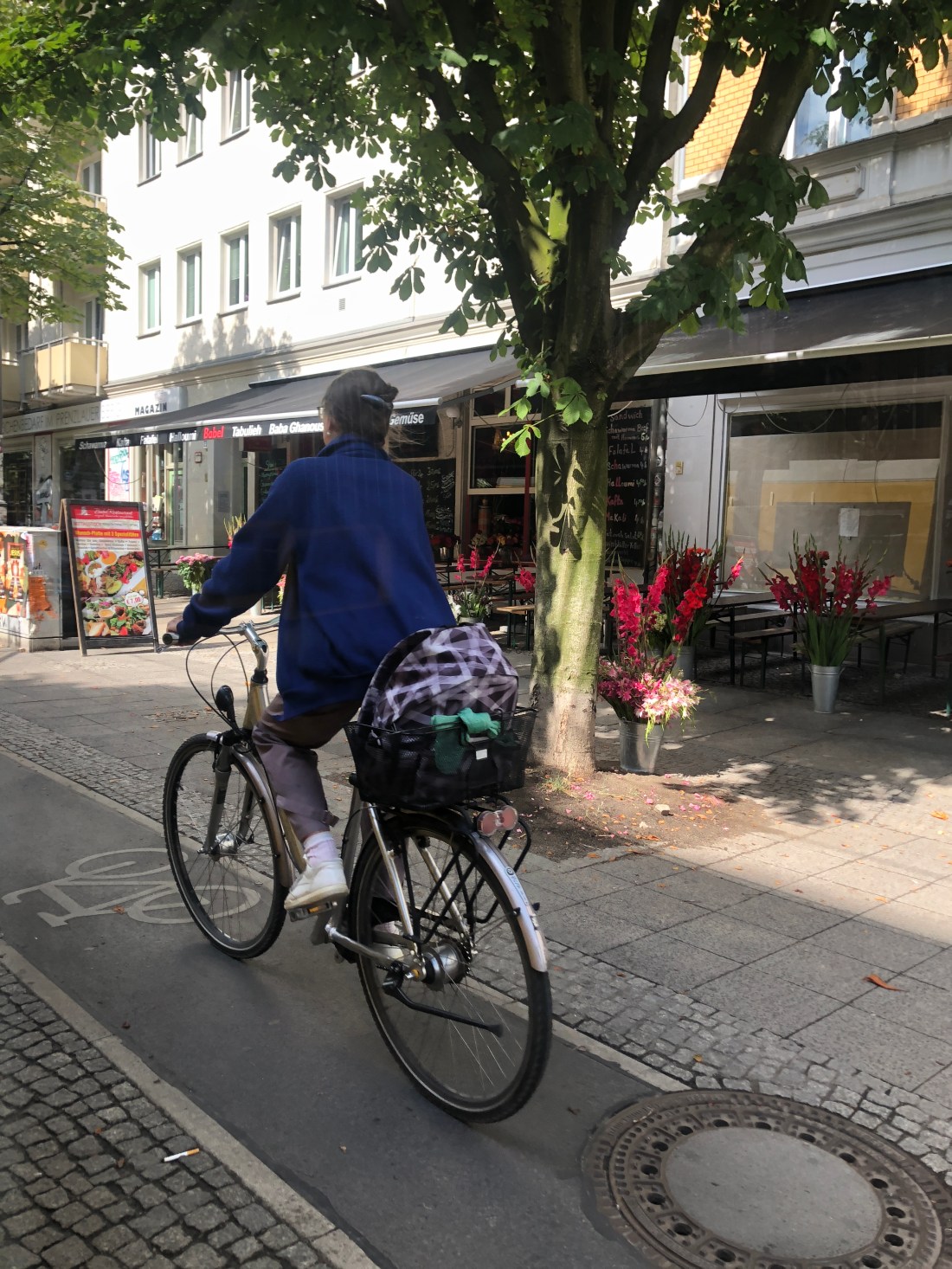
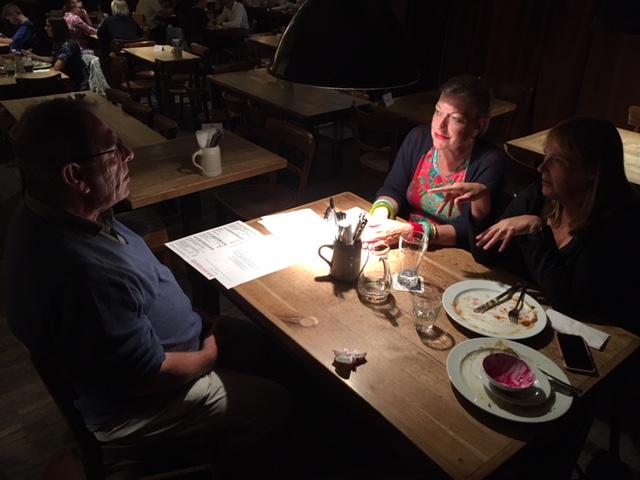
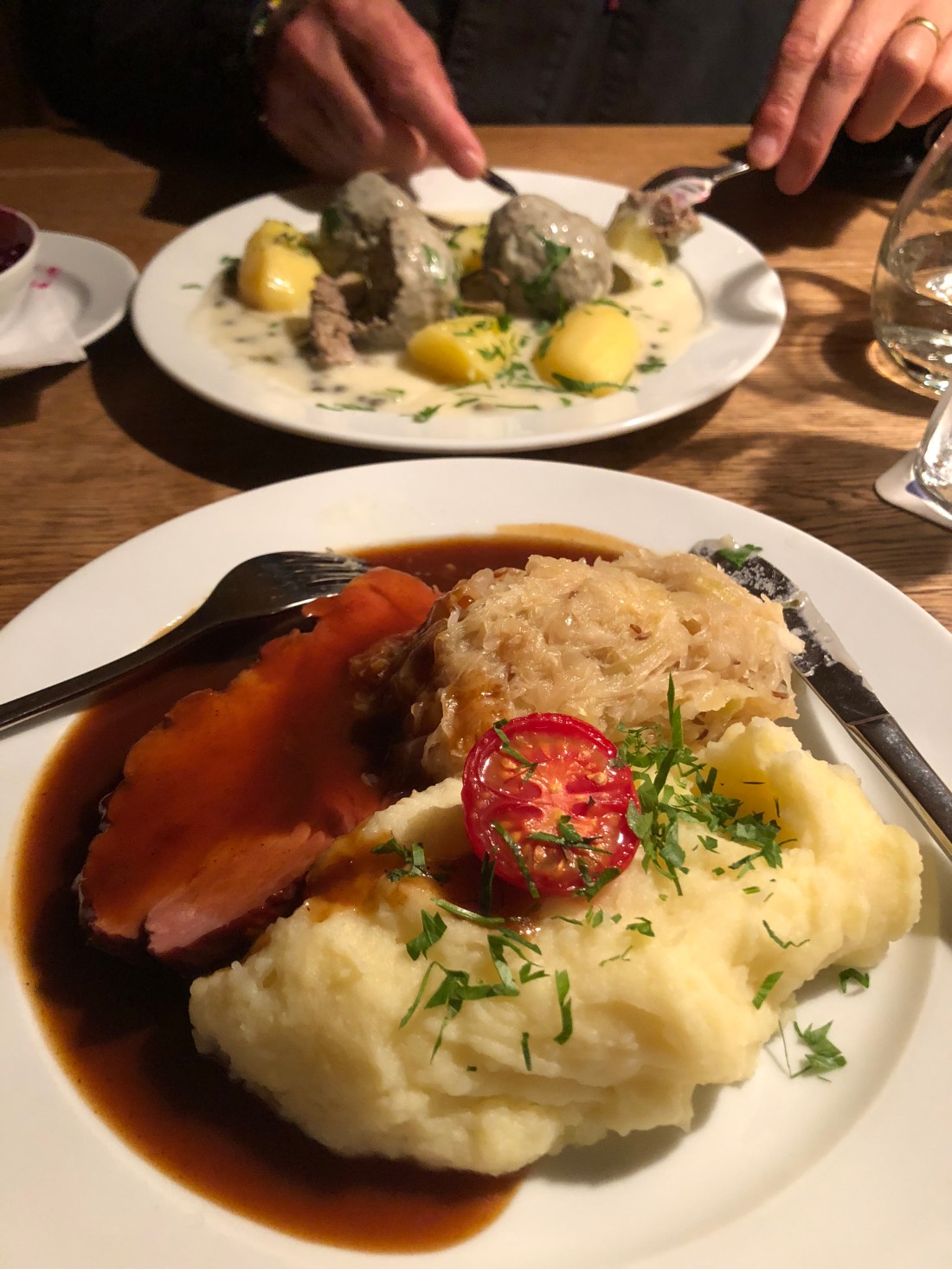
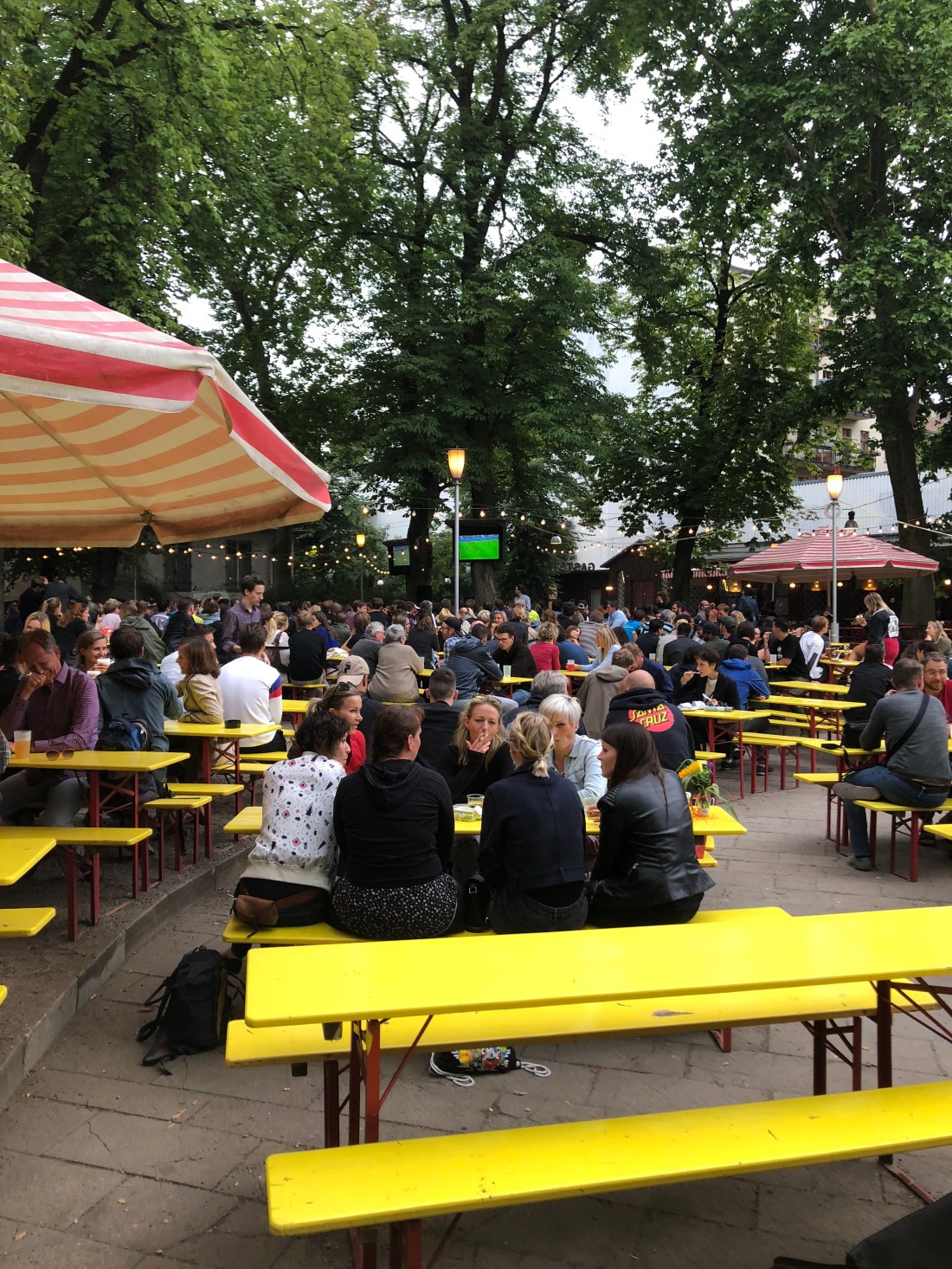
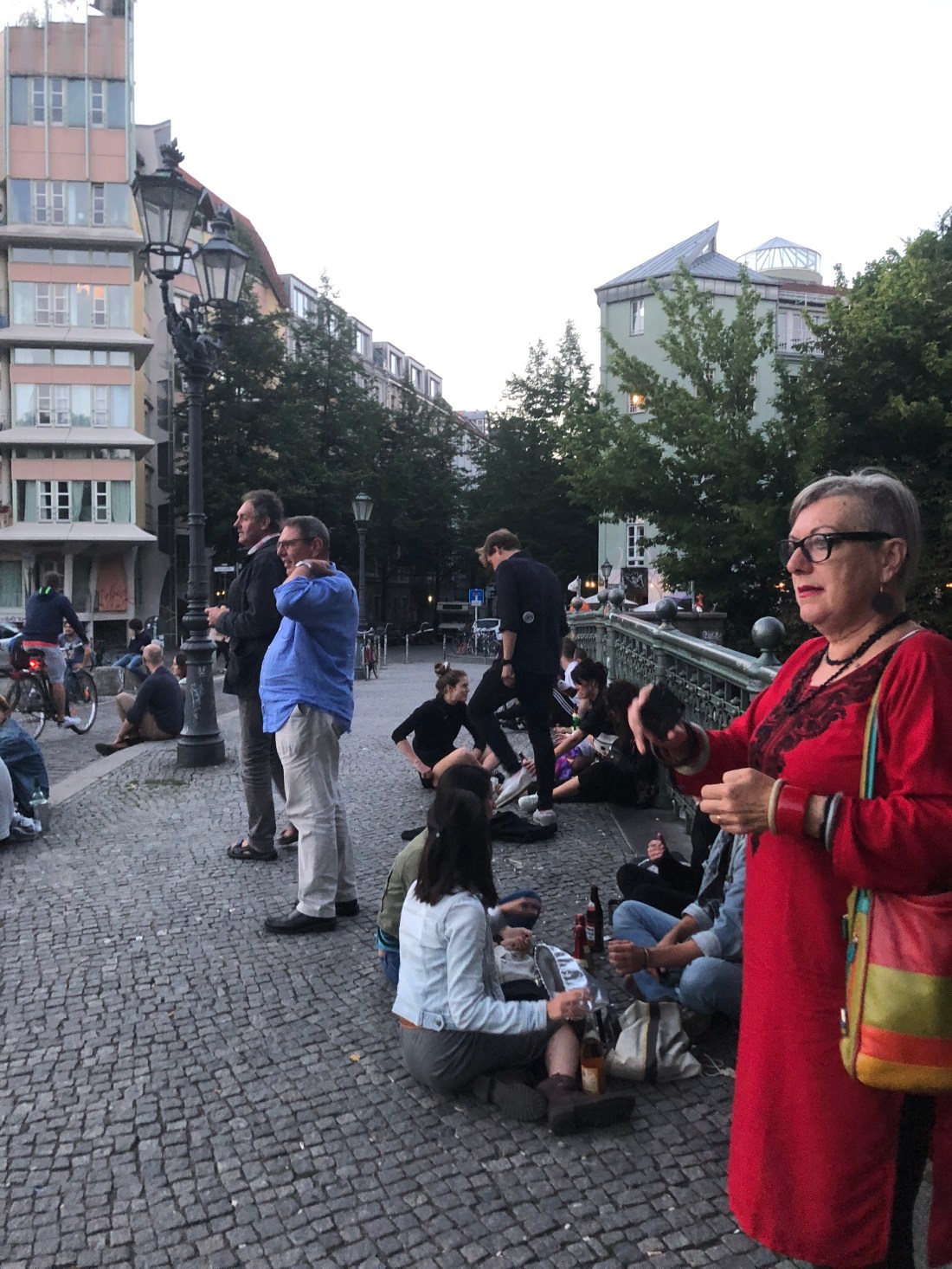
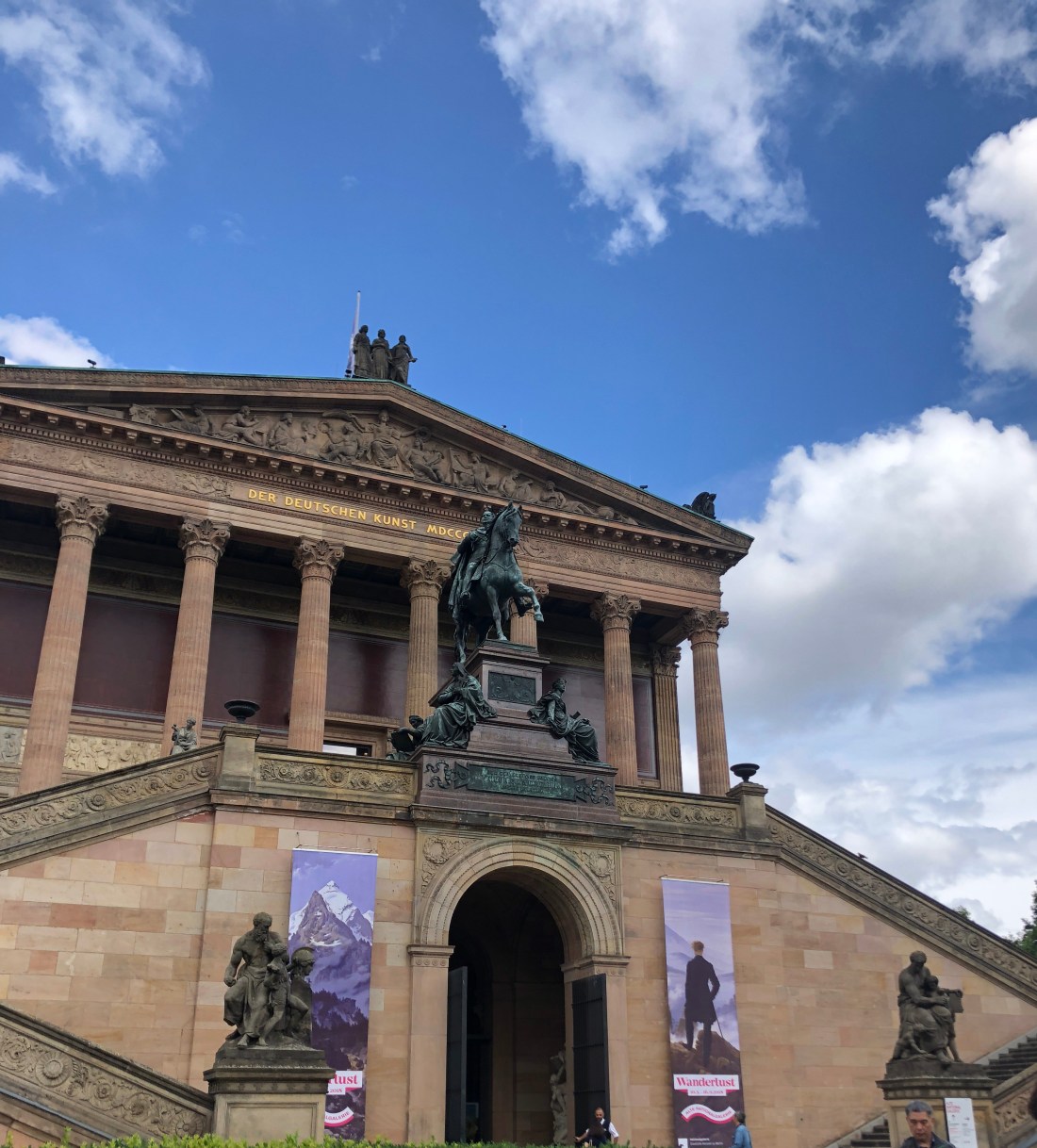
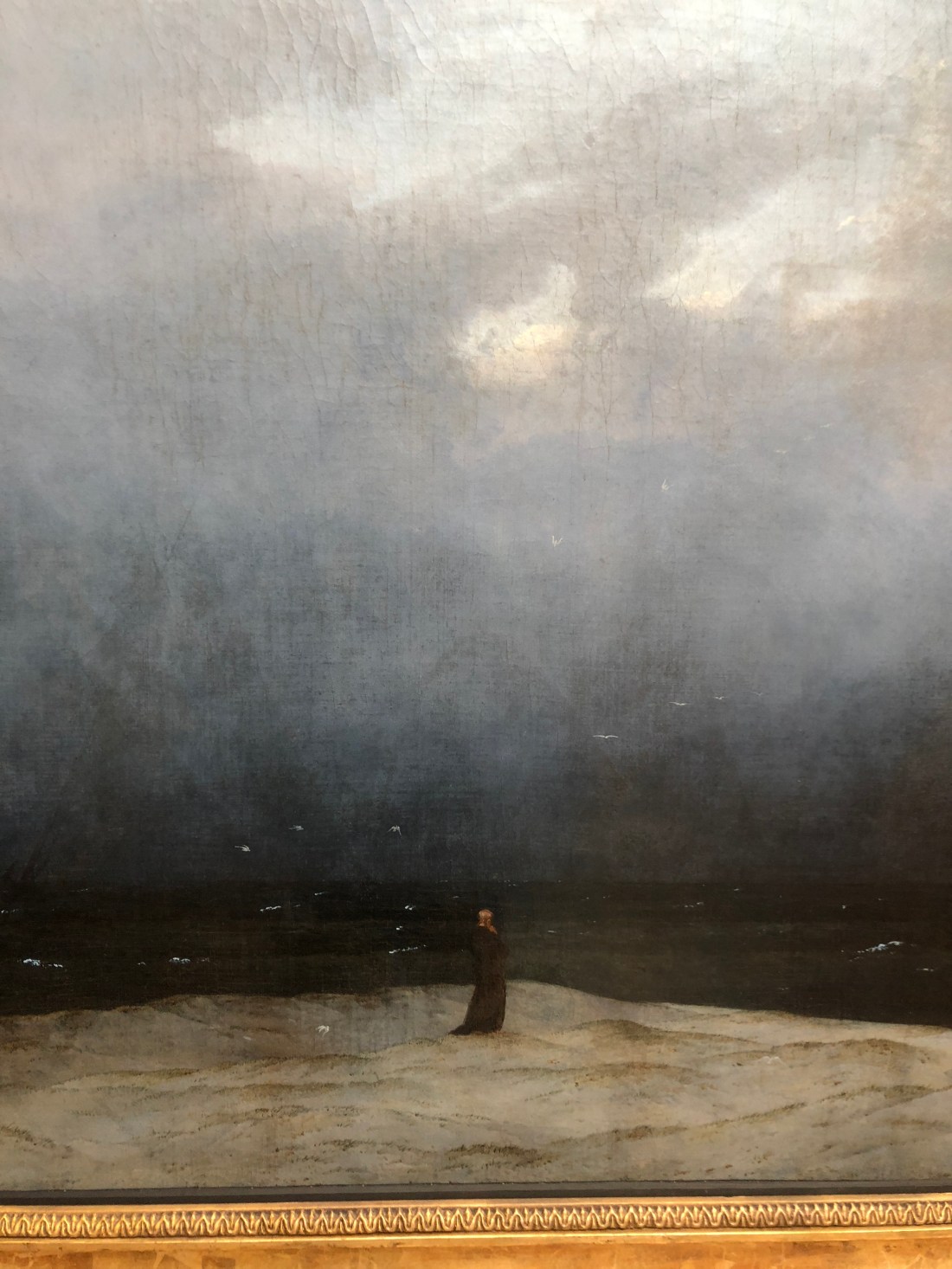
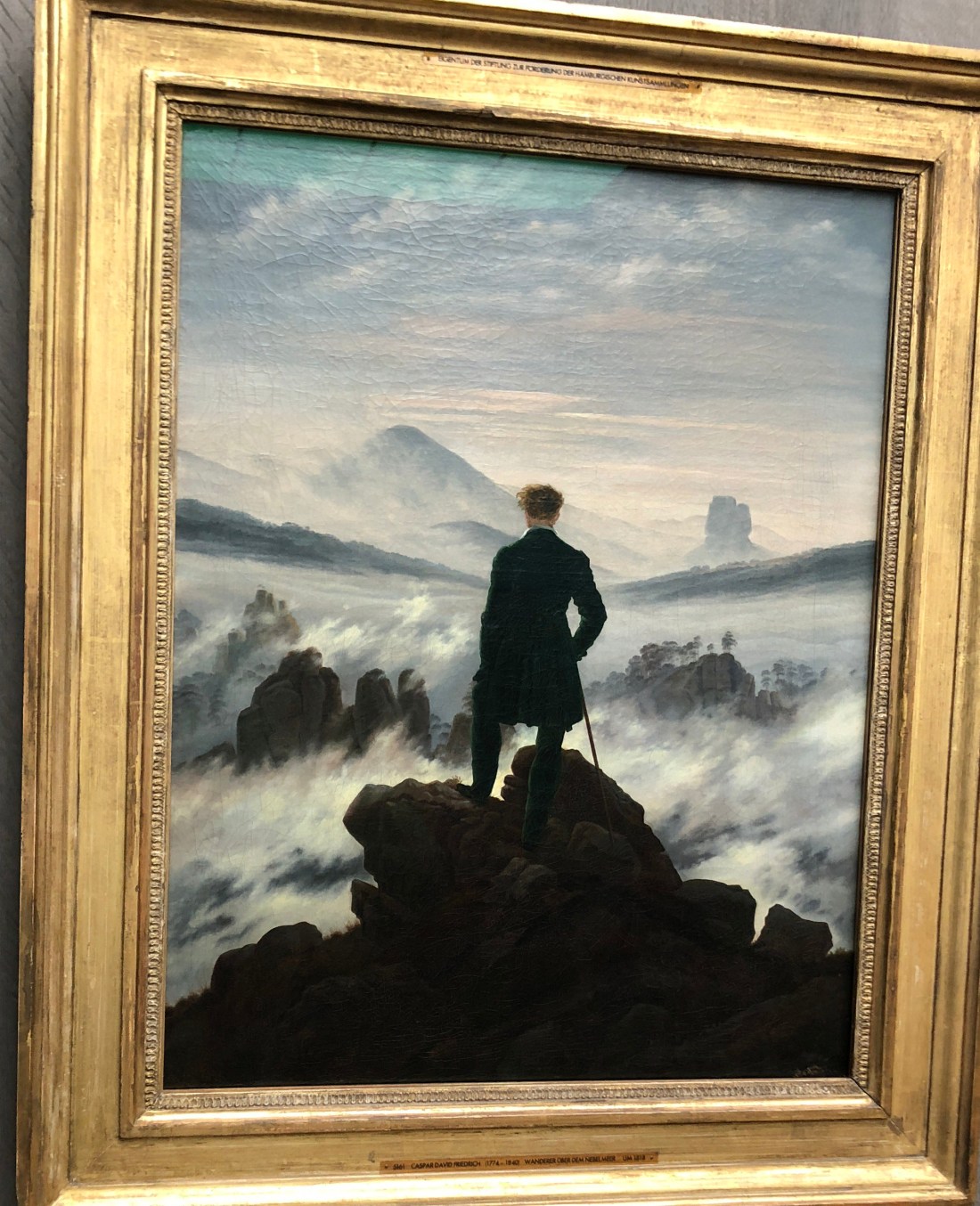
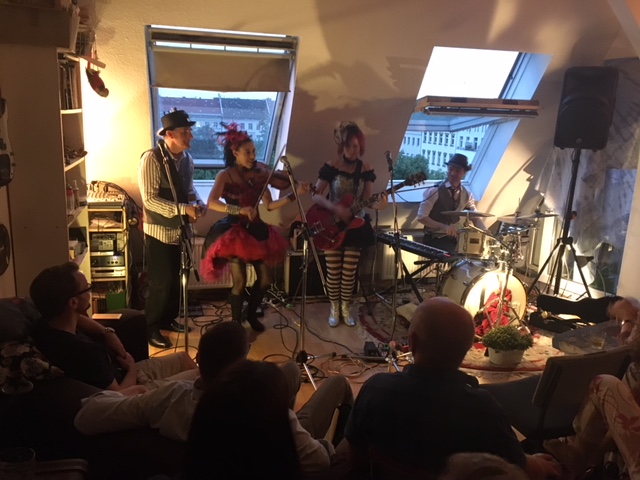
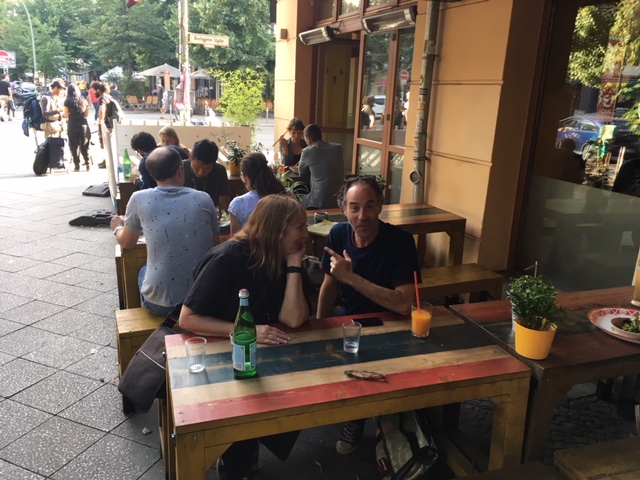
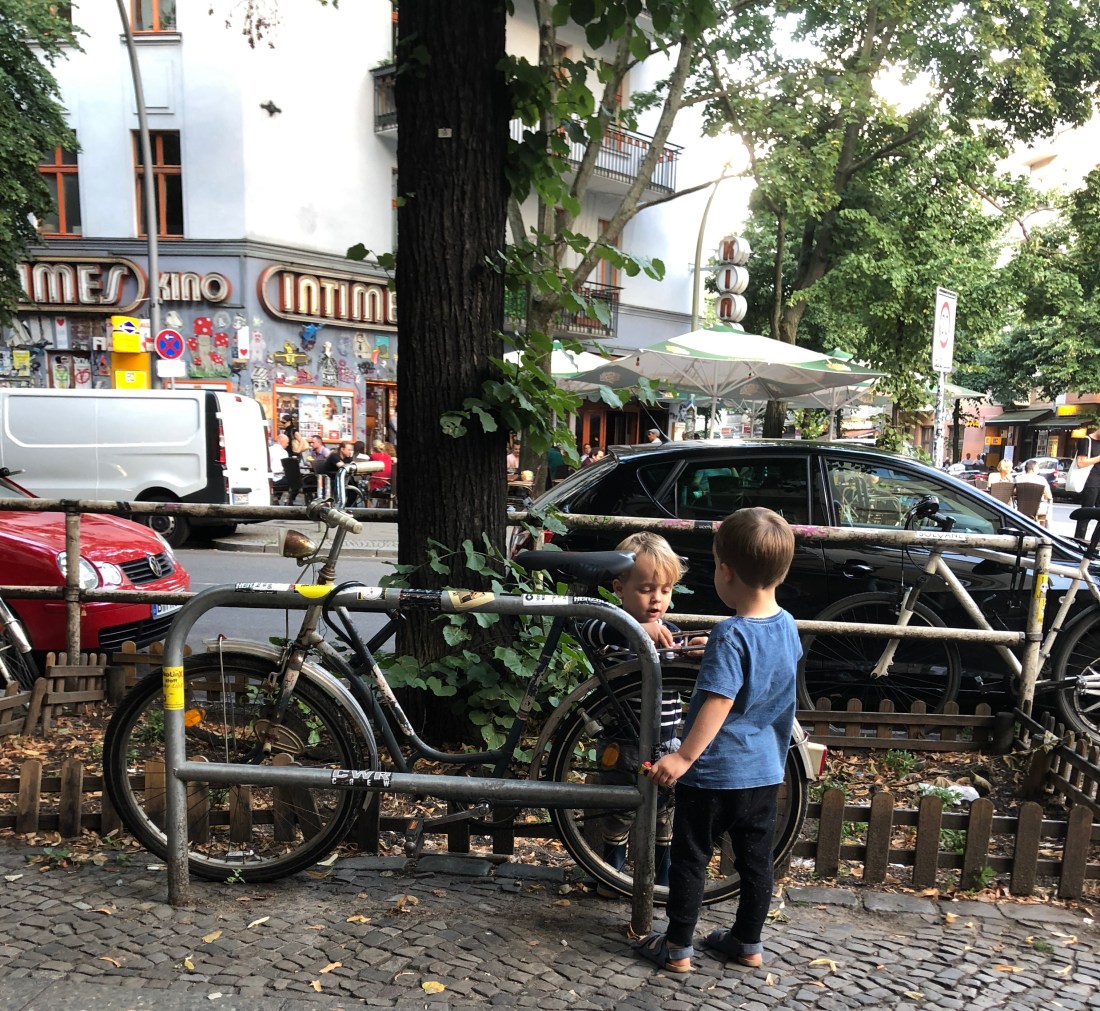
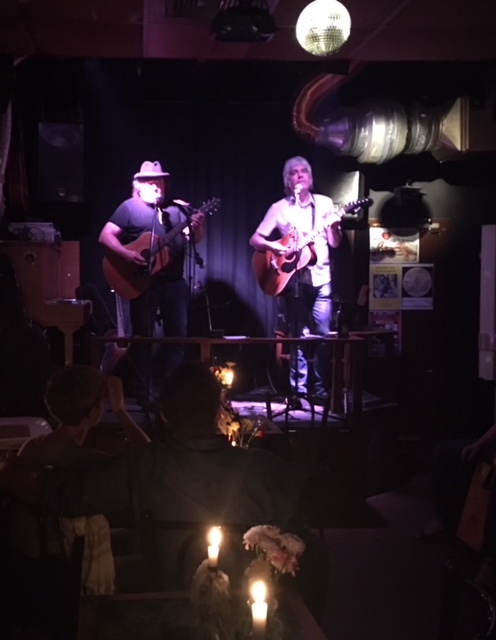
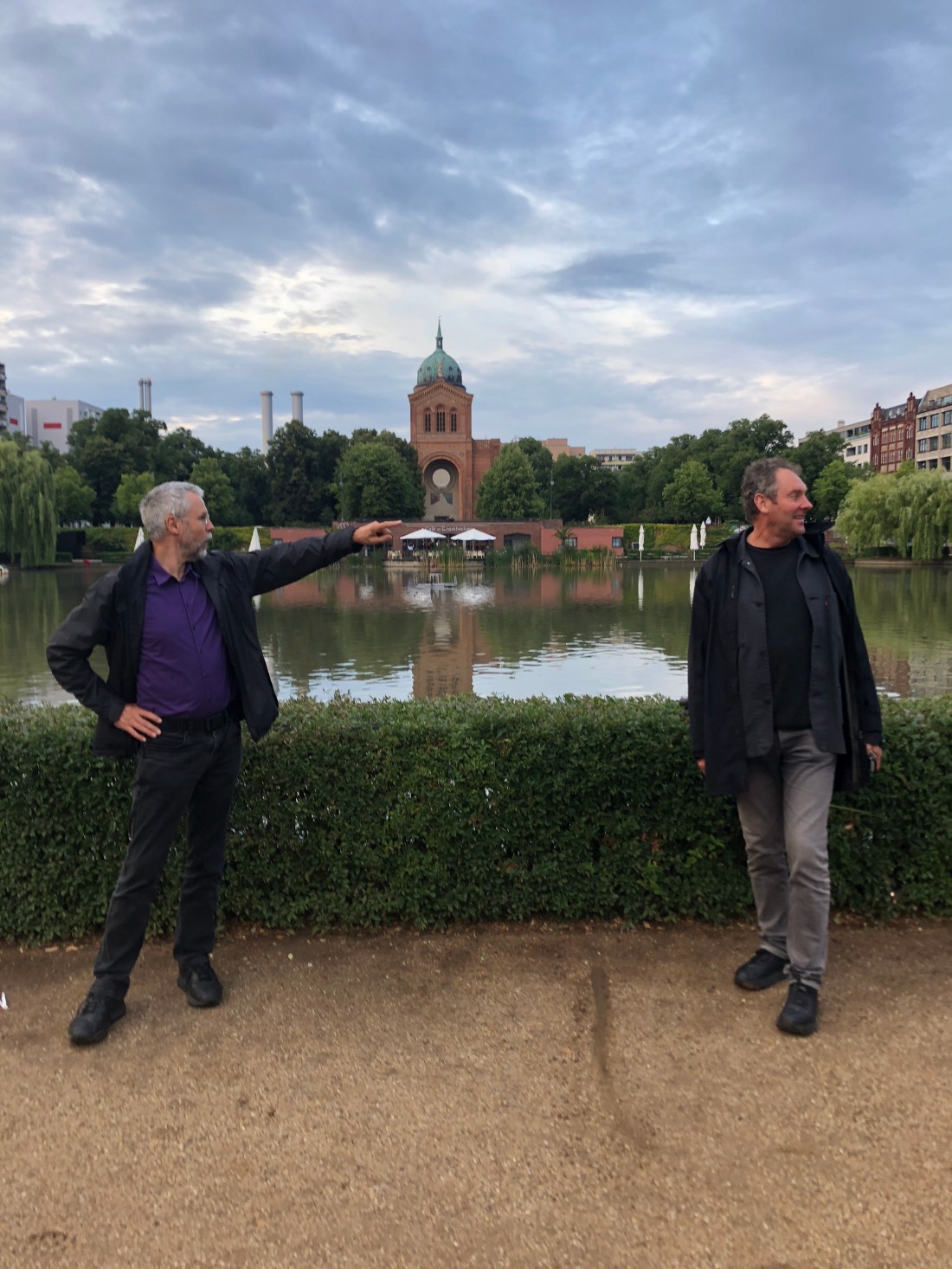
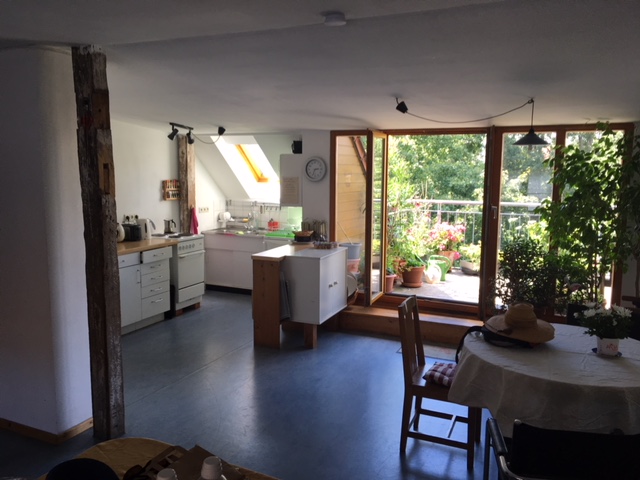
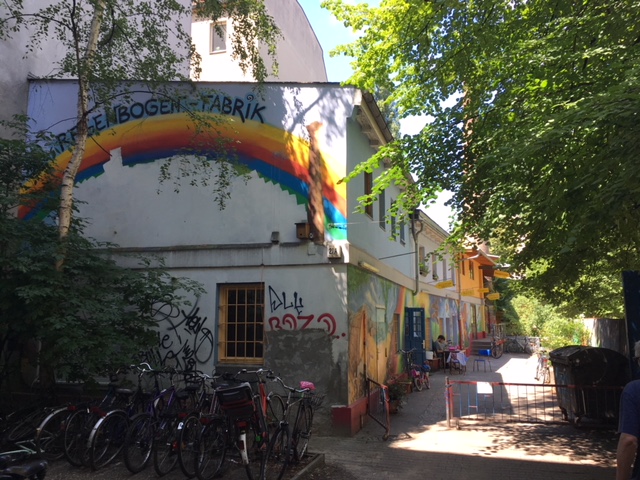
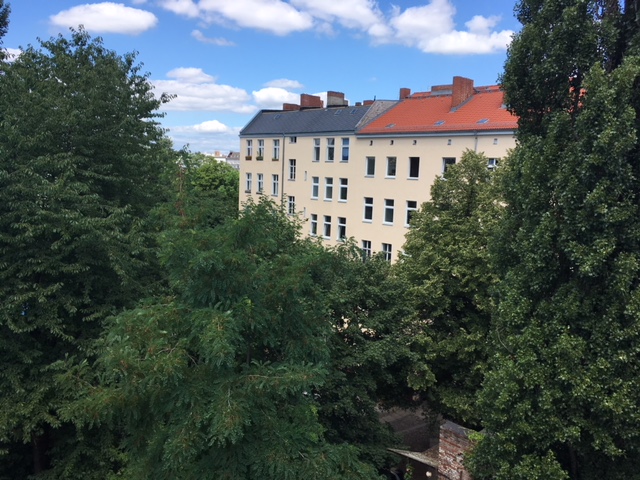
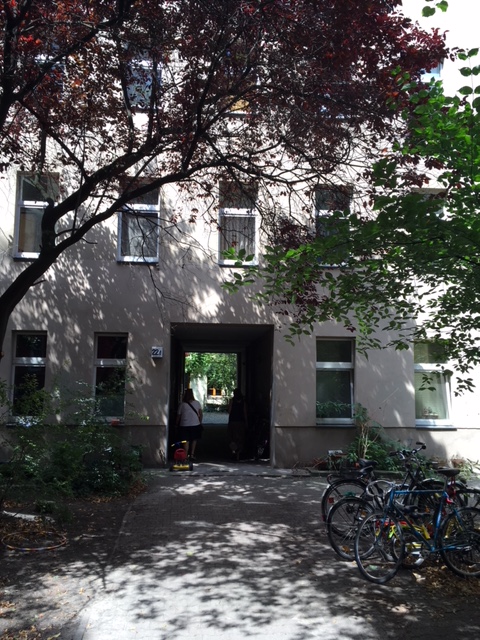
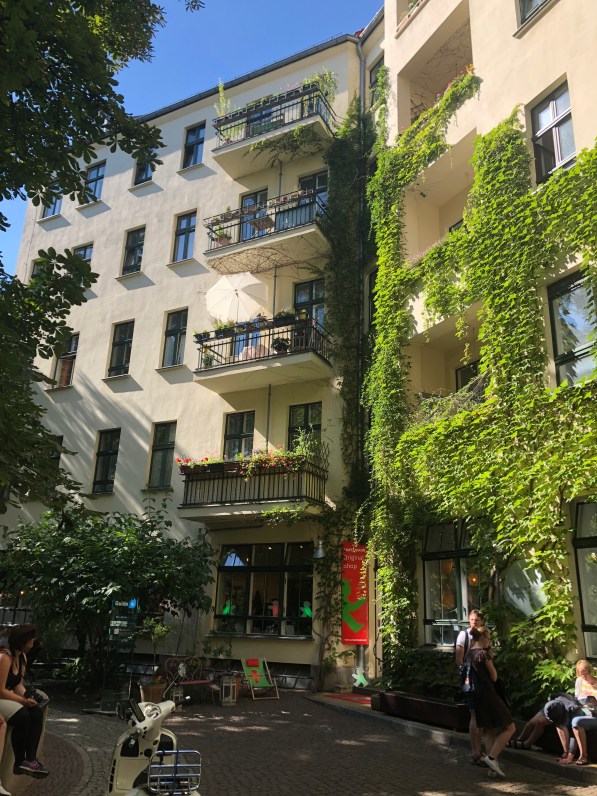
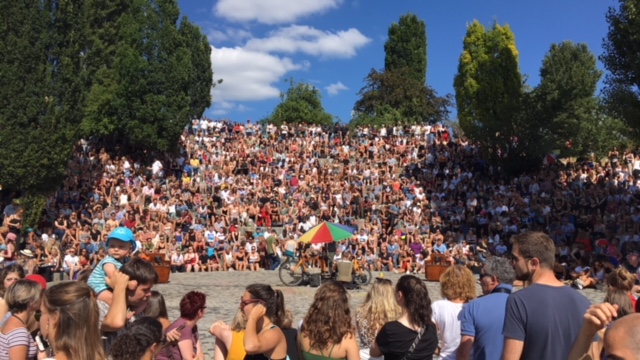

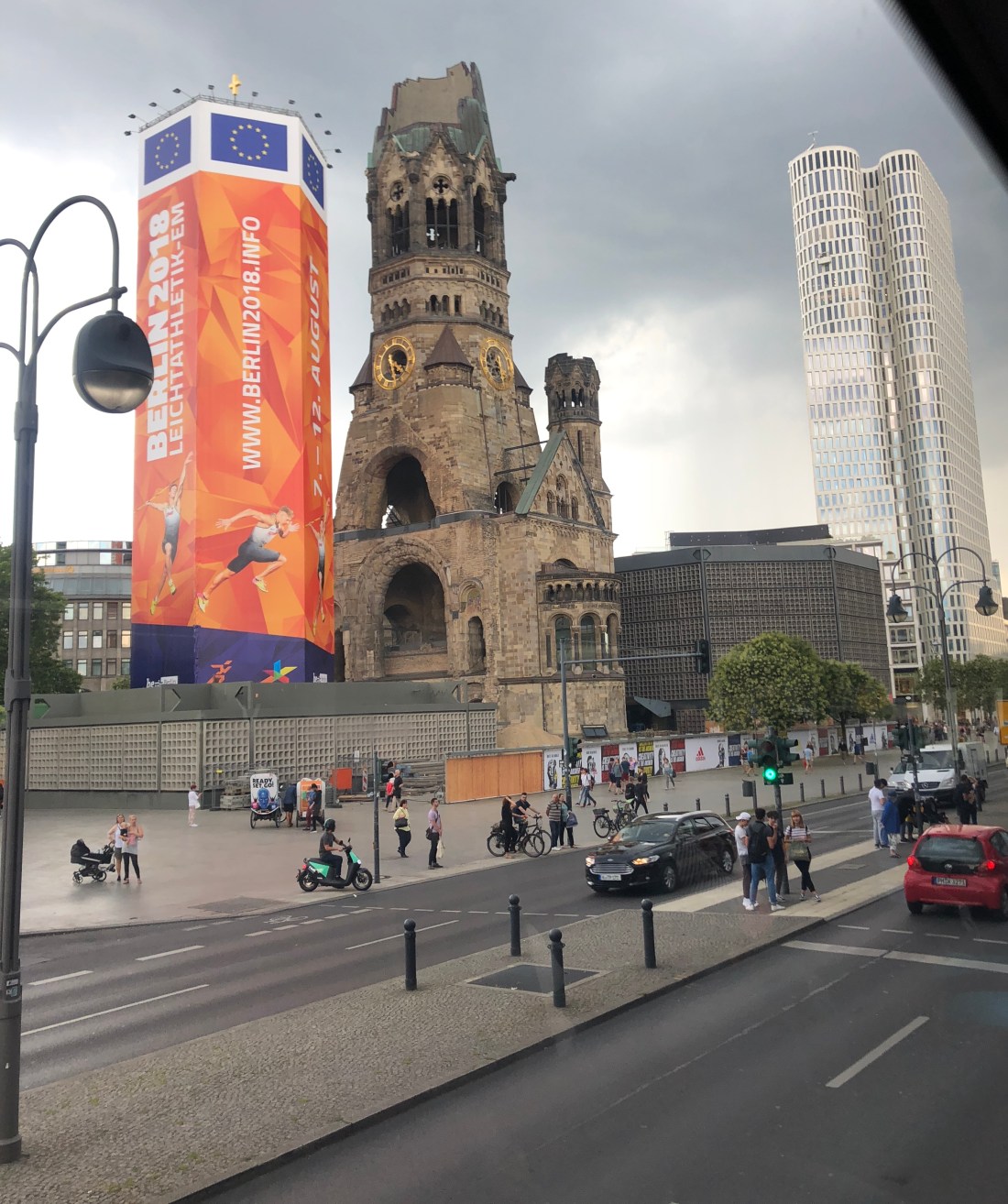
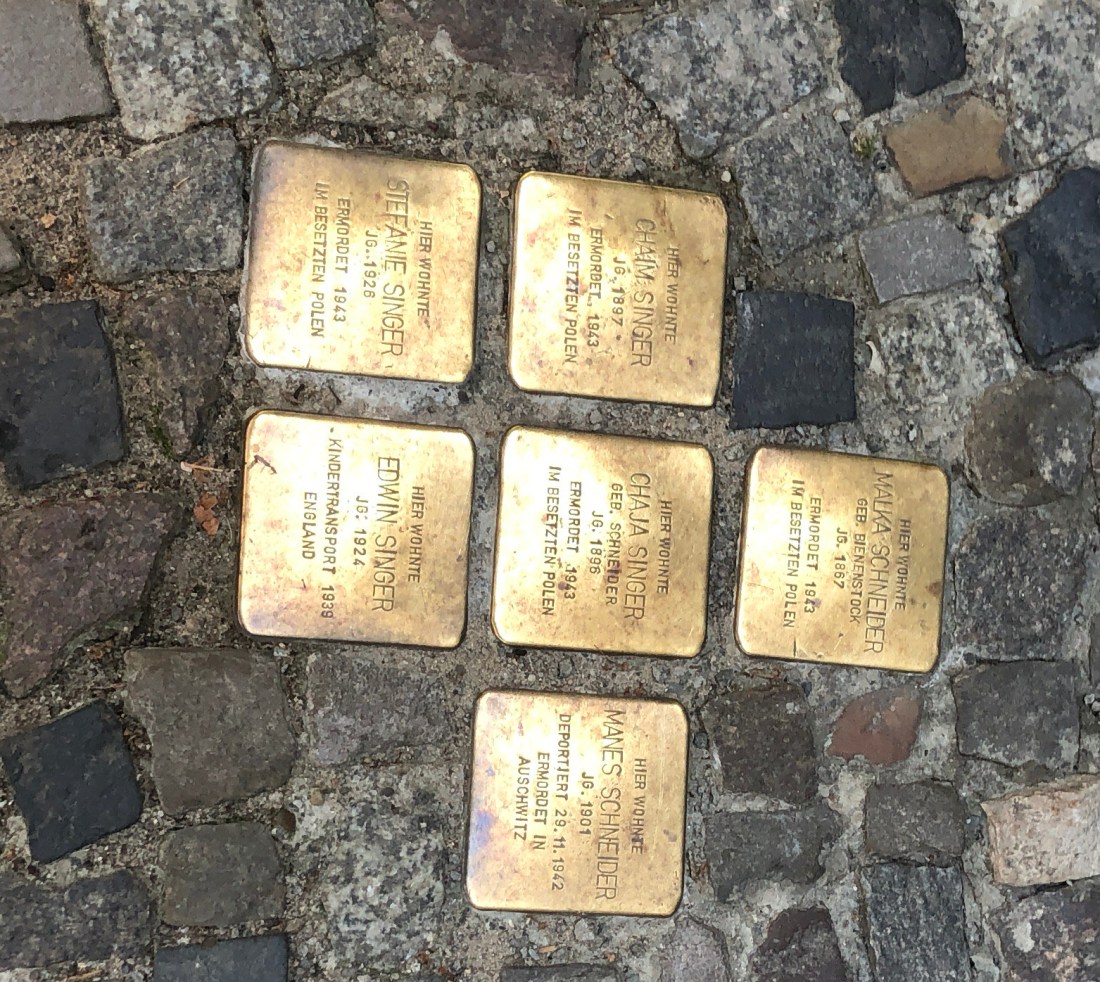
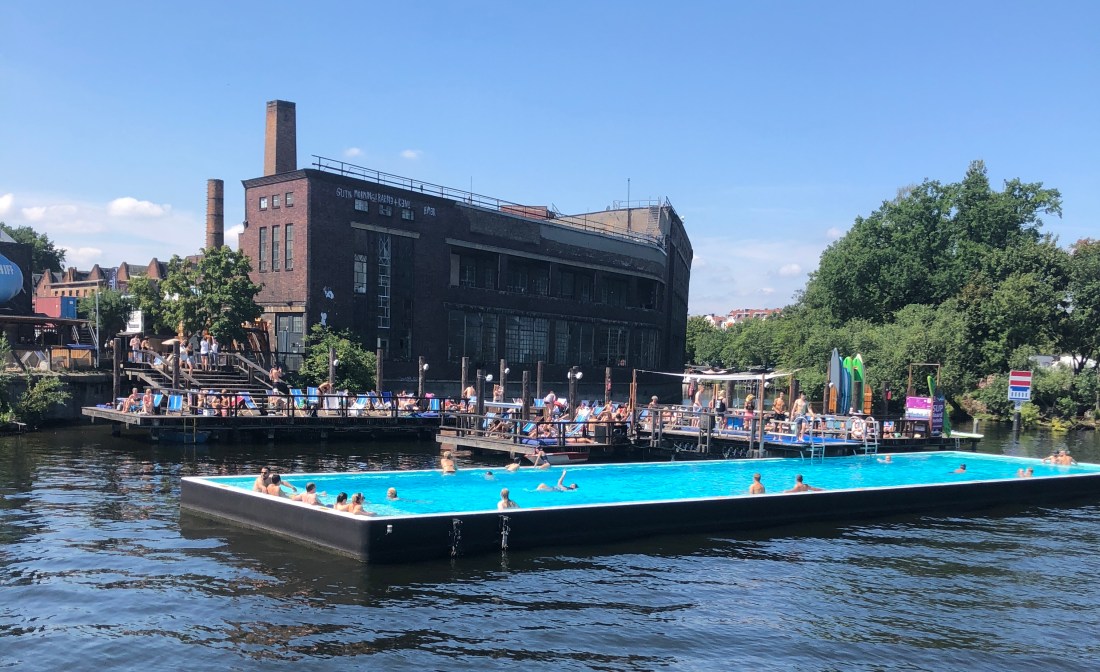
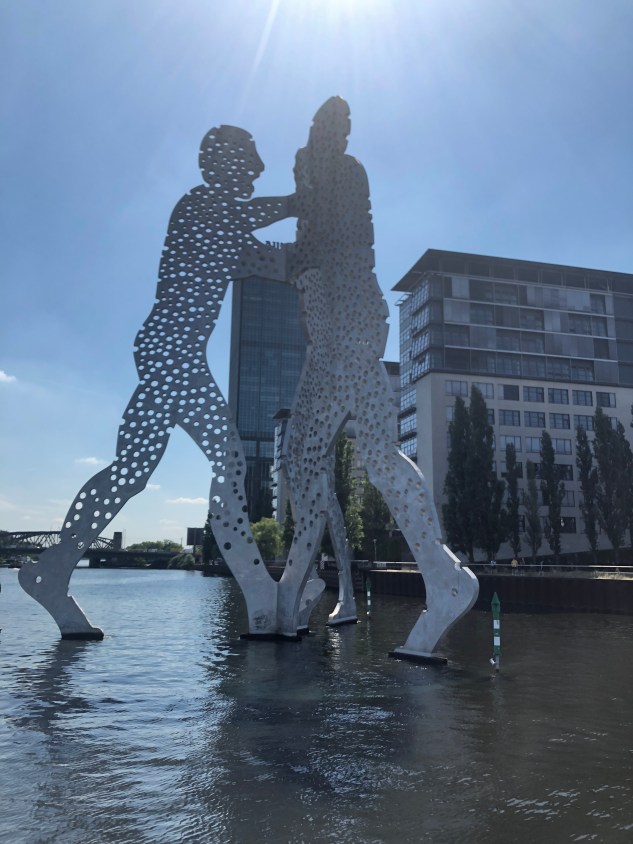
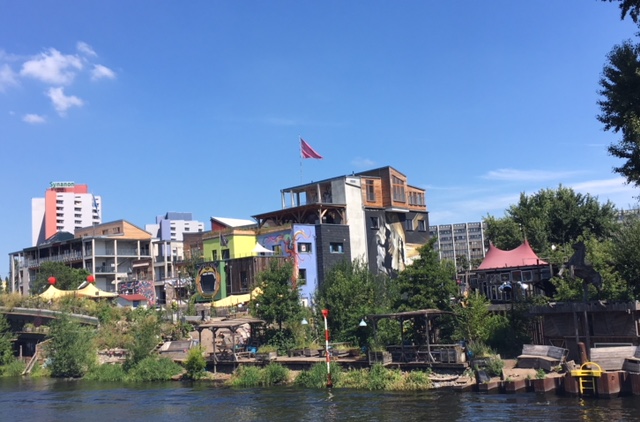
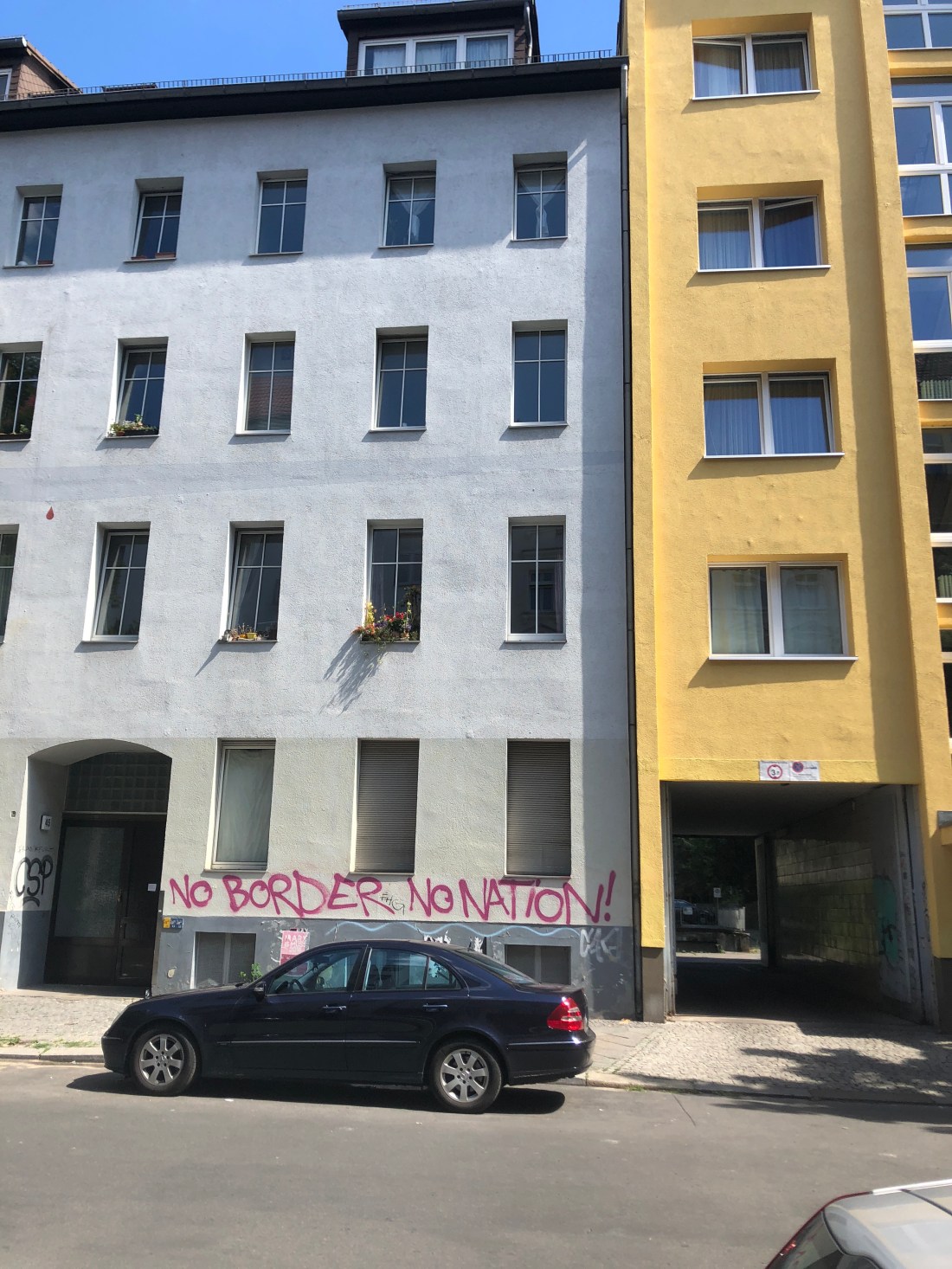

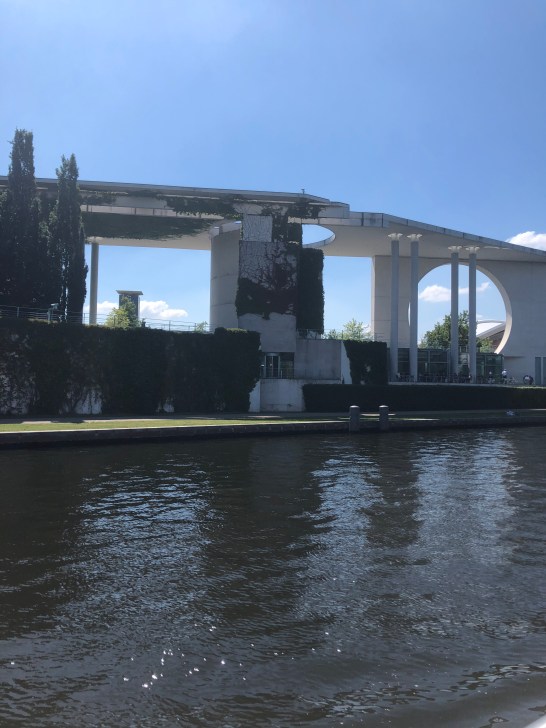
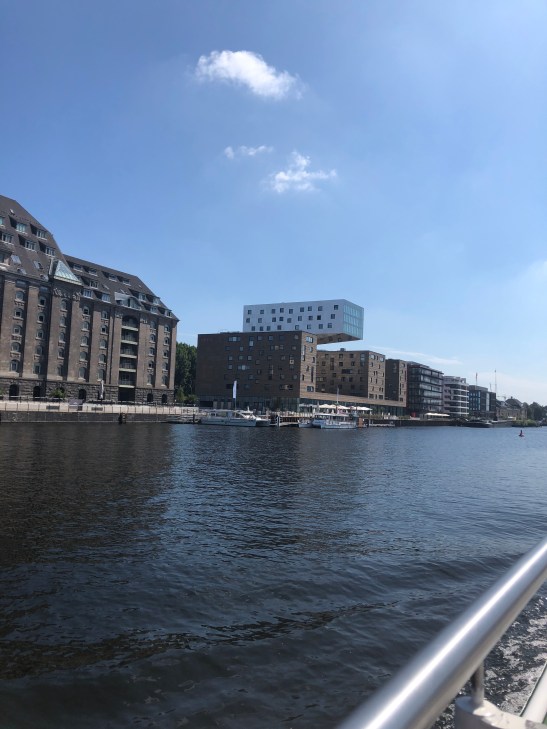
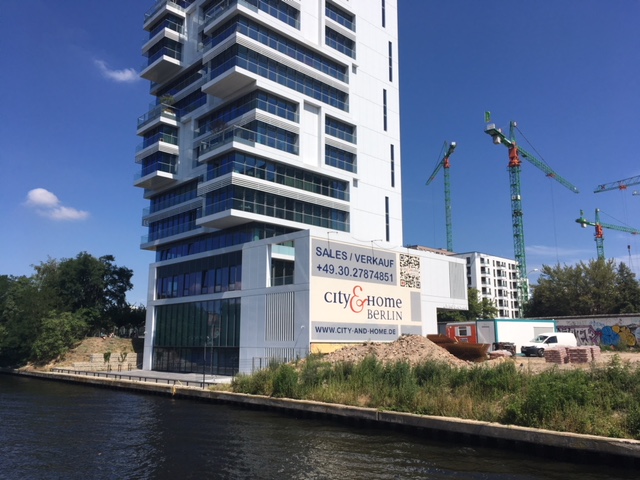
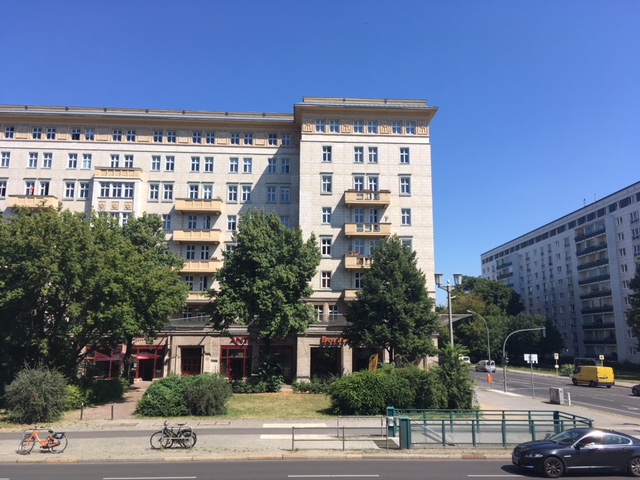
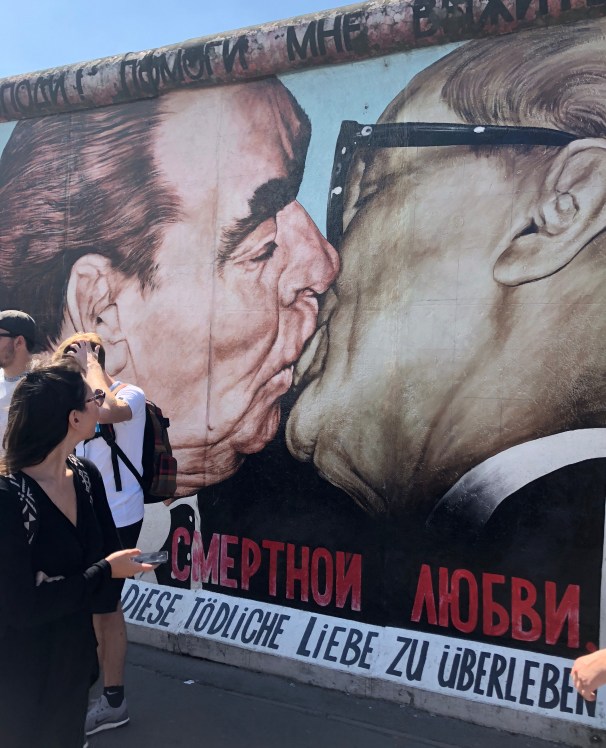
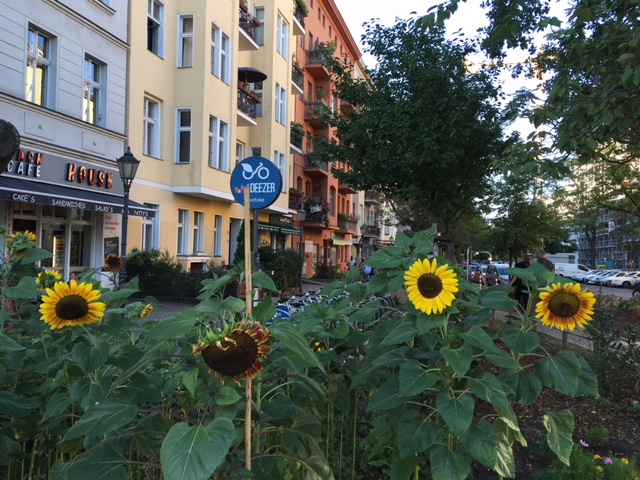
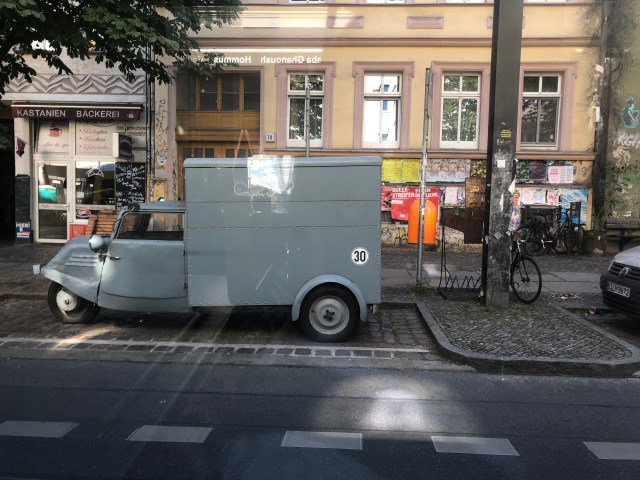
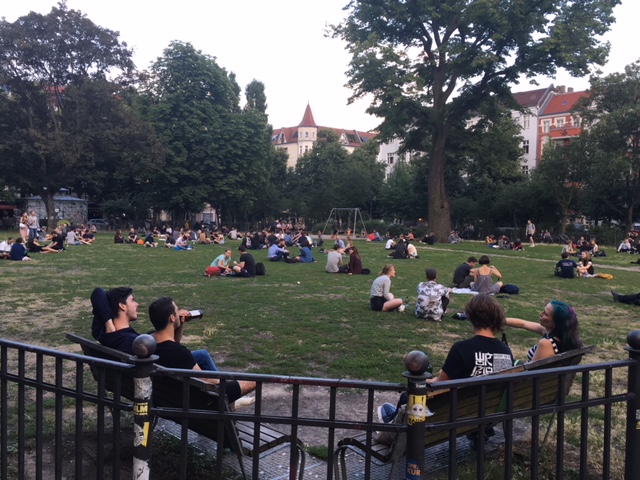
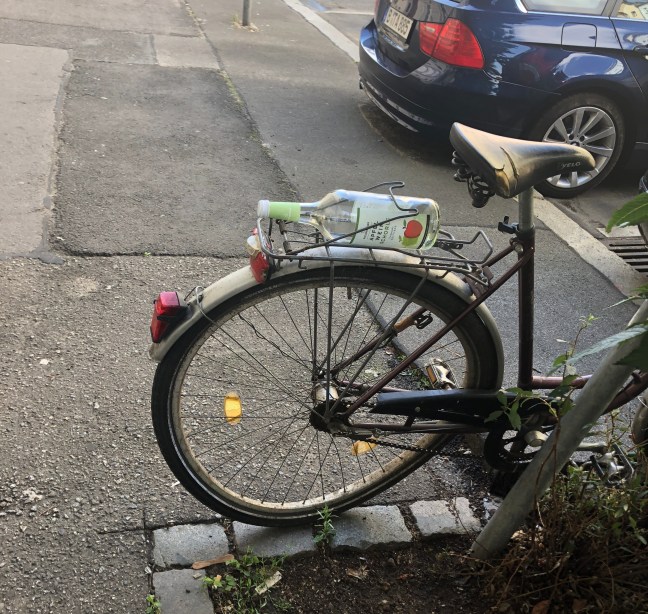

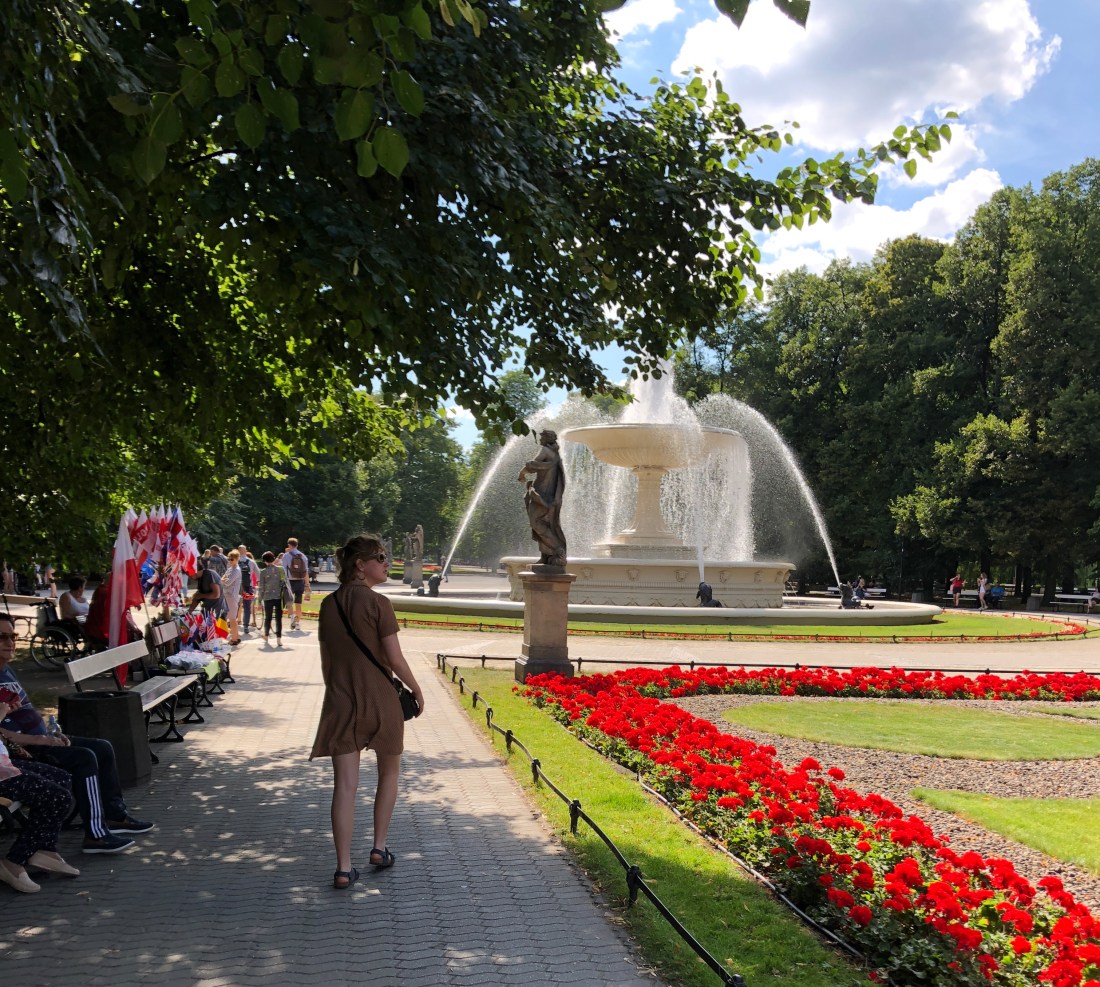

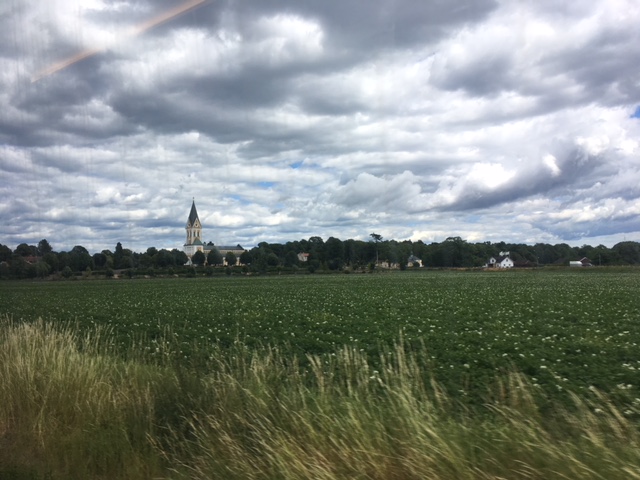
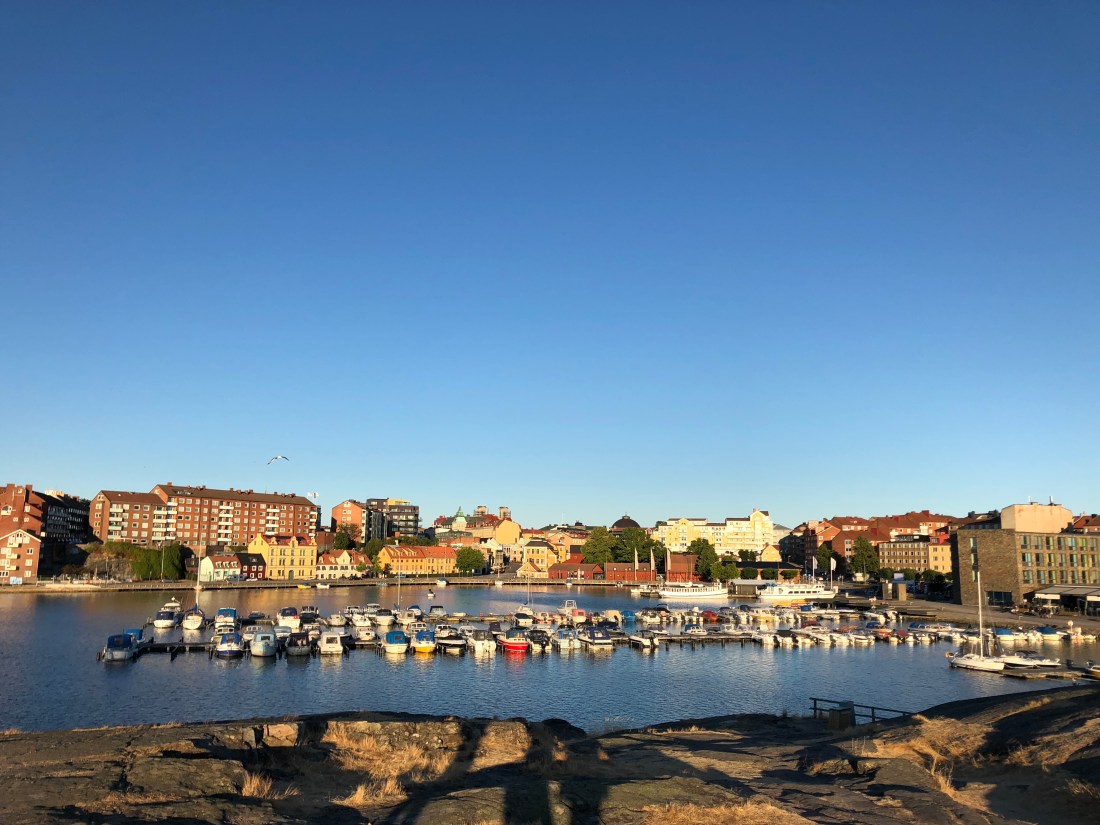
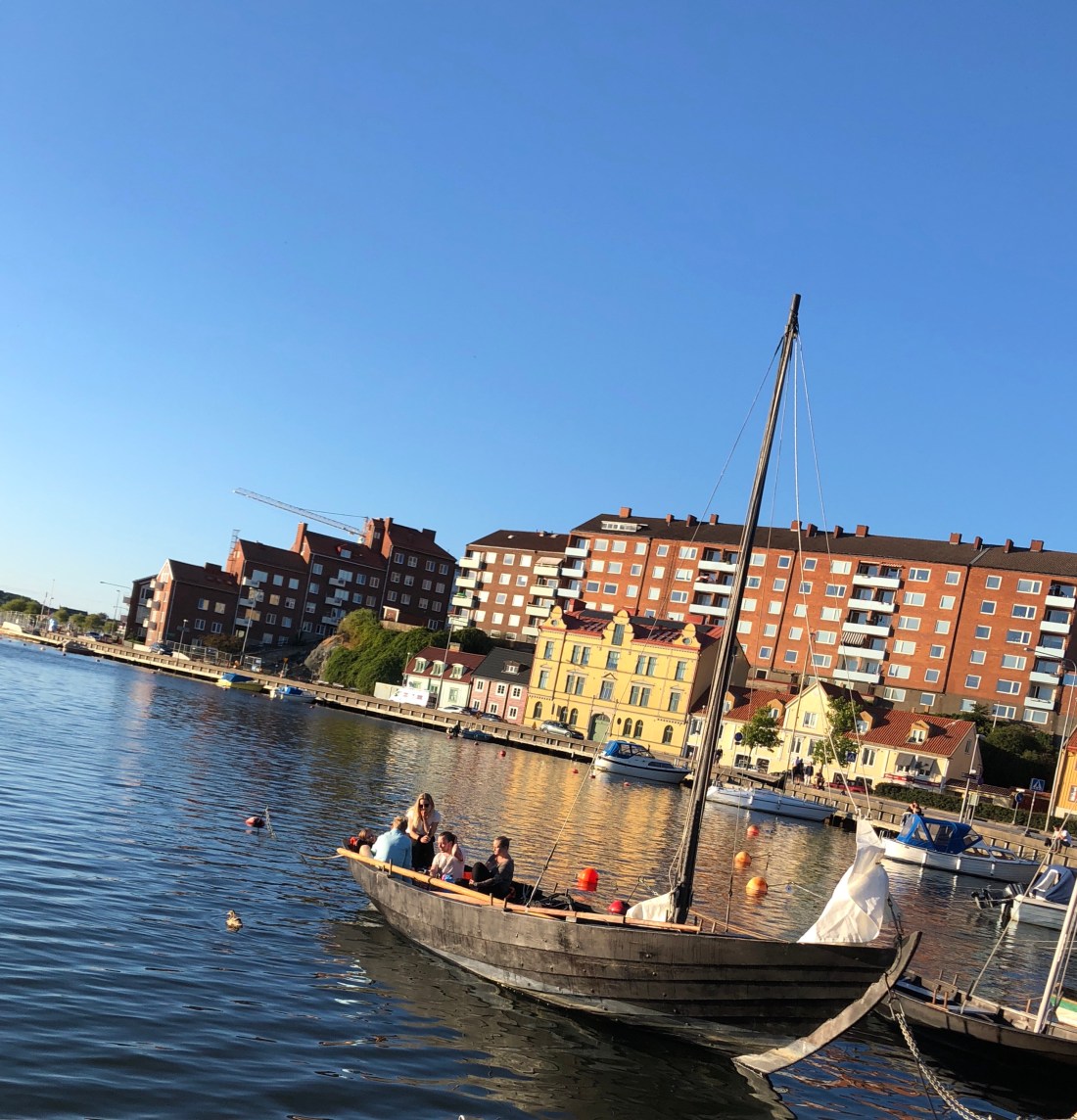
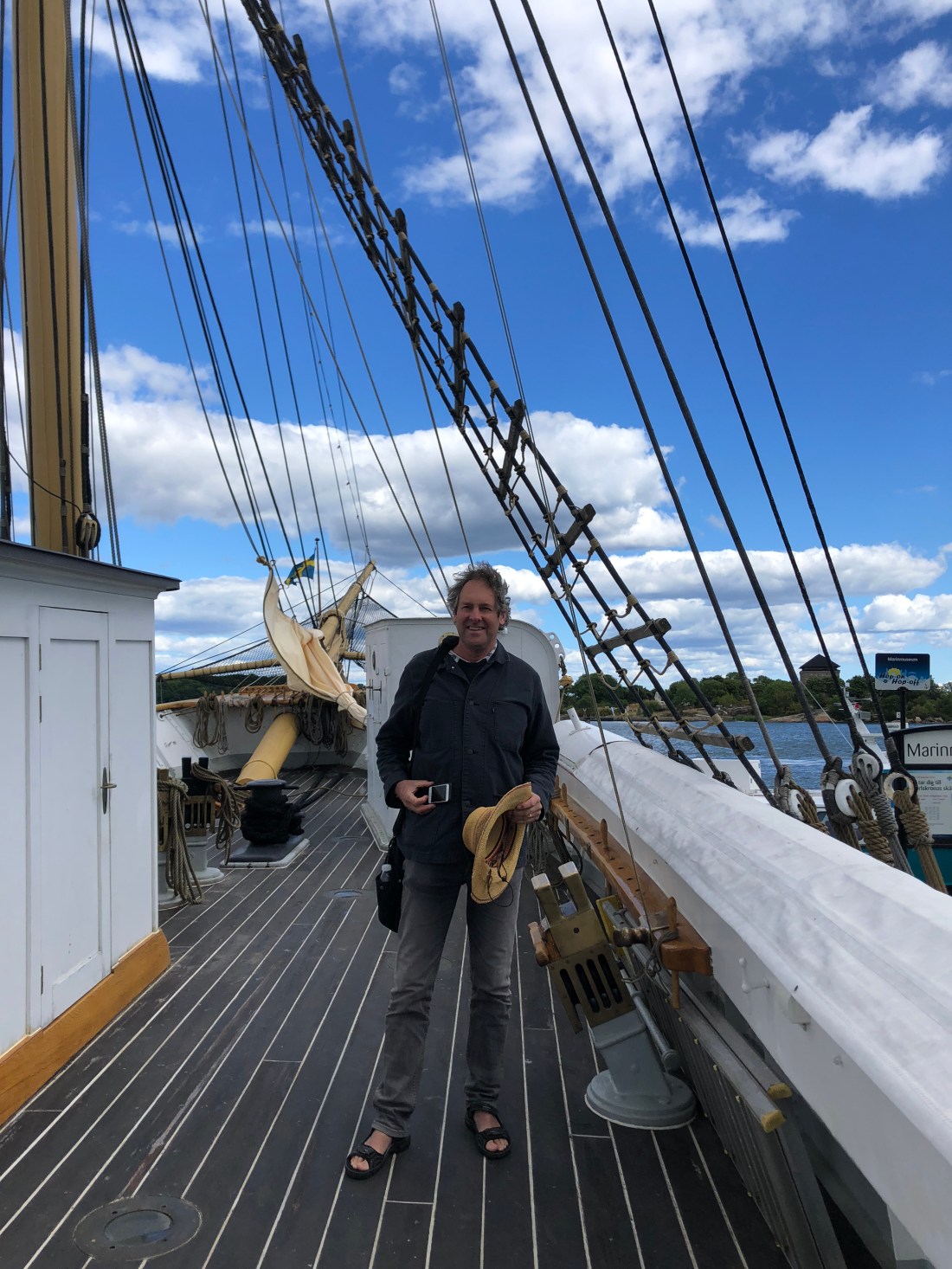
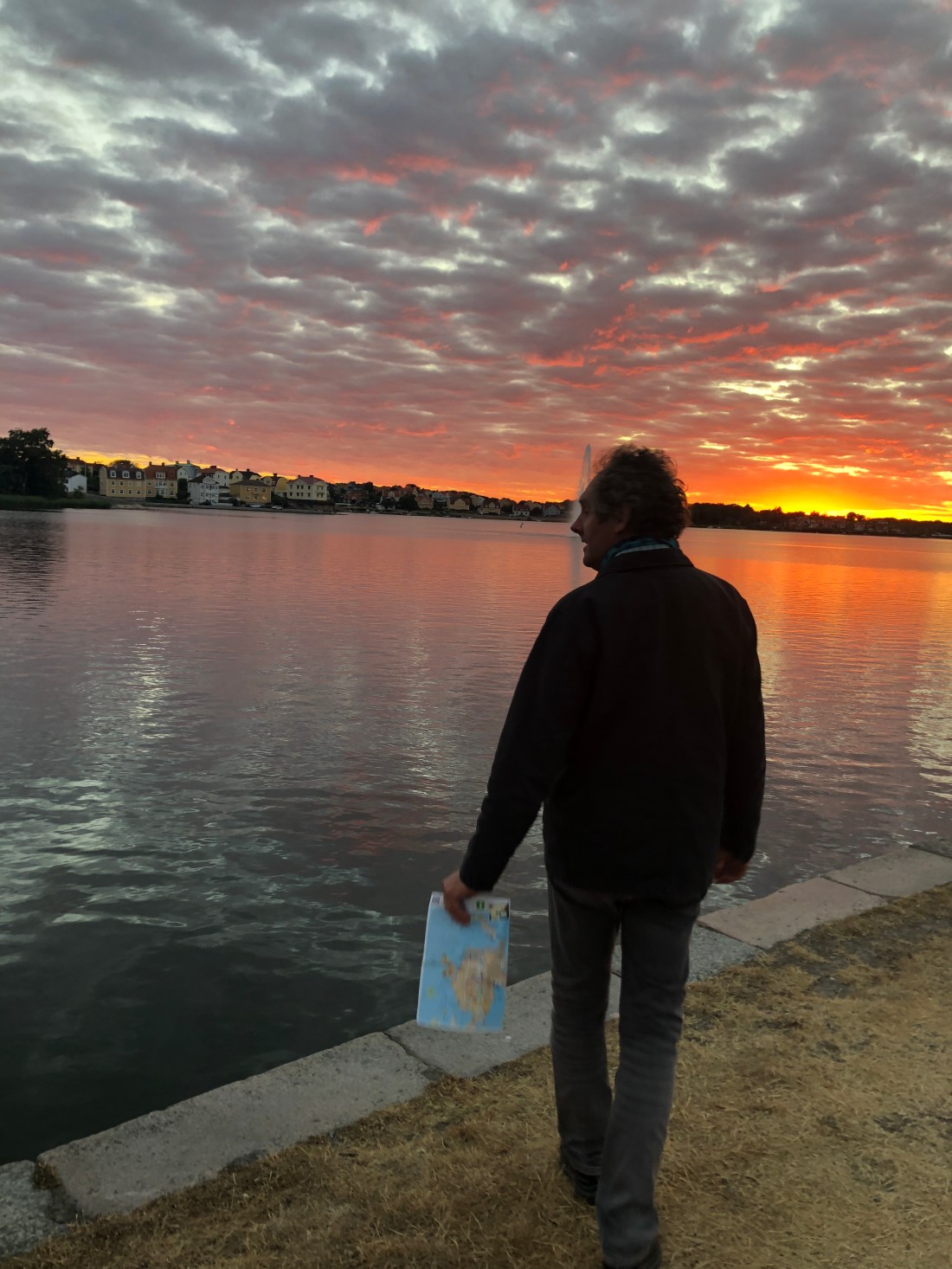
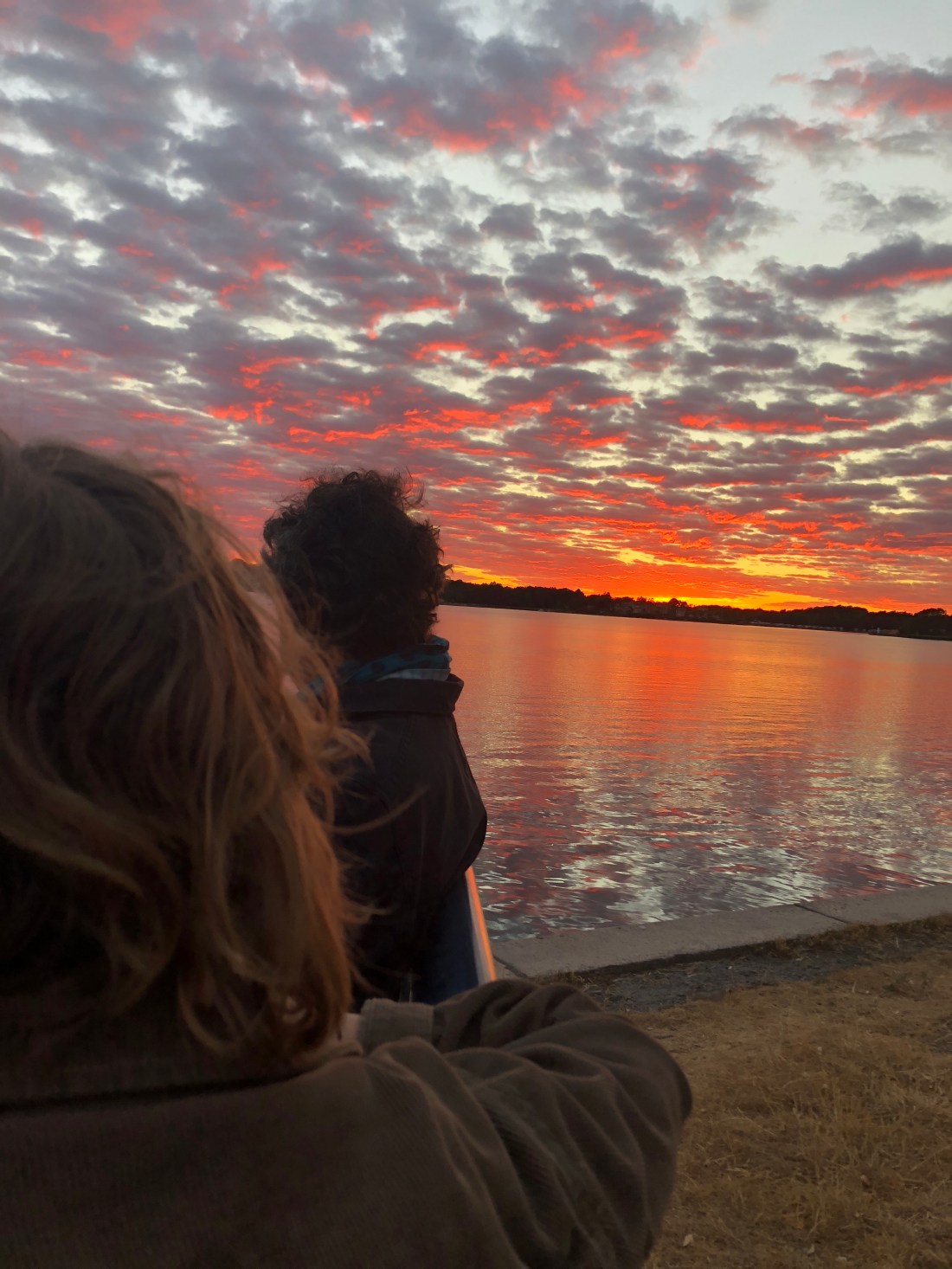
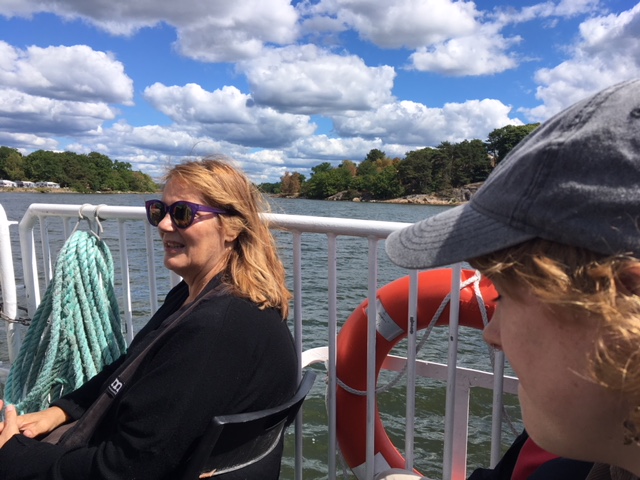
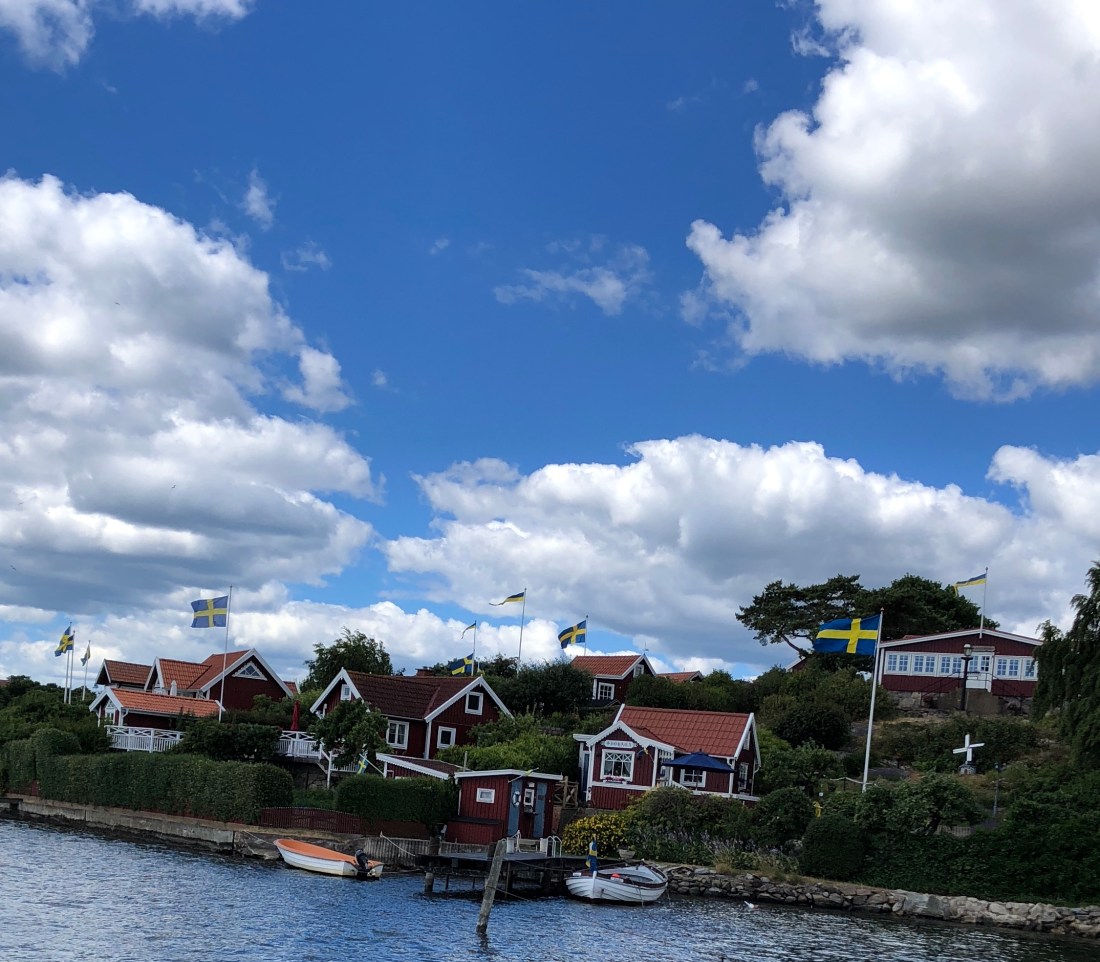
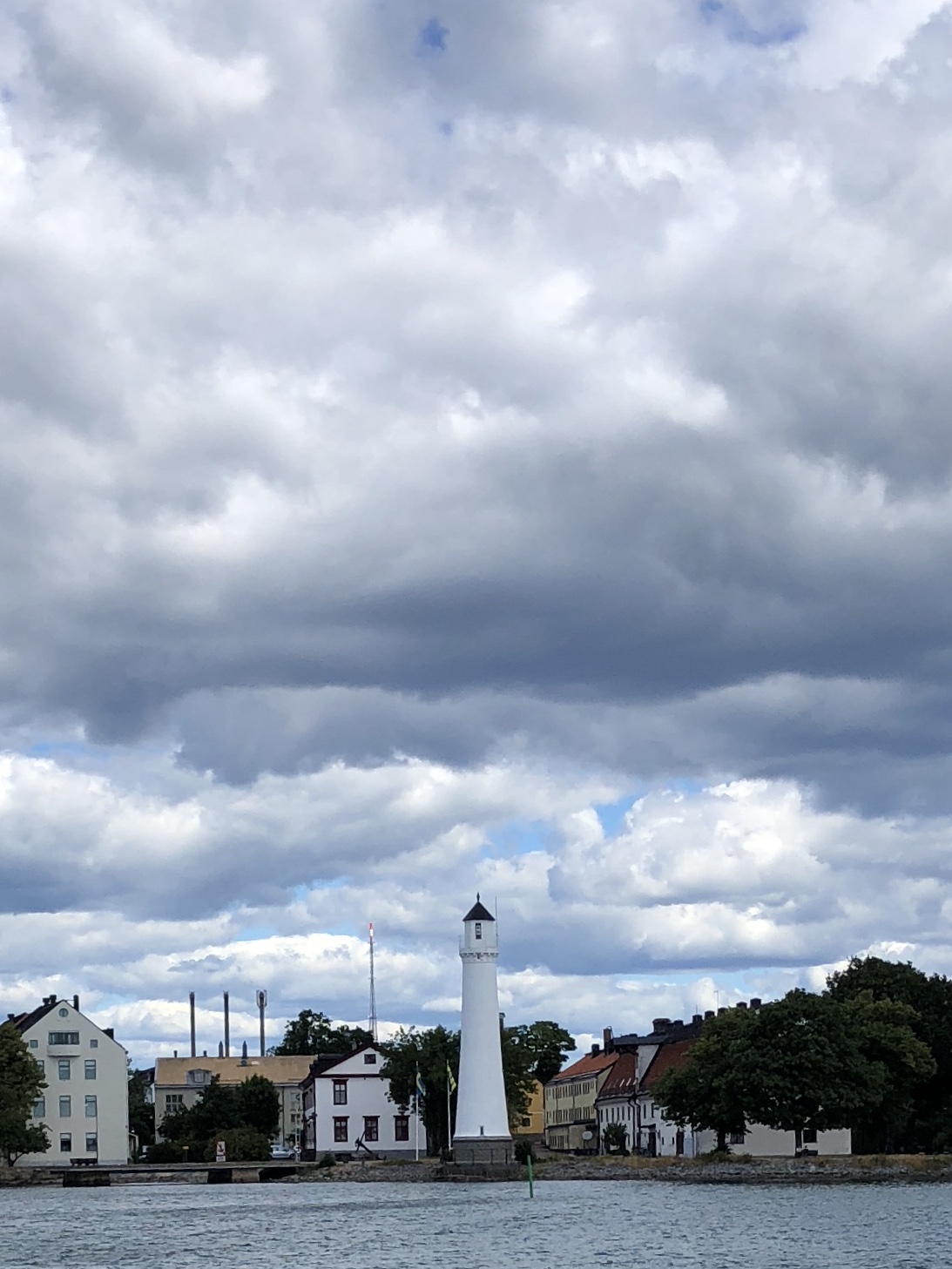
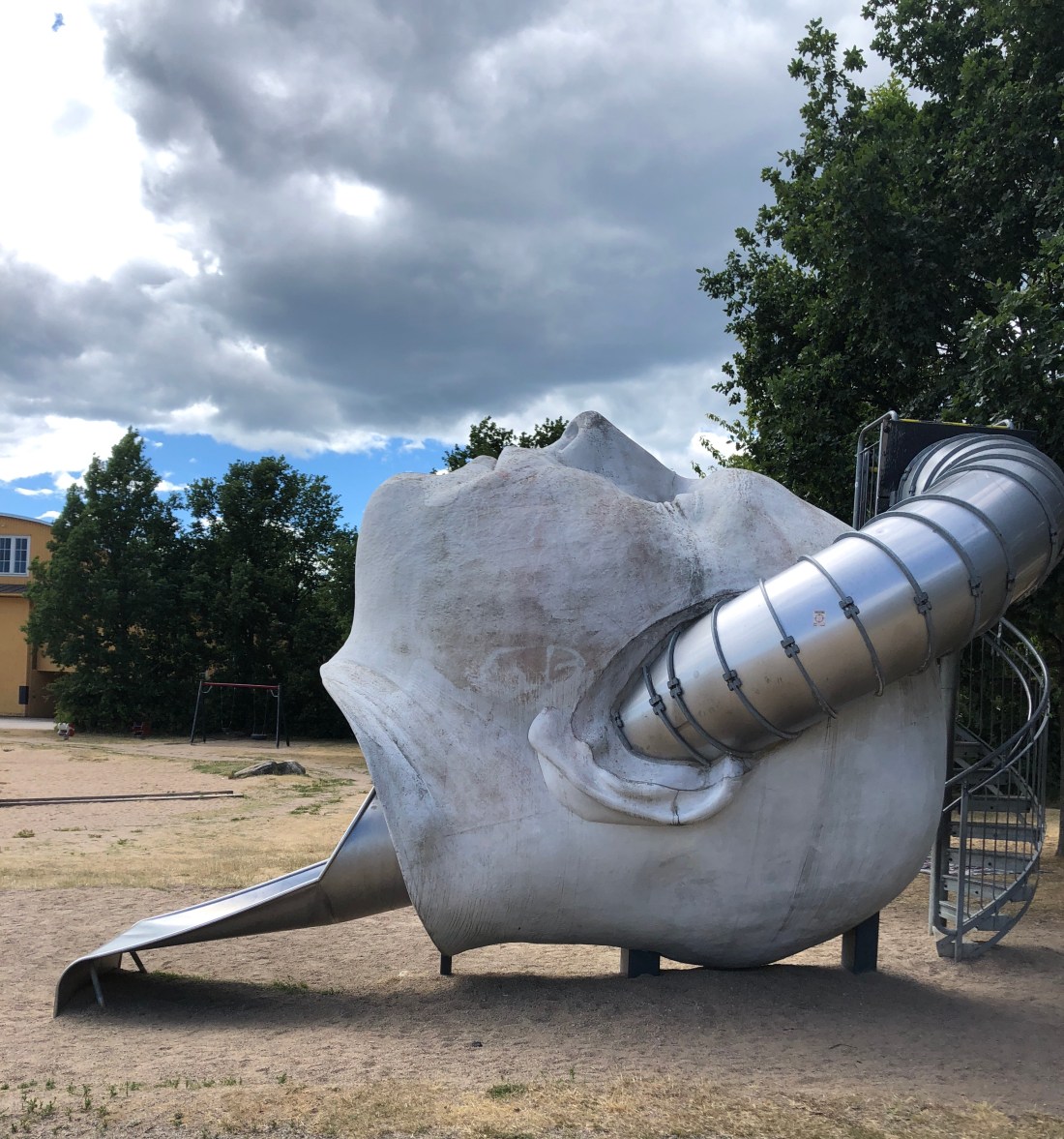
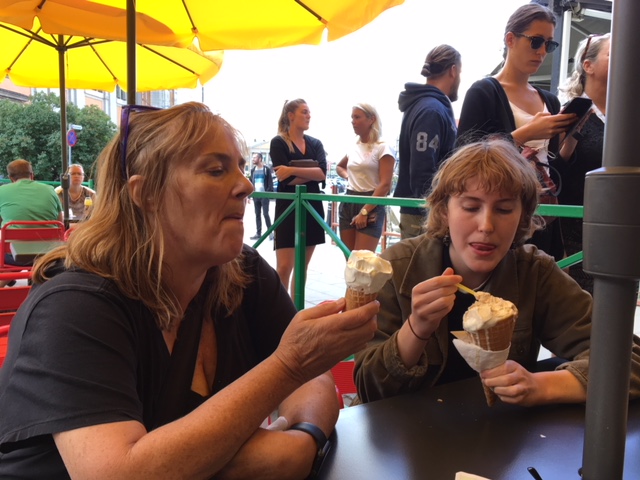
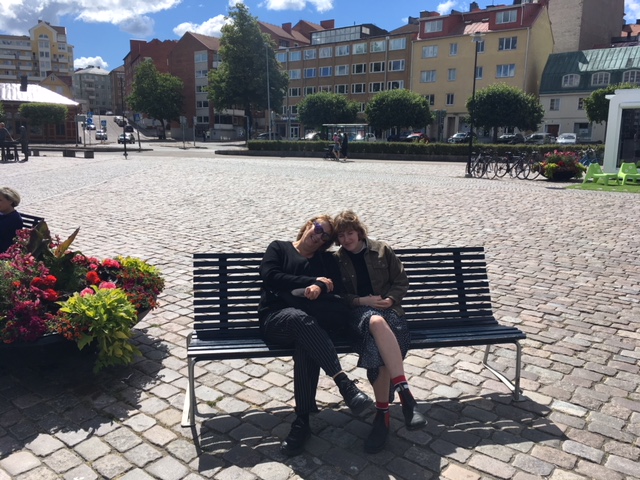
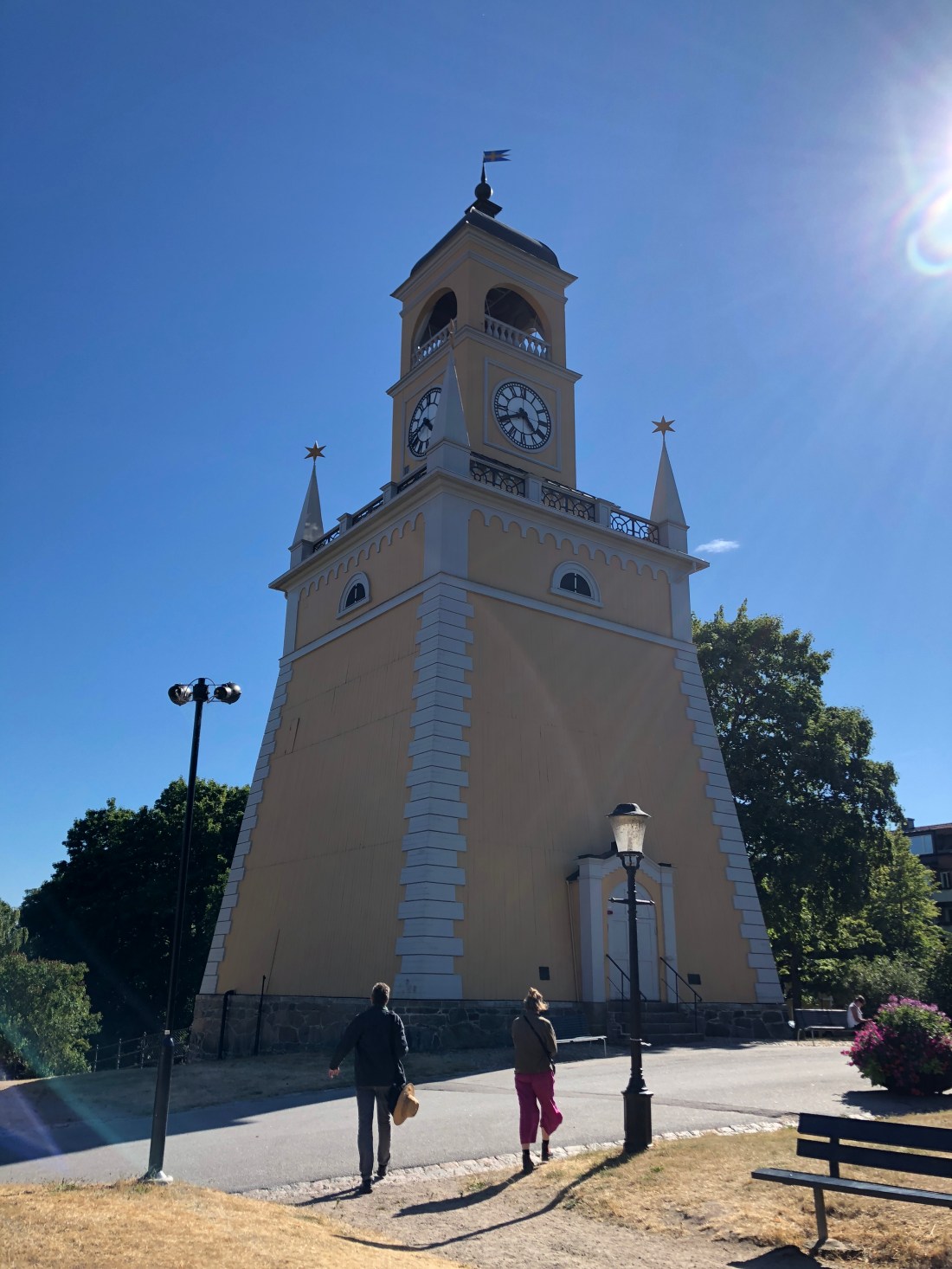
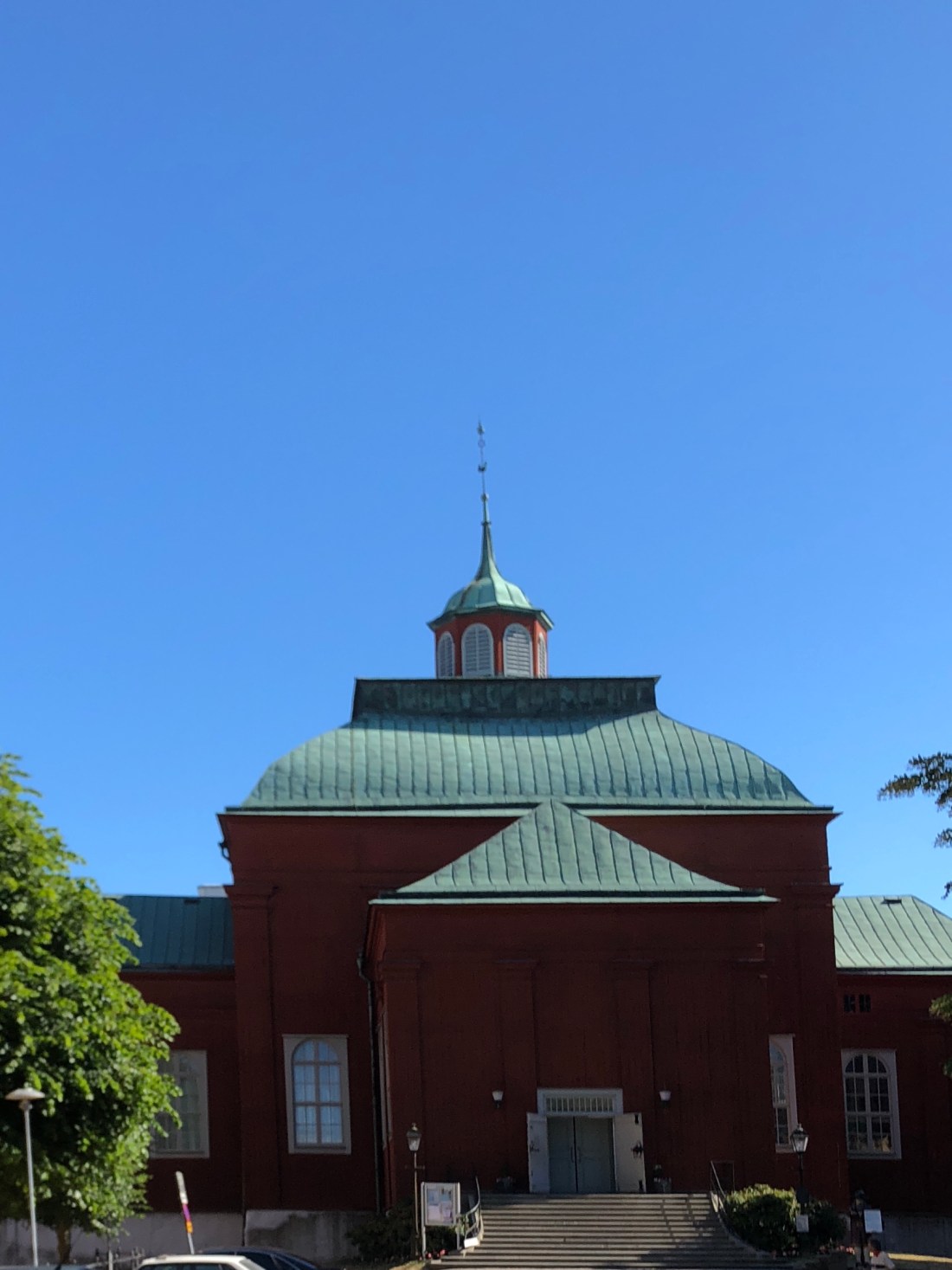
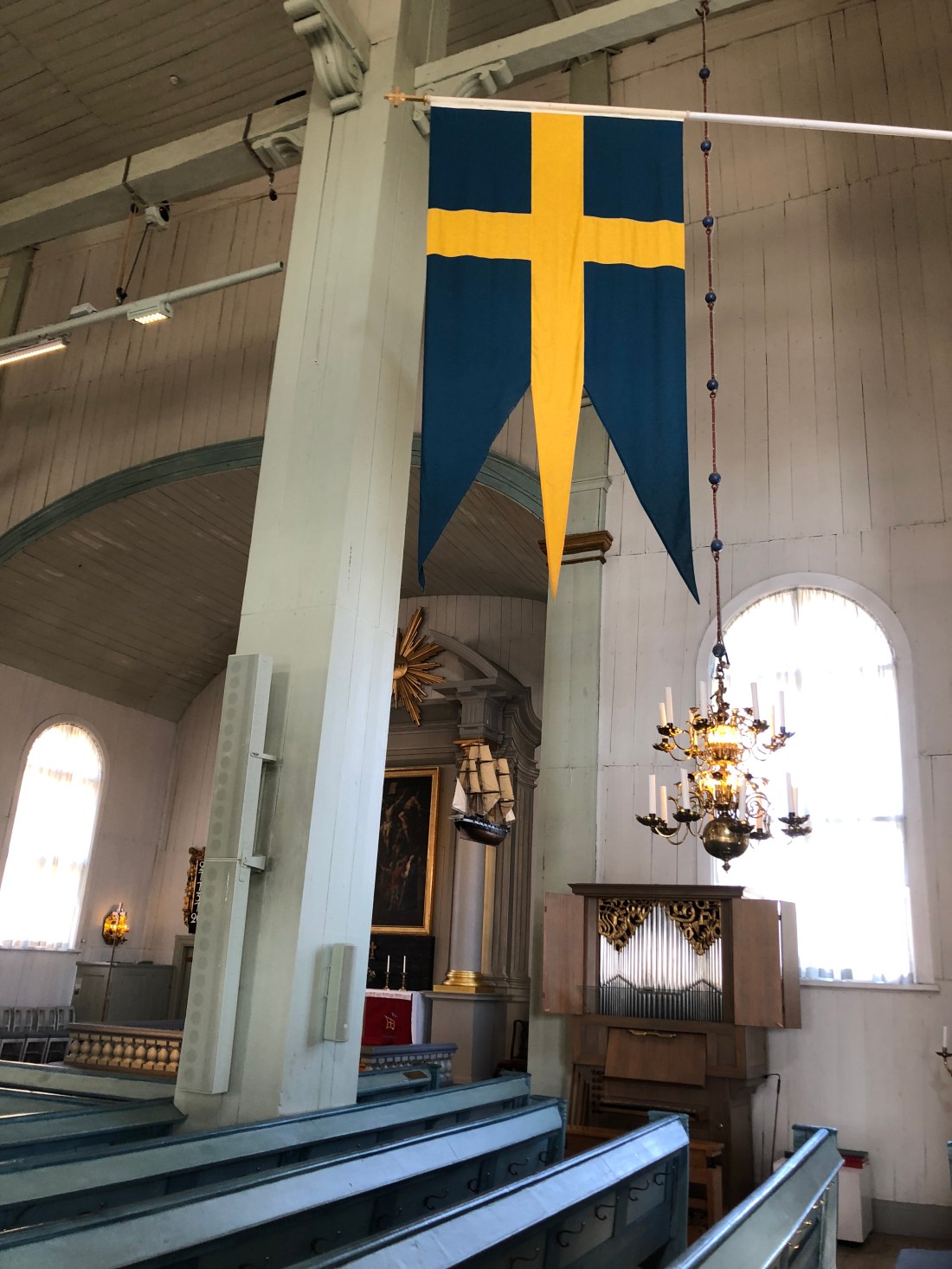
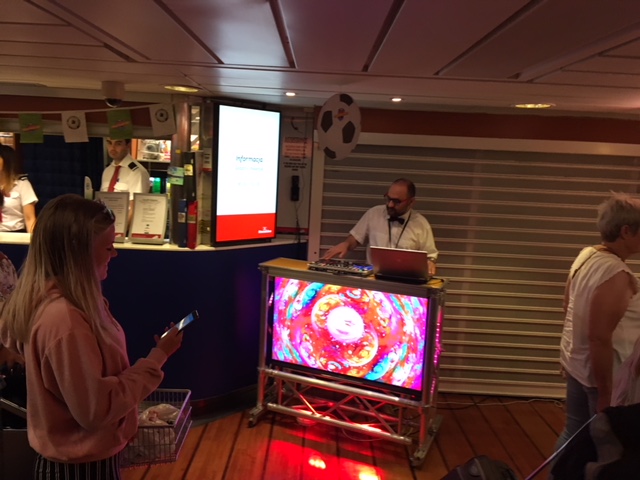
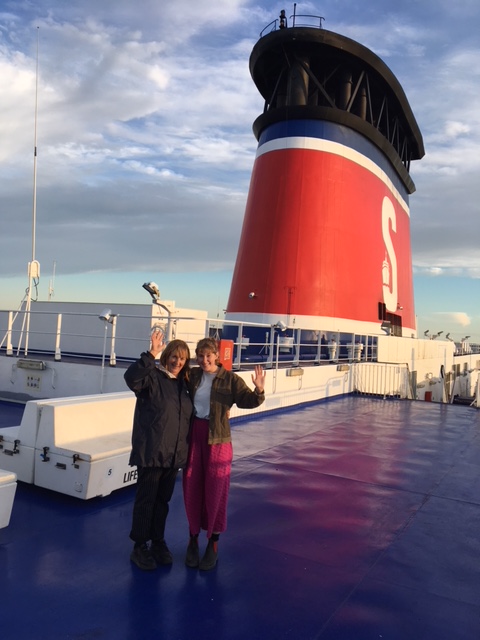
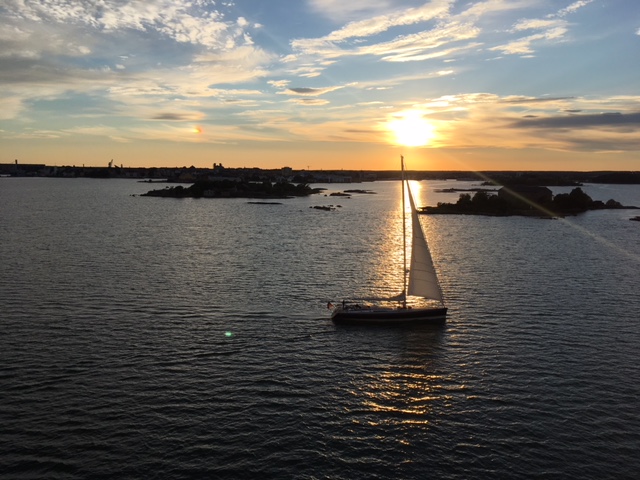
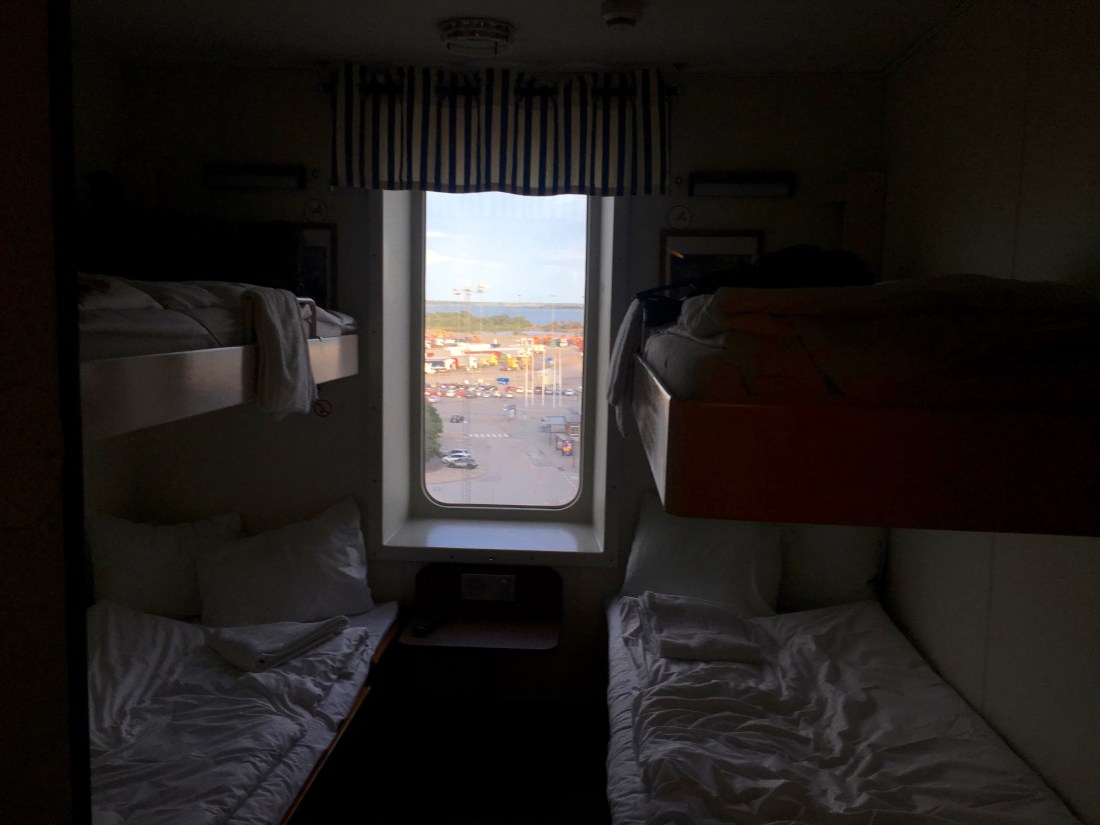
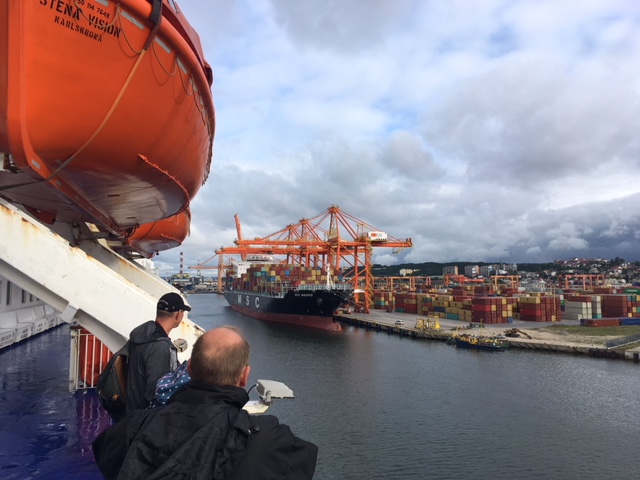
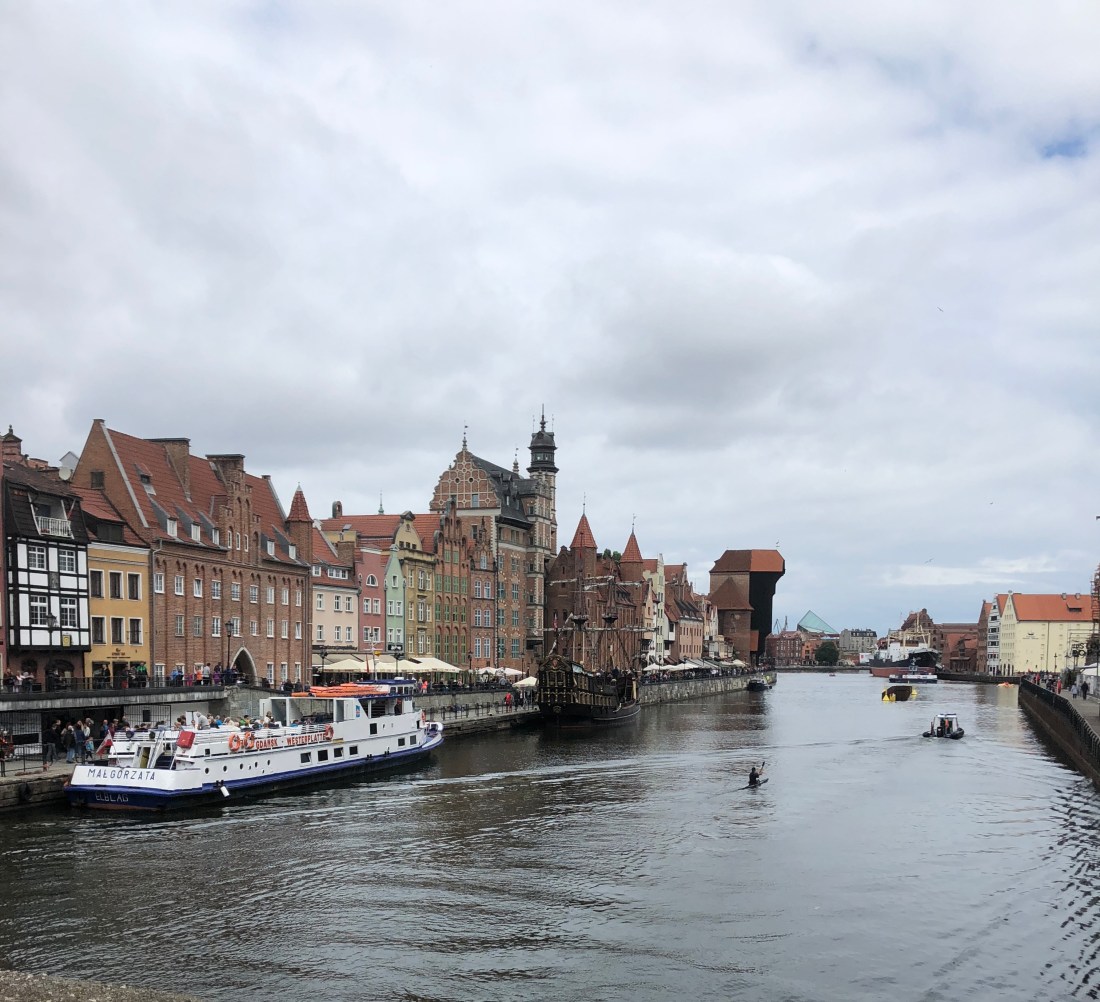
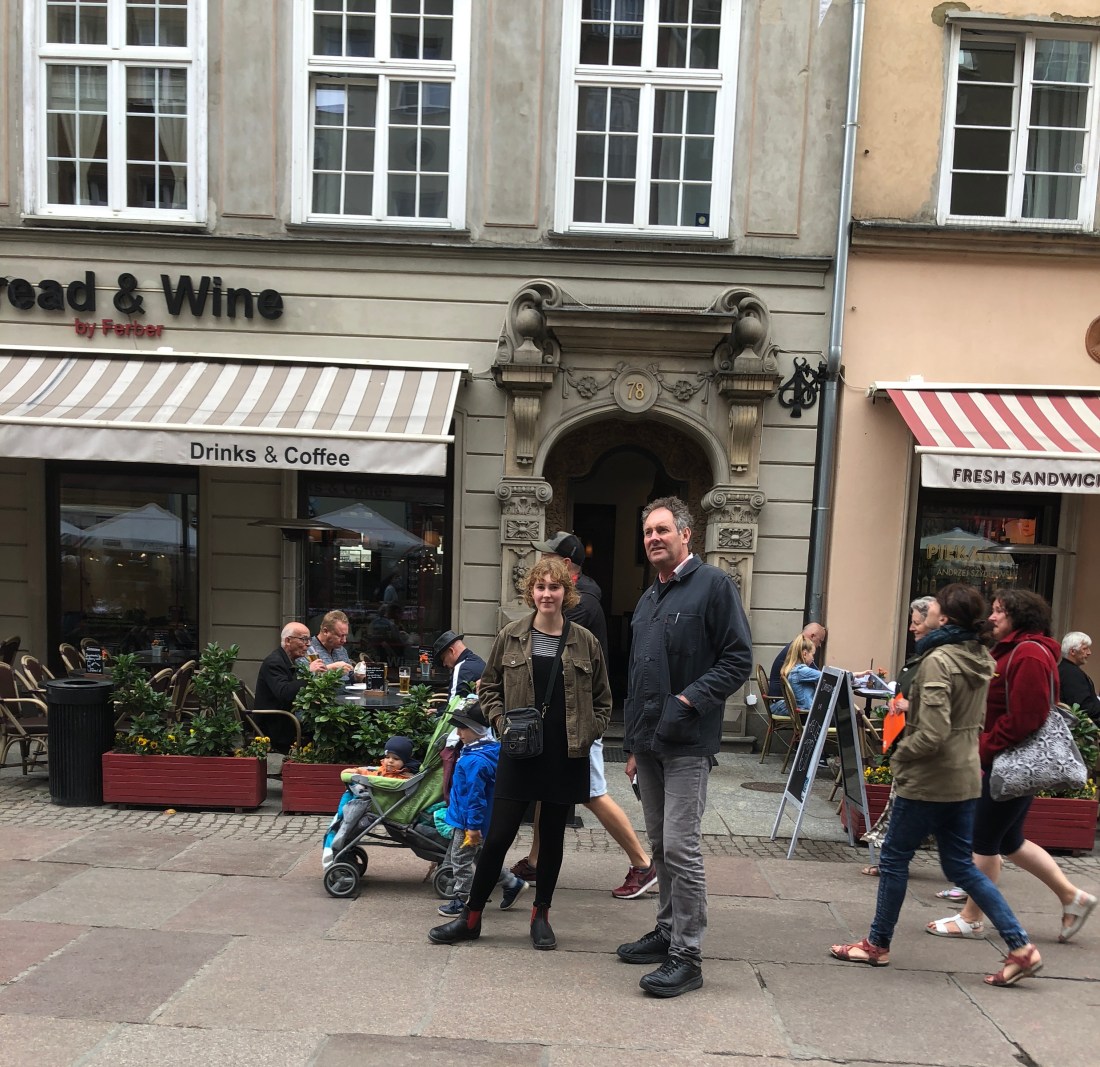
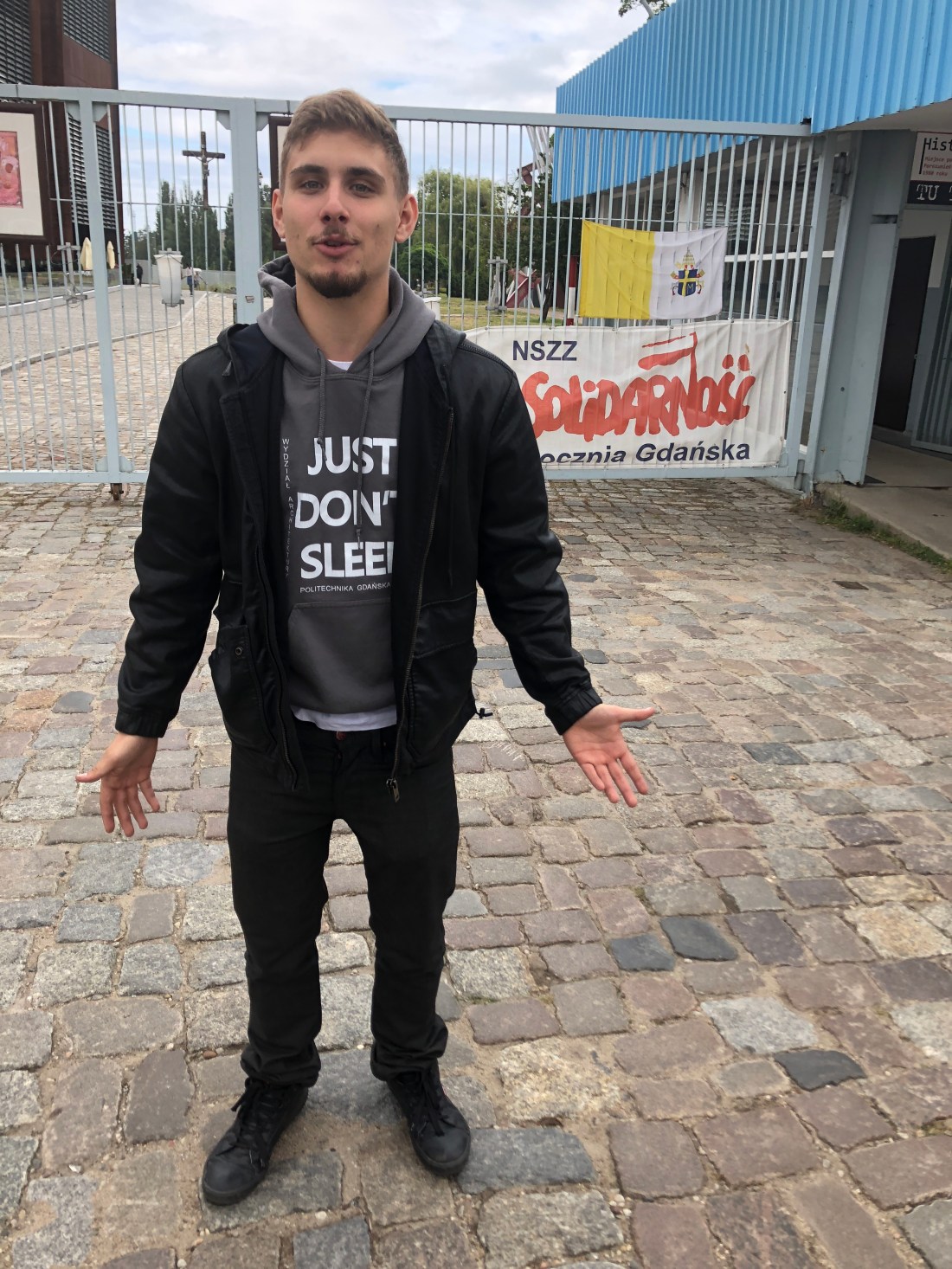

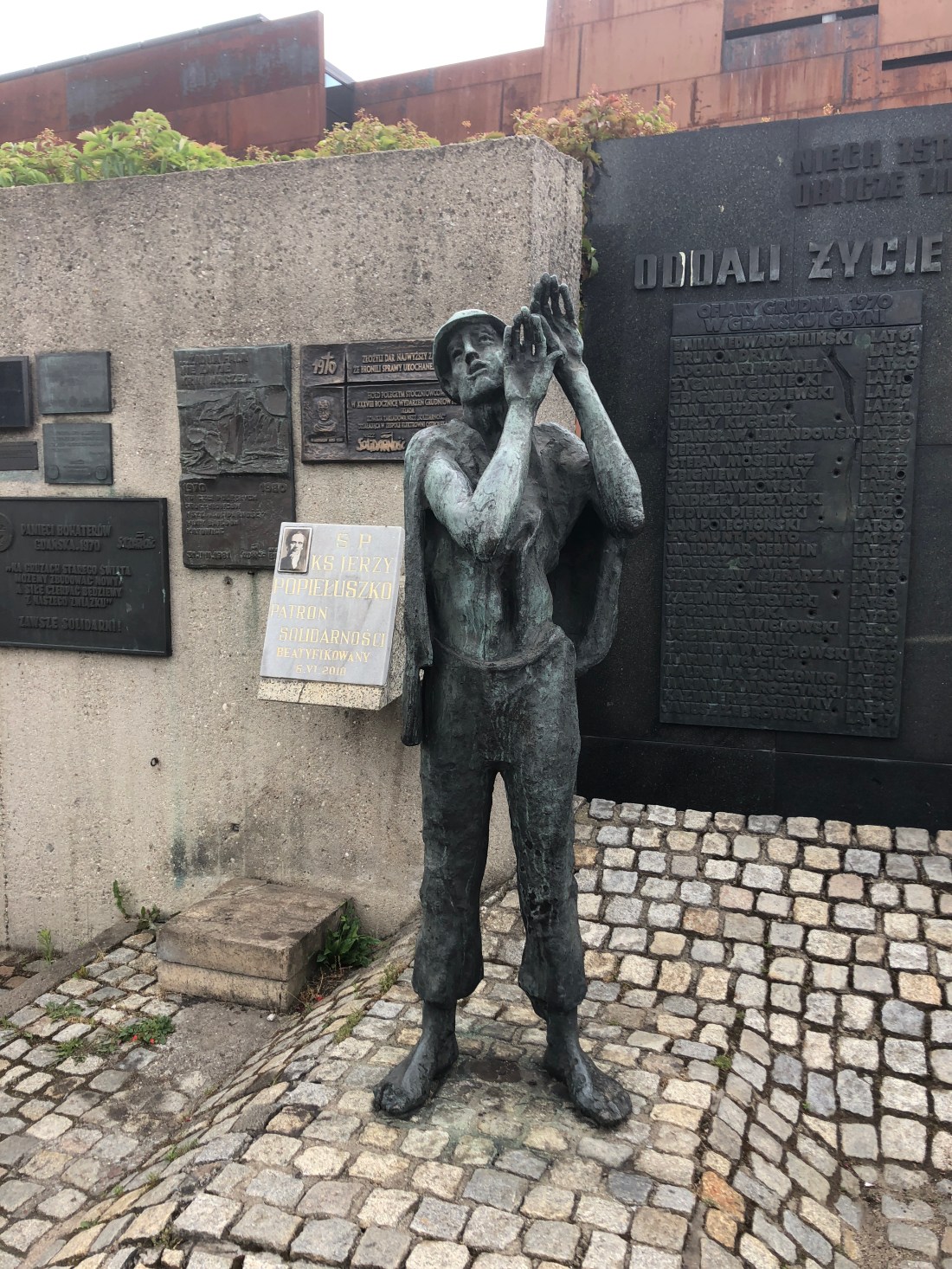
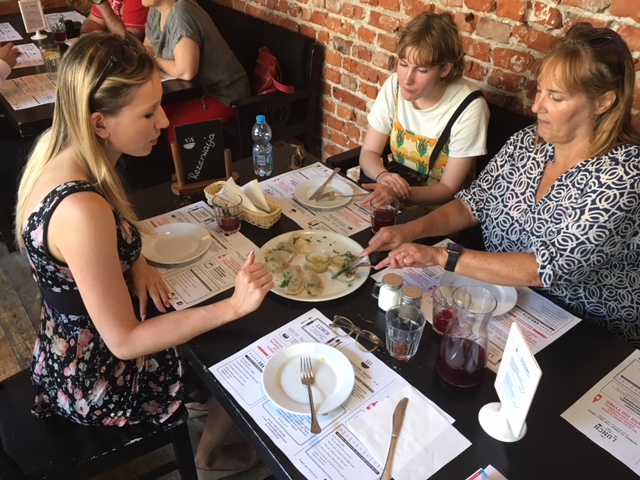
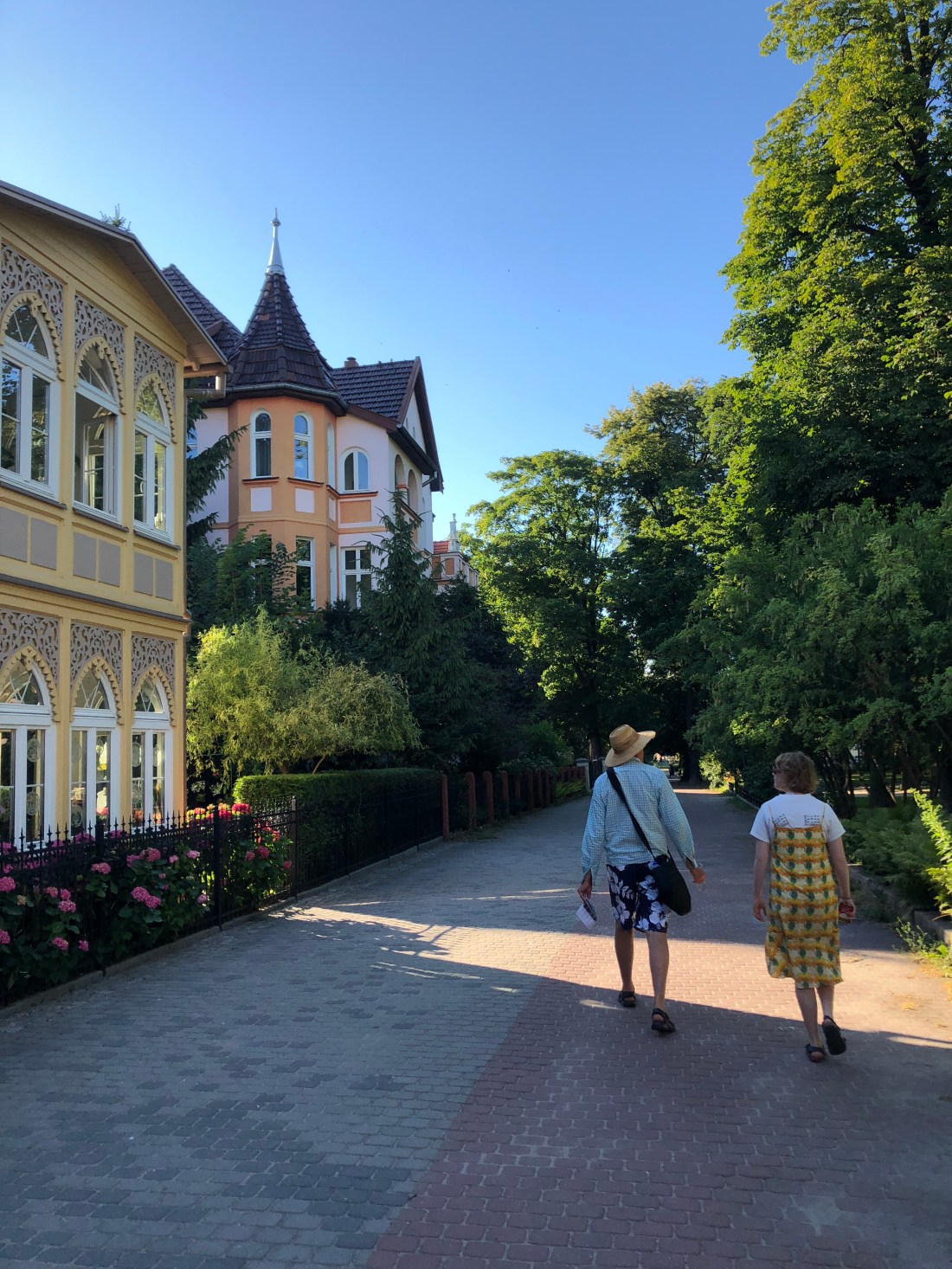
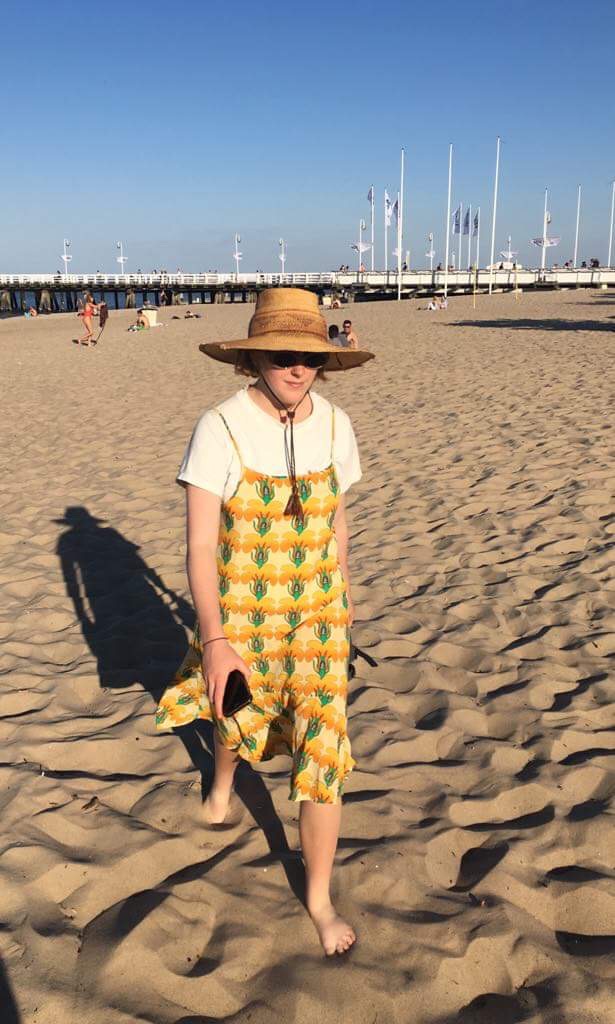
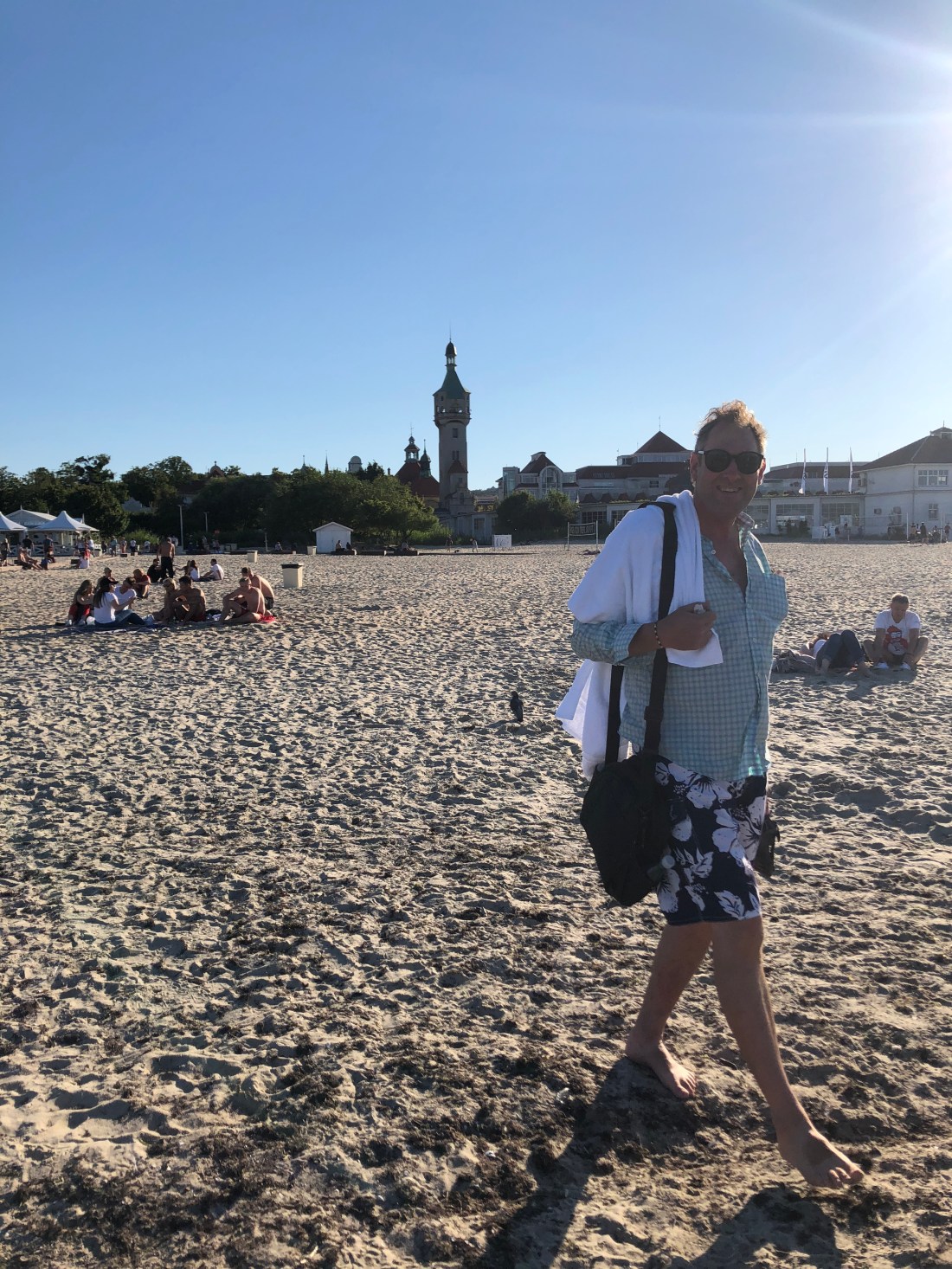
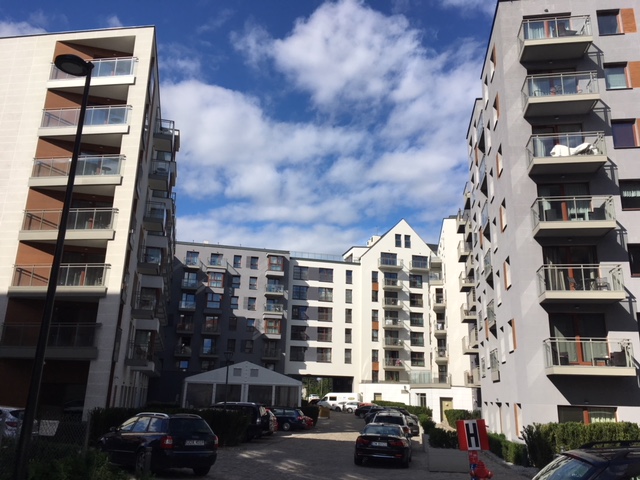
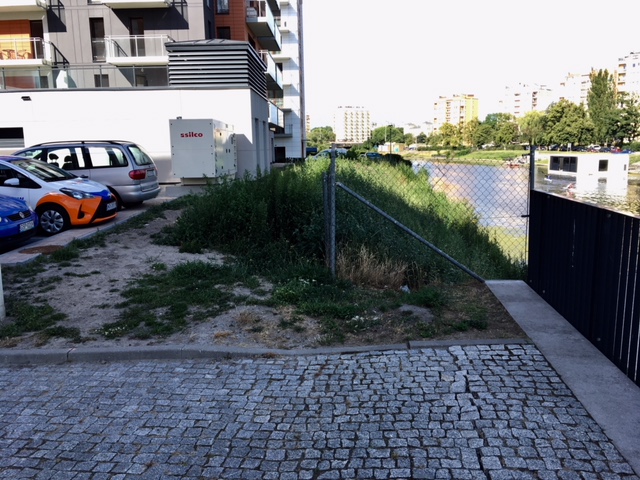

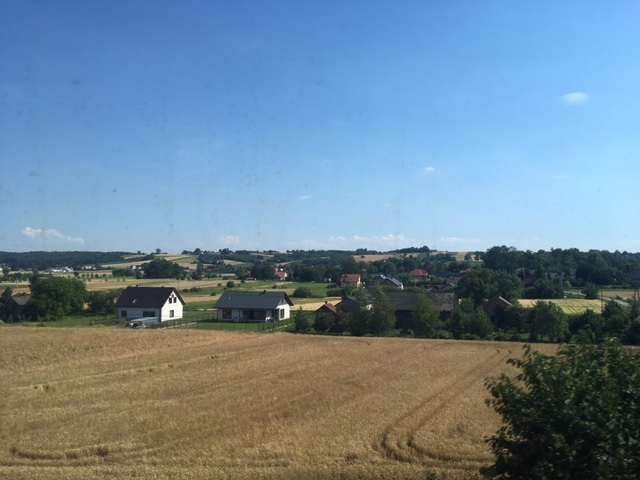
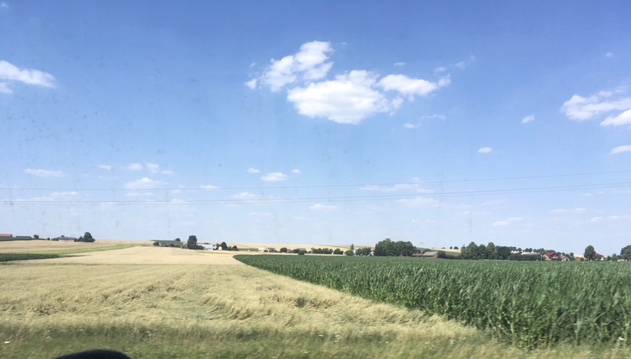
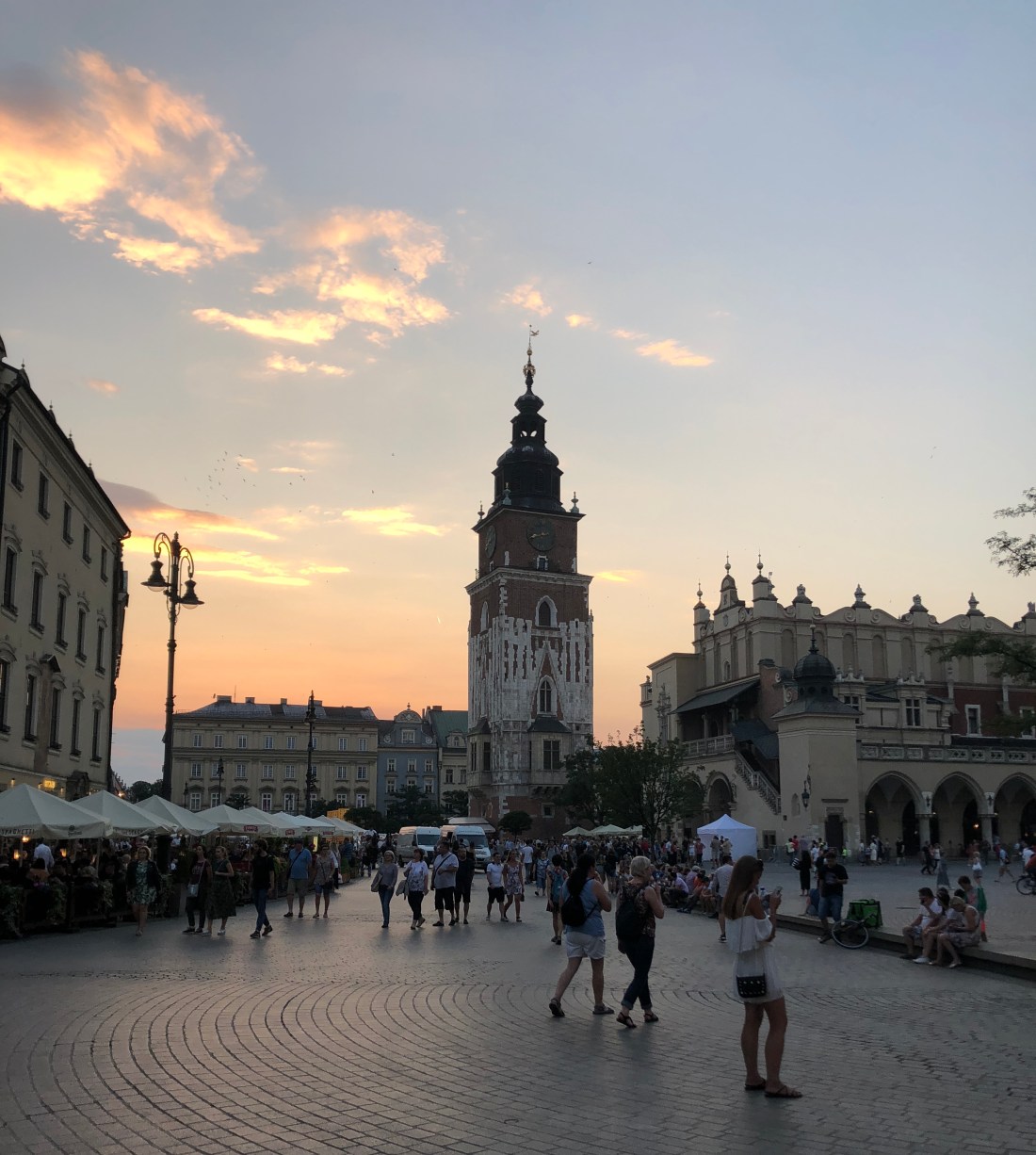
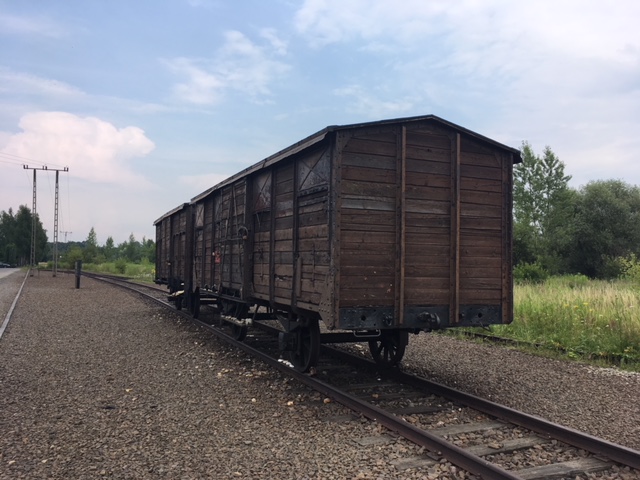
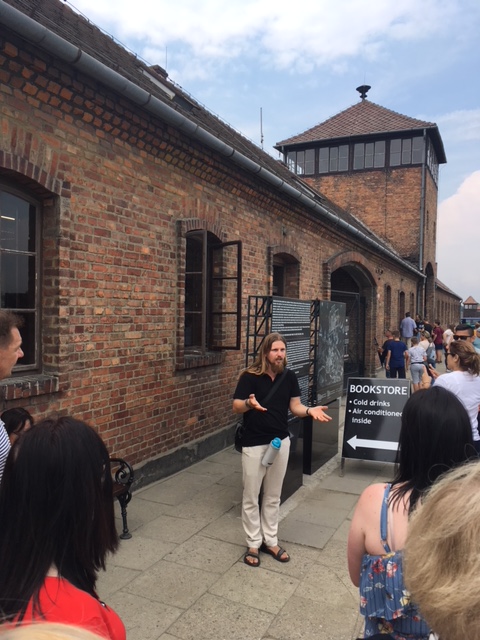
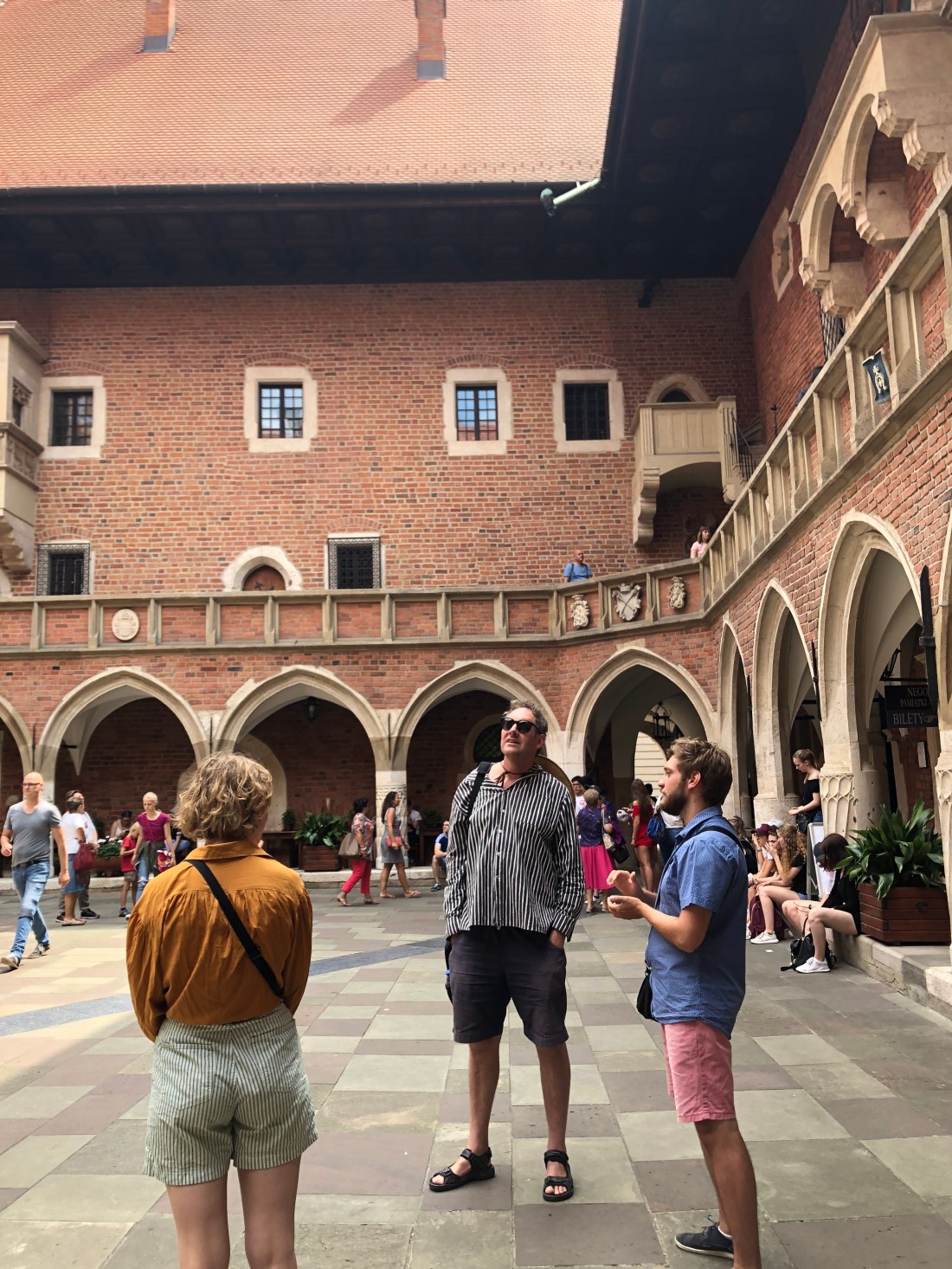
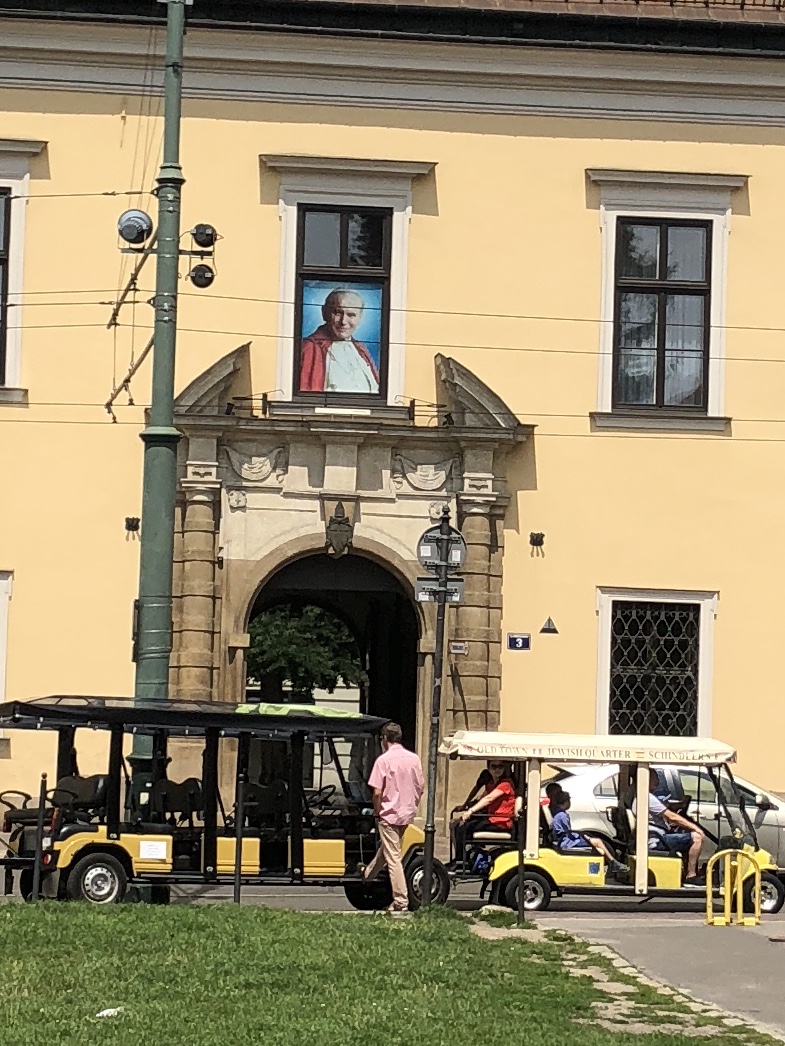
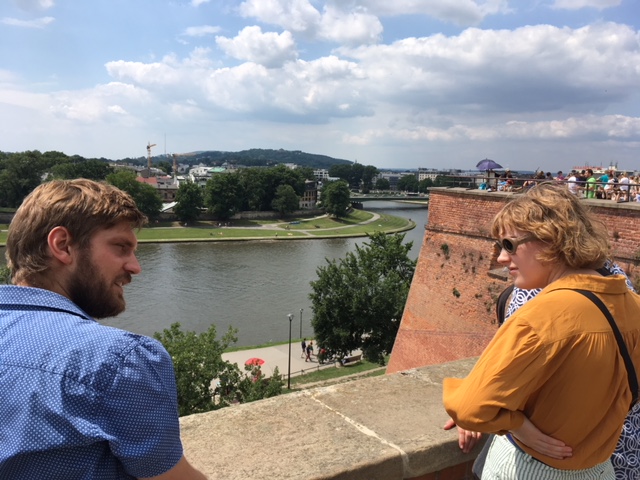
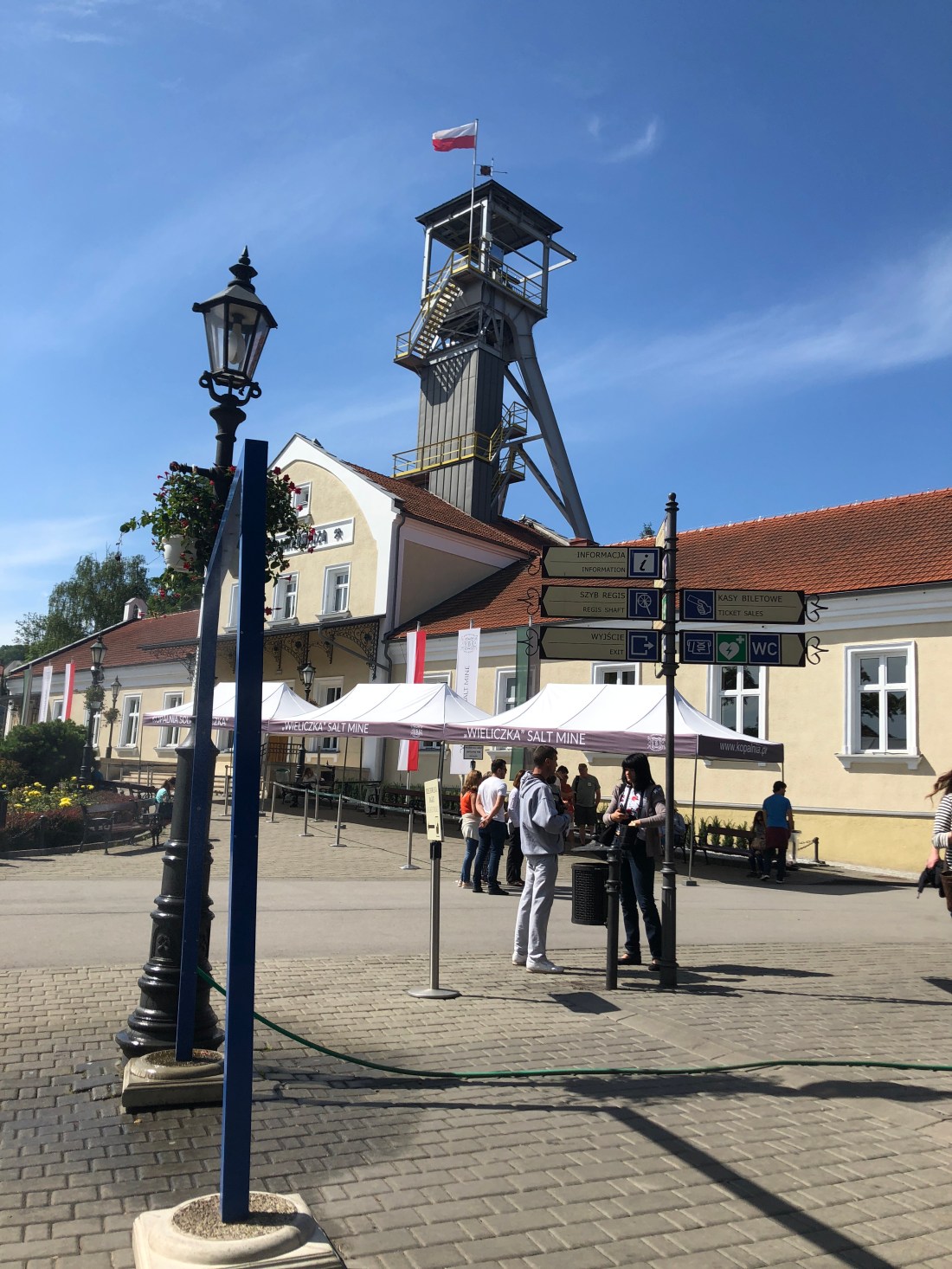
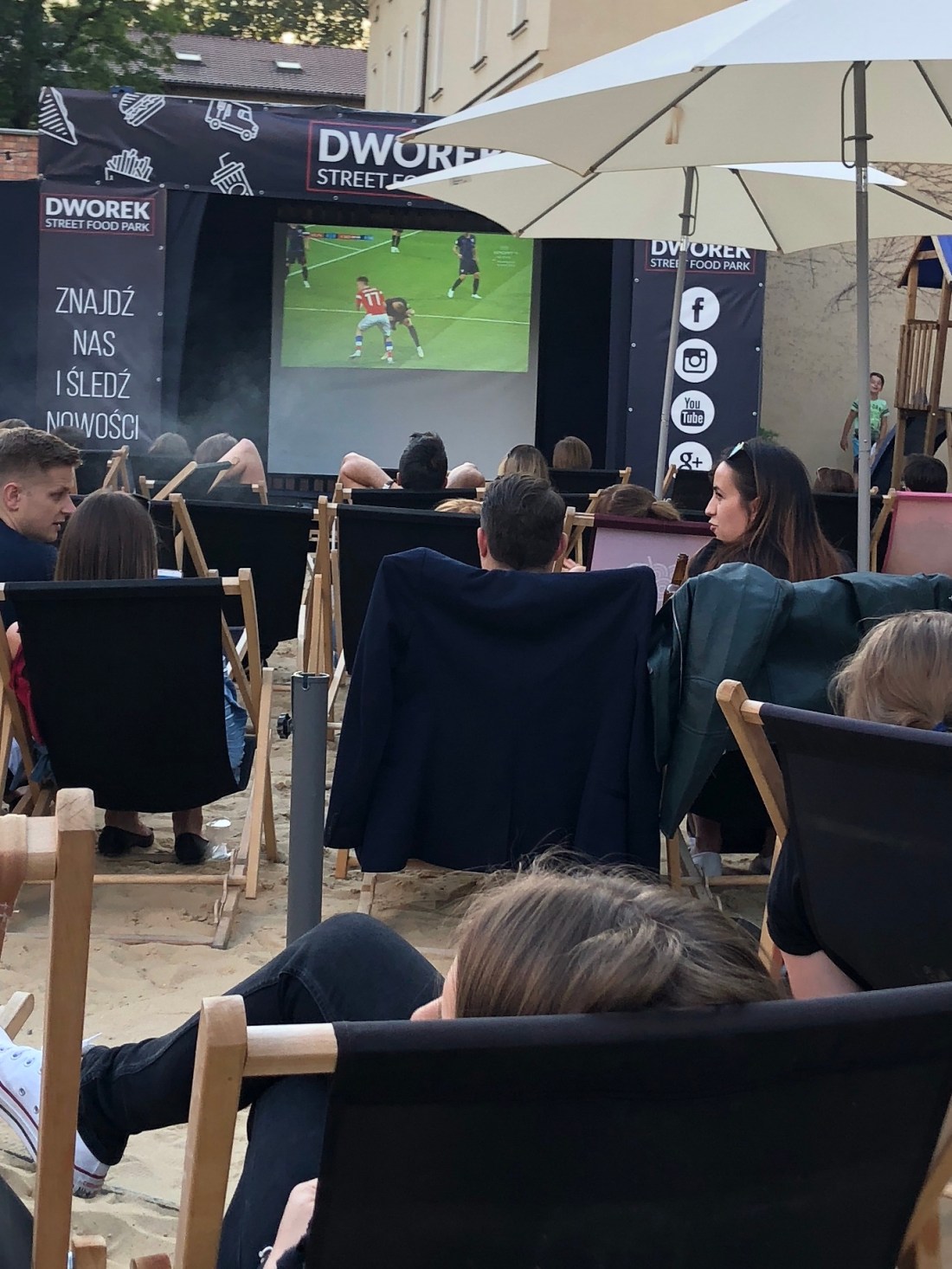
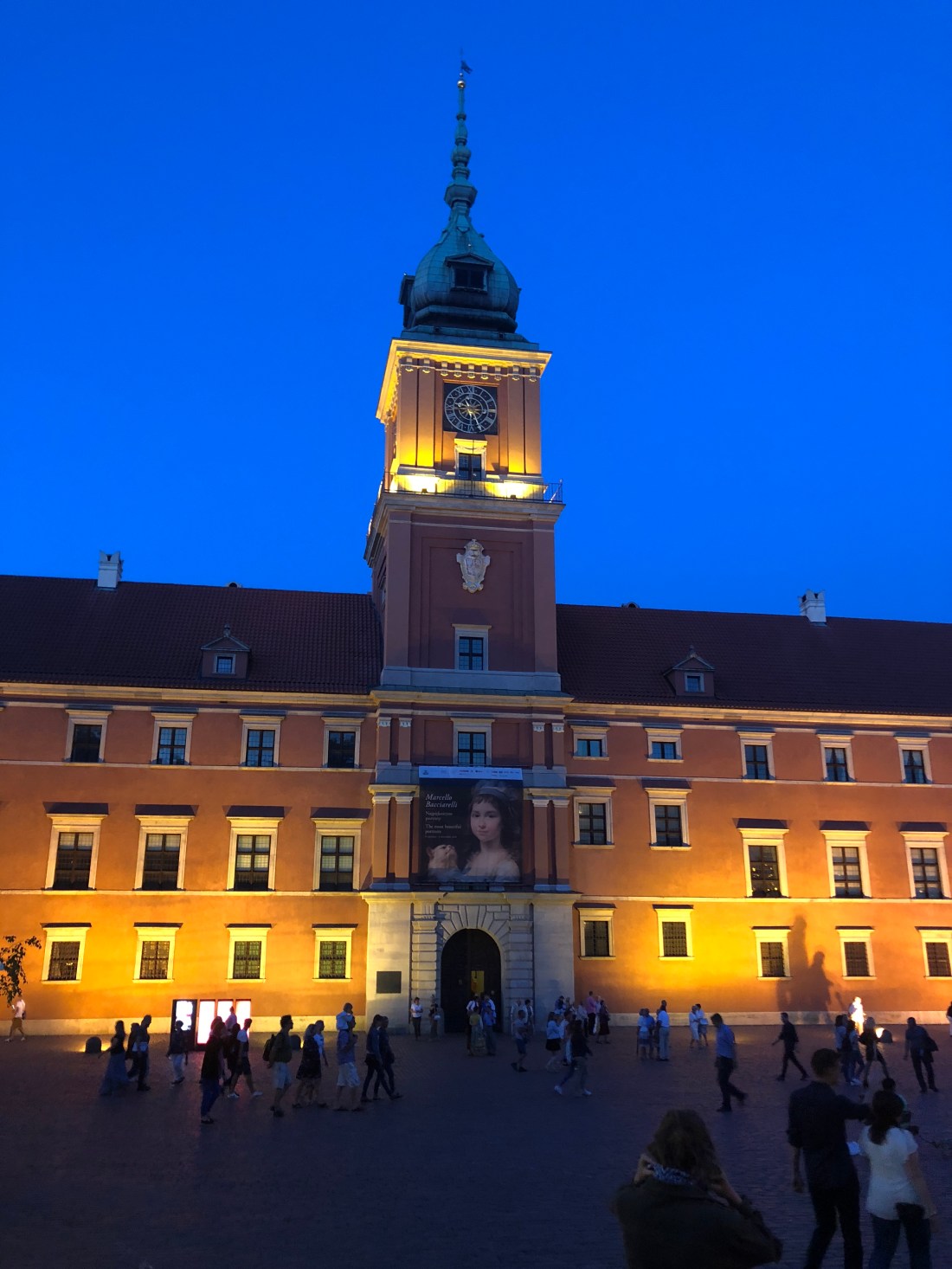
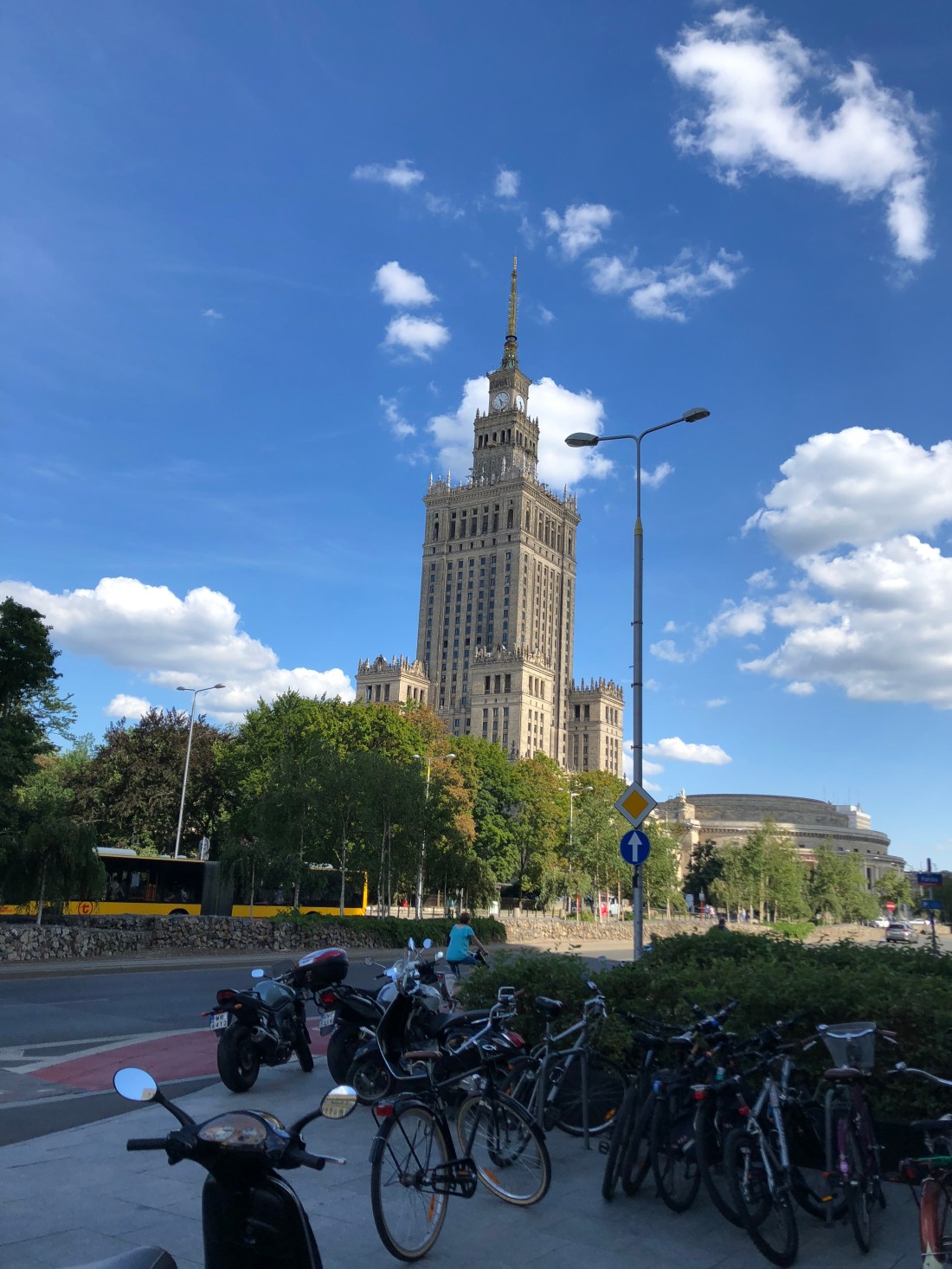
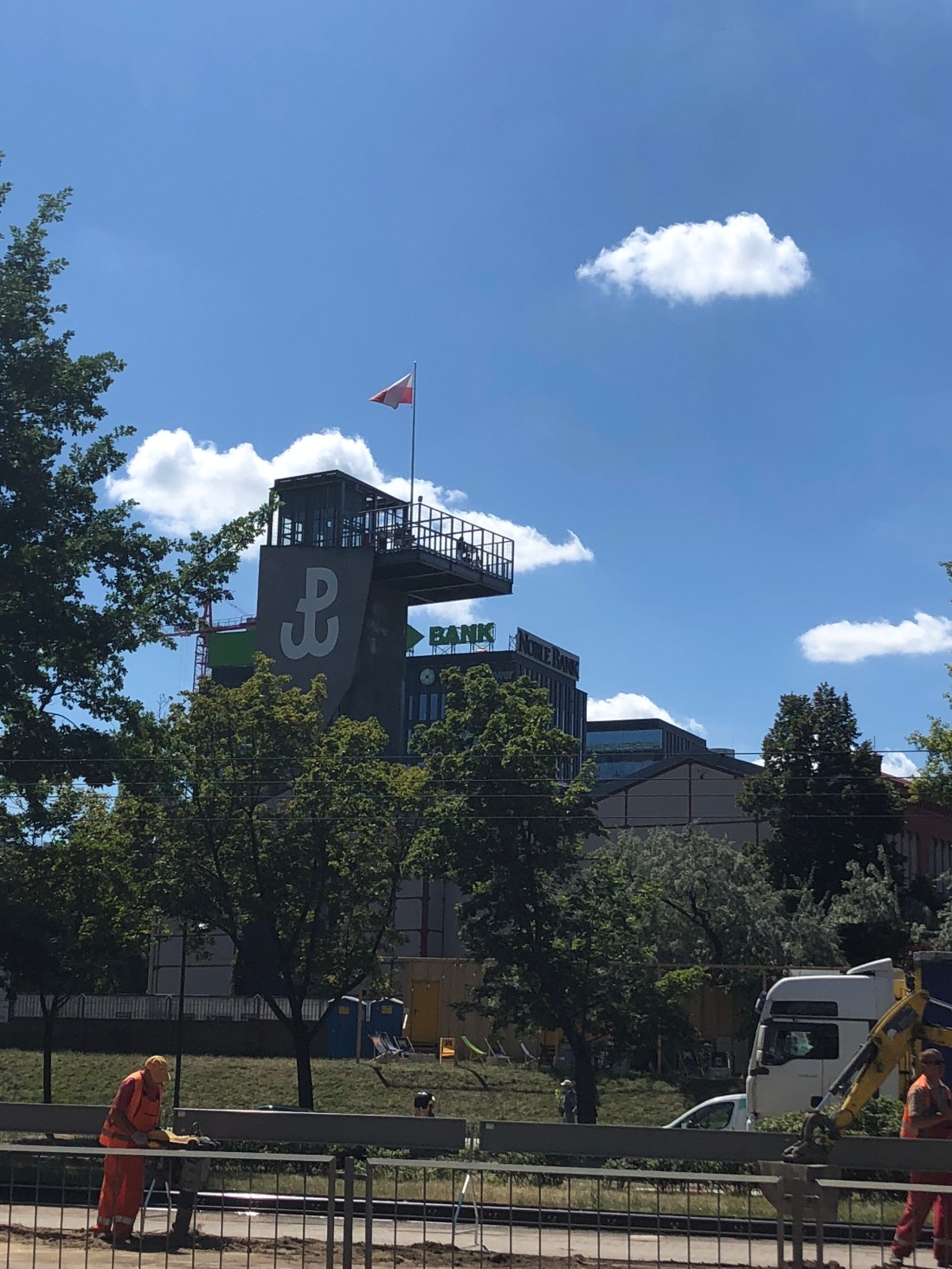
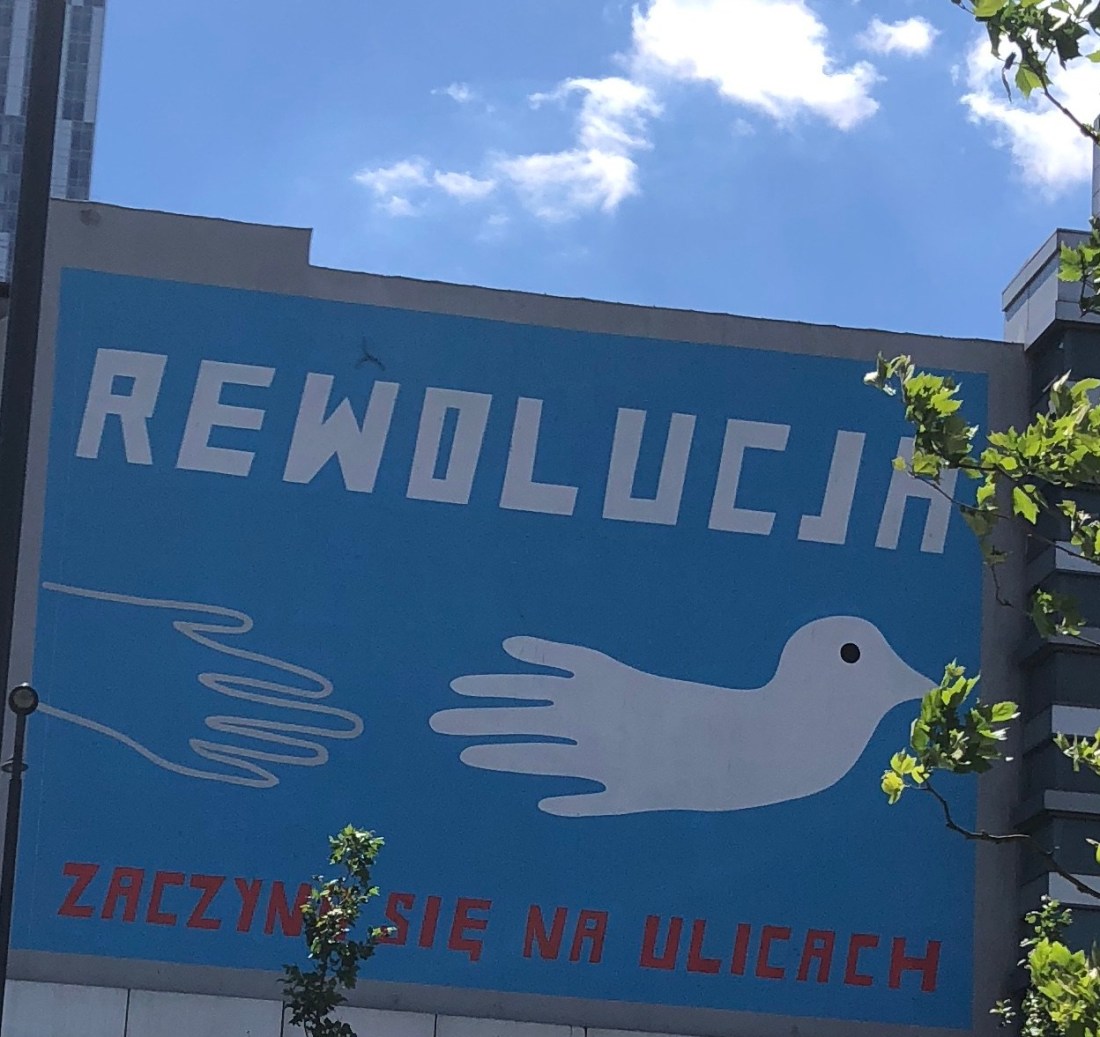
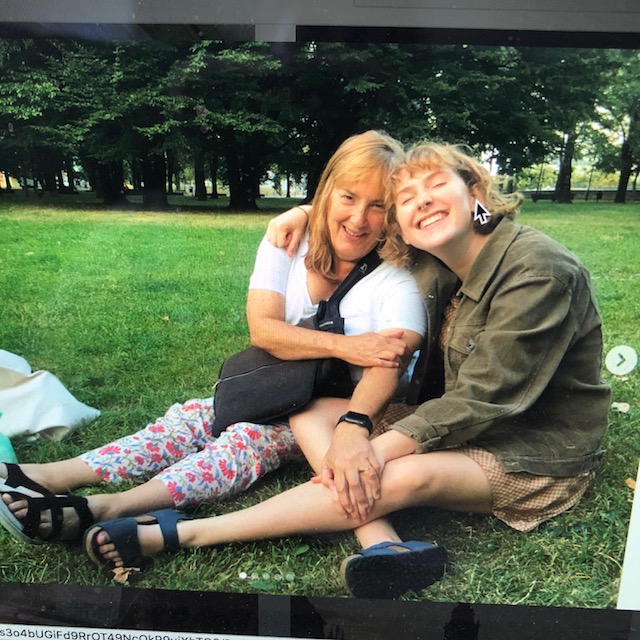
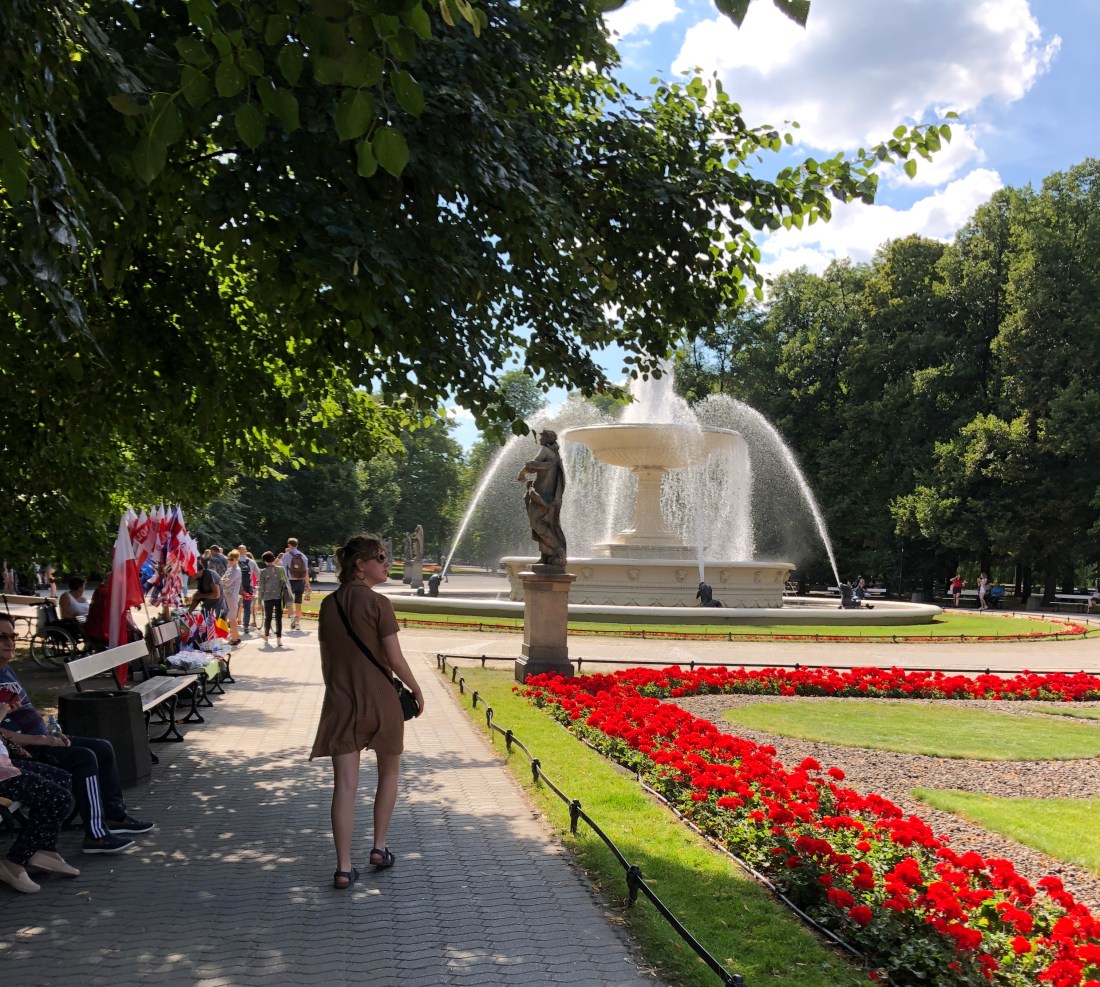
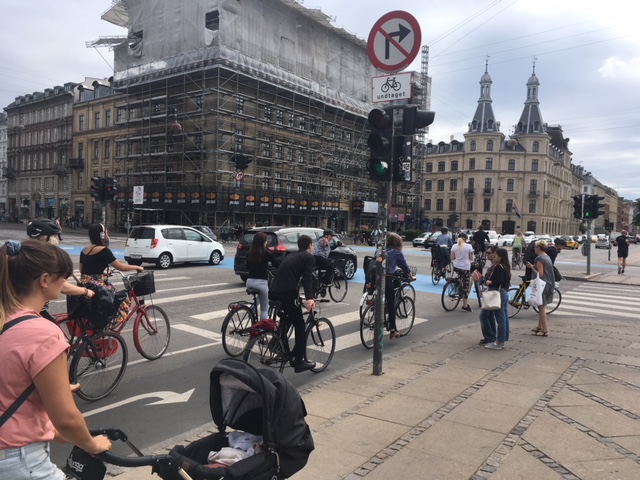
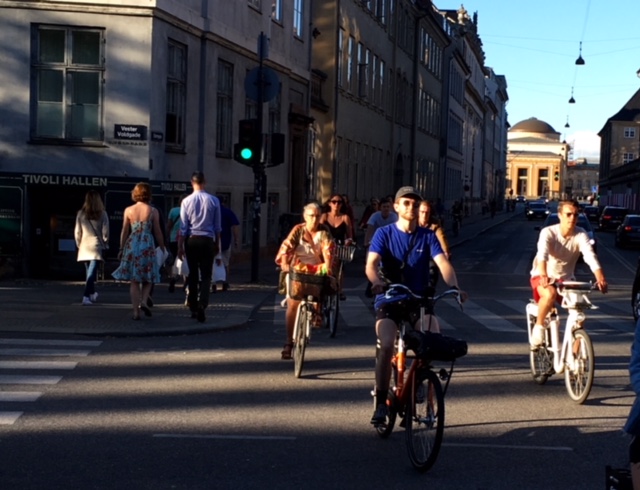
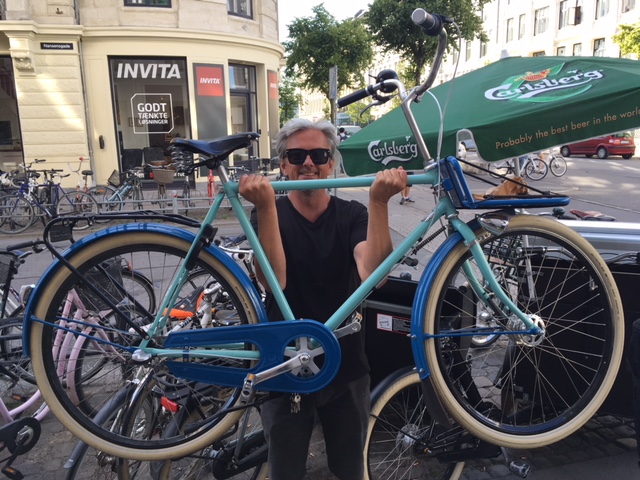
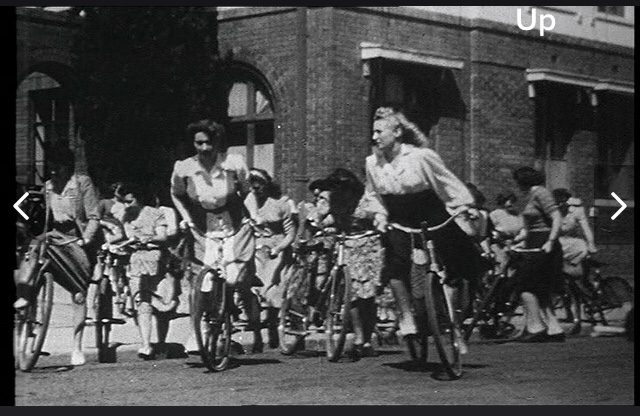

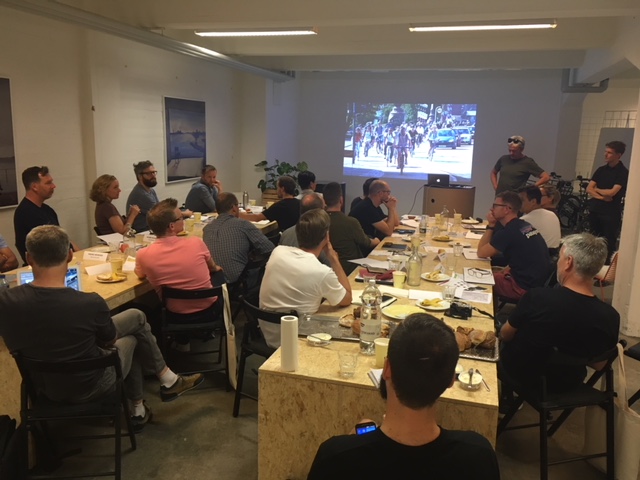
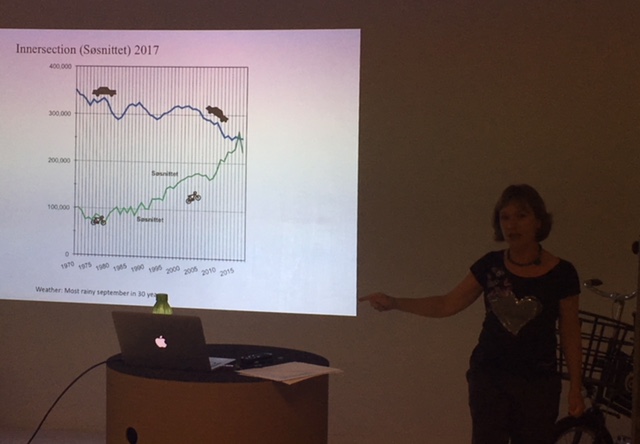
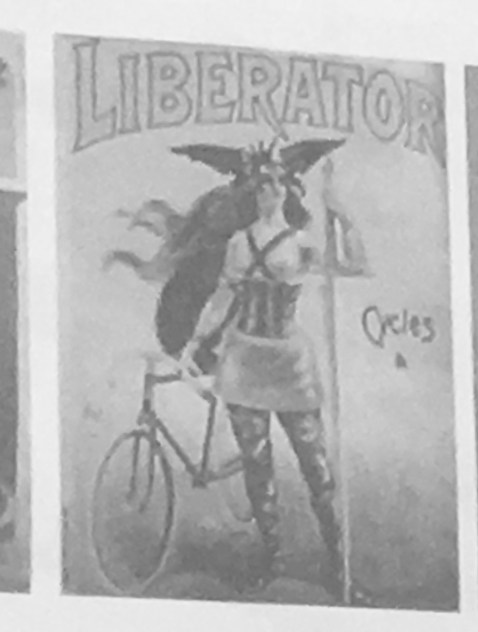
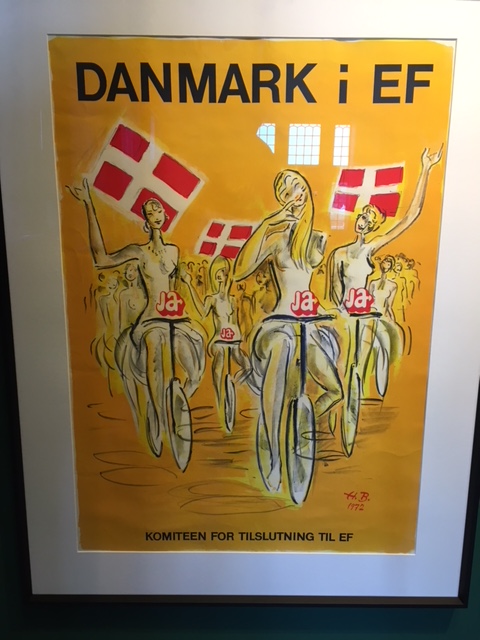
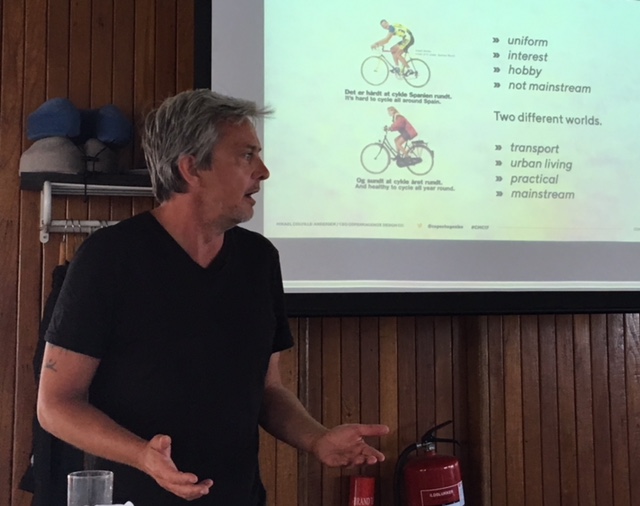
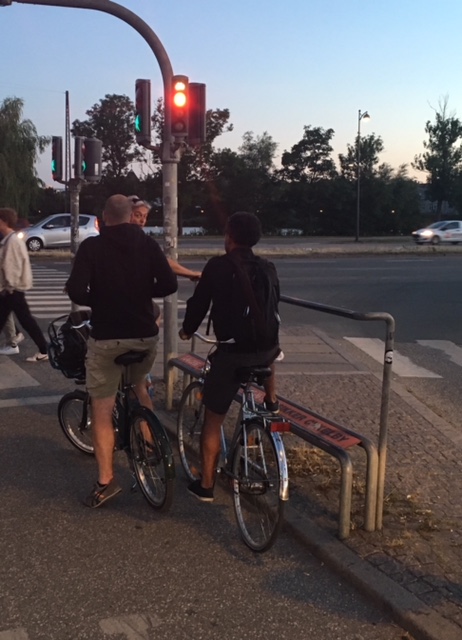
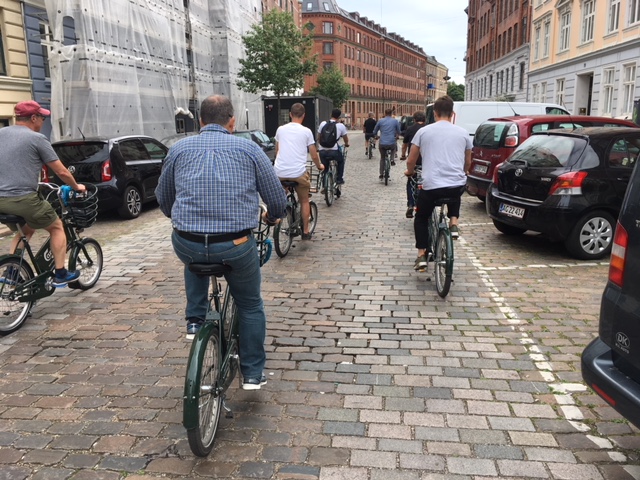
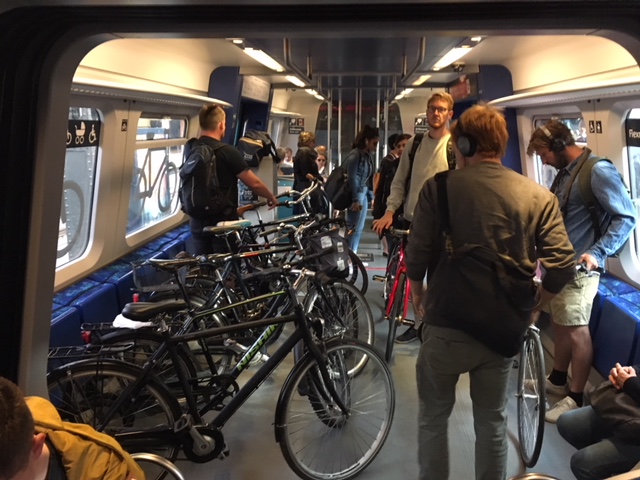
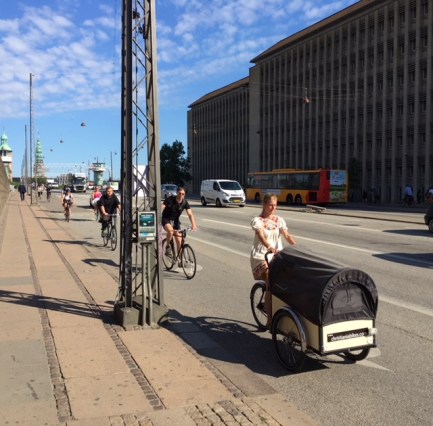

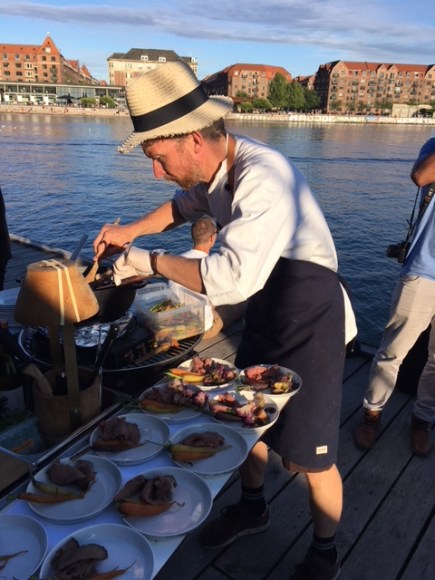

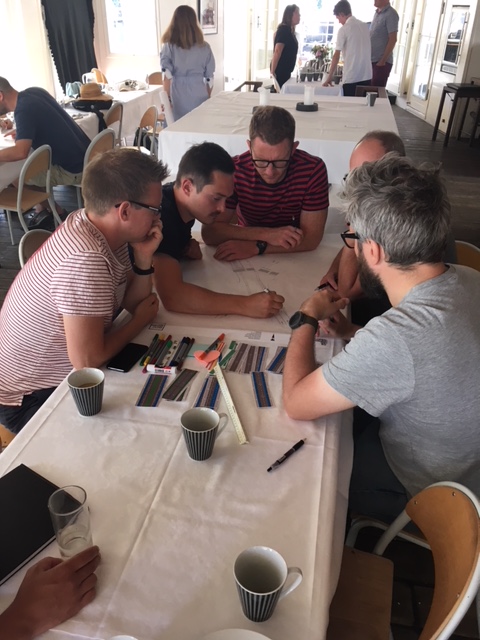
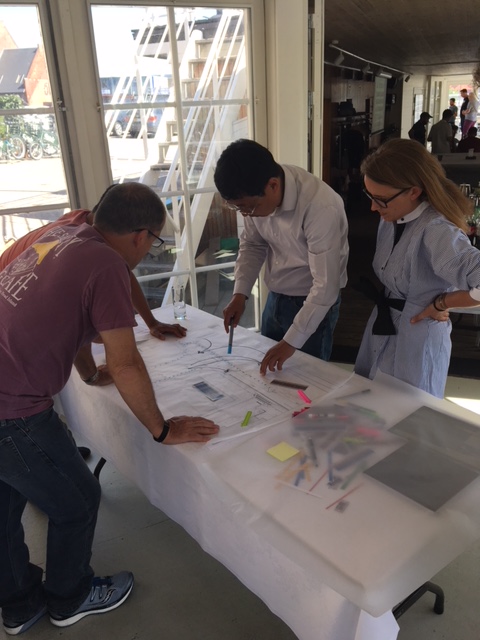
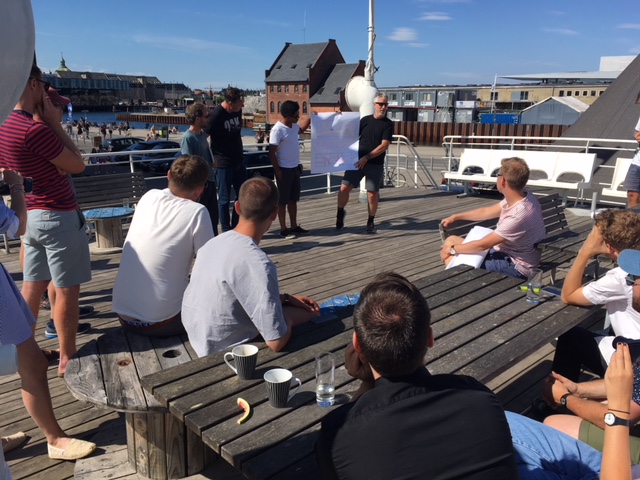
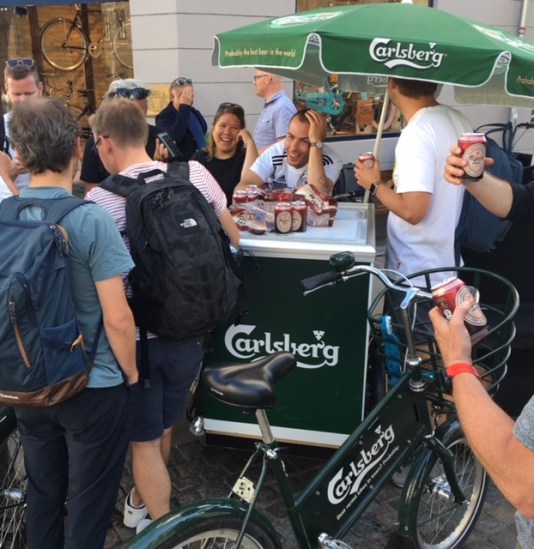

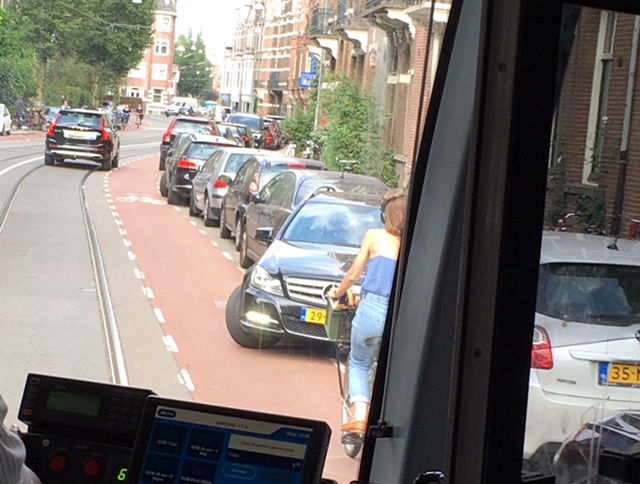
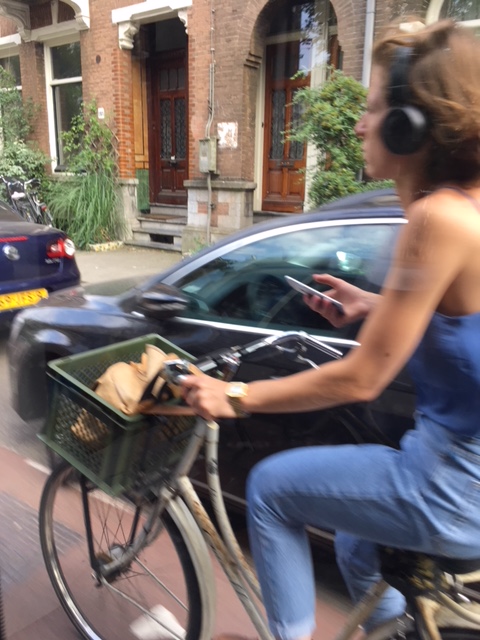
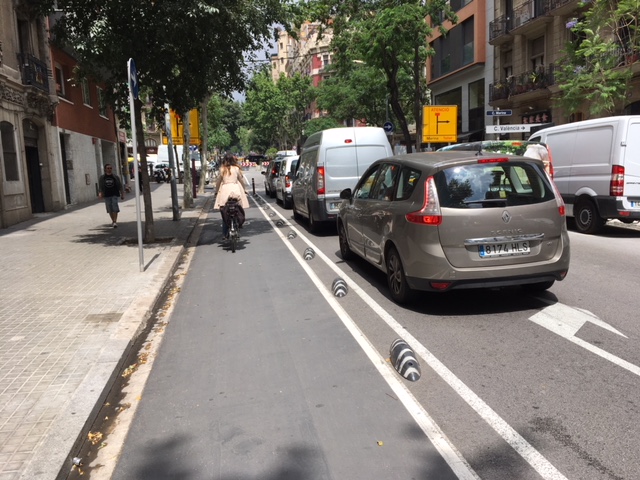
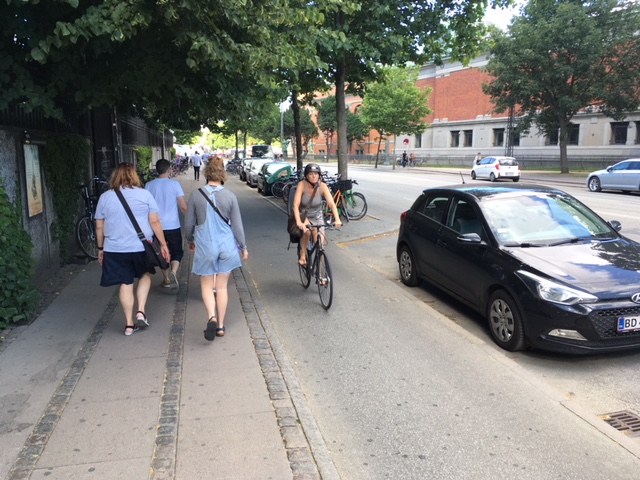
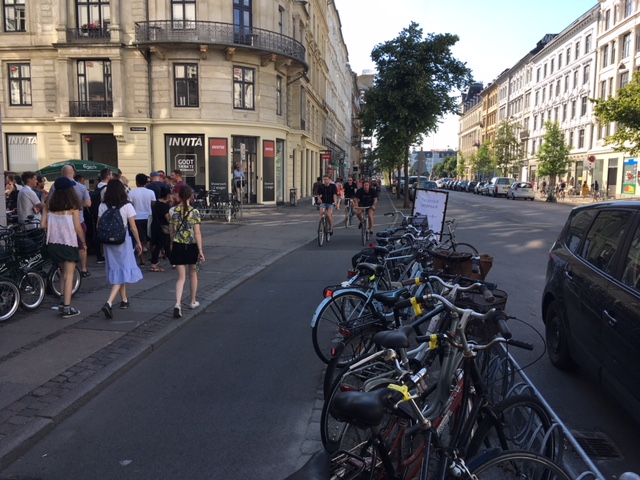
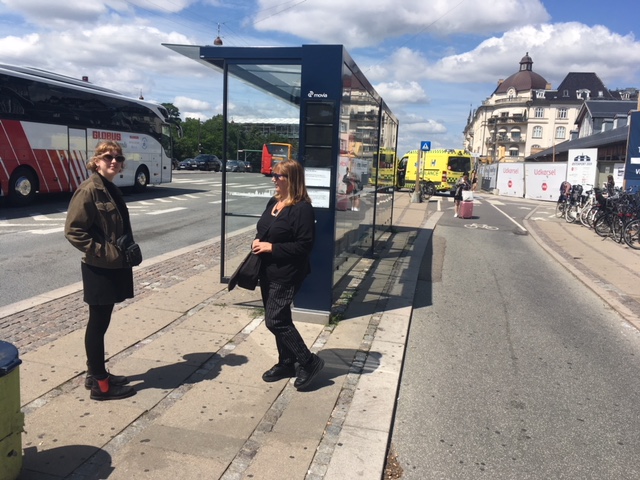
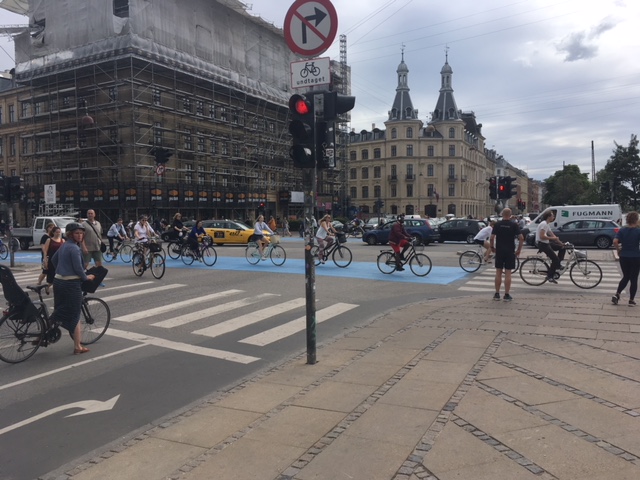
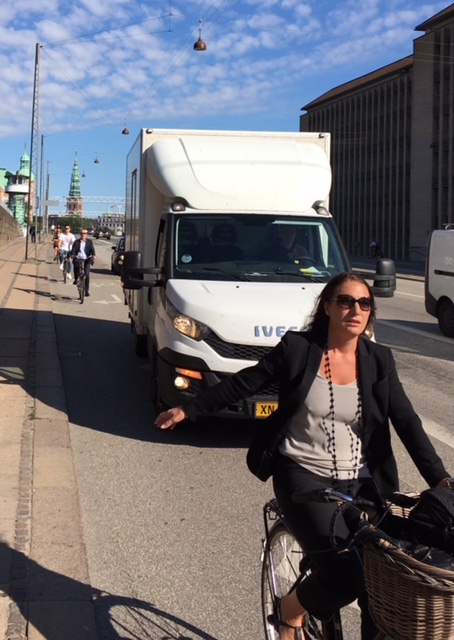
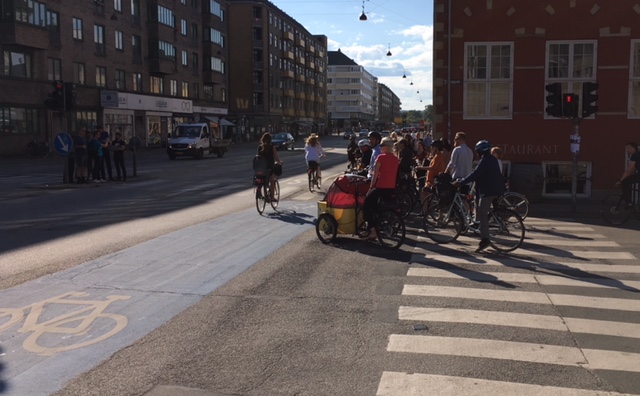
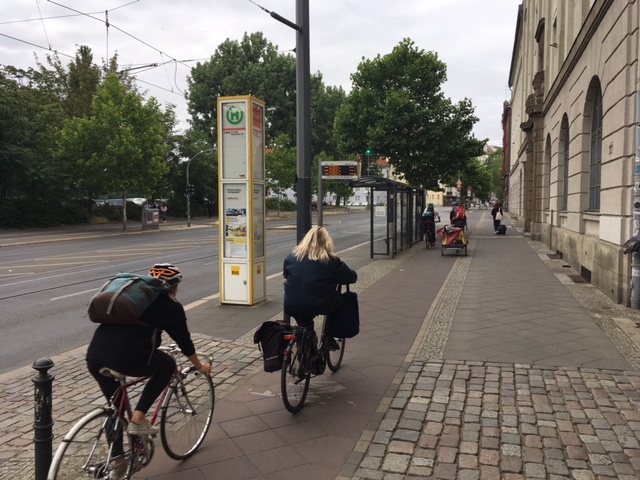
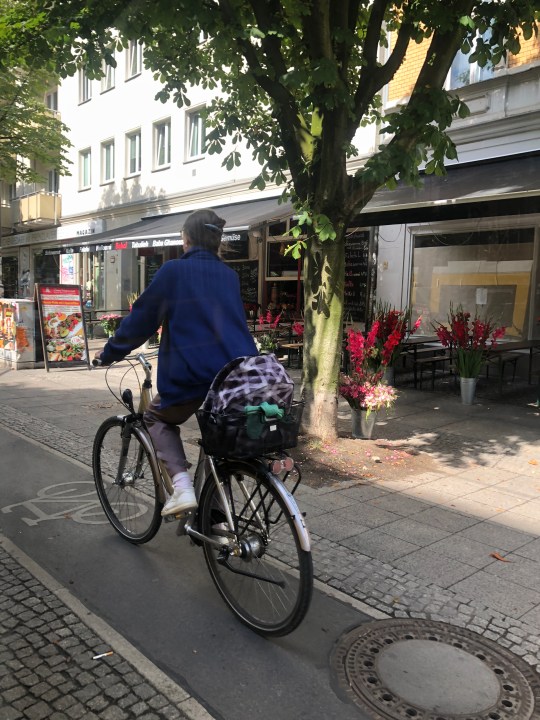
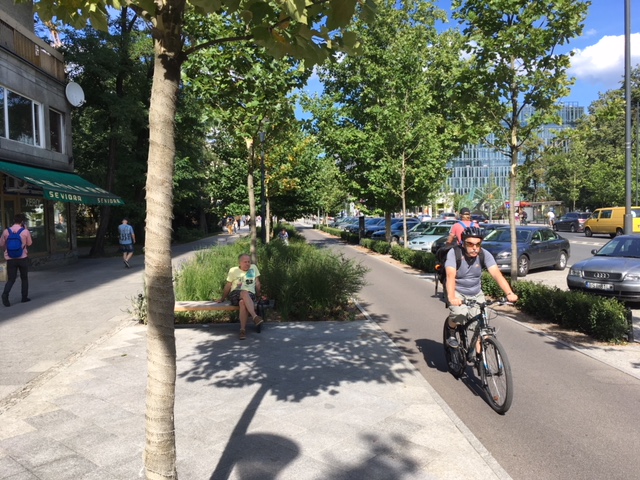
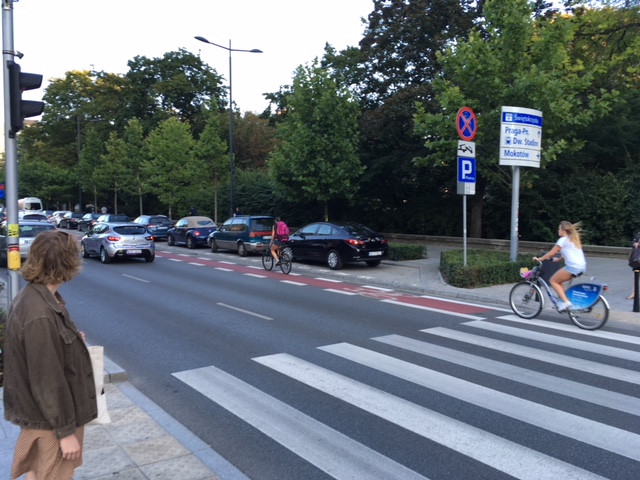
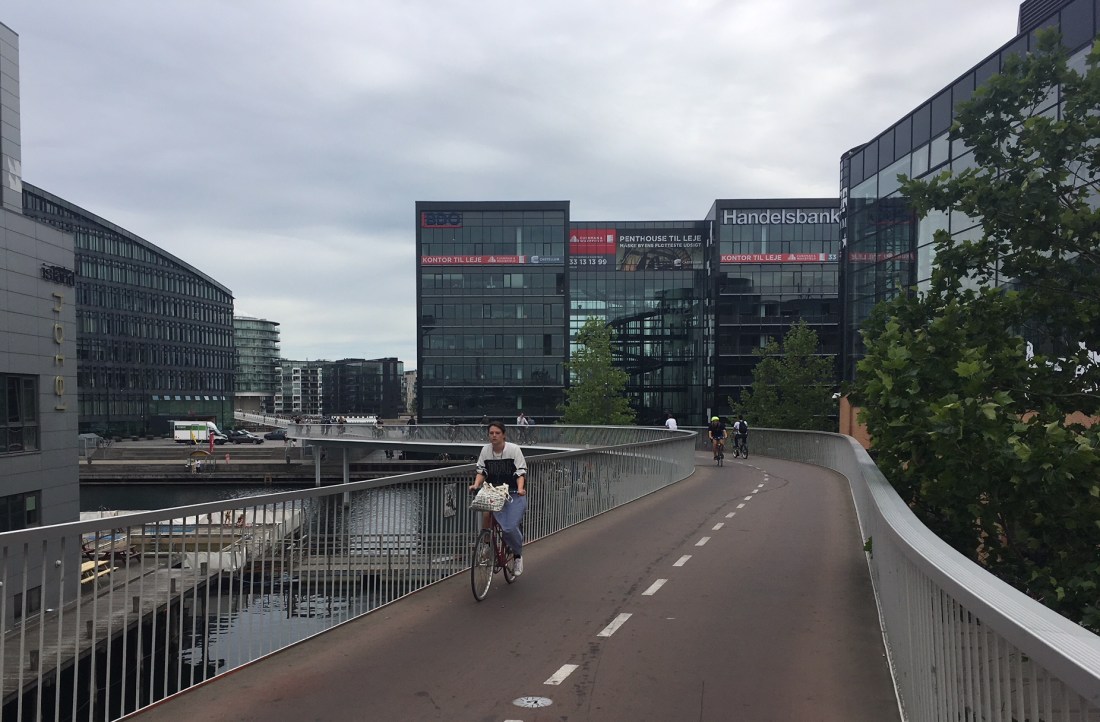
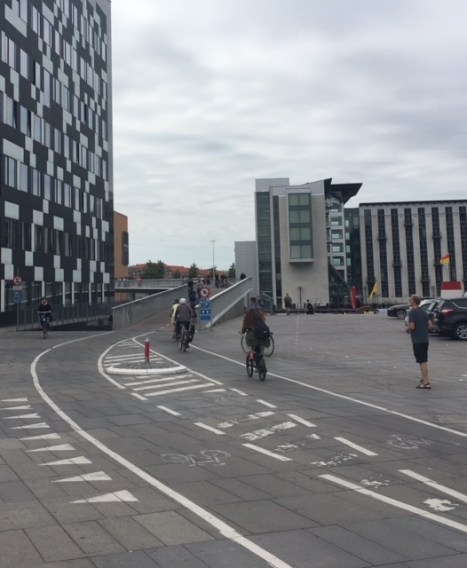

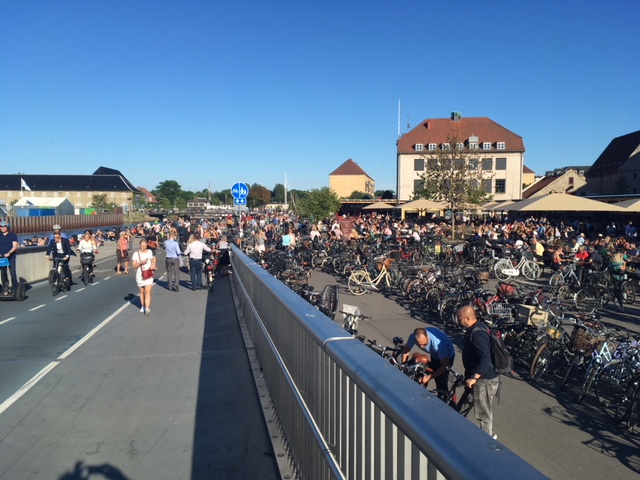
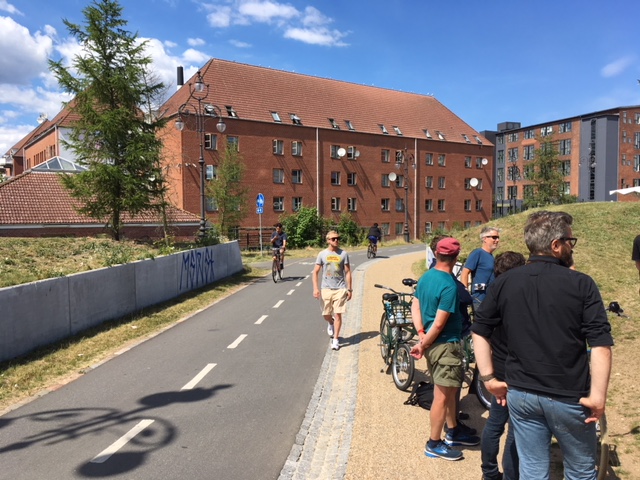
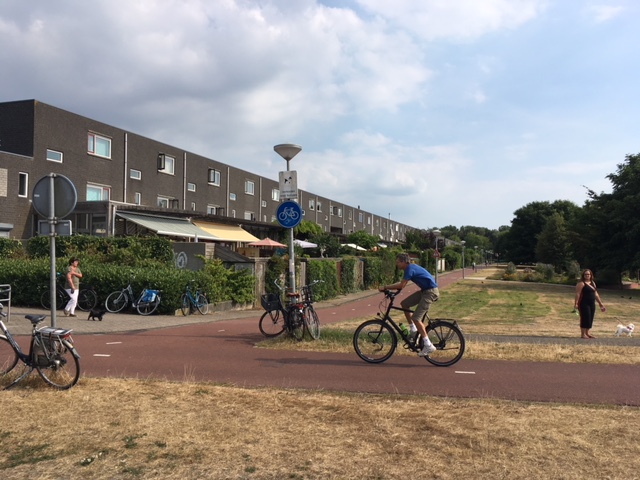
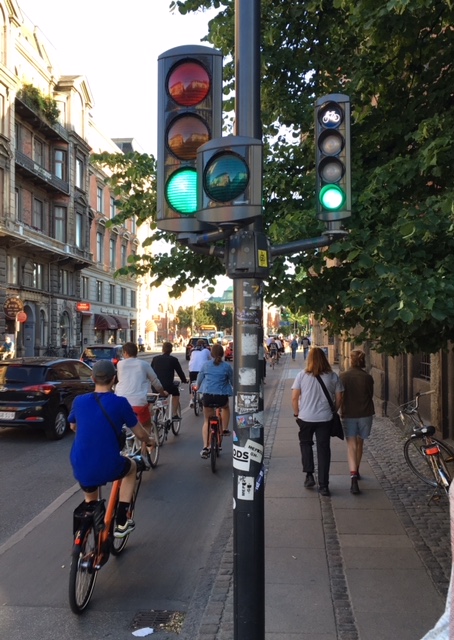
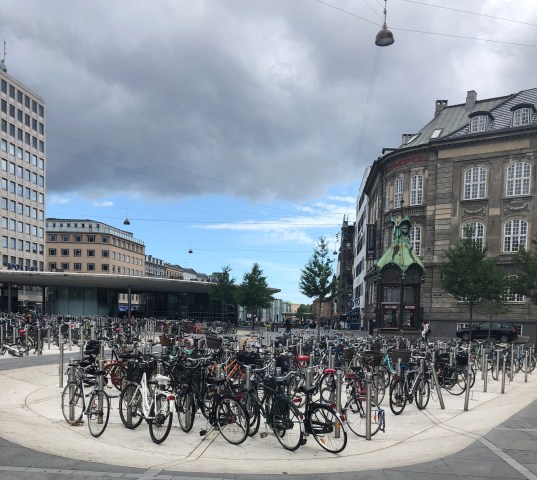

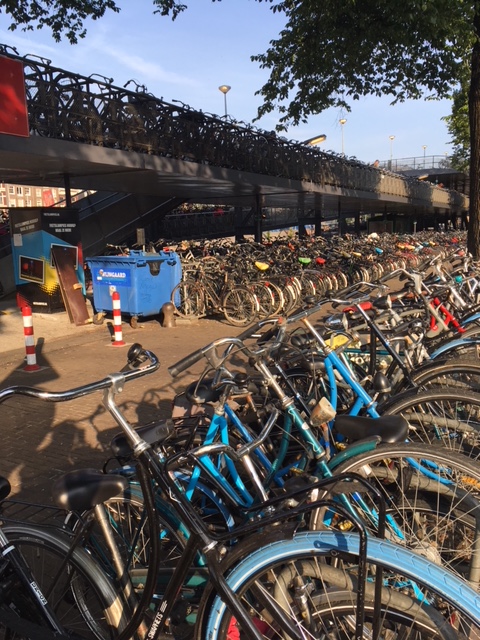

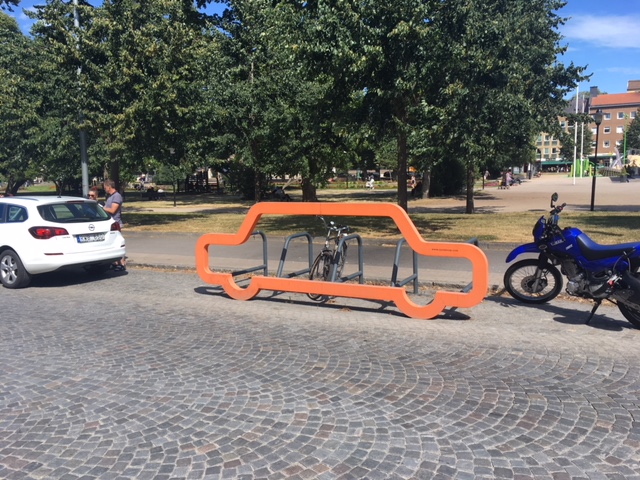
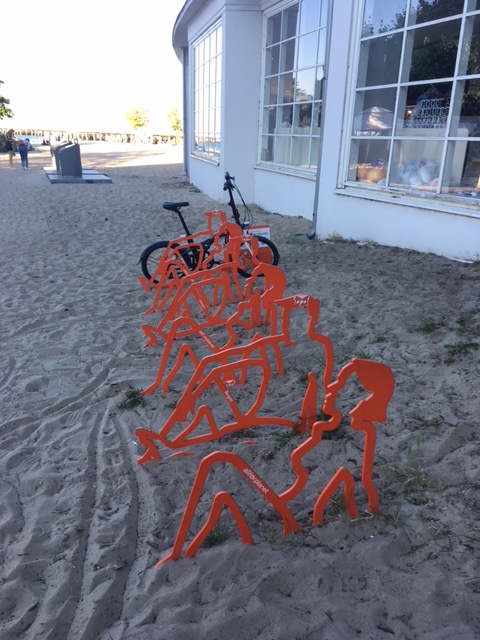
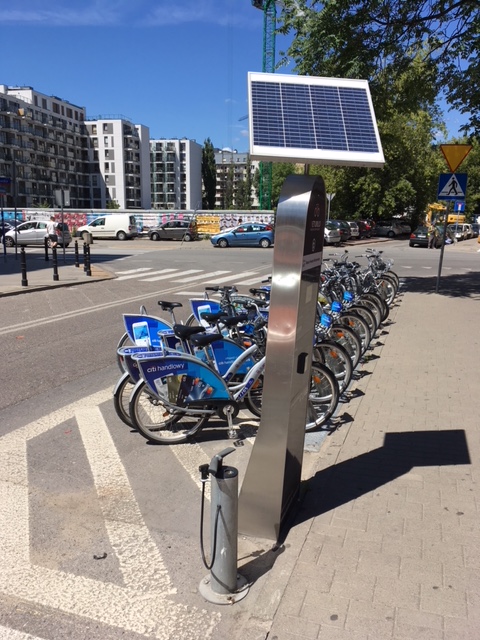
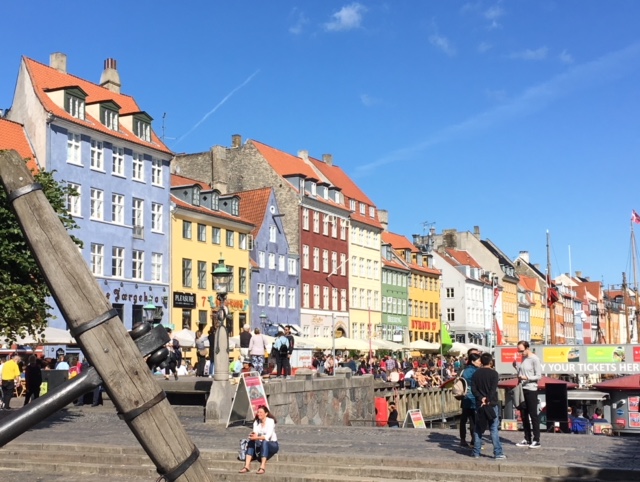
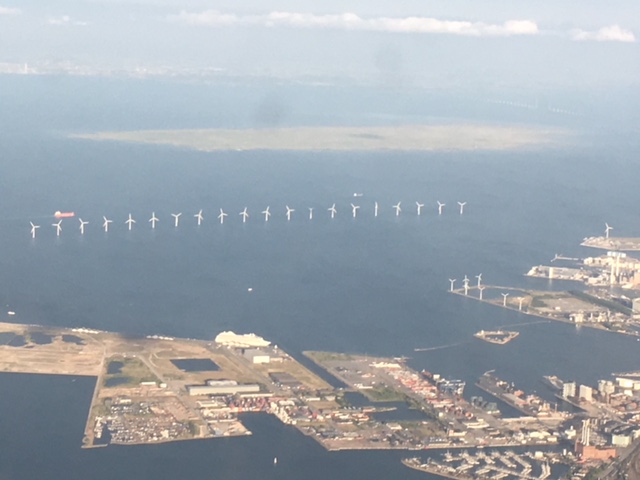
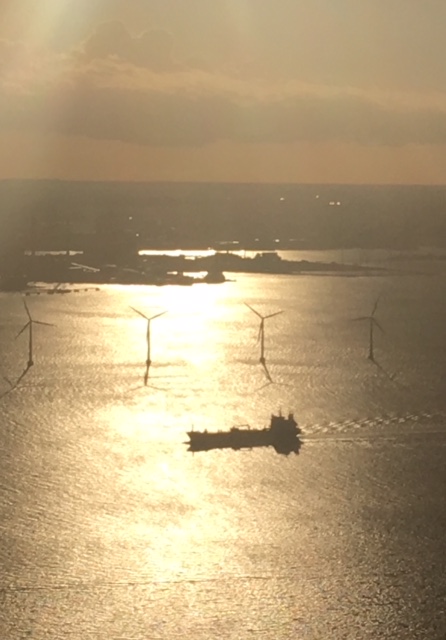
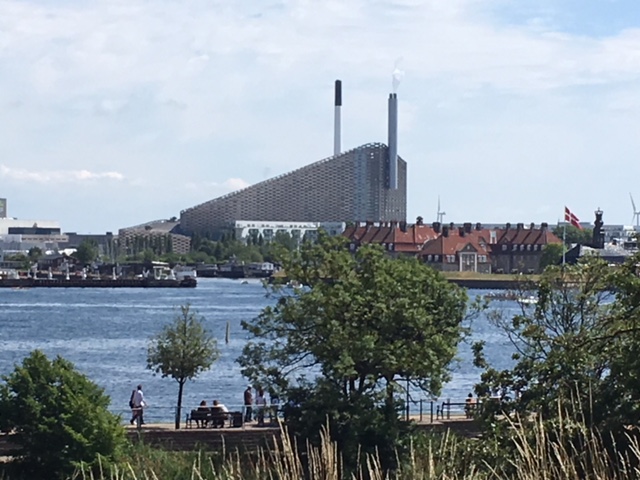
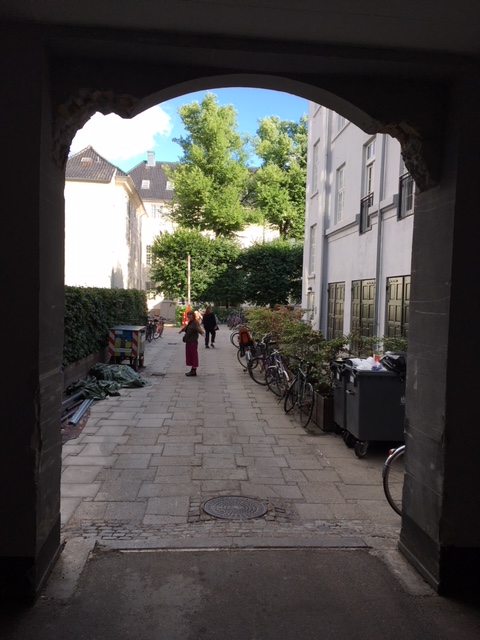

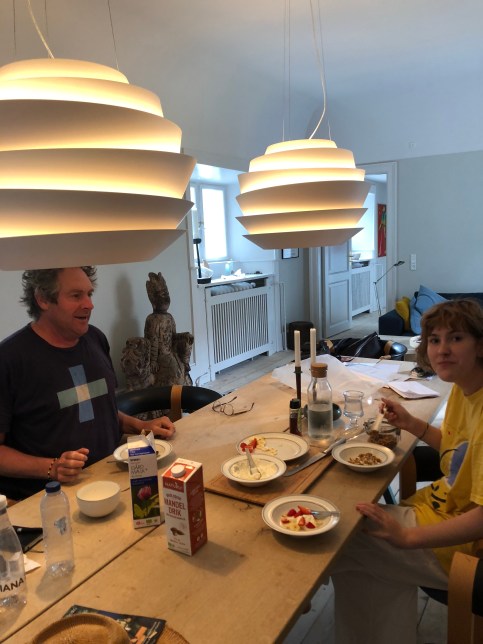
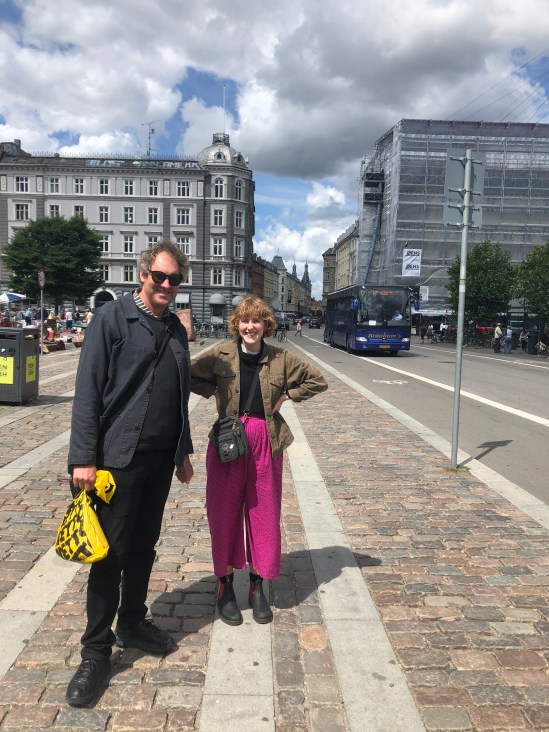
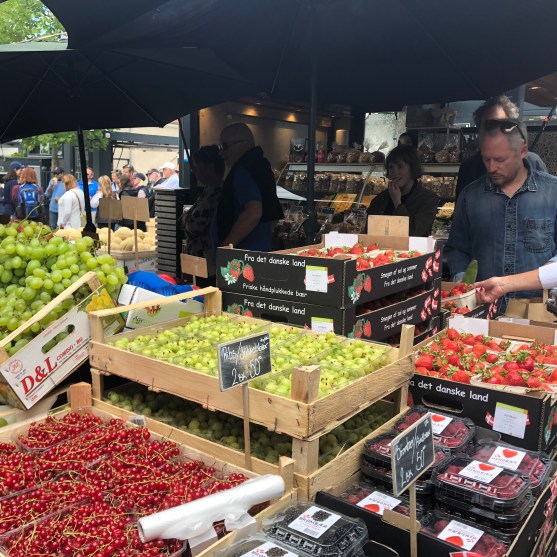

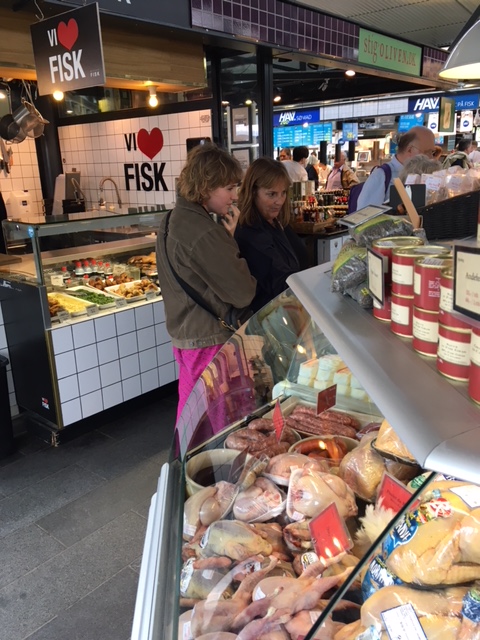


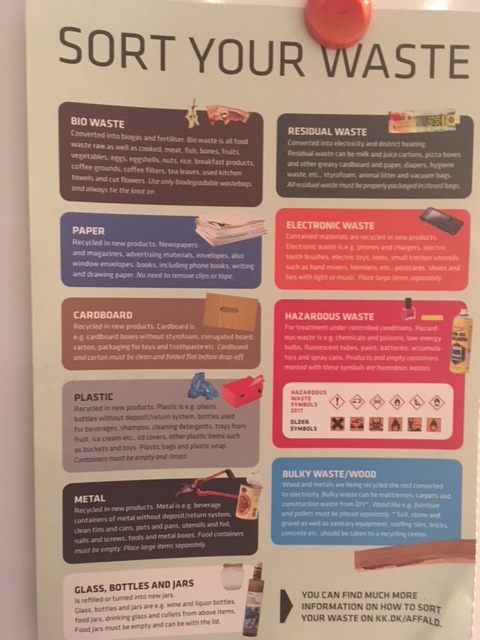

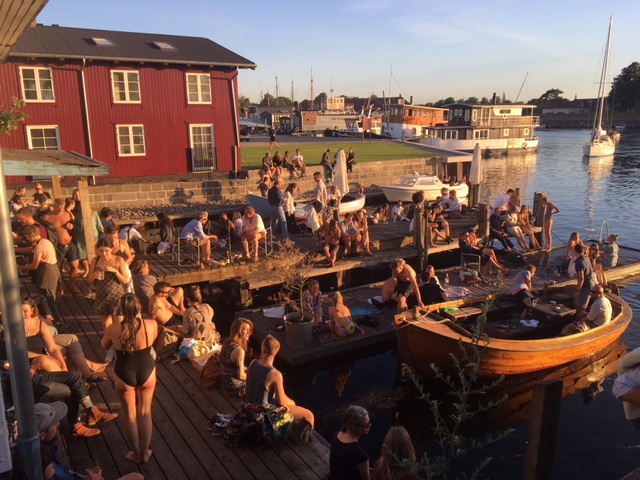
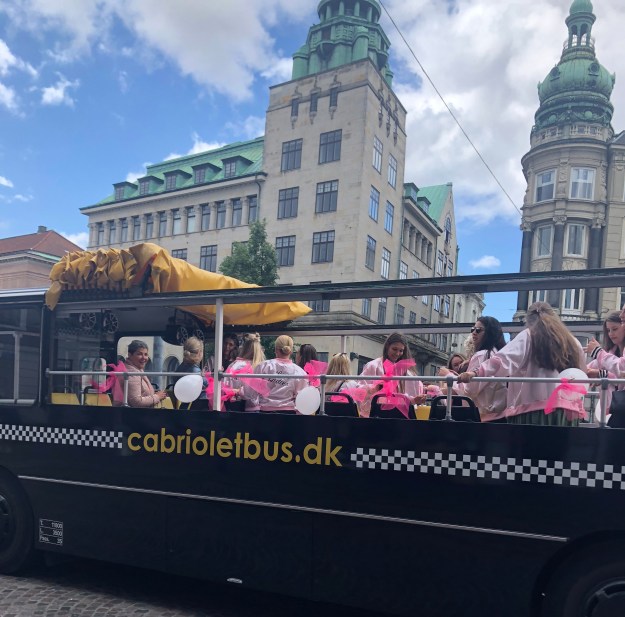
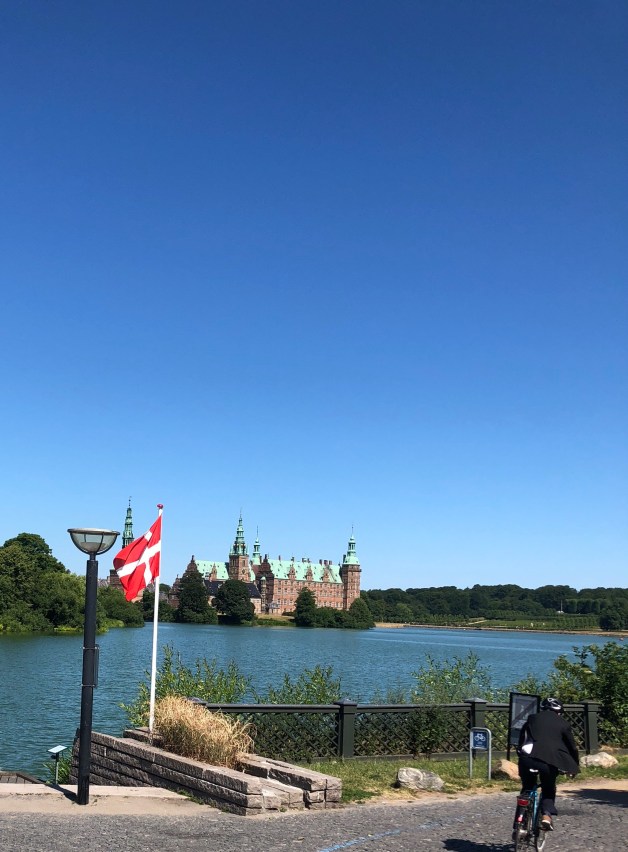
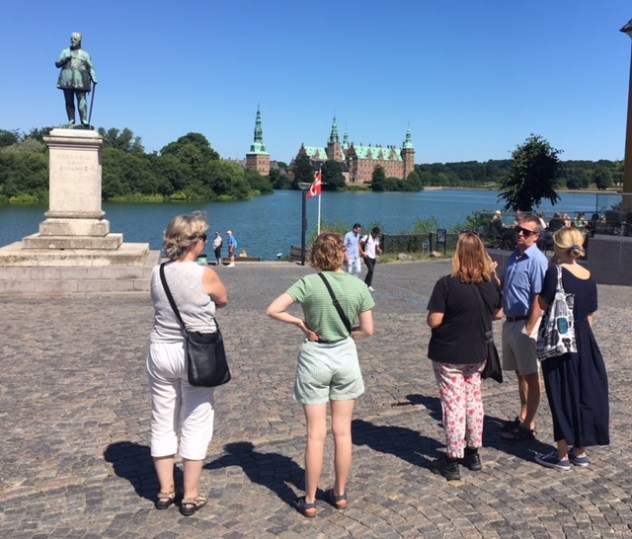
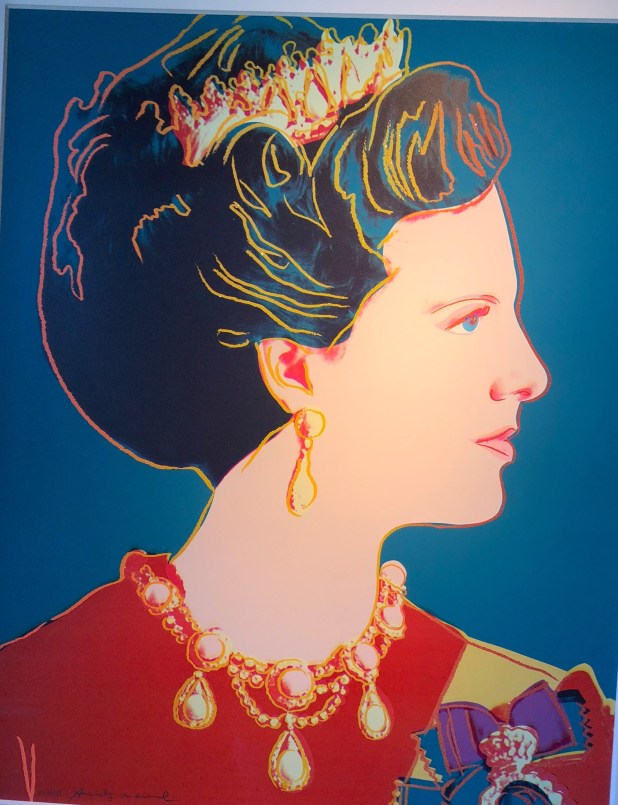

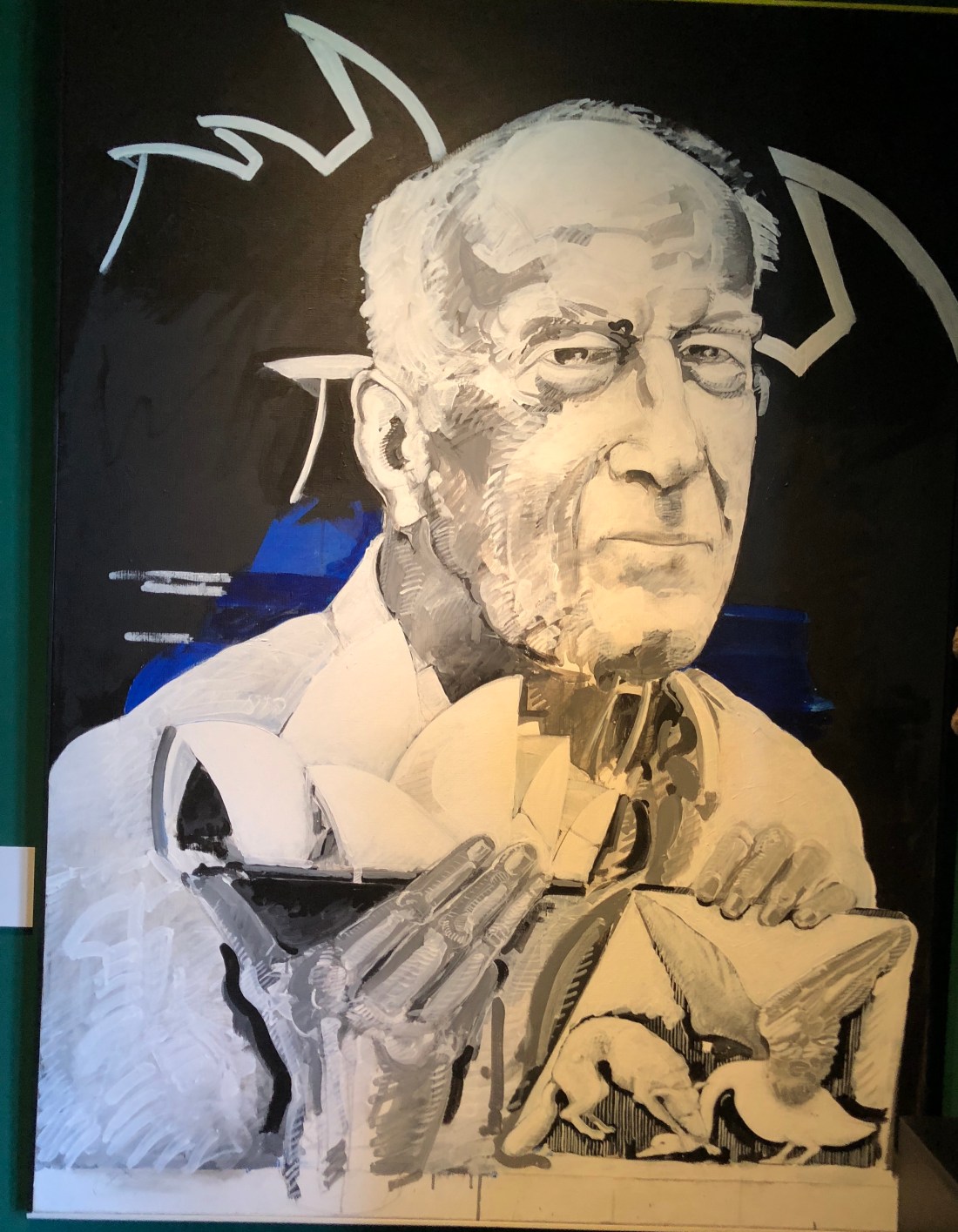

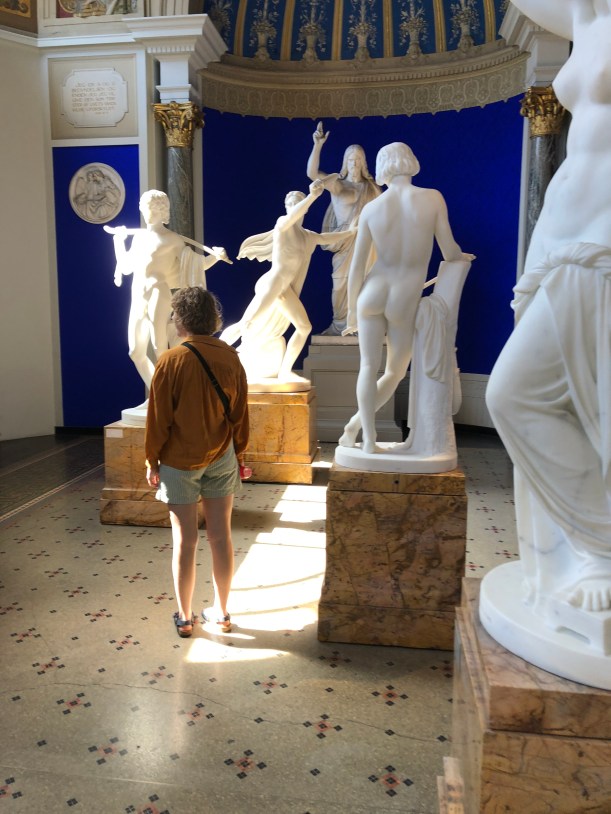
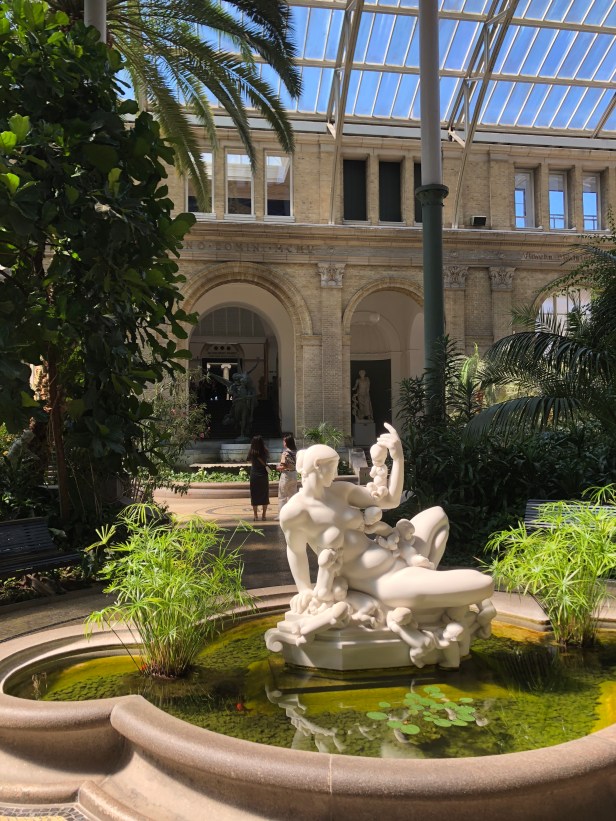
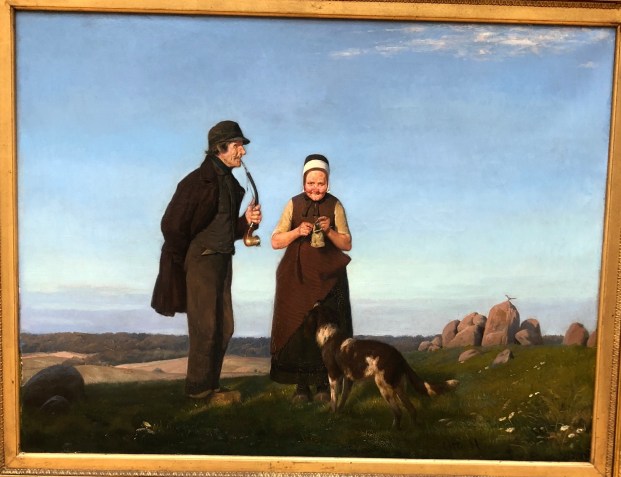
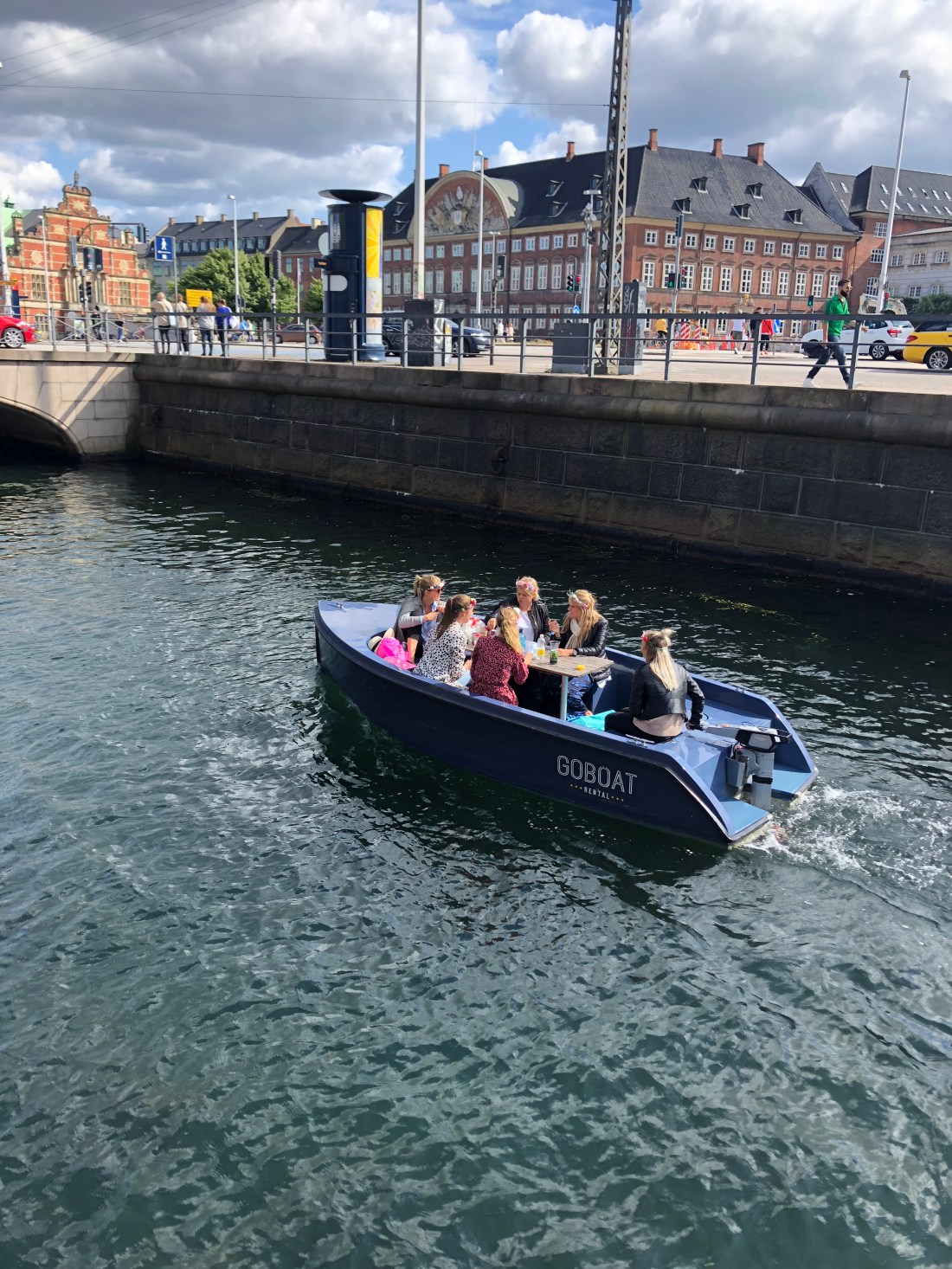
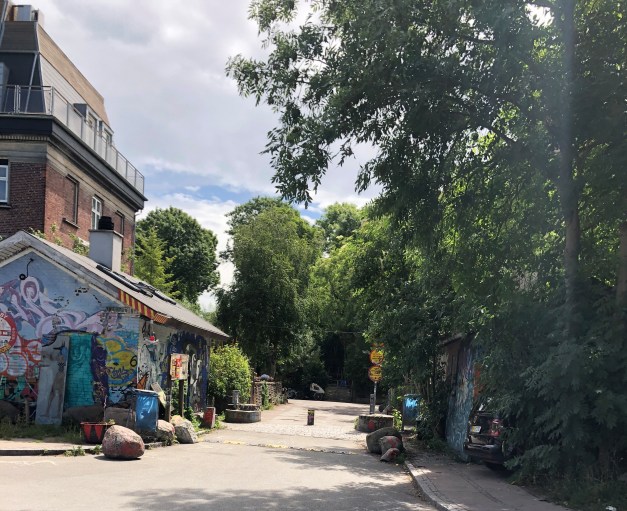
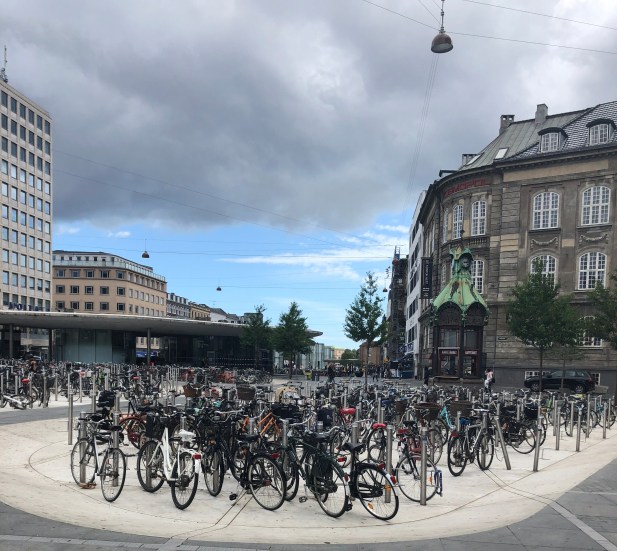
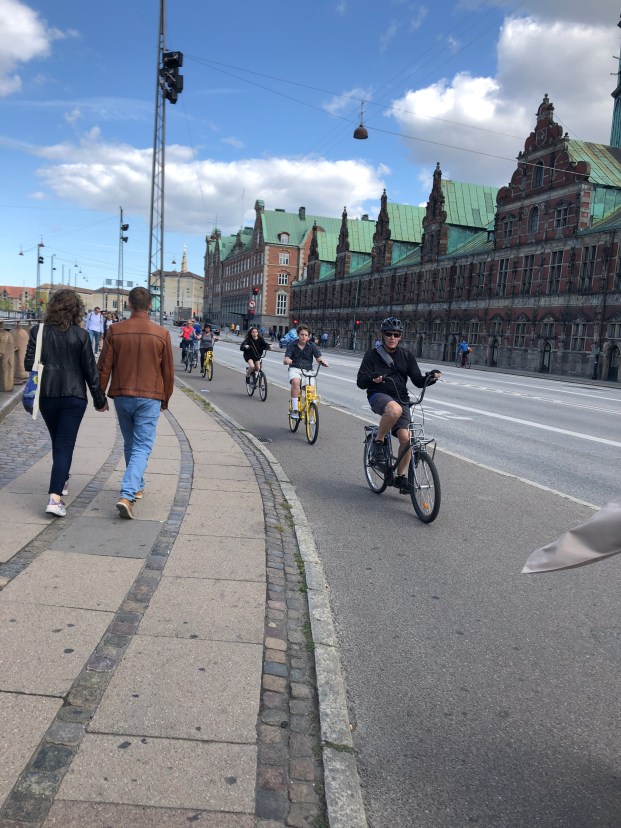
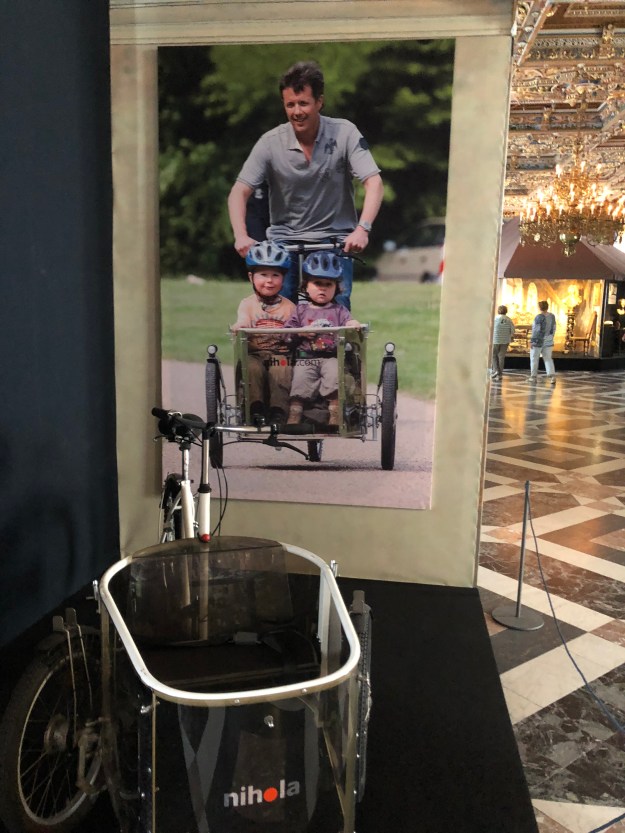
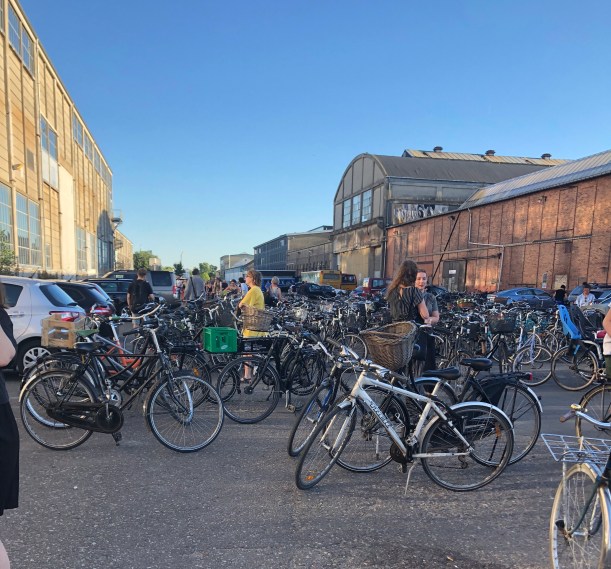

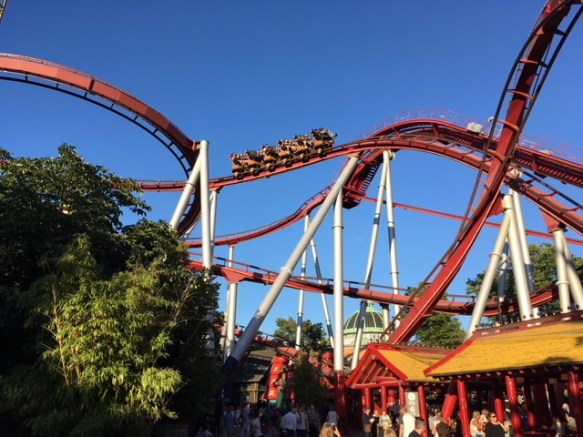
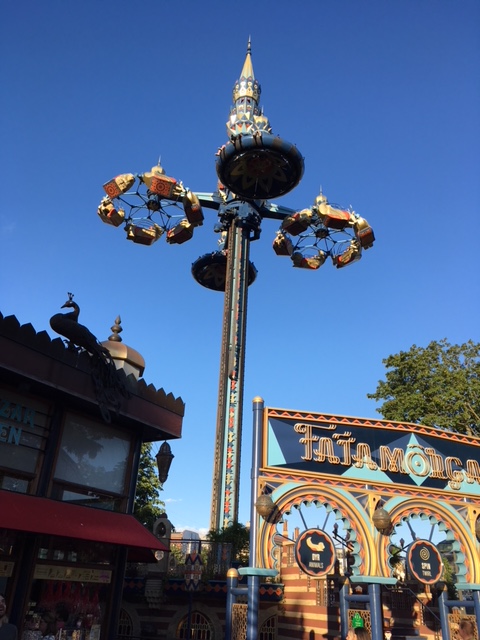
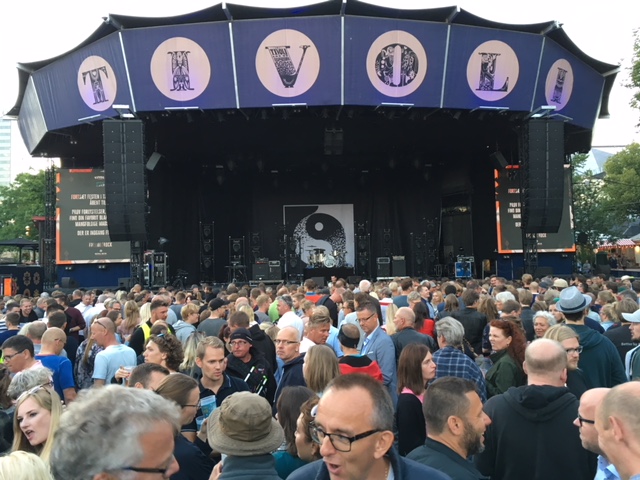
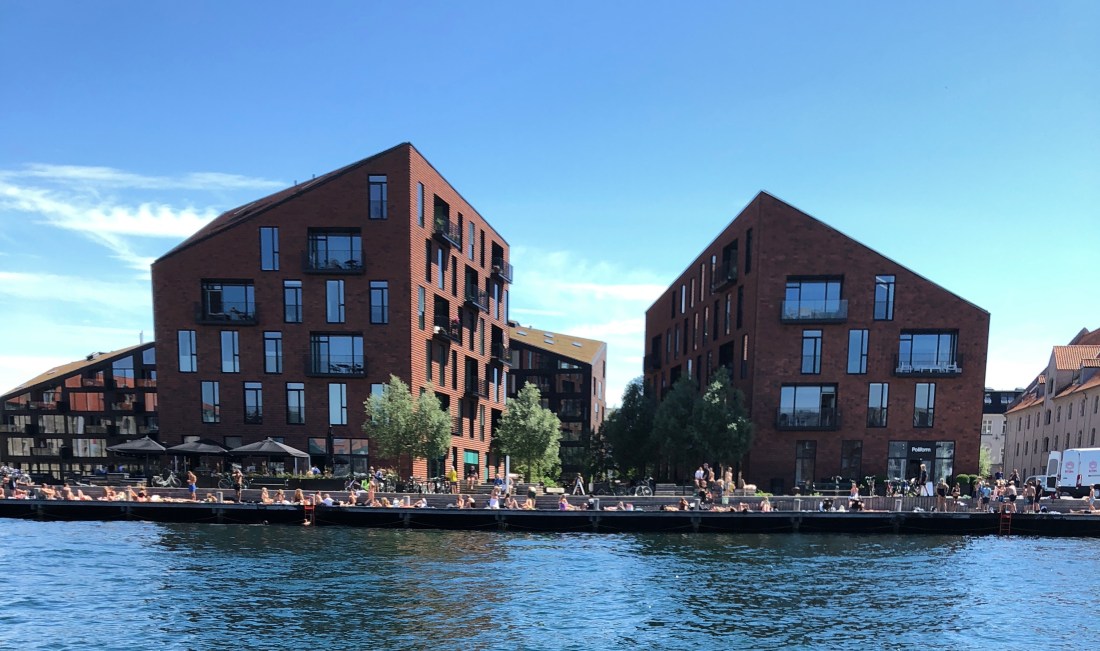
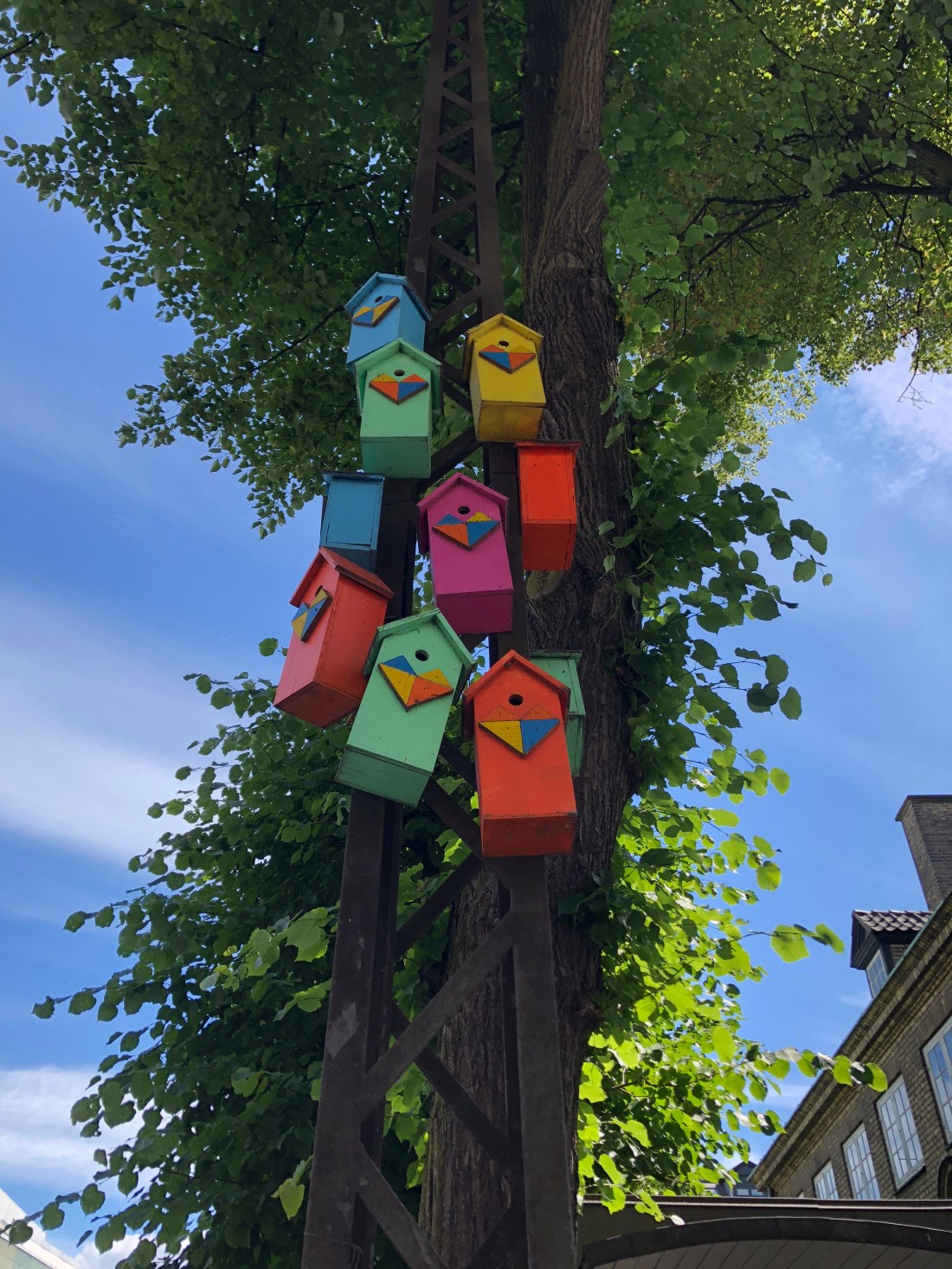
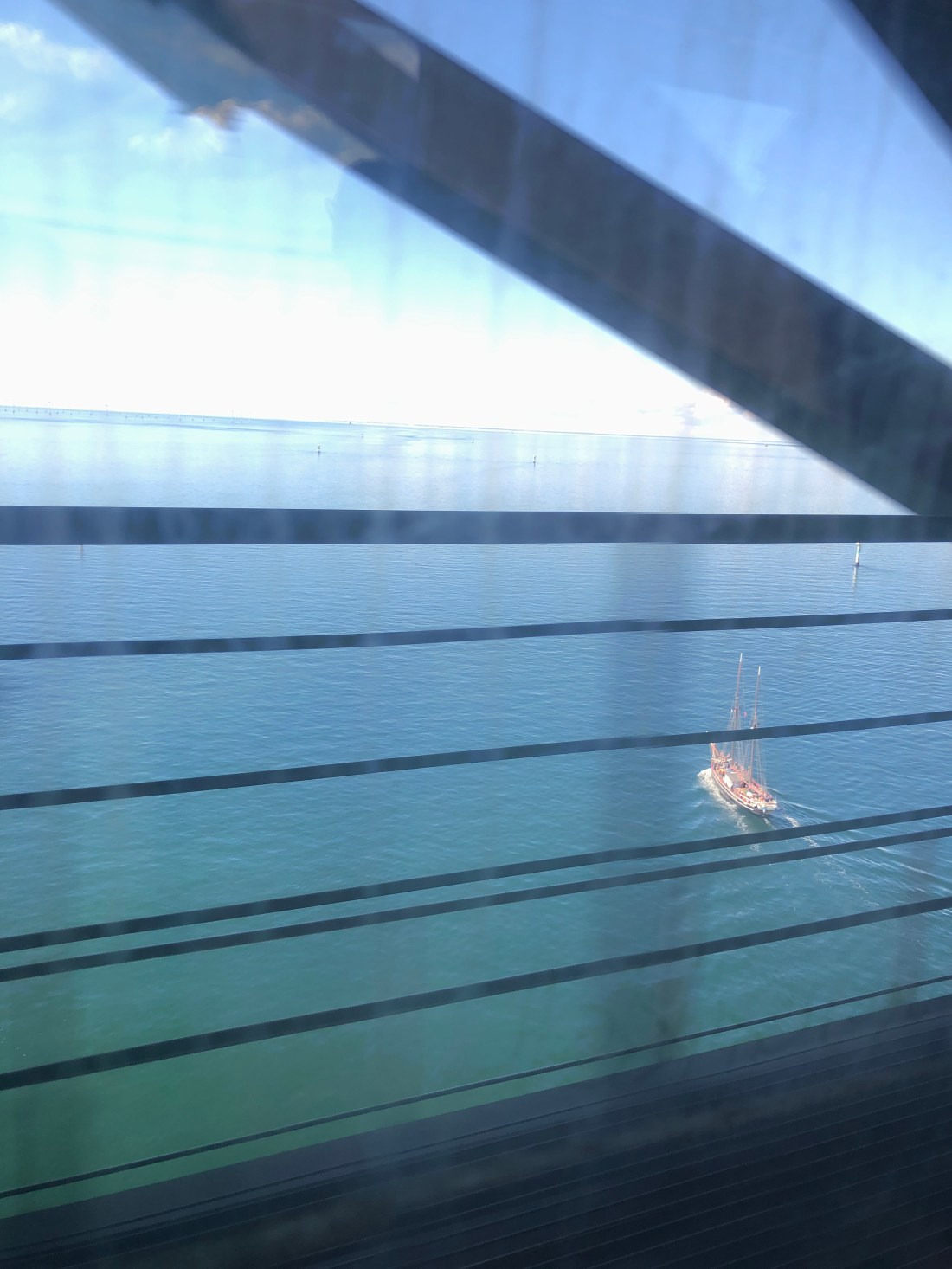
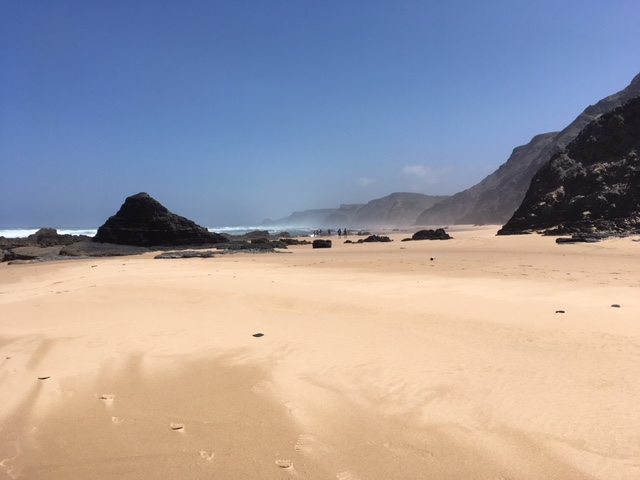
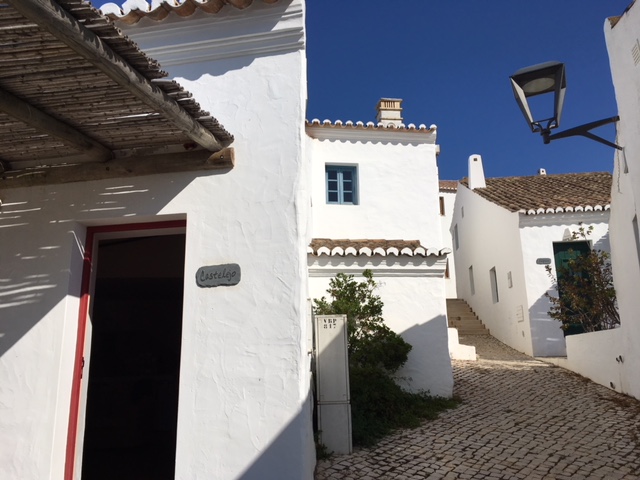
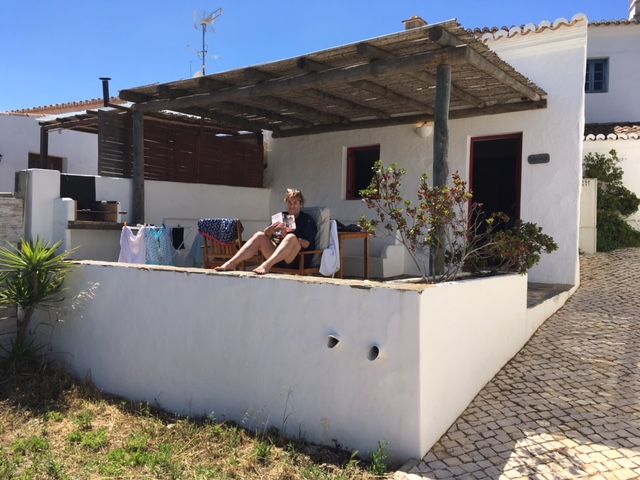
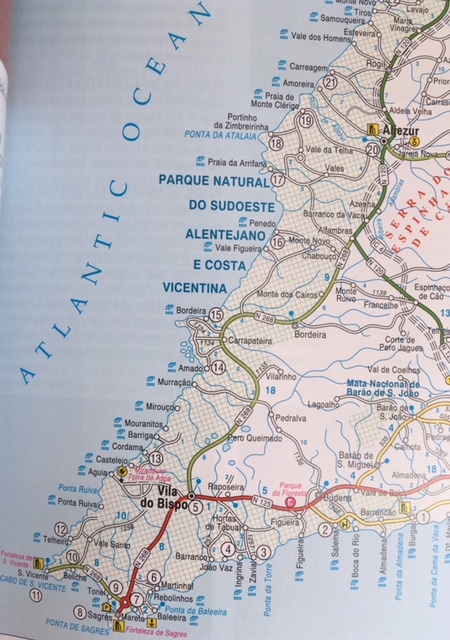

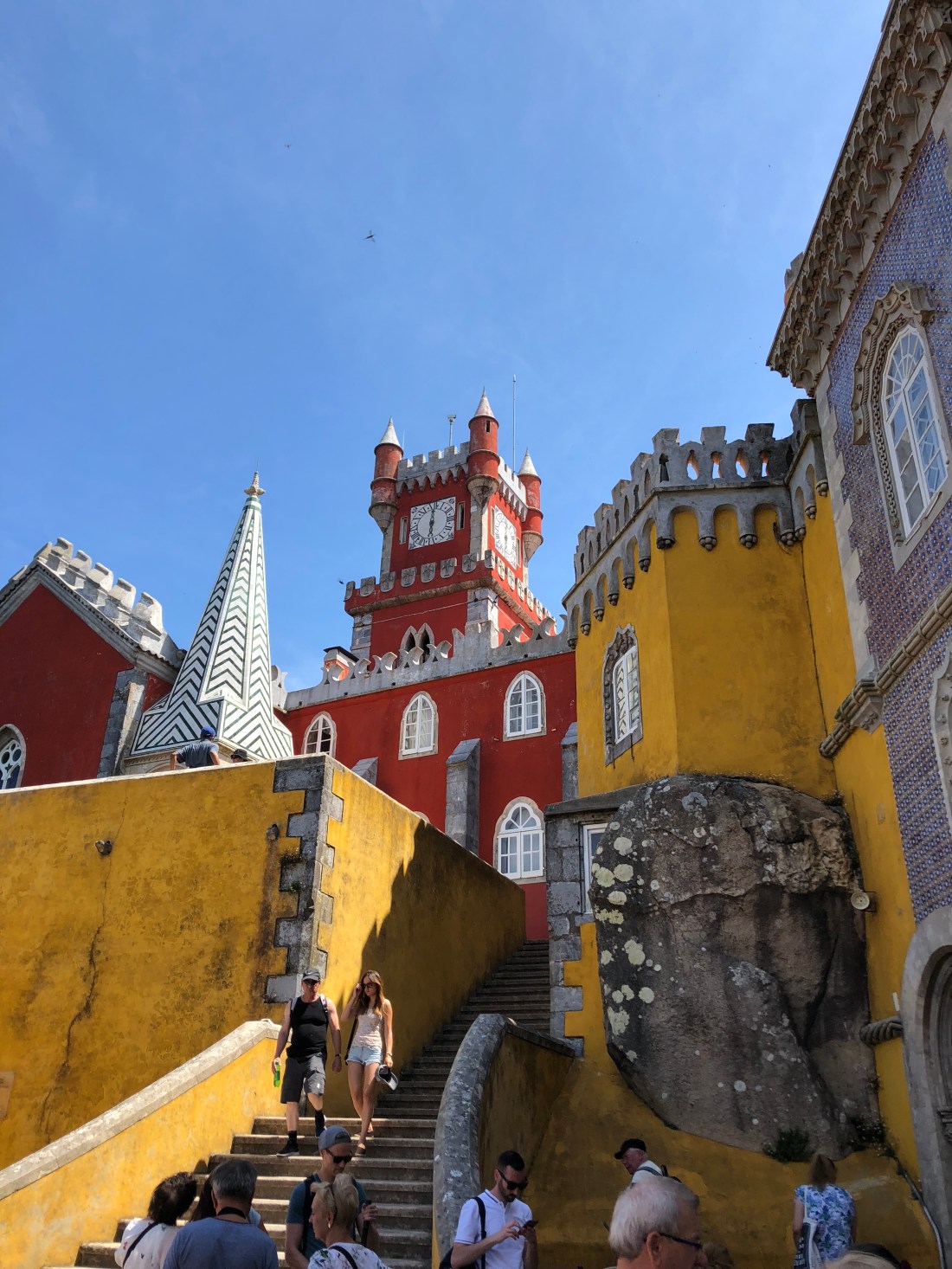
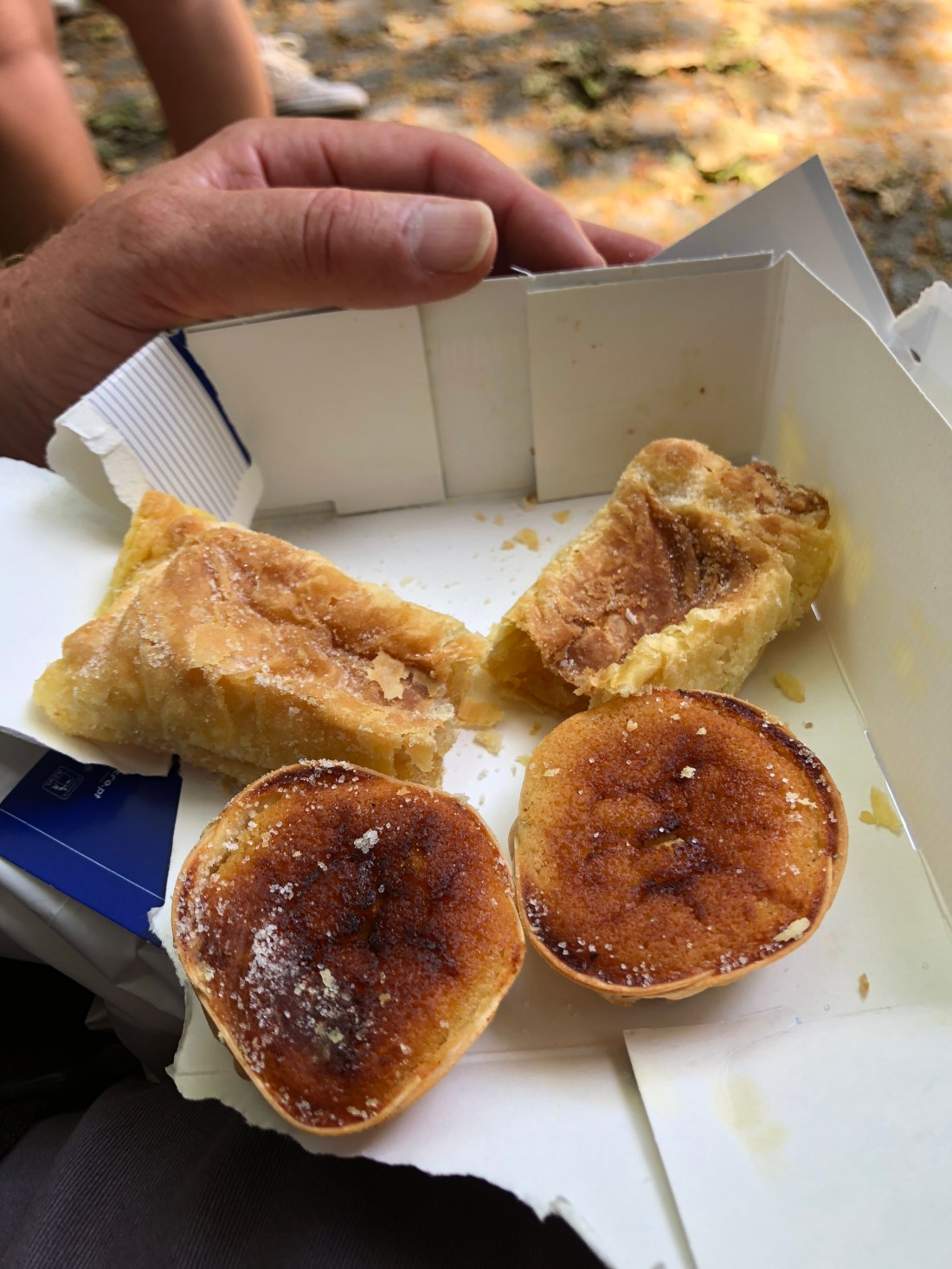
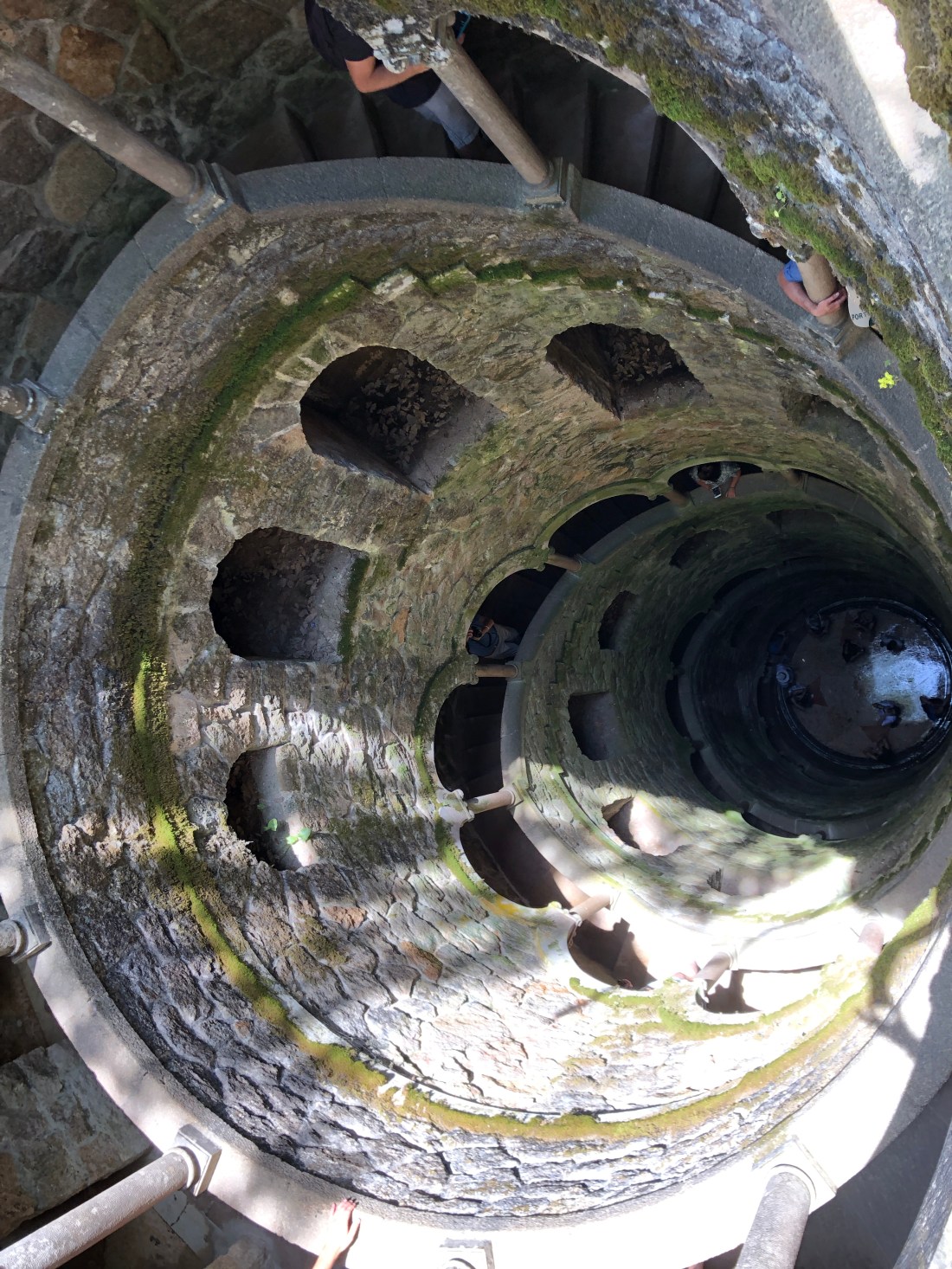
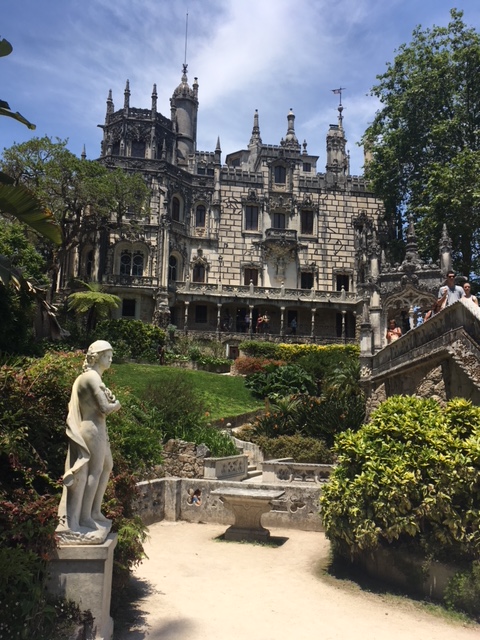
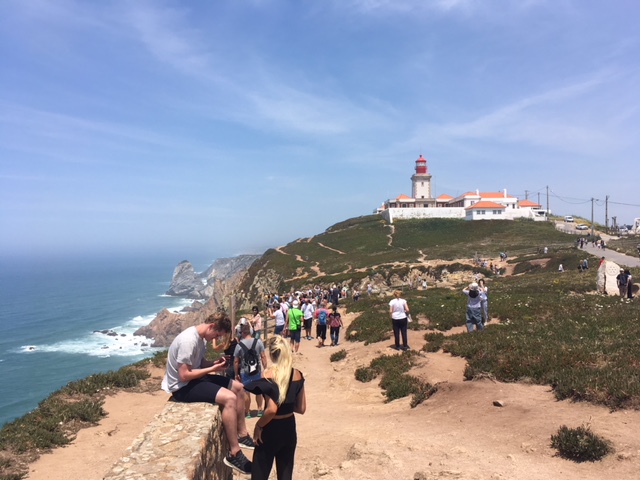
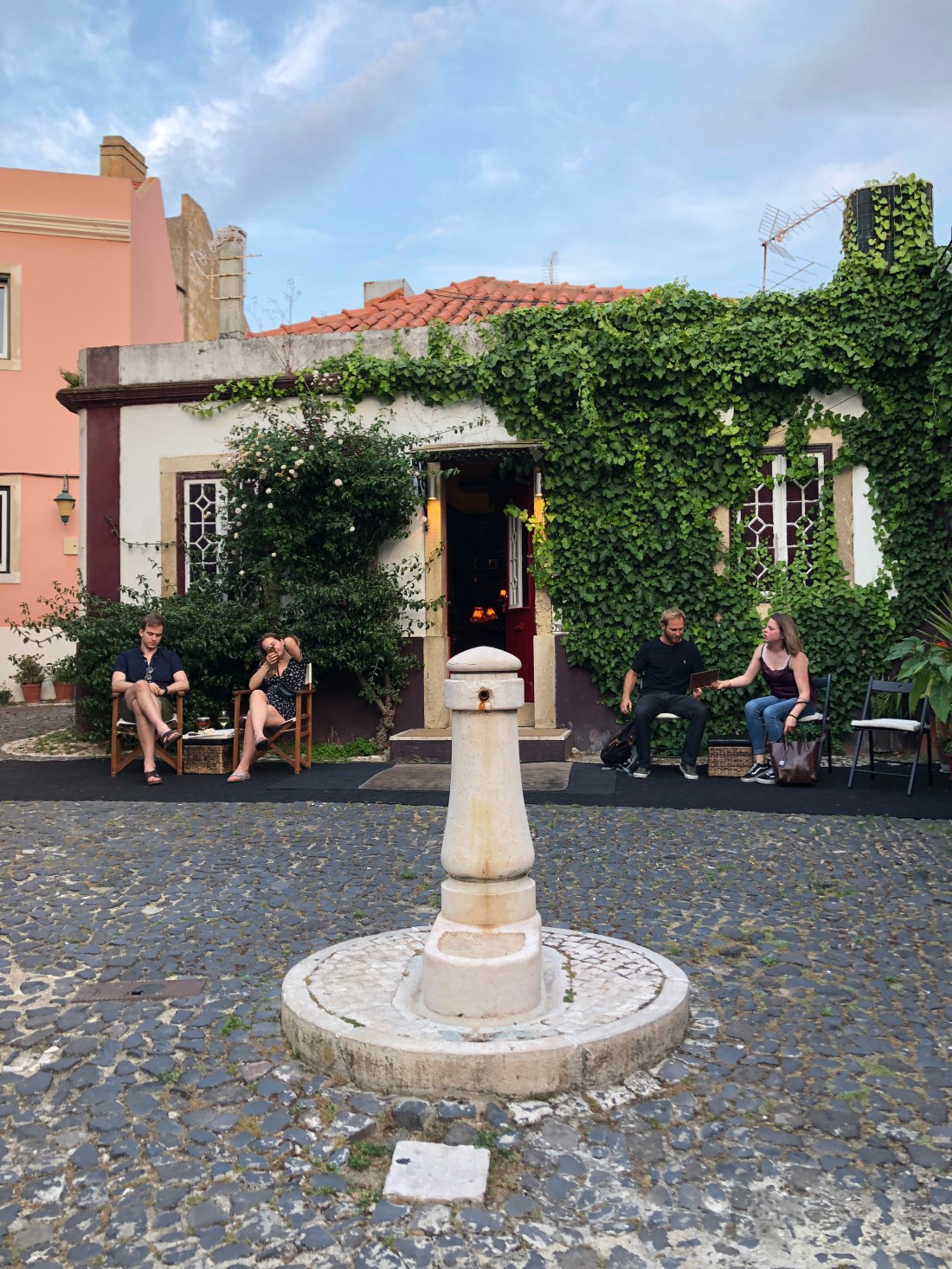
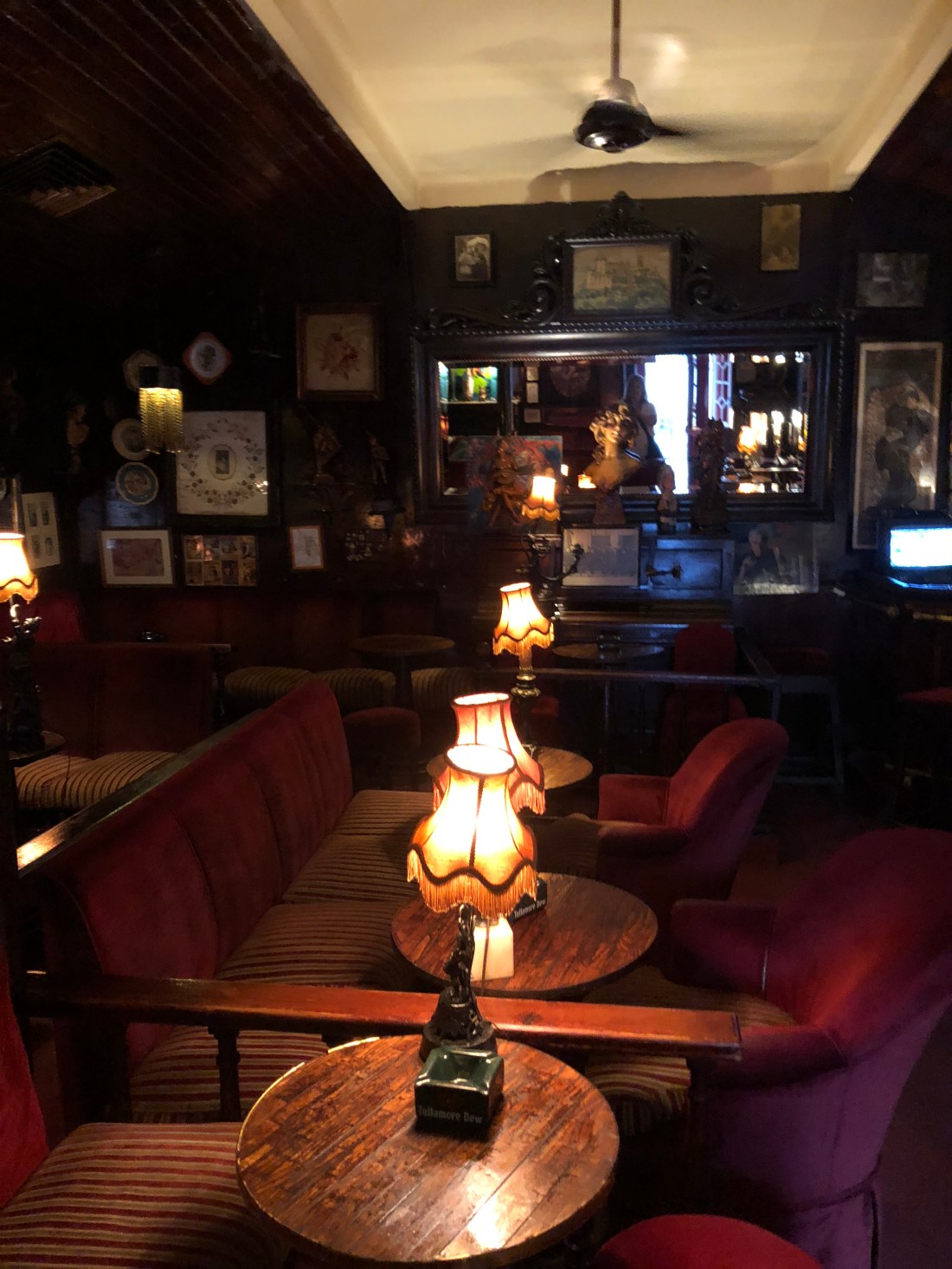
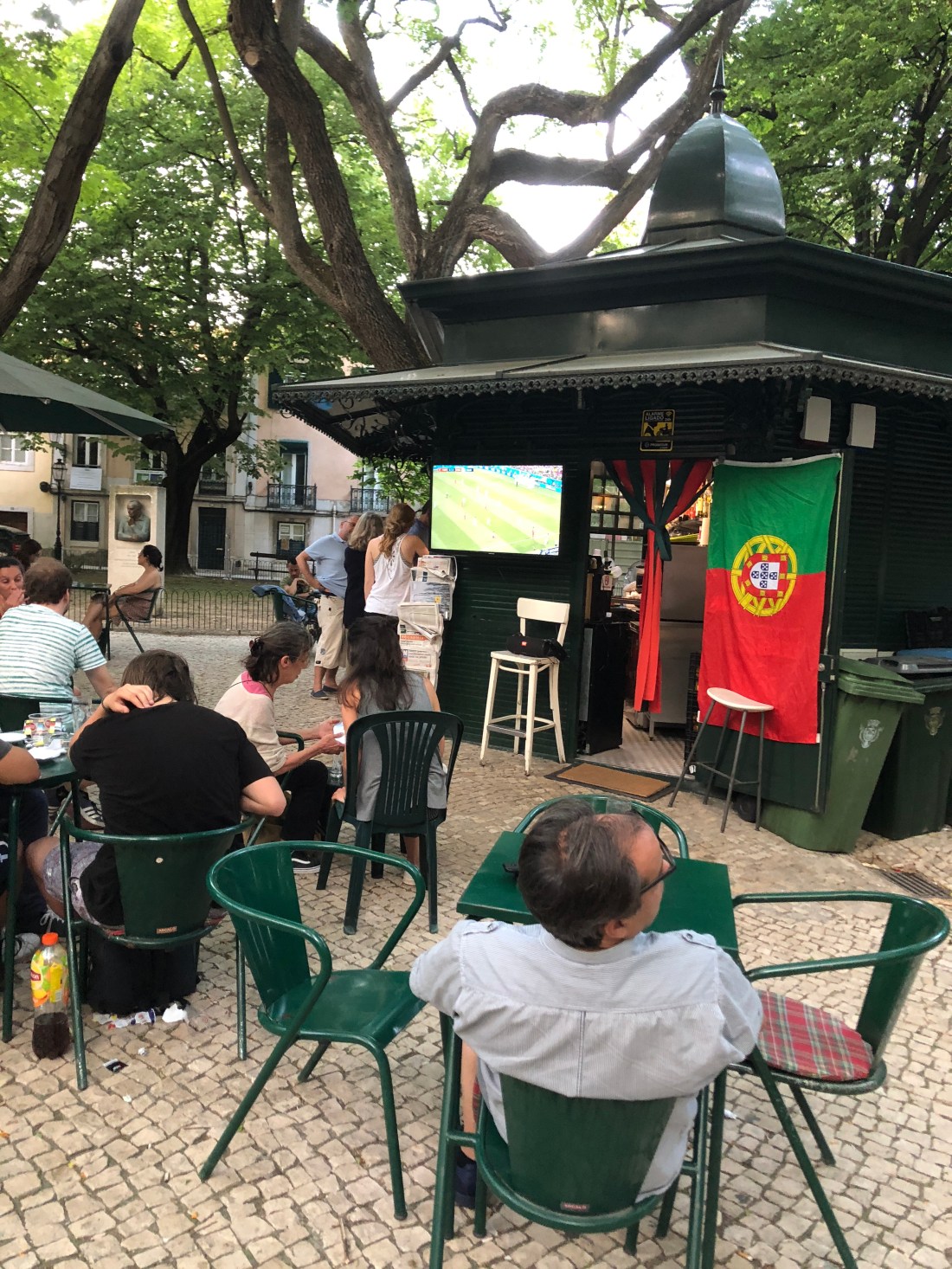

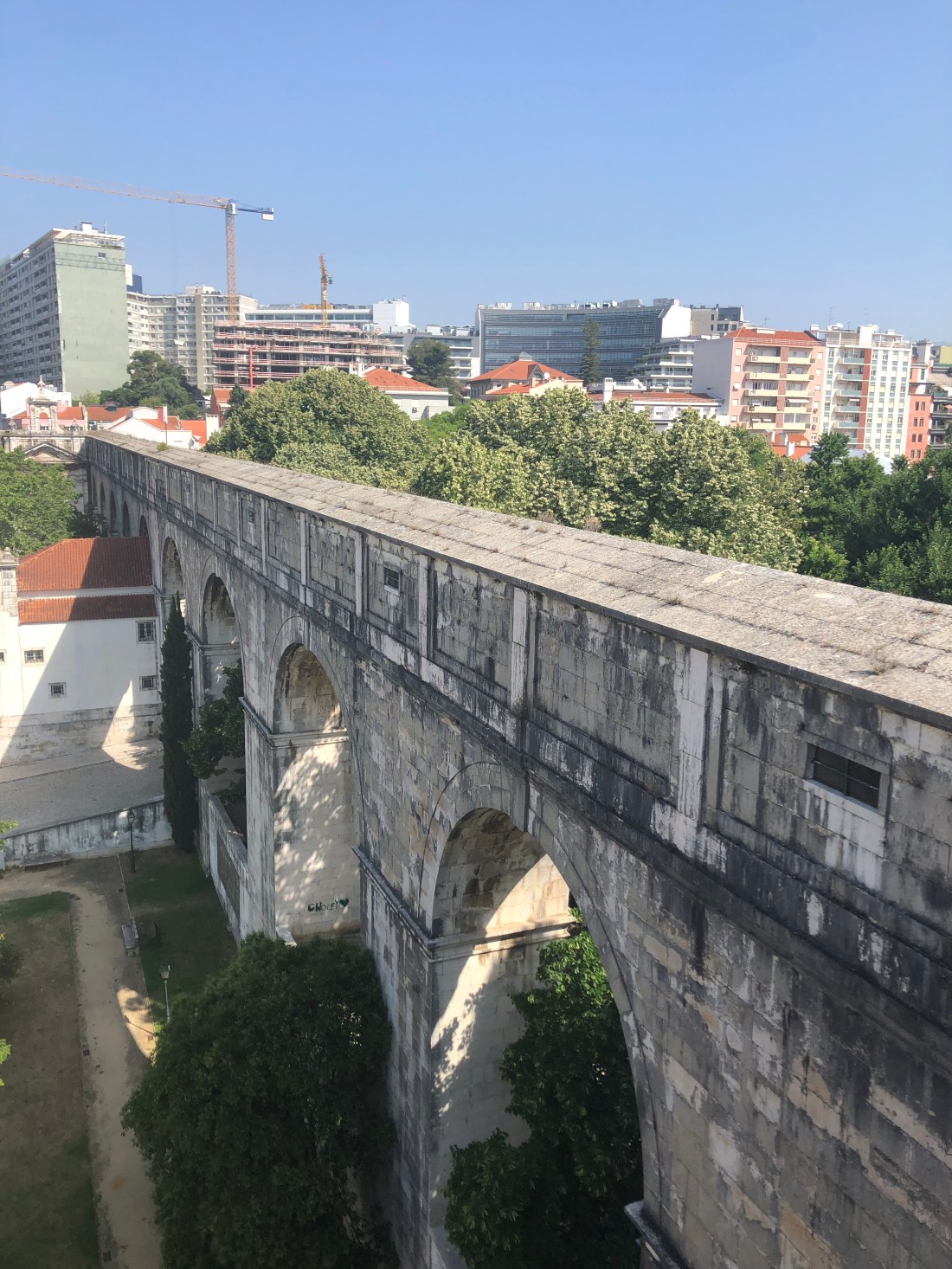
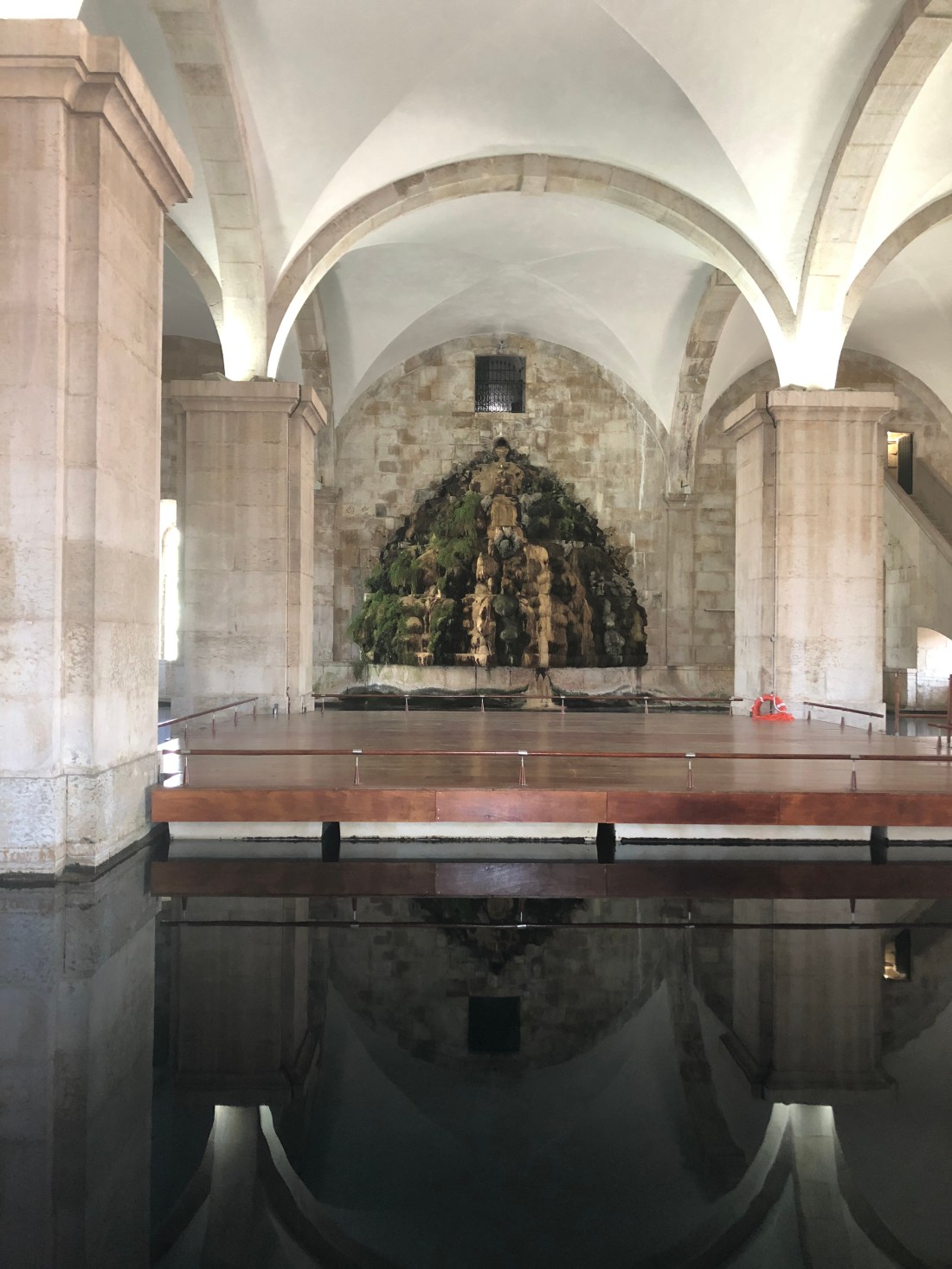
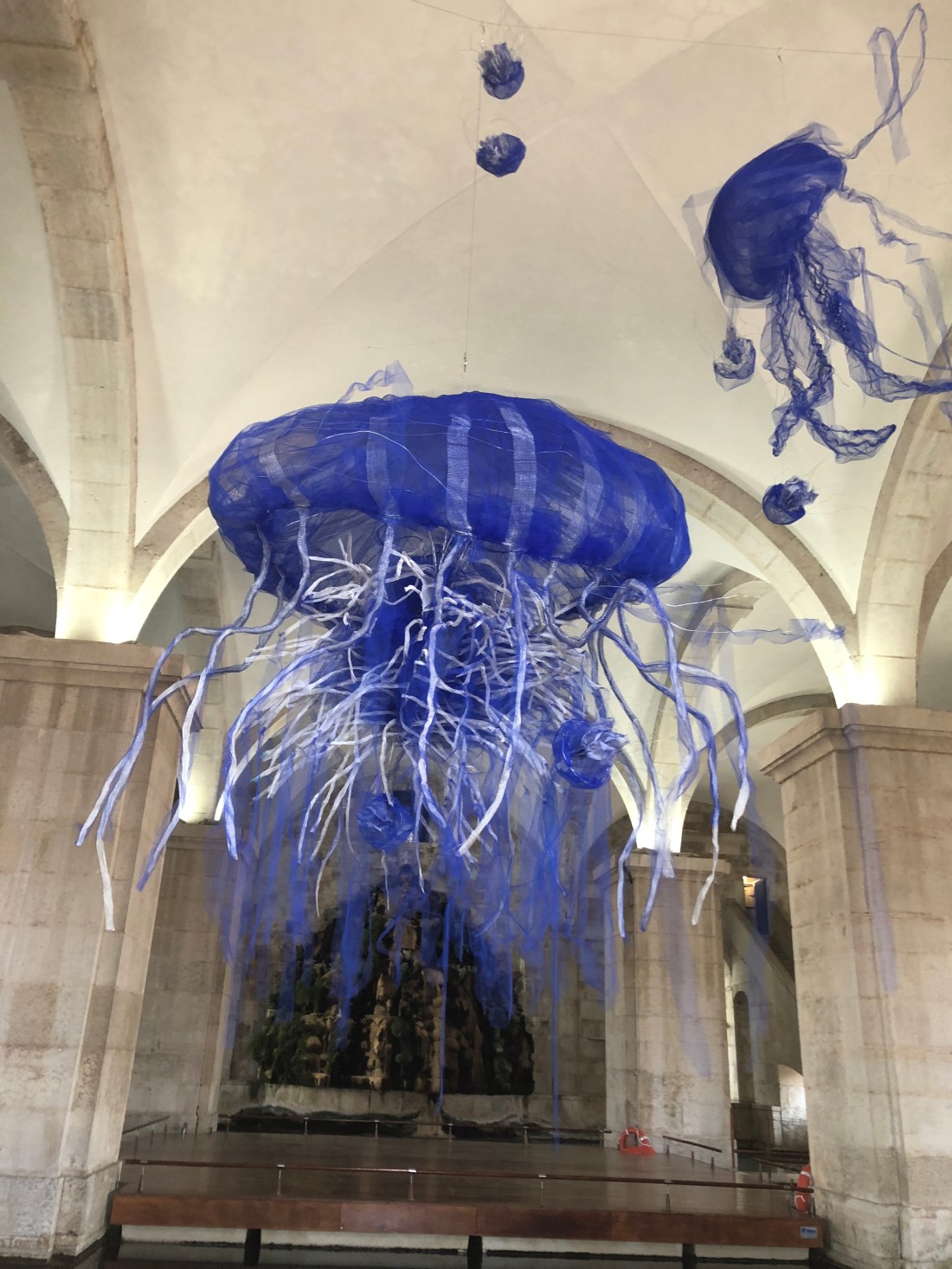
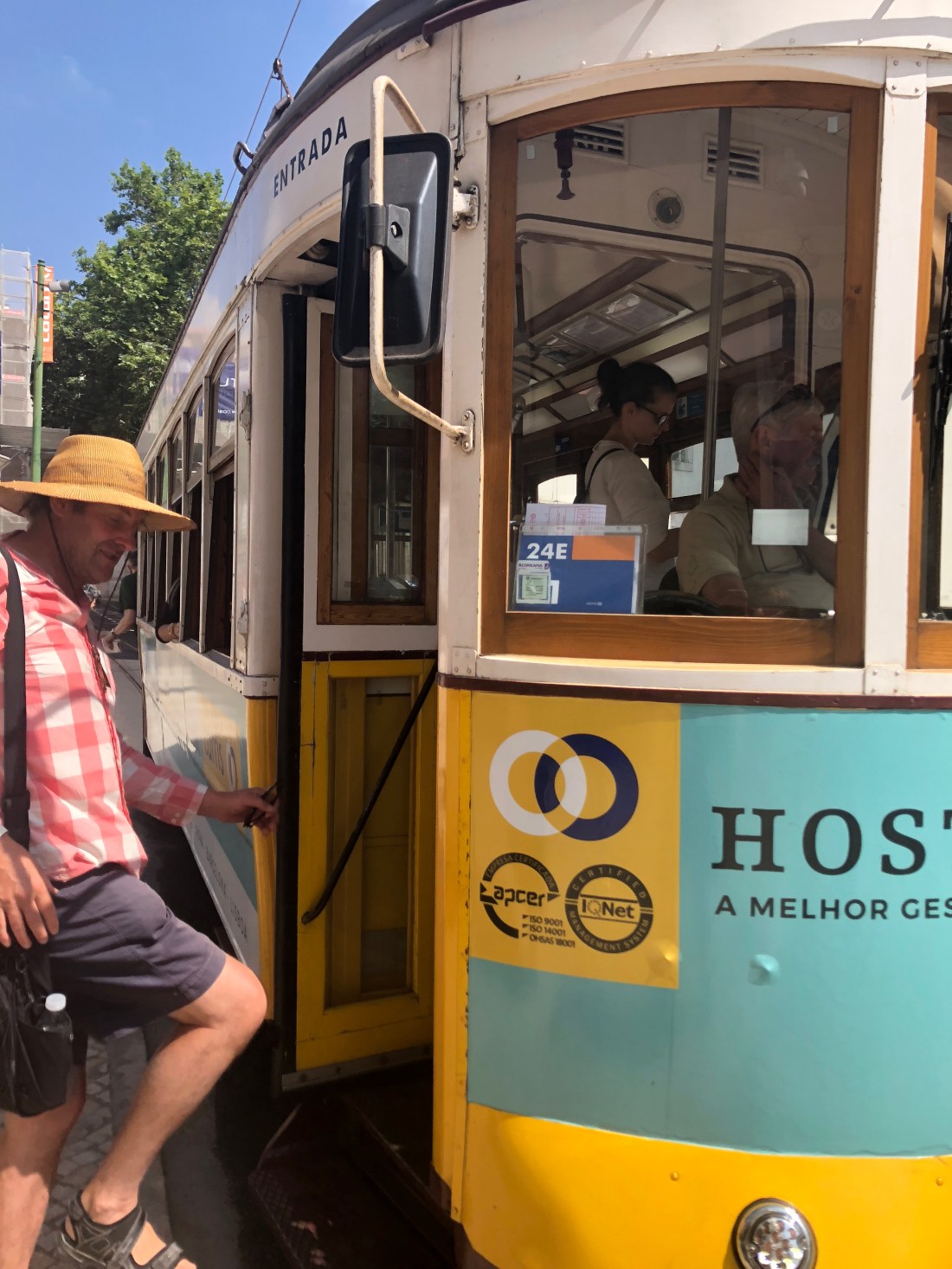
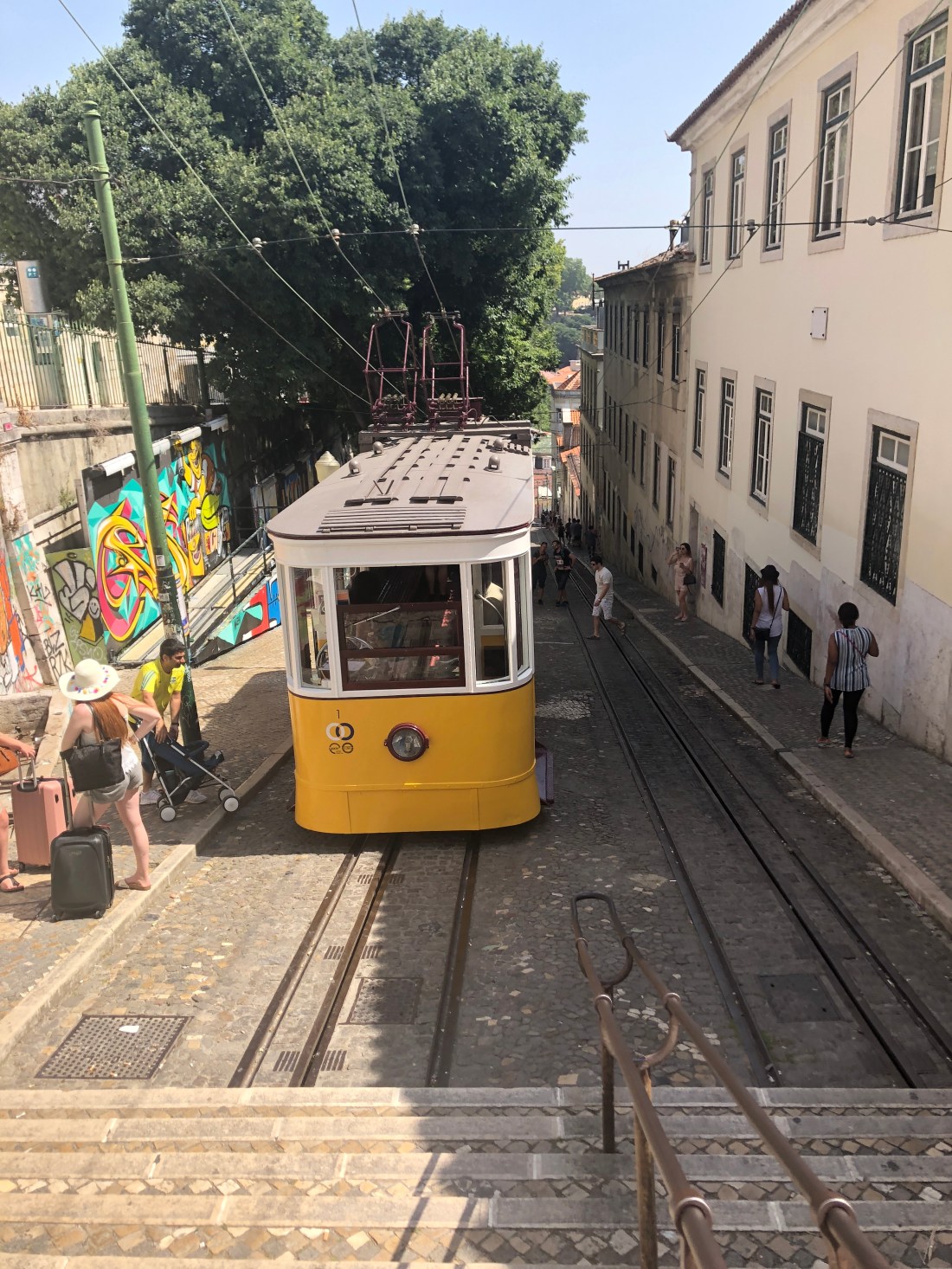
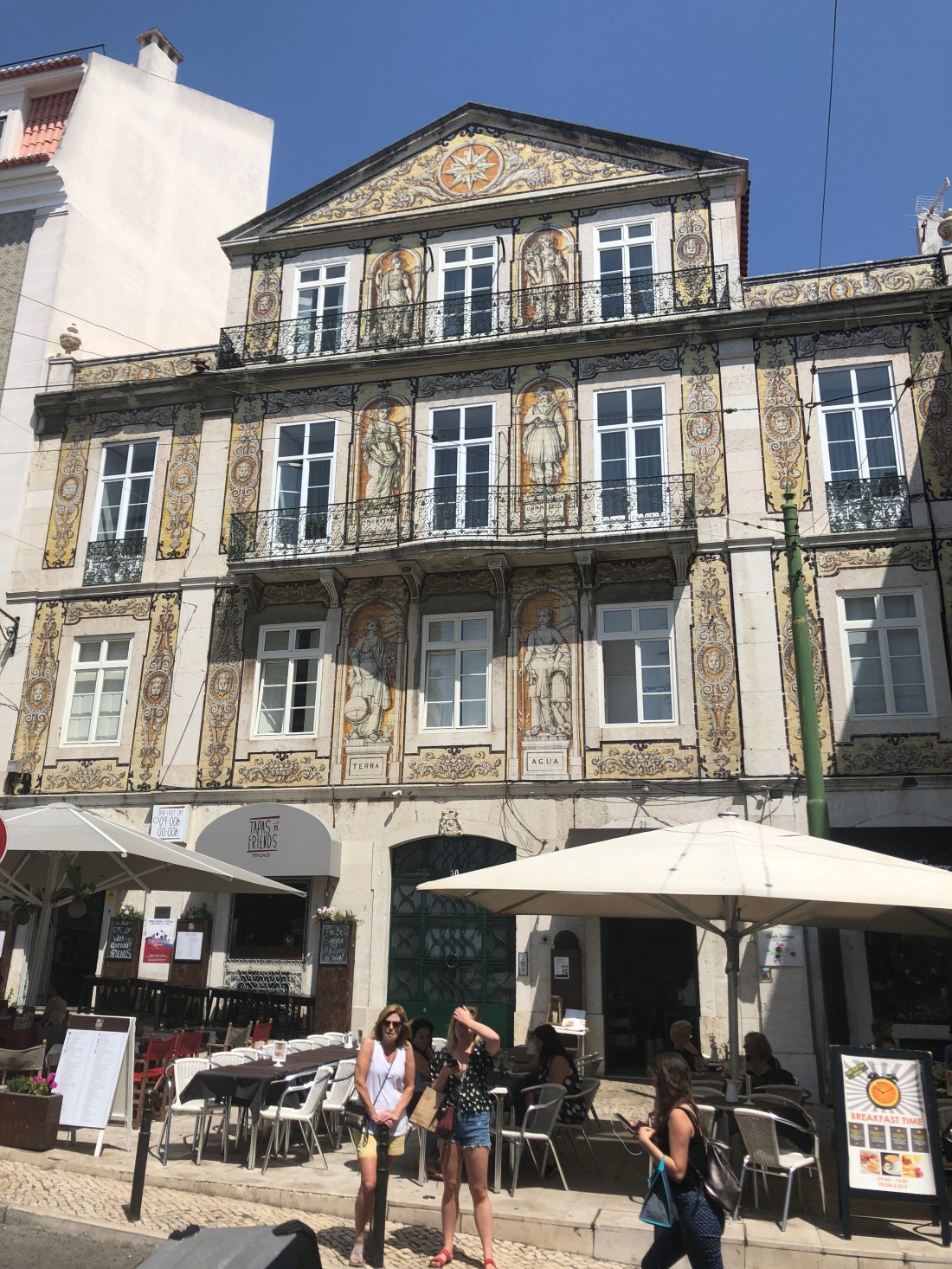


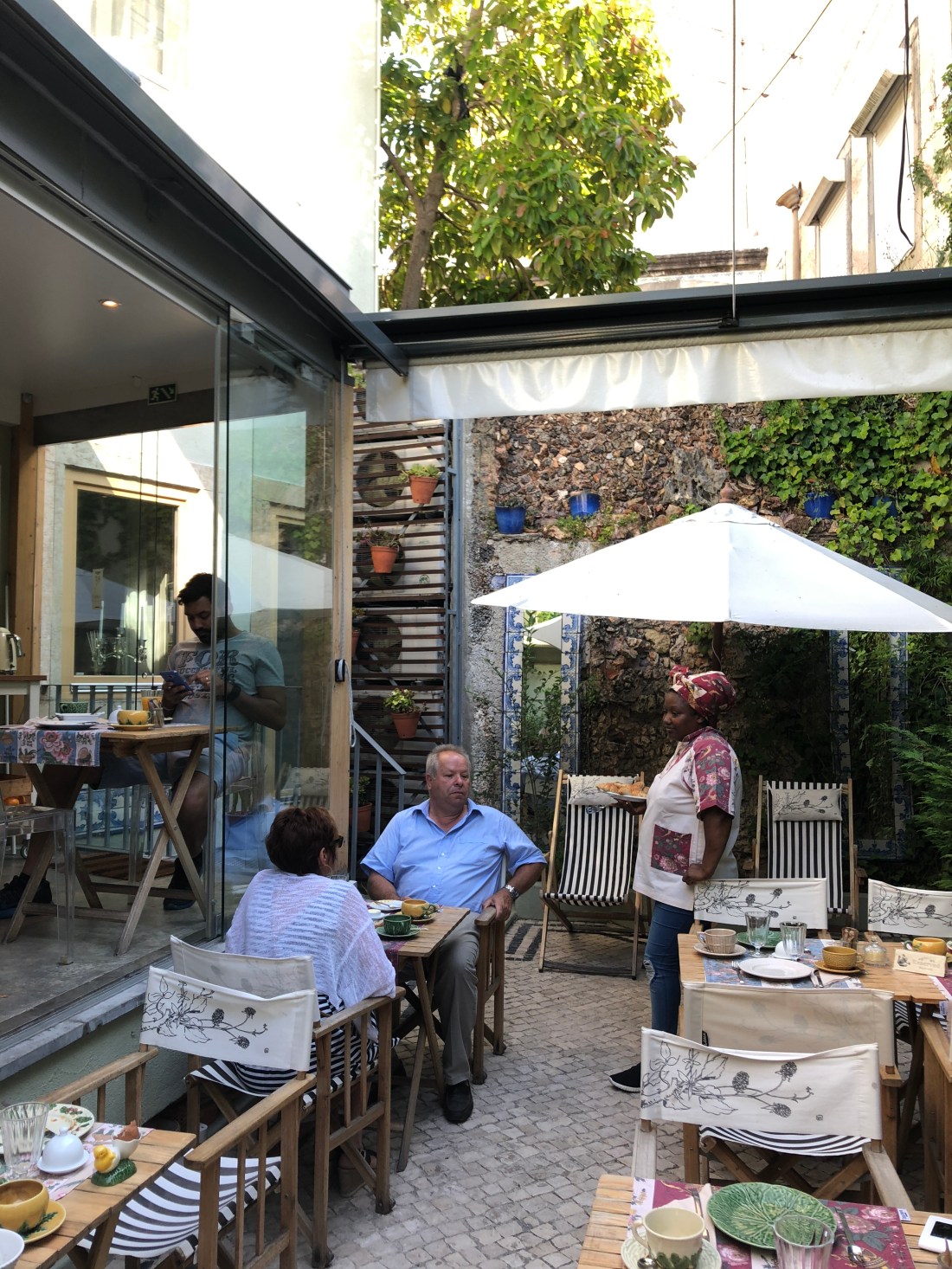
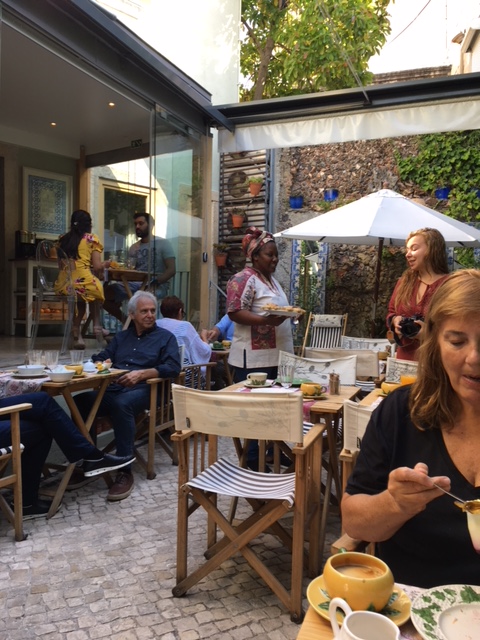
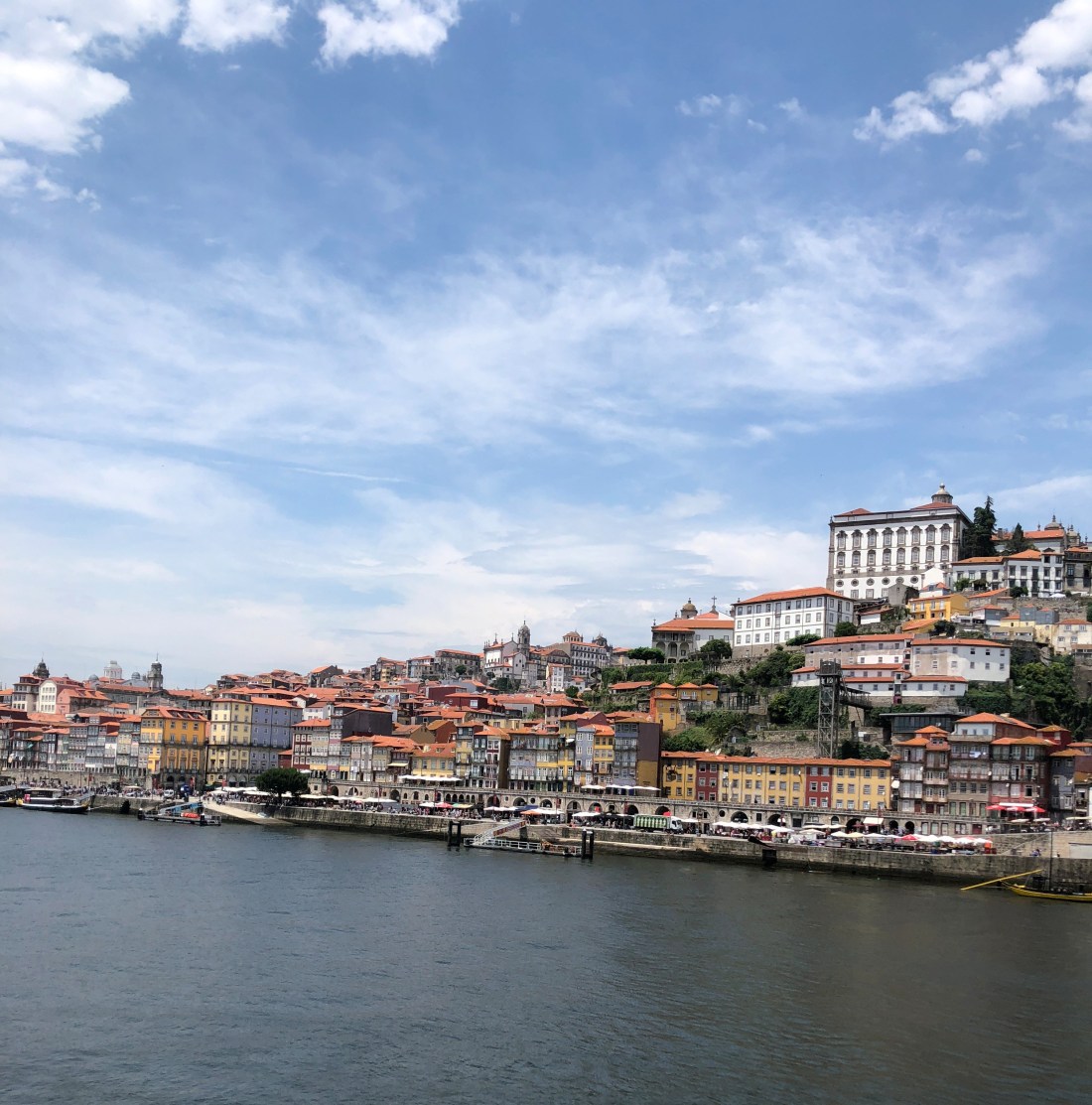

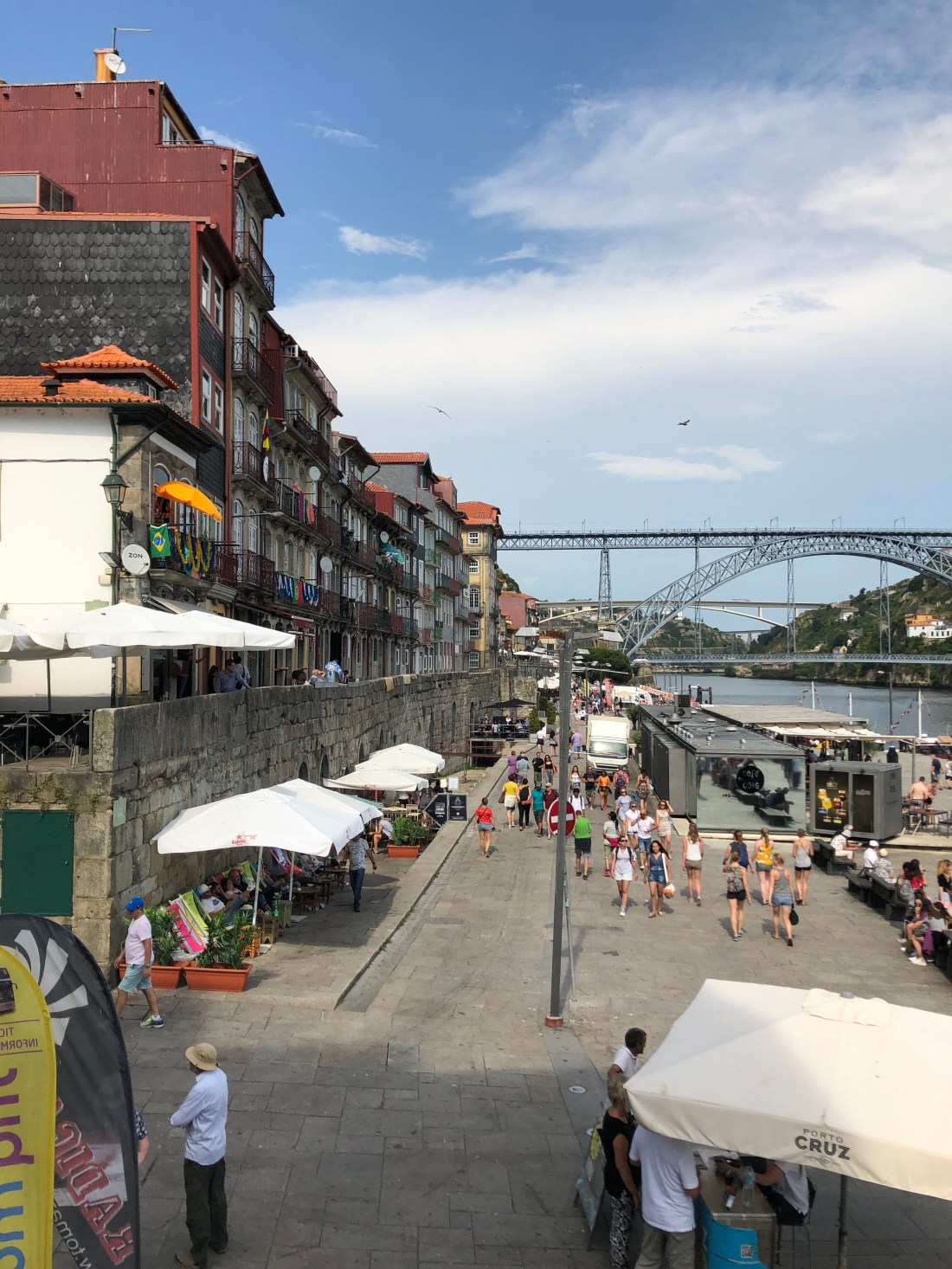
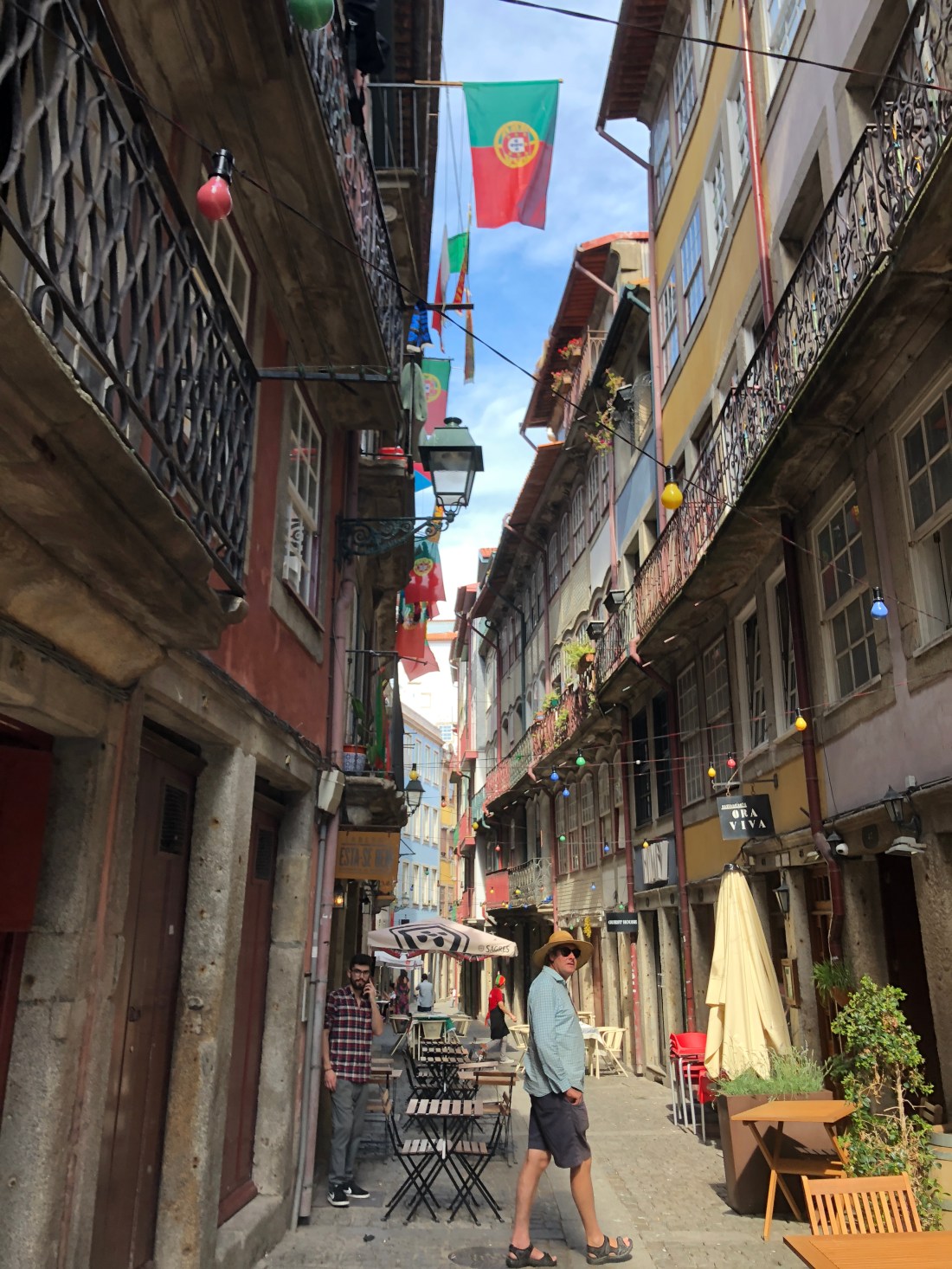
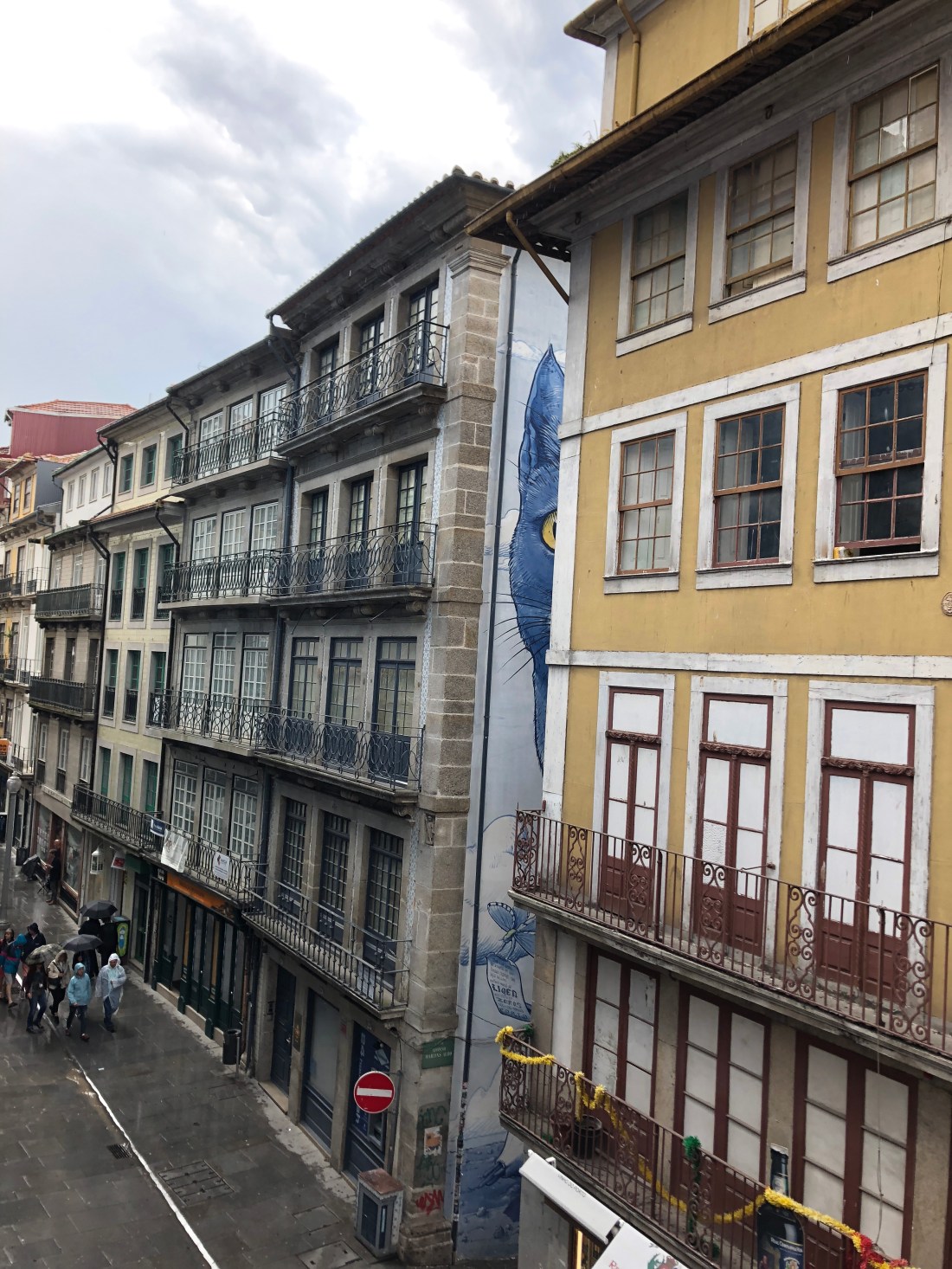
 Parental Gap-Year