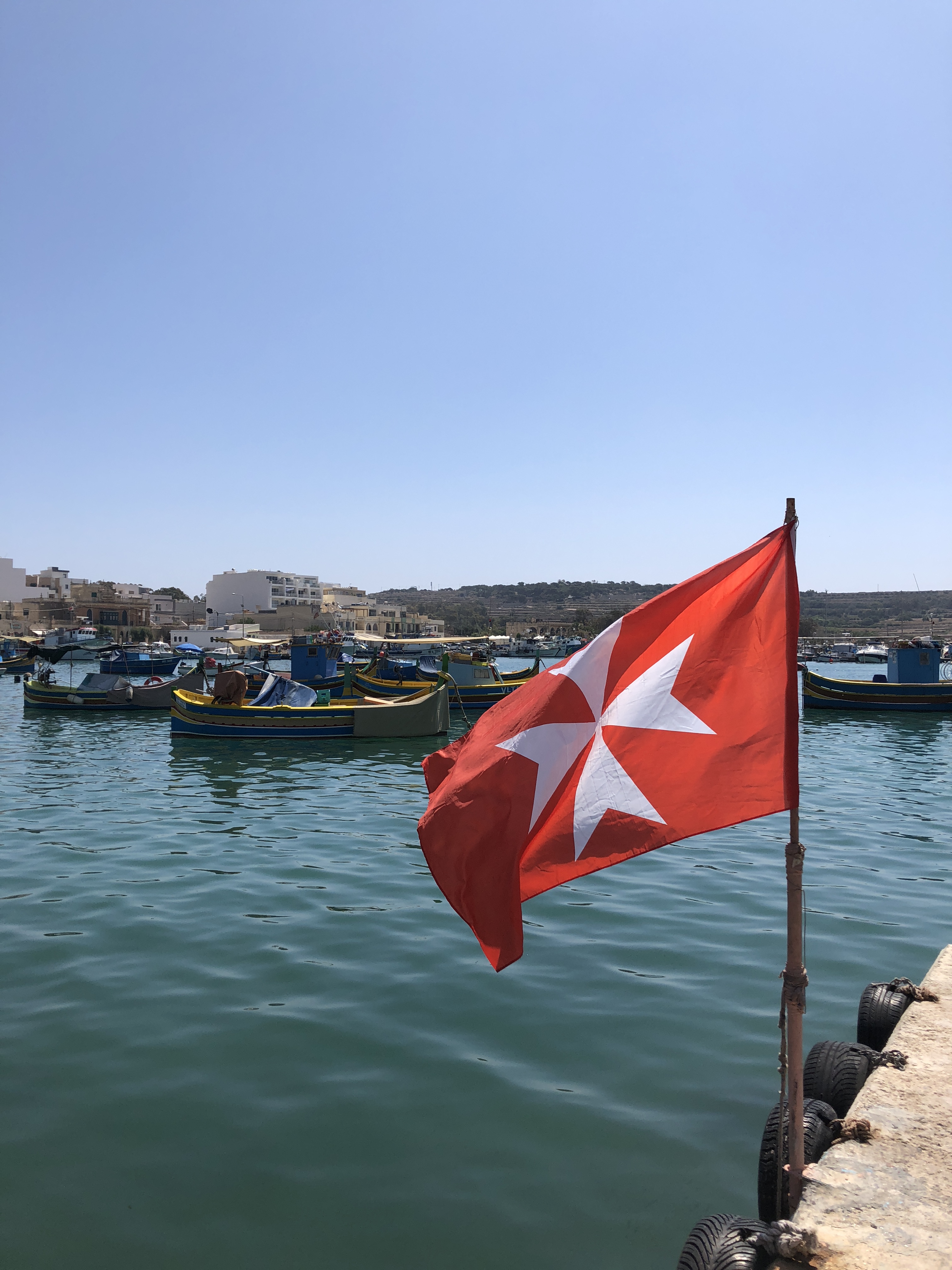

“You know more there are more Maltese people in Australia than in Malta”, that was a common refrain in Malta as soon as we said we were Australian. So whether it’s accurate or not, certainly there were many familiar names: Camilleri, Azzopardi, Tabone, Galea and Micallef.
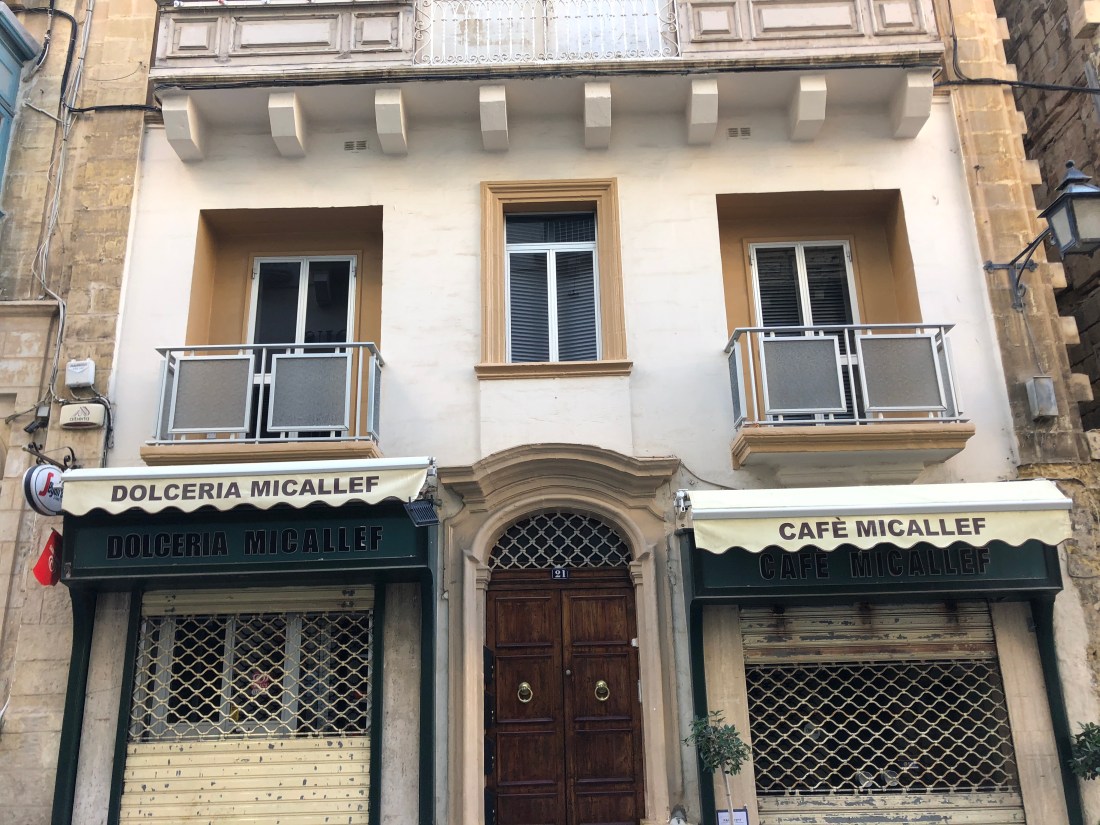
It was Alex’s sister Helen who encouraged us to visit Malta. Helen and Bob Clegg visited last year and loved their visit. So given we were in Sicily and Malta was just sitting there in the sea, why not?
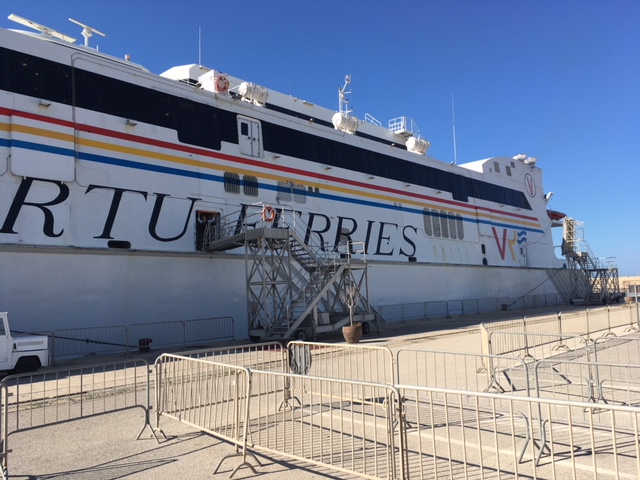
It was also great that we could catch the ferry from Pozzallo Sicily to the incredibly beautiful Valetta harbour. That link made in an Australian built catamaran ferry.
Our trip was slightly delayed by the Italian Coastguard. We looked across and saw the reason why. It was really sobering to see what was obviously the latest arrival of people fleeing the worst of times, while we were experiencing some of the best.
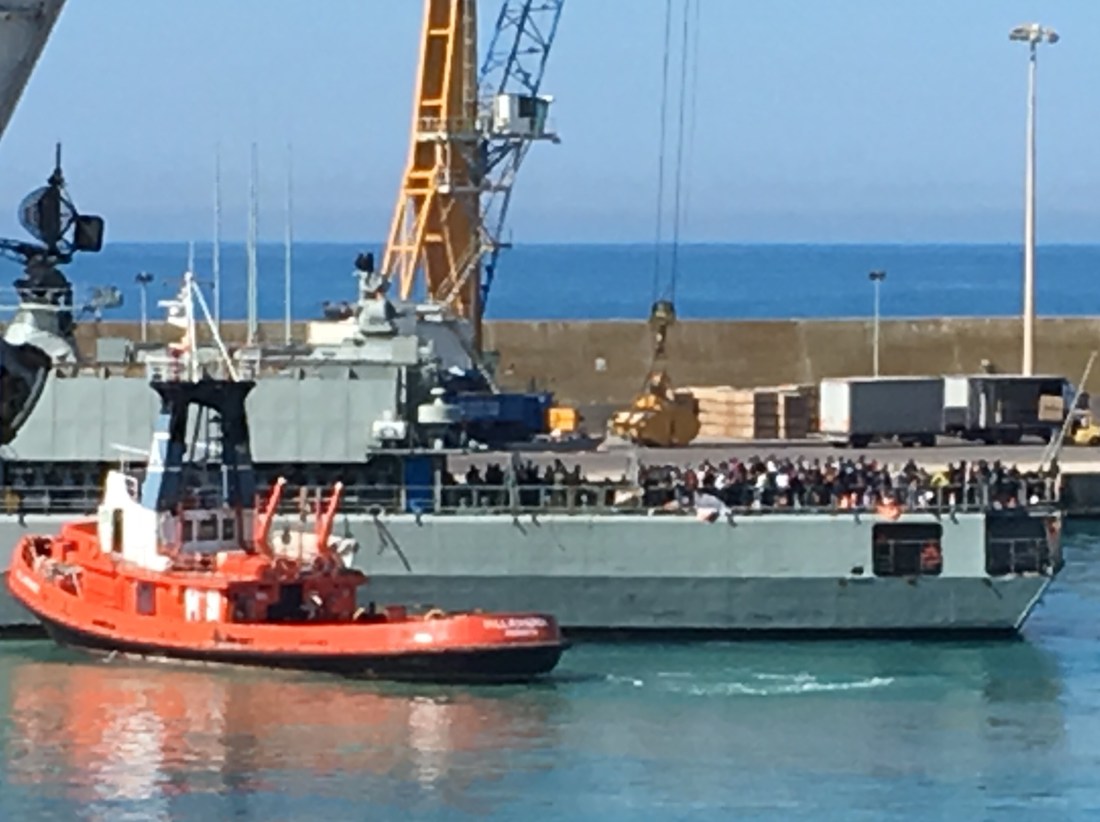
Good on the Italians for picking these people out of their rickety boats at sea and bringing them safely to the mainland.
So our pride in things Australian, ie the Ferry was given a bit of perspective.
As we approached the Valetta harbour, a lovely friend Nina sent a message to say she had just taken out Maltese citizenship. “We love Malta”. She and Craig have two small children and an eye to the future.
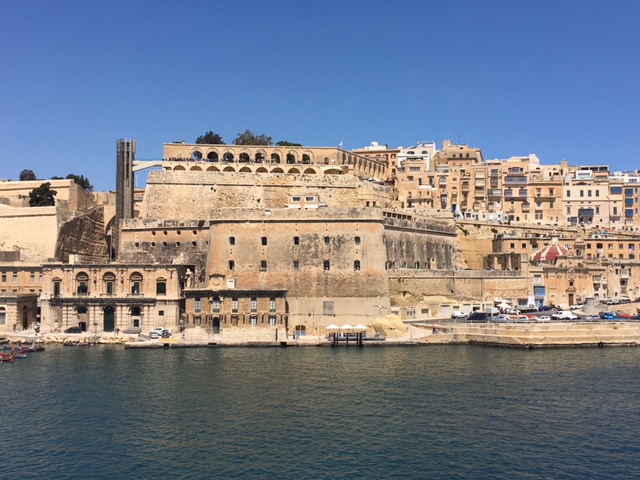
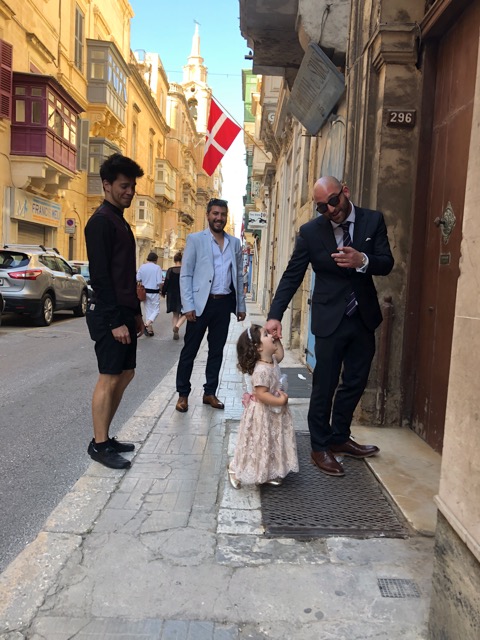
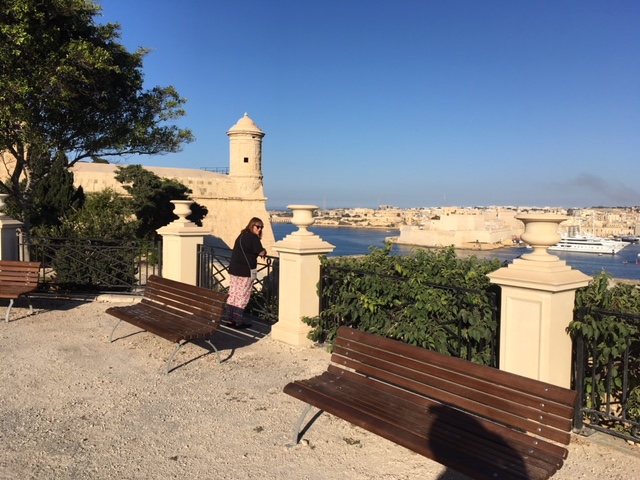
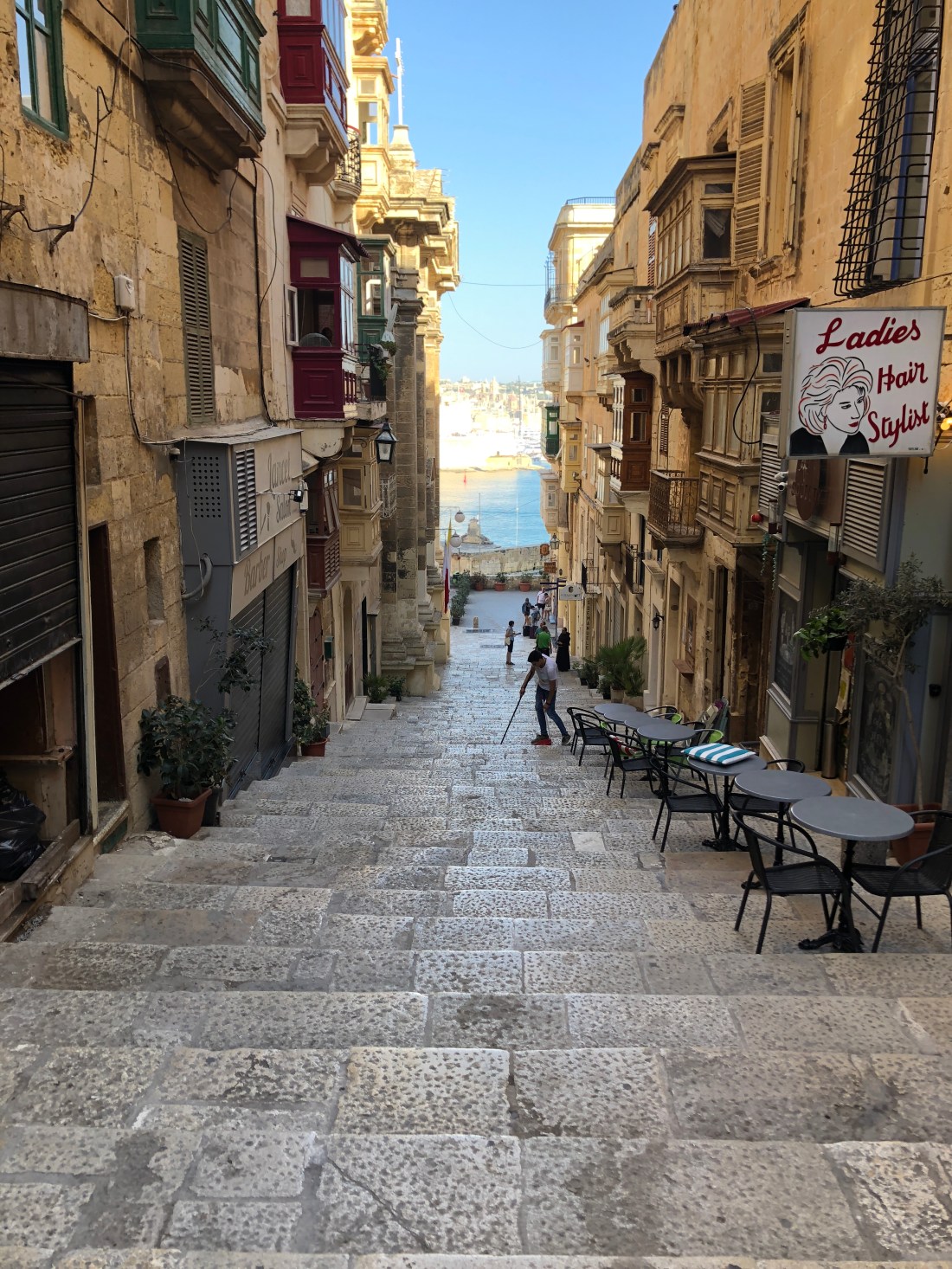
Despite it’s proximity to Sicily and some shared history there’s a stark difference. Malta’s language is mix of Italian and Arabic, and having been a British colony for a long time, many people speak English.
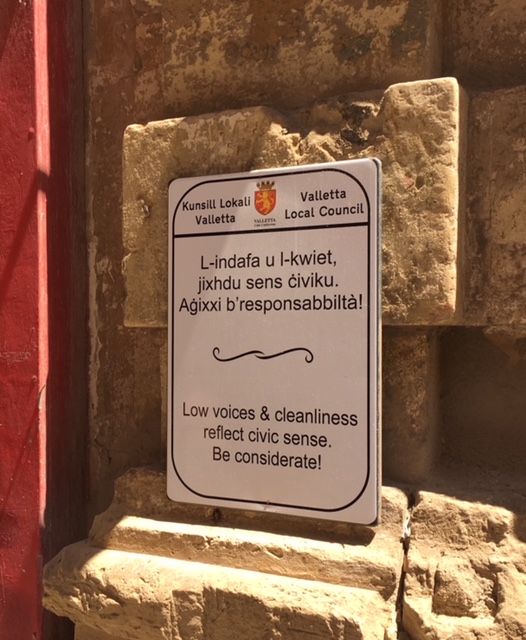
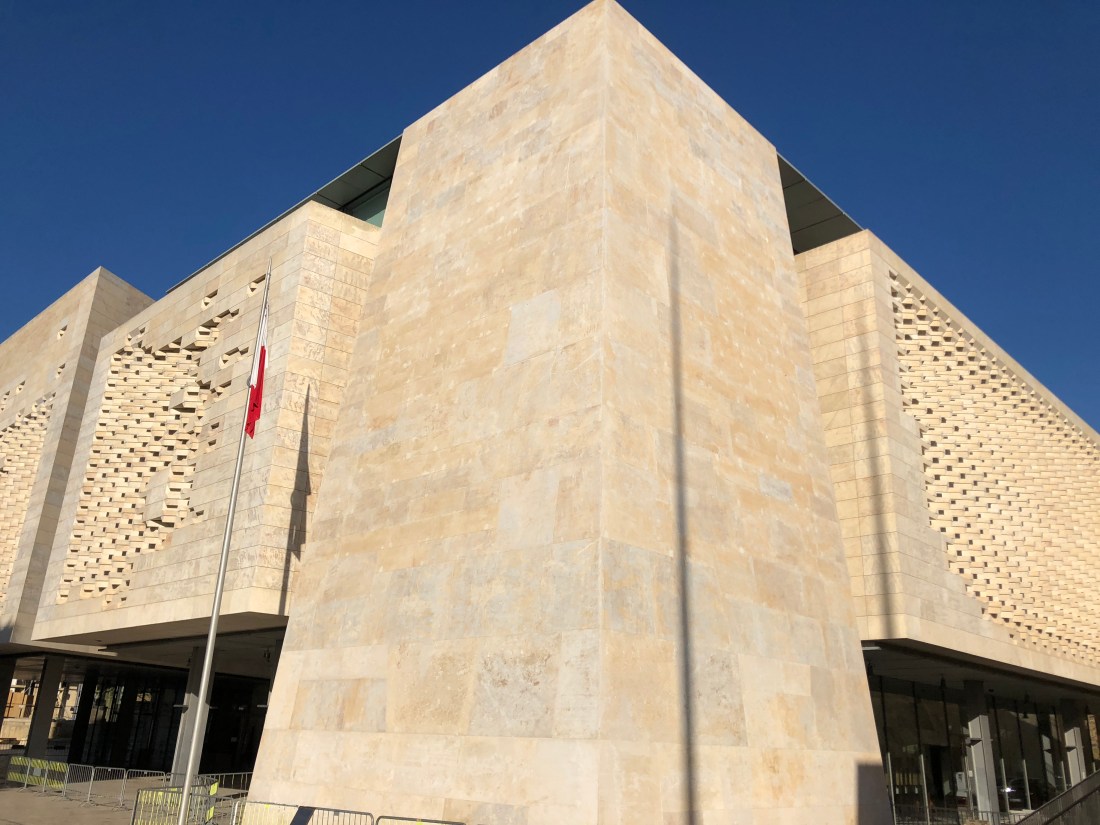
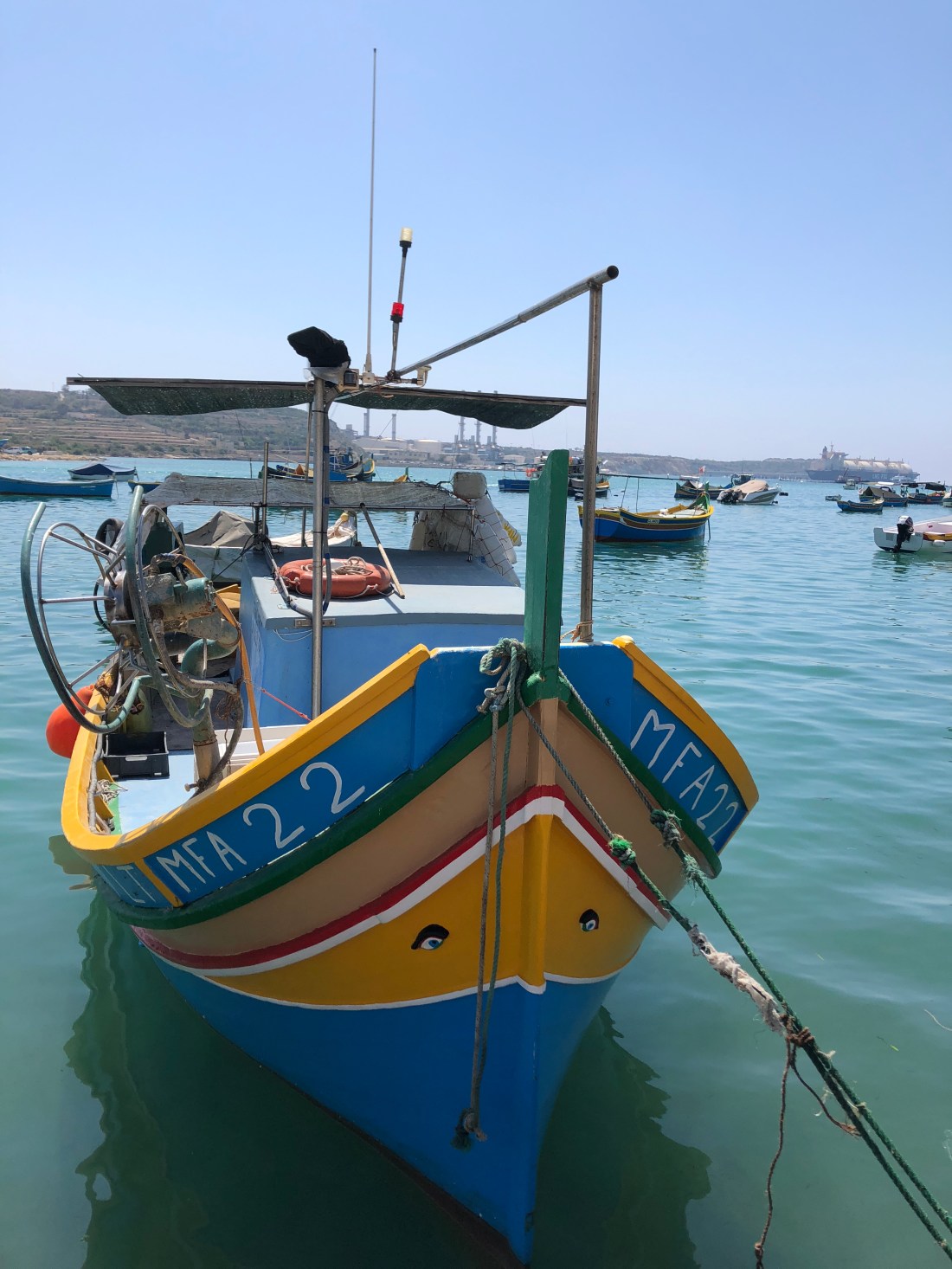
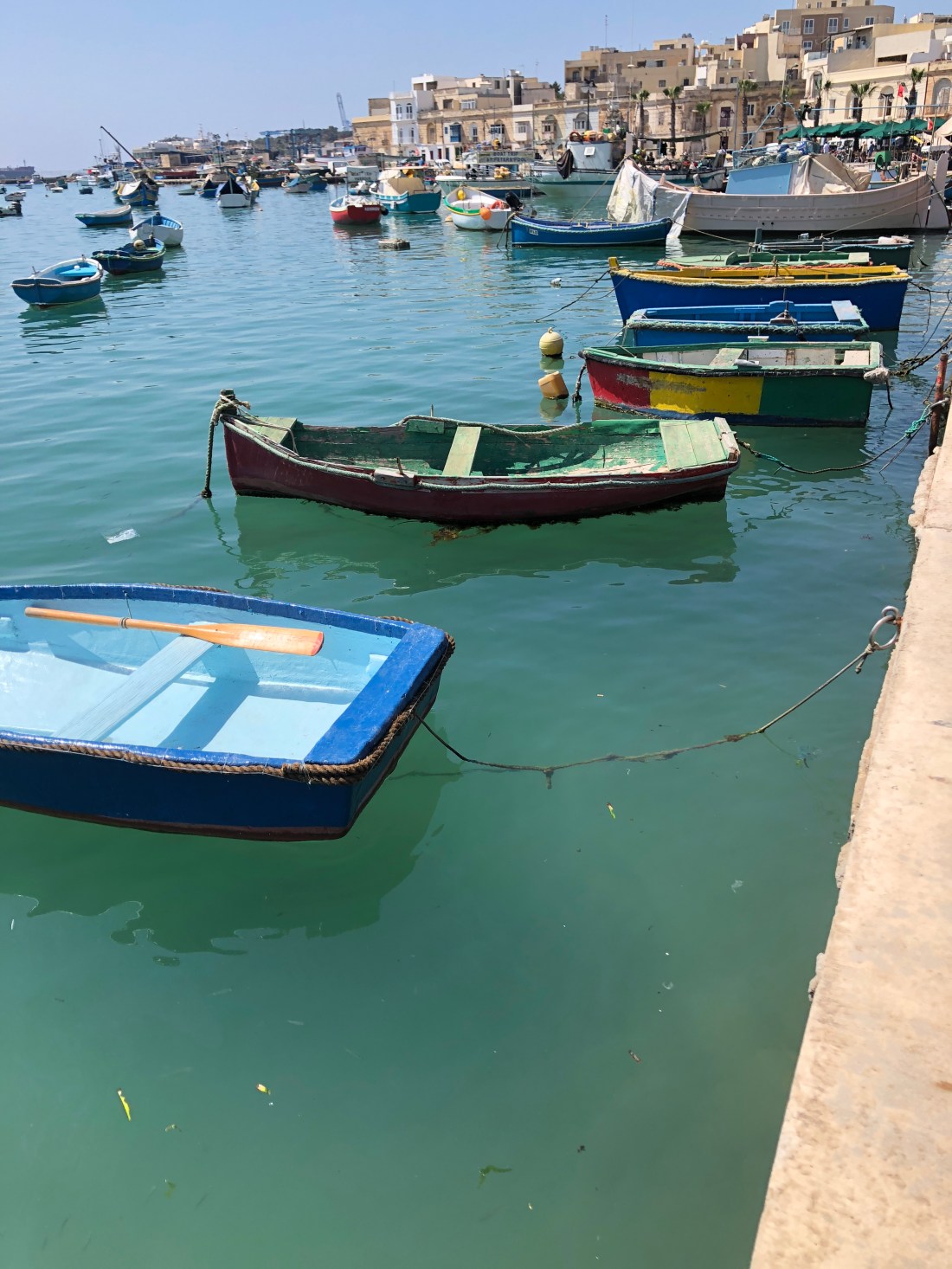
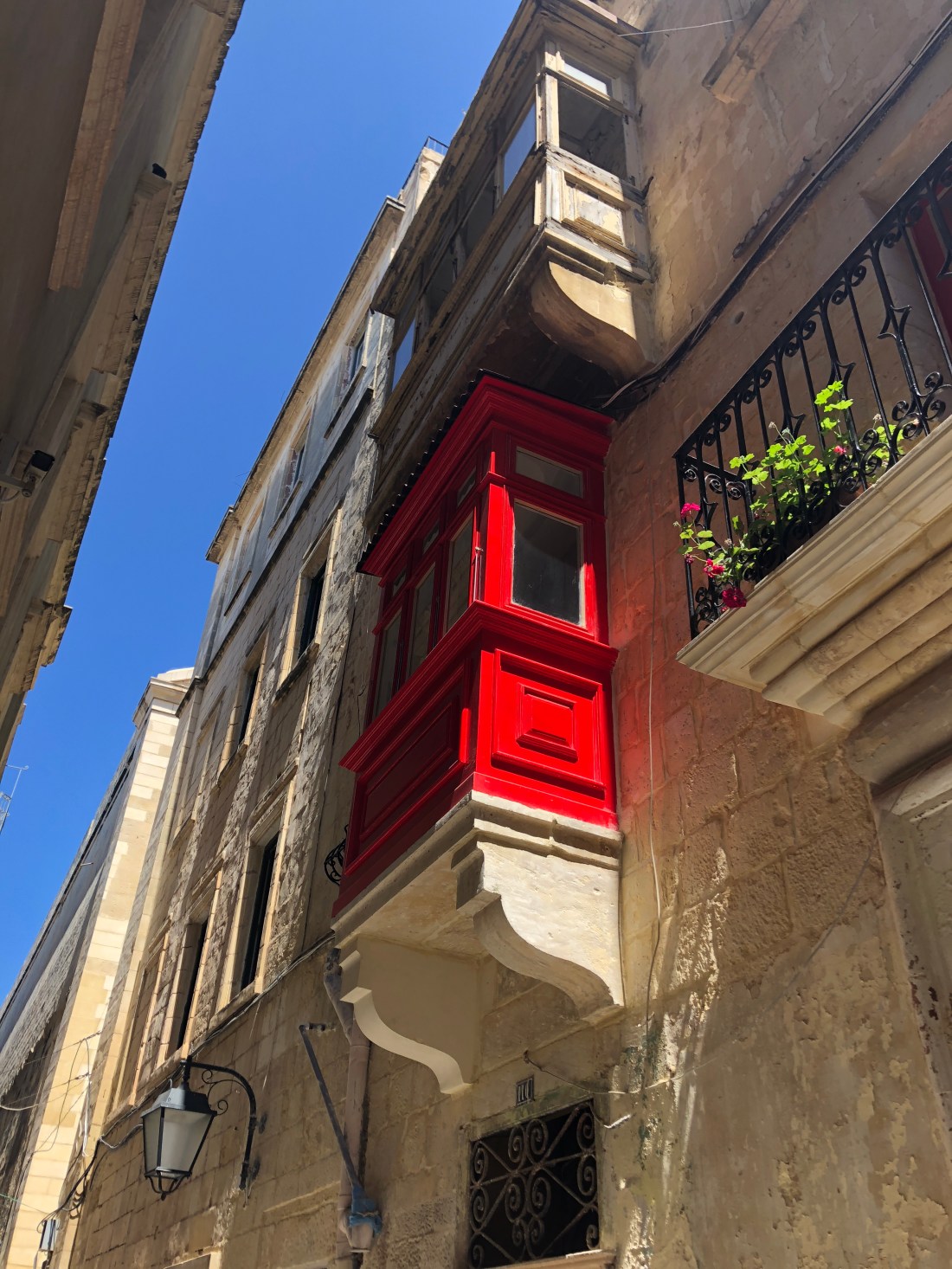
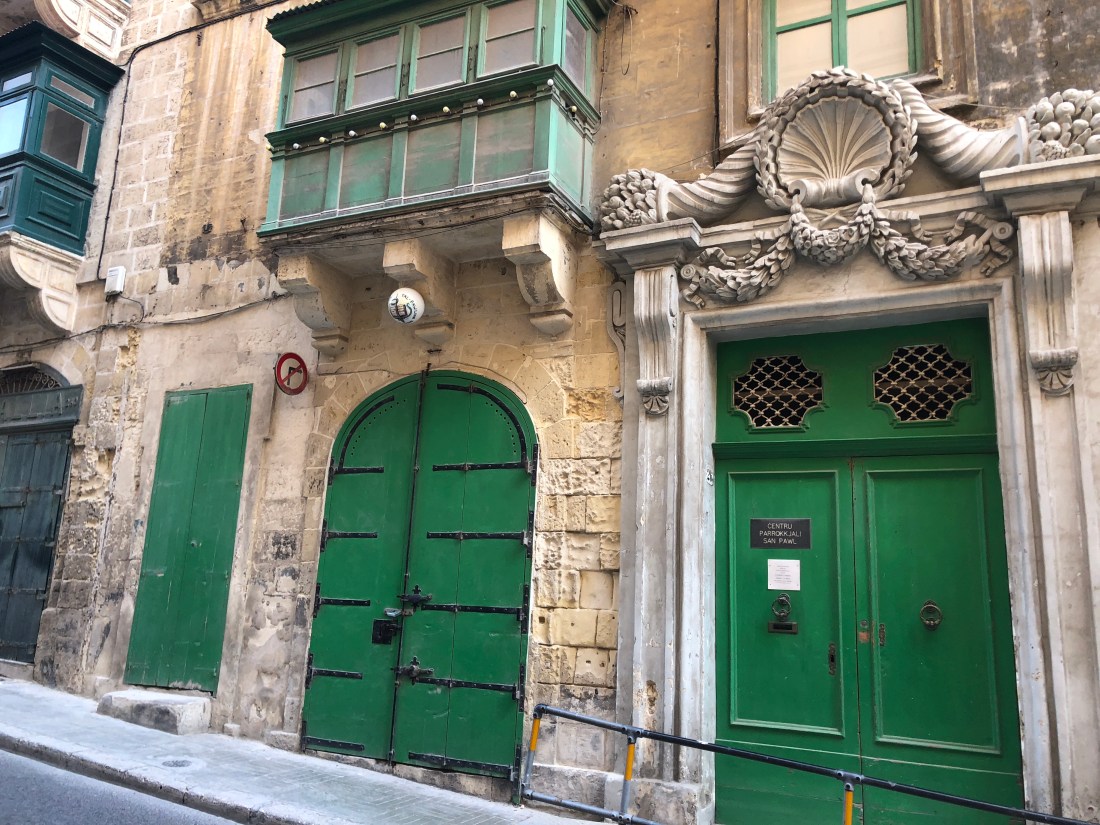
The first thing that strikes you is the colour of the rock, the dryness, lack of trees and the intensity of the light. The rock which is also the main building material sheds a pale dust, and the water has an earthy, mineral taste.
There is so much history in Malta with evidence of occupation during the Neolithic period, (we visited the Hypogeum, with underground structures dating 3 thousand years BC, thanks Helen Clegg), the Phoenicians, Romans and Arabs among others, the Normans and then The Knights of St John who ruled over Malta for several hundred years. Then came Napoleon for a brief time, then the British until it became independent in 1964. More recently in 2004 Malta joined the European Union which has triggered the major and rapid transformation that it is currently going through.
The City of Valletta is the European Cultural Capital 2018.
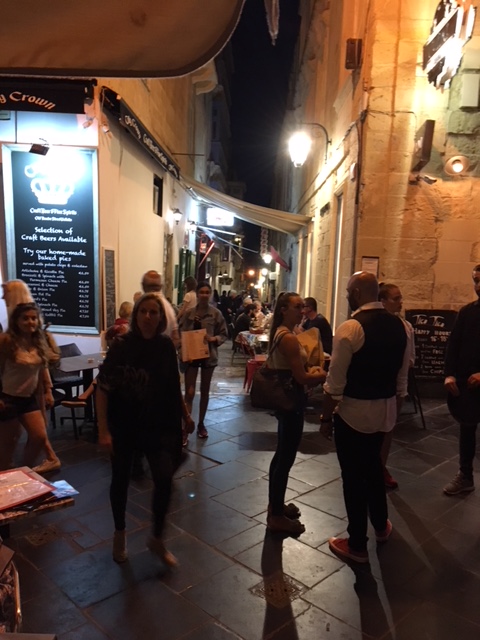
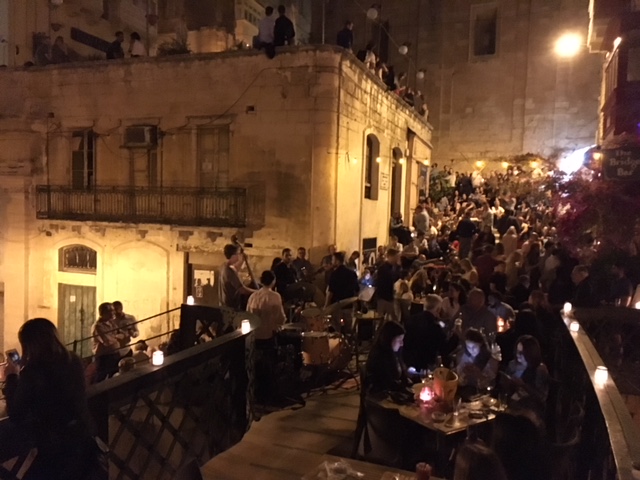
Straight Street is an example of the transformation that is taking place. It is becoming a hub of social life and creative activity, with an active program of restoration and regeneration. In places only 3.5 meters wide, it is Valletta’s narrowest street.
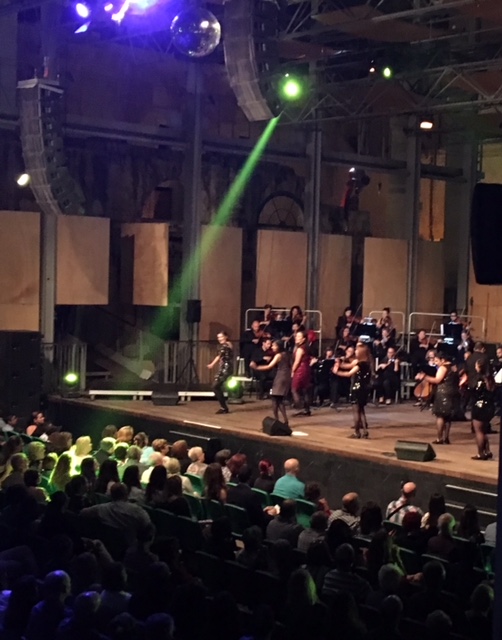
An Artistic Director has been appointed to oversee the organisation of cultural events and artistic activities. This involves venues such as bars, restaurants and street hubs, with interested potential partners including the University of Malta, the School of Art, School of Music, museums, theatres, the Malta Philharmonic Orchestra and new emerging popular culture. Activities include exhibitions, theatre productions, seminars, talks, street theatre, jamming and network sessions with artists.
Could we follow a similar model to try and liven up the centre of Canberra?
Natalie
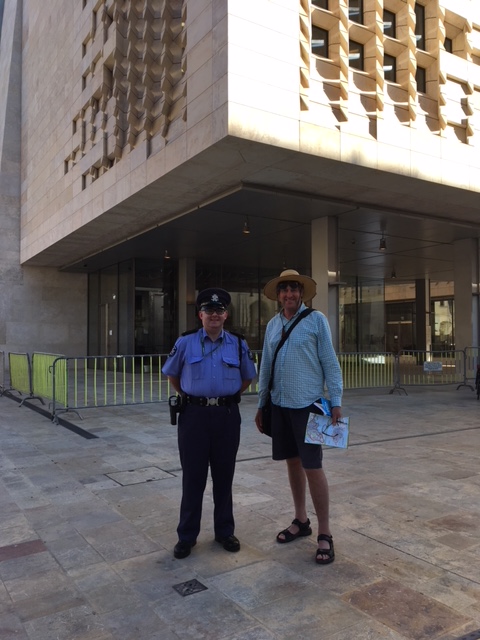
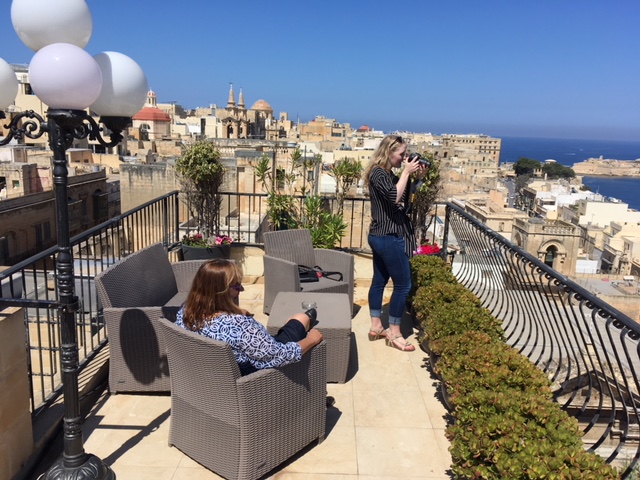
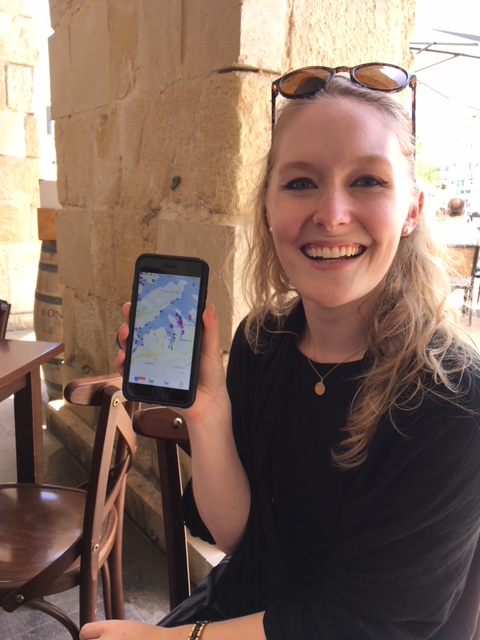
We met Nat on the train in Sicily and found we’d also be in Malta at the same time, so we caught up and explored a bit of Malta together. Nat comes from Atlanta in the US and has been travelling for her two weeks leave through Turkey, Tunisia, Sicily and Malta. She has a website and has been posting stories and fantastic photos of her travels. Check out her website.
https://www.natgoesglobal.com/.
Martin
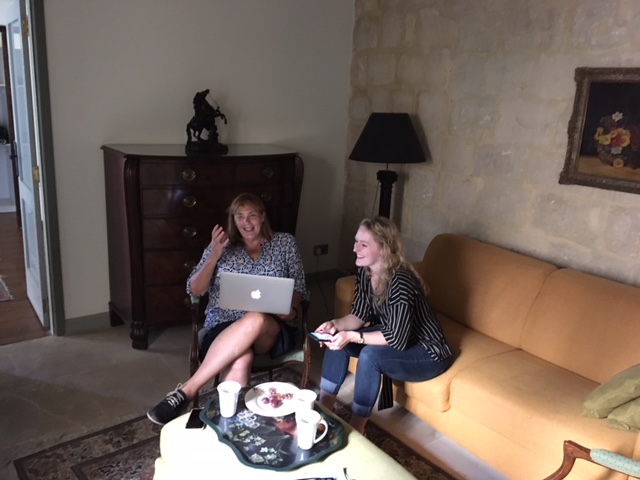
Waiting for the ferry back from Birgu, one of the three cities across the harbour from Valletta, we started chatting to Martin. He grew up in St Kilda in Melbourne with Maltese heritage. He’s decided to come and live in Malta, it’s easier from him to be based here as a freelance photographer than work from Australia. He provided us with some detailed history as we crossed the Harbour and we ended up having a coffee at his favourite place in Valletta, also run by an Australian of Maltese heritage.
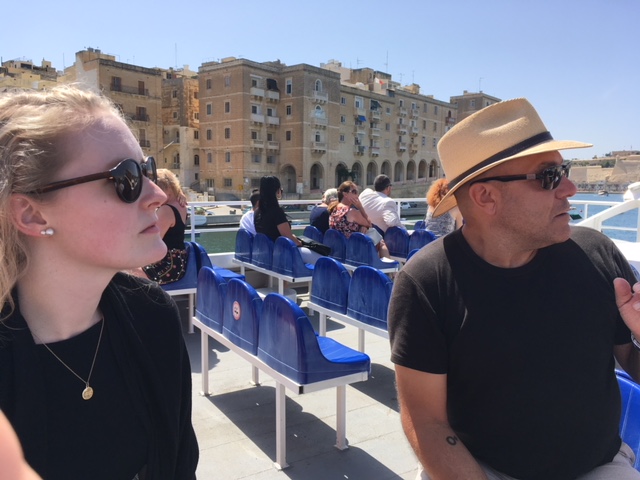
So many people seem to be moving to Malta, we met Bulgarians, Romanians, Ukranians who have come to live and work here. We saw signs in many shops and restaurants that staff were wanted.
Tourism is certainly a major driver, but joining the EU has been the catalyst for major change. There’s been an influx of people and investors, some of who are using Malta as a way to get into the EU. While it is bringing opportunities for Maltese, there are also some downsides. Property development is booming but housing is becoming very expensive, and with the free movement of people there has been a loss a control of who is coming in. Some of the new arrivals are involved for example in the gaming industry and the undesirable aspects that brings.
In recent years there has been pressure to silence investigative journalists, including Daphne Caruana Galizia who was killed by a car bomb.
The Taxi driver told us as we drove to the airport that last year there were 2.2 million visitors last year for a population of around 420,000. Malta is changing.

 Parental Gap-Year
Found this all facinating. Beautiful pictures, I have just seen wonderful scenes of Malta in a movie about Caravaggio who painted for the Knights of St John until he was forced to flee for Sicily. His painting of the martyrdom of St John was the only one he ever signed in the blood depicting his beheading. It is in the cathedral and is very gorey! Your pictures were of a happier Malta. Zoe has just been to dinner which she helped me cook. It was lovely to have her and she is off to the Bush tomorrow. I think she needs a rest as she has been pretty busy and even had a sale of her unwanted clothes today. I think she put a lot of work into it for not too much return. Good experience though. I have been to Lady Windermere’s Fan today with my old friends. Lots of fun and such a good play. Playing Bridge with Gil tomorrow Love G.B.
LikeLike
Love to go to Malta. Excellent reading yet again
LikeLike